
RFR Locks
RFR Bike Locks bring the same German engineering precision you'd expect from the component arm of Cube Bikes, packaged into security solutions that balance weight, portability, and proper peace of mind. Ready for Race might be the tagline, but these locks are just as ready for the supermarket car park or overnight storage in a dodgy alley. The standout feature? That soft-touch coating wraps every contact point, so your frame's paint stays pristine even when you're wrestling the lock into place in a hurry.
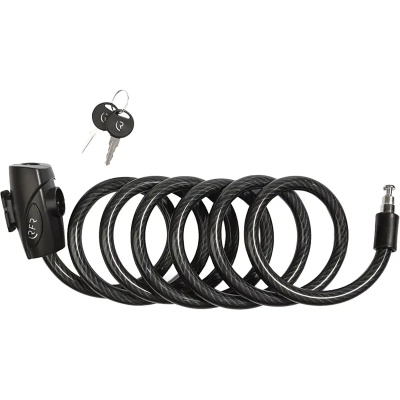
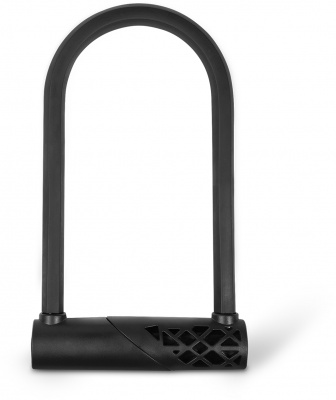
The range spans the full spectrum. Lightweight cable locks for quick café stops where you can keep an eye on your bike. Compact RFR folding locks that tuck into a frame mount bracket without rattling on rough roads. Heavy-duty chain locks with hardened steel links for when you're leaving your pride and joy locked up overnight. Each design prioritises corrosion resistant materials and anti-pick cylinders, so you're covered whether you're commuting through Manchester drizzle or locking up at a Welsh trail centre.
Prices and availability can change quickly. Delivery charges are not always included in listed prices.
Final price, stock status and delivery terms are set by retailer. We may receive a commission on purchases made.
Security Ratings and What's Inside the Lock
RFR's higher-tier models use specially hardened steel alloys that resist bolt croppers and angle grinders far better than generic hardware-store chains. The folding locks employ disc cylinder mechanisms rather than traditional pin tumblers, which makes them significantly harder to pick or drill. You'll find Sold Secure ratings - Silver or Gold - on many of the chain and folding models, and that's the benchmark most UK insurers want to see on your policy paperwork.
Are RFR locks Sold Secure rated? Yes, the heavier-duty chain and folding options carry Silver or Gold certification, though you'll need to check the specific product packaging to confirm which tier applies. Lighter cable locks typically don't carry formal ratings but serve well as secondary security for wheels or saddles. The locking cores themselves are corrosion resistant, so salty winter roads won't seize the mechanism mid-season. Worth noting: the anti-pick cylinder design means you're not fumbling with a sticky key after a wet ride, and the tolerances stay tight even after months of daily use.
Independent stress testing protocols put these locks through repeated impact and leverage attacks. That's not marketing fluff - it's the reason the shackles and links hold their shape under pressure. If you're comparing Abus locks or Kryptonite locks, RFR sits comfortably in the same conversation for mid-to-high security applications, often at a more accessible price point.
Folding, Chain, and Cable: Picking the Right Tool
The RFR folding lock series is the sweet spot for road and gravel riders who want portability without sacrificing bite. Folding locks pack down small, clip into a bottle cage mount, and unfold to wrap around a post and rear triangle with enough reach for most street furniture. They're stiffer than a cable, so they resist leverage attacks better, but they won't coil around awkward shapes the way a chain will.
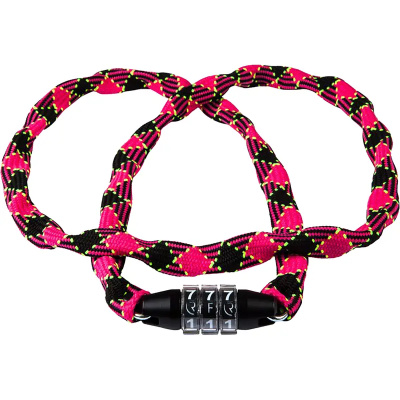
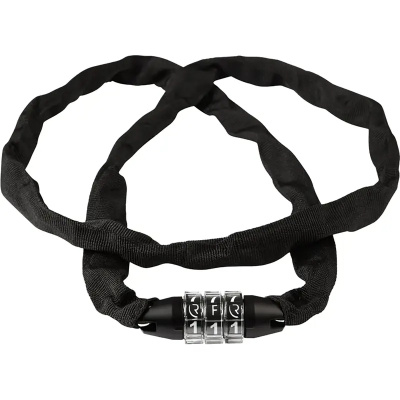
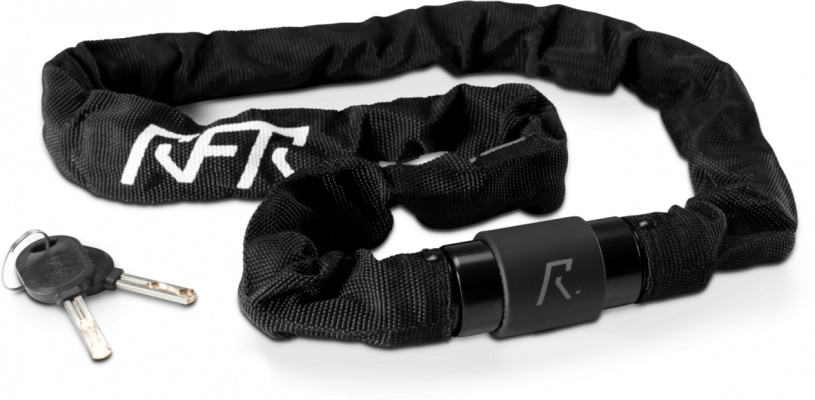
RFR chain locks offer maximum flexibility. Long enough to loop through both wheels and the frame, or to share a Sheffield stand with a mate's bike. The trade-off? Weight. A proper high security bicycle lock in chain form tips the scales, so you'll want a pannier or backpack rather than a jersey pocket. The soft-touch coating on the links means you won't scratch your chainstay when you're threading it through in a rush, and the sleeve dampens rattle if you do carry it in a bag.
Cable locks are the third option, best reserved for low-risk scenarios or as a secondary layer. Loop one through your front wheel when your folding lock secures the rear triangle, or use it to tether a helmet to the top tube. They're light, flexible, and cheap - but they won't stop a determined thief with a decent pair of cutters. Think of them as a deterrent for opportunists, not a primary defence. If you're after something more robust, Trelock locks and Acid locks offer similar tiered ranges with comparable material specs.
Carrying Your Lock Without the Rattle
RFR's frame mount bracket is a simple bit of kit that makes a real difference. It bolts into standard bottle cage mounts - two M5 screws, torque them to around 5 Nm - and holds the folding lock snug against the downtube or seat tube. The bracket uses a rubberised cradle, so there's no metal-on-metal contact and no annoying clatter on cobbles or gravel washboard.
For chain locks, RFR includes a nylon carry pouch in the box. Not the most elegant solution, but it keeps the chain from tangling and protects your bag lining. Some riders loop the chain around the seat post under the saddle, secured with a toe strap - works fine for short commutes, less so if you're hammering singletrack in the Peak District. Cable locks coil small enough to stuff in a jersey pocket or strap to a saddle bag with a Velcro loop.
The Easy-Entry System on certain RFR combination locks simplifies one-handed operation: you can unlock and open the shackle without needing to balance the bike or fumble with a key. Handy when you're juggling a coffee and a helmet. If you're kitting out the rest of your bike, RFR pedals share the same design language and practical focus, so your cockpit and security setup feel like a matched set.
Cube Compatibility and the RFR Design Language
RFR was born as Cube's in-house component brand, so the aesthetics and colourways mirror Cube's frame palettes - matte blacks, anodised greys, the occasional pop of neon. If you ride a Cube, the lock will look like it came specced from the factory. But the mounting systems and dimensions are universal; you're not locked into Cube bike compatibility. Any frame with bottle cage bosses will take the bracket, and the lock itself will wrap around any standard bike tube diameter.
Is RFR a good brand for bike locks? Absolutely. You're getting German engineering, durable hardened steel construction, and a soft-touch coating that protects your paintwork - all at a price point that undercuts some of the household names. The brand might not have the same recognition as Hiplok locks or Master Lock locks, but the material specs and security ratings speak for themselves.
The Cube/RFR integration extends to colour-matched keys and lock bodies on certain models, so if you're running a full Cube setup - frame, saddle, bar tape - the lock becomes part of the visual story rather than an afterthought bolted on. That said, function trumps form here: the locks work just as well on a steel tourer or a carbon race bike, and the universal mount means you can swap them between bikes without needing a different bracket.
Setting Your Code and Day-to-Day Use
How do I set the code on an RFR combination lock? Open the lock using the factory default - usually 0000 - then locate the small reset dial or switch on the side of the lock body. Rotate it to the 'set' position, dial in your chosen four-digit code, and flip the switch back to the locked position. Test the new code a couple of times before you thread it through your bike; there's nothing worse than discovering you've mis-set it when you're late for work.
RFR's programmable combination models eliminate the need to carry a key, which is a blessing if you're the sort who loses small metal objects in jacket pockets. The dials are large enough to operate with winter gloves on, and the numbers are laser-etched rather than printed, so they won't wear off after a season of use. The cylinder remains corrosion resistant even if you forget to wipe it down after a wet ride, though a quick spray of PTFE lube once a month keeps the mechanism smooth.
For keyed models, RFR supplies two keys per lock - one for your keyring, one for the kitchen drawer. The anti-pick cylinder design means you won't be drilling out the lock if you lose both, so treat the spare with respect. Some riders tape the spare under the saddle with electrical tape, others leave it with a trusted housemate. Your call.
Limitations and What to Watch For
No lock is unbreakable, and RFR doesn't pretend otherwise. The lighter folding and cable models will deter casual opportunists but won't withstand a sustained attack with power tools. If you're locking up in a high-risk area overnight, pair a folding lock with a chain or upgrade to a Sold Secure Gold-rated model. The trade-off is always weight versus security: a 1.5 kg chain offers more protection than a 600 g folding lock, but you'll feel it on a long ride.
The soft-touch coating is brilliant for protecting paint, but it can scuff or tear if you're rough with it. Not a functional issue - the steel underneath remains intact - but it won't look as tidy after a year of daily abuse. Cable locks, as mentioned, are best reserved for low-risk scenarios; don't rely on them as your sole security in a city centre. If you need more reach than a folding lock provides but don't want the bulk of a chain, consider pairing two shorter locks or looking at Cube locks for extended-length options within the same family.