
Hiplok Locks
Hiplok bike locks exist because someone finally got tired of bungee-cording a heavy D-lock to their frame and calling it a solution. The brand's core idea is straightforward: build serious security into something you can actually carry without it rattling around or weighing your bag down. That means patented wearable designs that sit around your waist on the ride, paired with ratings that your insurer will actually accept - Sold Secure Gold and Diamond across much of the range. For UK riders, those ratings matter. London, Bristol, and most major cities see enough bike theft that anything below Gold is a gamble on a decent bike, and insurers are increasingly explicit about minimum standards.
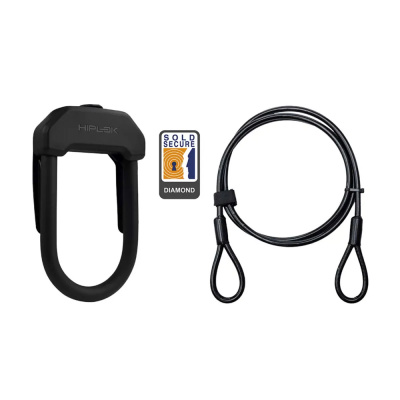
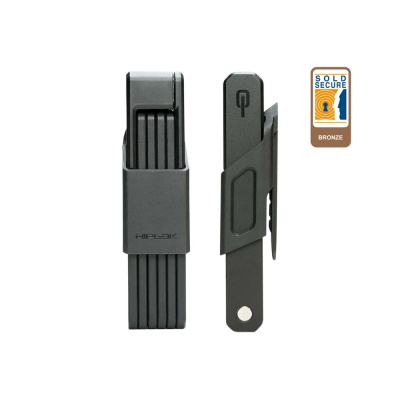
The range runs from the featherlight Z-Lok - more of a secondary deterrent than a fortress - through wearable chain locks at various weights, up to the D1000 series, which uses Ferosafe graphene composite to chew through angle grinder discs rather than the other way around. There's genuine engineering here, not just marketing copy. Whether you're locking a high-value e-bike outside a Bristol coffee shop or need a compact D-lock you can clip to your bag strap for the commute, there's a Hiplok built around that exact problem. Compare the full range and current UK prices below.
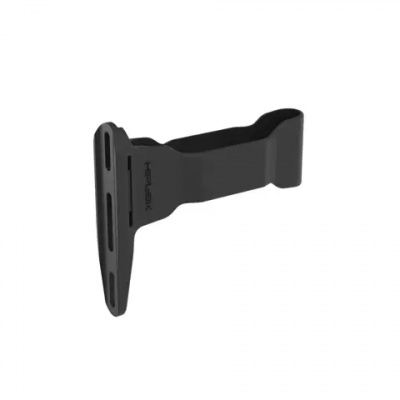
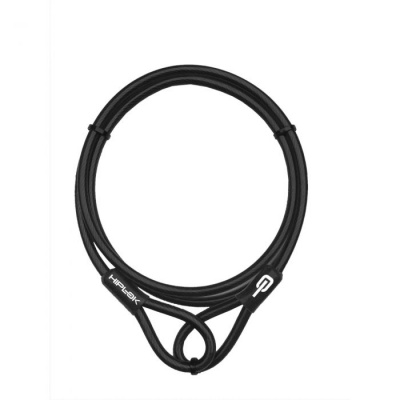
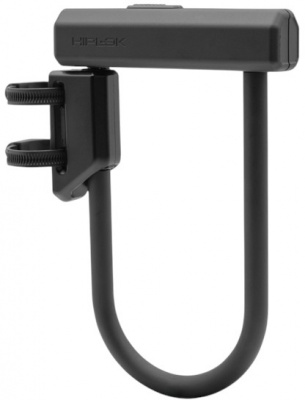
Prices and availability can change quickly. Delivery charges are not always included in listed prices.
Final price, stock status and delivery terms are set by retailer. We may receive a commission on purchases made.
Security Ratings and What the Technology Actually Does
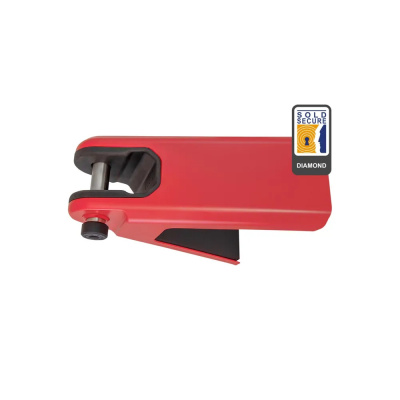
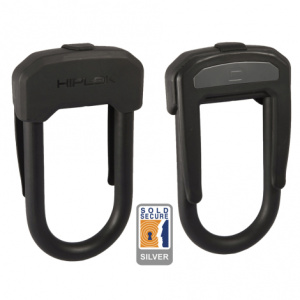
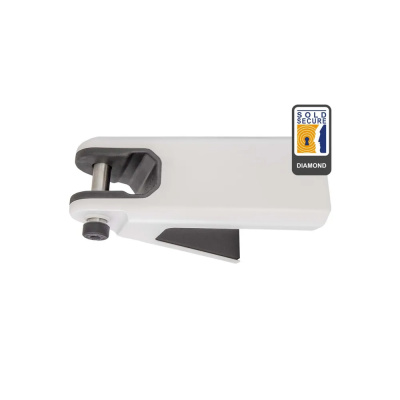
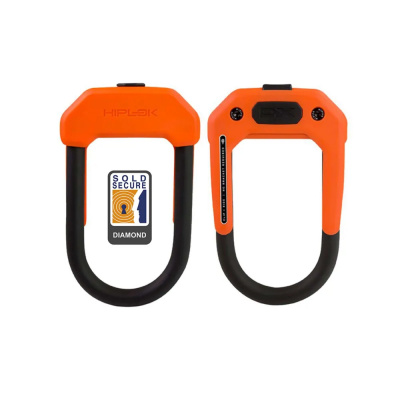
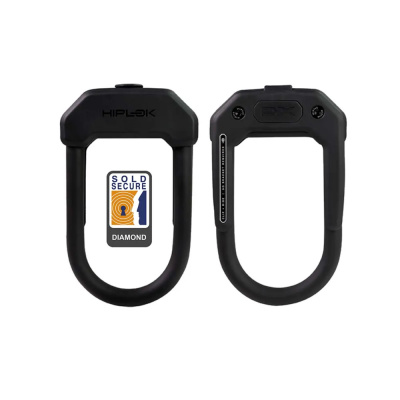
Sold Secure ratings - Silver, Gold, and Diamond - are the clearest shorthand for how seriously a lock will be tested. Silver covers basic attack resistance and suits low-risk, short stops. Gold means the lock has withstood a timed attack with common theft tools, and it's the baseline most UK cycle insurers demand. Diamond goes further, involving more aggressive tooling and longer attack times. The Hiplok D1000 and DX1000 both carry Sold Secure Diamond certification - Pedal Cycle Diamond and Powered Cycle Diamond respectively - making them among the strongest-rated locks you'll find on the UK market. If you're insuring anything north of a mid-range road or e-bike, Diamond is worth paying attention to.
What separates the D1000 series from most hardened steel competitors is Ferosafe graphene composite. The shackle isn't just tough - it's designed to actively destroy the cutting disc being used against it. Angle grinder discs wear down rapidly on contact with the material, forcing a thief to swap discs repeatedly, burning time and drawing attention. No lock is physically invincible, but this makes a smash-and-grab in a public place significantly harder to execute quietly and quickly. The shackle diameter on the D1000 series is substantial, and combined with a high-quality lock cylinder, it resists both brute-force and pick attacks. For anyone looking at Abus locks or Kryptonite locks at this security tier, the Ferosafe tech is the detail that genuinely differentiates Hiplok at the top end.
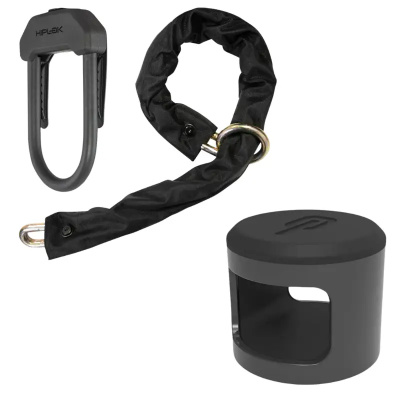
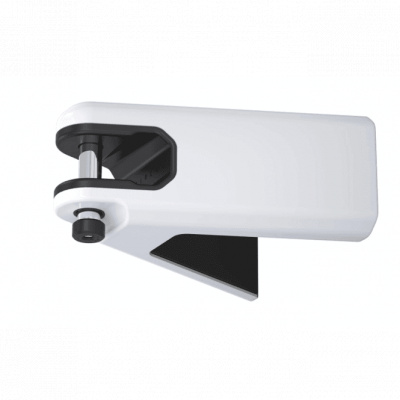
For home storage, even a Diamond-rated lock works best paired with a fixed anchor point. A lock through a frame secured to nothing is only half the job. Hiplok's anchor range is designed to work directly with their locks - worth checking if you're building out a home security setup rather than relying on a fence post.
Z-Loks, Chains, and D-Locks: Matching the Lock to the Risk
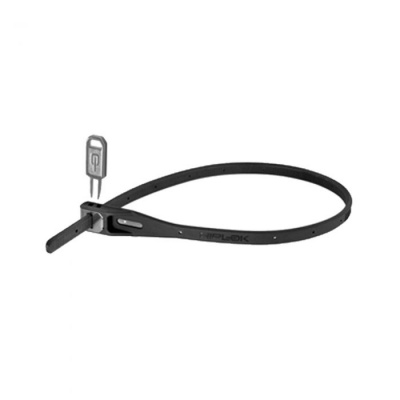
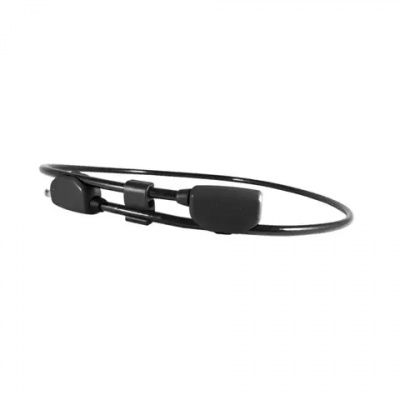
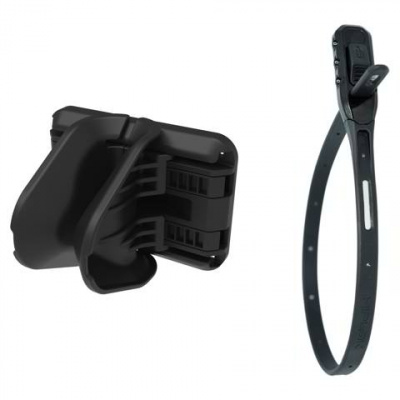
Think of the Hiplok range as a risk ladder. The Z-Lok sits at the bottom - it's a zip-tie-style lock with a steel core, light enough to forget it's in your pocket. That's not a criticism; it's what it's designed for. A quick café stop where your bike is in eyeline the whole time, or locking a wheel to a frame as a secondary measure. Don't ask it to do more than that. No Sold Secure rating, no illusions.
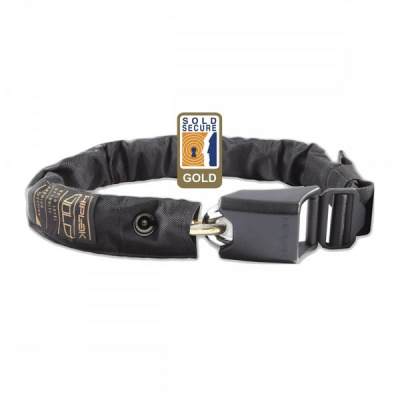
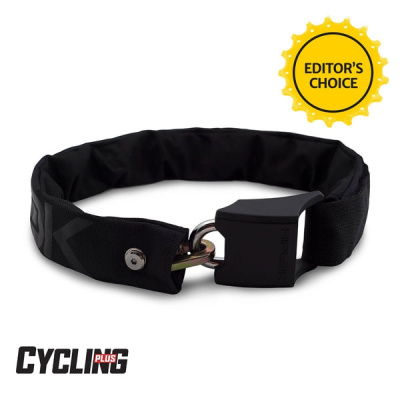
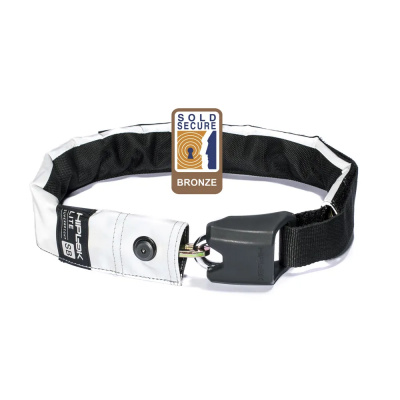
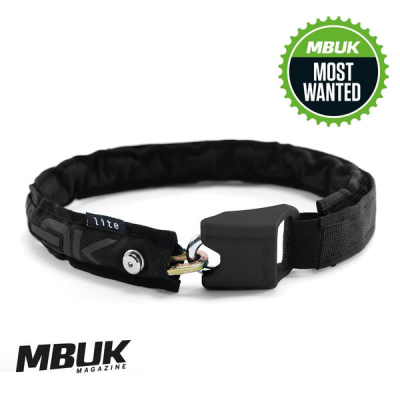
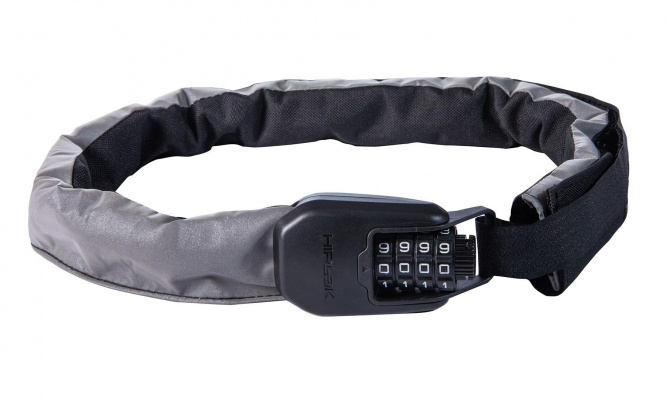
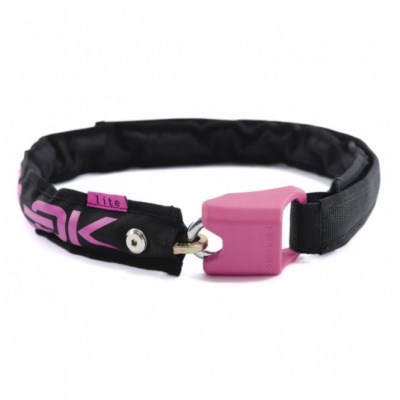
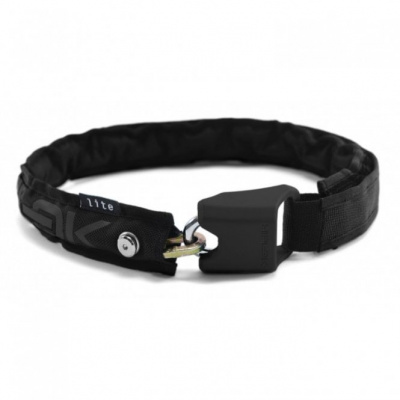
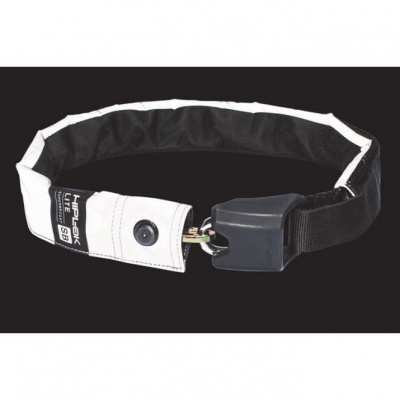
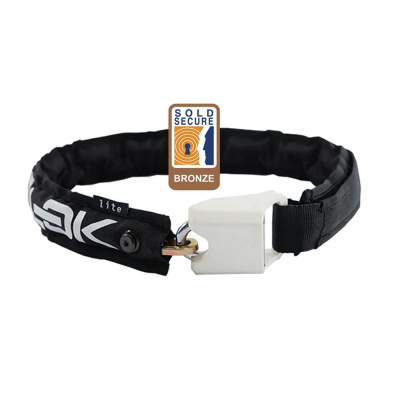
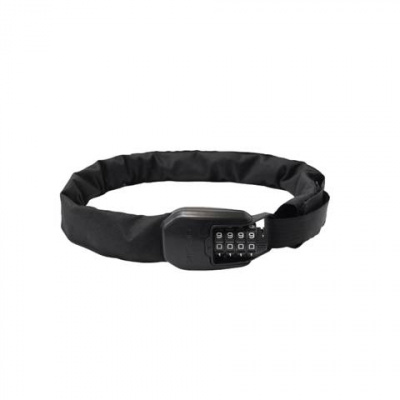
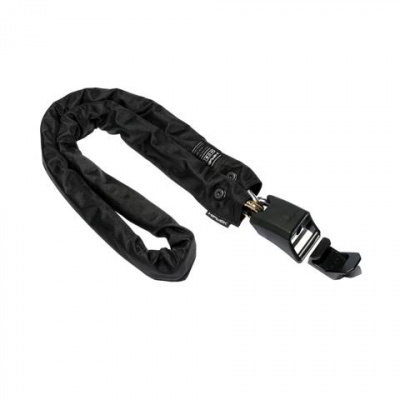
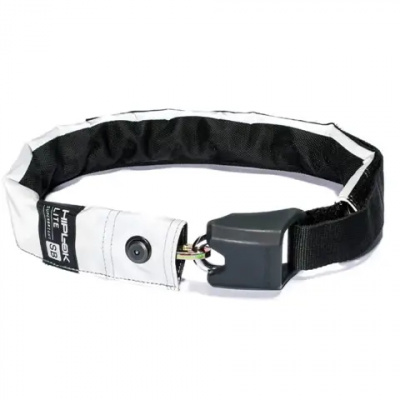
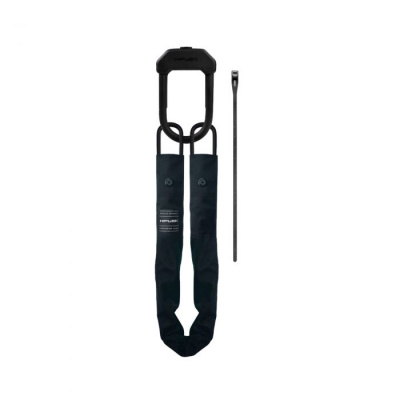
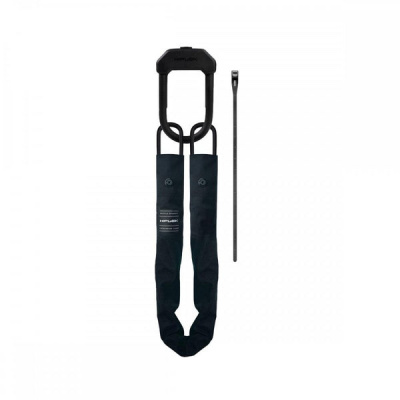
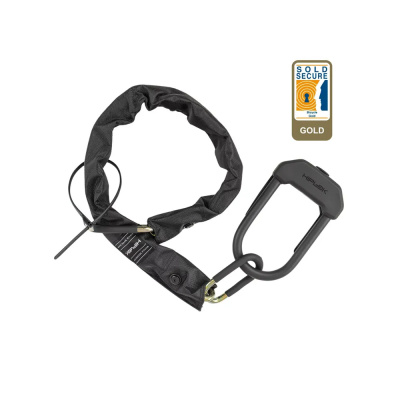
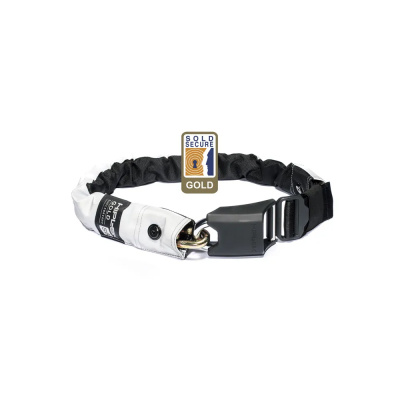
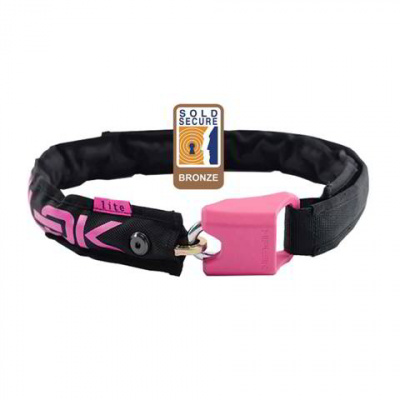
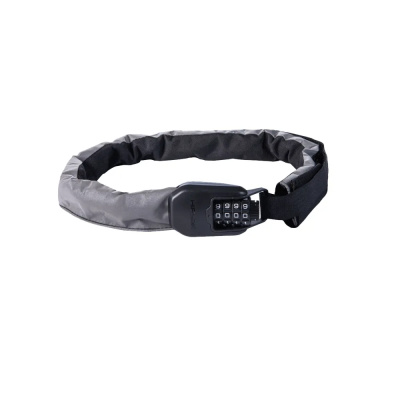
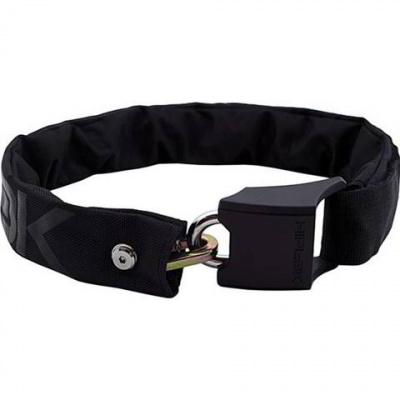
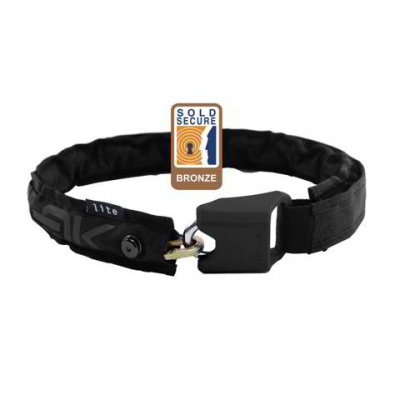
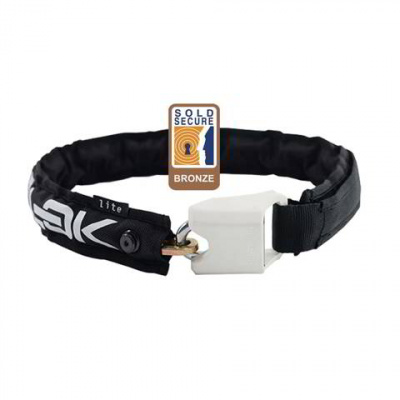
The wearable chain locks are where Hiplok made their name. The Hiplok Lite, Original, and Gold sit at progressive points on the weight-versus-security scale. The Lite keeps things manageable for everyday riders who don't want to feel like they're carrying ballast - Sold Secure Silver, fine for lower-risk areas or as a second lock alongside a D-lock. The Original steps up the chain links and the rating. The Gold chain, with its hardened steel chain links and Sold Secure Gold certification, is the one you'd reach for on a commuter or a bike worth protecting properly. All three use Hiplok's patented wearable fastening - the chain wraps around your waist and clips like a belt, with no lock holding it to your body. You adjust it to fit, ride comfortably, and unclip it quickly when you stop. It sounds like a gimmick until you've tried to fit a 1.2kg chain in a jersey pocket.
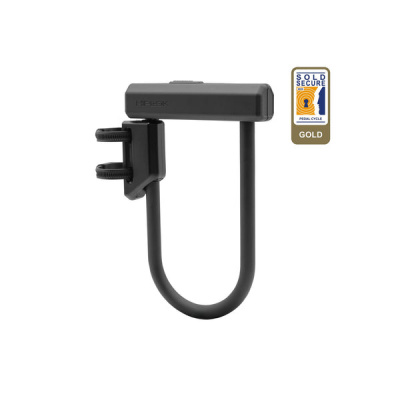
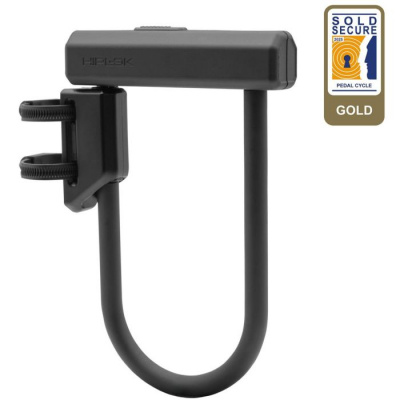
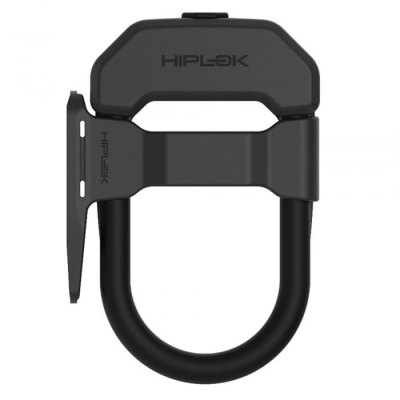
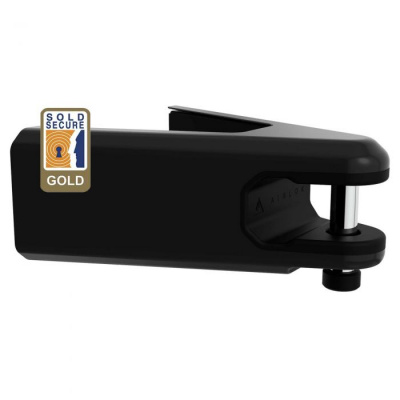
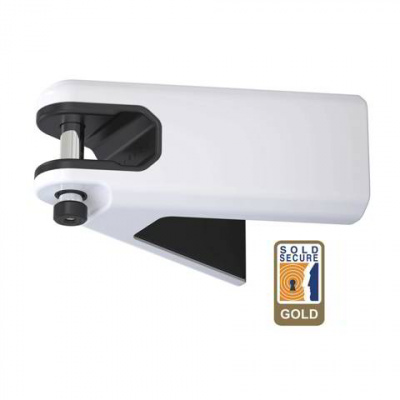
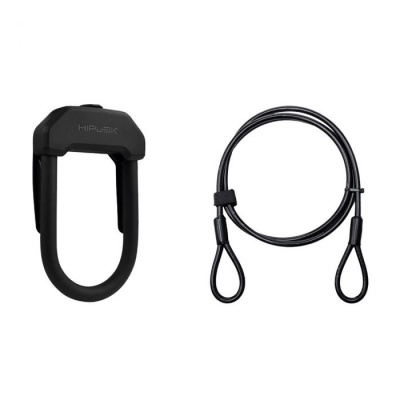
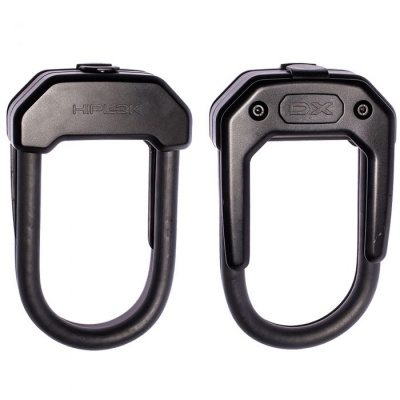
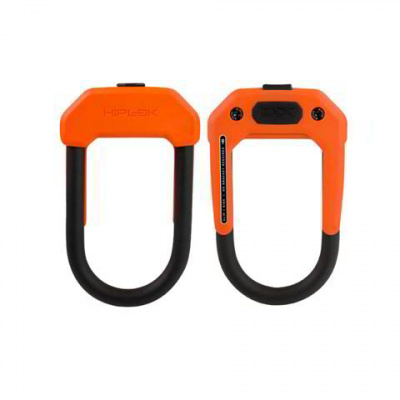
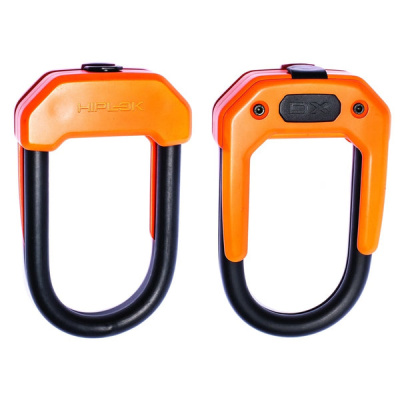
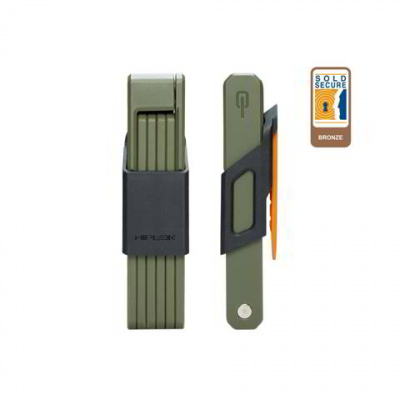
If you'd rather carry a D-lock, the DX and D1000 both feature the CLIP + RIDE system - integrated clips that attach directly to a belt or bag strap so the lock travels with you rather than on the bike. No frame mount needed, no rattle, and no hunting around for where you stowed it. The DX is the more accessible entry point, Sold Secure Gold rated. The D1000 is the serious hardware, carrying that Diamond rating and the Ferosafe shackle. It's noticeably heavier, but if you're parking a £3,000 e-bike on a Bristol street, that's the trade-off you make. Riders comparing options might also look at Litelok UK locks at this tier - though the wearable carry system remains one of Hiplok's cleaner practical solutions. Check out Hiplok frame protection too if you're threading chains through tight spaces and worrying about paint damage.
Locking Well in UK Cities and Keeping the Mechanism Working
Owning a quality lock is only part of it. How you use it is the other half. The standard advice - lock through the rear triangle and rear wheel, not just the wheel alone - holds, but there's more to it in practice. Keep the lock body off the ground where possible; a lock resting on tarmac can be smashed down onto a hard edge to stress the shackle. Position the keyway facing downward or to the side so it's harder to access with picks or spray. Fill the shackle as much as possible with whatever you're locking to - a loose, dangling lock gives leverage for bolt croppers. If you're regularly locking to awkward street furniture in city centres, a longer chain gives you more options than a D-lock alone.
UK winters are hard on lock cylinders. Road salt and persistent damp work their way into mechanisms, and a seized lock on a dark Tuesday morning is genuinely miserable. Avoid standard WD-40 in the cylinder - it displaces moisture short-term but leaves a residue that attracts grit and accelerates wear. A PTFE-based dry lubricant or graphite lock spray, applied every few months, keeps the lock cylinder moving smoothly through the wet season. It takes two minutes and saves you a lot of frustration. If you're buying a chain lock, it's also worth checking the links periodically for surface rust, particularly on bikes stored outside. A quick wipe down after winter rides goes a long way. Oxford locks cover similar maintenance ground if you're comparing broader brand options. For storage-focused care, Hiplok's storage range is worth a look if you want to keep locks and bikes in better shape at home.
One more thing worth knowing: the ART rating system, common in mainland Europe, is gaining traction with UK insurers alongside Sold Secure. Hiplok's top-end locks score well under both frameworks, so if your insurer specifies either standard, the D1000 series has you covered.
Hiplok Locks FAQs
Are Hiplok bike locks Sold Secure rated?
Most of Hiplok's main locks are Sold Secure rated, which matters for UK bike insurance compliance. The range covers Sold Secure Silver at the lighter chain end, through Gold on the DX and wearable chain locks, up to Sold Secure Pedal Cycle Diamond and Powered Cycle Diamond on the D1000 and DX1000 - the certifications most insurers want to see on higher-value bikes.
How do you wear a Hiplok chain lock?
Hiplok's patented wearable fastening lets you wrap the chain around your waist and clip it like a belt - no lock holding it to your body, so there's no safety risk if you come off. You adjust the fit once, and it stays comfortable on the ride. Unclipping when you arrive takes a couple of seconds. It's genuinely practical once you've used it.
Can angle grinders cut through a Hiplok D1000?
Not easily, and that's the point. The D1000's Ferosafe graphene composite shackle destroys cutting discs on contact, forcing multiple disc changes and extending attack time considerably. No lock beats every attack indefinitely, but the D1000 makes a quick, discreet theft attempt with an angle grinder realistically impractical in most public settings.