
Acid Locks
Acid bike locks are designed alongside Cube's own bike range, which means the mounting systems, proportions, and frame protection details have been thought through properly - not bolted on as an afterthought. That said, they work perfectly well on any frame, so don't let the brand pairing put you off if you're running something else entirely.
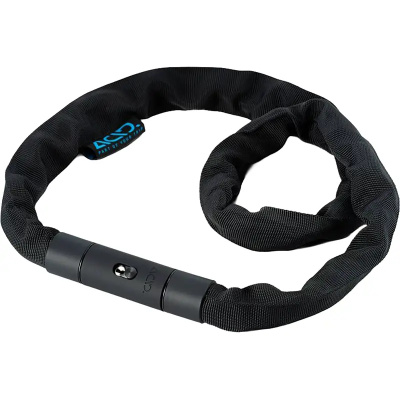
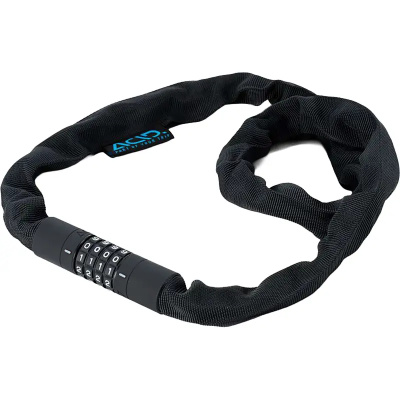
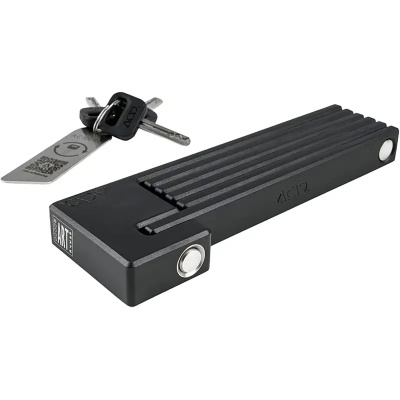
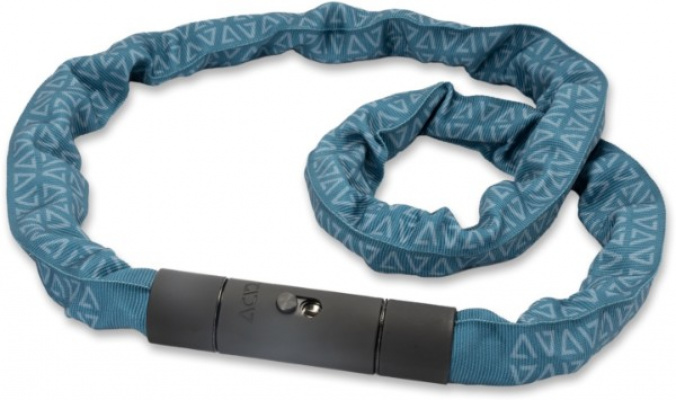
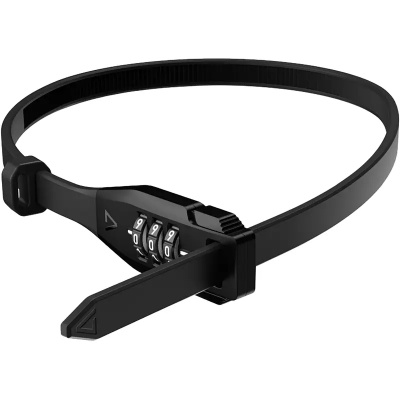
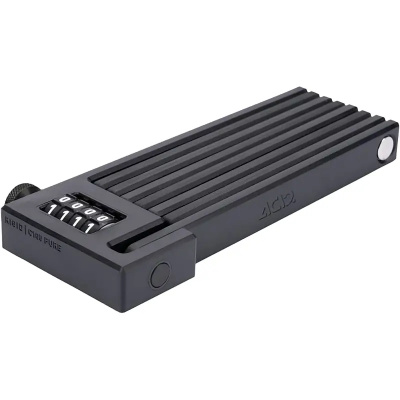
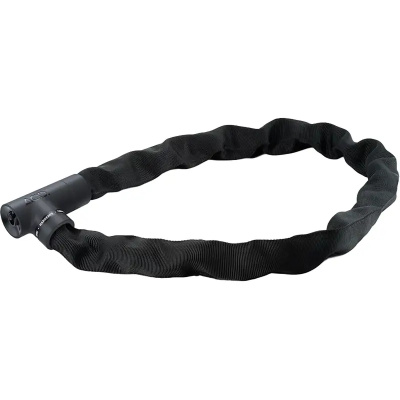
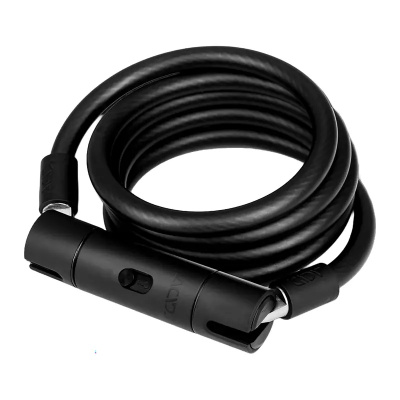
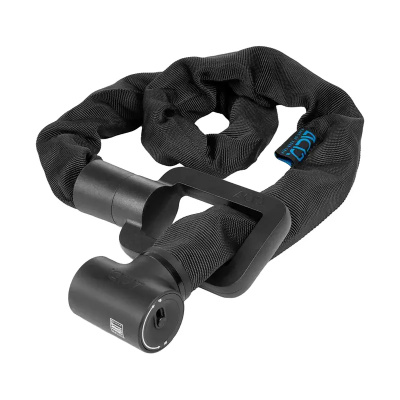
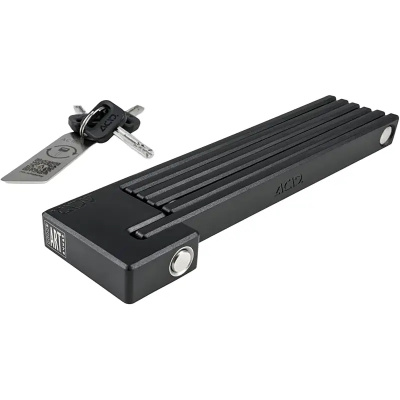
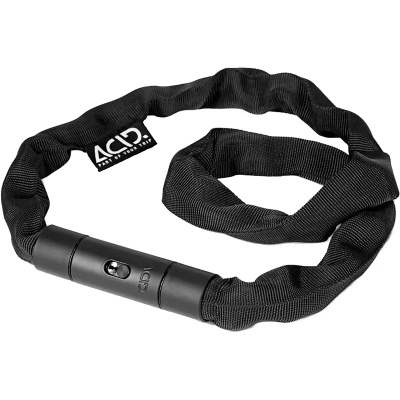
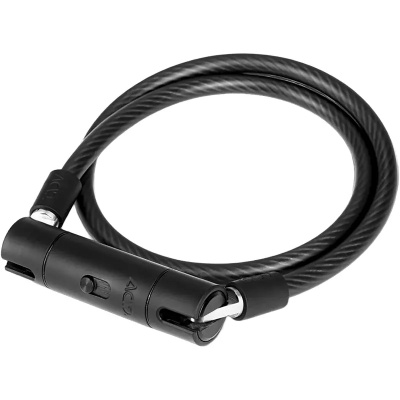
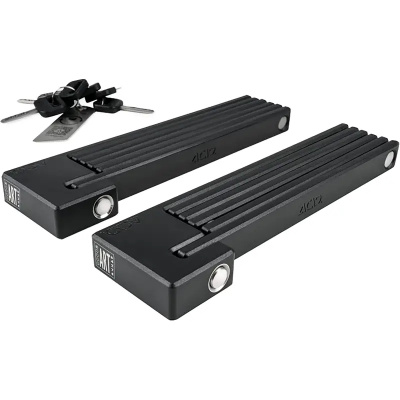
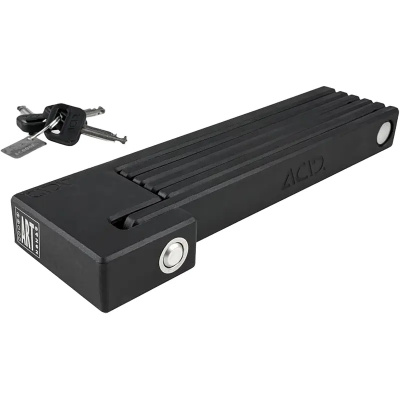
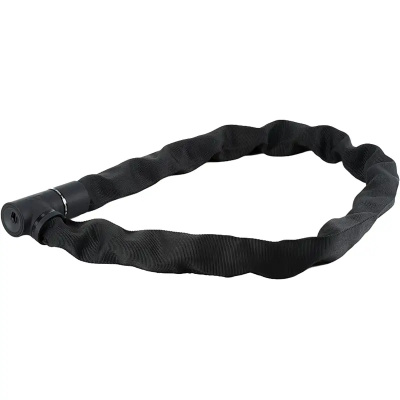
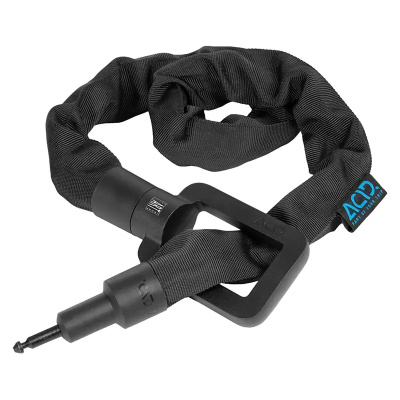
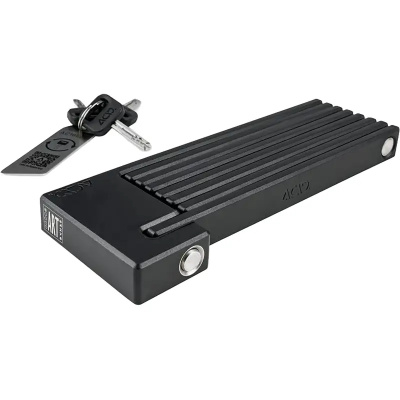
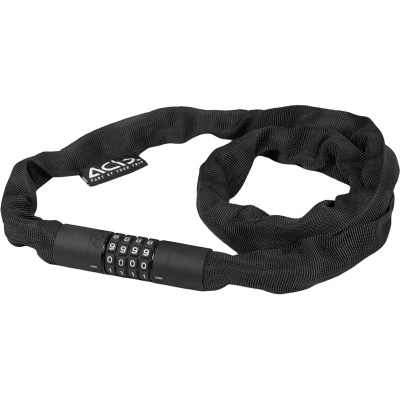
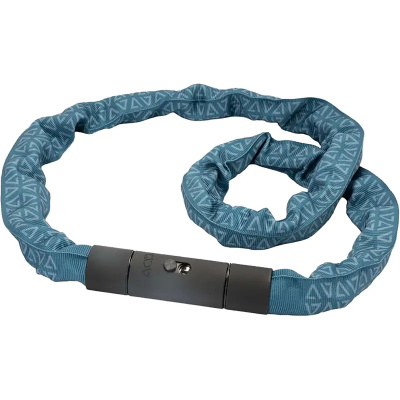
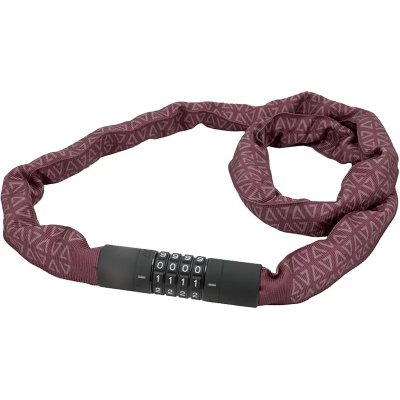
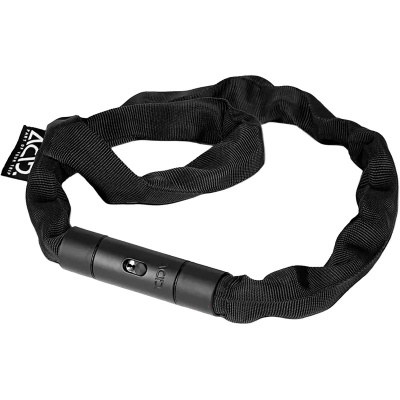
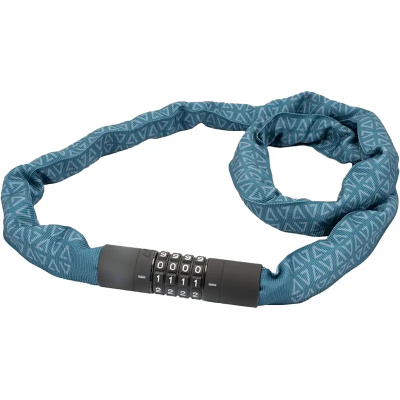
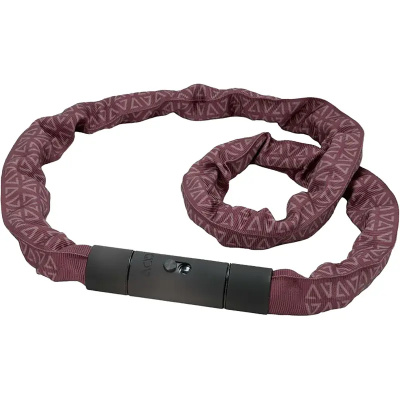
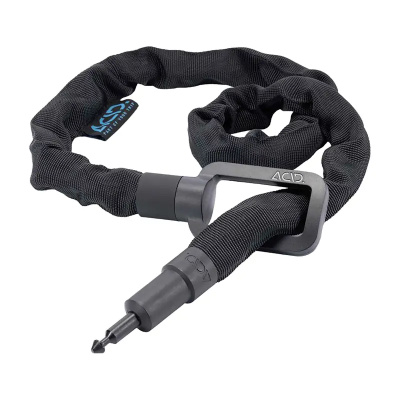
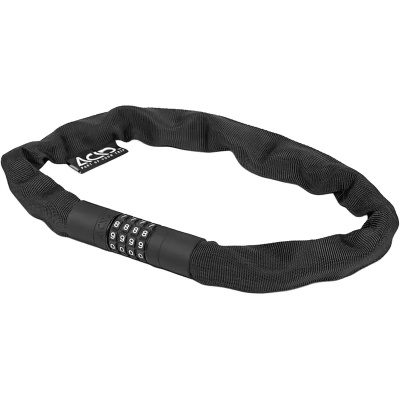
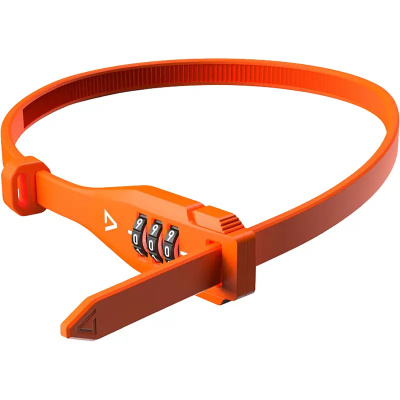
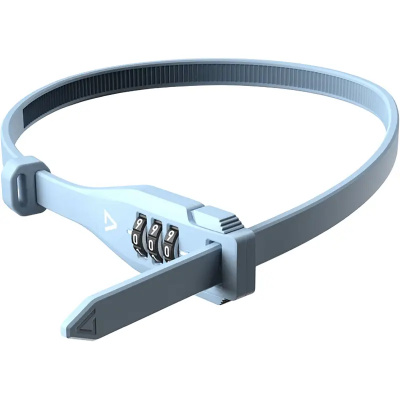
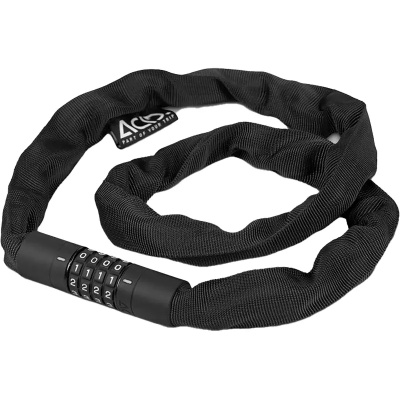
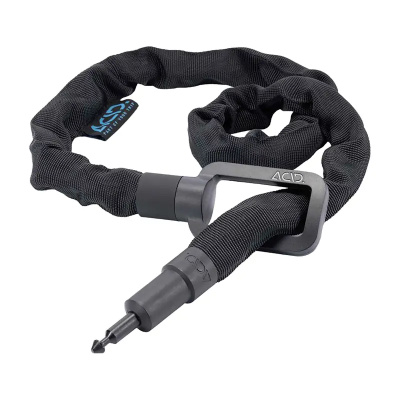
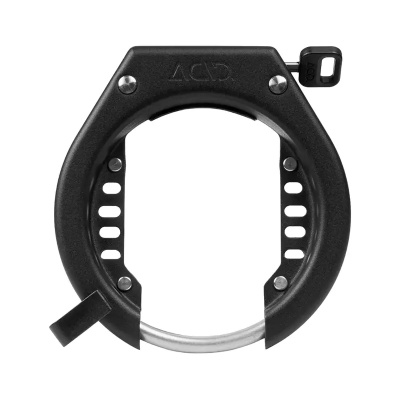
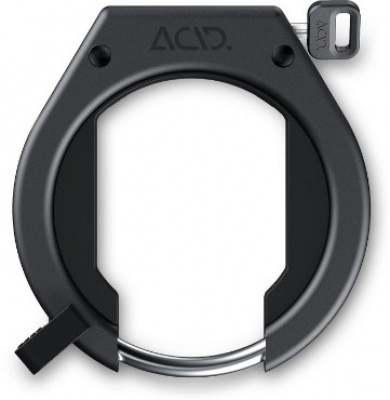
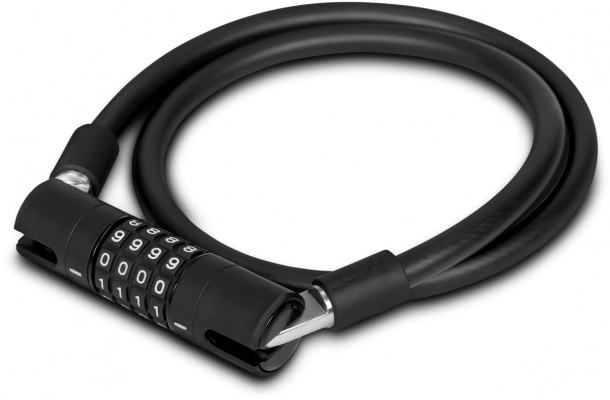
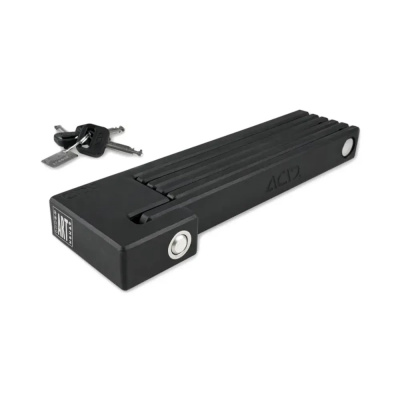
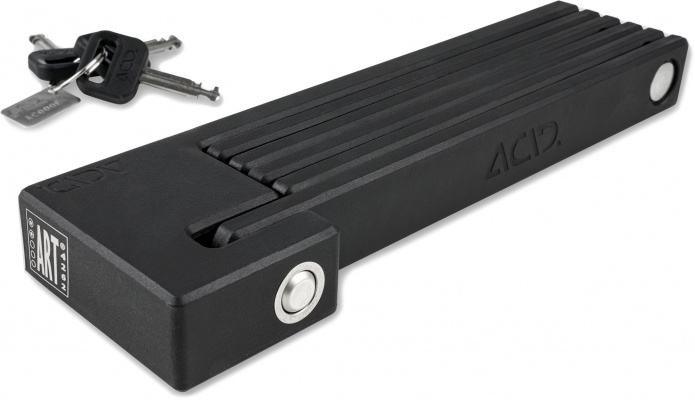
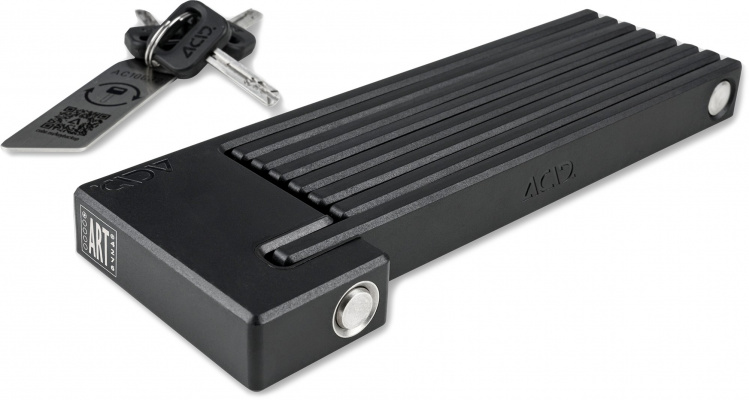
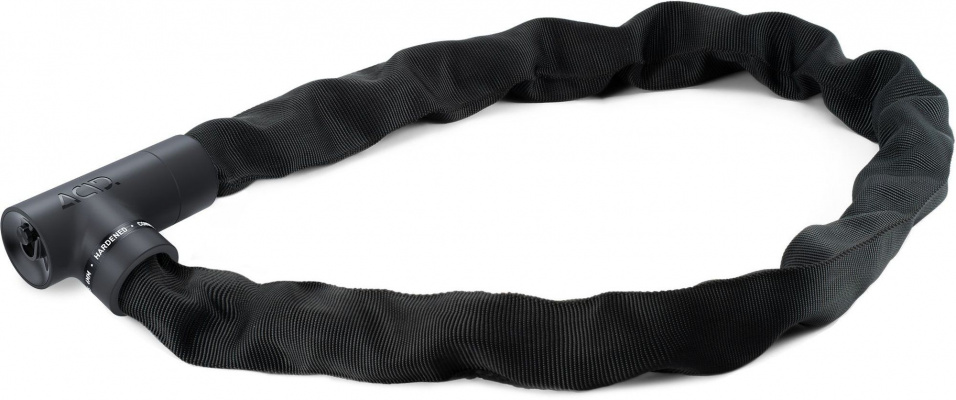
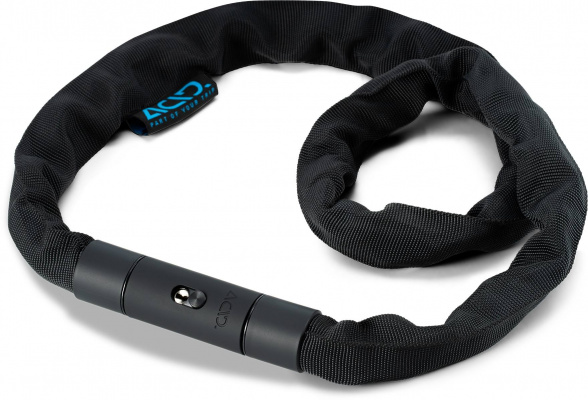
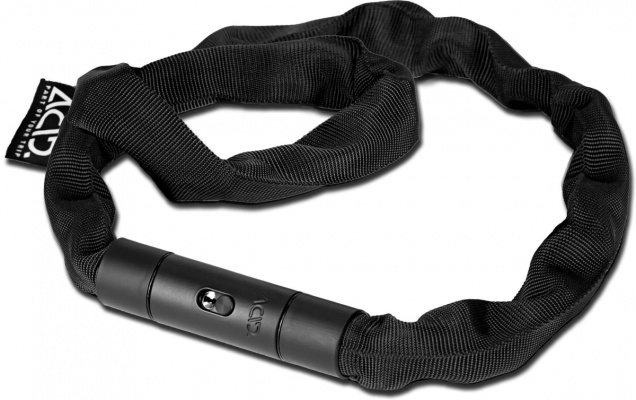
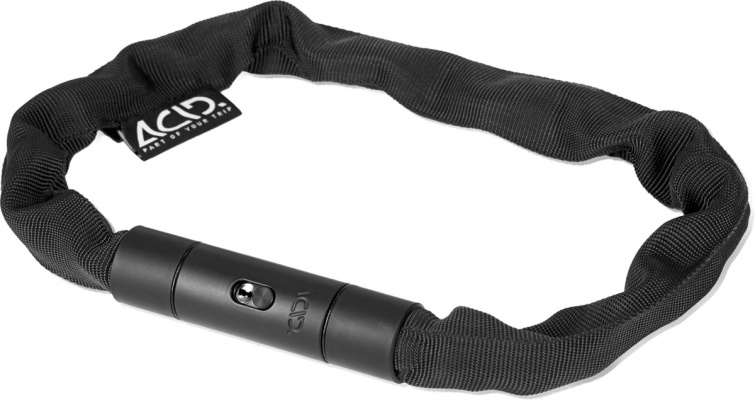
The range covers three distinct jobs. The CORVID series handles serious urban security - hardened steel D-locks and heavy chains with the Sold Secure ratings UK insurers actually want to see. The RIGID folding lock range packs down small enough to stash in a jersey pocket or bar bag, making it a practical choice for commuters and tourers who can't carry a full D-lock every day. Cable locks round things out for low-risk secondary use, like securing a helmet at a café stop.
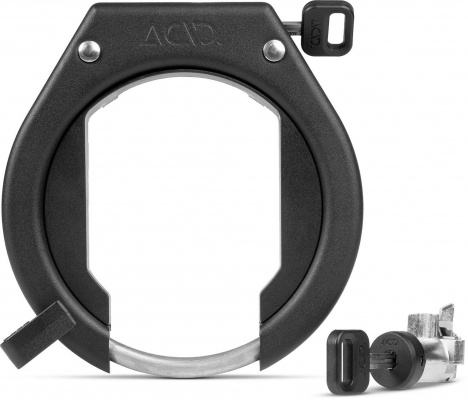
Across the range, Acid uses soft-touch silicone and synthetic coatings on any part that contacts your frame, so you're not grinding bare metal against your paintwork every time you slot the lock into its bracket. The mounting systems bolt straight into standard bottle cage bosses or strap onto oversized tubes - no drilling, no faff. Anti-pick lock cylinders and integrated dust covers are standard features worth noting, especially if you're locking up outside through a British winter.
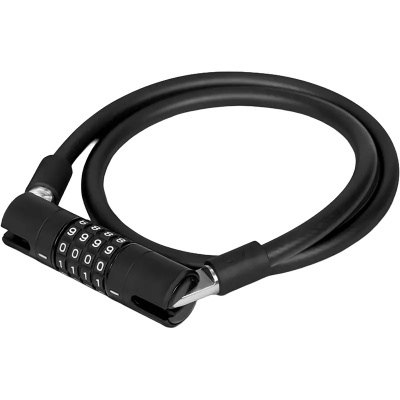
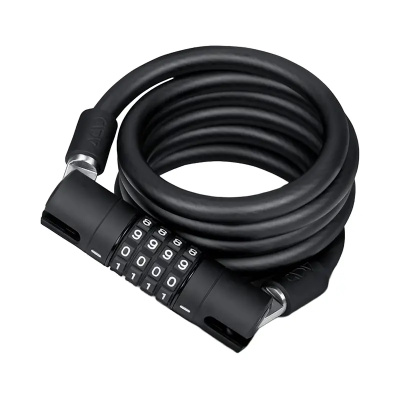
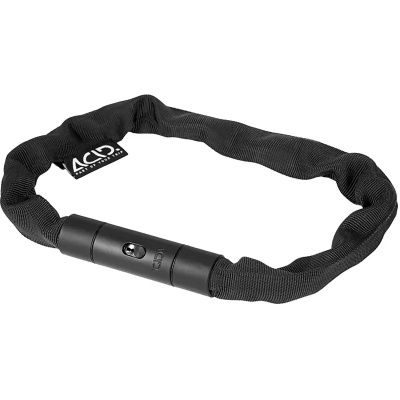
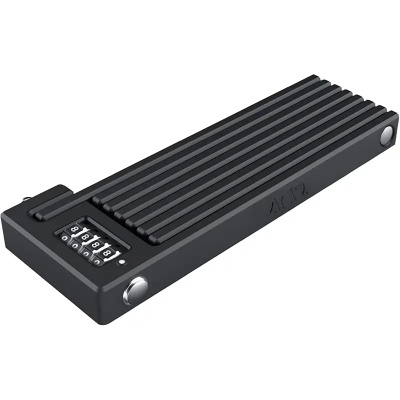
Prices and availability can change quickly. Delivery charges are not always included in listed prices.
Final price, stock status and delivery terms are set by retailer. We may receive a commission on purchases made.
Fitting Acid Locks to Your Frame
Most Acid locks ship with a bracket that bolts directly into your frame's bottle cage mounts - the standard 64mm boss spacing found on the vast majority of road, gravel, and hardtail MTB frames. Two bolts, done in thirty seconds. The bracket holds the lock snugly enough that it won't rattle on rough surfaces, which matters more than it sounds on a long commute across cobbles or broken tarmac.
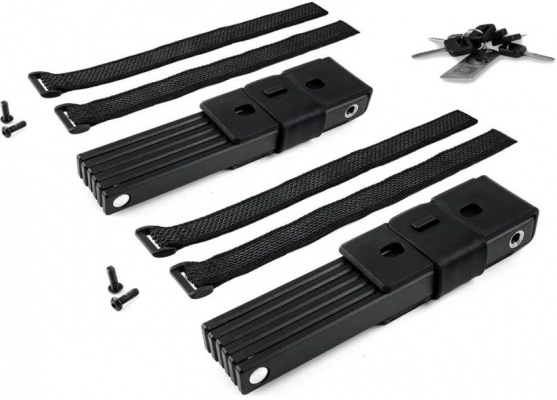
If your frame doesn't play nicely with that system - think full-suspension MTBs with a short inner triangle, e-bikes with a chunky oversized downtube, or smaller frame sizes where clearance is tight - Acid also includes heavy-duty rubber or Velcro strap systems. These wrap around virtually any tube diameter and hold the bracket firmly without marking the finish. Worth checking before you buy, though: a large CORVID D-lock has a generous shackle, and on a small-frame hardtail or a trail bike with a compact front triangle, it can be a squeeze to mount tidily without fouling the suspension or the water bottle itself.
The silicone frame protection on the brackets and lock bodies means contact points are cushioned. No bare metal-on-paint contact. That's a small detail that saves you a scratched top tube over hundreds of commutes, and it's the kind of thing you notice on cheaper locks only after the damage is done.
Acid Lock Hierarchy: CORVID vs RIGID
Think of the Acid lock range as a sliding scale between maximum security and maximum convenience - and be honest with yourself about where your locking situation actually sits on that scale.
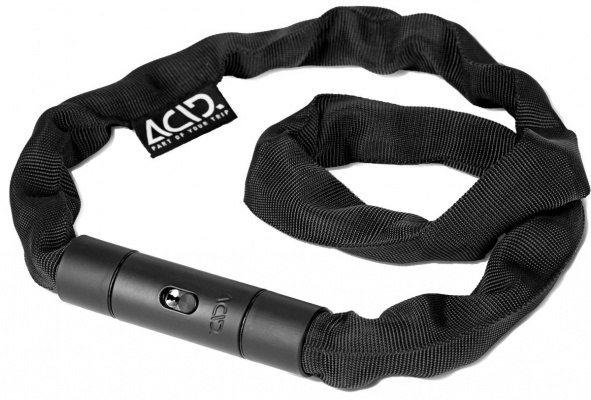
At the heavy-security end, the Acid CORVID D-locks and chains are the ones to reach for if your bike lives outside in a city, gets left at a commuter rail station, or needs to comply with your insurer's requirements. The CORVID series carries Sold Secure Silver or Gold ratings depending on the model - Gold is the benchmark most UK home insurance policies and specialist cycle insurers specify, so check your policy wording before you buy. The hardened steel shackle on the D-lock resists bolt cropper attacks far better than mild steel alternatives, and the anti-pick lock cylinder adds another layer against anyone with patience and a pick set. If you're comparing options, Abus locks and Kryptonite locks operate at a similar security tier, but Acid's CORVID range is often keener on price for commuters who need solid everyday protection without paying for brand premium.
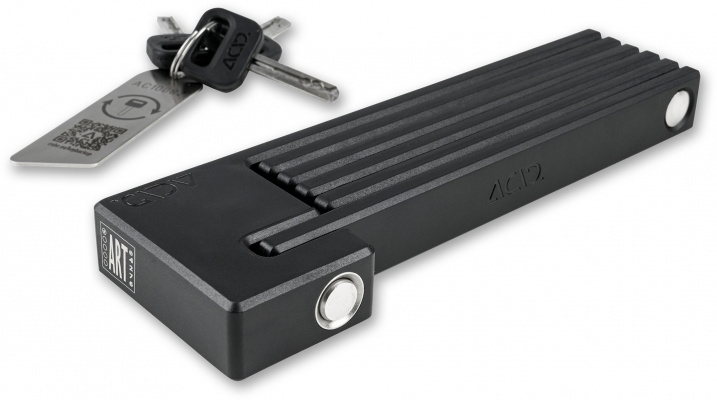
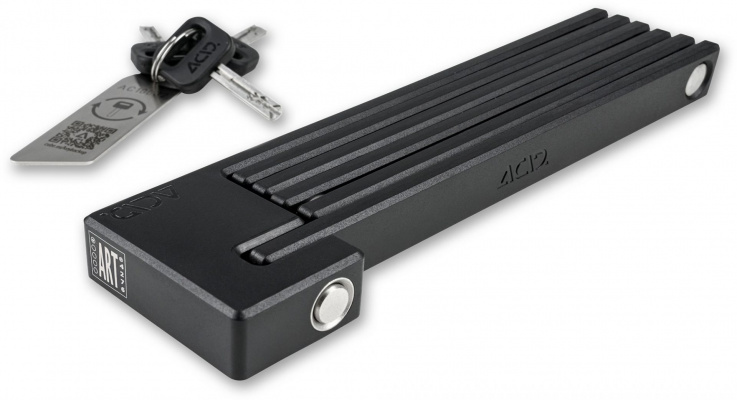
The Acid RIGID folding lock range uses low-profile linkages connecting hardened steel segments - the mechanism folds flat when not in use, so the packed size is genuinely pocketable. These sit in the medium-to-high security bracket, which is appropriate for most commuting scenarios where you're locking up for an hour or two in a relatively visible spot. The folding lock rivets that connect each segment are a specific weak point to understand: they're not the vulnerability on Acid's RIGID locks that you'd find on cheaper folding designs, but they do need occasional attention (more on that below). For café stops, locking a second wheel, or securing accessories, Acid's cable locks do the job - treat them as a secondary deterrent rather than a standalone solution against a determined thief. Hiplok locks and Oxford locks offer comparable folding and chain options if you want to compare across the range.
One practical note: if you're running Acid pannier racks and commuting with bags, pairing the CORVID chain lock with a rear rack mount can make locking the rear wheel and frame together much simpler - worth thinking through your setup before you settle on a lock type.
Keeping Your Lock Working Through a British Winter
UK weather does specific things to bike locks that most product descriptions gloss over. Road salt from gritted surfaces works into any gap it can find, and the constant wet-dry cycles of a British winter accelerate corrosion in ways that riders in drier climates simply don't experience. A lock that works perfectly in September can be stiff or seized by February if you ignore it.
The lock cylinder is the most vulnerable component. Keep the integrated dust cover closed whenever you're riding or the bike is parked in rain. When water sits in the cylinder and then dries out, it leaves mineral deposits that gradually jam the mechanism. To prevent this, treat the cylinder every couple of months with a dry graphite powder or a PTFE-based spray - squirt it into the keyhole, work the key a few times, done. Don't use wet chain lube or general-purpose oils in a lock cylinder; they attract grit, and you'll end up with a grinding paste in there faster than you'd expect.
For RIGID folding locks specifically, the pivot rivets between segments collect winter grit and road salt. A stiff folding lock is annoying; a seized one at the end of a cold commute is genuinely miserable. A small amount of dry PTFE lubricant on each rivet joint once a month through winter keeps everything moving cleanly. If the lock has already stiffened up, work each joint back and forth gently before applying lube - forcing a stiff rivet hard can stress the mechanism.
The soft-touch silicone coatings on Acid's lock bodies also protect the steel underneath from surface rust, but they're not indestructible. If the coating is chipped or worn through in a spot, a wipe of frame protection tape over that area will slow down any rust creep. Small maintenance habit, worthwhile result. If you're pairing the lock with other Acid commuting kit, Acid mudguards and Acid lights round out a coherent commuting setup that's clearly designed to work together.
Acid Locks FAQs
Are Acid bike locks Sold Secure rated?
Yes - several models in the CORVID D-lock and chain range, and select RIGID folding locks, carry Sold Secure Silver or Gold ratings. Gold is the standard most UK cycle insurers specify, so check the individual model's rating against your policy before buying. The rating is usually printed on the packaging and listed in the product spec.
How do I mount an Acid folding lock to my frame?
The included mounting bracket bolts straight into standard 64mm bottle cage bosses on most frames - two bolts, no tools beyond a 4mm hex key. If your frame has oversized tubes or no cage mounts free, use the heavy-duty rubber or Velcro straps that also come in the box. These grip any tube diameter securely without marking the finish.
How do I stop my bike lock cylinder from seizing in the rain?
Keep the dust cover closed whenever you're not actively using the lock - especially during wet commutes. Every couple of months, apply a dry graphite powder or PTFE-based spray into the keyhole and work the key through a few cycles. Avoid wet lubes; they trap grit and make the problem worse over time.