
Abus Locks
Abus bike locks sit at the sharper end of what German engineering can do to a determined thief - and on UK streets, that matters more than ever. Whether you're chaining up a commuter outside a rainy Leeds train station or securing a high-value e-bike in central Bristol, the range covers serious ground. Hardened steel shackles resist angle grinder attacks far longer than the budget alternatives; pick-resistant XPlus cylinders deal with the kind of manipulation tools that opportunists now carry routinely. The Granit line anchors the D-lock end of things with brute-force credentials, while the Bordo folding locks pack down small enough that you'll actually bother carrying one. Crucially for anyone whose insurer demands proof of security level, a large portion of the range carries Sold Secure Gold or Sold Secure Diamond certification - the two ratings most UK cycle insurance policies require by name. Abus also publishes its own security scale from 1 to 15, so you can cross-reference at a glance. Flagship models now offer SmartX Bluetooth keyless operation too, if keys feel like a faff. Use the comparison grid below to match security level, weight, and mounting style to your exact setup.
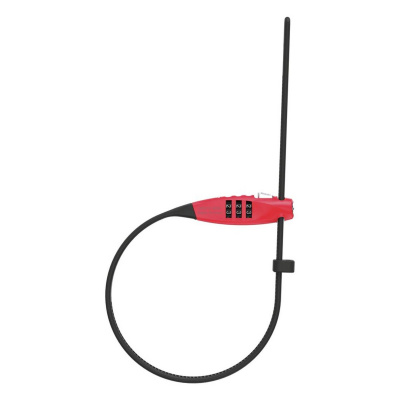
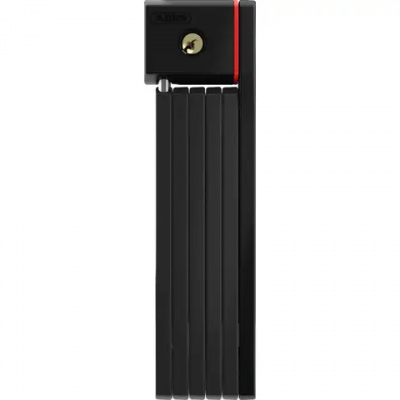
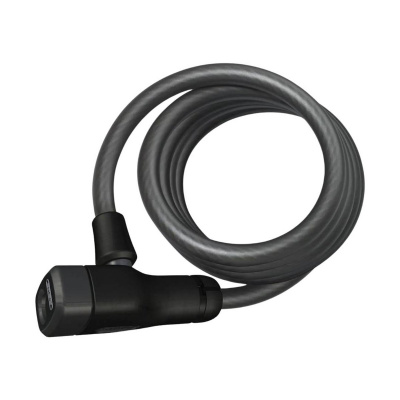
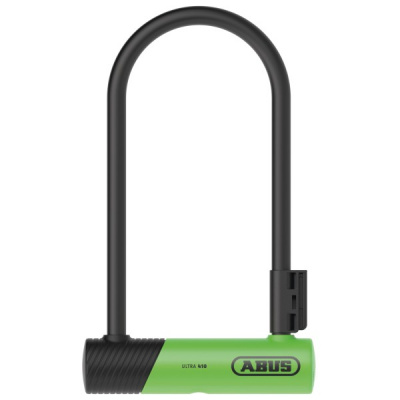
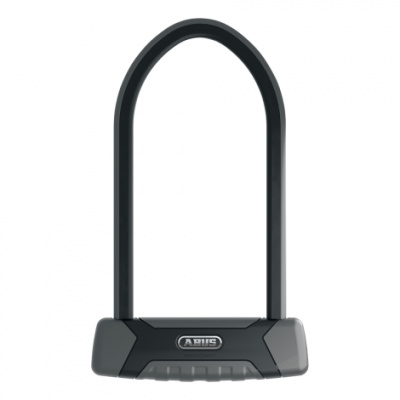

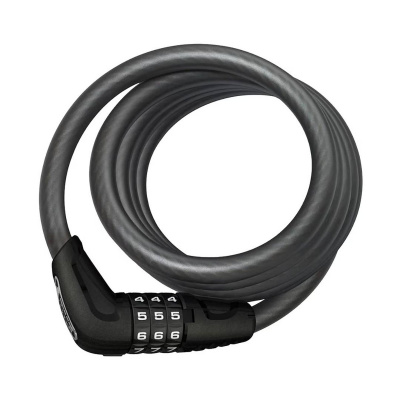
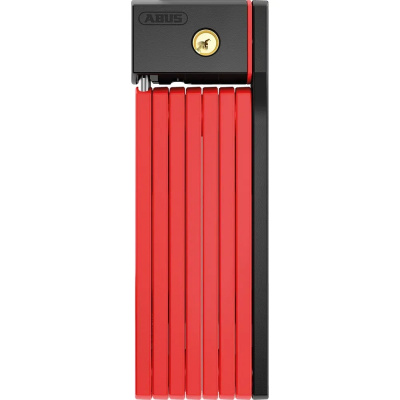
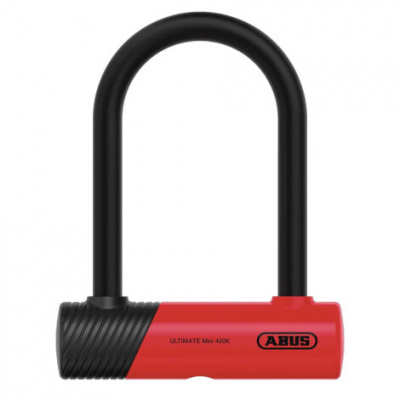
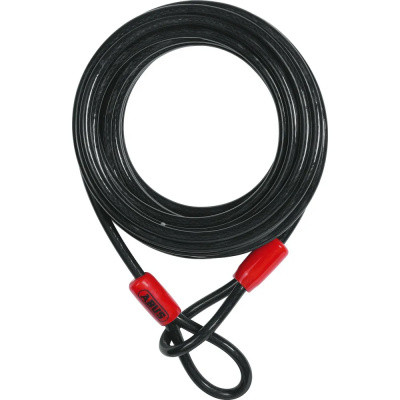
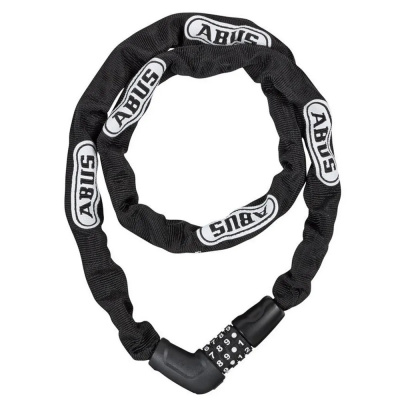
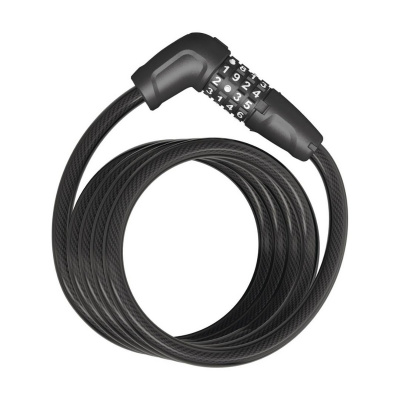
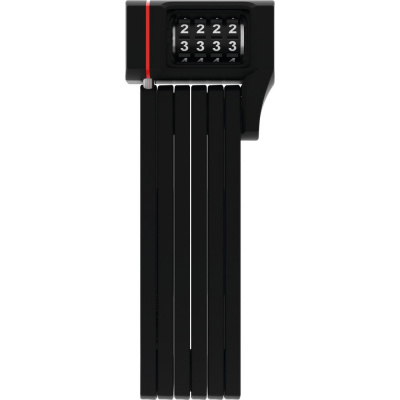
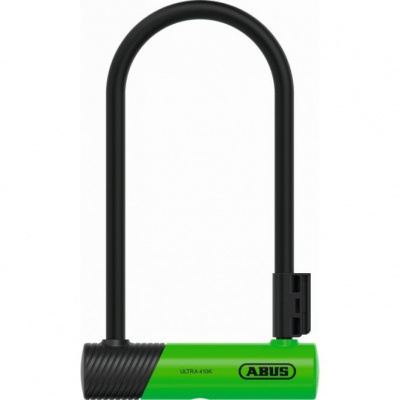
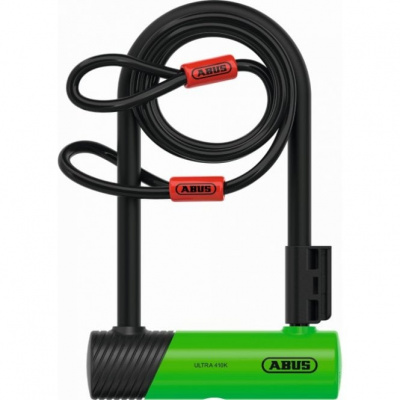
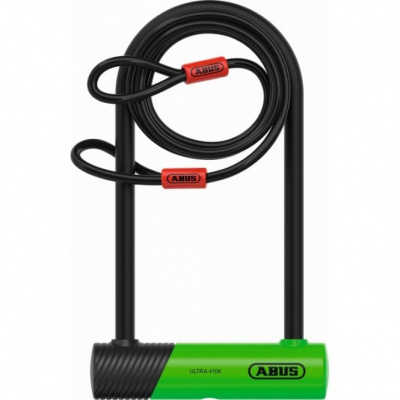
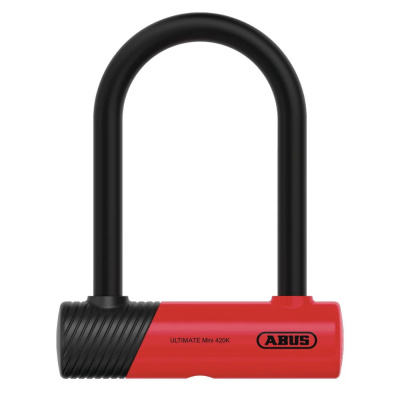
Prices and availability can change quickly. Delivery charges are not always included in listed prices.
Final price, stock status and delivery terms are set by retailer. We may receive a commission on purchases made.
Security Ratings and What They Mean for Your Insurance
The Sold Secure scheme is the one that actually moves the needle with UK insurers. Sold Secure Gold covers most mid-range commuter and road bikes; Sold Secure Diamond is the tier your insurer will almost certainly demand for anything over £1,500, and it's what you need for most e-bikes. Abus maps these ratings clearly onto its own 1 - 15 security scale - anything scoring 10 or above typically lands at Gold, while 13 - 15 models push into Diamond territory. The ART rating system used in mainland Europe follows similar logic, so if you see that figure quoted, treat it as a useful secondary reference rather than a UK standard.
Where the Abus range genuinely earns its reputation is in the consistency between its published ratings and real-world resistance. The Granit X-Plus family, for instance, doesn't just pass a lab test - the combination of Granit specially hardened steel alloys in both the shackle and lock body means the lock resists drilling, sawing, and levering in ways that softer steel simply can't. That shackle thickness matters: the difference between a 12mm and 15mm hardened shackle isn't just 3mm of metal, it's a significant jump in the time and noise required to cut through it. Time and noise are a thief's two biggest enemies.
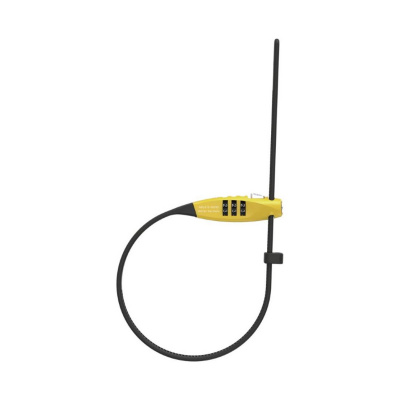
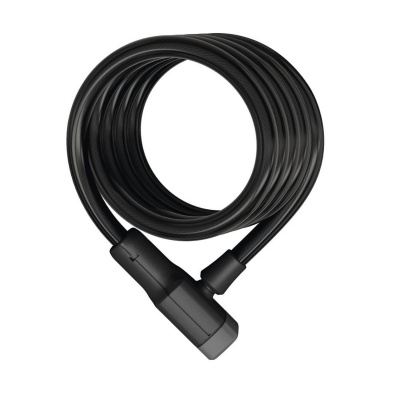
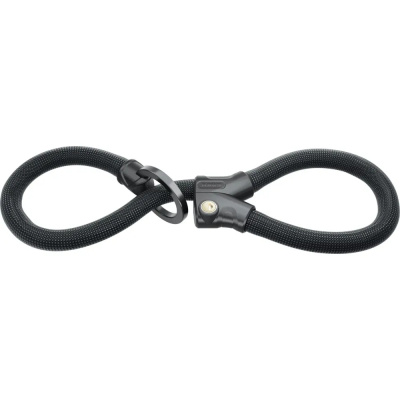
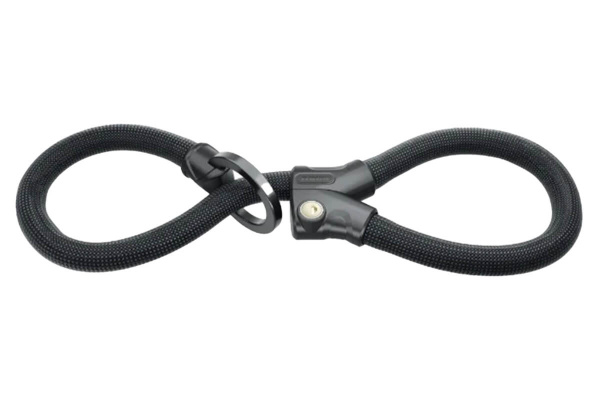
For complete home security setups, pair your D-lock with our dedicated Abus anchors. If you need to secure quick-release wheels or a saddle, loop through one of our Abus cables alongside your main lock.
Granit, Bordo, and Steel-O-Chain: Picking the Right Tool
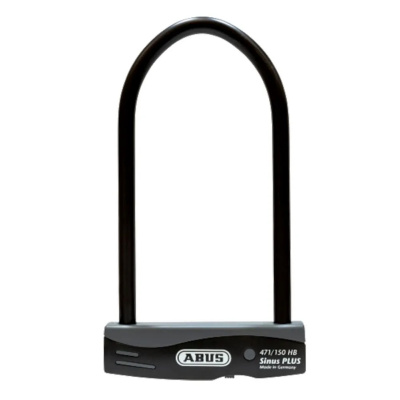
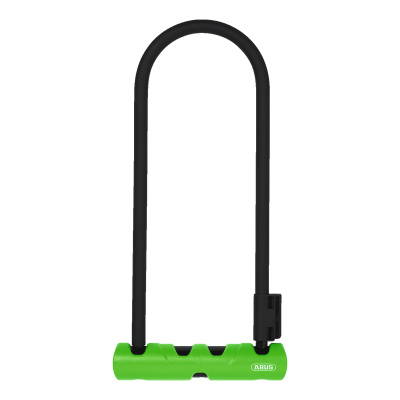
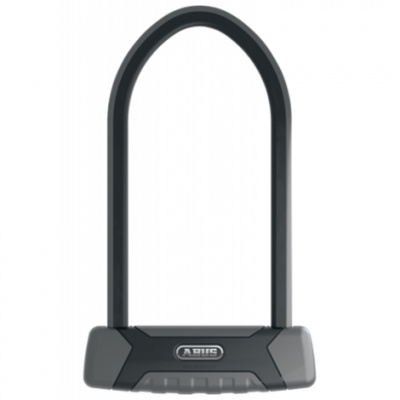
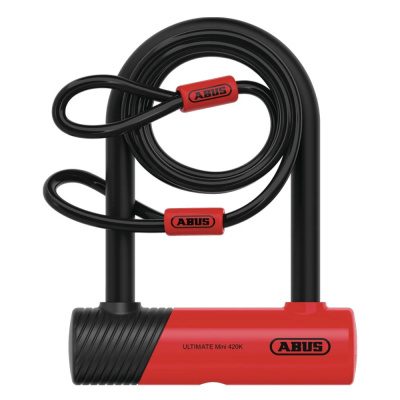
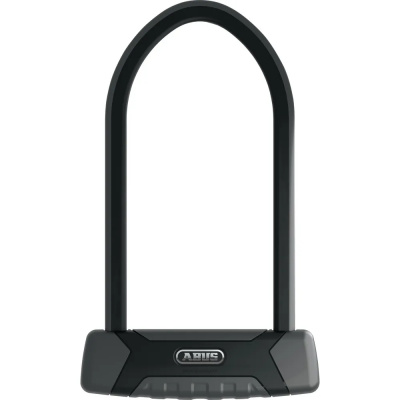
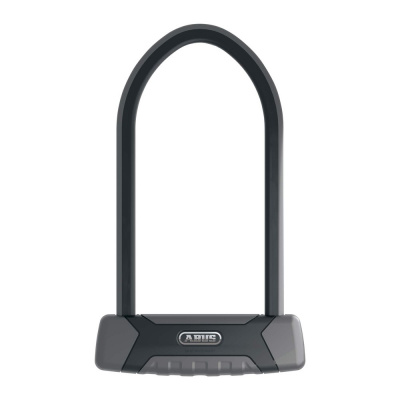
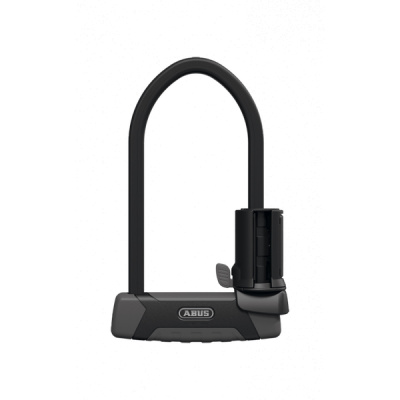
Think of the Granit X-Plus D-locks as the immovable object. Rigid, dense, and deliberately awkward to position around a ground anchor or Sheffield stand, they're designed for high-risk city centre locking where the threat level is real and you're not riding far from the lock point. The rigidity that makes them hard to carry is exactly what makes them resistant to leverage attacks - a thief can't flex a D-lock to create working room the way they can with a chain. If you're leaving a bike in Manchester's Northern Quarter overnight, this is your lock.
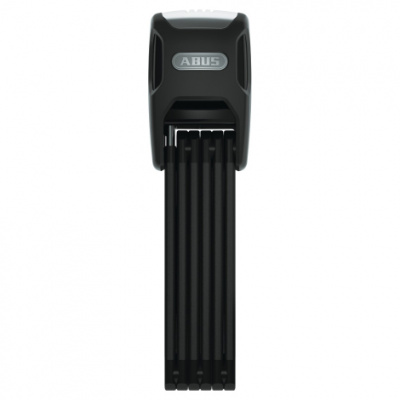
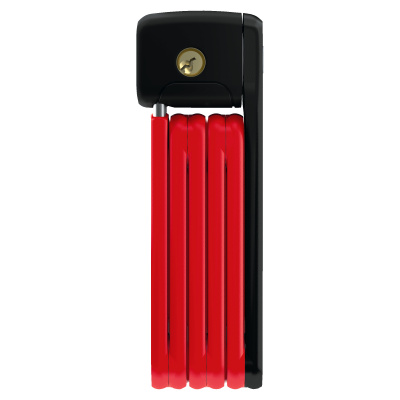
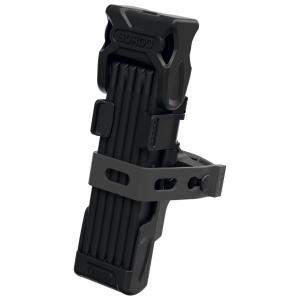
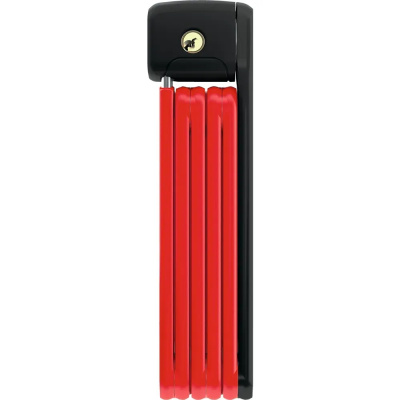
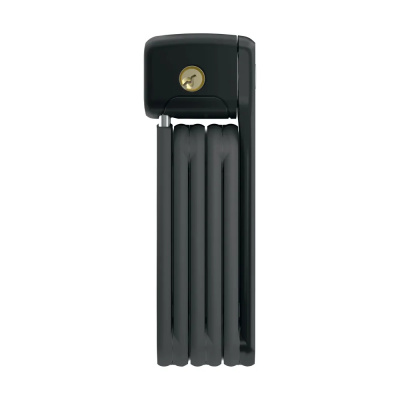
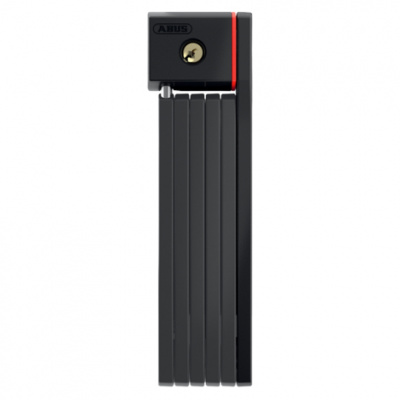
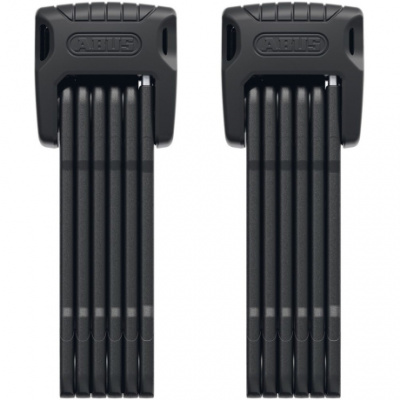
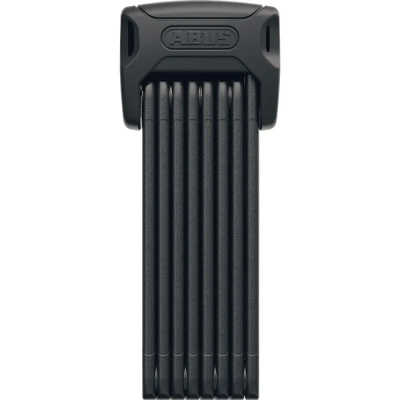
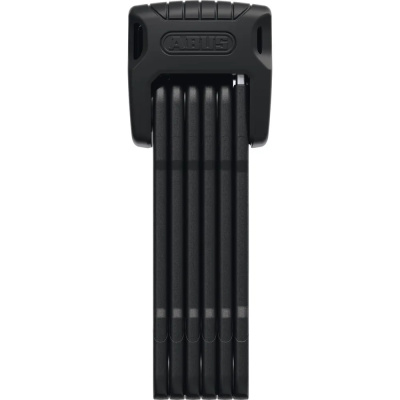
The Bordo folding lock takes a different approach. Riveted folding link technology means the lock collapses into a slim rectangular block - most models stow in a purpose-made frame bracket that bolts to your water bottle cage bosses, so it's on the bike rather than in your bag. That flexibility also helps when you're locking to awkward street furniture: a wide bus-stop post, a fence railing, an unfamiliar rack shape. The Bordo won't match a Granit D-lock for outright resistance to a serious angle grinder attack, but for medium-to-high risk areas it's a genuinely practical daily carry. Litelok occupies a similar portability bracket if you want a direct comparison point.
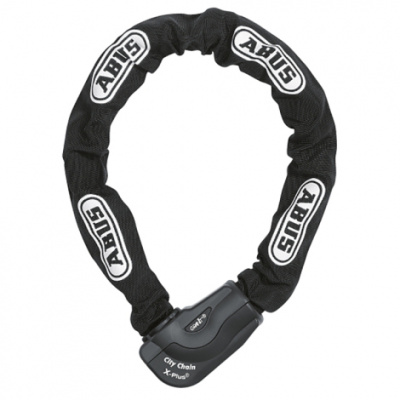
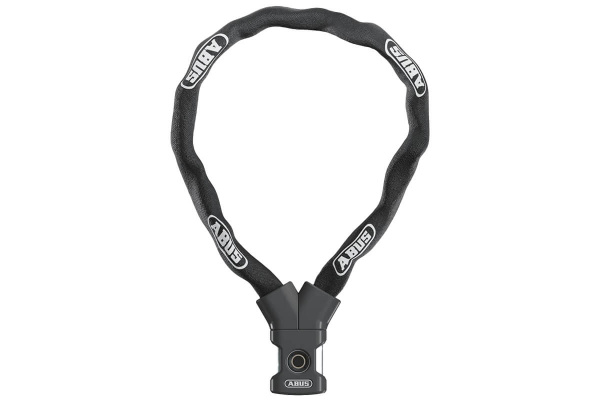
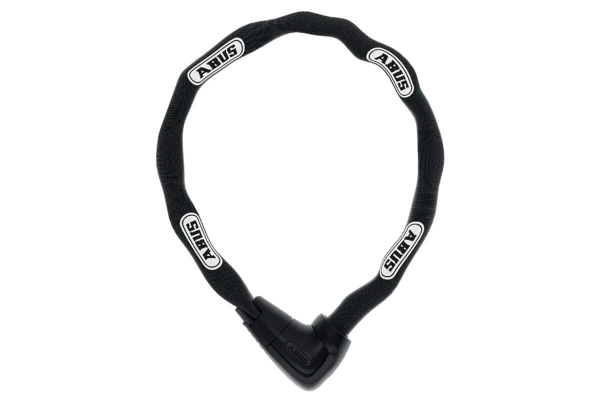
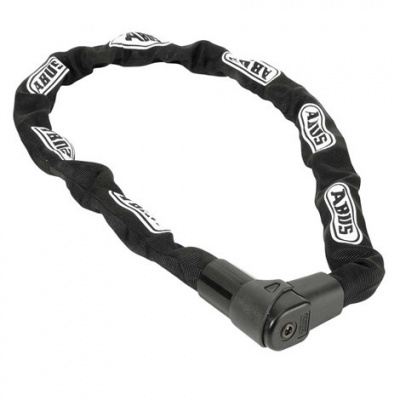
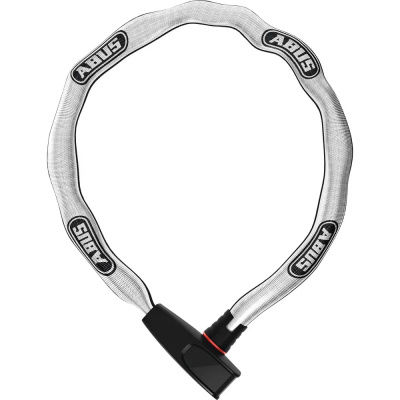
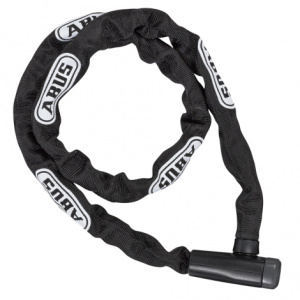
The Steel-O-Chain series sits at the heavier end of the range and suits cargo bikes and e-bikes where the sheer value of the machine demands more coverage. A chain lock lets you loop through a rear wheel, frame, and fixed object simultaneously - something a D-lock can't always manage on a cargo bike's geometry. The trade-off is weight; a serious chain lock can push 2 - 3kg, which is fine if it lives on the bike or in a cargo box but miserable in a backpack. Kryptonite and Hiplok both compete in this segment, so it's worth comparing Sold Secure ratings and shackle specs side by side.
Across the top of the range, several Granit and Bordo models are available with SmartX Bluetooth keyless locking. Tap your phone, the lock releases. It sounds like a gimmick until the third time you're standing in the rain fumbling for a key - at that point it feels like a reasonable decision. The system includes a backup physical key override, which is the reassurance most riders need before committing.
Keeping Your Lock Working Through a UK Winter
British winters are hard on lock cylinders. Road salt, grit, and persistent rain wash factory lubrication out of the XPlus cylinder faster than you'd expect - leave it unattended through a few wet months and you'll find the key turning with the kind of resistance that suggests it's about to snap. Not ideal at 7am.
The fix is straightforward but the product choice matters. A PTFE-based lock spray or graphite powder keeps the cylinder moving freely without attracting the fine grit that standard WD-40 pulls in. WD-40 is a water displacer, not a long-term lubricant - it shifts moisture in the short term but leaves a residue that dirt sticks to, which creates its own problems. Treat your cylinder every three to four months if the bike lives outside, or at the start and end of winter as a minimum. A quick squirt takes thirty seconds and saves a locksmith call-out.
The exterior of the lock body is less fussy - most Abus locks use corrosion-resistant coatings that handle UK wet well enough. The bracket systems on Bordo locks occasionally collect grit at the hinge points; a rinse and wipe after particularly filthy rides keeps them folding cleanly. If you're running an Abus pannier bag alongside your lock, storing the Bordo inside on longer tours keeps it cleaner than bracket-mounting in sustained bad weather. Small habits, consistent results.
Abus Locks FAQs
Are Abus locks Sold Secure rated?
Most of the high-end Abus range carries Sold Secure Gold or Diamond certification - the two tiers UK insurers most commonly specify. Always check the individual lock's rating before buying, since entry-level models in the range may not meet the threshold your policy requires.
How do I mount an Abus Bordo lock to my bike frame?
The Bordo ships with a rubberised SH bracket that bolts directly onto standard water bottle cage bosses on the frame. If your frame doesn't have a convenient set of bosses, the included tool-free strap system lets you fix the bracket almost anywhere on the main triangle without drilling.
Which is better: Abus Granit or Abus Bordo?
For maximum resistance to angle grinders and brute force in high-risk urban spots, the Granit D-lock wins. The Bordo gives up a small margin of outright toughness but carries far more practically - it folds compact, mounts on the frame, and handles awkward locking points much better. Match the lock to your actual risk level and how far you're willing to carry it.