
Oxford Locks
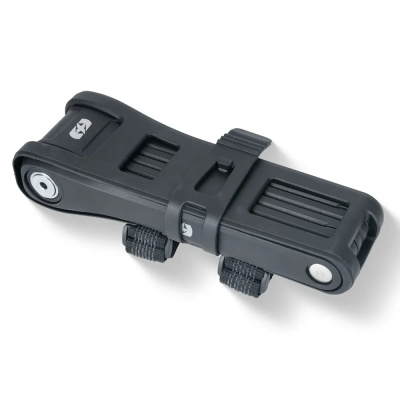
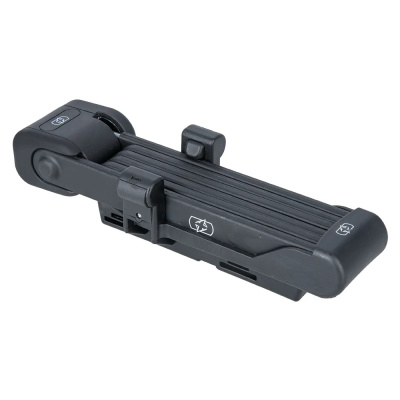
Oxford bike locks sit at a practical crossroads most riders know well: serious enough to satisfy your insurer, light enough that you'll actually carry them. Whether you're chaining up outside a Sheffield office block or leaving your gravel bike outside a café on the South Downs, Oxford has a lock rated and ready for the job. Their range runs from slim, lightweight cables suited to low-risk stops all the way to Sold Secure Diamond-rated D-locks built to resist angle grinders, bolt croppers, and the kind of determined theft that urban cycling in the UK increasingly demands.
What sets Oxford apart is the combination of hardened high-tensile steel shackles and chain links, anti-pick lock cylinders, and - on select models - the Oxford Boss alarm technology: a motion-activated 120dB siren that doesn't need a thief to touch the lock twice. These aren't security theatre. Most mid-to-high-tier Oxford locks carry insurance-approved ratings that UK insurers actually accept. That matters when your bike is worth real money. Browse the range below, check the Sold Secure rating on each product listing, and match the lock to your bike's value and your regular locking spots.
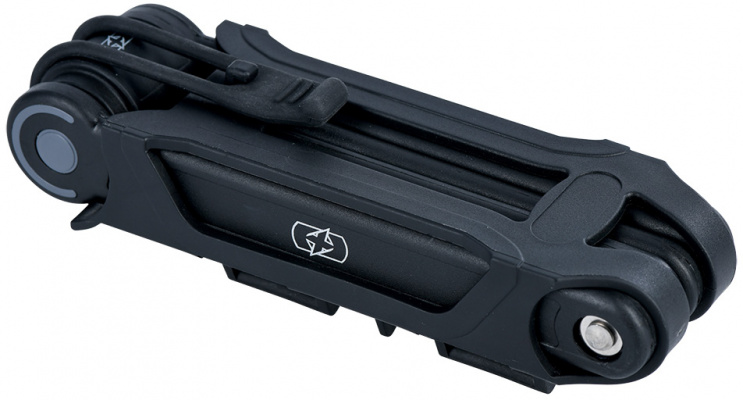
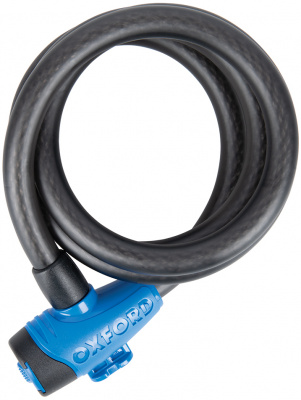
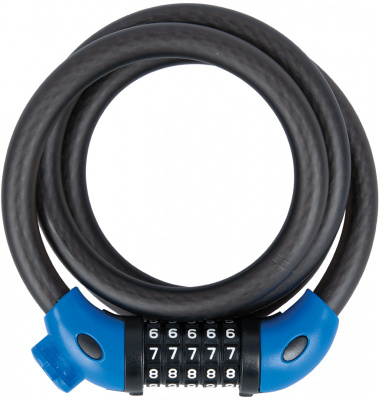
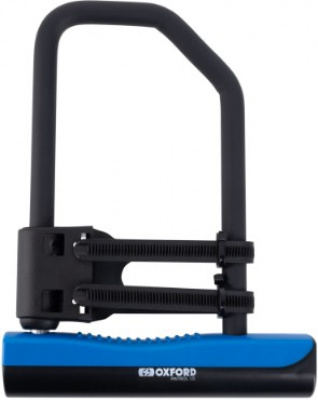
Prices and availability can change quickly. Delivery charges are not always included in listed prices.
Final price, stock status and delivery terms are set by retailer. We may receive a commission on purchases made.
Insurance Standards and Frame Compatibility
Sold Secure ratings are the UK's benchmark for lock quality, and they run in four tiers: Bronze, Silver, Gold, and Diamond. Most bike insurers won't pay out on a stolen machine unless it was secured with a Gold or Diamond-rated lock - check your policy wording carefully, because Silver often isn't enough for bikes above a few hundred pounds. Oxford's mid-to-high-tier D-locks and chains target Gold and Diamond certification, which means they've been physically attacked by Sold Secure's testers with real tools and held up long enough to pass. Always confirm the specific rating on the product listing before you buy.
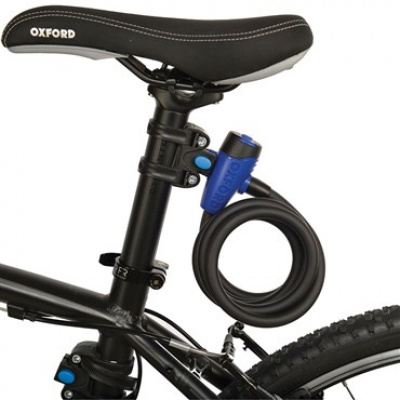
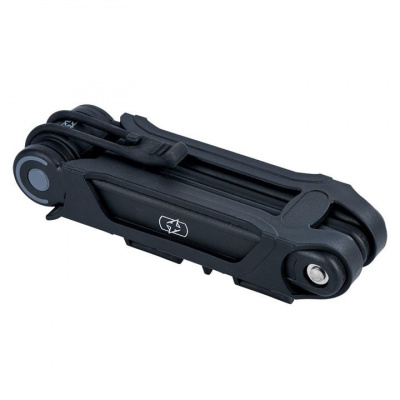
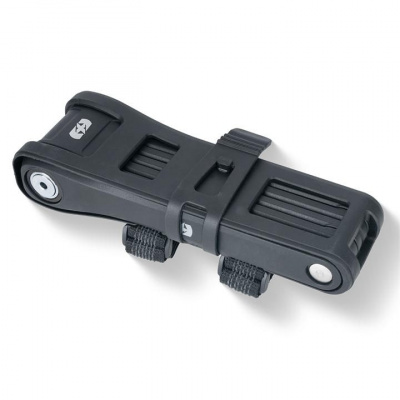
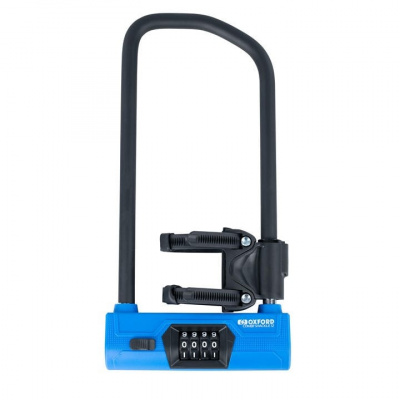
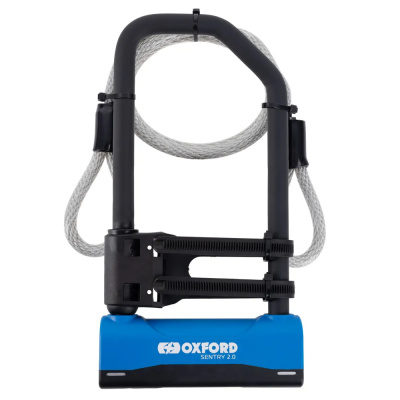
Frame mounting is worth thinking through before your lock arrives. Most Oxford D-locks include a quick-release frame bracket that clamps around your seat tube or down tube. Measure your tube diameter first - oversized tubes on modern aluminium or carbon frames can make a standard bracket a loose, rattling fit. Position the bracket so the lock body clears your bottle cage and doesn't interfere with your pedal stroke at the bottom of the rotation. A poorly placed lock is an irritation on every ride. For locking your bike at home with a dedicated ground or wall anchor, head over to our Oxford Anchors page for the right setup there.
Oxford Lock Hierarchy: D-Locks vs Chains vs Cables
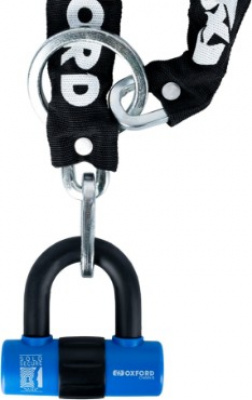
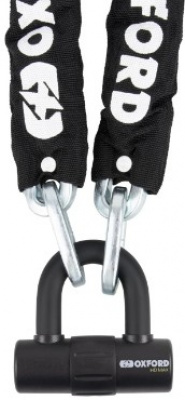
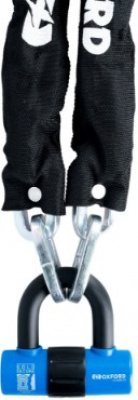
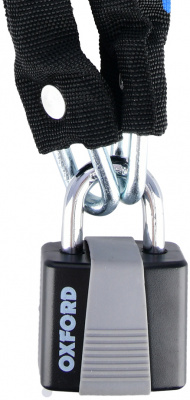
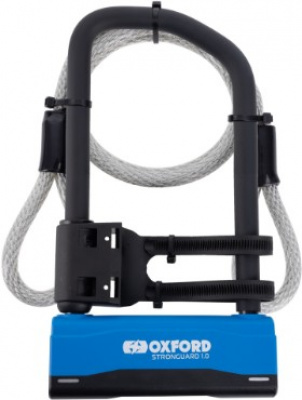
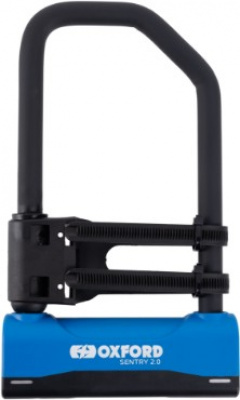
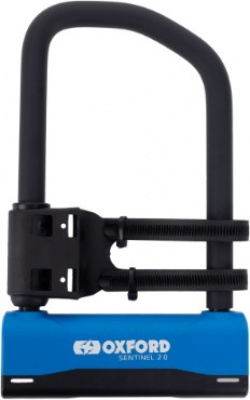
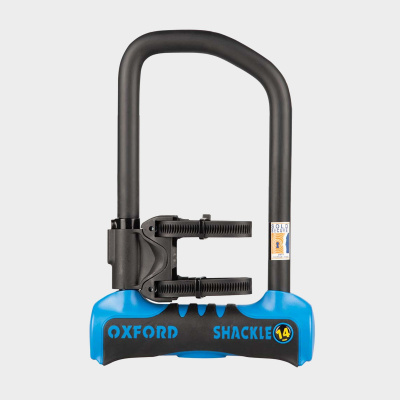
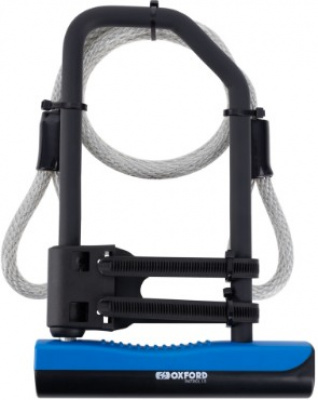
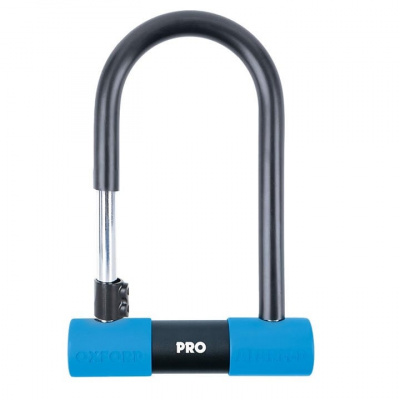
Not every Oxford lock is doing the same job, and price reflects that honestly. Entry-level options like the Oxford Shackle 14 use a 14mm hardened steel shackle - solid for lower-risk situations and commuters locking up for short periods in busy, well-lit spots. Step up to something like the Oxford Magnum and you're into 16mm-plus shackle territory with dual-locking mechanisms, meaning a thief has to cut both sides of the shackle rather than snapping a single locking point. That doubles the time and noise of any attack, which matters more than pure steel hardness.
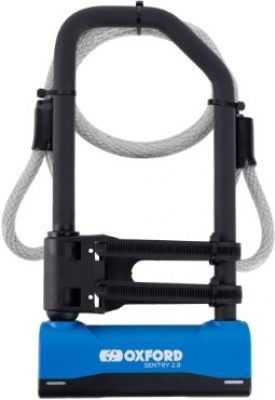
At the top of the range, Oxford's alarm D-locks integrate Boss alarm technology directly into the lock body. A motion-activated 120dB siren triggers on vibration - that's louder than a pneumatic drill at close range, and it fires before any meaningful damage is done. It won't stop a truly committed attack, but it will clear a quiet street and draw attention fast. Anti-jack and anti-pick cylinders across the premium range mean the keyhole itself resists manipulation, which is a real consideration given how many thefts in UK cities involve picking rather than cutting.
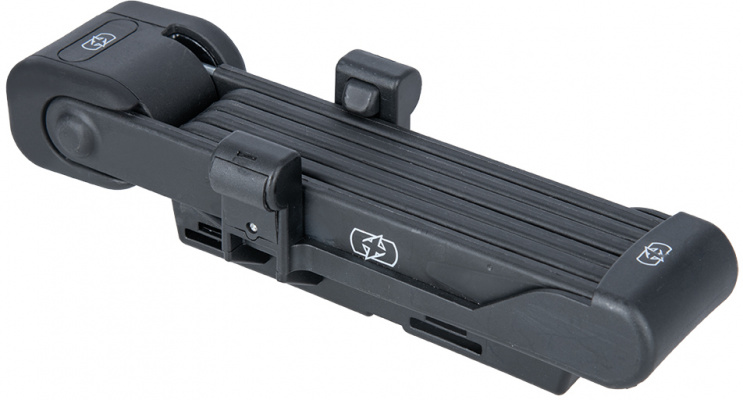
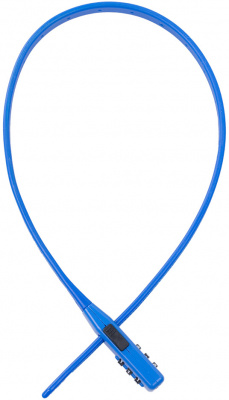
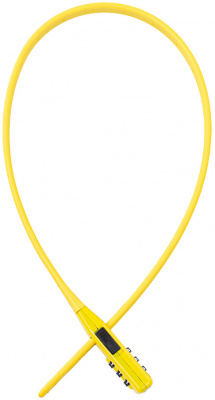
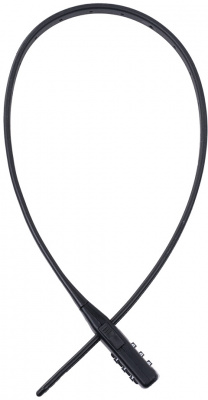
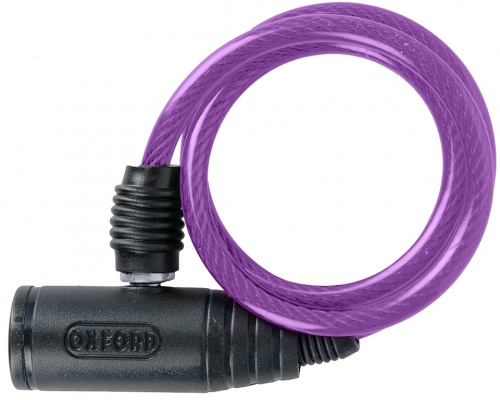
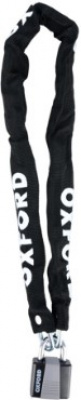
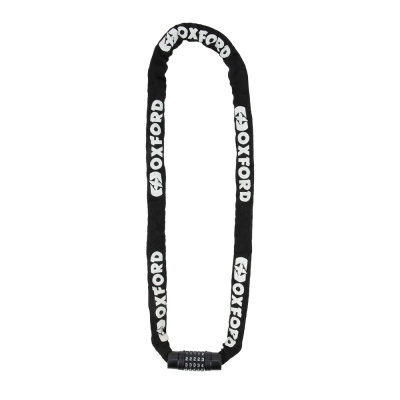
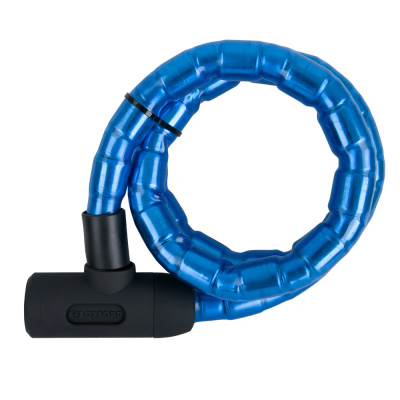
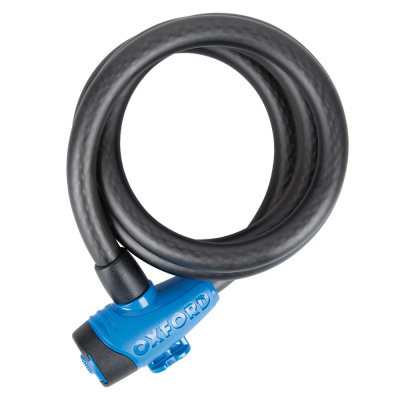
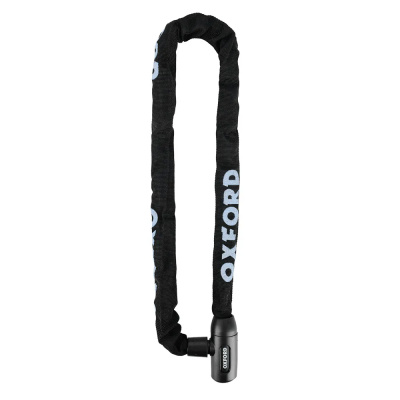
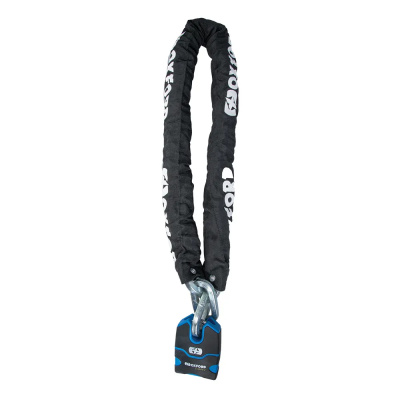
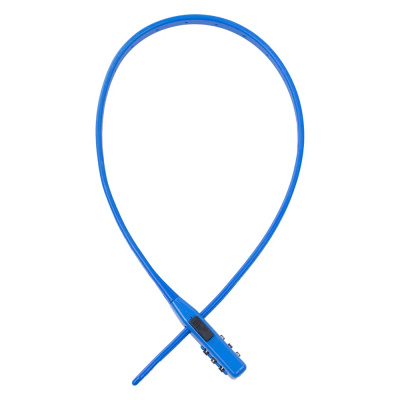
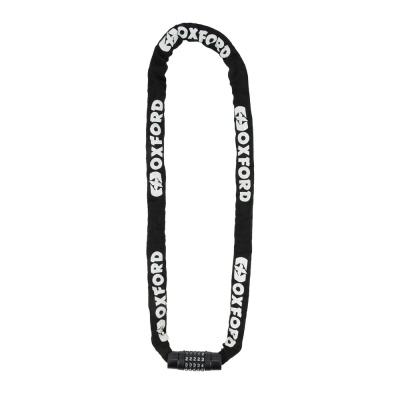
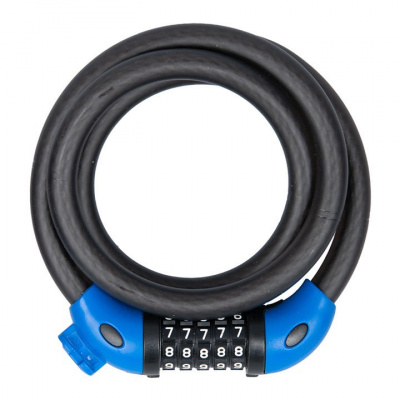
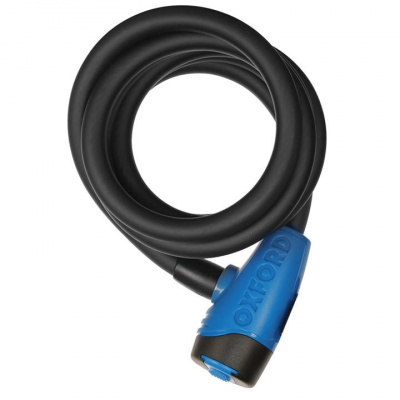
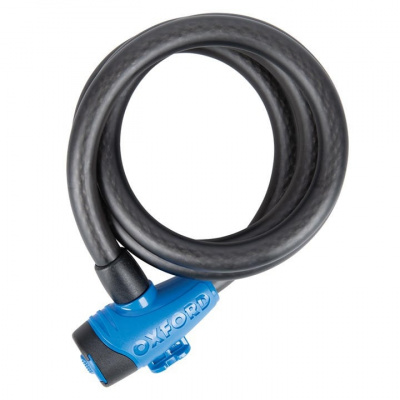
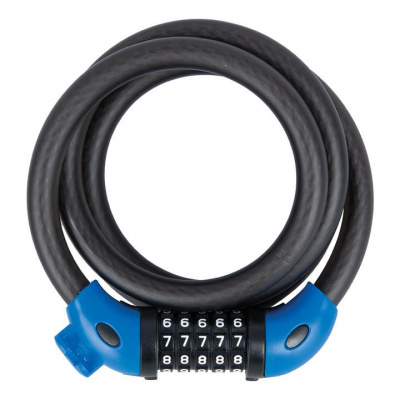
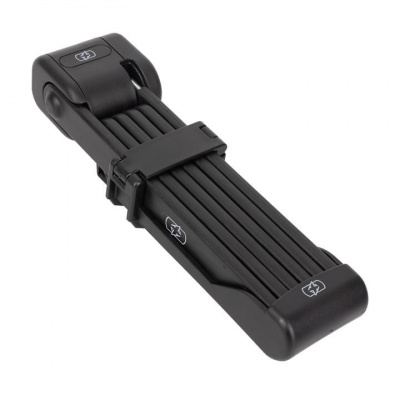
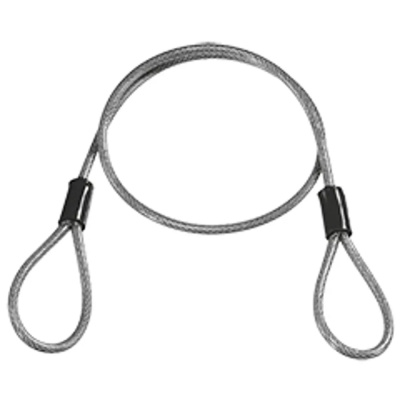
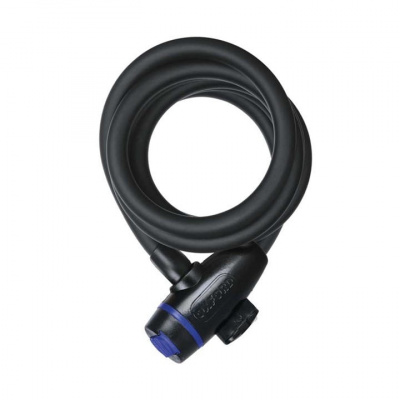
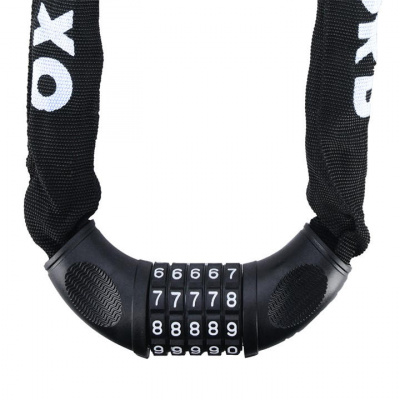
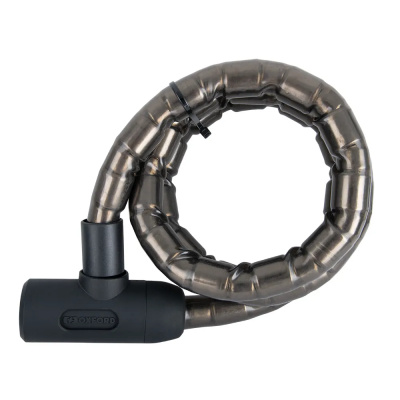
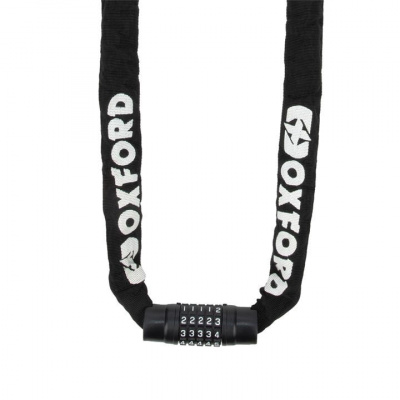
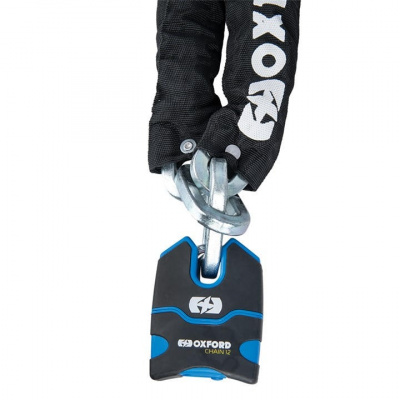
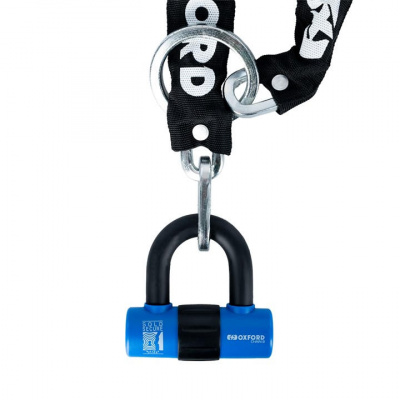
Chain locks trade portability for coverage. A heavy Oxford chain wrapped through both wheels and the frame gives you flexibility that a D-lock's fixed geometry can't match - useful when bike racks are awkward or you're locking to a wider post. The nylon chain sleeve is there to protect your frame's paintwork, not just the chain, so keep it intact. Cables sit at the bottom of the security ladder; use them as a secondary deterrent alongside a D-lock, never as a standalone option for anything valuable. If you're weighing Oxford against alternatives, Kryptonite locks and Abus locks occupy similar Sold Secure tiers and are worth comparing on weight and shackle clearance for your specific frame. Hiplok is another option if wearable chain locks interest you.
If you're commuting with kit, pairing your lock choice with an Oxford frame bag keeps the lock accessible without adding a separate bag to your setup.
UK Weather and Lock Maintenance
British winters are hard on lock cylinders. Road grit, rain, and repeated freeze-thaw cycles will eventually work their way into any keyhole and start binding the pins. The fix is straightforward but often ignored: do not use wet chain lube in the keyhole. It attracts grit and turns into a grinding paste over time. Graphite powder or a dedicated PTFE dry spray is what you want - a small puff into the cylinder every few months keeps the pins moving freely and the key turning cleanly. It takes thirty seconds and saves you standing in the rain fighting a seized lock.
Keep the nylon sleeve on Oxford chain locks in good condition. Once it splits or wears through, the hardened steel chain links will score directly into your frame or forks every time the bike moves. A bit of electrical tape over a small split buys time, but replace a badly worn sleeve before it does paint damage that's expensive to fix. If the lock body itself has been sitting outside through a particularly grim Scottish winter, a PTFE spray into the shackle housing helps too - corrosion builds up where the shackle enters the lock body and can make releasing it sluggish. Oxford's cleaning and maintenance kit covers the basics if you want everything in one place.
Frequently Asked Questions
Are Oxford bike locks Sold Secure approved?
Most of Oxford's mid-to-high-tier D-locks and chains carry Sold Secure approval. Always check the individual product listing for the specific rating - Silver, Gold, or Diamond - and match it against what your insurer requires before buying.
How do I mount an Oxford D-lock to my bike frame?
Oxford D-locks typically include a quick-release bracket that clamps to your seat tube or down tube. Tighten it firmly and position the lock so it clears your bottle cage and doesn't catch on your leg at the bottom of the pedal stroke.
What should I do if I lose my Oxford bike lock key?
Register your key number on Oxford's website the moment you buy the lock - Oxford offers a key replacement service, but it depends entirely on having that number recorded. Lose the keys without it and the manufacturer can't help you open or replace the lock.
Oxford Locks FAQs
Are Oxford bike locks Sold Secure approved?
Most of Oxford's mid-to-high-tier D-locks and chains carry Sold Secure approval. Always check the individual product listing for the specific rating - Silver, Gold, or Diamond - and match it against what your insurer requires before buying.
How do I mount an Oxford D-lock to my bike frame?
Oxford D-locks typically include a quick-release bracket that clamps to your seat tube or down tube. Tighten it firmly and position the lock so it clears your bottle cage and doesn't foul your leg at the bottom of the pedal stroke - worth checking before your first commute.
What should I do if I lose my Oxford bike lock key?
Register your key number on Oxford's website the moment you buy the lock. Oxford offers a key replacement service, but it depends entirely on having that number on record. Lose the keys without registering it and the manufacturer can't help you open or replace the lock.