
Cube Locks
Cube bike locks sit within the brand's ACID accessory line - a range built to work hand-in-glove with Cube frames rather than just bolt on as an afterthought. Whether you're securing a high-value Cube e-bike outside a city centre office or leaving a daily commuter chained to a Sheffield stand in the rain, there's a lock in this lineup calibrated to that level of risk.
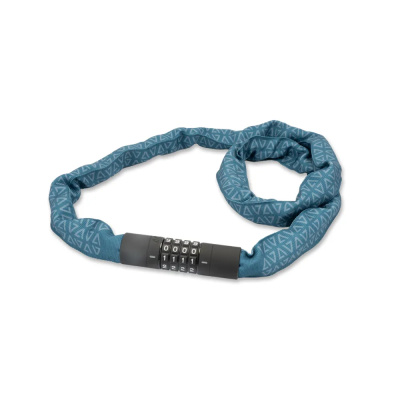
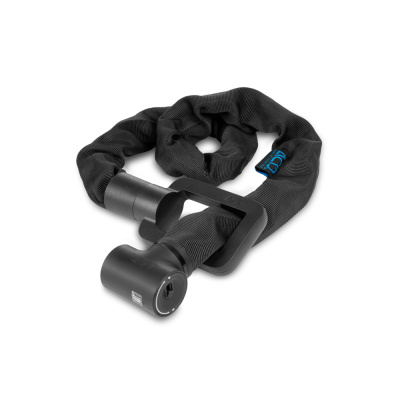
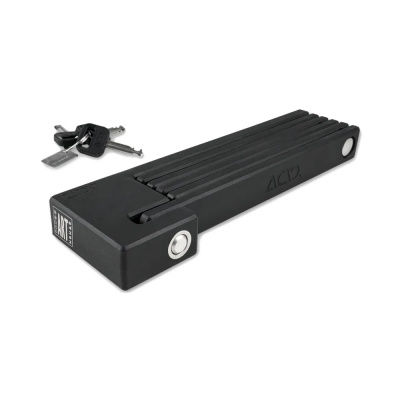
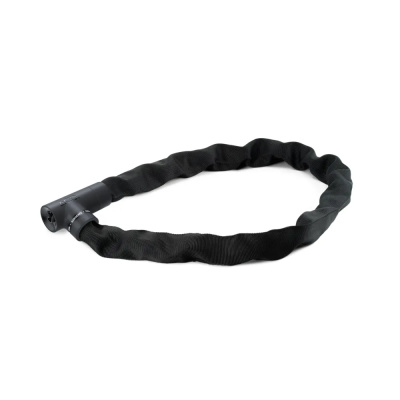
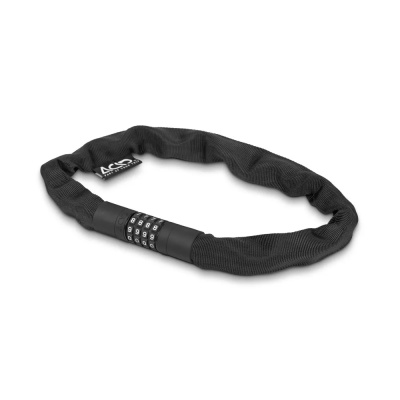
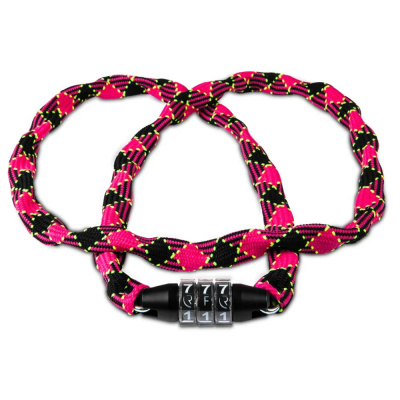
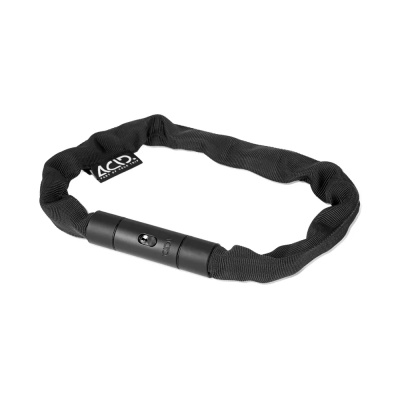
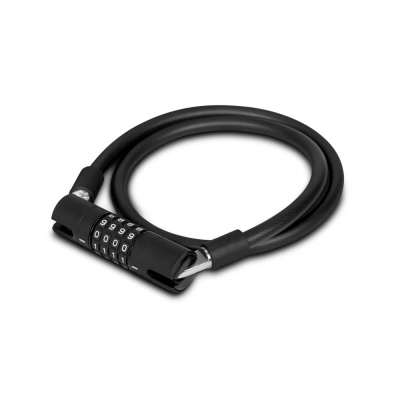
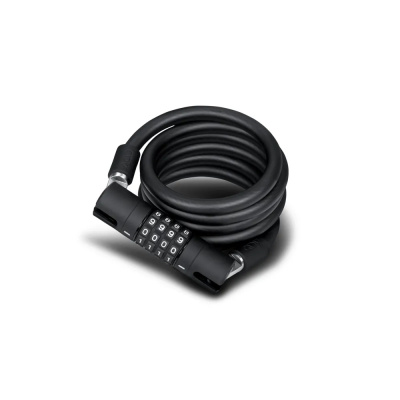
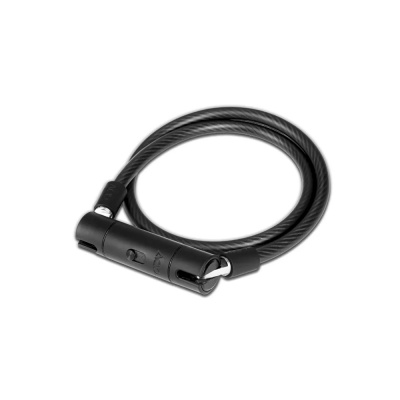
The range spans lightweight cable locks for low-stakes stops, flexible chain locks for awkward street furniture, compact CORVID folding locks, and hardened rigid D-locks at the top end. Across the board, Cube uses hardened steel cores and anti-pick cylinder protection, with soft-touch silicone and neoprene coatings so the lock body doesn't scuff your paintwork. Practical details, but ones that matter when your frame costs serious money.
For UK riders, the key number to focus on is the Sold Secure rating. Bronze is fine for a beater in a low-risk suburb; Gold or Diamond is what most home insurance policies require for anything valuable. Check the rating on any model you're considering - it's not marketing, it's your claim approval on the line if the worst happens.
Prices and availability can change quickly. Delivery charges are not always included in listed prices.
Final price, stock status and delivery terms are set by retailer. We may receive a commission on purchases made.
Frame Mounting and Compatibility
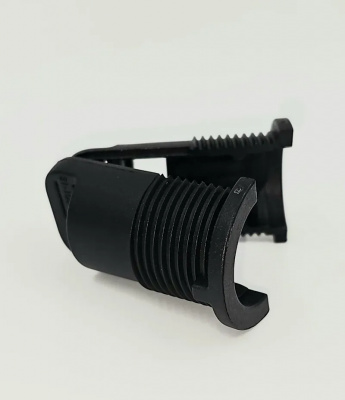
One of the more useful things about buying within the ACID ecosystem is that the mounting hardware is designed around Cube's own frame geometry. Most ACID folding locks and D-locks ship with a low-profile bracket that bolts directly into standard 64mm water bottle cage bosses - the same threaded inserts you'd use for a bottle cage or Cube lights mount. Two bolts, job done. The lock sits tight to the frame with no rattle and minimal drag on the lines.
That said, not every frame has a convenient set of spare bosses. Full-suspension MTBs often have the lower bosses blocked by the shock linkage, and many step-through e-bikes simply don't have a usable mount position on the down tube. For those situations, Cube includes heavy-duty rubberised straps as a tool-free alternative - wrap around the tube, thread, and clip. Less elegant, but perfectly secure for day-to-day use.
One thing worth flagging if you're running a lightweight carbon frame: check the torque rating on your bottle boss threads before mounting anything over 1.5kg. A dense folding lock puts a lot of leverage on those bosses when you're hammering over rough tarmac or potholed canal paths. Cube's own aluminium frames handle it without drama, but carbon frames vary - worth a quick look at the manual or a word with your local mechanic. The silicone and neoprene frame protection built into ACID lock covers does a good job of preventing vibration rub, but only if the cover is intact; inspect it periodically for tears.
Picking the Right Lock for Your Situation
Not all locks do the same job, and buying more security than you need is just dead weight in your back pocket. Cable locks are at the bottom of the hierarchy - fine for popping into a cafe mid-ride when your bike is in sight, genuinely useless against anything more determined than a half-hearted tug. Consider them a secondary loop through the wheels rather than a primary security device.
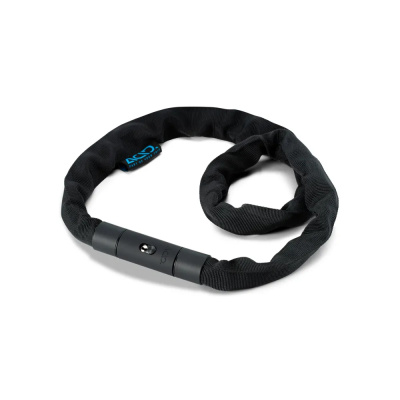
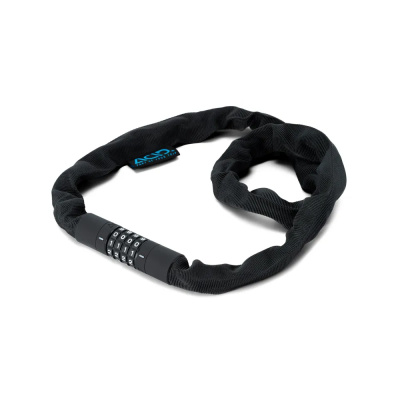
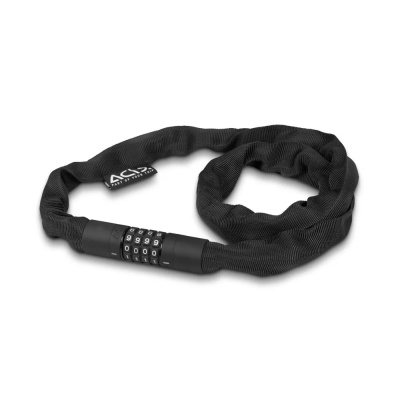
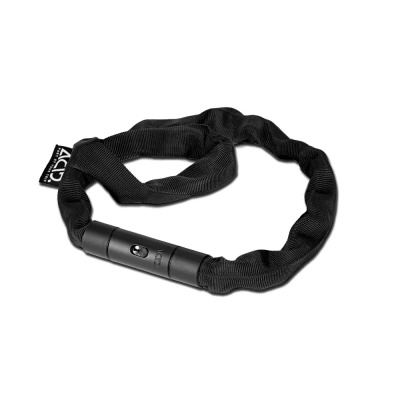
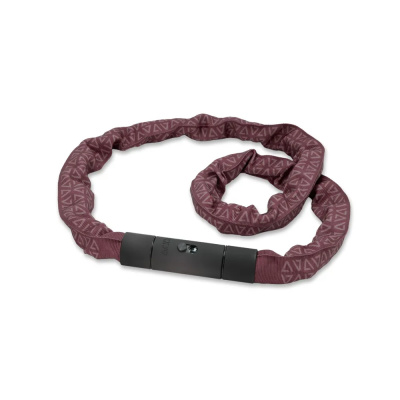
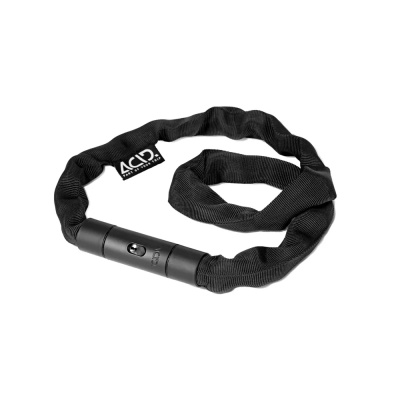
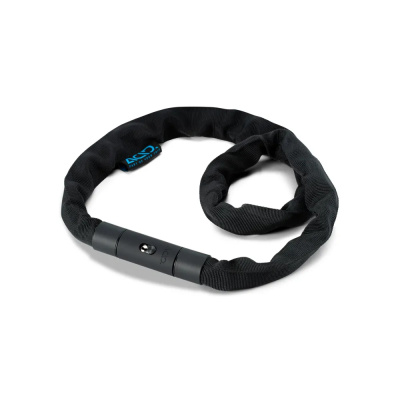
Step up to the ACID chain locks and you've got something with real flexibility. Chain locks thread through awkward anchor points - railings at odd angles, low bollards, cramped bike parking - where a rigid lock simply won't reach. They're heavier to carry, but for urban commuting where the locking point changes daily, that adaptability earns its keep. Pair one with a Cube pannier rack and a bag, and the weight mostly disappears.
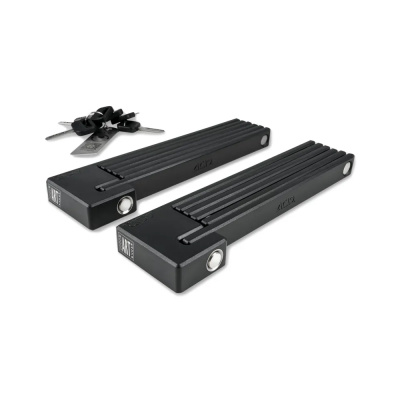
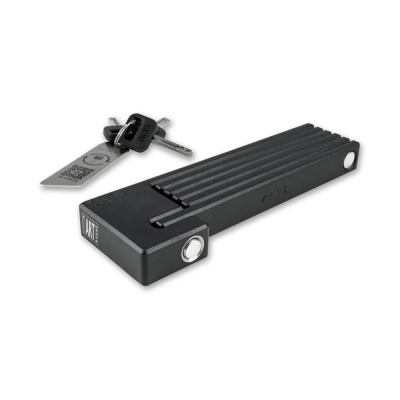
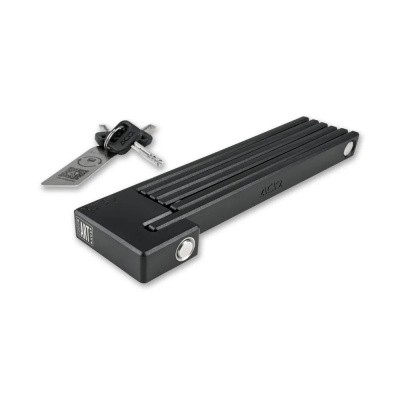
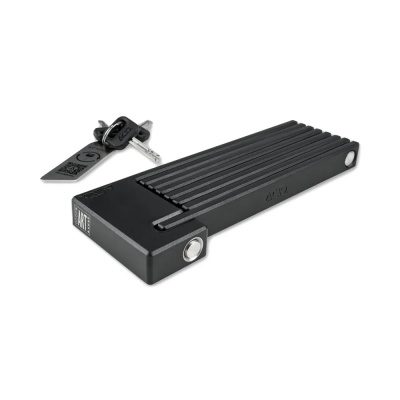
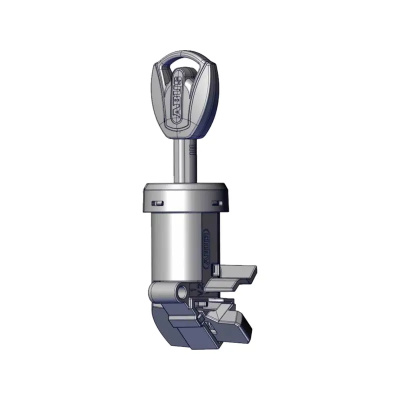
The CORVID folding locks are where most riders will land. Compact enough to fit a jersey pocket or a small frame bag, stiff enough to resist bolt cropper attacks at the joints, and with Sold Secure ratings that satisfy most UK insurer requirements. The low-profile bracket system keeps them out of the way on the frame, and the folding mechanism locks positively - no slop, no accidental unfolding mid-ride. If you're comparing against Kryptonite folding locks or options from ABUS, the CORVID range holds its own on resistance ratings while offering tighter frame integration for Cube owners specifically.
At the top of the range, the ACID Rigid D-locks are built for high-risk urban environments - think city centre bike parking in Manchester or London where angle grinder attacks are a documented problem, not a theoretical one. Hardened steel shackle, cylinder picking protection, and a Sold Secure Gold rating on the stronger models. They're bulkier to carry, no getting around that, but if your bike is worth several thousand pounds, this is the category to be shopping in. For context, Litelok and Hiplok compete here too - worth comparing ratings directly if maximum security is the brief.
Match the Sold Secure rating to your bike's value and your postcode's theft risk. Bronze for low-value bikes in genuinely low-risk spots. Silver for mid-range bikes in ordinary urban areas. Gold for anything expensive, anywhere busy. Diamond if you're in a high-theft hotspot and your insurer specifically asks for it - some do.
Keeping Your Lock Working Through a UK Winter
Rain, road grit, and salted tarmac are the enemies of any lock mechanism, and the UK serves all three in generous quantities from October through March. A seized cylinder is no joke when you're standing outside a train station in the dark.
The first thing to know: don't use standard WD-40 in a lock cylinder. It loosens things short-term but leaves an oily residue that attracts grit, and within a few weeks you've made the problem worse. Graphite powder is the correct tool - blow a small amount into the keyhole every few months and work the key through it. A PTFE-based dry lubricant spray works too if you can't source graphite; the key is keeping it dry inside the mechanism so dirt doesn't stick.
The shackle or chain links on exposed locks are vulnerable to rust if the protective coating gets damaged. Cube's silicone and neoprene covers do a solid job of keeping moisture off the steel, but check them before winter sets in. A small tear in the cover lets water pool directly against the metal, and salted winter roads accelerate corrosion faster than you'd expect. If the cover is compromised, replace it or wrap the exposed section with self-amalgamating tape as a stopgap. It's a five-minute job that saves you buying a new lock come spring.
For e-bike owners specifically: if you're leaving the bike locked outside in all weathers, consider a secondary cover for the lock itself - a small neoprene sleeve or even a sandwich bag over the cylinder keeps the worst of the weather out. It sounds basic, but it works. Your mudguards keep the frame clean; a bit of the same thinking applied to the lock keeps it functioning reliably. If you're running Cube hybrid bikes for daily commuting, this kind of low-effort maintenance pays off over a full season.
Cube Locks FAQs
Are Cube bike locks Sold Secure rated?
Several models in the Cube ACID range carry Sold Secure Silver or Gold ratings, which is what most UK home insurance policies require for covered bikes. That said, ratings vary across the lineup - always check the specific product listing before you buy rather than assuming. Bronze-rated models exist in the range and won't satisfy every insurer.
How do you mount a Cube folding lock to the frame?
The mounting bracket supplied with most ACID folding locks bolts directly into standard 64mm water bottle cage bosses - the same threaded inserts used for bottle cages. If your frame doesn't have a spare set of bosses (common on full-suspension MTBs or step-through e-bikes), the included rubberised straps let you mount the lock to any tube without tools.
Which Cube lock is best for an e-bike?
For a high-value e-bike, look at the ACID Rigid D-lock or a top-spec CORVID folding lock with a Sold Secure Gold rating. Both offer meaningful resistance against the leverage attacks and bolt cropper attempts that are the most common method of theft in UK urban areas. Pair with a secondary cable loop through both wheels if the bike is left unattended for long periods.