
Litelok UK Locks
Litelok bike locks exist because a decent angle grinder costs less than a used e-bike, and thieves in Bristol, London, and Manchester know it. Where most lock brands race to add more steel, Litelok took a different route: proprietary Barronium armour, a fused composite that doesn't just resist a cutting disc - it destroys it. The energy turns back on the tool itself, chewing through disc after disc before the lock yields. That's not marketing copy; it's the physics of how Barronium is engineered to work.
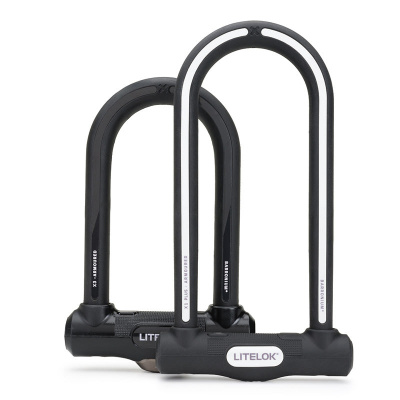
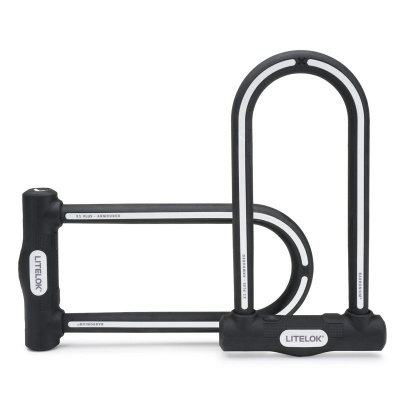
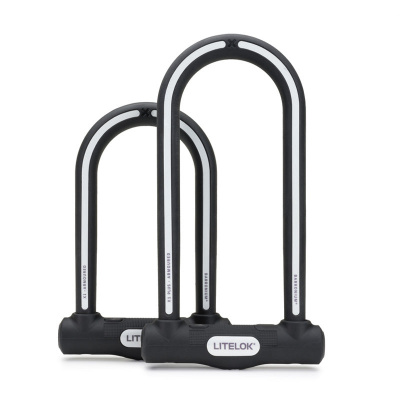
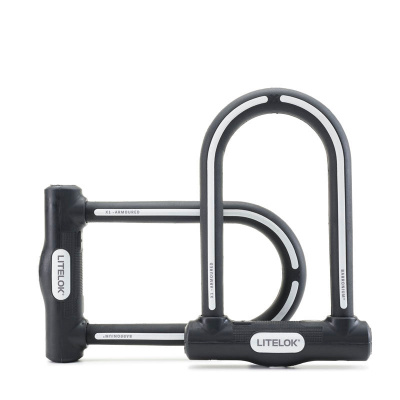
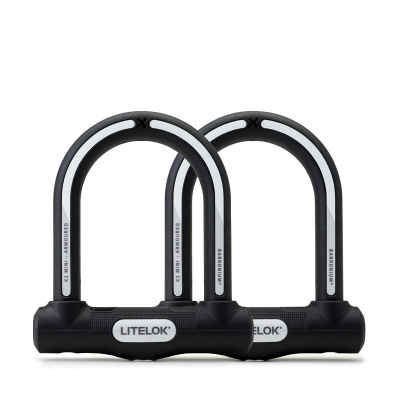
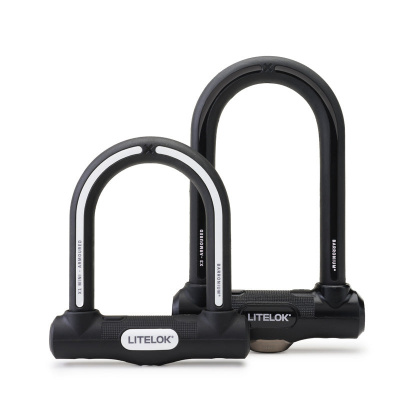
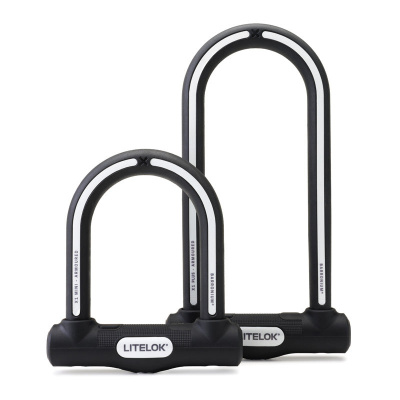
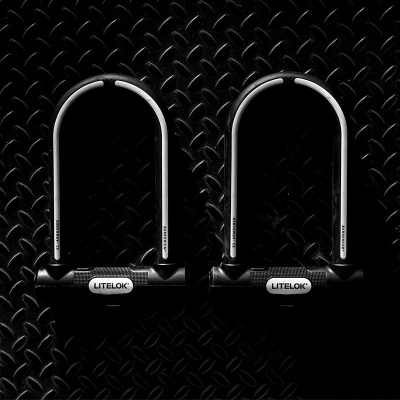
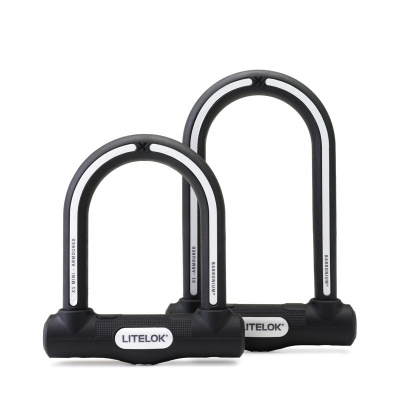
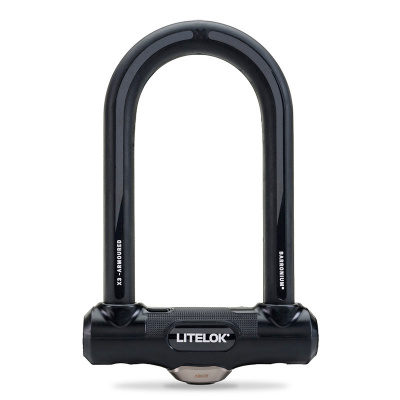
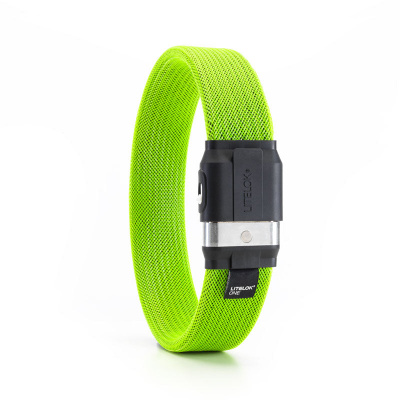
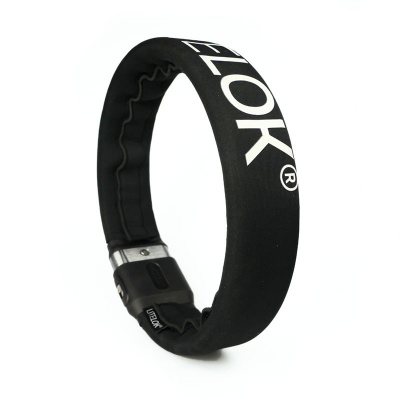
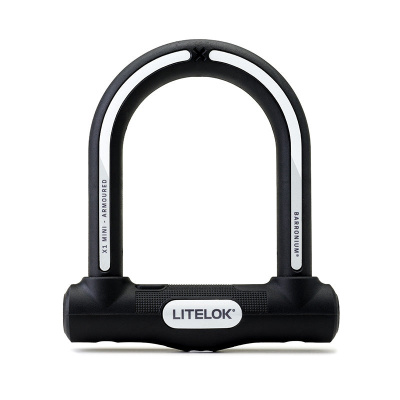
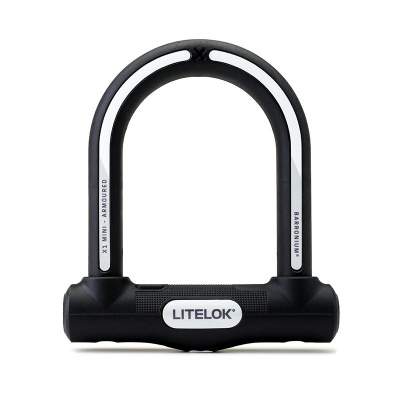
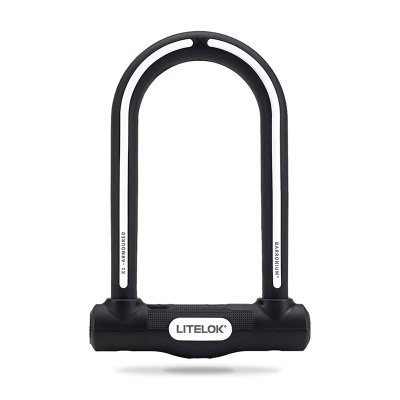
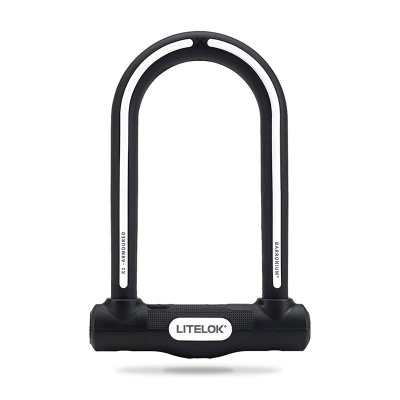
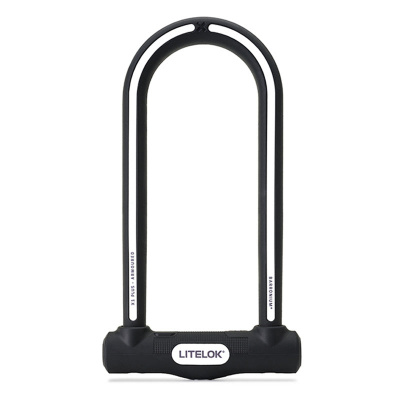
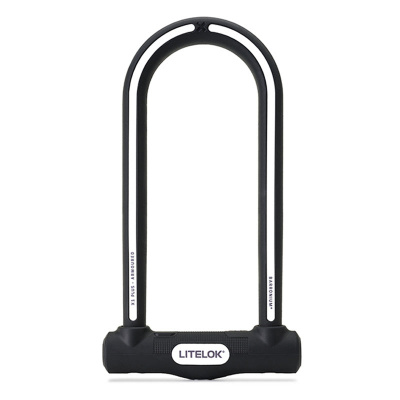
The range splits into two distinct families. The X-series D-locks (X1 and X3) are rigid, high-security locks built around that Barronium core, targeting commuters and e-bike owners who park in exposed spots. The Core Plus takes a different approach, using flexible Boaflexicore construction so you can wear it around your waist on longer rides or strap it to your frame without the bulk of a traditional D-lock. Both families carry Sold Secure Diamond ratings - the standard UK insurers actually care about. Manufactured in the UK, the range is compact enough to carry daily but serious enough for high-risk urban streets. Browse below to match the right lock to your bike, your route, and your risk level.










Prices and availability can change quickly. Delivery charges are not always included in listed prices.
Final price, stock status and delivery terms are set by retailer. We may receive a commission on purchases made.
Security Ratings and What They Mean for Your Insurance
The Sold Secure Diamond rating is the one worth chasing if you're insuring a bike worth serious money. It's the highest tier in the UK's independent Sold Secure testing scheme, and most specialist cycling insurers - Bikmo, Pedal Cover, and similar - will specify it by name in their policy small print. Several Litelok models also carry Motorcycle Diamond certification, which matters if you're locking a high-value e-bike or a cargo bike overnight. Check your policy wording carefully; some insurers distinguish between bicycle and motorcycle ratings depending on the bike's motor classification.
Angle grinder resistance is now part of the Diamond test criteria, which is precisely where Litelok's Barronium armour becomes relevant beyond the spec sheet. Standard hardened steel locks will eventually succumb to a sustained grinder attack; Barronium's composite structure makes that attack self-defeating by rapidly degrading the cutting disc. It won't stop a determined thief with unlimited time and consumables, but it buys enough time and noise to make most opportunists move on.
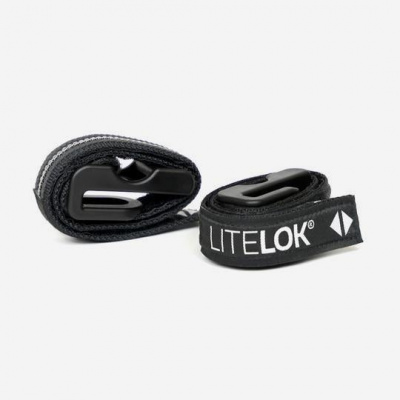
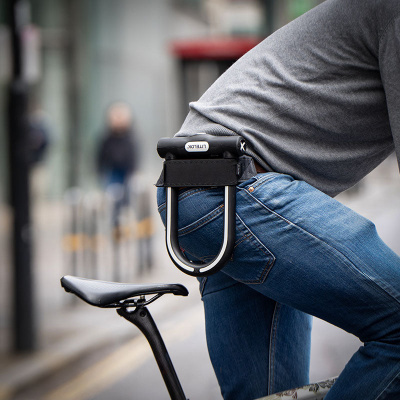
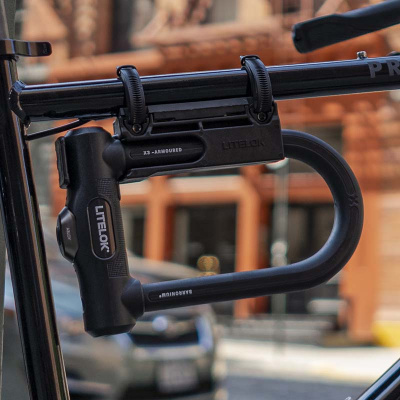
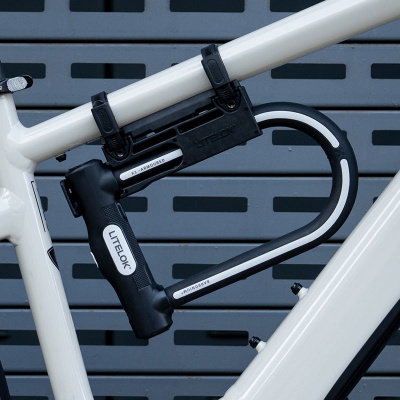
Mounting the X-series is straightforward if your frame has standard water bottle cage bosses at 64mm spacing - the Twist+Go mount bolts straight on and holds the lock securely without rattling. Where it gets trickier is on full-suspension MTBs or step-through e-bikes, where the front triangle tends to be cramped or the geometry places the bosses awkwardly close to the rear shock or battery housing. Worth checking clearances before you buy. If you need extra mounts or replacement keys, the Litelok spare parts section has what you need. The Core Plus sidesteps the frame mount question entirely - it wraps around your waist on the move or hooks to the top tube via hook-and-loop straps, which makes it genuinely practical for riders who'd rather not drill anything or faff with bosses at all.
Breaking Down the Range: X1, X3, and Core Plus
The X1 is where most commuters should start. It carries the full Barronium armour, Sold Secure Diamond certification, and a locking cylinder that punches well above what you'd find on locks at a similar price point from Kryptonite or Abus at the same tier. It's lighter than the X3, which makes a real difference if you're commuting daily and the lock lives in your bag or on your frame all week. For a bike parked at a busy city-centre station or a university rack - high footfall, moderate dwell time - the X1 is a sensible, proportionate choice.
Step up to the X3 and the Barronium layer is noticeably thicker, which adds weight but significantly extends the time and number of cutting discs required to breach it. The bigger upgrade, though, is the Abloy Sentry cylinder. Abloy's disc-detainer mechanism is effectively pick-proof with conventional tools - no springs to manipulate, no pins to set. If you're locking a high-end road bike or a mid-drive e-bike in a city-centre car park overnight, the X3 is the one to reach for. Is it overkill for a bike parked in a rural village? Probably. But in London or Manchester, it's the lock that lets you sleep.
The Core Plus is a genuinely different product rather than a watered-down version of the X-series. Its Boaflexicore construction - high-tensile steel strands embedded in a complex polymer matrix - resists bolt croppers and hacksaws effectively, and the flexibility means you can loop it around street furniture that a rigid D-lock simply can't reach. Wearable locks do divide opinion; some riders find a lock worn across the body uncomfortable on longer efforts, others forget it's there. The silicone outer sleeve protects your kit and your frame's paint. It won't match the X3 for outright angle grinder resistance, so if that's your primary threat, the Core Plus works best as a secondary lock paired with something from the X-series - a pairing that Hiplok riders will recognise as standard practice for serious urban security. You can also browse Litelok's outdoor equipment range if you need compatible security solutions beyond the bike.
Keeping Your Lock Working Through a UK Winter
A lock that seizes in January is no use to anyone. UK winters are hard on lock cylinders - road salt, grit, and persistent damp work their way into the keyway and corrode or jam the mechanism faster than most riders expect. The Litelok X-series uses an integrated dust cover on the cylinder, and you should keep it closed whenever you're riding. It's a small habit that makes a real difference over a winter's worth of wet commutes.
When it comes to lubrication, the rule is simple: never use WD-40 in the keyhole. It's a water displacer, not a lubricant, and it strips the factory grease from the cylinder internals while leaving a residue that attracts dirt. Use a PTFE-based dry lube or a dedicated lock cylinder spray - a few drops into the keyway every three to four months is enough. The Abloy Sentry cylinder in the X3 is more tolerant of neglect than most due to its disc-detainer design, but it still benefits from the same routine. If grit gets between a Core Plus and your frame, the silicone sleeve will take the abrasion rather than your paintwork - but it's worth wiping both surfaces down after muddy rides to stop it grinding in over time. Riders coming from Squire or Abus padlock-style setups will find the maintenance routine similar; the principles don't change much between manufacturers at this level.
One more thing worth knowing: if you ride in a group and want multiple bikes secured to the same lock, the keyed alike option across Litelok's range means you can run several locks on a single key - genuinely useful if you're managing a household of bikes or a small fleet. Check the spare parts page for keyed alike sets and replacement keys. And if you want to rep the brand, there's even a Litelok apparel range for the committed convert.
Litelok UK Locks FAQs
Is Litelok X1 or X3 better?
Depends on your risk level. The X3 has thicker Barronium armour and a pick-proof Abloy Sentry cylinder - it's the one for high-risk city parking or an expensive e-bike left overnight. The X1 is lighter, still carries Sold Secure Diamond certification, and is the more practical daily carry for most commuters who park in busy but not extreme-risk spots.
How do you mount a Litelok to a bike?
X-series locks use the Twist+Go mount, which bolts to standard 64mm-spaced water bottle cage bosses on your frame. Check clearance first if you're on a full-suspension MTB or a step-through e-bike - the front triangle can be tight. The Core Plus skips the mount altogether: wear it around your waist or secure it to your top tube with the included hook-and-loop straps.
Are Litelok locks Sold Secure approved?
Yes. Most of the range holds Sold Secure Bicycle Diamond or Motorcycle Diamond ratings - the highest grades in the UK's independent testing scheme. That's the rating most specialist cycling insurers require, so it's worth confirming which specific model you're buying carries the right certification for your policy.