
Squire Locks
Squire bike locks sit at the serious end of the market - a British manufacturer with over 240 years of lock-making behind them, still producing hardened steel shackles and anti-pick cylinders that give bolt croppers and angle grinders a very bad day. Whether you're locking a carbon road bike to a Sheffield stand outside a cafe or chaining an e-bike to a post in a city centre car park, the lock you choose matters more than most riders realise until it's too late.
Squire's range covers everything from lightweight wearable locks for the weight-conscious commuter to the fortress-grade Stronghold® series aimed squarely at high-value bikes and the insurance policies that protect them. Sold Secure Gold and Diamond ratings feature prominently across the lineup - the ratings your insurer will almost certainly ask about when you make a claim. Get it wrong and you're paying out of pocket. Get it right and the lock earns its keep the first time someone eyes up your bike.
Compare the latest UK prices across Squire's full range below, from smart Inigma™ Bluetooth locks to their hardened-alloy TORQ™ D-locks, and find the right level of security for your bike, your commute, and your insurer's small print.
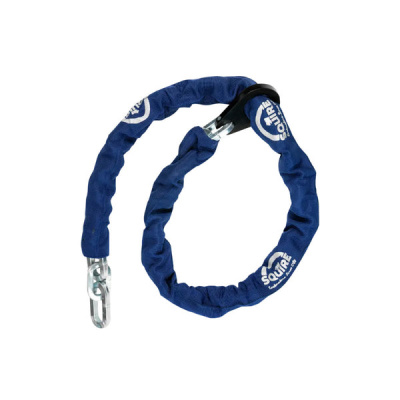
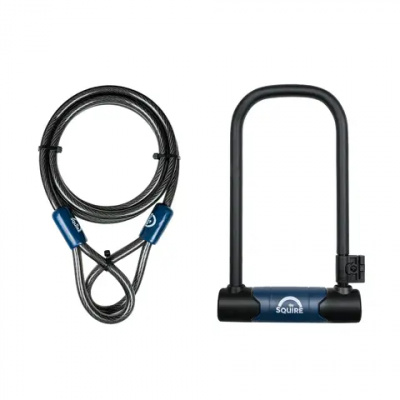
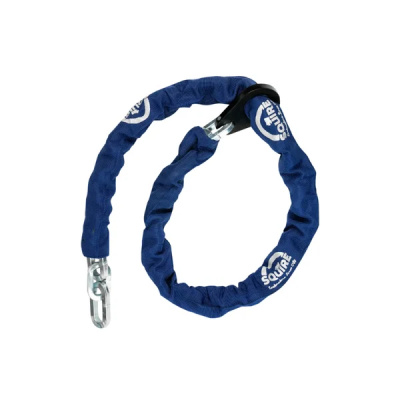
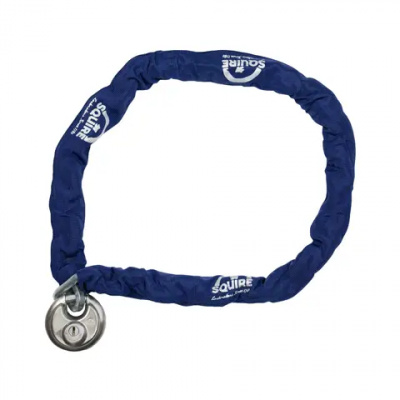
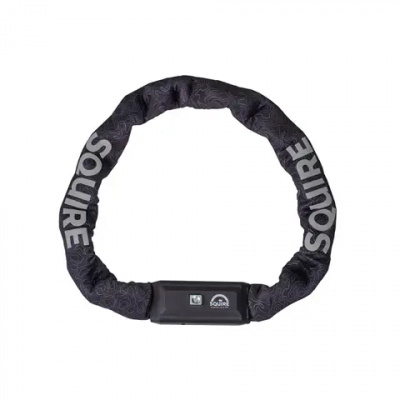
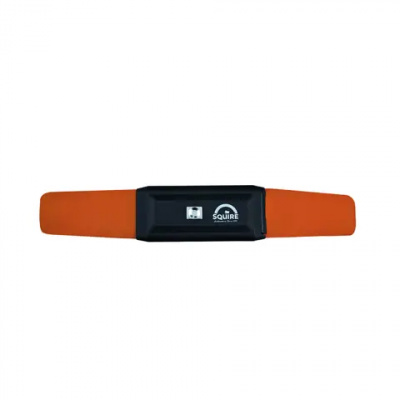
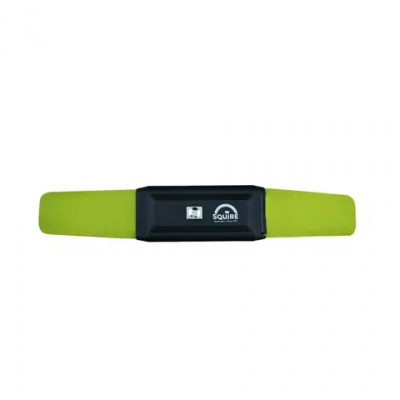
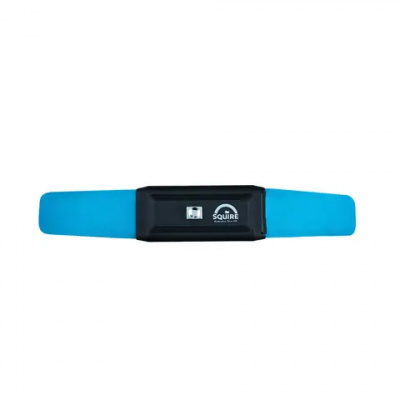
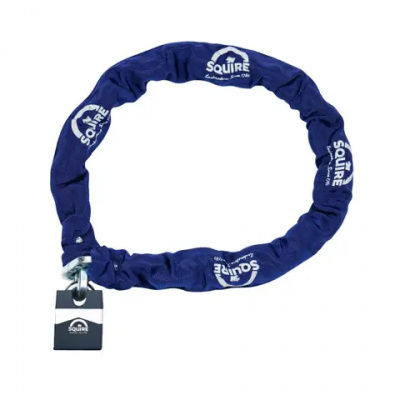
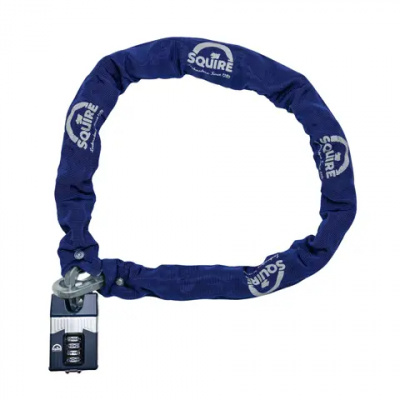
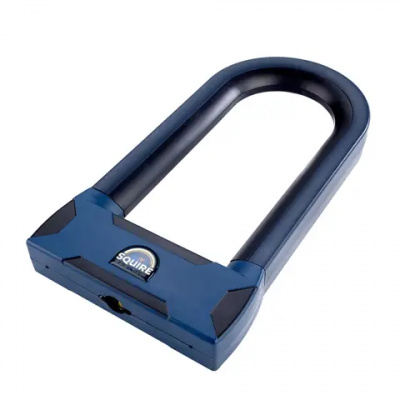
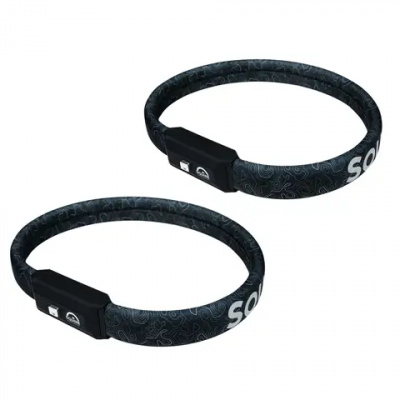
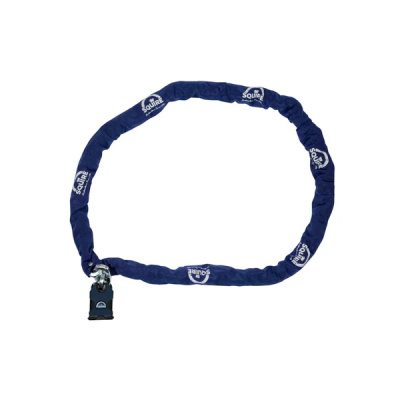
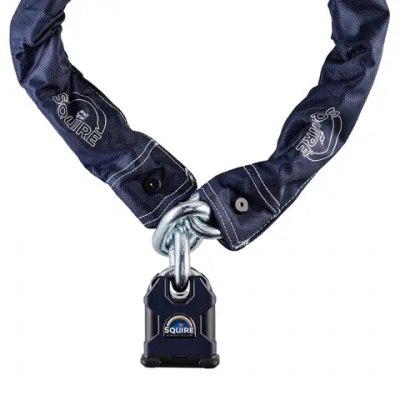
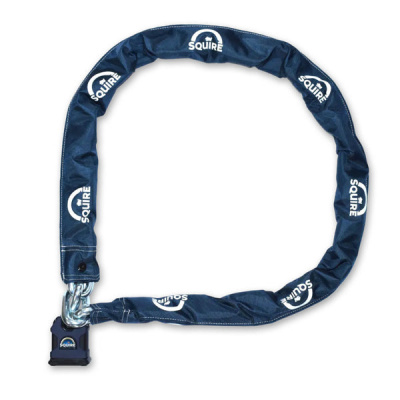
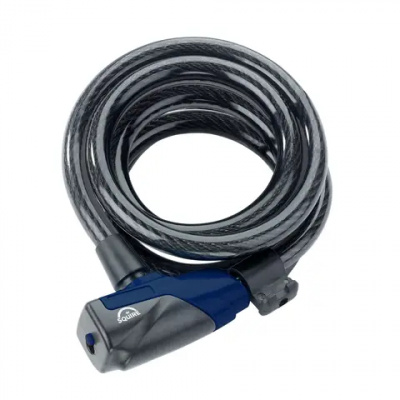
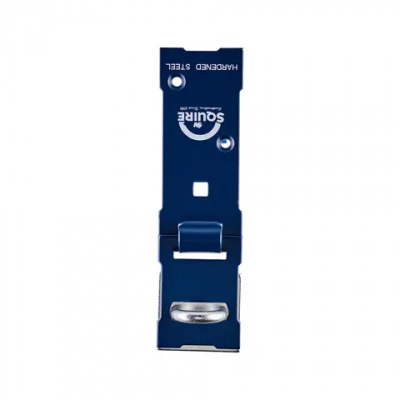
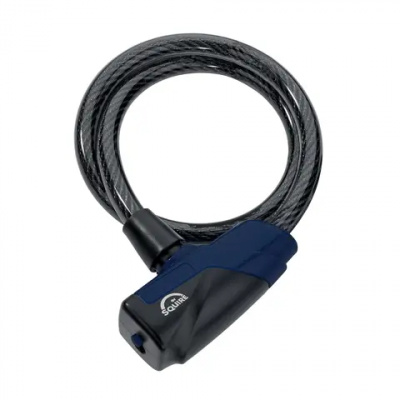
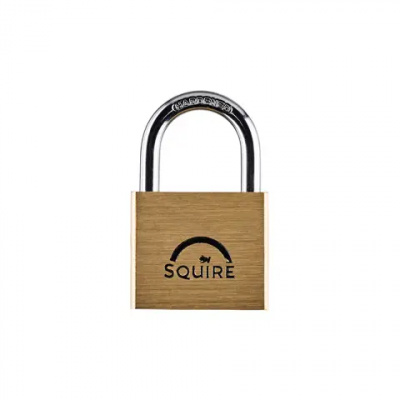
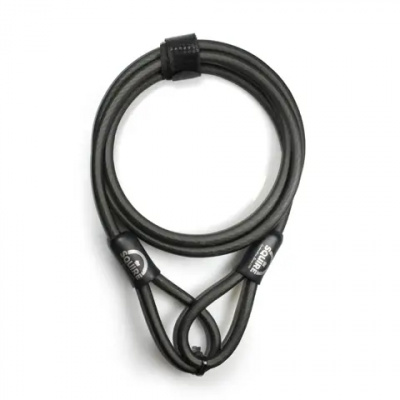
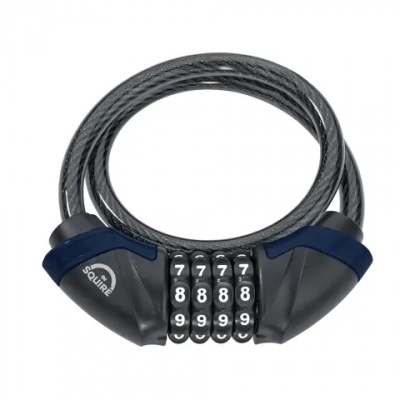
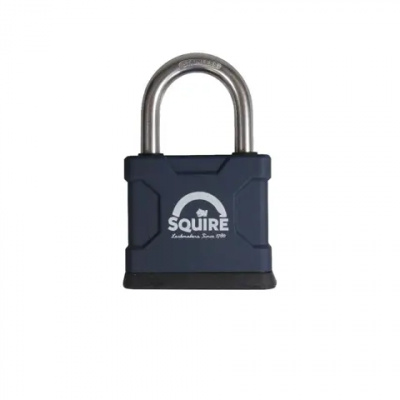
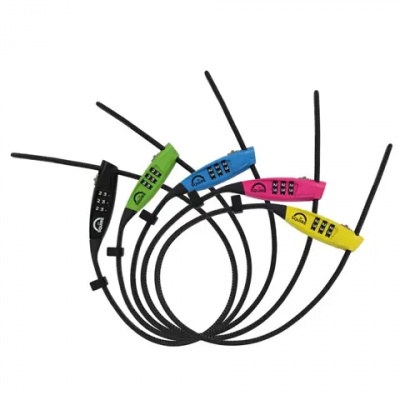

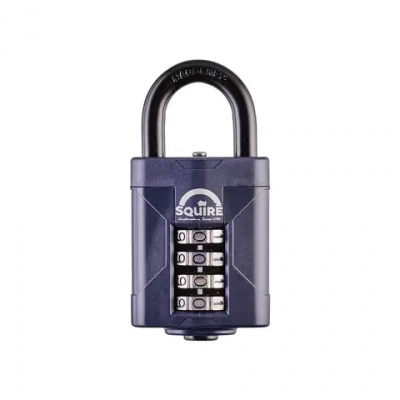
Prices and availability can change quickly. Delivery charges are not always included in listed prices.
Final price, stock status and delivery terms are set by retailer. We may receive a commission on purchases made.
Security Ratings and Insurance Compatibility
Sold Secure ratings are the closest thing the UK has to a standardised bike security benchmark, and your insurer almost certainly references them. The four tiers - Silver, Gold, Pedal Cycle Diamond, and Powered Cycle Diamond - correspond roughly to increasing resistance against tools and time. Silver is entry-level, fine for low-risk areas or low-value bikes. Gold steps up the shackle thickness and cylinder complexity meaningfully. Diamond is where serious money lives: it's the rating demanded by most specialist cycle insurers for bikes above a certain value, and for e-bikes specifically, Powered Cycle Diamond is increasingly the baseline requirement.
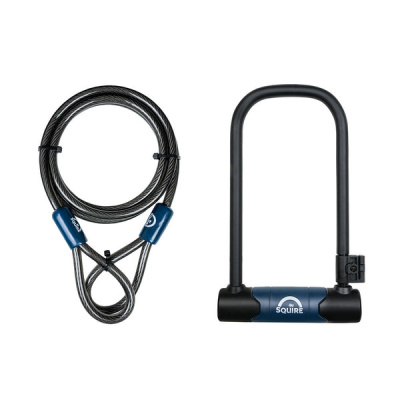
Shackle dimensions matter here more than the marketing copy. A 14mm hardened steel shackle is a solid Gold-rated performer - resistant to bolt croppers, awkward with an angle grinder if you work quickly. Step up to 16mm-plus, as found in Squire's Stronghold® range, and you're into territory that meaningfully slows down power tool attacks. Clearance inside the shackle also matters: too tight and you can't loop through a wheel and frame simultaneously, which defeats the purpose. Check the internal dimensions against your frame tube and wheel axle before buying, not after.
If you're comparing Squire against alternatives, Abus locks and Kryptonite locks operate in similar rating tiers, and it's worth cross-referencing which specific models your insurer accepts by name - some policies are that precise.
Looking to secure your bike at home or extend your locking reach? Check out our dedicated ranges of Squire Anchors and Squire Cables to complete your home security setup.
Squire's Lineup: Stronghold, E-Bike, and Wearable Locks
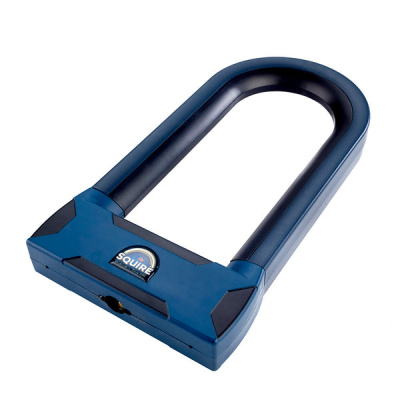
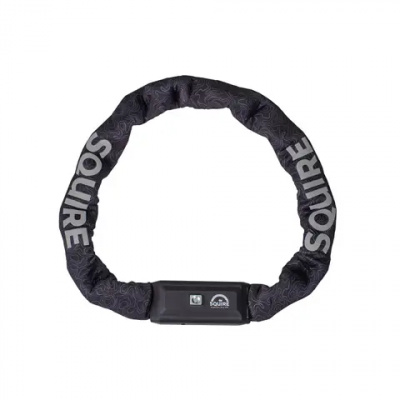
Squire's range isn't one-size-fits-all, and that's the point. The Stronghold® series is the headline act - built for maximum resistance to angle grinder attacks, with TORQ™ hardened alloy steel shackles that resist both cutting and leverage attacks better than standard hardened steel. These are not light locks. You'll know you're carrying one. But if you're locking a four-figure bike in an urban environment where opportunist theft is a daily reality, that weight is the trade-off you make consciously, not reluctantly.
The e-bike-focused models are where Squire has responded to a growing market need. E-bikes are heavier, more valuable, and increasingly targeted, which is why Powered Cycle Diamond certification matters. The locks in this bracket are typically burlier in shackle spec and designed to accommodate the chunkier frames and larger wheel axles common on cargo and step-through e-bikes. If you're running a Bosch or Shimano EP8 motor system, double-check the internal shackle clearance will fit your rear dropout - it's a detail that catches people out.
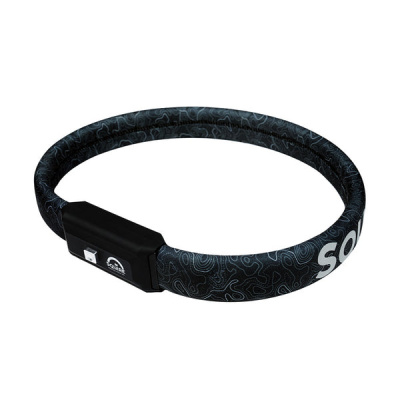
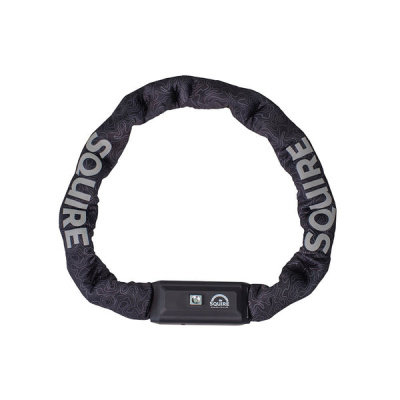
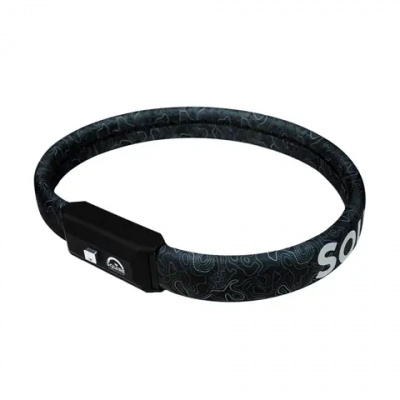
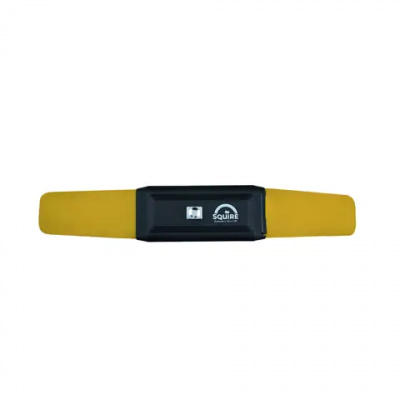
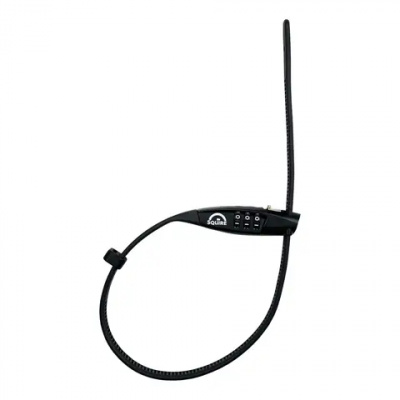
At the other end of the spectrum, Squire's wearable locks - the Straplok-style designs - prioritise portability. They're not going to stop a determined thief with an angle grinder, but they're a practical secondary lock for a quick coffee stop or for adding a second anchor point alongside a heavier D-lock. The Inigma™ digital and Bluetooth smart lock range takes a different approach entirely: no key to lose, app-based access logging, and the kind of audit trail that's genuinely useful if you're managing a fleet of bikes or just hate fishing for keys at 7am. It's a niche solution, but a well-considered one.
For riders who want alternatives in the wearable category, Hiplok locks and Litelok UK locks offer their own takes on the portability-versus-security compromise - worth a look if Squire's wearable spec doesn't quite match your requirements.
Keeping Squire Locks Running Through UK Winters
British winters are hard on bike locks in ways that aren't immediately obvious. Road salt and grit don't just attack your drivetrain - they work into lock cylinders too, particularly disc cylinders where the tight tolerances that make them anti-pick also make them intolerant of contamination. A cylinder that turns smoothly in October can be genuinely seized by February if you've ignored it.
The maintenance fix is simple but specific. Every three months - and after any prolonged exposure to heavy rain or salty spray - flush the keyway with a dry PTFE-based lubricant spray or a small amount of graphite powder. Both displace moisture and reduce friction without leaving a sticky residue that attracts more grit. Standard WD-40 is the one to avoid: it shifts surface moisture initially, but leaves an oily film that acts like grinding paste once road dirt gets involved. That's how cylinders die early.
Squire's dimple key cylinders with anti-drill protection are robust by design, but no cylinder is maintenance-free in UK conditions. If you're parking your bike outside daily - commuting through winter, leaving it at the station - build the three-month flush into your calendar the same way you'd schedule a chain clean. It takes two minutes and it'll save you the cost of a replacement lock.
Weather-proof covers on the keyway, where fitted, help considerably. If your Squire lock doesn't have one, a short section of inner tube cable-tied over the cylinder costs nothing and keeps the worst of the spray out. It's not glamorous, but it works. OnGuard locks take a similar approach to weather sealing on several of their models if that's a priority feature you're comparing across brands.
Squire Locks FAQs
Are Squire bike locks Sold Secure rated?
Most of Squire's premium locks carry Sold Secure Gold or Pedal Cycle Diamond certification. Before buying, check your specific insurance policy - some insurers name required ratings and even specific models based on your bike's value. Don't assume Gold is sufficient if your policy demands Diamond.
How do I stop my bike lock cylinder from seizing?
Use a dry PTFE-based lubricant spray or graphite powder in the keyway every three months, especially through winter. Avoid standard WD-40 and wet oils - they attract road grit and can permanently clog a disc cylinder. Two minutes of maintenance every season is all it takes.
Can I get replacement keys for my Squire bike lock?
Yes, but only if you've registered your key number with Squire at the point of purchase. The unique key code is stamped on your original keys or the metal tag that comes with the lock. Without that code, replacement keys can't be cut - so register it the day the lock arrives.