
Onguard Locks
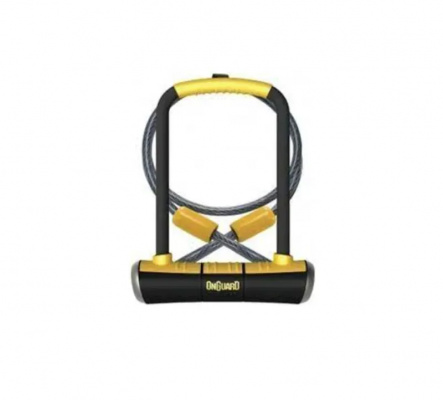
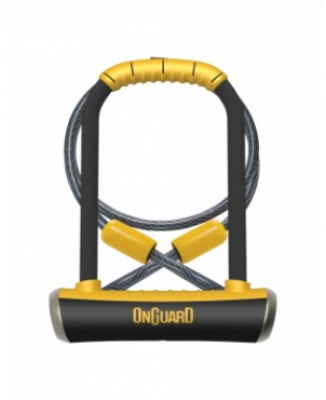
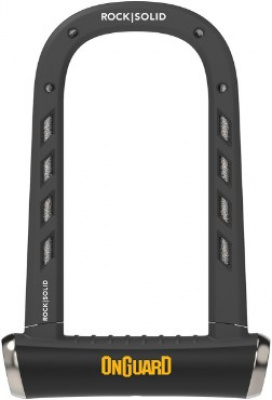
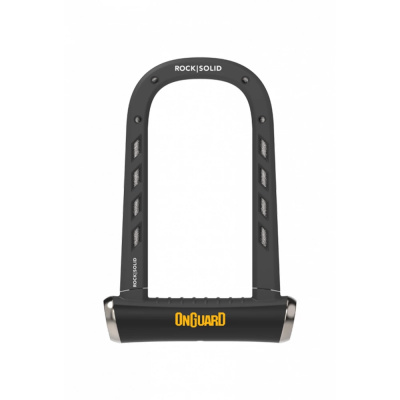
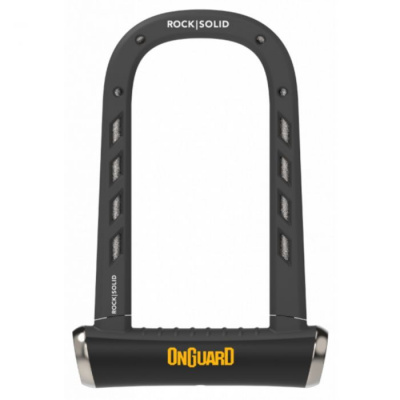
Onguard bike locks have built a serious reputation for delivering hard-to-beat security at prices that won't make you wince - and in UK cities where bike theft is practically a sport, that matters. At the core of their better D-locks is the X4P Quattro Bolt locking mechanism, which grips the shackle to the crossbar at four separate points rather than the usual one or two. That's the difference between a thief walking away frustrated and walking away with your bike.
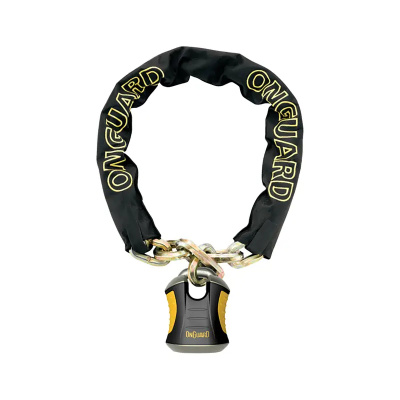
The range covers everything from compact D-locks for quick city stops to heavy-duty chains suited to overnight e-bike parking. Several models carry Sold Secure Gold or Sold Secure Diamond certification, which is what most UK home and cycle-specific insurance policies actually require - so it's worth checking your documents before you buy rather than after something goes wrong.
Onguard also fits a Z-Cylinder across much of the range: a key mechanism engineered to resist bumping, picking, and pulling. It's the sort of detail that separates a lock worth owning from one that only looks the part. Browse our price-compared range below and find the model that fits your risk level, ride, and budget.
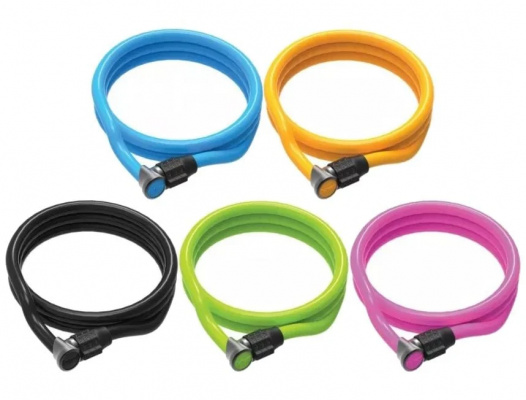
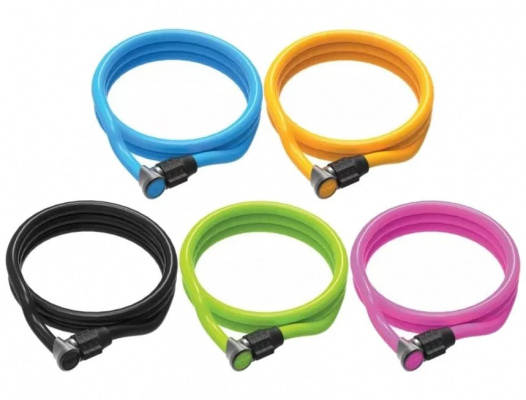
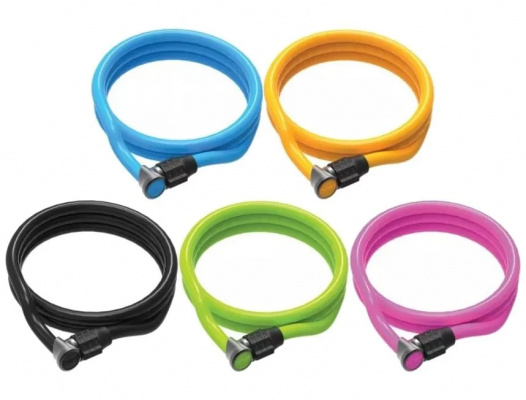
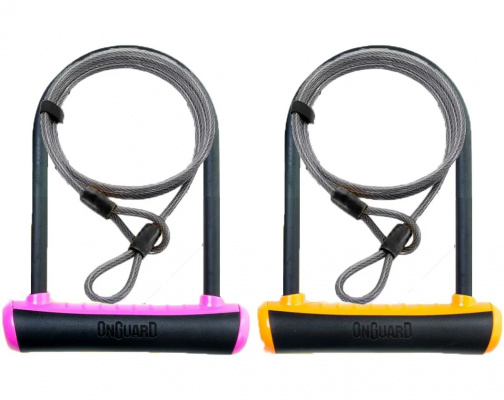
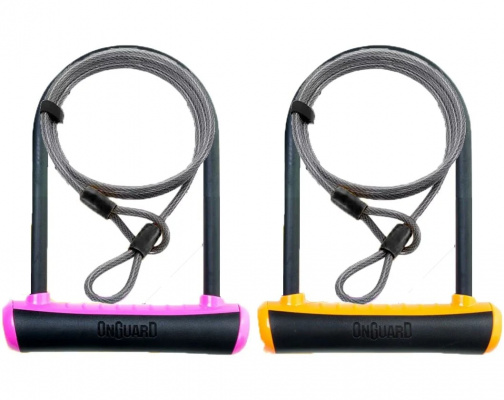
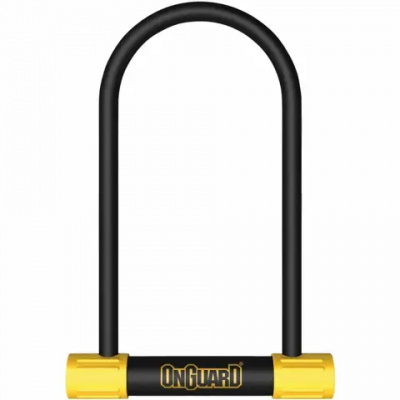
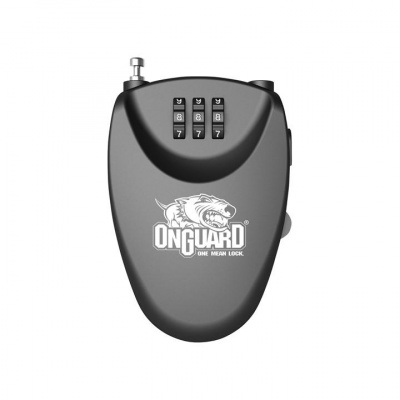
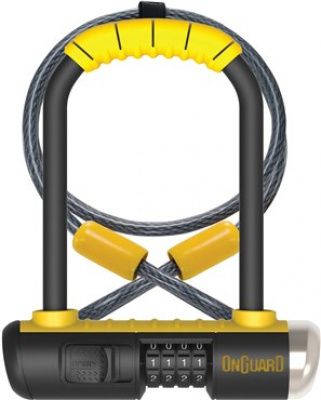
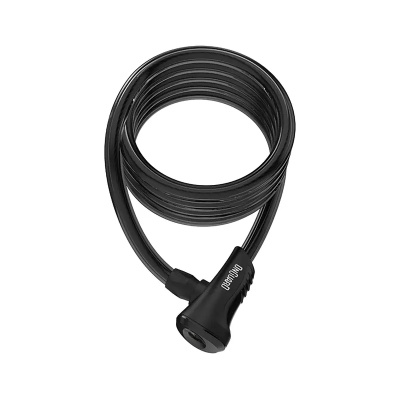
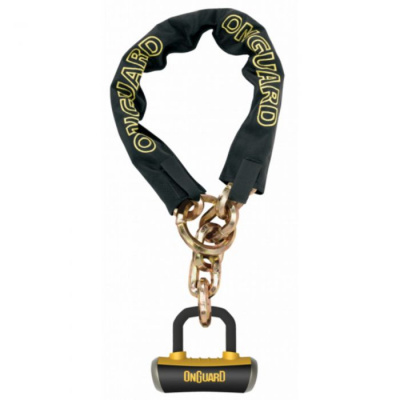
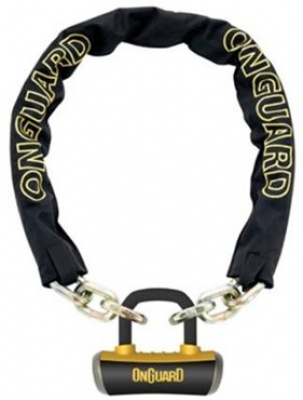
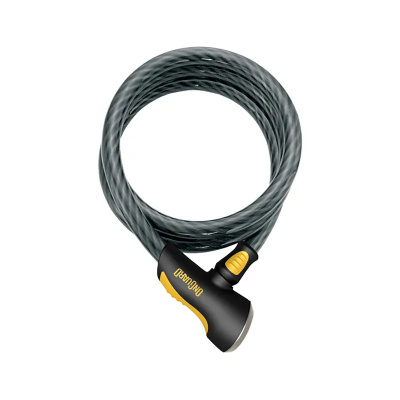
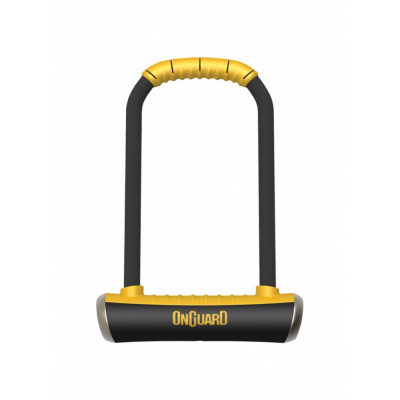
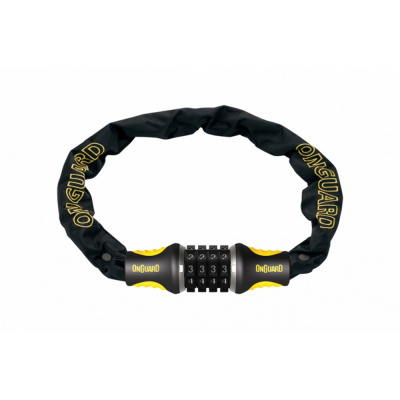
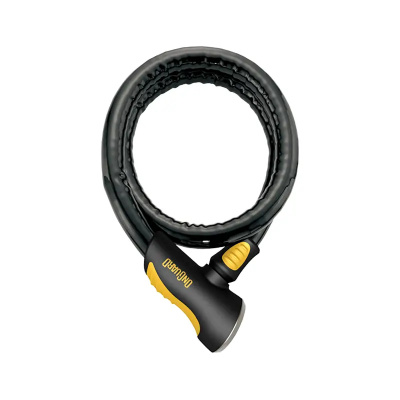
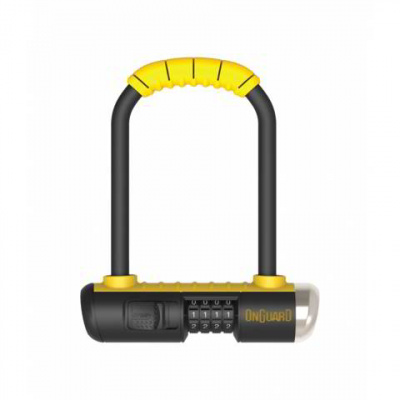
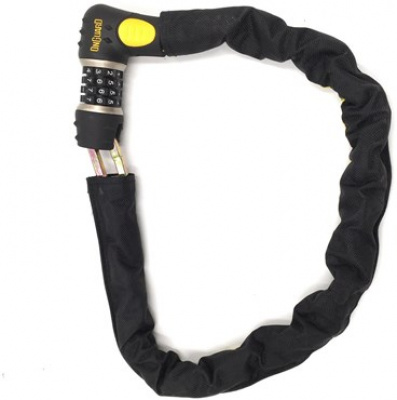
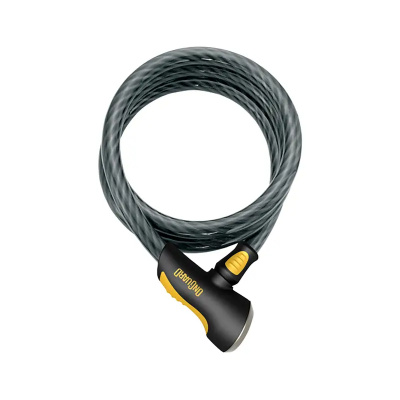
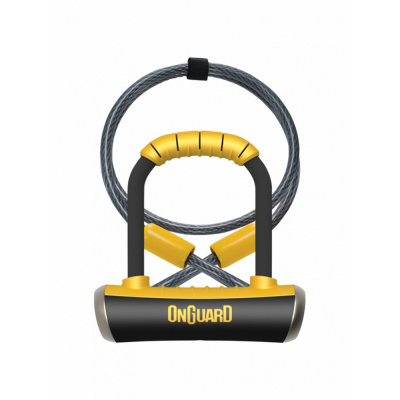
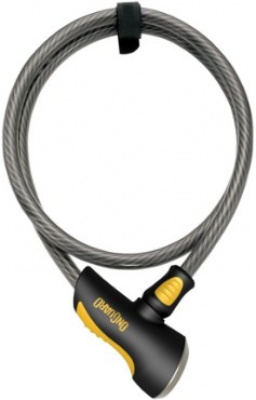
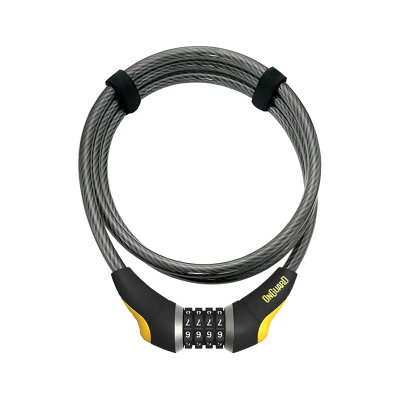
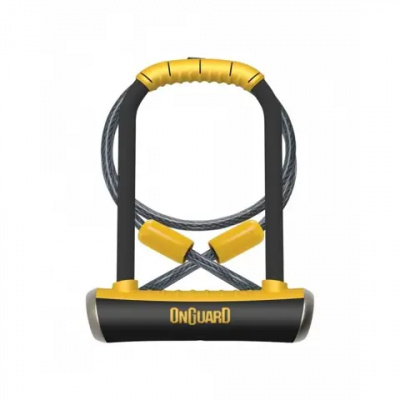
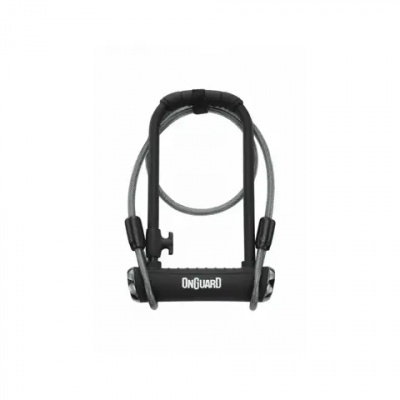
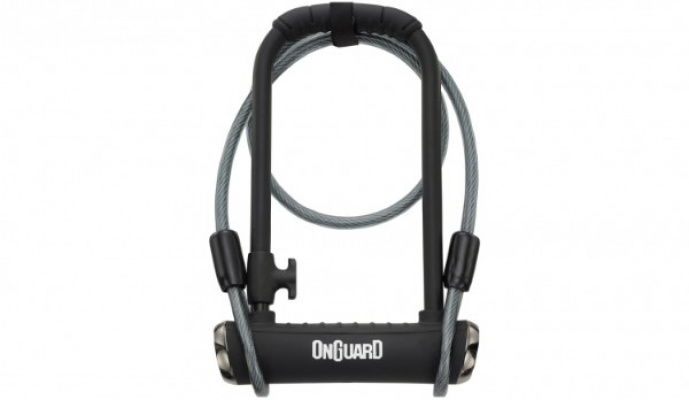
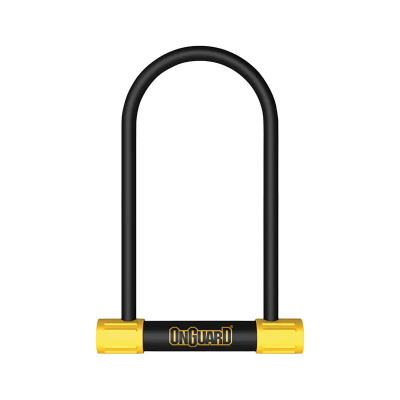
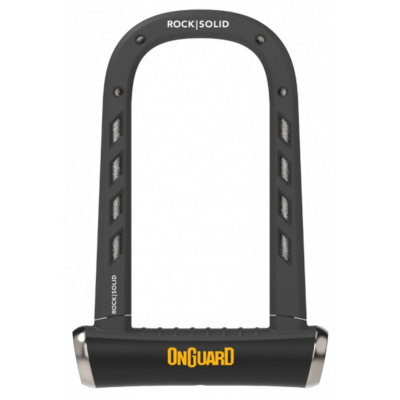
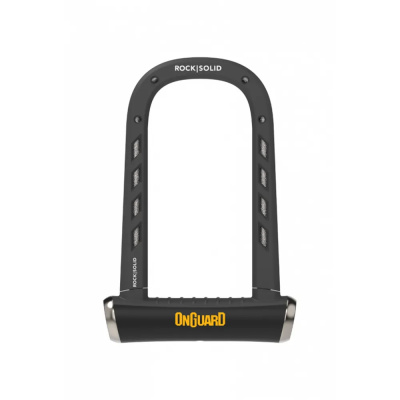
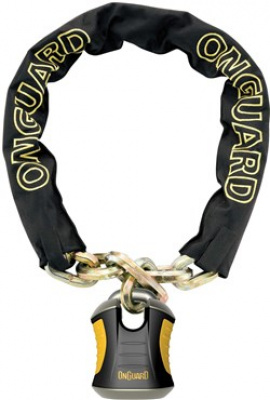
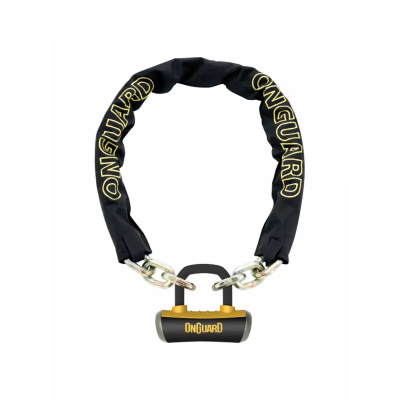
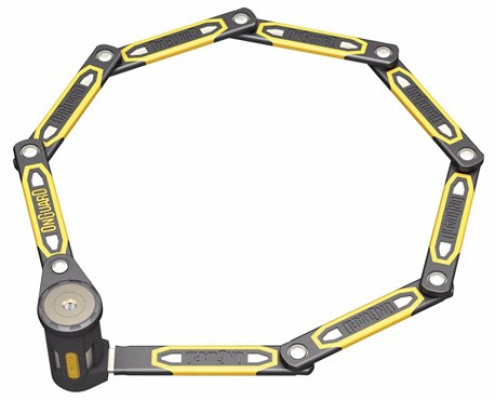
Prices and availability can change quickly. Delivery charges are not always included in listed prices.
Final price, stock status and delivery terms are set by retailer. We may receive a commission on purchases made.
Security Ratings and What They Mean for Your Insurance
Sold Secure ratings - Silver, Gold, and Diamond - aren't just marketing tiers. They're independently tested benchmarks that tell you, in plain terms, how long a lock can resist a determined attack with real tools. Silver covers lower-risk areas and secondary locking. Gold is the standard most UK insurers specify for covered outdoor parking. Diamond is the top tier, reserved for locks that can genuinely hold up against angle grinders and bolt croppers for a meaningful stretch of time.
Most of Onguard's mid-range and flagship D-locks carry Sold Secure Gold or Sold Secure Diamond ratings, which is where their engineering choices start to make sense. The X4P Quattro Bolt system clamps the shackle to the lock body at four contact points - so even if a thief gets leverage on the shackle, there's no single weak point to exploit. Combine that with the Z-Cylinder's resistance to bump keys and picking, and you've got a lock that genuinely earns its certification rather than just passing on a technicality.
Always check your specific policy wording. Some insurers require Gold as a minimum; others mandate Diamond for bikes above a certain value or for overnight street parking in cities like London or Bristol. Getting that wrong means a claim gets rejected, and no lock is worth anything at that point. If you're securing your bike in a garage or shed, a heavy-duty lock is only as good as what it's attached to - pair yours with one of our Onguard Anchors for proper home security.
Brute, Pitbull, Bulldog: Choosing the Right Tier
Onguard's D-lock range splits into three clear tiers, and picking the wrong one is usually a case of either overpaying for security you don't need or underpreparing for where you actually lock up.
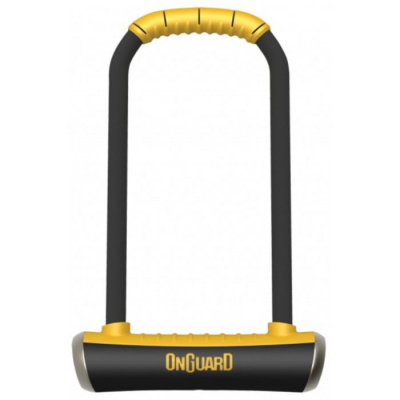
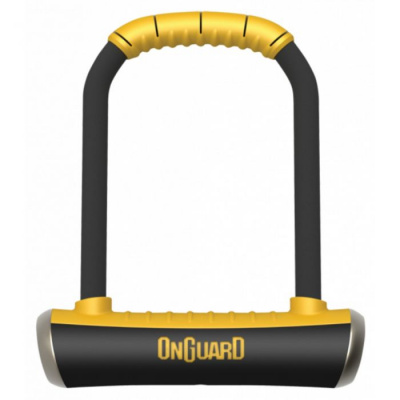
The Onguard Brute is the flagship. It uses a 16.8mm hardened steel shackle - that's genuinely thick - and typically achieves Sold Secure Diamond certification. It's heavy, no question about it, and the shackle clearance is on the snug side, so you'll want to think about how you're locking frame and wheel together. This is the lock for overnight parking in high-theft city centres, or for an e-bike that cost serious money. Comparing it to something like an Kryptonite New York lock or a top-tier Abus Granit, the Brute competes on shackle diameter and certification while typically coming in at a lower price point.
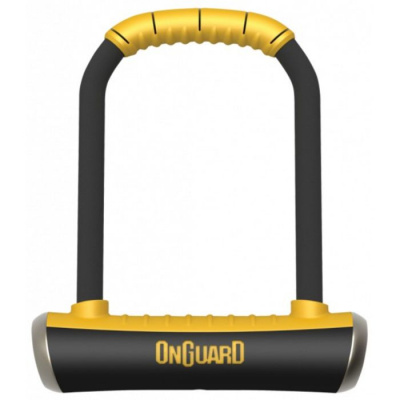
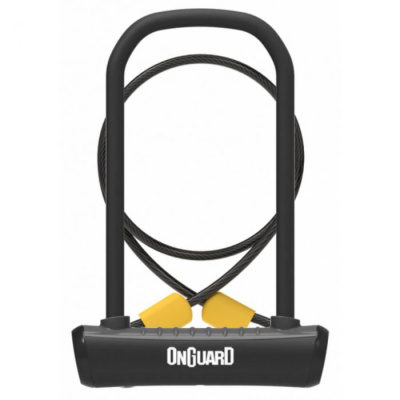
The Onguard Pitbull is where most riders will land. A 14mm shackle with a Sold Secure Gold rating gives you strong protection without the wrist workout of carrying the Brute around. The TriRadius shackle design - a slightly curved profile - creates more internal clearance than a standard D-lock of the same size, which makes it easier to get frame and a wheel through the shackle and around a Sheffield stand. It's the Onguard D-lock vs chain lock question answered in one product for most commuters: carry this, and you're covered for daytime city locking with a sensible risk profile.
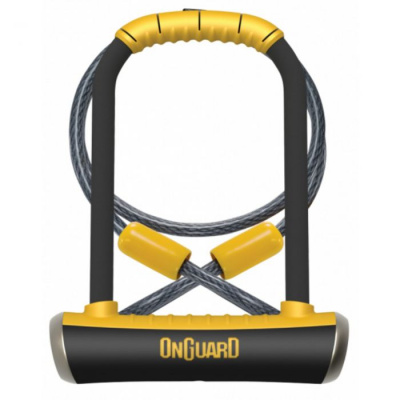
The Onguard Bulldog runs a 13mm shackle and sits at Silver or entry-level Gold depending on the specific variant. It's not for leaving your bike unattended outside a coffee shop for two hours in Manchester - use it as a secondary lock alongside a chain, or for low-risk suburban stops where you're not far away. Brands like Oxford and Hiplok occupy similar ground in this tier if you're comparing options. The Bulldog also comes with a mounting bracket on most versions, so it sits tidily on your frame rather than rattling around in a bag.
The Onguard Pitbull vs Brute decision really comes down to two things: where you park and for how long. All-day city centre locking, or anything involving an expensive e-bike, pushes you toward the Brute. Shorter stops or lower-risk areas, and the Pitbull's balance of weight and certification makes more sense day-to-day.
Keeping Your Lock Working Through a UK Winter
A seized lock cylinder is one of those problems that only ever happens when you're in a hurry, usually in the rain, usually in the dark. UK winters are hard on lock internals - road grit, salt spray, and persistent damp can wash away factory grease inside the Z-Cylinder within a single wet season, leaving the anti-pick mechanism stiff and the key turning like it's set in concrete.
The fix is straightforward but specific. Use a dry graphite powder or a PTFE-based lubricant applied directly into the keyhole - every three to four months is a reasonable rhythm, or more frequently if you're locking up in exposed spots through winter. Don't reach for standard WD-40. It shifts moisture short-term but leaves an oily residue that attracts grit and makes the problem worse over time. A few puffs of graphite powder takes about ten seconds and keeps the cylinder turning cleanly for months.
The double bolt locking mechanism and shackle contact points also benefit from an occasional wipe-down, particularly if you're riding coastal routes or anywhere that sees heavy road salt. It's not glamorous maintenance, but it's the difference between a lock that works reliably for a decade and one that lets you down after two winters. Brands like Litelok take a similar approach to weather-resistant engineering, though their construction choices differ. Onguard's Z-Cylinder is robust by design - look after it and it'll hold up through whatever the season throws at it.
Onguard Locks FAQs
Are Onguard locks Sold Secure approved?
Most Onguard D-locks and heavy-duty chains carry Sold Secure Gold or Diamond ratings - the two tiers that UK cycle insurers typically require for outdoor parking cover. Always check the specific model's listing or packaging, since rating levels vary across the range and your policy may specify a minimum standard.
How do I stop my Onguard lock cylinder from seizing?
UK winter rain and road grit strip away factory lubrication and leave the Z-Cylinder stiff or stuck. Apply a dry graphite powder or PTFE-based lubricant into the keyhole every three to four months - and avoid standard WD-40, which leaves an oily film that collects dirt and compounds the problem.
What is the difference between the Onguard Brute and Pitbull?
The Brute is Onguard's maximum-security flagship, with a 16.8mm hardened steel shackle and typically a Sold Secure Diamond rating - it's heavy but built for high-risk overnight parking. The Pitbull runs a 14mm shackle at Sold Secure Gold, giving you a more practical everyday carry without a significant drop in protection for most real-world situations.