
Cube Pannier Racks
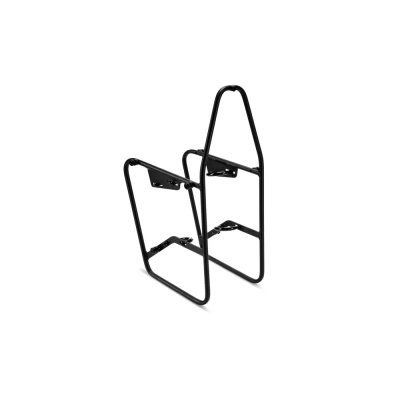
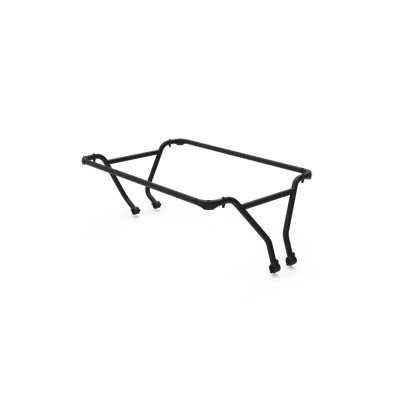
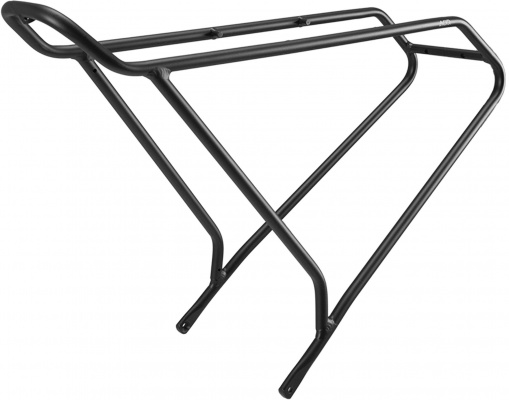
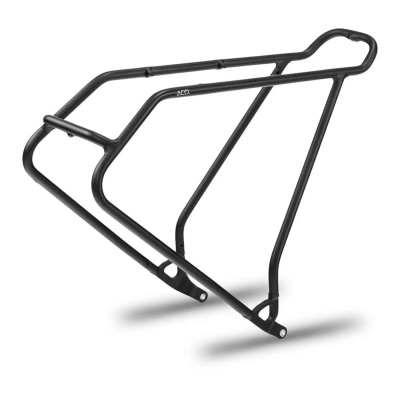
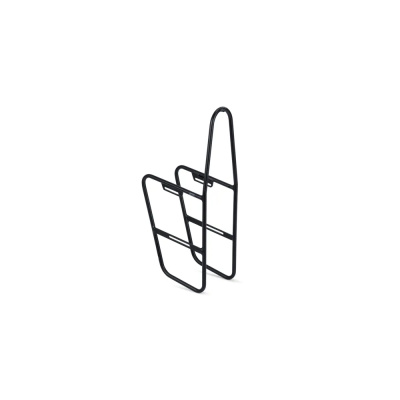
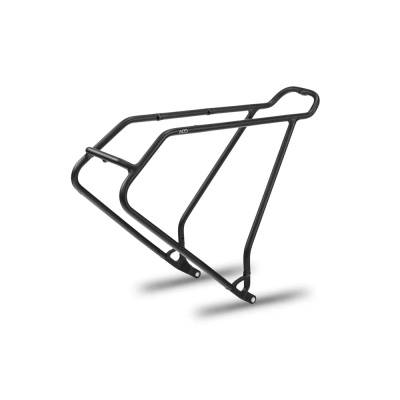
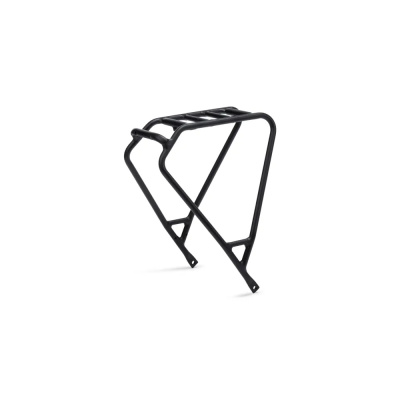
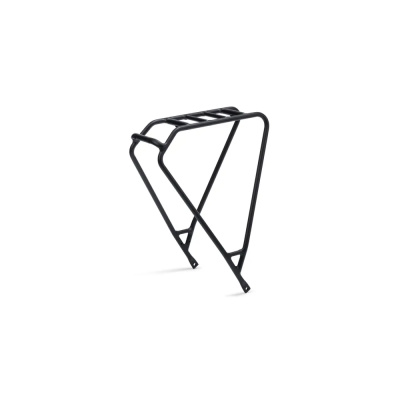
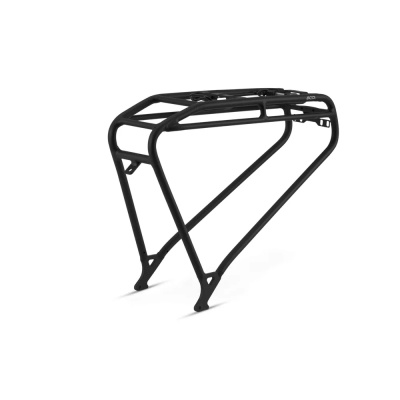
Cube pannier racks are engineered around one idea: a rack that actually belongs on your bike rather than being bolted on as an afterthought. Cube designs its carriers specifically for Cube frame geometry and mounting standards, which means no flex, no rattle, and no adapters bodged in to make things work. Load ratings reach up to 25kg on the top-tier models - enough for a full week's shopping or a loaded commute across town.
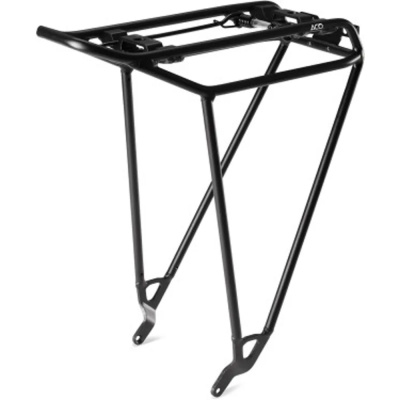
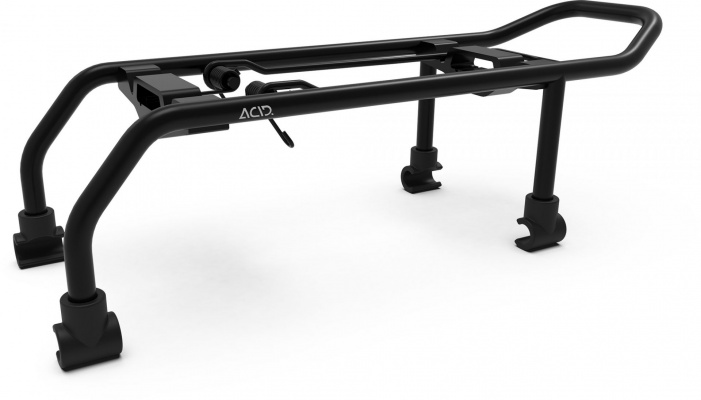
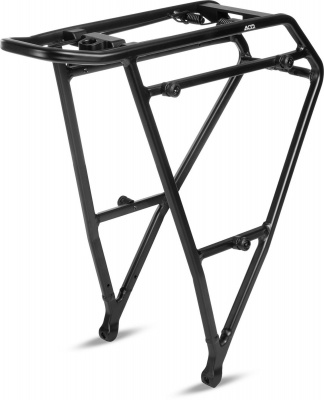
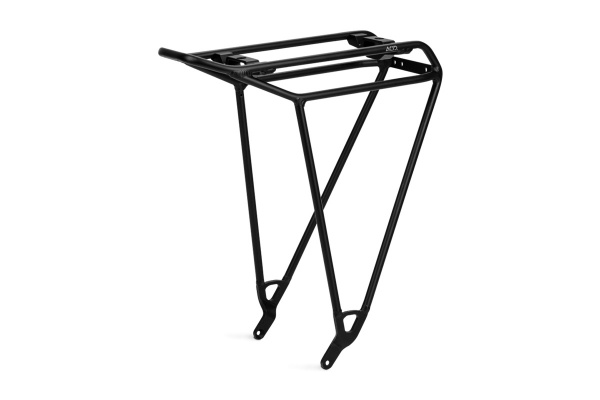
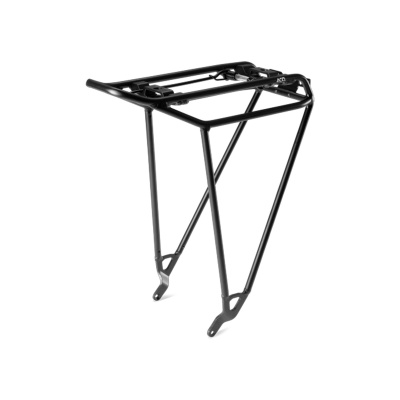
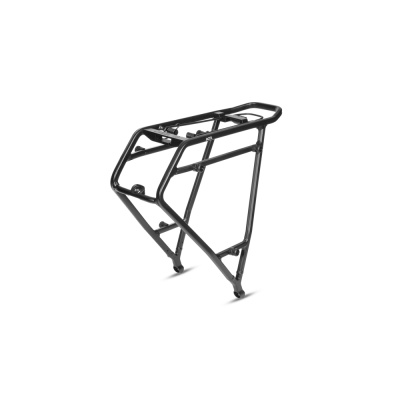
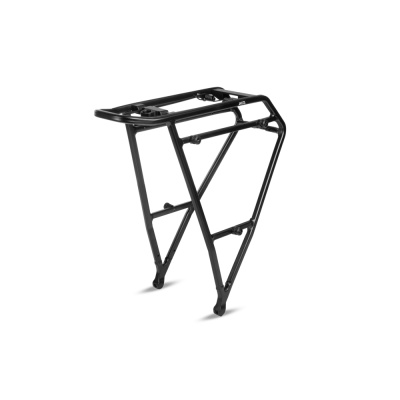
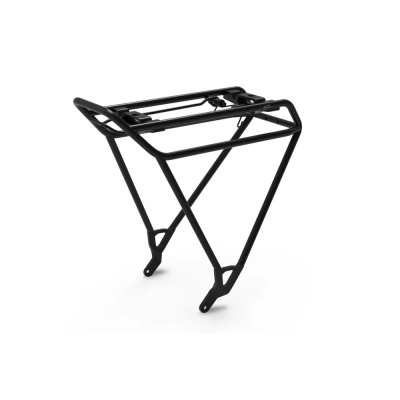
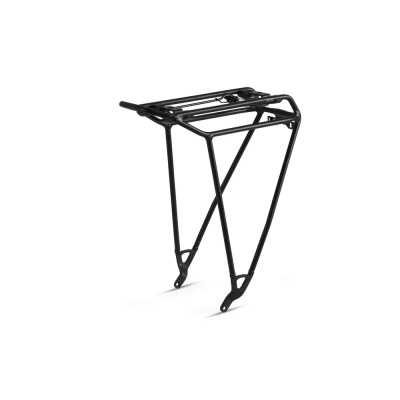
The key to that rigidity is Cube's SIC (Semi Integrated Carrier) system, found on models like the Kathmandu, Touring, and Reaction Hybrid ranges. SIC uses proprietary hidden mounts built into the frame, giving a seamless connection that a standard eyelet rack simply can't replicate. Add RILink compatibility - a click-in interface on the rack's top deck for compatible Acid bags and baskets - and you've got a carrying system that's genuinely quick to use on a dark January morning. Built from corrosion-resistant aluminium carrier profiles, these racks handle British winters without corroding at the mounting eyelets. Whether you're on a Cube e-bike or a loaded hybrid, there's a rack here built around your specific frame.
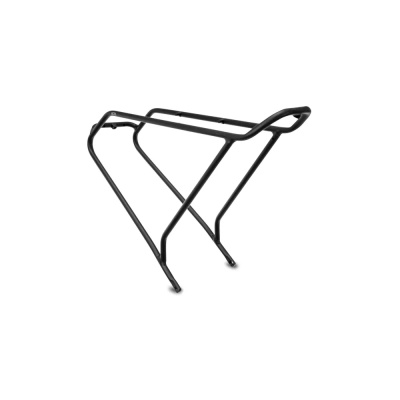
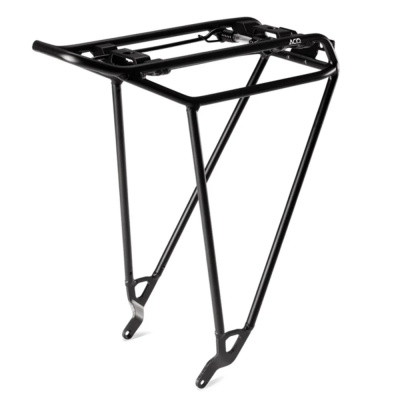
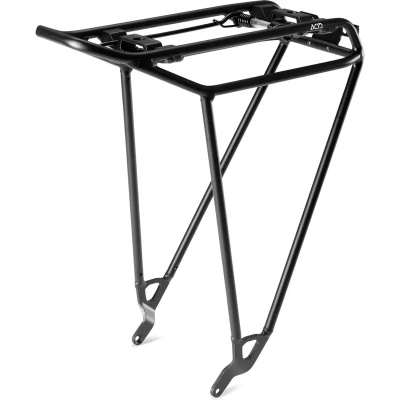
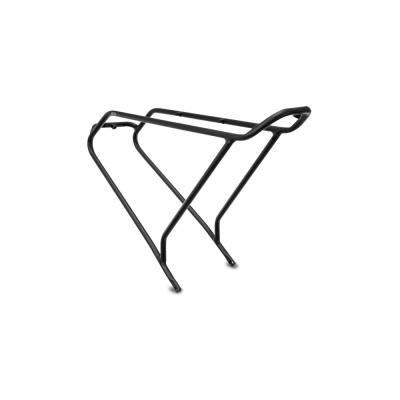
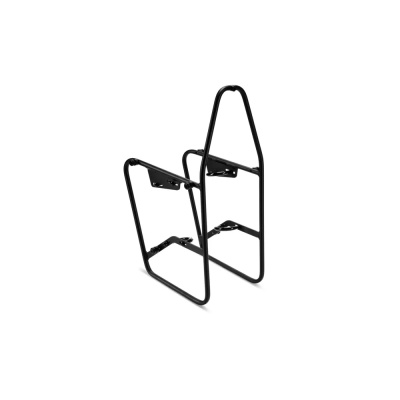
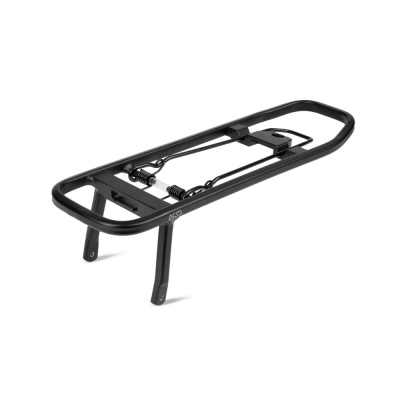
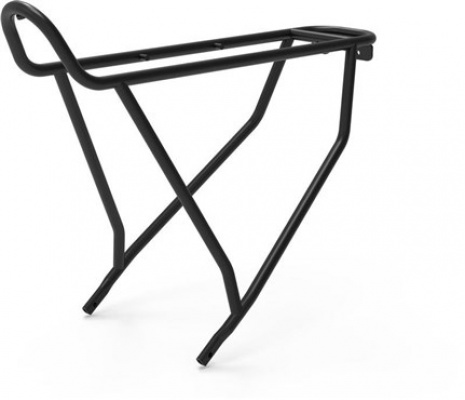
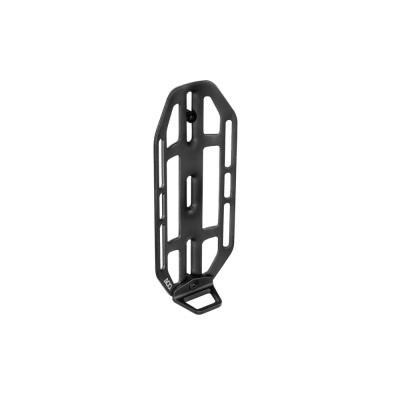
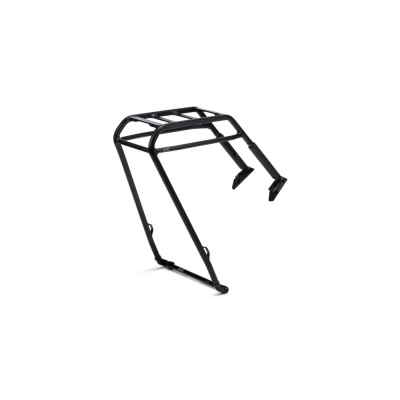
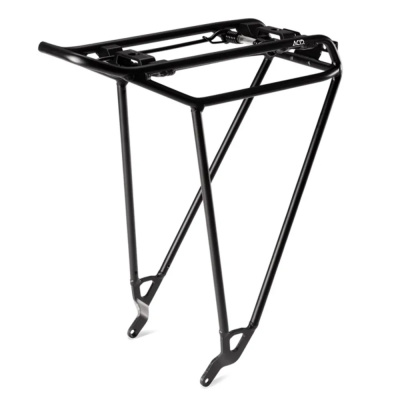
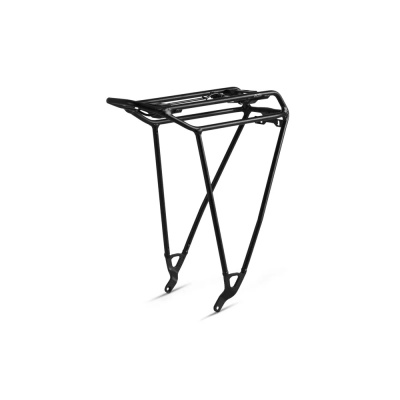
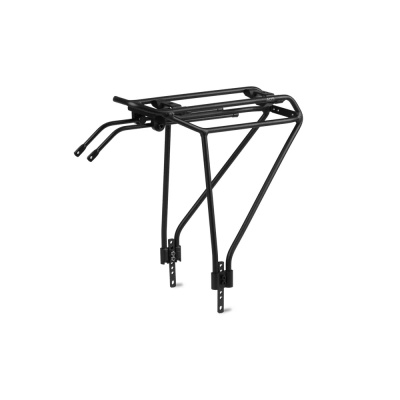
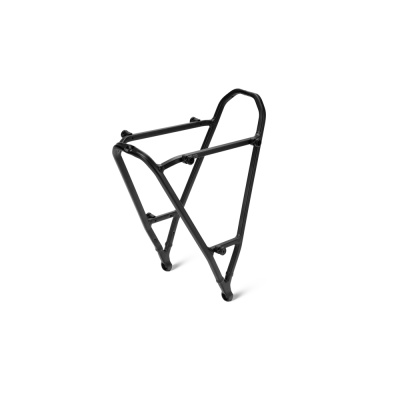
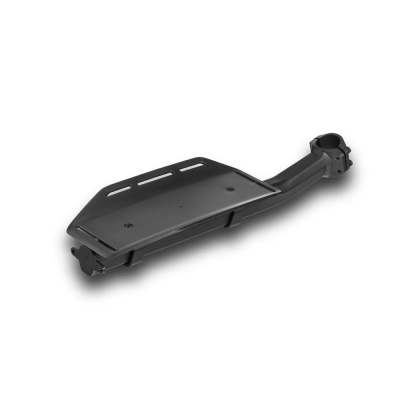
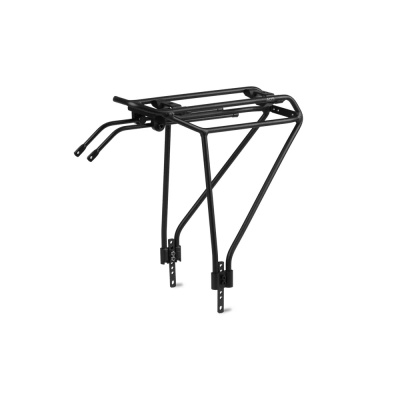
Prices and availability can change quickly. Delivery charges are not always included in listed prices.
Final price, stock status and delivery terms are set by retailer. We may receive a commission on purchases made.
SIC vs Standard Mounts: Getting Compatibility Right
This is the part that catches people out. Cube frames broadly split into two camps when it comes to rack mounting. Older models and entry-level hybrids use standard threaded mounting eyelets on the dropouts and seat stays - any quality universal rack will bolt straight on, including options from SKS or Blackburn. But if your frame is a Kathmandu, Touring, or a current Reaction Hybrid, it almost certainly uses Cube's proprietary SIC (Semi Integrated Carrier) standard instead.
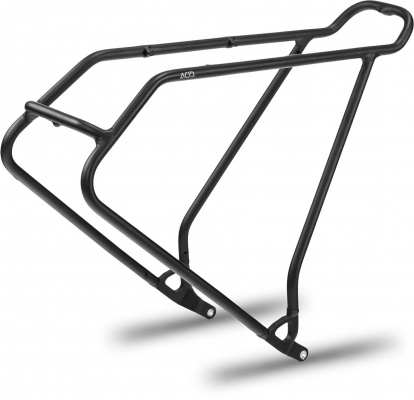
SIC replaces the visible bolt-on attachment points with hidden mounts recessed into the frame. The practical difference is significant: the rack sits flush against the stays, torsional stiffness goes up noticeably, and there's none of the lateral waggle you get with a loosely toleranced universal fit. You do need to buy an SIC-specific rack, though - a standard rack won't interface with those hidden mounts at all. Get the wheel size right too. SIC racks are sized for either 27.5-inch or 29-inch wheels, and swapping between them isn't possible. Check your frame's spec sheet if you're unsure.
Disc brake clearance is worth checking on any model. Cube's racks are designed with disc brake clearance in mind on disc-specific frames, but double-check the caliper side on older flat-mount setups before ordering. Once you've got the right rack sorted, you'll want bags to fill it - Cube pannier bags are cut to match these rack dimensions and worth pairing from the start.
Breaking Down the Acid Rack Range
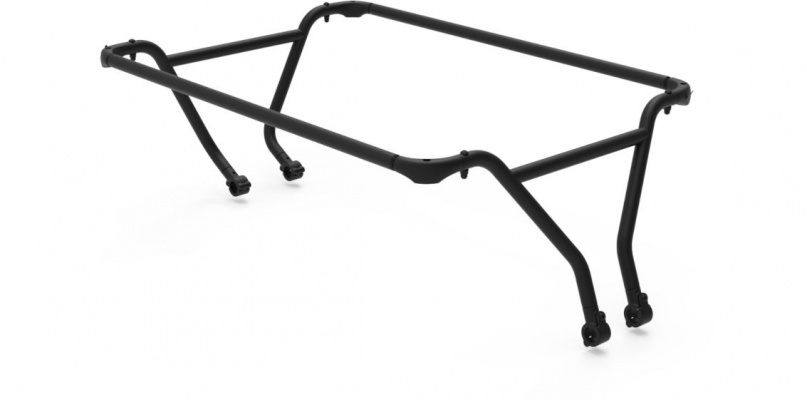
Cube sells its racks under the Acid brand - that's Cube's in-house component and accessory label, designed from the ground up to fit Cube geometry. It's not a separate company; think of it as Cube's own-brand answer to aftermarket parts. The range runs in tiers, and the differences between them are practical rather than cosmetic.
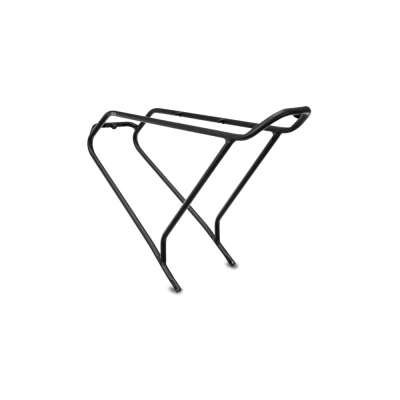
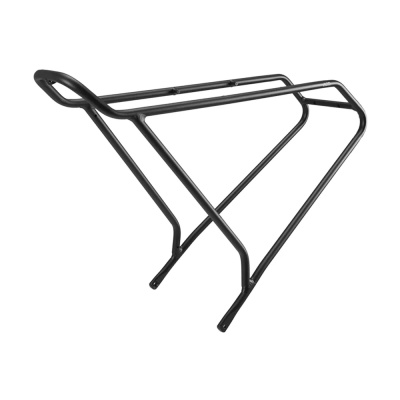
At the entry level, the standard Acid Carrier models use conventional eyelet mounting and suit older Cube frames or any bike with standard threaded dropouts. They're solid, reasonably light, and do the job without fuss. If your frame supports it, though, the SIC 2.0 and SIC 3.0 integrated carriers are a meaningful step up. Both use the full SIC mounting interface for that rattle-free connection, but the SIC 3.0 adds an integrated rear light mount, hidden cable routing channels for dynamo wiring or e-bike light cabling, and - critically - the RILink interface on the top deck.
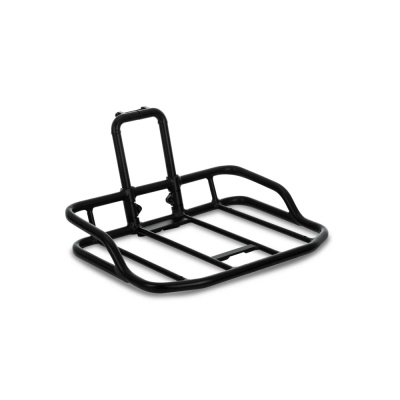
RILink is worth understanding properly. It's a proprietary click-in rail system built into the rack's surface that accepts compatible Acid trunk bags, baskets, and cargo boxes. Instead of wrestling with velcro straps or bungee cords in the dark, the bag drops onto the rack and locks with a single lever click. It sounds like a small thing until you're trying to detach a loaded bag in the rain outside a Co-op. The Acid Integration philosophy runs through all of it - bags, racks, and frames are designed as a system, not assembled from whatever fits. If you're comparing and want to see what the Acid-branded accessories look like as a standalone range, Acid pannier racks are listed separately on Bikesy too.
For riders on a Cube hybrid who want to keep weight down, the mid-tier SIC 2.0 hits a sensible balance. The SIC 3.0 makes most sense if you're running lights wired to a hub dynamo or want the full RILink bag ecosystem.
Keeping It Together Through a UK Winter
British roads are hard on bike hardware. Road salt, grit, and the general muck that builds up between November and March will work its way into every threaded interface on your rack if you let it. The aluminium-to-aluminium contact between rack bolts and frame threads is where corrosion strikes first - apply a small amount of copper grease to the bolt threads before installation, and you'll avoid the situation where the rack is essentially welded to your frame by spring.
Vibration is the other enemy. Rough canal towpaths, broken B-roads in the Peaks, potholed urban commutes - high-frequency road buzz will back bolts out of their threads over time, especially on the lower seat stay mounts where lever forces are highest. Apply medium-strength threadlocker - Loctite 243 works well - to those lower mounting bolts. It won't prevent you removing them later, but it will stop them self-loosening mid-ride with 15kg of shopping on board. Not ideal, that.
Torque specs matter more than most people think. Cube typically specifies 5 - 6Nm on rack mounting bolts. Under-torqued and the rack shifts under load; over-torqued and you risk stripping threads in the frame. A basic torque wrench is worth keeping in the garage for this. Check the bolts every 500 miles or so, especially if you're riding loaded on rough roads regularly. While you're at it, check that Cube mudguards are similarly torqued - they share mounting points on many frames and the same logic applies. A kickstand fitted at the same time uses the same torque range and is worth doing in one session.
Cube Pannier Racks FAQs
How do I know if a pannier rack will fit my Cube bike?
Start by checking your frame's dropouts and seat stays. If you have standard threaded eyelets, a universal rack from any brand will bolt straight on. If your frame - typically a Kathmandu, Touring, or Reaction Hybrid - uses Cube's proprietary hidden mounts, you'll need an Acid SIC-specific rack matched to your wheel size. When in doubt, check the frame spec sheet or contact your dealer before ordering.
What is the Cube RILink system?
RILink is a proprietary click-in interface built into the top deck of compatible Acid and Cube SIC racks. It allows Acid-branded trunk bags, baskets, and cargo boxes to lock securely onto the rack via a lever mechanism, removing the need for velcro straps or bungee cords. Only bags and accessories designed for RILink will use this interface - standard panniers hang from the rack sides as normal.
Can I fit a pannier rack to a full-suspension Cube e-bike?
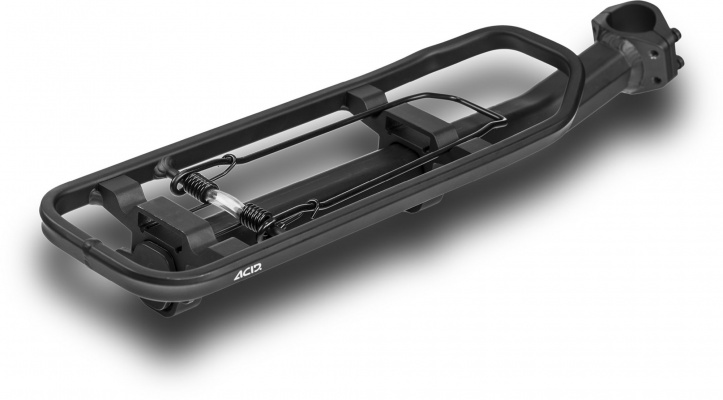
Standard racks won't work on full-suspension bikes because the rear triangle moves independently of the main frame - fixing a rigid rack across that pivot causes real problems. You'd need a rack designed to mount solely to the rear swingarm, or a seatpost-mounted carrier instead. Weight limits on those options are lower, so check the maximum load capacity carefully and don't overload them on rough ground.