
Blackburn Pannier Racks
Blackburn pannier racks have been a fixture on loaded touring bikes since 1975, and the range still sets the benchmark for riders who need their gear to stay put whether they're grinding up a Welsh pass or navigating a potholed city centre. Built from aircraft-grade 6061 aluminum, these racks deliver a high strength-to-weight ratio that matters when you're carrying a full load across three counties. The Fit-Dial system adjusts to suit 26-inch wheels right through to 29ers, and disc brake clearance is handled properly rather than as an afterthought. Crucially for UK riders, Blackburn includes universal mounting hardware - extra-long quick-release skewer mounts included - so frames without dedicated braze-ons aren't left in the cold. The Outpost, Grid, and Local tiers cover everything from fully loaded multi-day touring to daily commuting, each with its own load capacity and feature set to match. If you're comparing the best Blackburn rear pannier rack options or hunting for a Blackburn front rack with disc brake compatibility, you're in the right place. Compare current UK prices across the full range below.
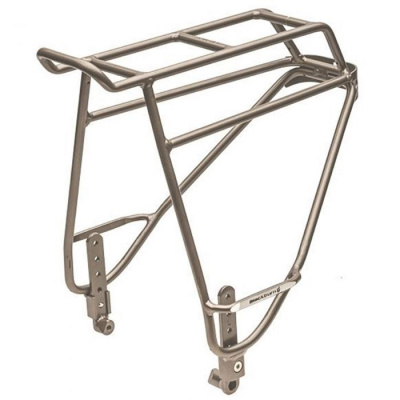
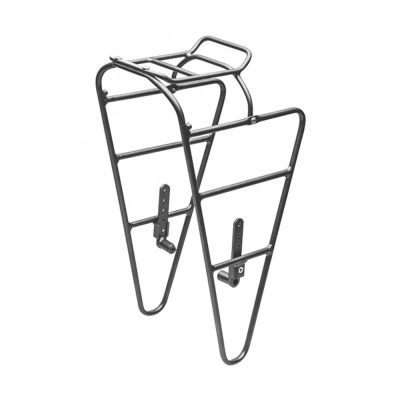
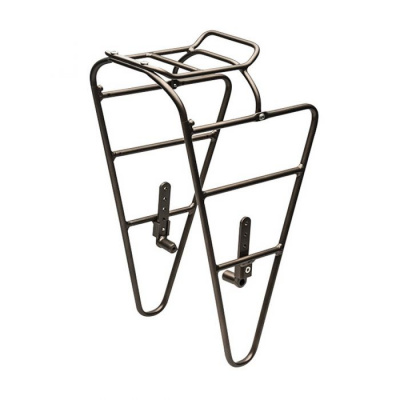
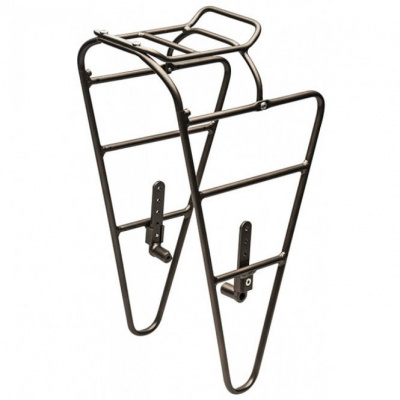
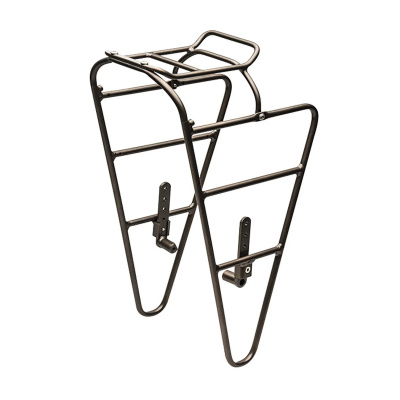
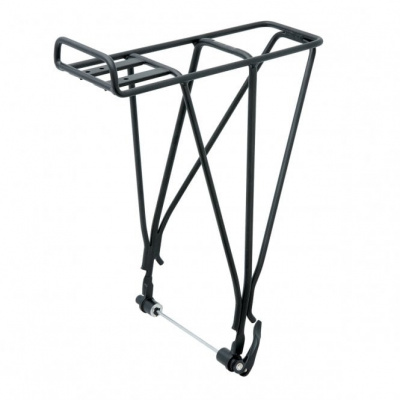
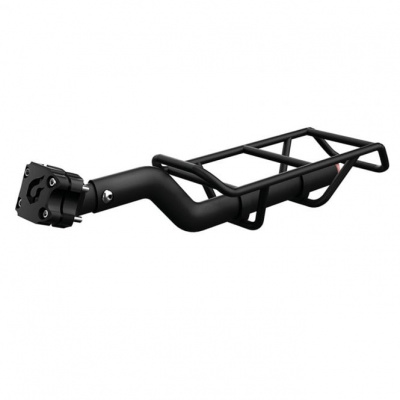
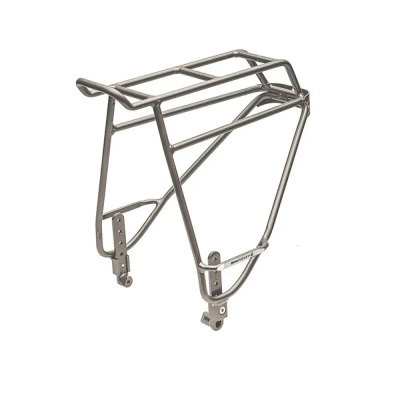
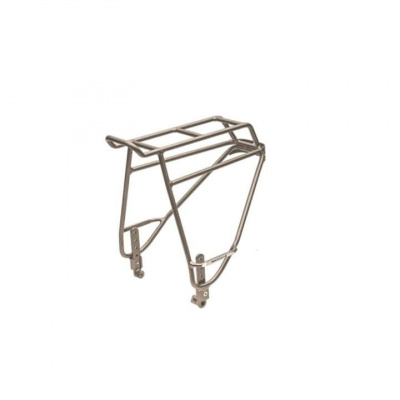
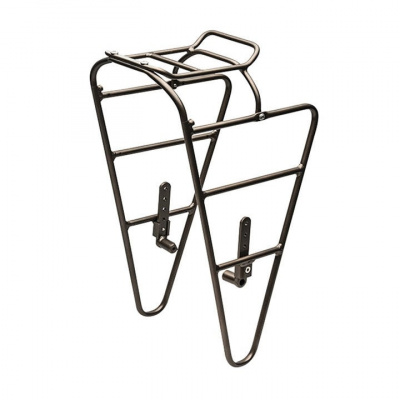
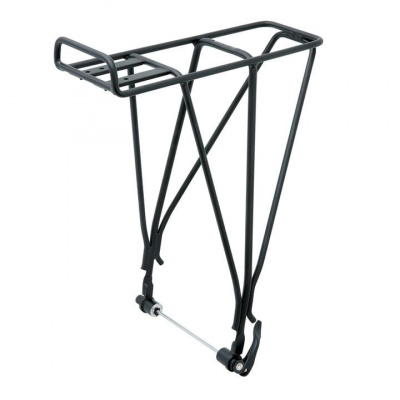
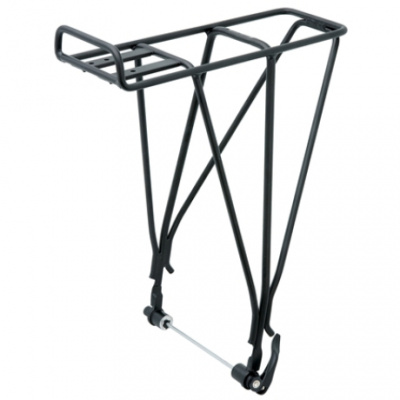
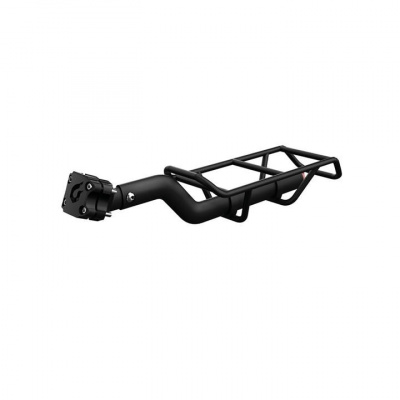
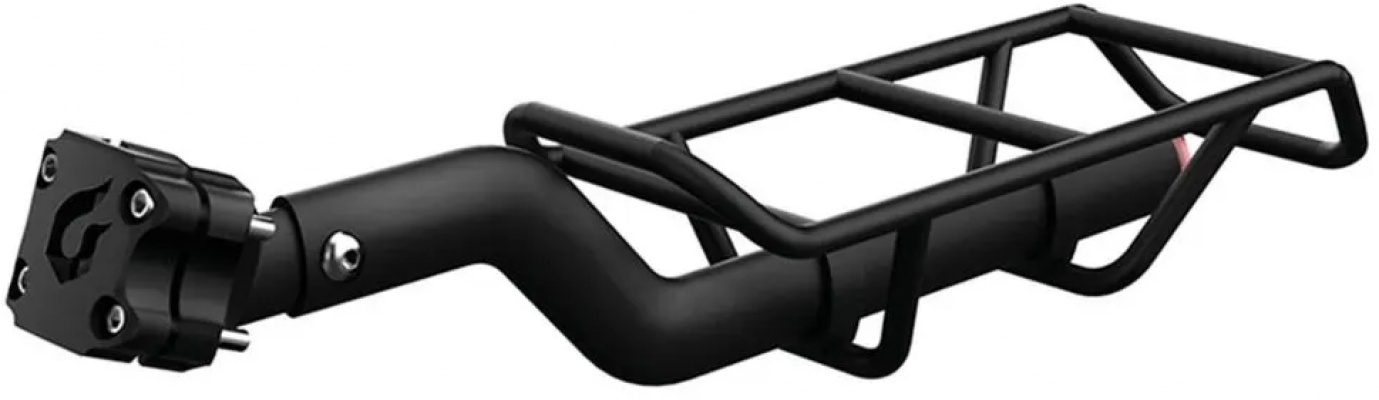
Prices and availability can change quickly. Delivery charges are not always included in listed prices.
Final price, stock status and delivery terms are set by retailer. We may receive a commission on purchases made.
Will It Actually Fit Your Bike?
This is the question most riders ask in the shop, and the answer with Blackburn is usually yes - but the detail matters. The Fit-Dial system is the key piece of kit here: it lets you adjust both the width and height of the rack's mounting points to suit wheel sizes from 26 inches up to 29ers, including 27.5-inch and 700c. That means the same rack can work across a steel tourer, a gravel bike, or an older mountain bike without adapters or bodging.
Disc brake clearance is handled through adjustable lower mounts and standoffs that push the rack's stays clear of hydraulic calipers. This is a genuine problem on many frames - bulky four-piston calipers leave almost no room - and Blackburn's approach of building the adjustment in at the design stage is far tidier than shimming things out yourself. For the upper mounts, standard M5 braze-ons are what you want, and most modern touring and gravel frames have them. If yours doesn't, the included extra-long QR skewer mounts let you anchor the lower stays directly via the rear axle without touching the frame at all. For the upper attachment on eyelet-free frames, rubberised P-clamps on the seatstays do the job reliably.
One honest caveat: thru-axle frames are a different matter. Most Blackburn racks are designed around quick-release or threaded axle setups. If you're running a 12mm or 15mm thru-axle, you'll need an aftermarket adapter - the Robert Axle Project ones are the go-to solution and work well. Worth checking your axle standard before you buy. It's the kind of thing that catches people out, so double-check the spec sheet rather than assuming.
If you're weighing up Blackburn against alternatives, Old Man Mountain racks are worth a look for thru-axle specific designs, while SKS racks cover a broad range of frame types at competitive price points.
Outpost, Grid, or Local - Which One Do You Need?
Blackburn structures its rack range into three distinct tiers, and choosing the right one comes down to what you're carrying and where you're going. Get this wrong and you either end up with a rack that's overkill for a daily commute, or one that's quietly flexing under a pair of fully laden Ortliebs on day three of a loaded tour.
The Outpost is the expedition-grade option - thicker gauge tubing, a 25kg load capacity on the rear, and high/low pannier rail positions that let you drop your panniers lower on the rack. That lower centre of gravity makes a real difference on long days when the bike starts to feel like it's steering you rather than the other way round. It's the rack to reach for if you're doing multi-day loaded riding, coast-to-coast routes, or anything where the bags are going to be heavy and the roads are going to be rough. This is also the model most relevant to anyone researching the best Blackburn bike rack for touring - it's built specifically for that use case.
The Grid sits in the middle. It's built for urban commuters who want something solid without the expedition-spec weight penalty. Integrated light mounts are a practical touch - Blackburn's own lighting range plays nicely here - and the narrower profile helps when you're filtering through traffic. Load capacity is lower than the Outpost, but for a laptop bag and a change of kit, it's more than enough.
The Local is the everyday workhorse. It combines a flat top deck with standard side rails and sits at a friendlier price point. Good for shopping runs, light commuting, or riders who want a rack on standby without committing to a full touring setup. If you're pairing it with a Blackburn saddle bag and keeping loads modest, it does exactly what it needs to.
In short: Outpost for loaded touring, Grid for city riding, Local for everything in between. Don't overthink it once you know your payload.
Keeping Everything Together on UK Roads
UK roads are hard on racks. Winter grit and salt work into every threaded interface, and the kind of potholes you find on a typical B-road in the Pennines or the Fens will rattle bolts loose faster than you'd expect. A rack that feels solid in September can be creaking and shifting by February if you haven't given it any attention.
The single most important thing you can do before fitting any aluminum rack to a steel or alloy frame is treat the mounting bolts. Galvanic corrosion between steel bolts and aluminum rack threads is a slow but very real problem in UK winters - once those M5 bolts seize, getting them out without damage is a genuinely horrible job. Apply copper slip or marine-grade grease to every bolt thread before installation. It takes five minutes and saves a lot of grief later.
For the rack's own adjustable hardware - particularly the Fit-Dial components and any sliding clamps - a small amount of medium-strength blue Loctite (not the red permanent stuff) on the threads stops vibration from working things loose on rough surfaces. It still lets you undo them with normal tools when you need to, which matters when you're adjusting things at the roadside in the rain.
Get into the habit of a torque check every six months, or more often if you're doing high-mileage commuting or loaded touring. You're looking for anything that's moved, any creak that wasn't there before, and any sign of wear at the contact points between the rack stays and the frame. A bit of frame protection tape under the P-clamps or where the stays touch painted metalwork is worth adding at fitting too - it stops the paint getting chewed up and keeps the contact point from corroding.
Aircraft-grade 6061 aluminum is genuinely tough, but it's not immune to fatigue from repeated flex. Pothole-heavy routes accelerate this, so if you're regularly riding loaded on rough roads, inspect the welds and stay junctions occasionally. Catching a crack early is far better than discovering it when a stay lets go mid-ride.
For a broader comparison on durability and finish quality, Ortlieb racks are worth benchmarking against - they use a similar alloy construction and are a common pairing with Ortlieb bags. Rounding out your loaded setup with a Blackburn frame bag can also help distribute weight away from the rack alone, which reduces stress on the mounting points over long distances.
Blackburn Pannier Racks FAQs
How do I install a Blackburn pannier rack on a bike with disc brakes?
Blackburn racks in the Outpost series use adjustable lower mounting points and built-in standoffs to clear hydraulic disc calipers. If your frame has standard M5 braze-ons, they'll line up cleanly. No eyelets? The included extra-long QR skewer mount anchors the lower stays at the axle, bypassing the caliper entirely. Just confirm your axle type before buying.
What is the weight limit for a Blackburn Outpost rear rack?
The Blackburn Outpost rear rack is rated to 25kg (55lbs). That's a generous load limit for fully packed touring, covering two large panniers and a top-deck drybag without issue. Stay within it and the rack's aircraft-grade 6061 aluminum construction handles the stress comfortably, even on rough road surfaces.
Can I fit a Blackburn rack to a bike without eyelets?
Yes. Several Blackburn racks ship with extra-long quick-release skewer mounts that fix the lower stays to the rear axle without needing frame eyelets. For the upper attachment, rubberised P-clamps on the seatstays work reliably. It's not as clean as a braze-on fit, but it's a solid and widely used solution.