
Trelock Locks
Trelock bike locks have been keeping German engineers busy since the 1960s, and the range that's landed in the UK market is sharper than ever. At its core, every Trelock lock is built around two things: TREDUR hardened steel that resists hacksaw blades and resists brittleness in freezing temperatures, and the IN-X cylinder - a precision anti-pick mechanism that makes bump and pick attacks a genuine grind for thieves. These aren't marketing claims bolted onto a catalogue; they're measurable protections you can trace directly to independent Sold Secure ratings on the higher-spec models.
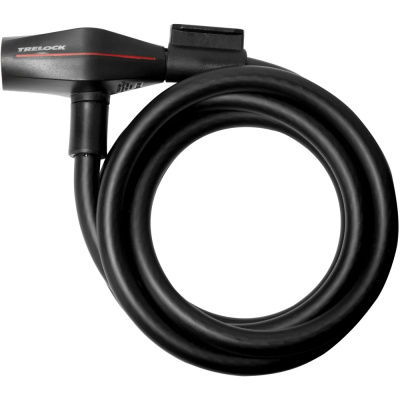
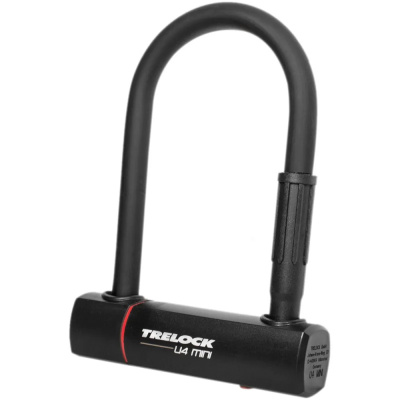
The range spans from lightweight cable and combo locks at Security Level 1 - 2, up to heavyweight folding locks and U-locks at Level 5 - 6. That visual rating system is genuinely useful - it tells you at a glance whether a lock is suited to a quick café stop or leaving your commuter overnight in Bristol city centre. For urban riders worried about insurance requirements, the Sold Secure Gold and Silver-rated models in the U-lock and folding lock lines are worth targeting specifically. Scroll down for the full breakdown, or compare UK prices across the range below.
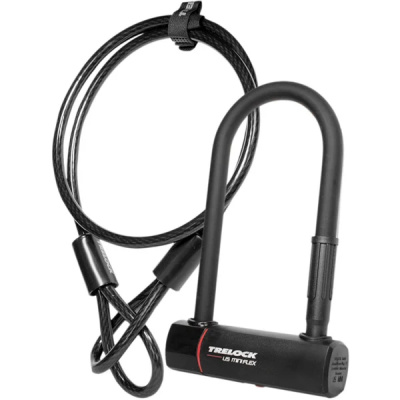
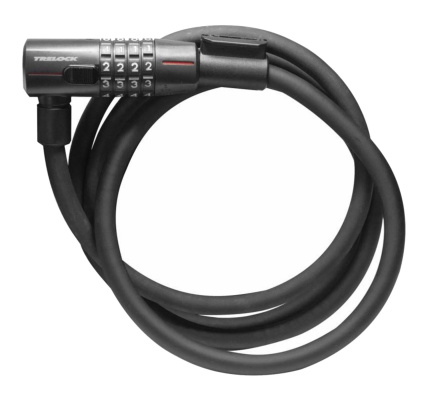
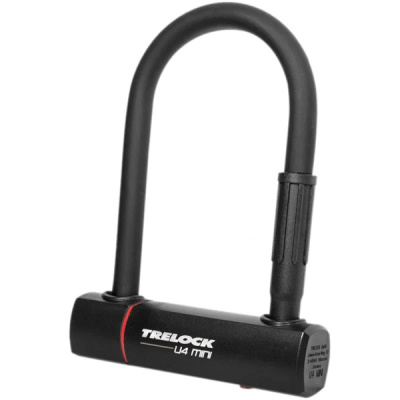
Prices and availability can change quickly. Delivery charges are not always included in listed prices.
Final price, stock status and delivery terms are set by retailer. We may receive a commission on purchases made.
Mounting a Trelock Lock to Your Bike
Most Trelock folding locks ship with the X-Move bracket, which is the tidiest way to carry one. It bolts straight onto standard bottle cage bosses - the same two threaded holes you'd use for a drinks cage - so fitting takes about two minutes with an Allen key. That works on the vast majority of road, hybrid, and commuter frames. No bosses? The bracket can also strap to a frame tube using the supplied heavy-duty rubber straps, though it's worth checking the tube diameter isn't so oversized that the straps struggle to grip securely.
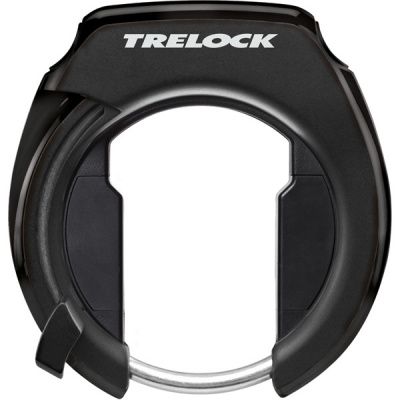
Frame locks (ring locks) are a slightly different conversation. They mount to dedicated bosses on the rear seat stay - a fitting you'll find on most Dutch-style city bikes and many step-through commuters. The catch is tyre clearance: the lock body wraps around the tyre, so if you're running wider rubber (say, 2.1-inch gravel or MTB tyres), double-check the lock's stated clearance before buying. Adapter straps exist for frames without seat stay bosses, but they add a small amount of movement that can rattle on rougher roads. Worth knowing before you commit. If you're building out a commuter setup at the same time, our Trelock lights page is worth a look for compatible visibility solutions from the same brand.
Trelock's Security Levels: What You Actually Get at Each Step
Trelock's Security Level 1 - 6 system is one of the cleaner ways any lock brand has handled product hierarchy. Level 1 and 2 covers cable locks and lightweight combo options - fine for a low-theft area or securing a second wheel to the frame while your main lock does the heavy work. Think of them as deterrents, not defences. They won't resist bolt croppers.
Levels 3 and 4 move into folding locks with thicker link plates and basic hardened steel cores. These suit suburban commuting and lower-risk locking spots - a bike rack outside a village station, for instance, rather than a city-centre stand. You get decent saw resistance but not the full armour package.
Levels 5 and 6 are where Trelock's engineering becomes more relevant in a UK context. At this tier you're looking at U-locks and heavy folding locks built with ARMADON 360° armour - a hardened steel outer casing that wraps the shackle or link plates to resist angle grinder attacks as well as cutting attempts. Combined with TREDUR steel's dual-layer construction (hardened outer layer against saws, tougher inner core to absorb impact and resist cold-snap brittleness), these are genuinely robust tools. Crucially, it's at Level 5 - 6 that you'll find Sold Secure Gold and Silver ratings, which many UK home and specialist cycle insurance policies specifically require. If your insurer asks for Sold Secure Gold as a condition of cover, check the individual model's certification - not all Trelock locks carry it, and assuming isn't worth the claim rejection.
Compared to alternatives from Abus or Kryptonite, Trelock's Level 5 - 6 range sits in similar territory for certified security, though Trelock's frame lock integration is arguably more developed for city-bike riders. If budget is tighter, Oxford covers the mid-range well, while Hiplok and Litelok are worth comparing if wearable or ultra-light formats appeal.
Keeping a Trelock Lock Working Through a UK Winter
Road salt is the quiet killer of lock cylinders. It creeps into the keyway, mixes with moisture, and over a winter of commuting it can turn a smooth lock into a stiff one - or worse, a seized one on a dark January morning. The IN-X cylinder is engineered with tighter tolerances than standard barrels to reduce ingress, but it still needs help from you.
Keep the dust cover closed whenever the lock is on the bike or parked up. That small rubber or plastic flap is doing real work. Every three to four months - or after any prolonged wet spell - apply a PTFE-based dry lubricant directly into the keyway. PTFE doesn't attract grit the way wet lubricants do, and it won't degrade the factory-applied grease inside the cylinder. Avoid WD-40 for this job. It's a water displacer, not a lubricant, and regular use strips the original grease and leaves the mechanism more vulnerable over time, not less. A few squirts of dedicated lock lube costs almost nothing and keeps the cylinder operating cleanly through the worst of a Scottish or Northern English winter.
If a cylinder does start to stiffen, work it gently with the key a few times after applying lubricant rather than forcing it. Forcing a cold, stiff cylinder risks snapping the key inside - a much worse problem than a slightly stiff lock.
Trelock Locks FAQs
Are Trelock locks Sold Secure rated?
Several Trelock U-locks and folding locks at Security Level 5 - 6 carry Sold Secure Gold or Silver ratings. Always check the specific model's certification before buying - not every lock in the range is rated, and many UK cycle insurance policies require a confirmed Sold Secure standard as a condition of cover.
How do I mount a Trelock folding lock to my bike?
Most Trelock folding locks use the X-Move bracket, which bolts directly to your frame's standard bottle cage bosses using an Allen key. If your frame doesn't have bosses, the bracket can also be secured to a frame tube with the supplied heavy-duty straps. Check tube diameter compatibility before fitting strap-mount versions.
How do I stop my bike lock cylinder from seizing?
UK road salt and winter rain are the main culprits. Apply a PTFE-based dry lock lubricant to the IN-X cylinder every three to four months, and keep the dust cover closed whenever the lock is in use or stored on the bike. Avoid WD-40 - it strips the factory grease and accelerates wear rather than protecting the mechanism.