
Shimano Pedals
Shimano pedals set the benchmark every other manufacturer measures itself against - and for good reason. Whether you're clipping into an SPD-SL road system for a fast sportive, threading SPD pedals onto a gravel bike, or bolting on a flat platform for trail riding, the range covers almost every rider on almost every bike. That breadth isn't marketing padding; it reflects decades of refinement across real disciplines.
At the core of every Shimano pedal is a chromoly spindle machined to a standard 9/16-inch thread, paired with cup-and-cone bearings that you can actually service rather than bin when they start feeling gritty. Stack height, float, tension adjustment, Q-factor - Shimano engineers these details properly at every tier, from entry-level commuter models up to Dura-Ace carbon composite platforms that shave grams without sacrificing stiffness.
For UK riders, that serviceability matters. Grit-laden winter roads and thick clay mud put pedal internals under real pressure. Shimano's sealed cartridge axle units handle both better than most. Browse the full range below, compare specs across tiers, and find the right pedal for how and where you actually ride.
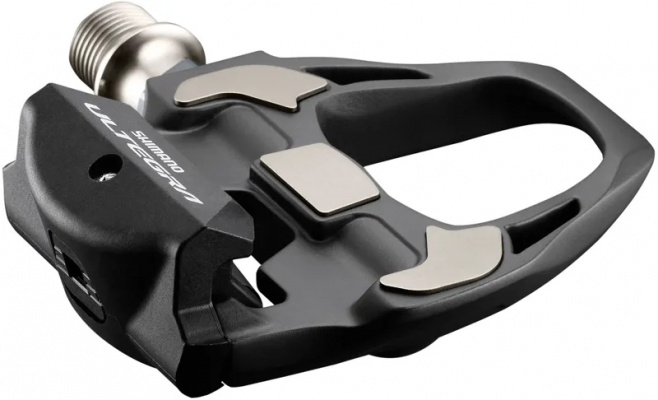
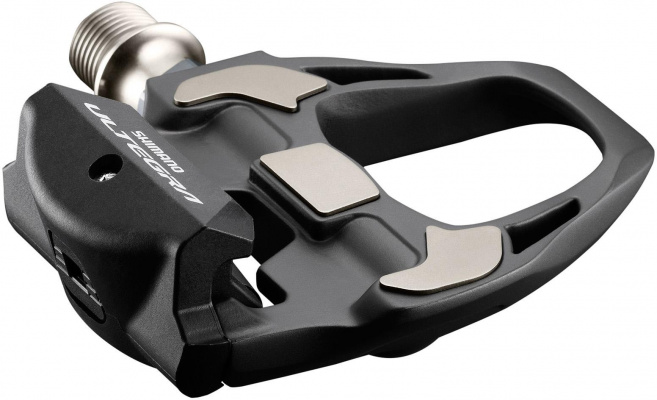
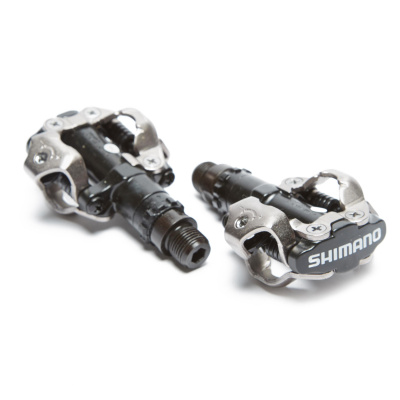
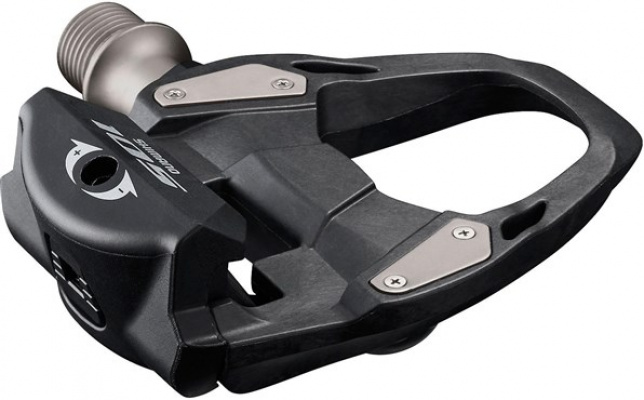
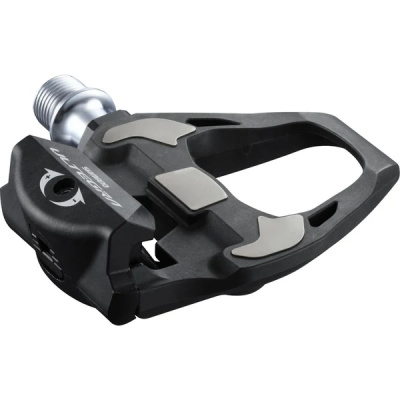
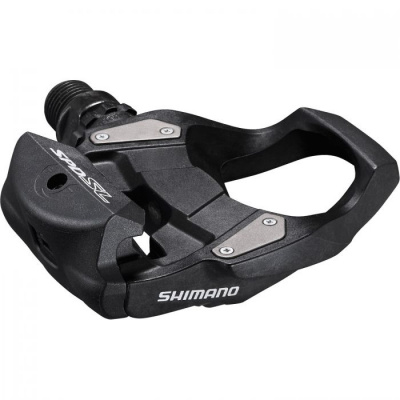
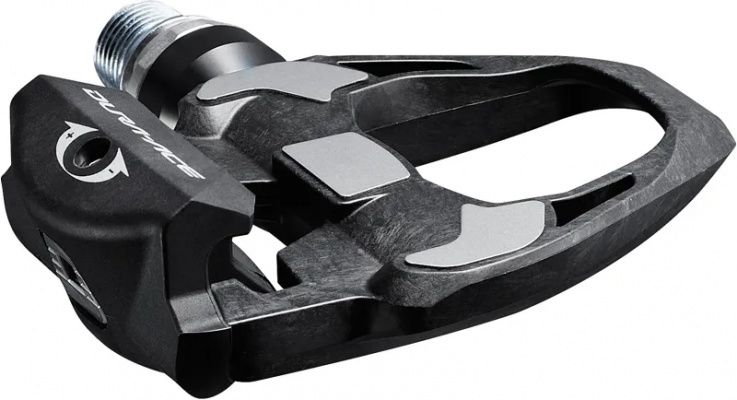
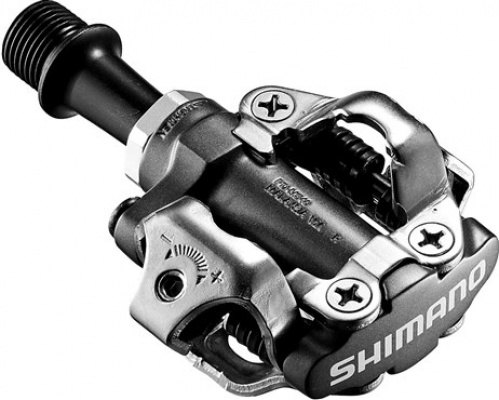
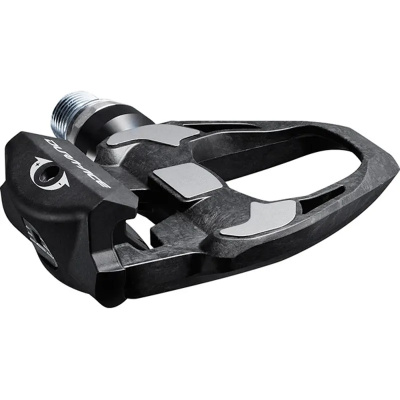
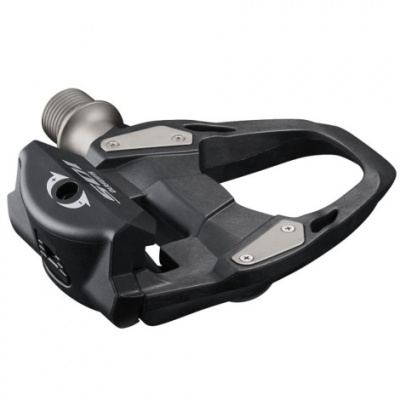
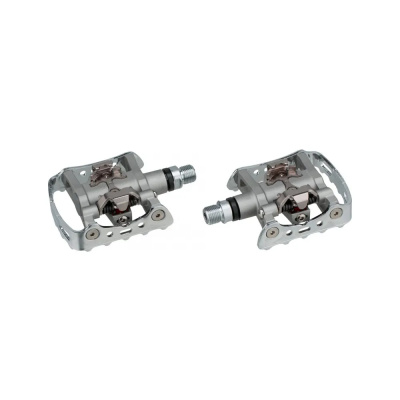
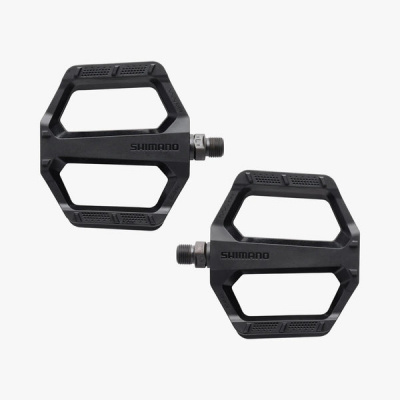
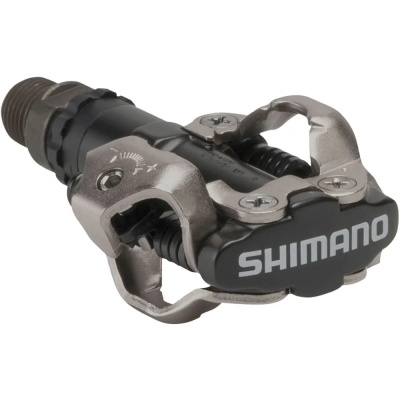
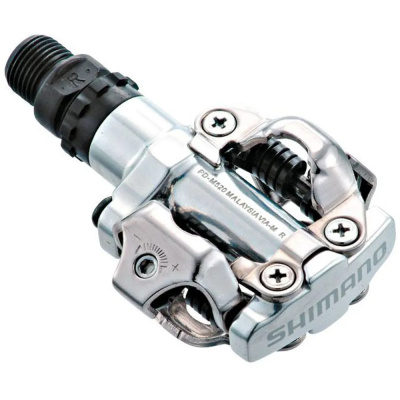
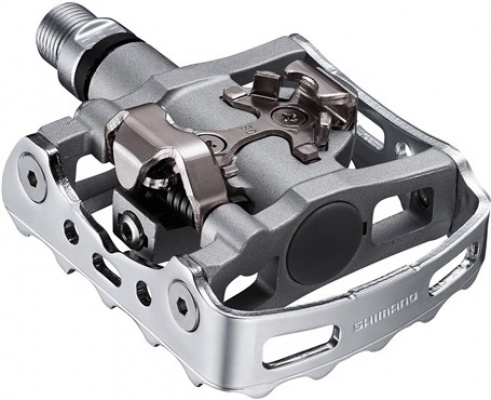
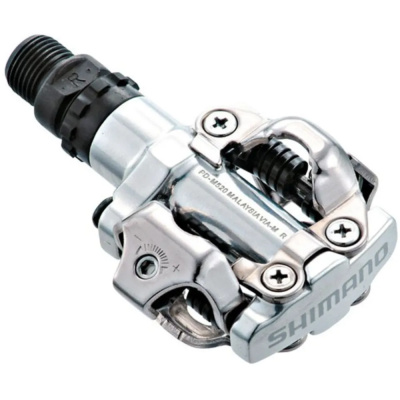
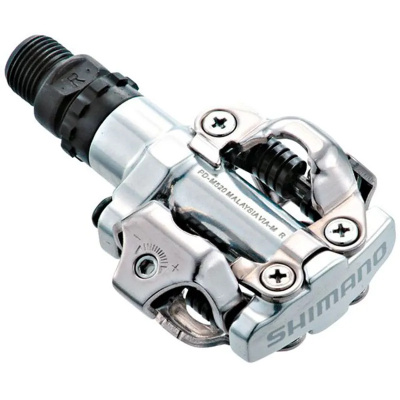
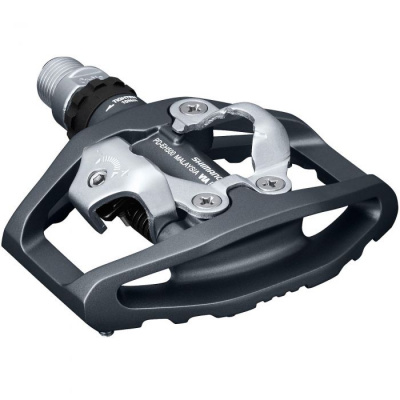
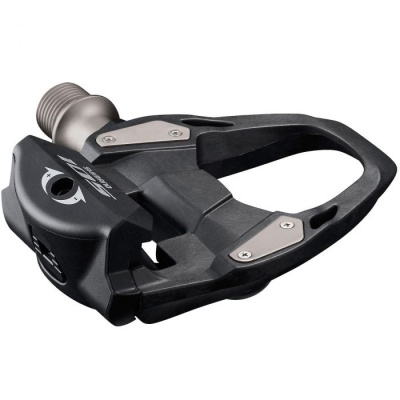
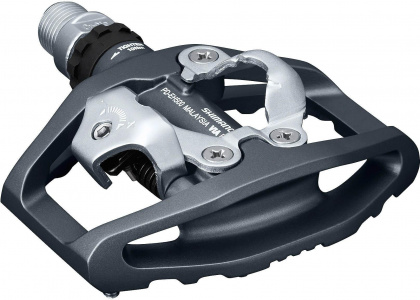
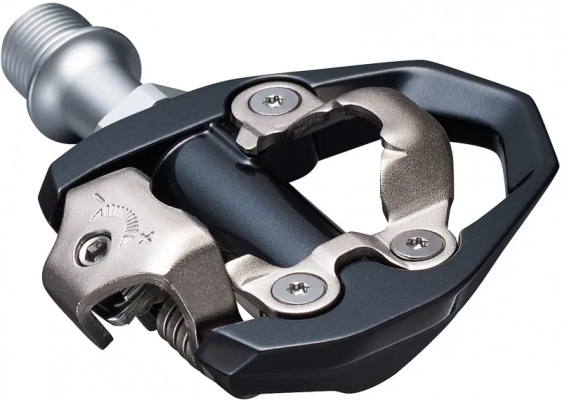
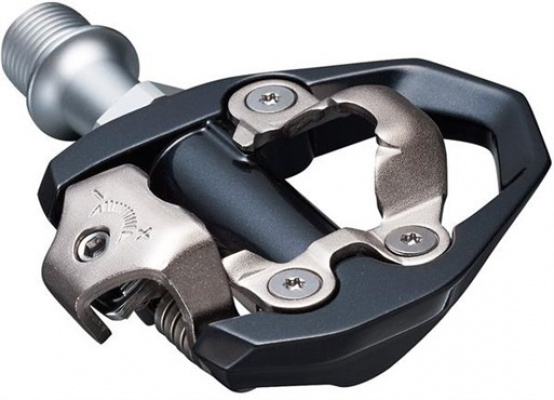
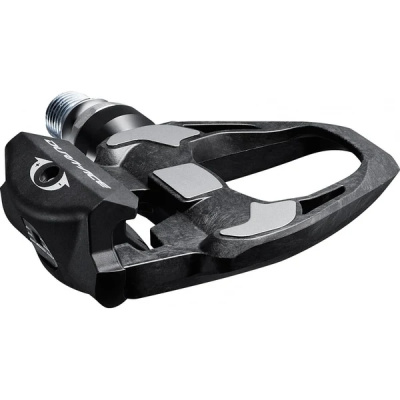
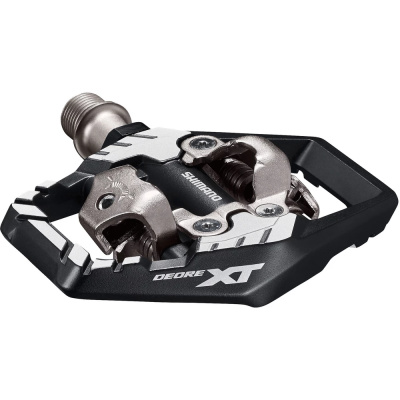
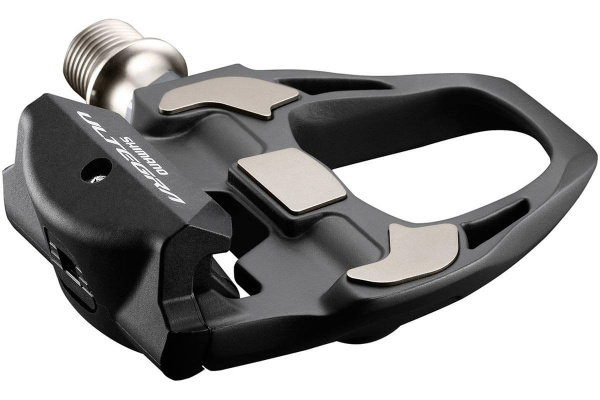
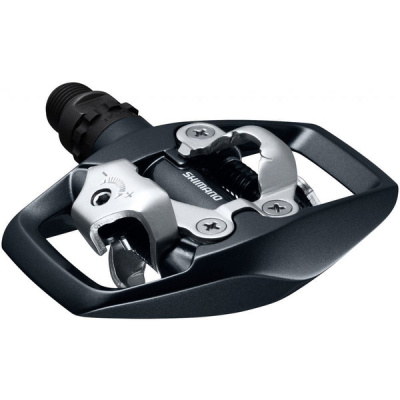
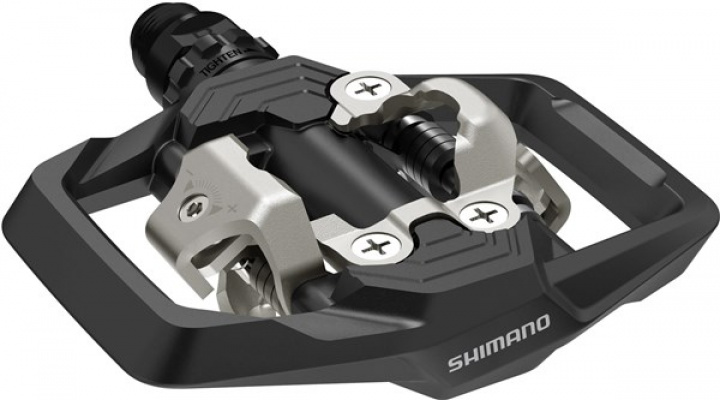
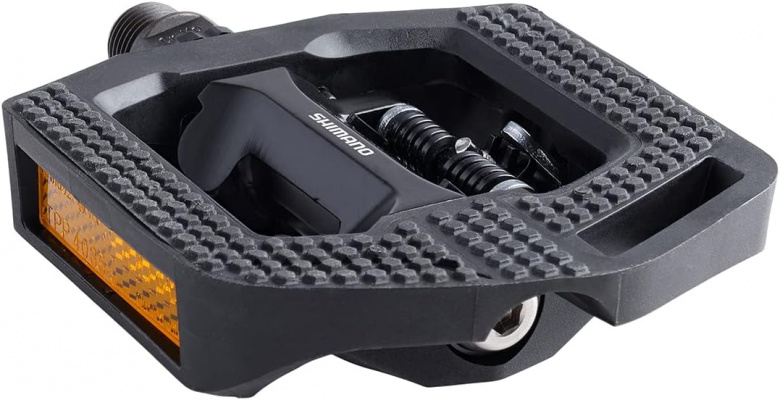
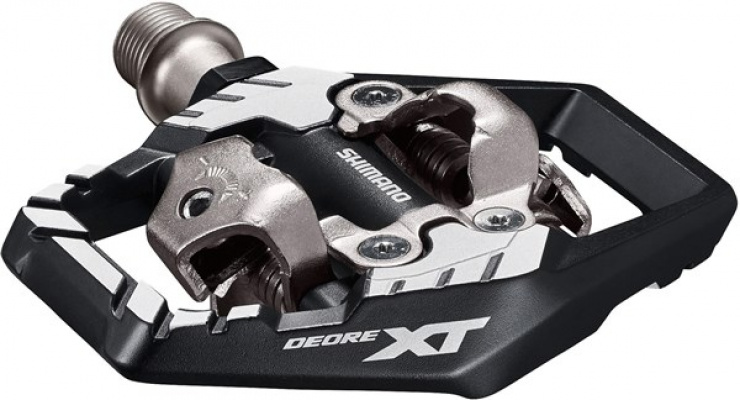
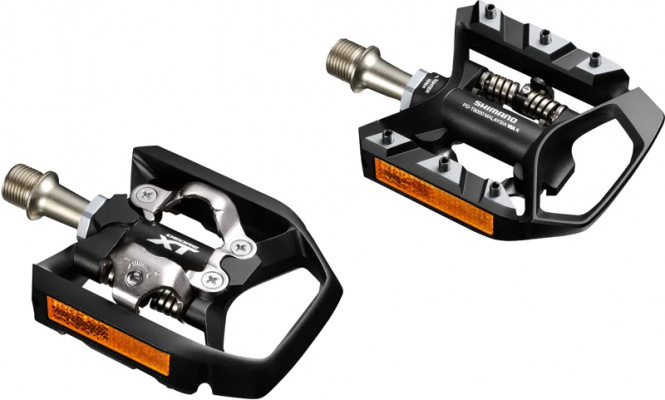
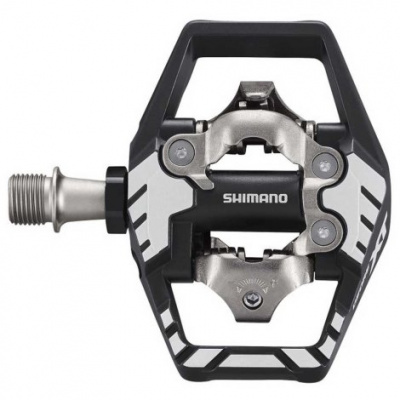
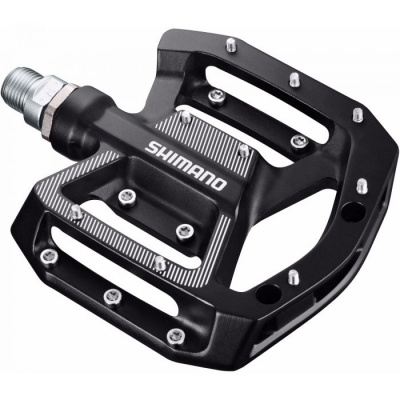
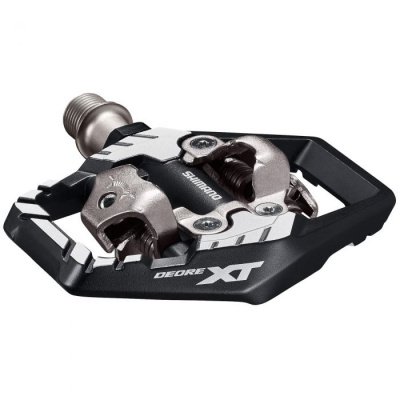
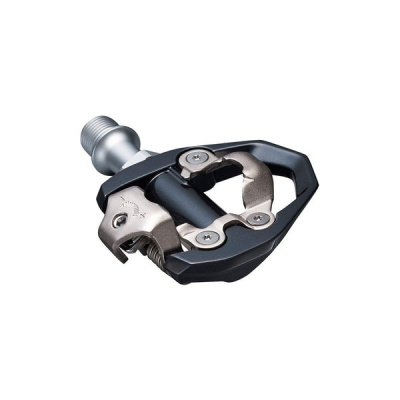
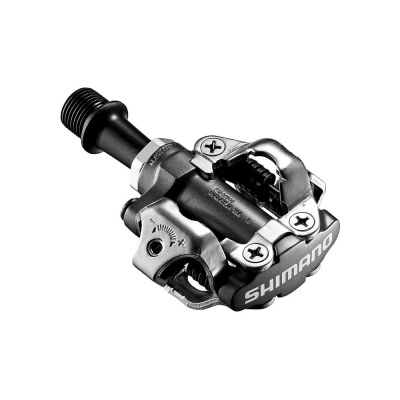
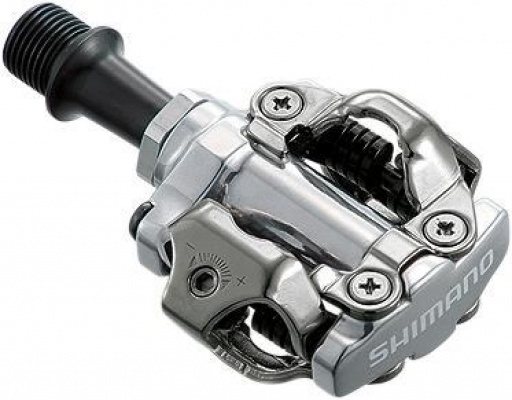
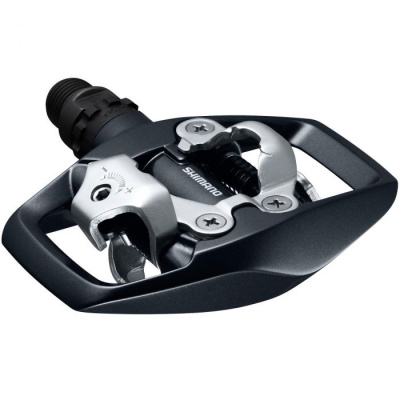
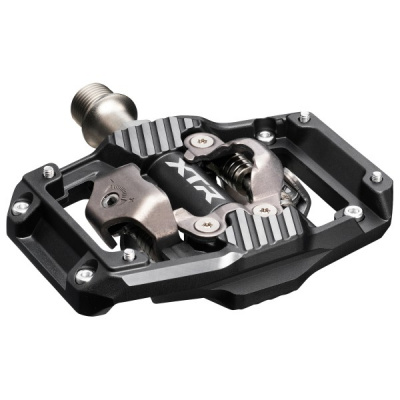
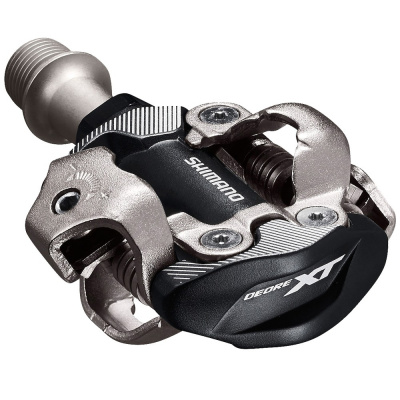
Prices and availability can change quickly. Delivery charges are not always included in listed prices.
Final price, stock status and delivery terms are set by retailer. We may receive a commission on purchases made.
Standards, Thread Size, and Which System Fits Your Bike
Every adult Shimano pedal uses a 9/16-inch threaded spindle - the same standard found on virtually all modern adult bikes, regardless of brand. So if you're fitting Shimano pedals to a Trek, a Specialized, or a steel tourer you've had since the early 2000s, the thread will match. One thing worth knowing: the left pedal is reverse-threaded. Tighten it counter-clockwise, or it'll back itself out mid-ride. Sounds obvious; it catches people out more than you'd think.
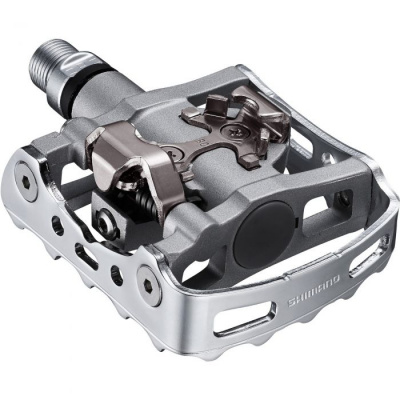
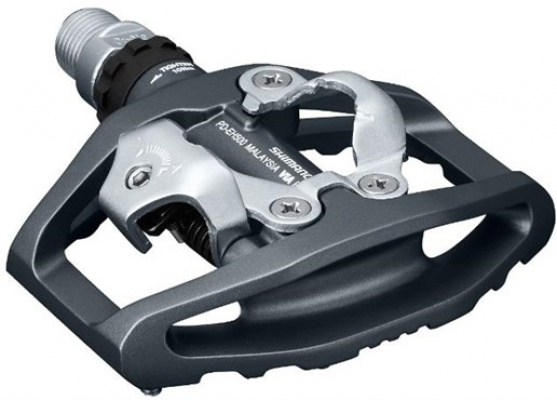
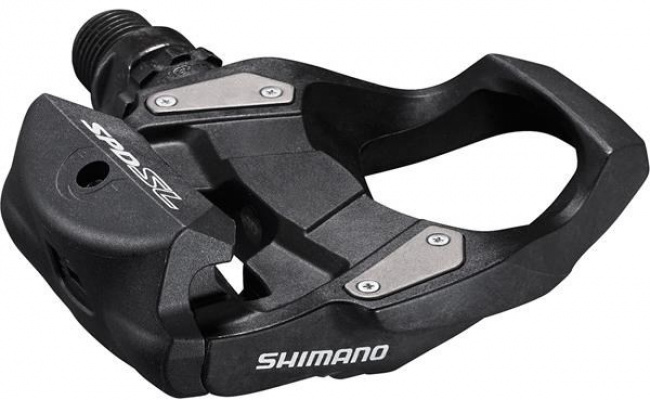
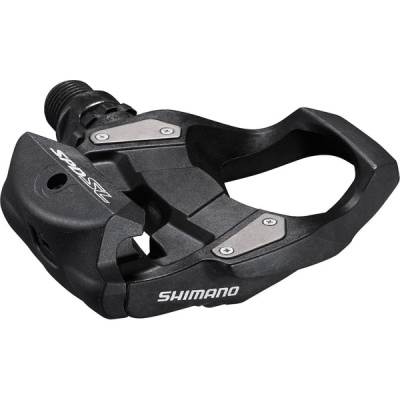
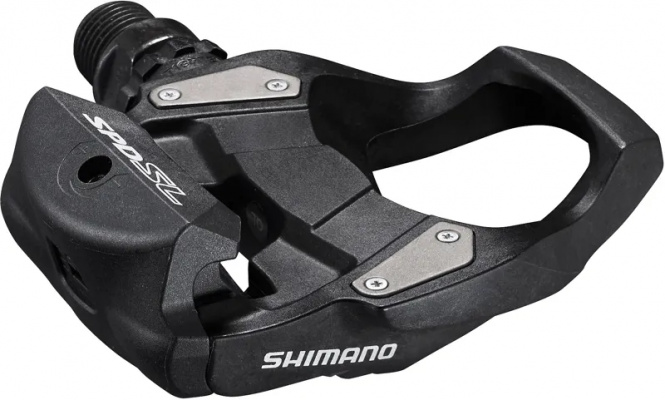
Where compatibility gets more nuanced is the cleat interface. Shimano runs two distinct systems. The SPD (Shimano Pedaling Dynamics) 2-bolt system dominates MTB, gravel, and commuting - it uses a recessed cleat that sits inside the shoe sole, so you can walk normally without sounding like a tap dancer. The SPD-SL 3-bolt road system uses a wider, protruding cleat that maximises the contact patch between shoe and pedal for better power transfer on the road, but it's genuinely awkward on foot. Same brand, very different applications - don't mix them up when ordering.
Cleats are sold separately and will eventually wear out regardless of how well you maintain the pedal itself. For replacement cleats and cleat bolts, head to our dedicated Shimano cleats page rather than hunting through pedal listings.
What You Actually Get as You Spend More
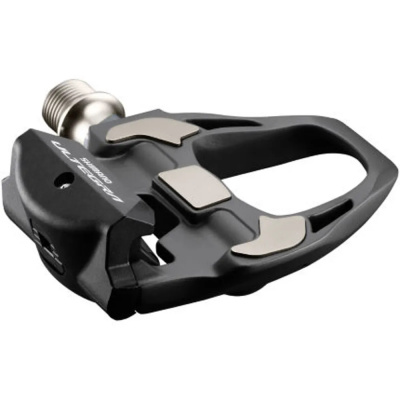
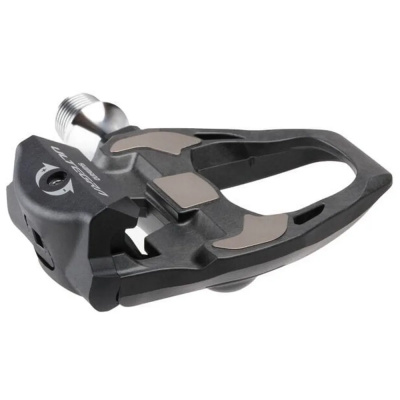
Shimano's road pedal ladder runs from Tiagra through 105 and Ultegra up to Dura-Ace. The step from Tiagra to 105 is noticeable but modest - tighter bearing tolerances, a slightly lower stack height that brings your foot fractionally closer to the axle. Moving to Ultegra and Dura-Ace is where the carbon composite pedal bodies appear, cutting weight meaningfully while keeping the platform rigid under hard efforts. Dura-Ace SPD-SL pedals also refine bearing smoothness to a degree you'd notice on a long day in the saddle. If you're targeting best Shimano pedals for road bikes, 105 is where most riders find the performance-to-cost ratio makes most sense; Ultegra and above are for riders who'll genuinely notice the difference.
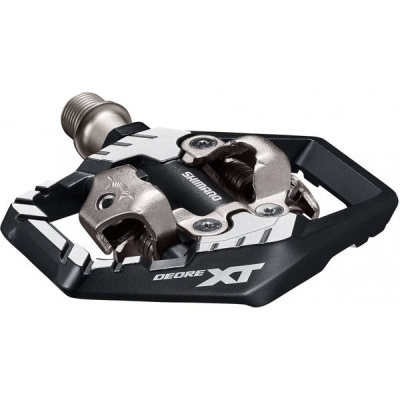
On the MTB side, Deore sits at the entry point - solid, serviceable, nothing flashy. XT steps up with wider platform dimensions, more aggressive pin placement on flat models, and clipless designs built with mud clearance in mind. The SPD mechanism on XT handles thick Peak District clay better than cheaper alternatives because the spring tension system is more precisely tuned and the body geometry encourages self-clearing. XTR is Shimano's race-focused pinnacle: lighter, tighter, more adjustable. Saint caters to the gravity end - burly, impact-resistant, with flats designed to grip Five Ten rubber across chunky pins even when both shoe and pedal are caked.
For flat pedal riders, the platform size and pin configuration are the key variables. Bigger platforms suit bigger feet and aggressive trail riding; a denser pin layout grips harder but punishes your shins on a bad day. If you're weighing Shimano flats against alternatives, DMR pedals and Burgtec pedals both offer strong flat options worth comparing on pin count and platform shape. For clipless alternatives, Crank Brothers pedals take a different approach to mud-shedding that suits some riders better in very wet conditions - worth a look if you're regularly riding boggy trails.
Surviving UK Grit, Clay, and Winter Roads
British riding is hard on pedal internals. Salt and road grit work into bearing surfaces through autumn and winter; clay-heavy trails in the Chilterns or Somerset Levels pack into clipless mechanisms and make clipping in feel like a lottery. Shimano addresses both problems differently depending on the model.
The sealed cartridge axle units on mid-to-upper-tier models keep contamination out during riding, but the real long-term advantage is the underlying cup-and-cone bearing design. Unlike cartridge-only pedals - which go in the bin when the bearings fail - Shimano's system lets a mechanic repack with grease, adjust preload, and restore smoothness without replacing the whole pedal. On a wet winter commute or a muddy cross race, that matters over the course of a few seasons. You'll want a proper pedal spanner and the right Shimano tools; the Shimano tools page covers what you need for servicing and installation.
Tension adjustment on SPD and SPD-SL pedals is straightforward - a small Allen key bolt at the rear of the binding controls release force. Tighten it for a more secure hold on rough ground; back it off if you're new to clipless and want an easier exit. Getting that setting right before your first ride saves a lot of slow-speed toppling. If you're heading into winter, Shimano overshoes are worth pairing with any clipless setup to keep foot warmth and cleat access manageable on colder days.
If you do need replacement axles, bearings, or binding components, don't hunt through full pedal listings - we have a dedicated pedal spares section with the specific parts that fit each model generation. For road clipless alternatives at the performance end, Look pedals are the obvious comparison point, particularly for SPD-SL rivals like the Keo range.
Shimano Pedals FAQs
Do all Shimano pedals fit all bikes?
Almost universally, yes. Shimano pedals use the standard 9/16-inch thread found on virtually every modern adult bike. The one thing to remember: the left pedal is reverse-threaded, so you tighten it counter-clockwise. Get that wrong and it'll work loose on the road - not a situation you want.
What is the difference between Shimano SPD and SPD-SL pedals?
SPD is a 2-bolt system with a recessed cleat - the standard choice for MTB, gravel, and commuting because you can walk in the shoes without difficulty. SPD-SL is a 3-bolt road system with a larger, protruding cleat that widens the contact patch for better power transfer. The trade-off is that walking in SPD-SL shoes is genuinely awkward. They're not interchangeable - check which system your shoes support before buying.
How do I adjust the tension on my Shimano pedals?
There's a small tension bolt at the rear of the pedal binding - a 2.5mm or 3mm Allen key fits most models. Turn it clockwise to increase release tension (firmer hold), counter-clockwise to reduce it (easier to clip out). If you're new to clipless pedals, start with the tension wound right back until clipping in and out feels instinctive.