
Halfords Saddles
Halfords Bike Saddles span the full spectrum, from wide, sprung comfort bike seats for upright Dutch-style pootling to narrow, lightweight road bike saddles that shave grams without shaving skin. The primary pain point? Saddle sores and numbness. Whether you're grinding out a winter commute through Manchester drizzle or clocking centuries in the Cotswolds, the contact patch between you and the bike matters more than most riders admit. Halfords addresses this with weather-resistant synthetic covers that won't waterlog, vibration-dampening chromoly rails on budget models, and partnerships with specialist brands like Selle Royal - whose Royalgel™ tech shows up in some of their stocked options - to cover ergonomic bases the house range doesn't. Gel bike seat covers offer instant plush relief for short hops; firmer high-density foam keeps blood flowing on longer rides. The trick is matching saddle width to your ischial tuberosity measurement, not your trouser size, and picking the right padding density for your discipline. Find your fit, and you'll forget the saddle exists. Get it wrong, and every pothole becomes a reminder.
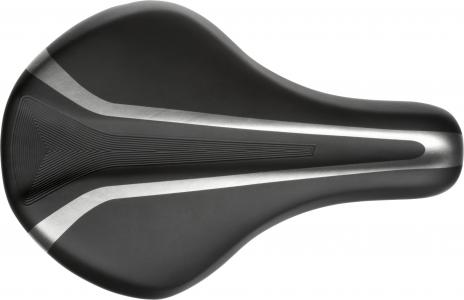
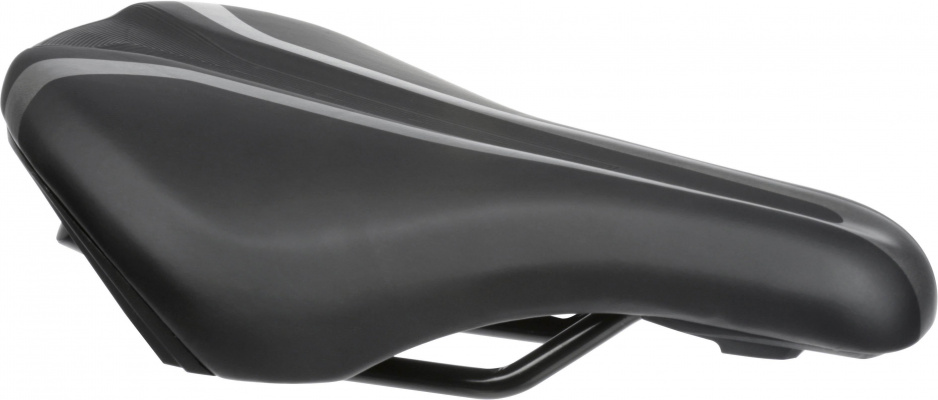
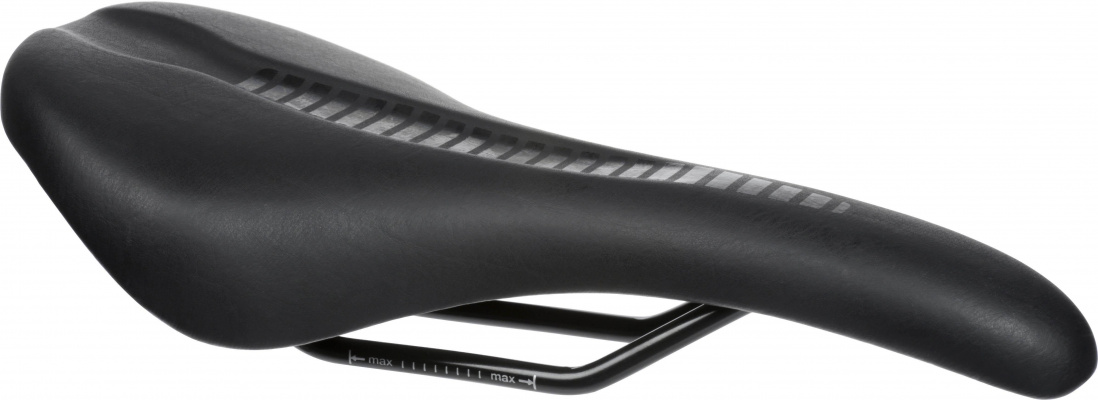
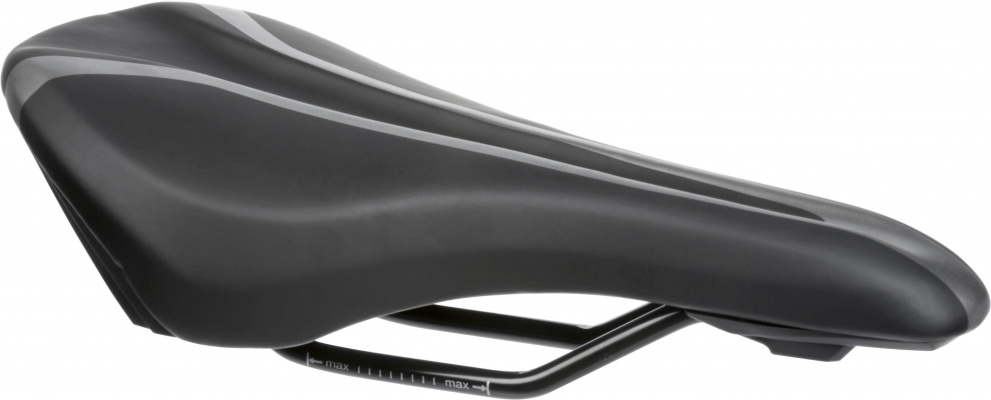
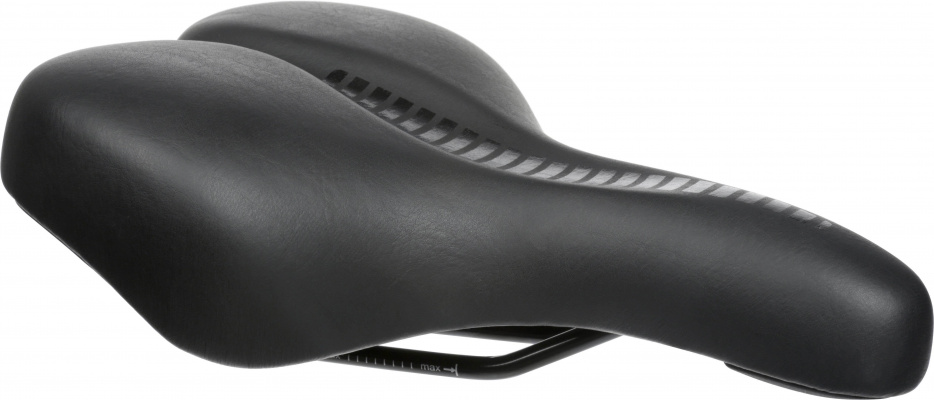
Prices and availability can change quickly. Delivery charges are not always included in listed prices.
Final price, stock status and delivery terms are set by retailer. We may receive a commission on purchases made.
Rails, Shells, and Padding: What Holds You Up
Rail material dictates durability and weight. Steel rails anchor the Halfords Essentials range - tough enough for commuter abuse, lock-up knocks, and the odd kerb hop, but they add grams. Step up to the Halfords Advanced line and you'll find titanium or lightweight alloy alternatives that trim mass without sacrificing strength, useful if you're chasing Strava segments rather than just the bus. Carbon rails exist in premium third-party models stocked alongside Halfords' own, but they demand careful torque settings and aren't worth the risk on a hack bike.
Shell compliance matters as much as padding. A rigid shell transfers every bump straight through; a shell with engineered flex absorbs road chatter and smooths out cobbles or bridleway ruts. High-density foam strikes the balance for long rides - it compresses just enough to distribute pressure across your sit bones without bottoming out after an hour. Gel, by contrast, feels luxurious at first but can migrate under load, creating pressure hotspots on rides beyond 20 miles. Think of gel as a sofa cushion: perfect for sitting still, less so for dynamic movement. Perineal cutouts and pressure relief channels address soft-tissue numbness by reducing contact in sensitive zones, a feature increasingly common even in budget models. If you're experiencing numbness, width and cutout design matter more than padding depth.
Fitting Halfords Saddles: Clamps, Rails, and Compatibility
Most Halfords saddles use industry-standard 7mm rails, which slot into the vast majority of modern seatposts without fuss. Single-bolt clamps offer quick height adjustment; two-bolt micro-adjust systems give you finer control over tilt and fore-aft position, critical for dialling in knee-over-pedal alignment. Older bikes with plain 'candle' seatposts - common on vintage roadsters and some Dutch-style frames - need a separate rail clamp adapter, a fiver fix that's worth keeping in the spares drawer.
Seatpost clamp compatibility extends beyond rail width. Some aero seatposts use proprietary clamp systems that won't accept standard saddles without an adapter, and a few lightweight posts specify maximum saddle weight to avoid rail flex. Check your post's spec before ordering. Installation is straightforward: loosen the clamp bolts, slide the rails into the cradle, level the saddle (a spirit level app works), tighten to the recommended torque - usually 5-8Nm for alloy, less for carbon - and test ride. Saddle angle is personal, but a nose-up tilt often signals the saddle's too far forward or too narrow; a nose-down tilt can dump weight onto your hands and wrists. Start level, then tweak in half-degree increments.
Pairing a new saddle with fresh Halfords locks and MTB tyres rounds out a spring refresh without breaking the budget.
Material Choices for UK Weather
Synthetic covers dominate Halfords' range for good reason: they're waterproof, wipe clean, and don't sag after a week of November rain. Non-porous materials prevent the saddle from turning into a sponge, a real concern if you lock up outside and the forecast's grim. Perforated or mesh-topped covers add breathability for summer, reducing sweat buildup on long climbs through the Peaks or Lake District passes, but they sacrifice some weather protection. Leather saddles - Brooks being the classic example - offer long-term comfort once broken in, but they demand maintenance (proofing, tension adjustment) and hate prolonged wet exposure unless treated.
Ergonomic geometry varies by discipline. MTB saddles tend shorter and wider at the rear to accommodate shifting weight on technical descents; road bike saddles run longer and narrower to support a forward, aerodynamic position. Women's specific bike saddles typically feature wider rear sections to match broader ischial spacing and shorter noses to reduce soft-tissue pressure, though anatomy varies enough that trying before buying beats assumptions. If you're comparing across brands, Fizik and Fabric offer similar tiered ranges with more granular fit options, while Ergon leans heavily into ergonomic cutouts and pressure mapping.
Halfords' Own and Partner Brands
The Halfords Essentials tier covers budget repairs and casual riders: steel-railed, gel-padded saddles that prioritise immediate comfort over long-haul performance. They're fine for upright hybrids, shopping bikes, and short commutes where weight doesn't matter and you're not spending hours in the saddle. Halfords Advanced targets enthusiasts - lighter materials, firmer foam, and more considered shaping for road and MTB disciplines. These sit comfortably alongside entry-level offerings from Bontrager or Giant, brands that also balance value with performance.
Halfords stocks Selle Royal and Selle Italia models to fill gaps in their house range, particularly around fit systems like Idmatch, which categorises riders by flexibility and pelvic rotation. Royalgel™ inserts reduce peak pressure by up to 40 percent compared to standard foam, a measurable benefit if you've struggled with numbness. This partnership approach means you're not locked into a single design philosophy; you can pick a house-brand workhorse for the commuter and a specialist saddle for the race bike. It's a pragmatic setup that mirrors how most riders actually shop.
Are Halfords bike saddles universal fit? Yes, in the sense that standard 7mm rails work with nearly every modern post. But saddle choice is anything but universal - width, padding, and shape depend on your sit-bone spacing, riding position, and how long you're in the saddle. Measure your ischial tuberosity width (a memory foam pad or corrugated cardboard works), add 20-30mm for road positions or 40mm for upright riding, and match that to saddle width specs. A saddle that's too narrow concentrates pressure on soft tissue; too wide and your thighs chafe on every pedal stroke. Gel versus foam? Gel suits short, upright rides where instant cushioning trumps long-term support. High-density foam prevents bottoming out and maintains blood flow on centuries or audax rides. Neither is objectively better; context decides.