
Halfords Locks
Halfords bike locks cover the full spectrum of security needs, from a lightweight cable you throw on a kids' bike outside a leisure centre to a chunky hardened steel D-lock that your insurer will actually accept for a high-value e-bike parked in central Manchester. That range is the point. One size does not protect all.
UK bike theft is blunt and fast. Angle grinders, bolt croppers, and leverage attacks are the tools of the trade, which means the lock you choose needs to match the risk of where you're leaving your bike, not just how much you paid for it. Sold Secure ratings - Bronze, Silver, Gold, and Diamond - give you an independent benchmark for exactly that. Most UK insurers require Gold or above for bikes over a certain value, so checking the rating before you buy isn't optional, it's just sensible.
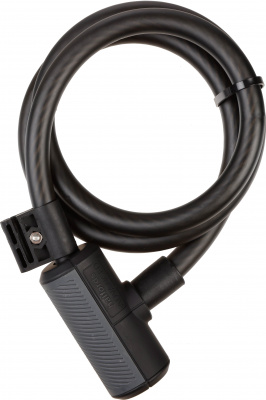
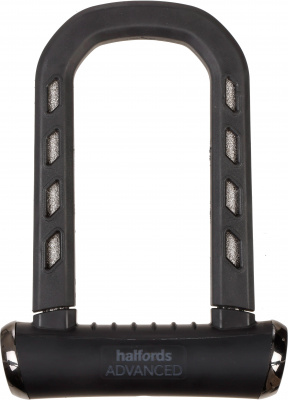
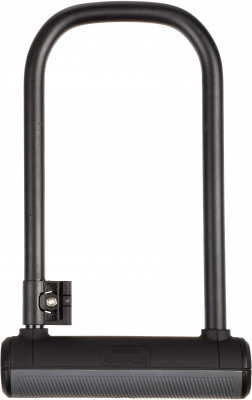
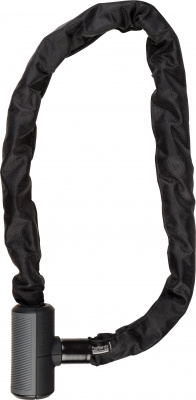
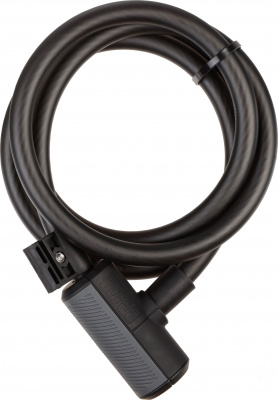
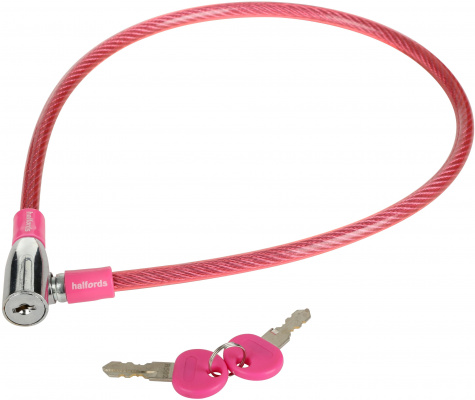
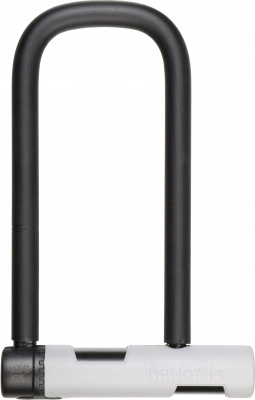
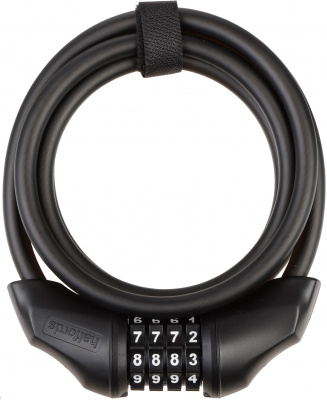
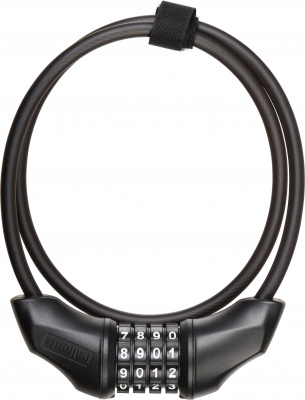
Halfords splits its range into Essential and Advanced tiers, covering combination cable locks, D-locks, and heavy-duty chain locks. Whether you're locking up for a quick coffee stop or leaving your commuter outside the office all day, there's a lock here calibrated for that situation. Browse below to match the right level of security, weight, and convenience to your riding life.
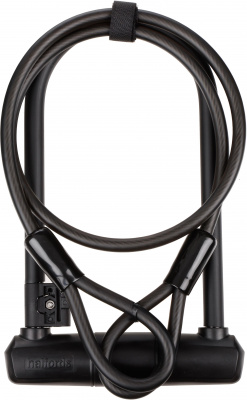
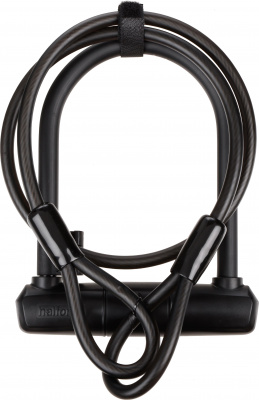
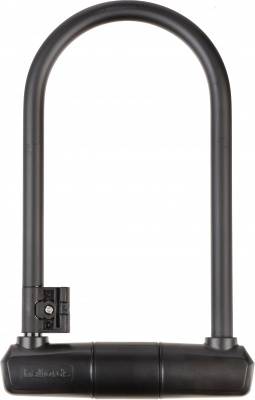
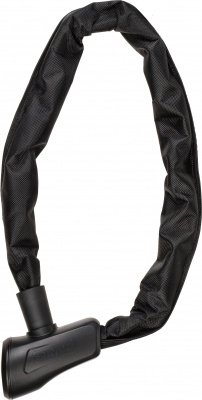
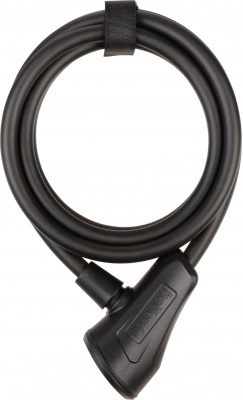
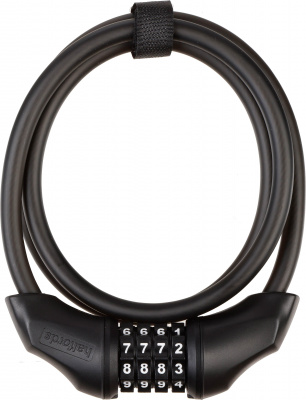
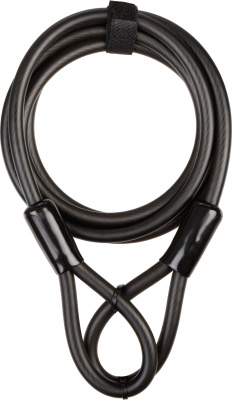
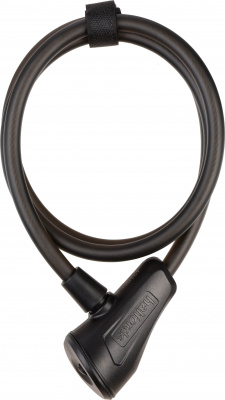
Prices and availability can change quickly. Delivery charges are not always included in listed prices.
Final price, stock status and delivery terms are set by retailer. We may receive a commission on purchases made.
Security Ratings and Lock Types Explained
The Sold Secure system is the clearest guide you've got when buying a bike lock in the UK. Bronze is a basic visual deterrent - it'll slow down an opportunist with a coat hanger, nothing more. Silver steps things up with tougher materials. Gold is where most UK insurers draw the line for bikes worth over £1,000, and Diamond is the top tier, designed to resist sustained angle grinder attacks and heavy-duty bolt croppers. If your insurance policy specifies a minimum rating, that's not a suggestion.
Lock type matters just as much as rating. A D-lock (sometimes called a U-lock) is the workhorse of urban security. The rigid shackle leaves little room for a lever, and a good D-lock with a double-bolting mechanism - where the shackle locks at both ends rather than one - resists twisting and prying attacks far better than single-bolt designs. Shackle thickness is the other number worth knowing: a 13mm shackle will resist a cheap bolt cropper, but if you're parking in a city centre, 16mm hardened steel is a more credible barrier against serious tools.
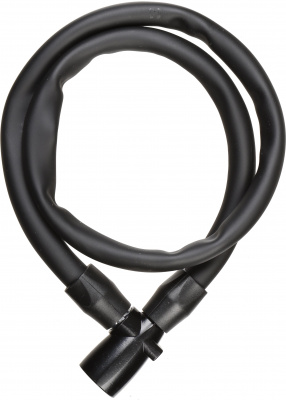
Chain locks give you flexibility - useful for locking to awkward posts or securing two bikes together - but that flexibility comes at a weight cost. A quality chain with a hardened steel links and a solid padlock can match D-lock security levels, but you'll feel it in your pack. Cable locks are honestly just a deterrent. They're fine layered with a D-lock on a lower-risk bike, but a cable alone won't stop anyone who's come prepared. Brands like Kryptonite and Abus publish detailed shackle specs if you want a direct comparison point for what Halfords Advanced locks are up against.
If you're looking to secure your bike at home or in a garage, you'll need a dedicated ground anchor. View our full range of Halfords storage and hooks to complete your home security setup.
Halfords Lock Hierarchy: Essential vs Advanced
The Essential range is exactly what the name implies - entry-level protection for situations where the risk is genuinely low. Lightweight combination cable locks and basic chain locks with thin links suit a kids' bike outside a sports hall or a second bike left in a low-footfall area. You're not getting Sold Secure Gold here, and that's fine, because that's not what these are for. Don't over-buy on weight and price when the risk doesn't warrant it, but equally, don't under-buy when it does.
The Advanced range is where things get properly serious. These are the locks with anti-pick key cylinders and anti-drill protection built into the locking core - meaning the cylinder itself resists attack, not just the shackle. The double-bolting mechanisms in the D-locks lock the shackle at both contact points, which removes the mechanical advantage an attacker gets from twisting or levering a single-bolt design. The hardened steel shackles are treated to resist bolt croppers at thicknesses that would make even a determined thief reconsider the time investment.
What you're actually paying for in the Advanced tier is a combination of material quality, cylinder sophistication, and - crucially - Sold Secure Gold or Diamond certification. That certification is independently tested, not self-declared. For most UK insurers, it's the difference between a valid claim and a declined one on a bike worth over £1,000. Hiplok and Oxford occupy similar territory if you want to compare what else sits at this security level. The Advanced locks also tend to come with better-quality mounting brackets - more on that below.
A quick note on combination locks versus keyed locks: combinations eliminate lost-key anxiety and are genuinely convenient for café stops, but a quality anti-pick cylinder on a keyed lock is harder to defeat than most combination mechanisms at the same price point. For high-value bikes, keyed Advanced locks are the more secure choice.
Keeping Your Lock Working Through a UK Winter
A seized lock barrel in February, hands already cold, is a specific kind of misery. UK winters are hard on lock cylinders - not because of the cold itself, but because of the combination of rain, road grit, and salt that washes the factory lubrication out of the internal pin stack over time. Once those pins dry out and corrode, you're working against the lock every time you turn the key, and eventually something gives - usually the key.
Standard WD-40 is not the answer here. It's a water displacer that works short-term but leaves very little lasting lubrication and can attract grit over time. What actually works is a dry graphite powder or a dedicated PTFE lock lubricant, applied via the keyhole every few months through winter. Both coat the internal pins without leaving a sticky residue that catches dirt. A quick application takes thirty seconds and keeps the cylinder moving cleanly. If you're commuting daily through wet conditions - say, a Bristol or Edinburgh winter - do it at the start and middle of the cold months as a minimum.
The mounting bracket deserves attention too. Most Halfords D-locks ship with a quick-release frame bracket that clamps to your seat tube or down tube. On rough roads or gravel paths, an undertightened bracket rattles constantly and, over time, can wear through your frame's finish. Tighten the clamp properly, and if the bracket's rubber or foam padding looks compressed or worn, a strip of bar tape underneath it will protect the frame without any drama. Check that the lock's position doesn't foul your pedal stroke or sit where a bottle cage bolt would go - both are easy to miss when you're fitting it in a hurry. Squire brackets are worth a look if you want a particularly robust mounting solution as a standalone upgrade.
One more thing: if you're pairing a lock with other security measures - a GPS tracker, alarm, or quality lighting for commuting visibility - our Halfords lights range is worth a browse while you're here.
Halfords Locks FAQs
Are Halfords bike locks Sold Secure rated?
Yes, a number of locks in the Halfords Advanced range carry Sold Secure Silver, Gold, or Diamond ratings. Always cross-reference your specific lock's rating against your insurer's minimum requirement - particularly for bikes valued over £1,000, where Gold is typically the baseline most policies demand.
How do I mount a Halfords D-lock to my bike frame?
Most Halfords D-locks come with a quick-release frame bracket that clamps to your seat tube or down tube. Tighten it properly, check it doesn't interfere with your pedal stroke or bottle cage bolts, and stick a layer of bar tape underneath if you're worried about paint wear on a nicer frame.
How do I stop my bike lock from seizing in the rain?
Skip the WD-40 - it's a short-term fix that attracts grit over time. Use a dry graphite powder or a dedicated PTFE lock lubricant applied into the keyhole every few months. If you're commuting through a wet UK winter regularly, twice a season keeps the internal pins moving freely and reduces the risk of snapping a key.