
Giant Saddles
Giant saddles are built around a single idea: that your position on the bike dictates everything, and the wrong saddle quietly wrecks a good ride. Giant's Dynamic Cycling Fit philosophy splits riders into three pelvic-rotation profiles - Forward, Neutral, and Upright - and matches each to a specific saddle shape. That's not marketing shorthand; it's a genuine attempt to solve the fit problem before you even think about padding or rails.
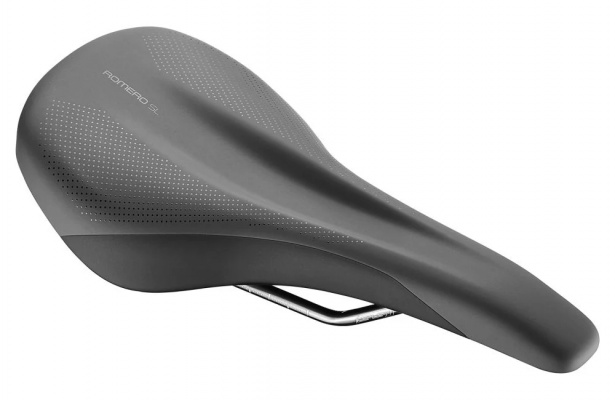
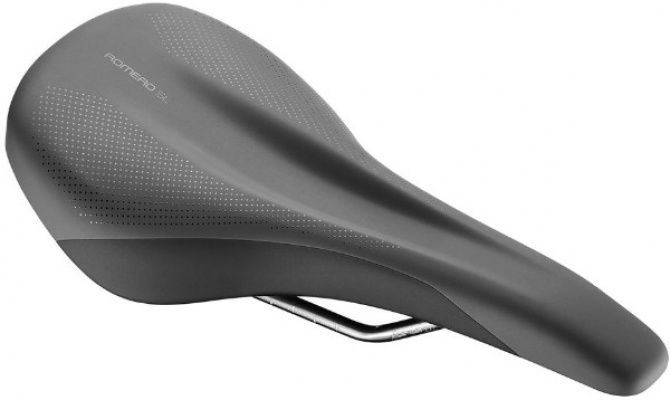
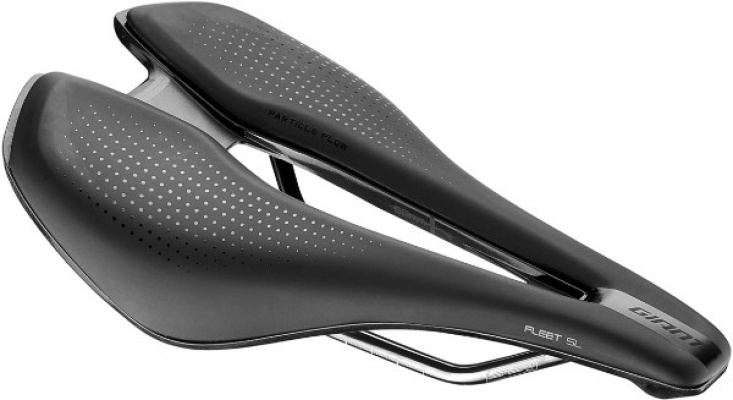
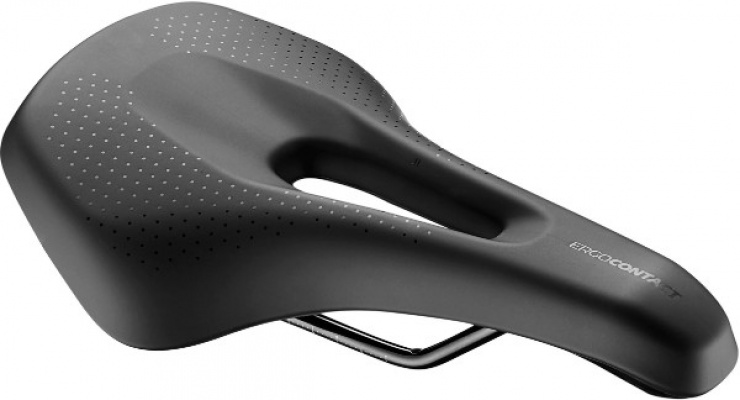
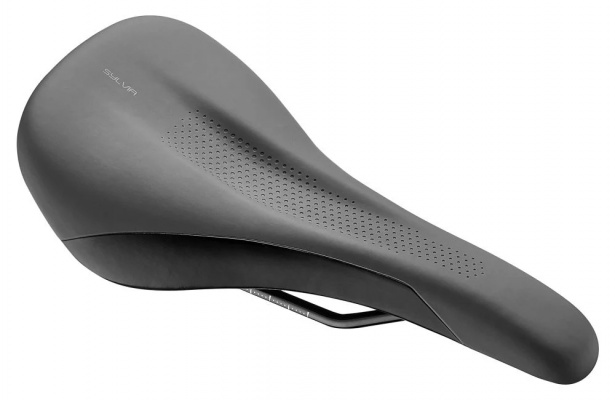
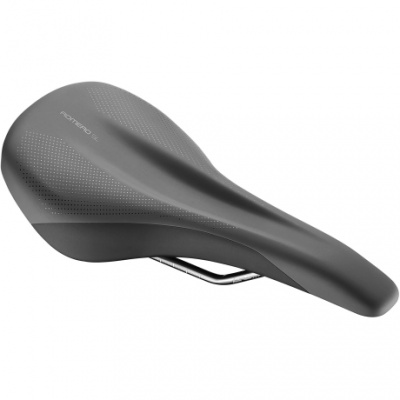
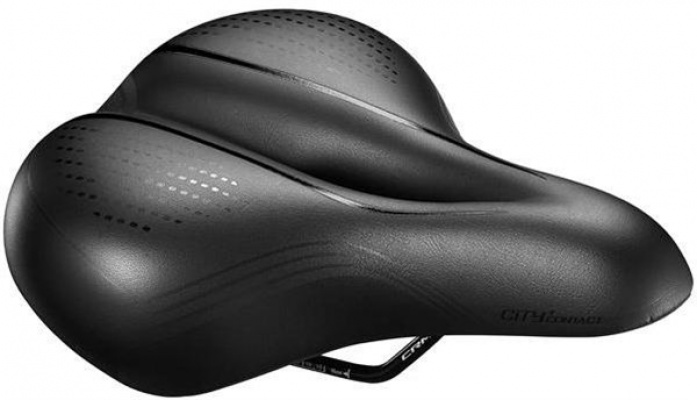
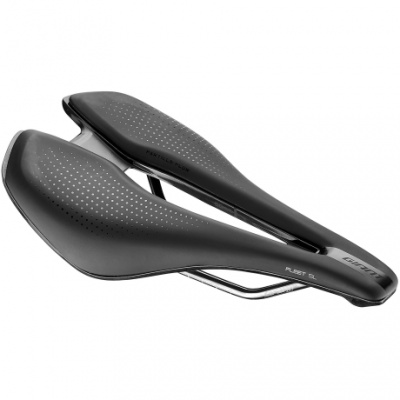
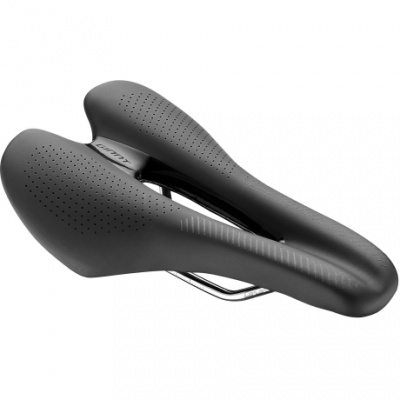
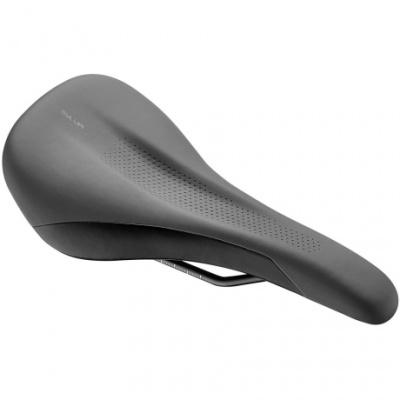
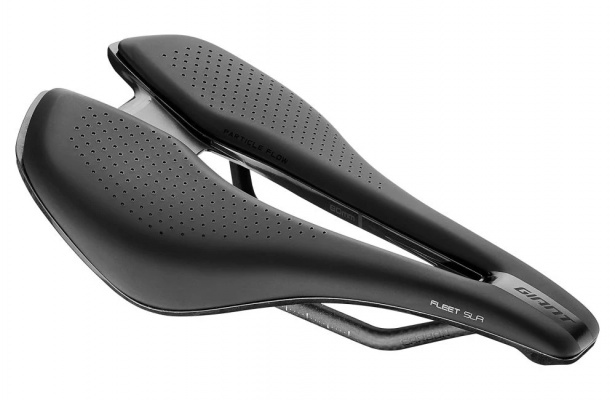
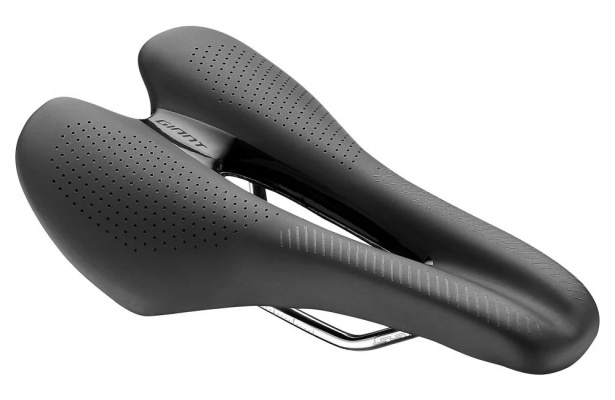
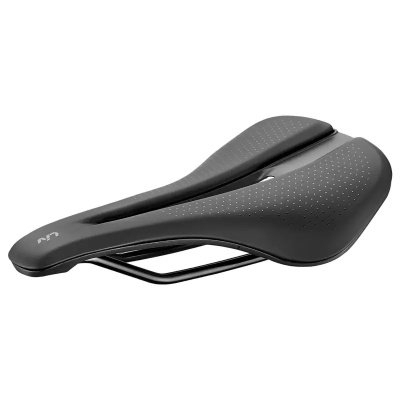
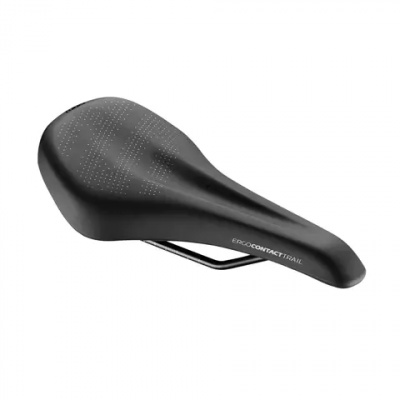
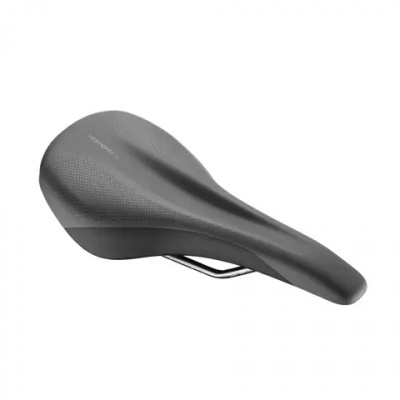
The range covers road, gravel, and mountain biking with real discipline separation. The Fleet series is built for riders locked into an aggressive aero position, with a short nose that keeps your soft tissue clear when your hips are rotated well forward. Contact is the all-rounder - traditional in shape, available across all three fit profiles, and spanning entry-level through to carbon-railed SLR builds. Romero heads off-road, with geometry and flex tuned for the hip movement and thigh clearance that technical trail riding demands.
At the top of each family you'll find Particle Flow Technology - free-flowing particles in two separate pockets that redistribute pelvic pressure across the saddle rather than concentrating it in one spot. Below that, Rebound Foam keeps its shape over long miles rather than packing out after a season. These aren't incremental tweaks; they shift the performance ceiling noticeably. Whether you're hunting the best Giant saddle for road bike use or kitting out a trail bike, the range has genuine depth.
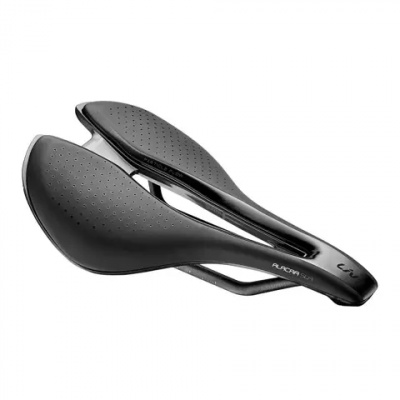
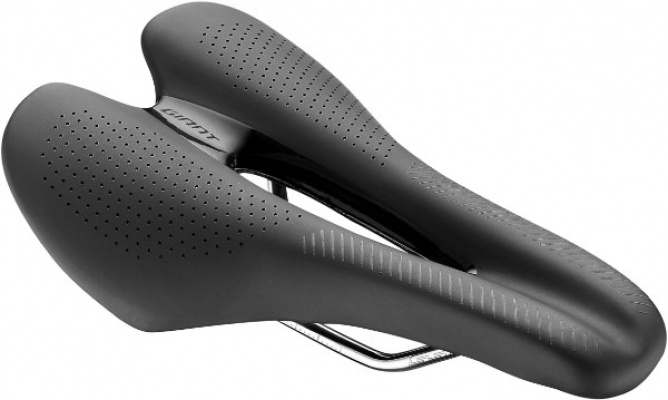
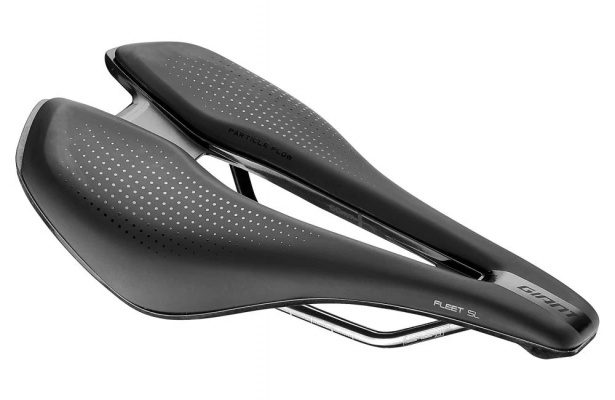
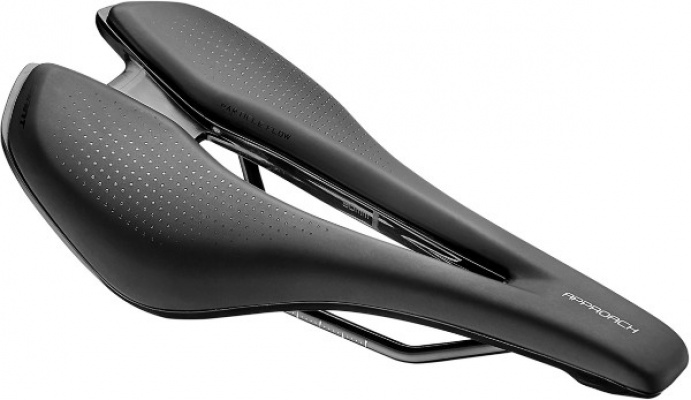
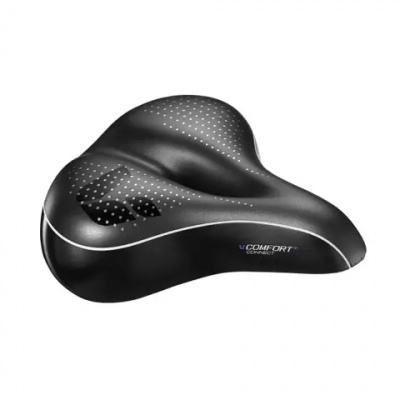
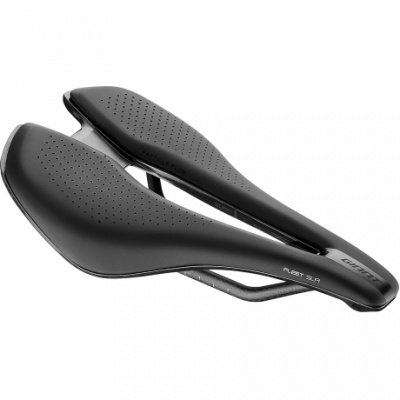
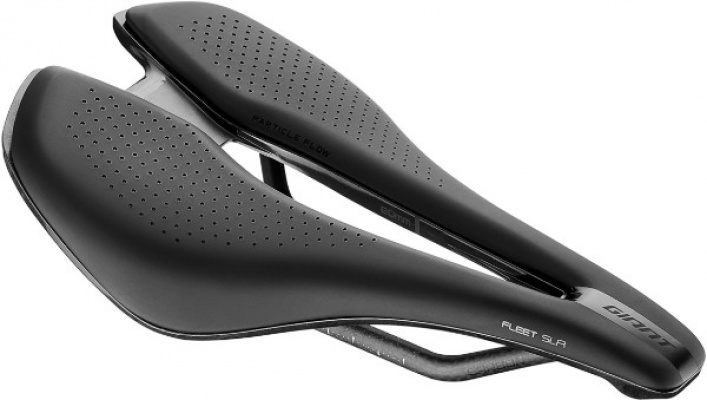
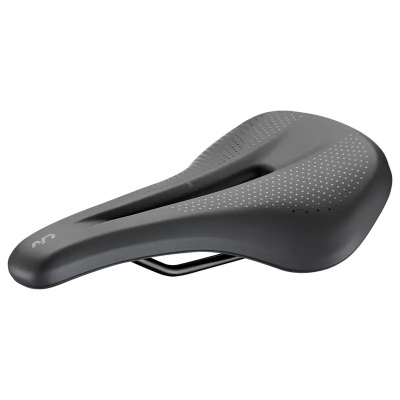
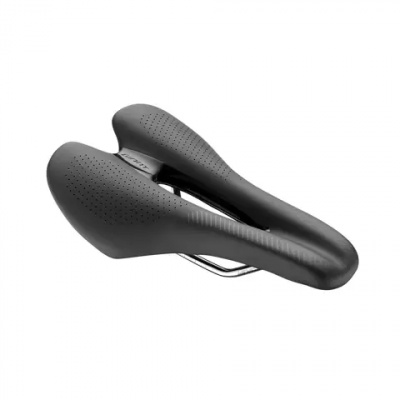
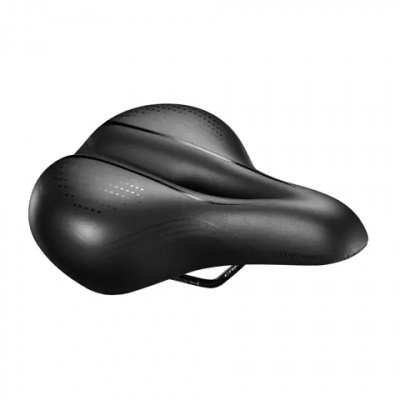
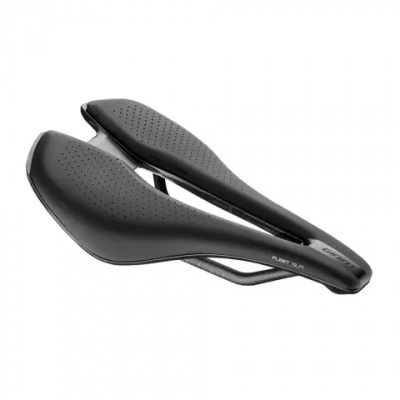
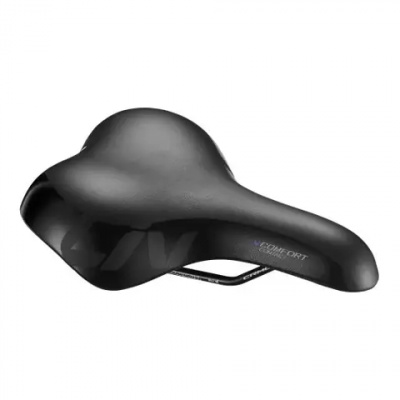
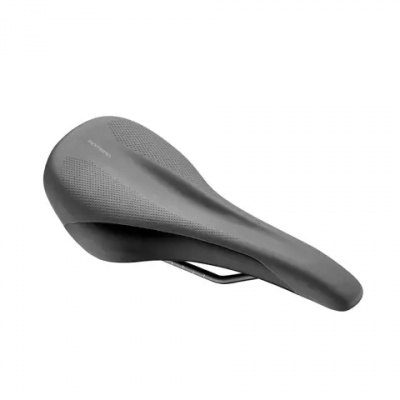
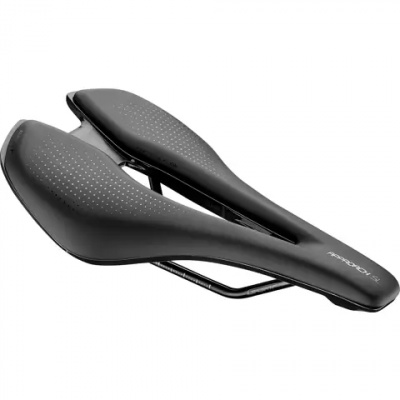
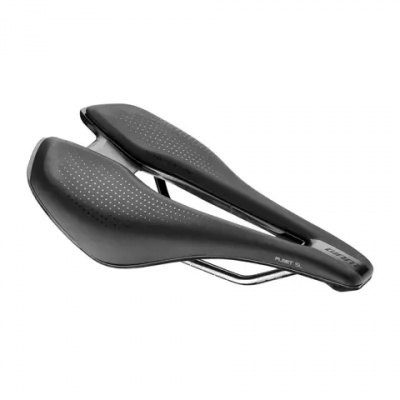
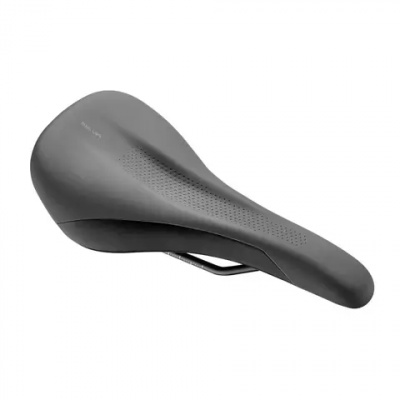
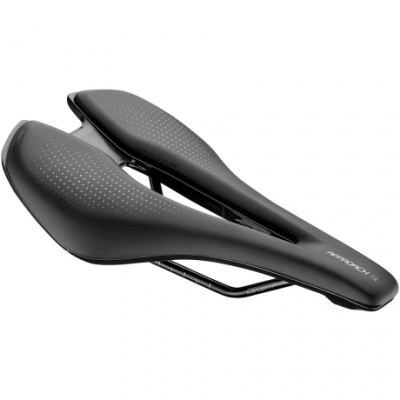
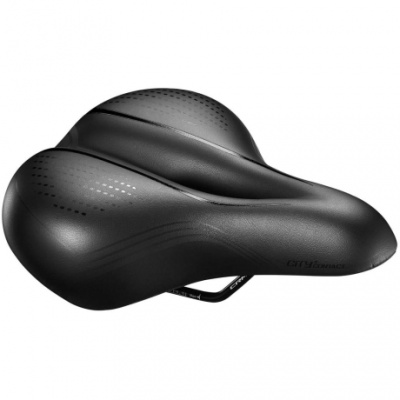
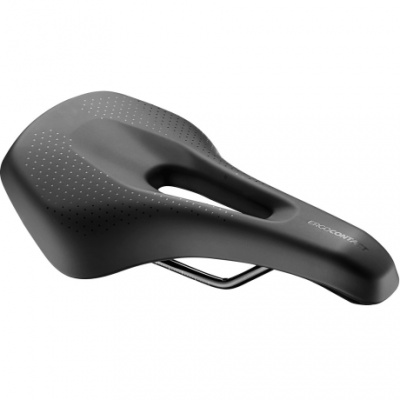
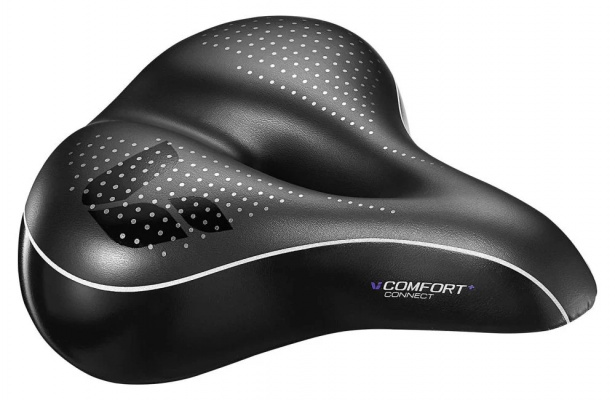
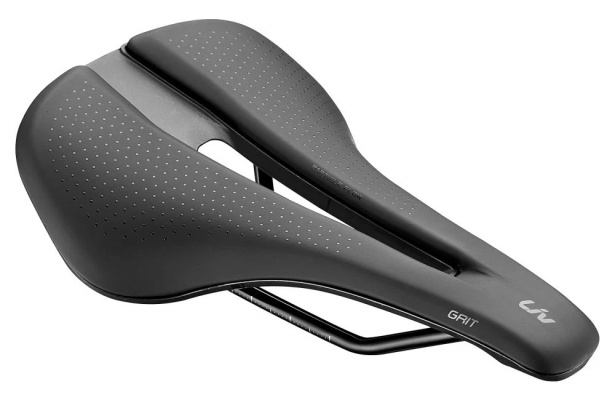
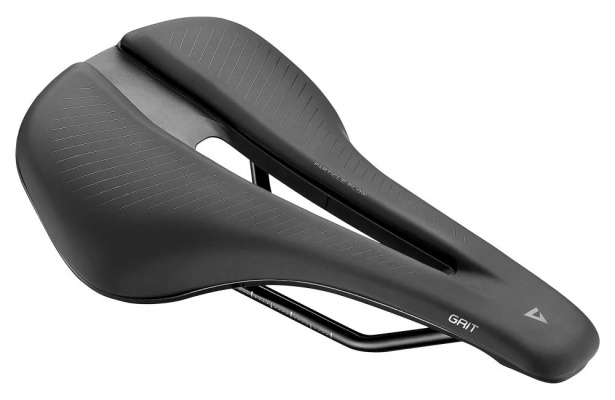
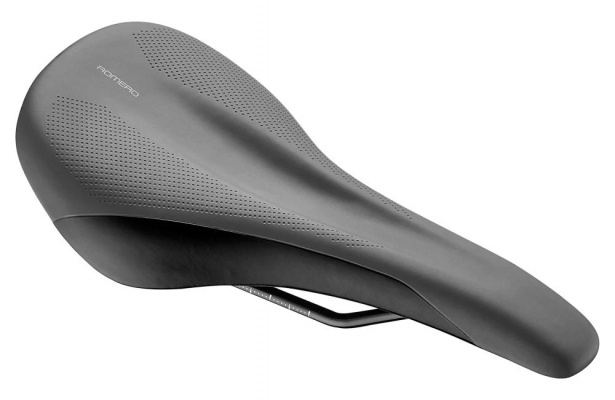
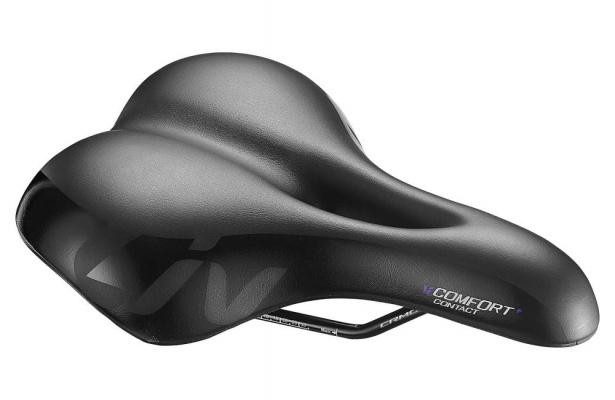
Prices and availability can change quickly. Delivery charges are not always included in listed prices.
Final price, stock status and delivery terms are set by retailer. We may receive a commission on purchases made.
Rails, Clamps, and Compatibility: What You Need to Know Before Buying
Giant structures its saddle range into two main build tiers: SL and SLR. SL models use alloy or SST (stainless steel) rails - round in cross-section, lighter than basic steel, and compatible with the vast majority of standard seatpost clamps. SLR models step up to carbon rails, and this is where compatibility becomes critical.
Giant's SLR saddles use 7x9mm oval carbon rails. That oval profile is not interchangeable with a standard 7x7mm round-rail clamp. Forcing an SLR saddle into a side-clamp seatpost designed for round rails will crush the carbon - and that failure mode is sudden and complete, not gradual. It voids the warranty instantly. Before you buy an SLR, check your seatpost manufacturer's spec sheet. Most quality two-bolt posts from the past few years accommodate oval rails, but older hardware often doesn't. If you're unsure, ask your local shop to check the clamp dimensions physically.
On the rear of compatible Giant saddles, you'll find the UniClip mounting system - a small integrated port that accepts Giant's own accessories without external straps or cable ties. It keeps things tidy and aerodynamic. Tail lights, specific saddle bags, and CO2 bracket mounts all clip directly into UniClip. If you're planning to use it, check that the specific saddle you're buying carries the UniClip port, as not every model in the range includes it. For storage solutions that work with UniClip, our Giant saddle bags page is worth a look.
Fleet, Contact, Romero: Which Family Fits Your Riding?
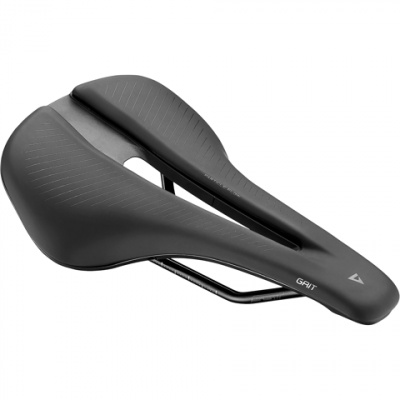
The Fleet is Giant's short-nose road saddle, designed specifically for riders in a forward, aggressive position - think time-trial geometry or a slammed stack on an aero road bike. When your pelvis is rotated well forward, a full-length saddle nose creates pressure exactly where you don't want it. The Fleet's abbreviated nose moves that contact point back and opens up soft-tissue clearance. It's a focused tool for a specific position, not a general-purpose road saddle.
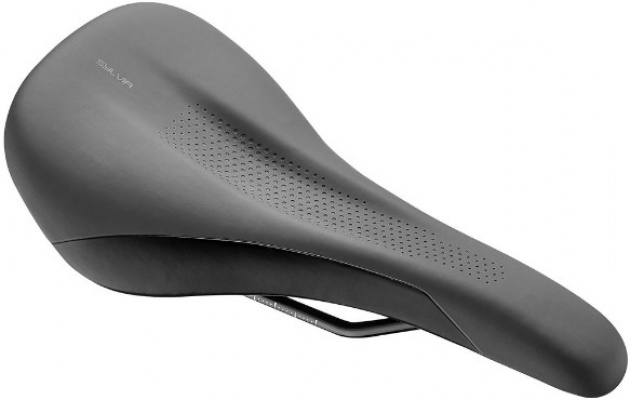
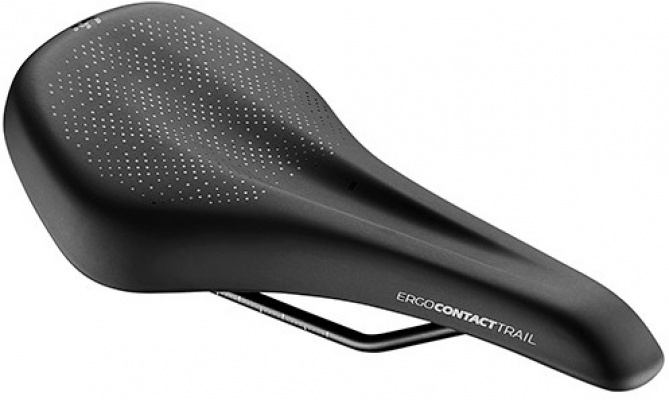
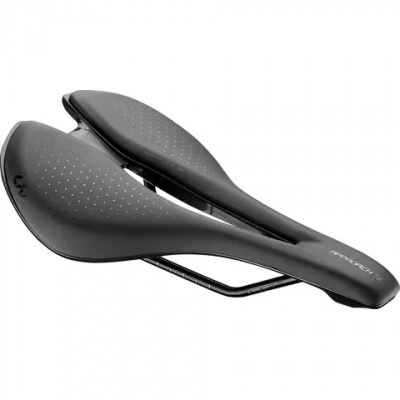
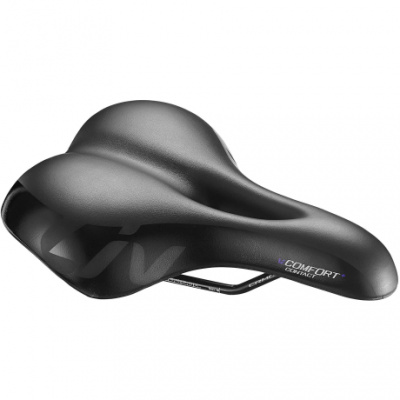
The Contact family is where most riders will land. It's a conventional saddle profile available in Forward, Neutral, and Upright fit variants, each with a slightly different width, curvature, and channel geometry to suit the corresponding pelvic rotation. SL versions use alloy rails and standard foam - solid, honest, and well-priced. SLR versions add carbon rails and Rebound Foam, which is a higher-elasticity compound that resists compression fatigue over a long season. The SLR also introduces Particle Flow Technology in the two sit-bone pockets: small sealed chambers filled with free-flowing particles that shift and redistribute under load, reducing the concentrated pressure that causes numbness on long efforts. It's a bit like the difference between sitting on a firm floor and sitting on a bag of fine sand - the load spreads rather than spikes. Compared to alternatives like Fizik saddles or Ergon saddles, the Particle Flow approach is genuinely distinct in its mechanism, even if the outcome - pressure relief - is shared across the category.
The Romero is built for mountain biking. Its geometry is shorter and its profile flatter than the road-focused models, and it incorporates Side-Flex technology in the shell - the outer edges of the saddle flex laterally to reduce inner-thigh chafing during the constant weight shifts of trail riding. On a long descending singletrack section, that flex keeps the saddle from acting like a vice on your legs every time you stand and move. If you're fitting out a trail or enduro bike, the Romero warrants serious consideration over a road-derived shape. Riders comparing it against Fabric saddles will find the Romero more trail-specific in its flex and channel geometry, while Fabric tends to offer a broader range of surface materials.
Pairing your new saddle with the right bar tape or grips matters too - our Giant bar tape and Giant grips pages cover the other contact points if you're refreshing the whole cockpit.
Keeping Giant Saddles Going Through a UK Winter
UK riding takes a toll on saddles in ways that warmer climates don't. The first issue is rail corrosion. Basic steel rails, common on budget saddles, rust visibly after a single gritty, salty winter commute - and once surface rust takes hold in a clamp, you'll fight it at every saddle adjustment. Giant's SST rails on SL models resist this significantly better. Carbon rails on SLR models don't corrode at all, though they bring their own compatibility demands as noted above.
The second issue is abrasion to the saddle's side panels. Winter grit and mud work on the edges like slow sandpaper, particularly on saddles mounted low on trail bikes where the thighs brush the shell repeatedly. There's no fix for this beyond accepting it as wear or choosing a saddle with a more durable cover material. Cadex saddles and Bontrager saddles take similar approaches to cover materials at comparable price points - worth comparing if abrasion resistance is a priority for you.
The pressure-relief channel running down the centre of most Giant saddles can trap mud on wet trail rides. It's not a structural problem, but a blocked channel reduces its pressure-relieving function and is worth clearing after a muddy session - warm water and a soft brush does it quickly. For weather protection and UniClip-compatible storage that keeps your kit dry on the way to the trails, head to our Giant saddle bags page for options that integrate directly with the system.
Giant Saddles FAQs
How do I choose the right size Giant saddle?
Start with your sit bone width - most bike shops can measure this for you in a few minutes using a foam mat or a dedicated tool. Once you have that measurement, match it to Giant's recommended saddle width. Then factor in your pelvic rotation: Giant's Dynamic Cycling Fit system assigns you a Forward, Neutral, or Upright profile, each with a corresponding saddle shape. Getting both right matters far more than any single spec on the page.
Will a Giant carbon rail saddle fit my current seatpost?
Not necessarily. Giant's SLR saddles run 7x9mm oval carbon rails, and these need a seatpost clamp that's designed to accommodate that oval cross-section. A standard 7x7mm side-clamp will crush the rails - the failure is abrupt, not gradual, and it voids your warranty. Check your seatpost manufacturer's spec before buying, or ask your shop to physically verify the clamp dimensions.
What accessories fit the Giant UniClip system?
The UniClip port at the rear of compatible Giant saddles accepts Giant's own tail lights, specific saddle bags, and CO2 inflator mounts - all without straps or additional hardware. It's a clean, integrated solution, but you need to confirm the specific saddle you're buying includes the UniClip port, as it's not universal across the range.