
Bontrager Saddles
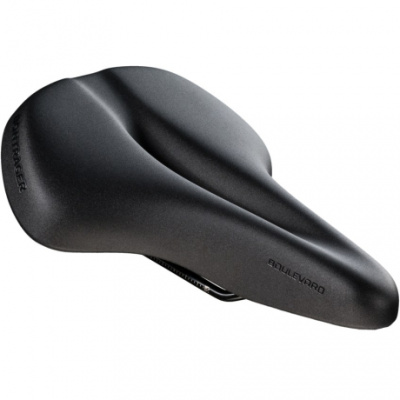
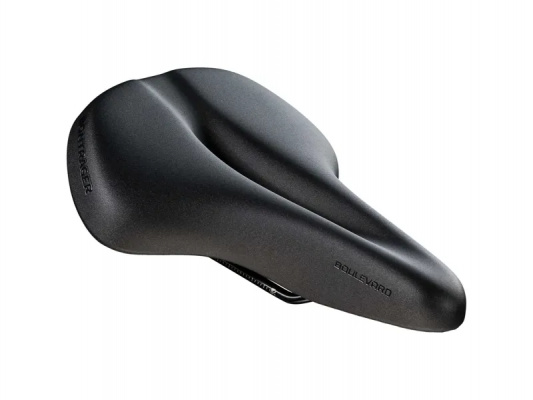
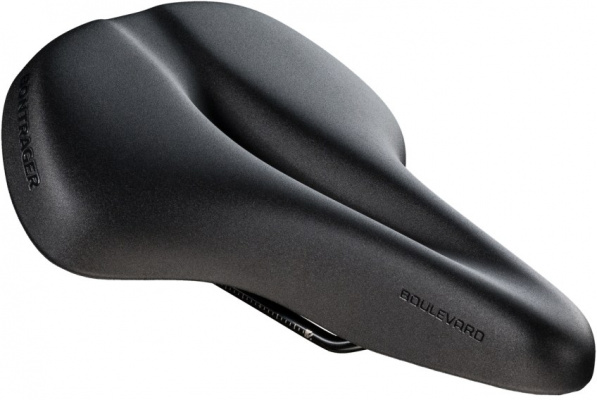
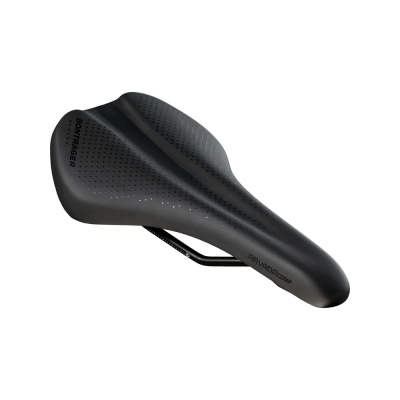
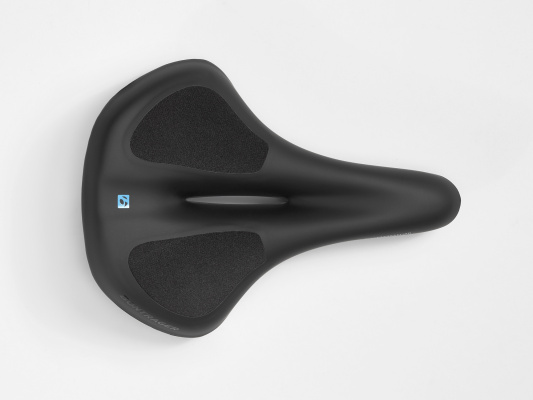
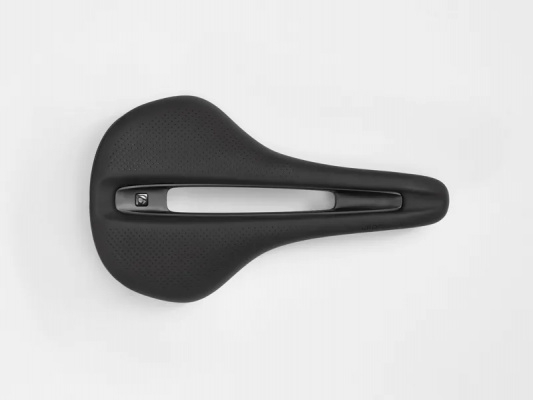
Bontrager saddles are built around inForm BioDynamics, a system that translates detailed anatomical research into saddle profiles that actually match how you sit on a bike - not how a designer imagined you might. That distinction matters more than it sounds. Most saddle discomfort comes from a mismatch between your posture and the shell shape beneath you, and Bontrager's approach addresses that directly rather than padding over it.
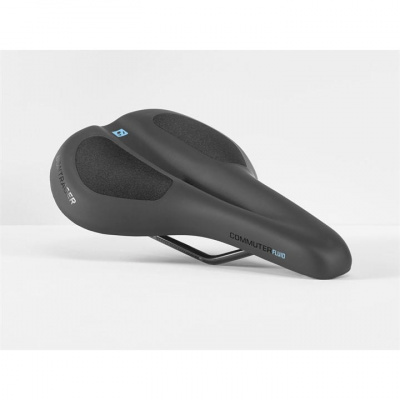
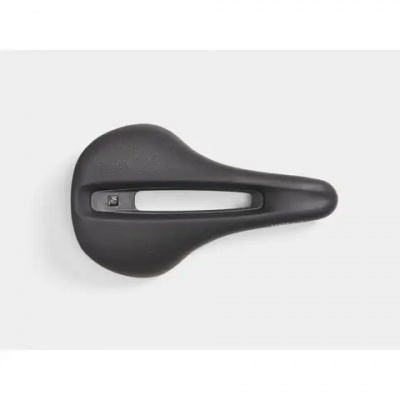
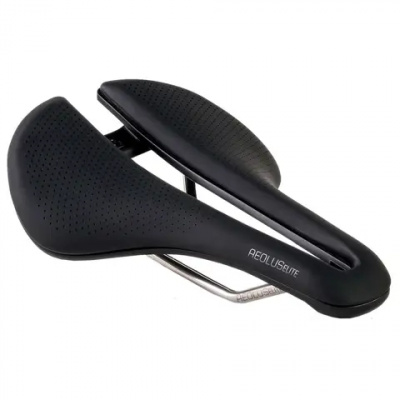
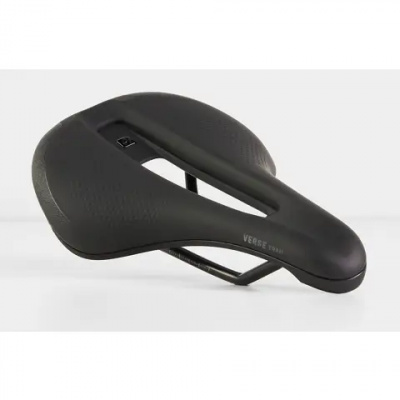
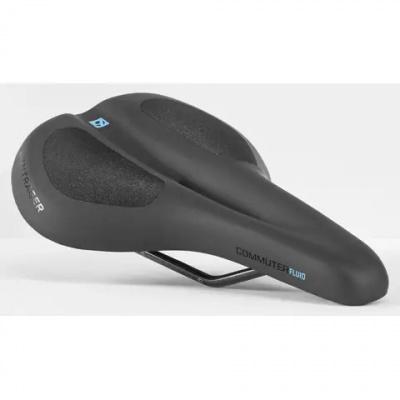
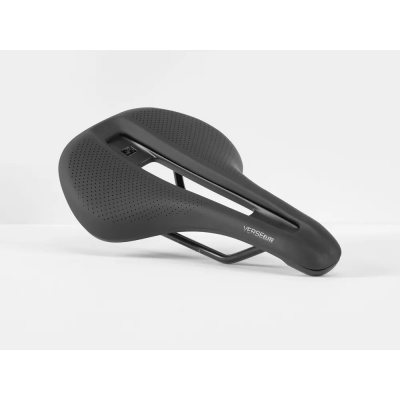
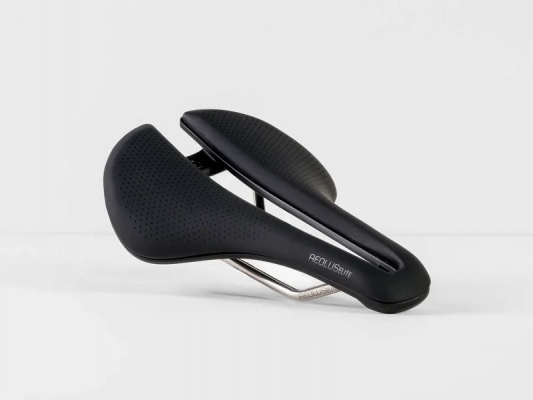
The range runs from the short-nosed Aeolus, shaped for riders spending serious time in the drops, to the Verse, a full-length saddle that works across road, gravel, and trail riding without compromise. Between them sit multiple tiers - Comp, Elite, Pro, and RSL - each stepping up in rail material, shell stiffness, and weight. Fluid technology, which uses a responsive insert to move with your body and reduce pressure spikes, features across key models and makes a tangible difference on longer efforts.
For UK riders, the integrated Blendr mounting system is quietly one of the best features here. It gives you a clean, rattle-free way to attach a rear light or saddle bag - genuinely useful when you're picking your way home through a dark, wet November evening and you need your light to stay exactly where you put it.
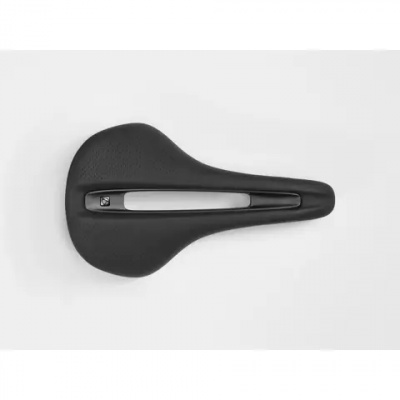
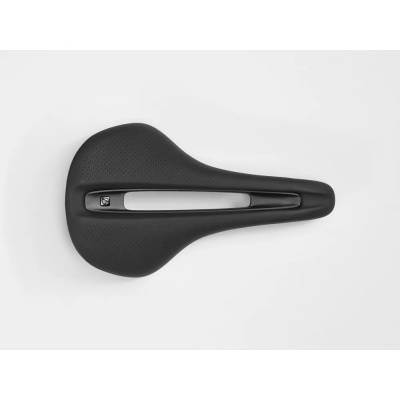
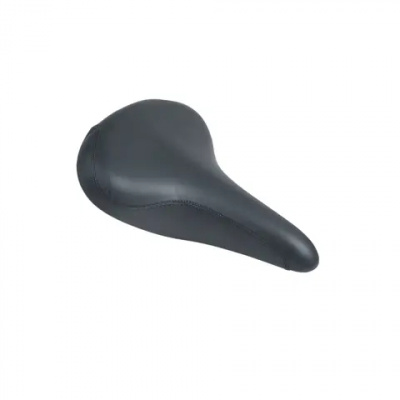
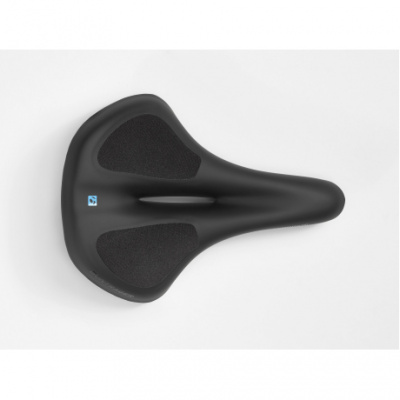
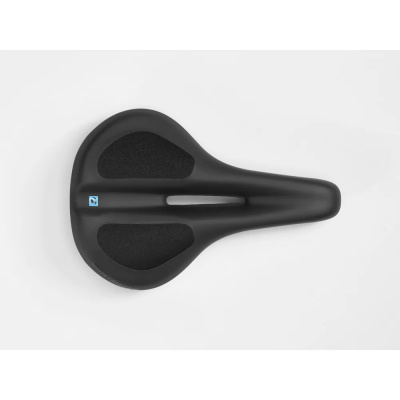
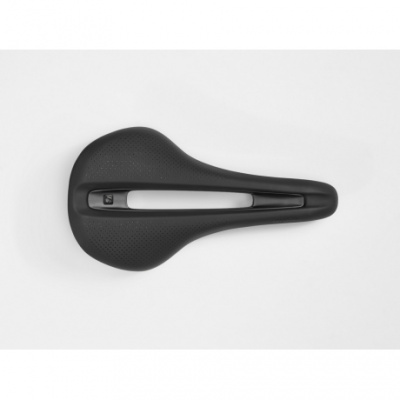
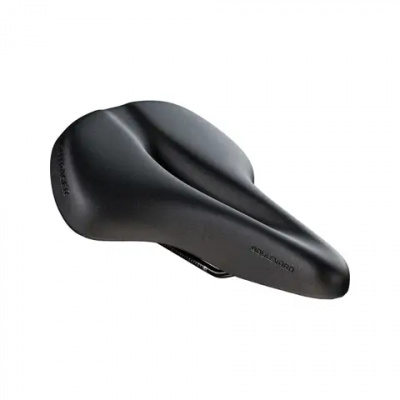
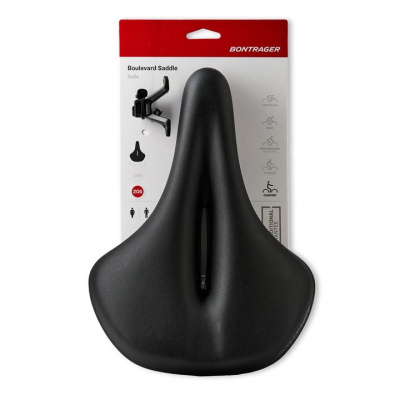
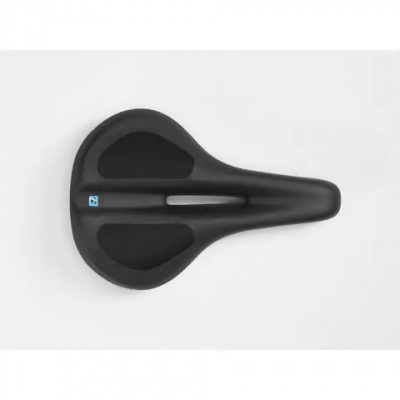
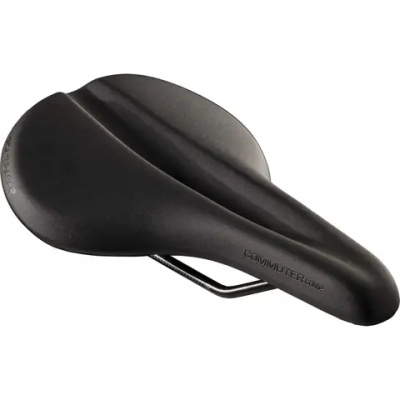
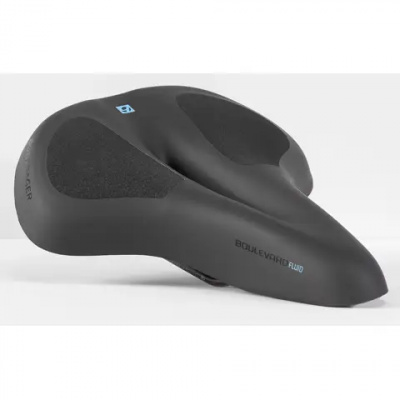
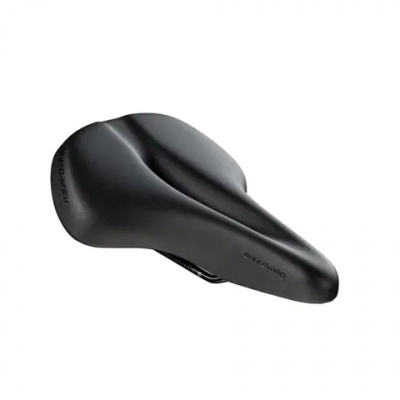
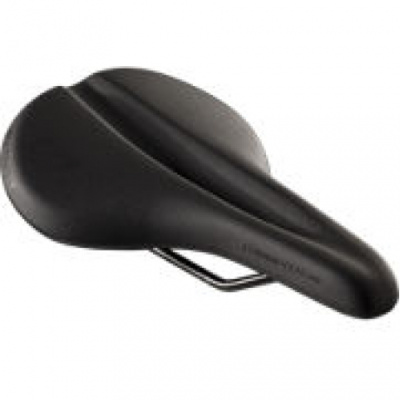
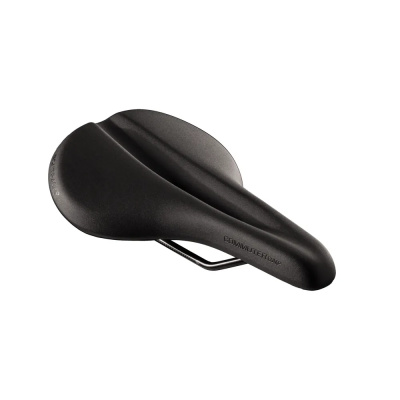
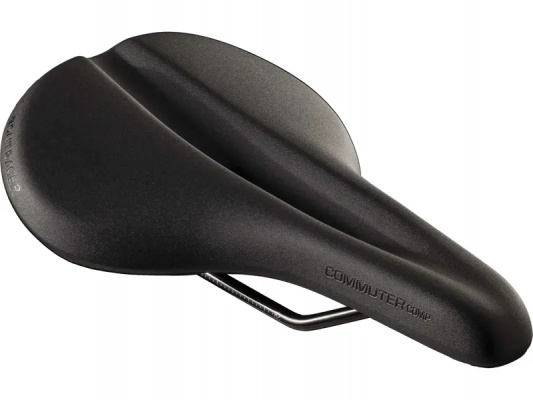
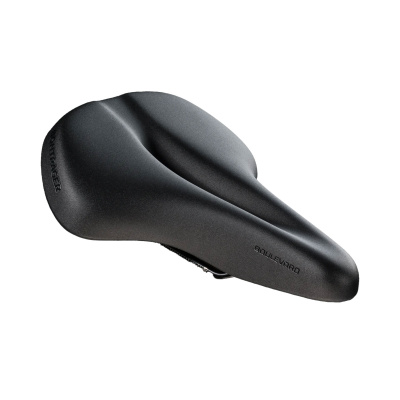
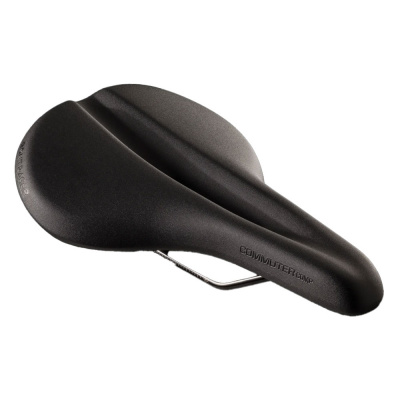
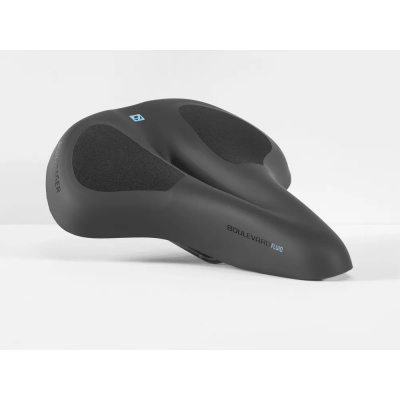
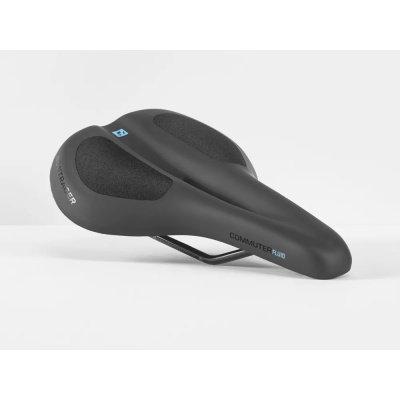
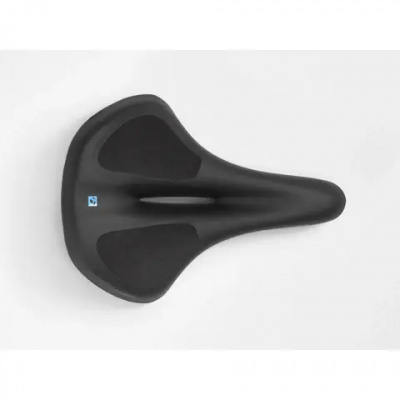
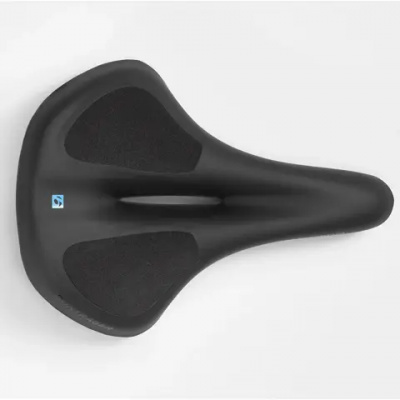
Prices and availability can change quickly. Delivery charges are not always included in listed prices.
Final price, stock status and delivery terms are set by retailer. We may receive a commission on purchases made.
Will It Fit Your Seatpost? Rail Dimensions Explained
This is where it's worth spending five minutes before you buy. Bontrager's Comp and Elite saddles use standard 7x7mm round rails - CrMo steel on the Comp tier, austenite rails on the Elite. Austenite is a chromium-nickel alloy that's lighter and more fatigue-resistant than traditional hollow titanium, and it fits the same clamp heads as steel rails, so compatibility isn't an issue. Virtually every seatpost on the market handles 7x7mm round rails without a second thought.
Step up to the Pro or RSL tiers, though, and you're into 7x10mm oval OCLV carbon rails. That ovalized cross-section is stiffer and lighter, but it needs a seatpost clamp specifically designed for oversized rails - either a compatible clamp head or replacement side-clamp 'ears'. Fitting standard round-rail clamps to an oval carbon rail risks crushing the fibres and compromising the structure. Not a theoretical risk; it happens. Check your seatpost manufacturer's compatibility list before ordering, and if you're on a Trek bike with a Bontrager post, it's almost certainly already spec'd for these rails. If you need replacement clamp parts, our Bontrager saddle bags category is worth bookmarking alongside our saddle spares listings - both run from the same accessory ecosystem and stock the small parts that retailers often don't bother with.
The Blendr compatible interface sits at the rear of select saddles and uses a proprietary bayonet-style fitting rather than standard accessory mounts. It's a clean system, but it does mean you're buying into Bontrager's accessory ecosystem for Bontrager lights and bags if you want the integrated look.
The Posture System and Where Each Model Sits
Bontrager's posture specific design numbering runs from 1 to 5. Posture 1 is a full aero tuck - think time trial or aggressive road position. Posture 5 is upright, leisure, hybrid-style riding. Most performance road cyclists sit in the 2 - 3 range; gravel and trail riders typically land at 3 - 4. It's a genuinely useful framework because it stops you buying a saddle optimised for a position you never actually ride in.
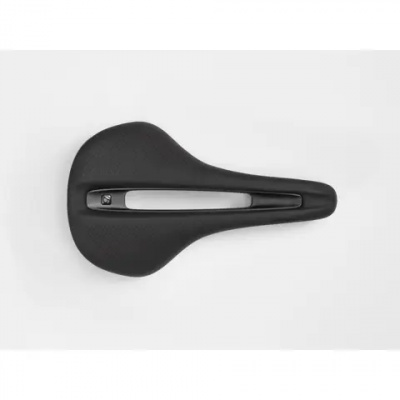
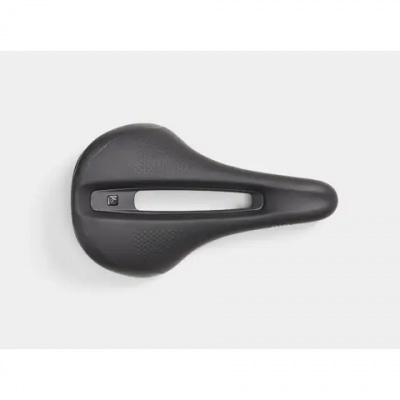
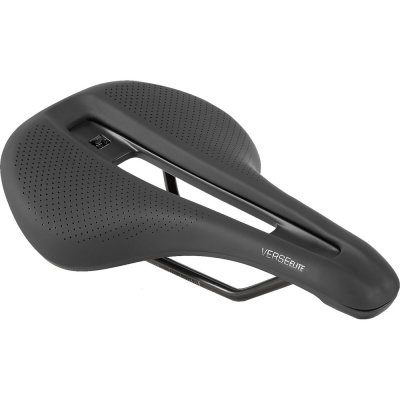
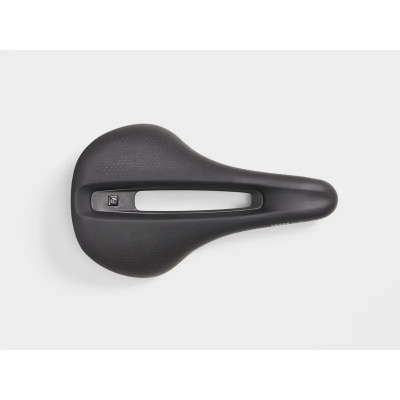
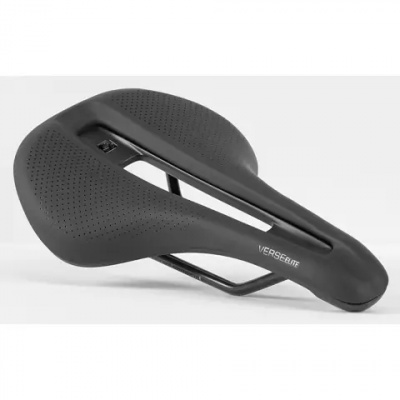
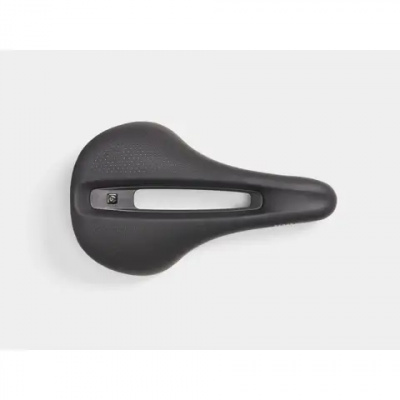
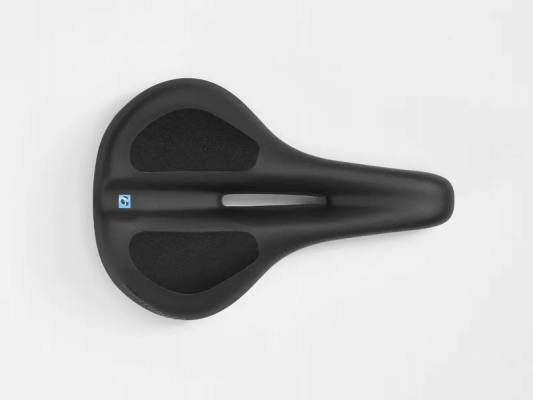
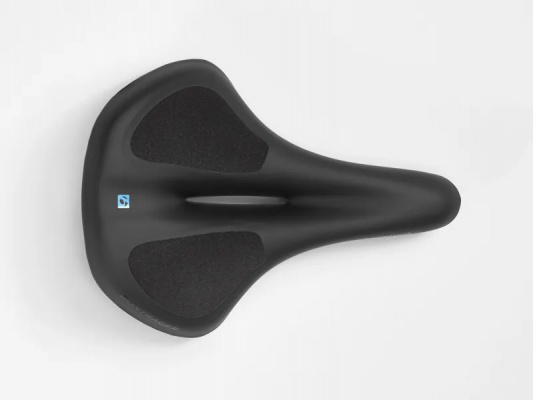
The Aeolus is a Posture 2 saddle - short-nosed, minimal padding, designed for riders who spend their time down in the drops and need the nose out of the way for hip rotation. It's the one to look at if you're chasing an aero setup from stem to saddle. The Verse sits at Posture 3 and 4, with a traditional length, prominent full cutout, and a profile that suits a wider range of positions - useful if your ride involves long road miles in the morning and a gravel loop in the afternoon, or if you're doing the best Bontrager saddle for road cycling comparison and want something that works across disciplines without a saddle swap.
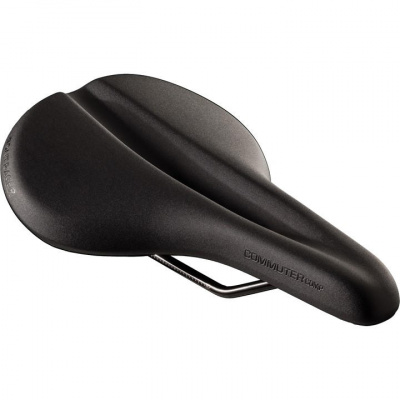
Across the tiers: the Comp uses steel rails and denser padding - good for casual riders who want durability over every gram saved. The Elite steps up to austenite rails and a performance shell that's noticeably more responsive underfoot. The Pro brings OCLV carbon rails and a carbon-reinforced shell; the weight drop is real, and so is the reduction in compliance, so the ride is firmer. The RSL is Bontrager's race-ready top tier - minimal padding, full OCLV carbon construction, and a weight that makes you check the scales twice. It's not for comfort riding. Think criteriums, sportives ridden hard, or anyone who has already dialled in their fit precisely.
On the Bontrager Aeolus vs Verse question, the honest answer is that the Aeolus suits a specific rider in a specific position, whereas the Verse is the more adaptable choice for the majority. If you're not locked into an aggressive road fit, start with the Verse. Fizik saddles use a similar spine-flexibility system to categorise riders, and it's worth comparing if you're undecided between brands. Ergon saddles take a different approach altogether, with broader sit bone platforms that suit gravel and trail riders who spend time out of the saddle. Fabric saddles are worth a look if flat-profile minimalism is your preference.
Keeping It Together: UK Winters and Long-Term Durability
British riding does a number on saddles. Grit and mud work into the rail-to-shell junction over time, and once it's in there, every pedal stroke announces itself with a creak that'll drive you to distraction on a quiet morning lane. A drop of dry lube or silicone spray at the rail clamp points - done every few months, or after a particularly grim ride - keeps that junction clean and quiet. It takes two minutes and saves a full strip-down later.
Bontrager's synthetic covers are non-absorbent and handle wet conditions well. They won't waterlog like leather, and the stitching holds up to repeated hose-downs better than you might expect from a performance saddle. That said, abrasive Peak District grit is a different matter - if you're doing heavy trail miles, check the cover edges periodically for wear around the nose and rear corners, where contact and debris tend to concentrate.
The Blendr mount earns its keep in autumn and winter. Rubber O-ring light mounts lose their grip in cold temperatures, and the last thing you want is your rear light bouncing off on a pothole-riddled B-road somewhere outside Harrogate at dusk. The Blendr system locks mechanically, stays put, and takes seconds to release. Pair it with a compatible Bontrager rear light and the setup is genuinely secure in a way that afterthought mounts rarely are. For storage, a Bontrager saddle bag clicks directly into the same interface, keeping your tubes and tools from bouncing around and wearing through the bag's attachment loop.
Bontrager Saddles FAQs
How do I choose the right Bontrager saddle size?
Measure your sit bone width - a piece of corrugated cardboard works if you don't have a digital tool - then add 20 to 25mm to that measurement. That gives you your target saddle width. Bontrager typically offers 135mm, 145mm, and 155mm options across most models, so there's a fit for most riders. Your local Trek dealer can also do a proper sit bone measurement if you're unsure.
What is the difference between Bontrager Aeolus and Verse saddles?
The Aeolus is a short-nosed, Posture 2 saddle built for aggressive road riding - the nose stays clear of your inner thighs when you're down in the drops and rotating hard. The Verse is a traditional-length saddle with a full cutout, sits at Posture 3 and 4, and works across road, gravel, and mountain biking. If your riding position varies or you're not locked into an aero fit, the Verse is the more practical choice.
Are Bontrager carbon saddle rails compatible with all seatposts?
No. Bontrager's Pro and RSL models use 7x10mm oval OCLV carbon rails, which require a seatpost clamp designed specifically for oversized rails. Fitting a standard round-rail clamp to these oval rails risks damaging the carbon structure. Check your seatpost's compatibility before ordering - Trek's own Bontrager posts are typically already set up for these rails, but aftermarket posts often aren't.