
Halfords MTB Tyres
Your choice of Halfords MTB tyres will do more for your confidence on the trail than almost any other single change you can make to your bike. Swap a worn or inappropriate tyre and the whole bike feels different - sharper into corners, calmer on loose chop, less likely to wash out on wet roots. That's not marketing; it's physics.
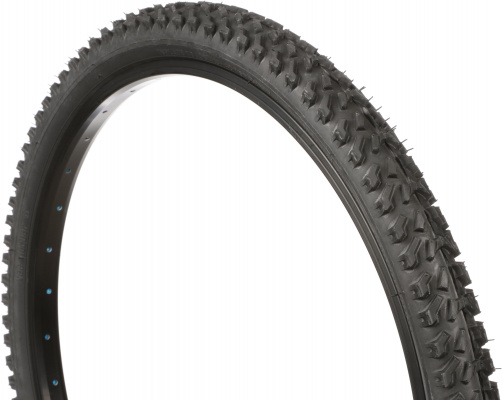
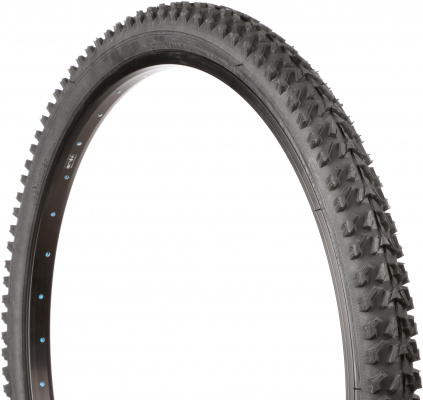
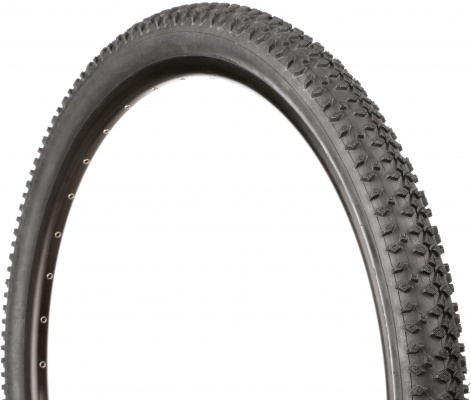
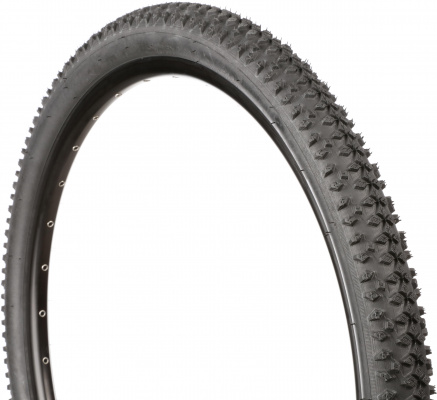
The Halfords range runs from no-nonsense wire bead replacements that keep budget bikes rolling reliably, through to folding bead trail tyres with directional tread patterns designed to handle the kind of slick clay and flinty singletrack that defines a typical British winter ride. You're covered whether you're on a 27.5 or 29er wheel, running a standard clincher setup with inner tubes, or looking to go tubeless ready.
Puncture protection matters here too. Kevlar belts feature across several models, which is worth knowing if you ride flinty chalk trails in the South Downs or sharp gritstone in the Peak District - both will carve through an unprotected sidewall casing without much effort. Pick the right rubber for your riding and the rest of the bike tends to follow.
Prices and availability can change quickly. Delivery charges are not always included in listed prices.
Final price, stock status and delivery terms are set by retailer. We may receive a commission on purchases made.
Reading Sizes and Getting the Fit Right
The number stamped on your current tyre's sidewall tells you everything. You'll see something like 29 x 2.35 - that's diameter in inches followed by width. Alongside it, or sometimes instead, you'll find an ETRTO number such as 60-622. The first figure is the tyre width in millimetres; the second is the bead seat diameter of the rim. ETRTO is the reliable international standard, and it's worth cross-referencing if you're moving between older and newer sizing conventions.
The three common MTB diameters are 26-inch (increasingly rare on modern bikes), 27.5-inch (also called 650b, with a bead seat diameter of 584mm), and 29-inch (622mm, shared with road and gravel). Most bikes built in the last five years are either 27.5 or 29er, and the two are not interchangeable. Check your frame's dropout stamping or fork crown - it'll usually confirm the wheel size.
Width compatibility with your rim is just as important as diameter. A 2.6-inch tyre mounted on a rim with a 19mm internal width is a bad combination - the tyre sits tall and narrow, handles poorly, and is more likely to roll off the bead under hard cornering loads. As a rough guide, a 2.4-inch tyre suits a 25 - 35mm internal rim width, while a 2.6-inch tyre wants at least 30mm internally. Most modern trail and enduro rims sit in the 30 - 35mm range, so you're usually fine with anything up to 2.5 inches.
Standard clincher tyres need an inner tube and work with any compatible rim. Tubeless Ready (TR) tyres have a tighter bead profile and a stiffer sidewall casing designed to seal against a tubeless-compatible rim when used with sealant - but you can also run them with a tube if you're not ready to go full tubeless yet. If you want smooth-rolling rubber for roads or canal paths, our Halfords Tools section links through to commuter and hybrid tyre options better suited to that job.
What the Range Covers and Who Each Tier Suits
Wire bead tyres are heavier and stiffer to install, but they're honest workhorses. The bead itself is a steel loop, which adds rotational weight but keeps costs low - sensible if you're replacing a worn tyre on a leisure or beginner bike and don't want to spend big. Rolling resistance is higher than folding alternatives, and they're noticeably harder to seat on a tight rim, so have decent tyre levers to hand.
Step up to a folding bead tyre and you get a Kevlar bead instead of steel. The casing becomes more supple, the tyre seats more easily, and overall weight drops - sometimes by 150 - 200g per tyre, which is real. Dual compound rubber starts appearing at this level too: a harder centre strip for lower rolling resistance on hardpack, with softer shoulder knobs that dig in during cornering. That trade-off matters on UK trails where you're often pedalling across firmer ground before tipping into a loose, rooty corner.
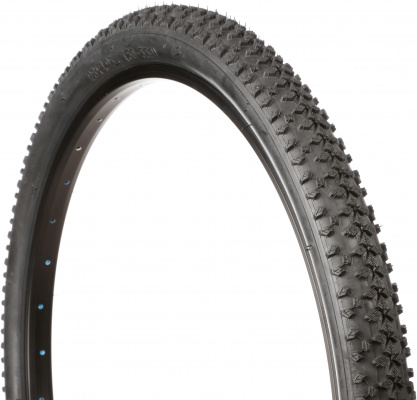
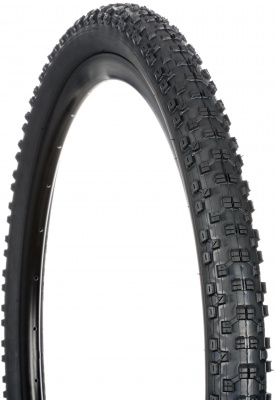
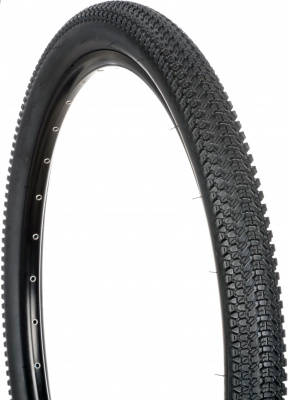
Tread pattern is where things get properly interesting. Fast-rolling cross-country (XC) blocks sit closer together, reducing drag on smoother, drier surfaces - good for Surrey Hills hardpack or the drier months at Cannock Chase. Aggressive, widely-spaced mud spike patterns do the opposite: the gaps between knobs self-clear clay as the wheel rotates, maintaining grip where a close-knit XC tread would clog instantly. Think Peak District winter or the Welsh valleys in November. If you're only buying one tyre, a mid-aggression trail tread is the compromise that handles both - not perfect at either extreme, but usable year-round.
Directional tread patterns are marked with an arrow on the sidewall - fit them with that arrow pointing in the direction of wheel rotation when viewed from the drive side. Front and rear tyres often have different tread recommendations too: more aggressive shoulder knobs up front for steering, faster-rolling centre tread at the rear to balance efficiency with traction.
Compared to premium options like Maxxis MTB tyres or Continental MTB tyres, Halfords' own-brand and stocked entry-level options sacrifice some compound sophistication and casing suppleness. The trade-off is clear value for riders who ride regularly but not obsessively, or who want a spare tyre without the premium price tag.
Keeping Your Tyres Alive in UK Conditions
British trails are hard on rubber. Flint in the chalk hills of the South Downs, sharp gritstone edges in the Peak District, and wet clay everywhere in autumn - each attacks your tyre in a different way. Flinty trails are the most brutal: a small nick in an unprotected sidewall casing can open into a slash that kills a tyre mid-ride. Kevlar puncture protection belts, found in several Halfords models, sit beneath the tread and add real resistance to penetration from below. They don't protect the sidewall itself, so it's worth running a tyre boot or sealant as backup if you know your local trails are particularly sharp.
Pressure is your most powerful daily adjustment. For wet roots and clay, dropping to 20 - 25 PSI (tubeless setup) gives your tyre a larger contact patch and lets the rubber conform around slippery surfaces rather than skating across them. Wet chalk in particular punishes high pressures - you need the tyre to deform and grip. If you're still running inner tubes, stay closer to 28 - 30 PSI; go lower and you risk a pinch flat on rock strikes, where the tube gets caught between tyre and rim and punctures on both sides simultaneously. That's a long walk out.
Check your sidewalls after every muddy ride, not just the tread. Run your fingers around the casing and feel for small cuts or bulges. A bulge means the internal casing has delaminated - replace the tyre, not a question. Small cuts can be sealed temporarily with tubeless sealant or a tyre boot from inside, but keep an eye on them. Tread wear is easier to spot: when the knob edges round off and the blocks start looking smooth, grip in corners drops noticeably. That's your cue.
For installation, a good set of tyre levers takes the frustration out of a tight bead. Check out Halfords Tools for heavy-duty options. Once they're on, a Halfords Cleaning Kit will keep mud and grit from accelerating sidewall wear between rides - worth the habit on tyre compounds that aren't cheap to replace. If you're weighing up alternatives, WTB MTB tyres and Michelin MTB tyres are worth a look for comparable price points with strong UK trail performance credentials.
Halfords MTB Tyres FAQs
How do I know what size MTB tyre fits my bike?
Look at the sidewall of your current tyre. You'll find either a format like '29 x 2.35' or an ETRTO number such as '60-622' - the second figure is the bead seat diameter and is the reliable way to confirm compatibility. Also check your frame and fork have enough clearance for the tread width you're considering; some trail frames are tight with anything over 2.4 inches.
Can I run Halfords MTB tyres tubeless?
Only if the tyre is explicitly marked 'Tubeless Ready' (TR) or 'Tubeless Compatible'. Standard wire bead tyres don't have the precise bead geometry needed to seal against a rim without a tube. Running a non-TR tyre without a tube is asking for a sudden deflation mid-descent - not worth the risk.
What tyre pressure is best for UK winter trails?
On wet, rooty, muddy ground, 20 - 25 PSI tubeless gives you the best contact patch and grip. If you're running inner tubes, stay at 28 - 30 PSI to avoid pinch flats on rocks. Chalk trails and slick roots both punish high pressures, so err lower when conditions are properly grim - but check the tyre manufacturer's minimum PSI first.