
Michelin MTB Tyres
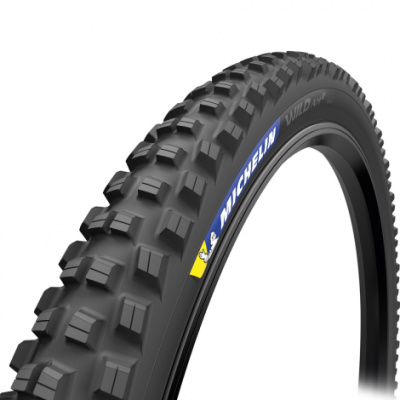
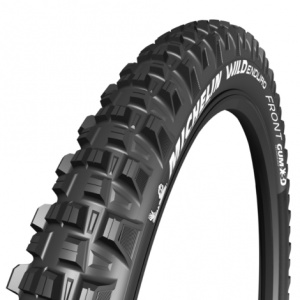
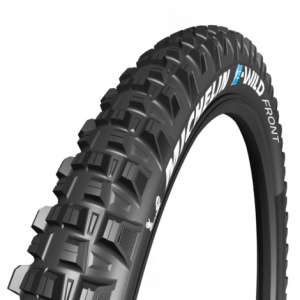
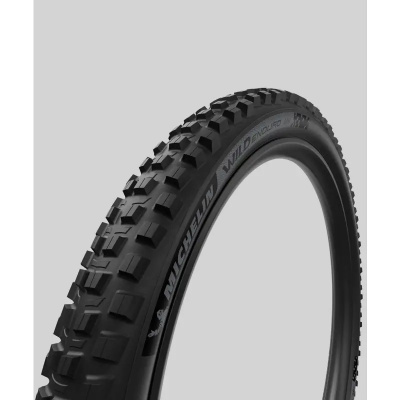
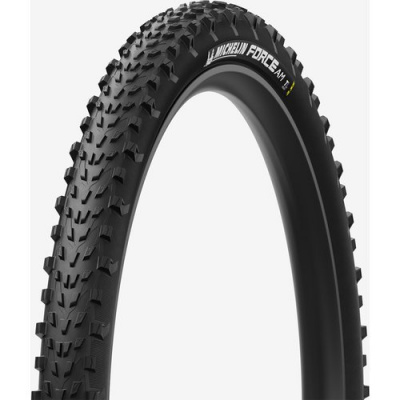
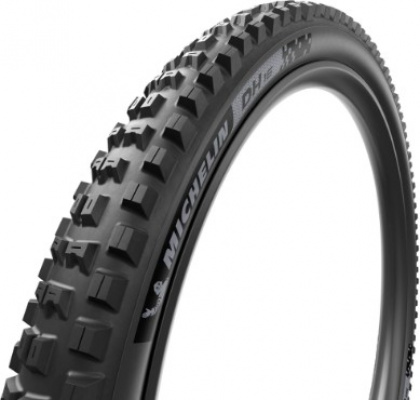
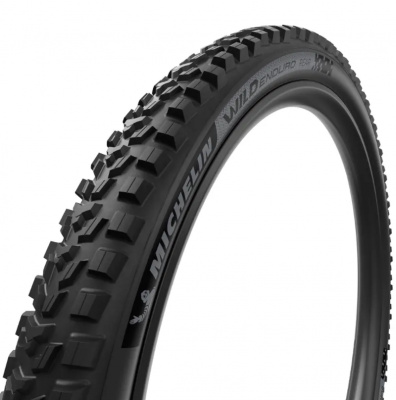
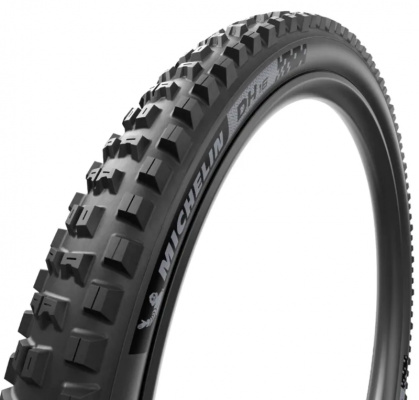
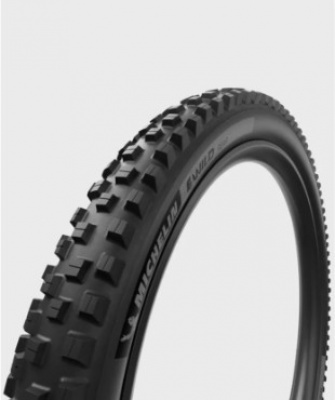
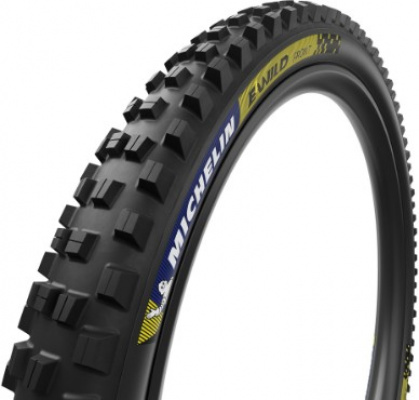
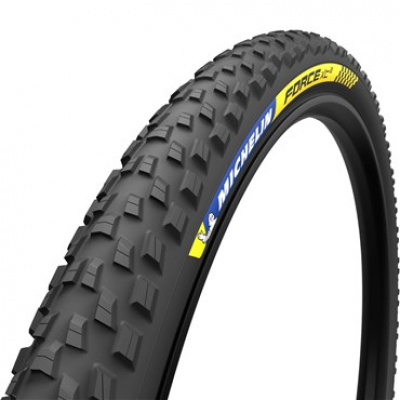
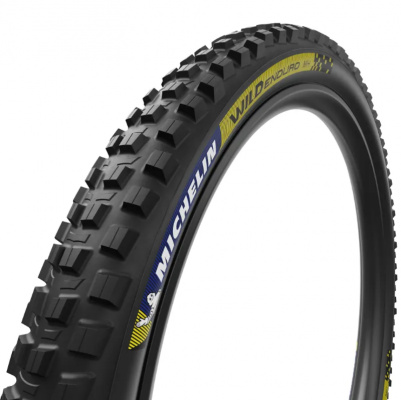
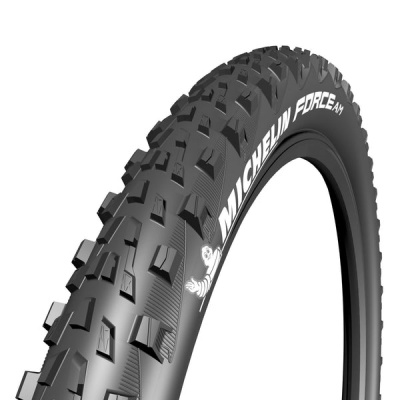
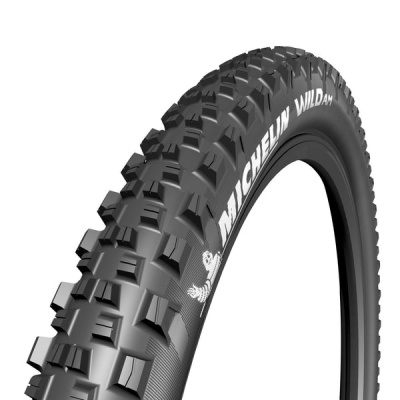
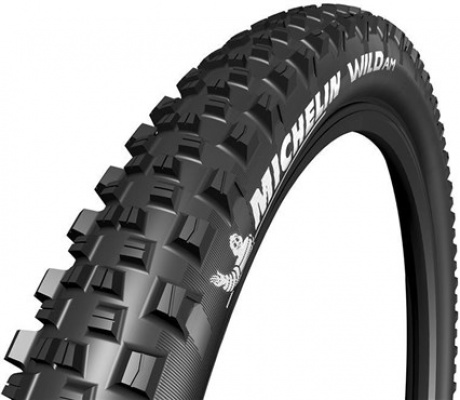
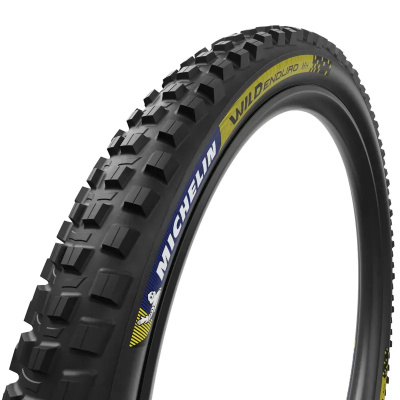
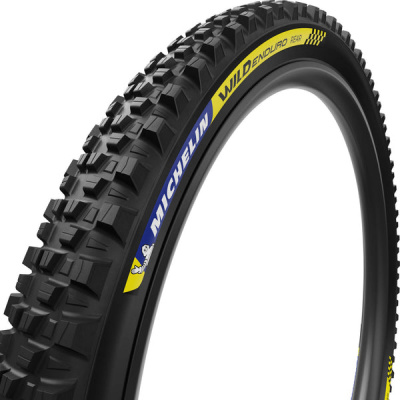
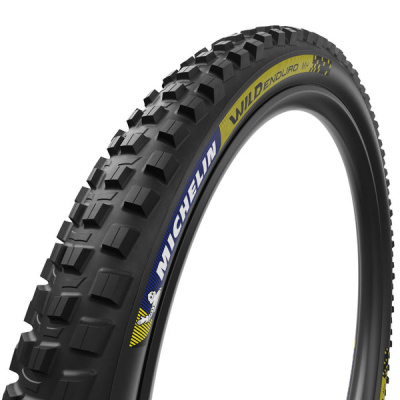
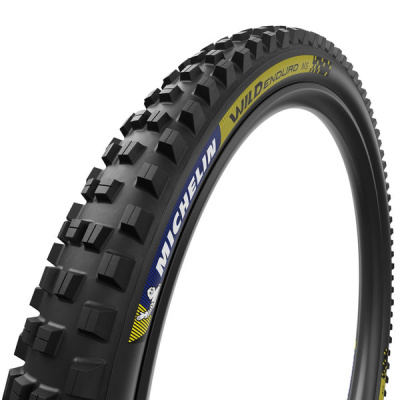
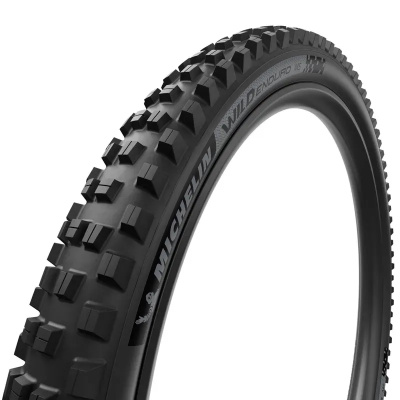
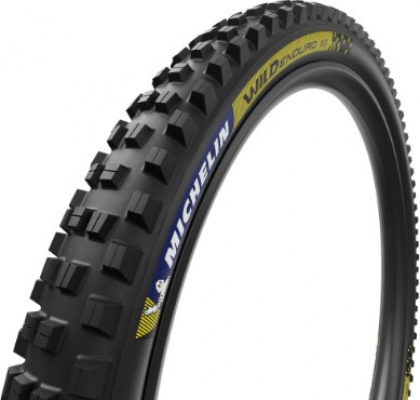
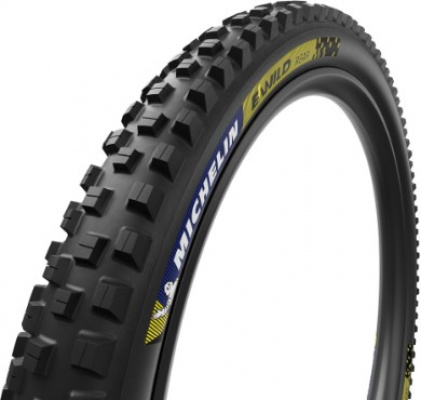
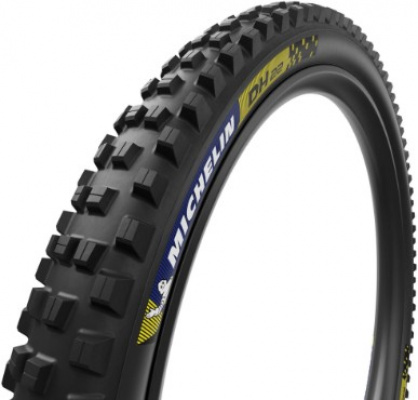
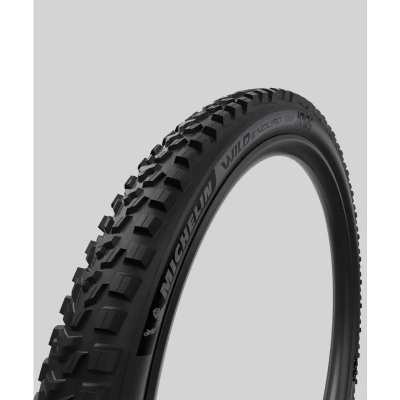
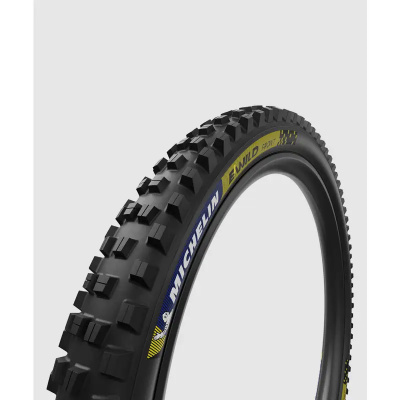
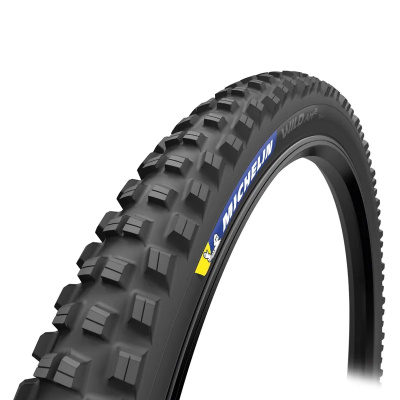
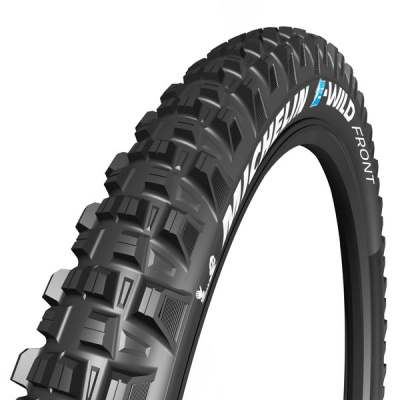
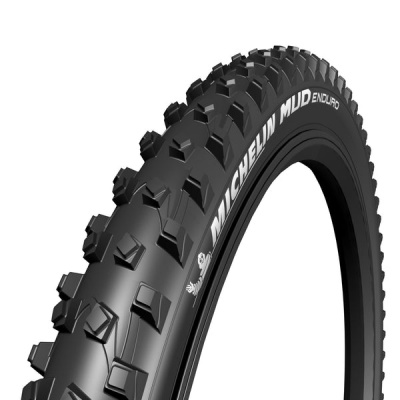
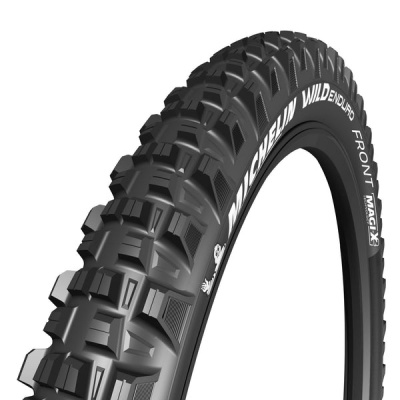
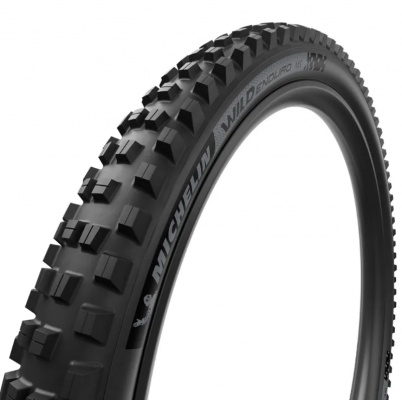
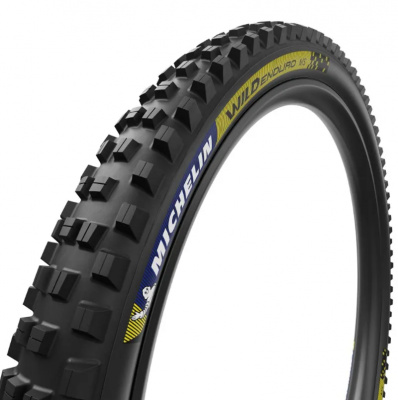
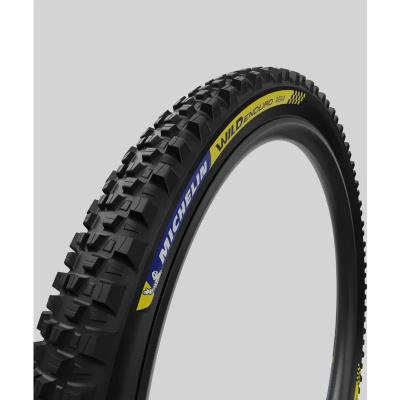
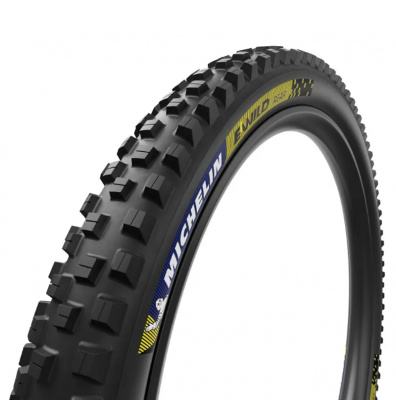
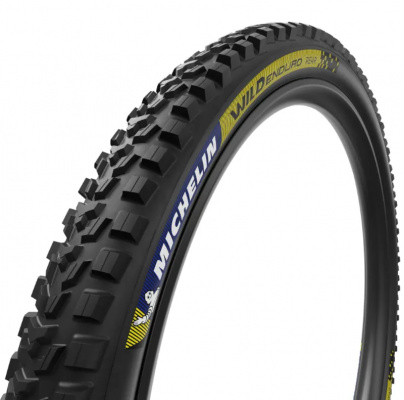
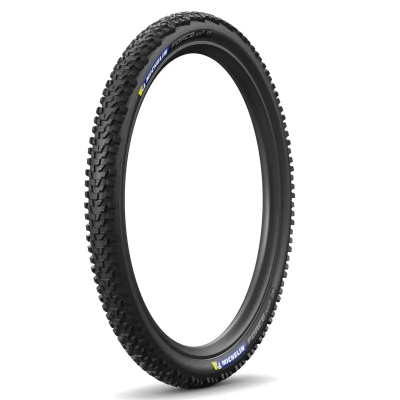
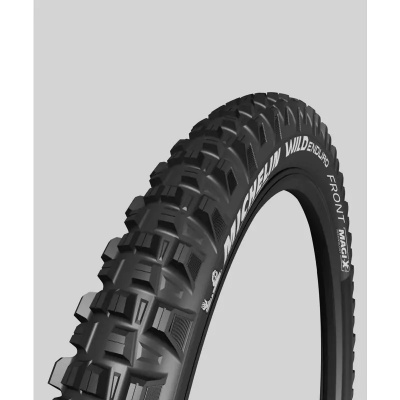
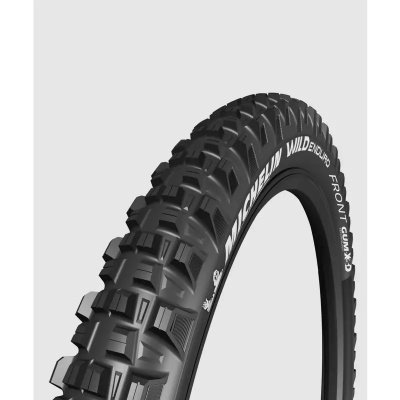
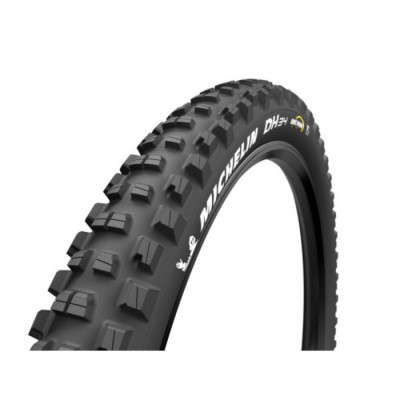
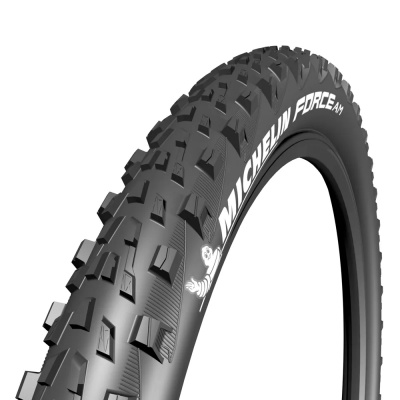
Michelin MTB tyres have earned a serious reputation among enduro and downhill riders who'd rather not think about their rubber mid-corner - and for good reason. Michelin's motorsport background feeds directly into compound development that most tyre brands simply can't match for outright grip and casing sophistication. Whether you're chasing chunk on the Tweed Valley's rockier lines or threading wet roots on the South Downs, there's a Michelin built around the conditions you're actually riding in. The Wild Enduro series dominates at the aggressive end, with front and rear-specific designs and a choice of compounds that let you dial in your setup rather than just accept what comes in the box. The Force AM2 sits further toward efficiency without going soft on protection, and the DH22 and DH34 are there when you need a tyre that won't flinch at bike-park speeds and low pressures. Michelin's proprietary Magi-X and Gum-X compounds give you a genuine performance lever to pull - tacky grip up front, rolling efficiency at the back. Compare the best UK prices across the full Michelin range below.
Prices and availability can change quickly. Delivery charges are not always included in listed prices.
Final price, stock status and delivery terms are set by retailer. We may receive a commission on purchases made.
Getting the Fit Right Before You Buy
Michelin's modern Enduro and all-mountain tyres are built around contemporary wide-rim geometry. Most 2.4" and 2.6" options are optimised for internal rim widths of around 30mm - mount them on an older 23mm internal rim and you'll lose tread spread, altering the intended cornering profile. Always cross-reference your rim's internal width against Michelin's sizing guidance before ordering. A tyre that measures 2.4" on the correct rim can run noticeably narrower on old-spec wheels, which matters when you're relying on that tread to hold a loose berm.
Clearance is the other conversation. Michelin's Plus-width options - particularly the 2.6" Wild Enduro - run genuinely wide when properly inflated. Check your frame and fork clearance, especially at the chainstay and lower crown. Mud-clogged frames and tight tolerances are a miserable combination on a February ride in the Peak District.
If you're running a heavier e-MTB, look for the E-Bike Ready designation (ECE-R75 certified). These casings are rated for the additional stress that motor-assisted riding puts through the tyre - higher sustained speeds, harder braking loads, and more aggressive acceleration out of corners. Running a standard casing on a heavy e-MTB isn't catastrophic, but it shortens tyre life and increases the risk of sidewall damage under load. The Maxxis MTB tyre range takes a similar approach to e-bike certification, so it's worth comparing if you're building an e-MTB-specific setup.
Which Michelin Tyre Suits Your Riding?
The Michelin range is broader than it first looks, and the differences between models aren't just marketing - they reflect genuine changes in casing construction, tread geometry, and compound choice. Here's how the families break down.
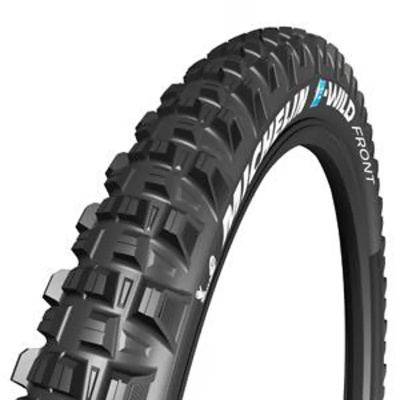
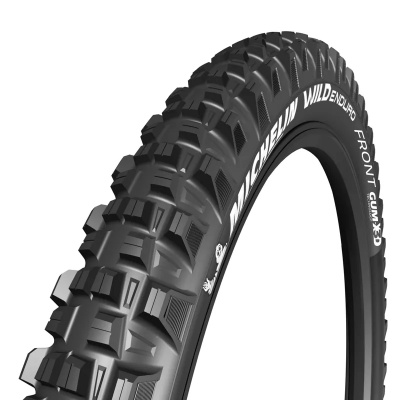
The Wild Enduro Front and Wild Enduro Rear are designed as a pair. The front runs a taller, more open tread with aggressive side knobs for hard cornering loads; the rear is tighter-spaced for better braking traction and faster rolling. Running them as matched set is the intended use, though plenty of riders run a Wild Enduro Front against a faster-rolling rear from another brand. The Magi-X compound - Michelin's ultra-tacky, slow-rebound rubber - is the one to pick for the front on slick or wet ground. It grips like it's slightly sticky to the touch, hanging onto wet limestone and greasy chalk far longer than a harder compound would. Slow rebound means the knobs stay in contact with the surface through a corner rather than pinging back up mid-lean. That front-end security is exactly what you want on technical descents where a washout is the scariest possible outcome.
At the rear, Gum-X makes more sense for most riders. It's a dual-compound construction - harder base for longevity, softer outer layer for traction - and it rolls noticeably faster than Magi-X while still hooking up under braking. Rear tyres wear faster and work harder under power, so the added durability is a practical gain rather than a compromise. The mechanic's default is Magi-X front, Gum-X rear, and it's a setup that holds up across a wide range of UK conditions. Continental's MTB tyres use a similar compound-pairing logic with their BlackChili front and rear-specific options, if you're weighing alternatives.
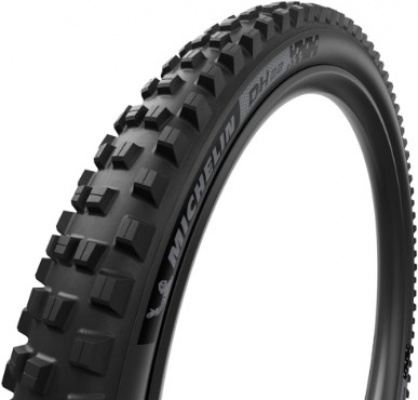
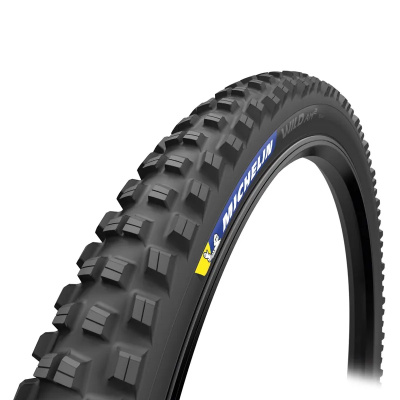
The DH22 suits mixed bike-park days - loamy lines, some rock, variable braking zones. The DH34 is harder-pack specific, with a tighter tread that rolls quickly on dry, firm trails but won't clear mud. Neither is what you'd reach for on a wet Welsh weekend unless the trail centre is running dry. For trail and all-mountain riding where you're climbing as well as descending, the Force AM2 is the more sensible choice - lower rolling resistance, still competent in the wet, and noticeably lighter than the Enduro casings.
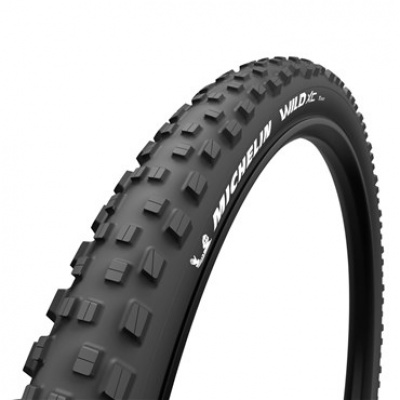
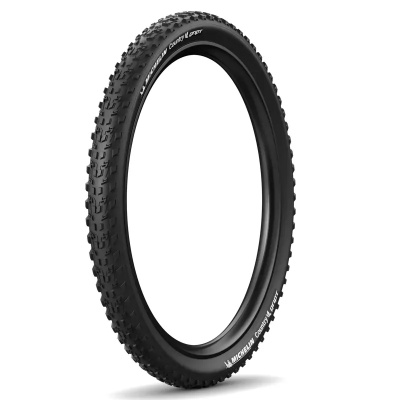
Cross-country riders should look at the Jet XC2. It's a different beast entirely - fast, light, low-volume, and not intended for the kind of abuse the Wild Enduro handles. If your riding is primarily hardpack XC or race-format laps, it's a strong option. If it's everything else, it isn't. Pirelli's MTB range is worth a look for similar XC and trail-focused options at competitive price points.
Surviving UK Trails - Casing Durability and Setup
The Gravity Shield casing is what separates the Wild Enduro from lighter trail tyres. It uses a high-density 3x33 or 3x60 TPI reinforcement - the lower TPI options are heavier but more resistant to sidewall slashes from sharp objects, which matters significantly on flint-heavy South Downs tracks and gritstone edges in the Peak District. A standard trail casing can be cut through by a sharp flint edge in a single strike. The Gravity Shield absorbs and deflects rather than splitting. If you're regularly riding rocky or sharp-edged ground, it's not optional - it's just the right tool.
For DH riding at genuinely low pressures, the Downhill Shield casing doubles down on reinforcement with a double-layer construction that resists pinch flats even when you're running pressures that would feel dangerously soft on a trail tyre. Pinch flat protection at these pressures is about both the casing density and the overall tyre volume - a wider tyre at the same pressure has more air volume, reducing the impact force transmitted to the rim.
Installation is where a few riders come unstuck. Michelin's DH and Enduro casings are stiff - properly stiff - and cold rubber makes it worse. Leave the tyres in a warm room or the back of the car in sunlight for twenty minutes before fitting and the bead becomes noticeably more pliable. Use a high-volume tubeless inflator or a blast from a track pump with a reservoir; trying to seat a cold Gravity Shield casing with a standard floor pump is a test of patience you don't need. Once seated, pair the Tubeless Ready (TLR) casing with a quality sealant - most riders running these tyres in UK conditions find that a sealant with larger latex particles handles sidewall porosity better on the heavier casings. Top up sealant every two to three months in winter when it dries faster through temperature cycling.
For drop-bar off-road riding, the compound technology carries across - see our Michelin gravel and cyclocross tyres page for options built around those geometries.
Michelin MTB Tyres FAQs
Are Michelin MTB tyres tubeless ready?
Most current Michelin MTB tyres - including the Wild Enduro and Force AM2 ranges - carry Tubeless Ready (TLR) designation. You'll need tubeless-compatible rims, rim tape, valves, and sealant to run them without inner tubes. Check the specific model's spec sheet, as a small number of budget or older options are tube-type only.
What is the difference between Michelin Magi-X and Gum-X?
Magi-X is Michelin's tackiest compound - slow-rebound rubber designed for maximum front-end grip in wet or technical conditions. Gum-X is a dual-compound construction that balances rolling speed and tread longevity, making it better suited to rear-tyre duties. The standard pairing is Magi-X front, Gum-X rear.
Which Michelin tyre is best for UK winter mud?
The Wild Mud or the Wild Enduro Front in Magi-X compound are the go-to choices for deep winter slop. Both use tall, widely spaced tread blocks that dig into soft ground and clear mud between knobs quickly, keeping traction consistent when conditions turn properly grim.