
Maxxis MTB Tyres
Maxxis MTB tyres sit at the top of the mountain bike world for good reason - they dominate everything from local trail centres to World Cup Downhill circuits, and the range covers virtually every condition a UK rider will face. The problem isn't quality; it's choice. Tread patterns, casing thicknesses, rubber compounds, rim-width standards - the catalogue is vast, and picking the wrong combination genuinely costs you grip and durability where it matters most.
If you're after relentless traction on wet Welsh roots, the Assegai is hard to argue with. Chasing efficient summer singletrack? The Rekon rolls faster than it has any right to. Worried about sidewall slashes on Peak District rock gardens? That's where DoubleDown casing earns its keep. Getting the front-and-rear combination right - and matching casing to your riding style - is what separates a confident setup from one that has you fishing around in the boot for a tube every other ride.
We've pulled together the full Maxxis range below, with live UK prices across every tread, casing, and compound option, so you can spec your rig properly and get back to riding.
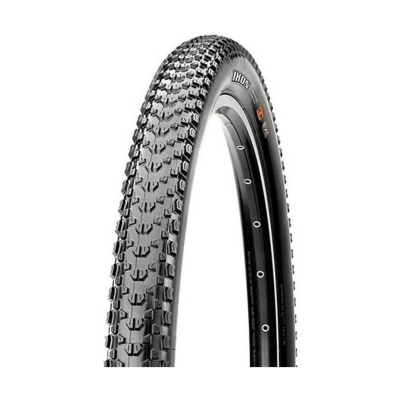
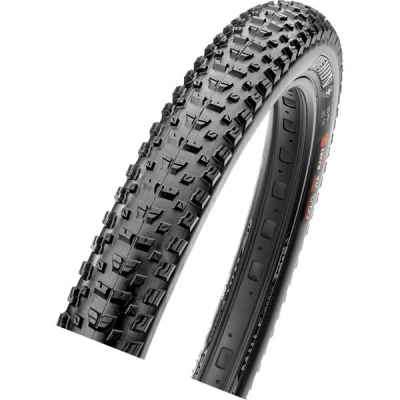
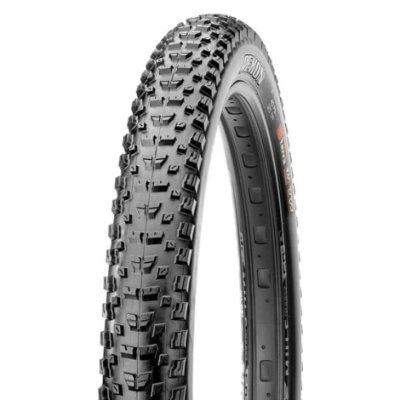
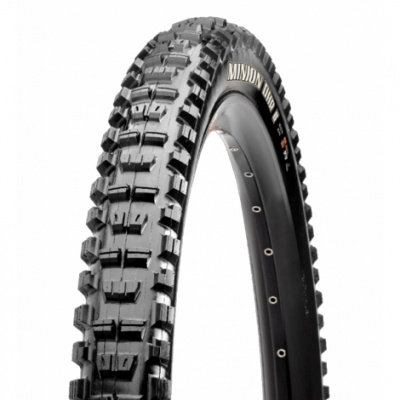
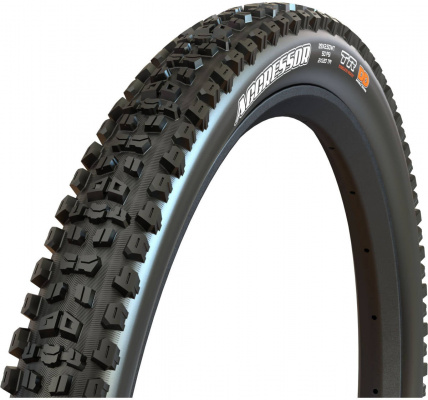
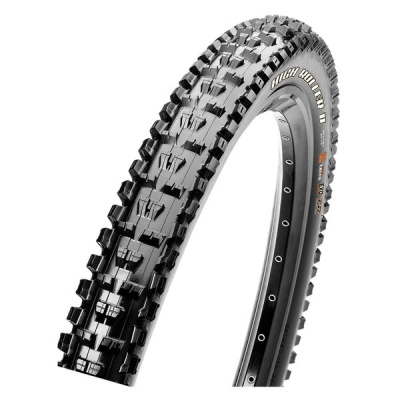
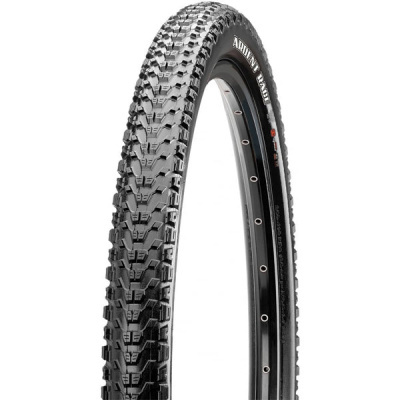
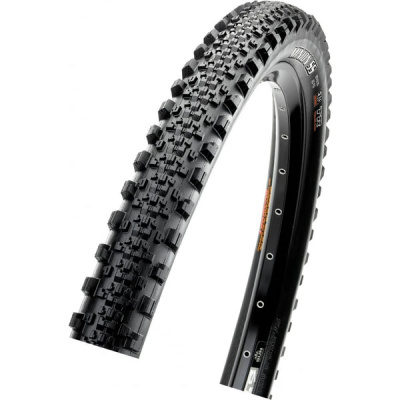
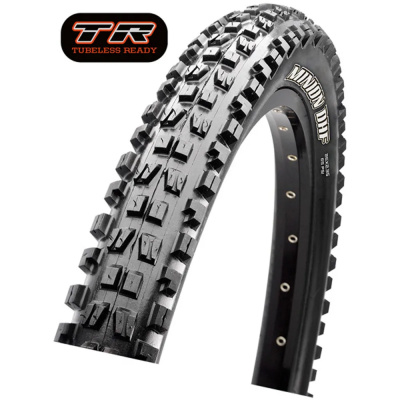
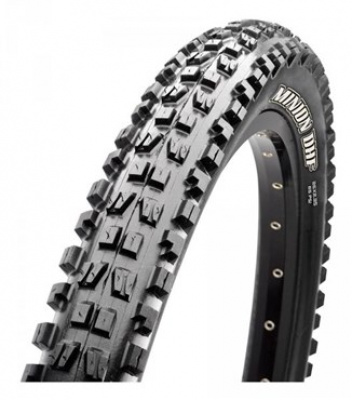
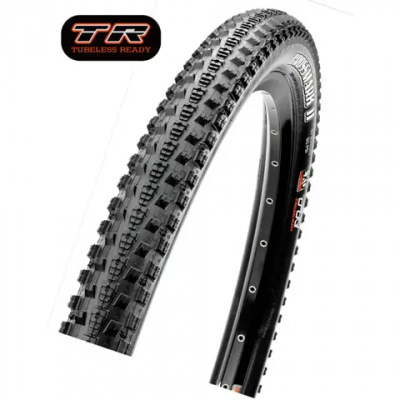
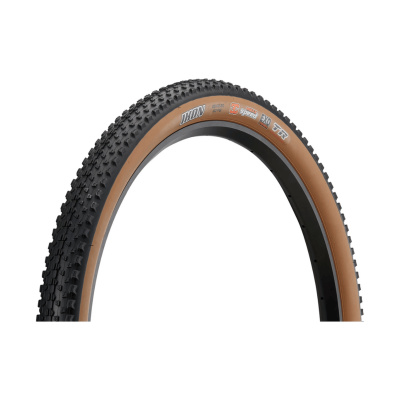
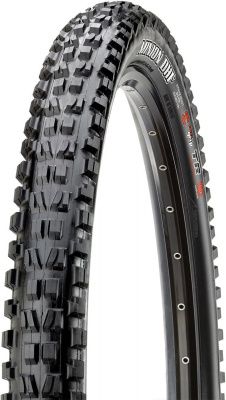
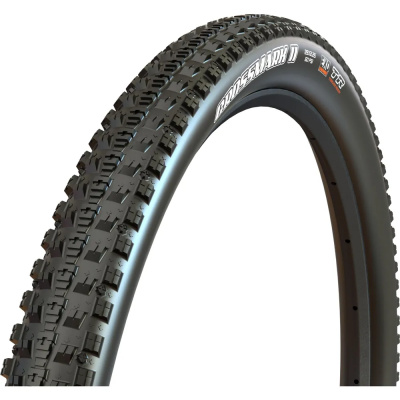
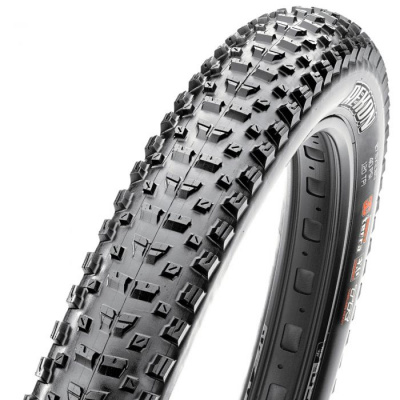
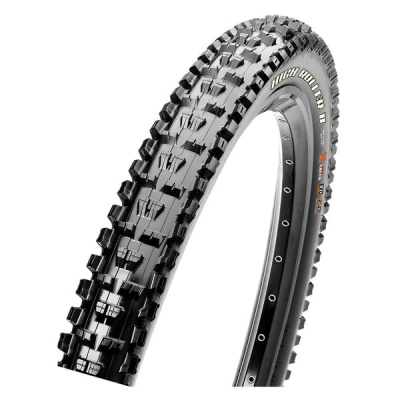
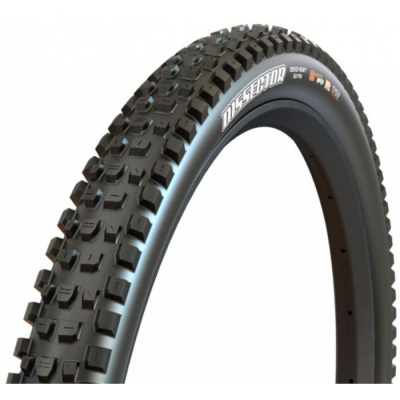
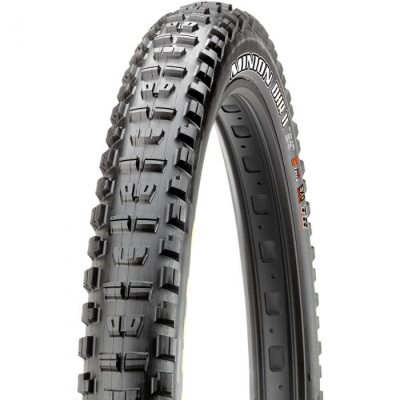
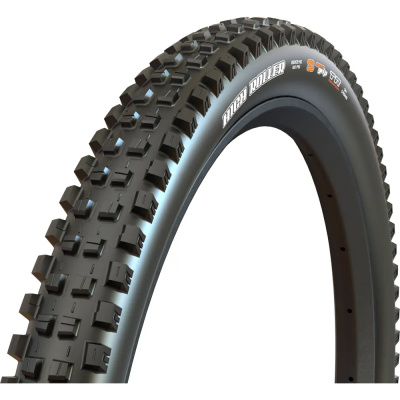
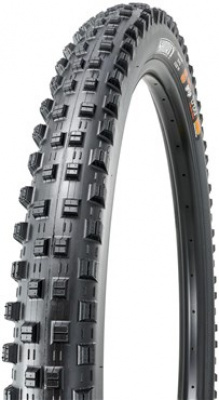
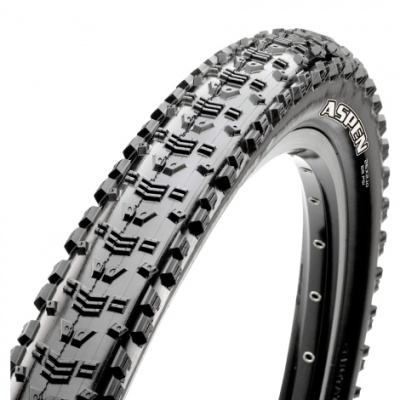
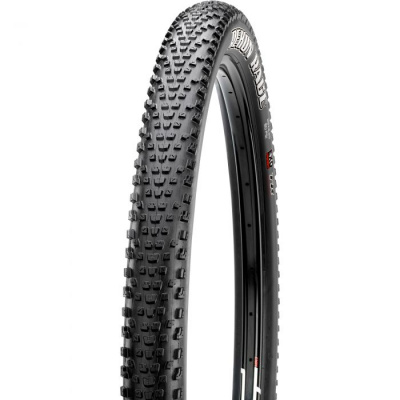
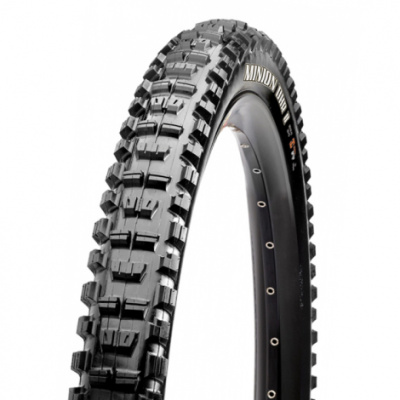
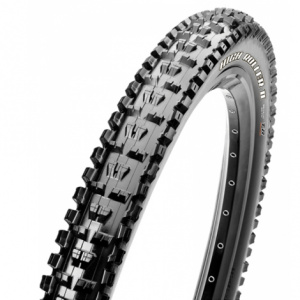
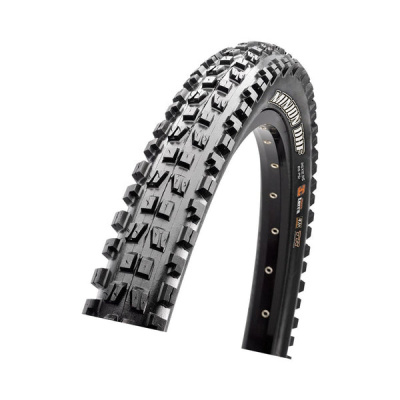
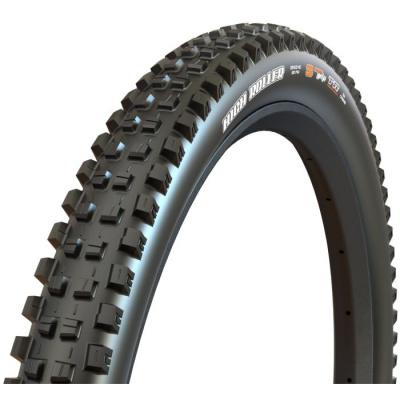
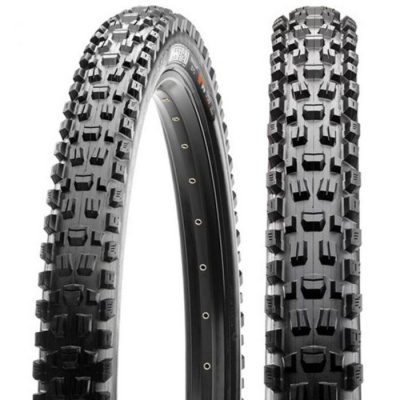
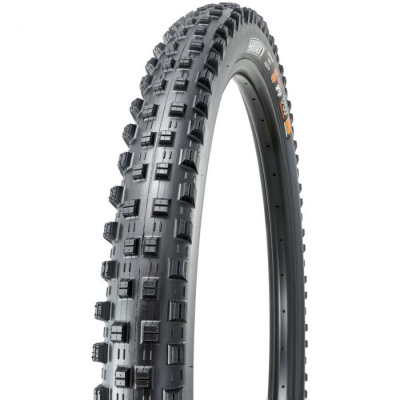

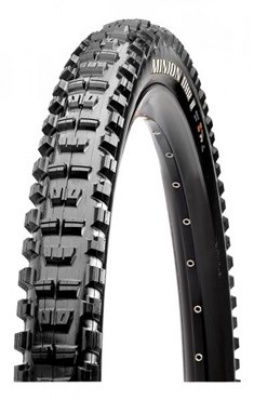
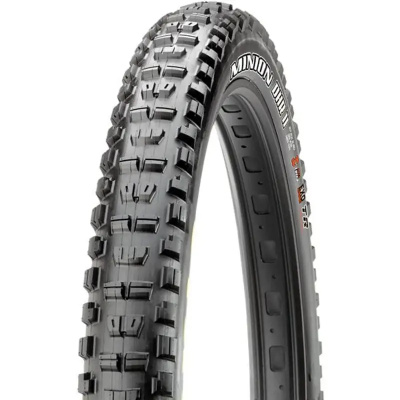
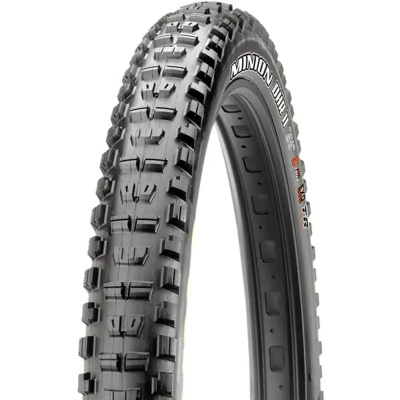
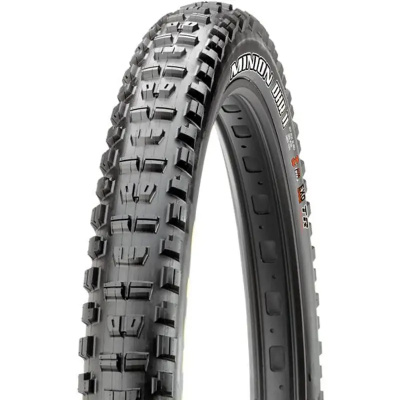
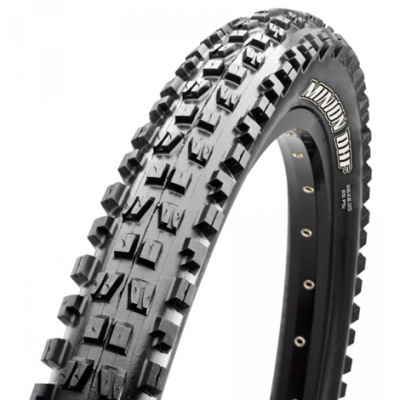
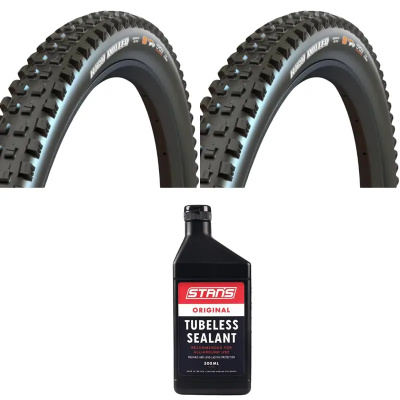
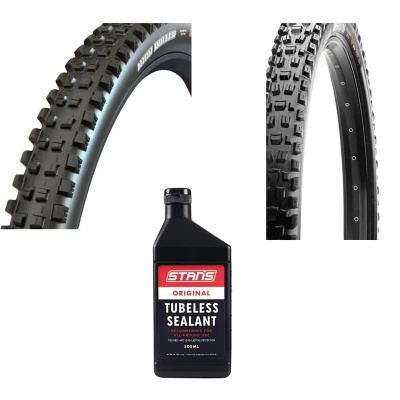
Prices and availability can change quickly. Delivery charges are not always included in listed prices.
Final price, stock status and delivery terms are set by retailer. We may receive a commission on purchases made.
Fitting Maxxis Tyres: Width Standards and Frame Clearance
Before you click buy, the Wide Trail (WT) designation needs addressing - it trips up more riders than it should. WT tyres are engineered specifically for modern rims with an internal width of 30 - 35mm. Mount one on an older 25mm internal-width rim and the tyre profile squares off rather than rounding out correctly. That kills your cornering geometry: the knobs load at the wrong angle and grip drops exactly when you need it most.
Frame clearance is the other consideration. Maxxis tyres run wide - a 2.5 WT can measure closer to 2.6 in real life depending on your rim width - so check your frame's stated clearance before sizing up. Many trail bikes that list 2.4 as the maximum will accept a 2.5 with a sliver of room; some won't. Measure the gap at the chainstay and seat tube before committing, especially if you're running a rear shock with any positive travel progression.
For tubeless fitment, you'll need Tubeless Ready (TR) rims with proper rim tape and a compatible valve. The TR bead technology on Maxxis tyres is reliable, but a poorly taped rim or a worn valve core will lose you pressure overnight. Pair your new tyres with Maxxis tubeless valves for a guaranteed bead seat match, and check your tape is continuous with no air gaps around the spoke holes.
Breaking Down the Maxxis Range: Treads, Casings, and Compounds
Think of the Maxxis catalogue as a matrix: tread pattern sets the grip character, casing sets the protection level, and compound fine-tunes the balance between traction and longevity. Get all three right for your riding and the tyre almost disappears beneath you.
Tread patterns worth knowing:
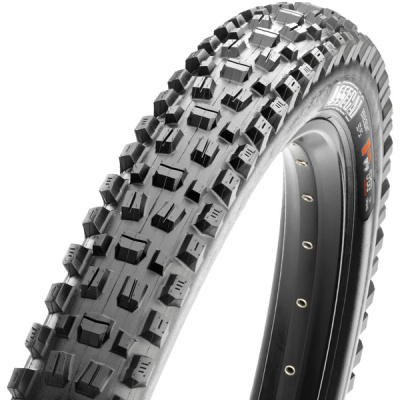
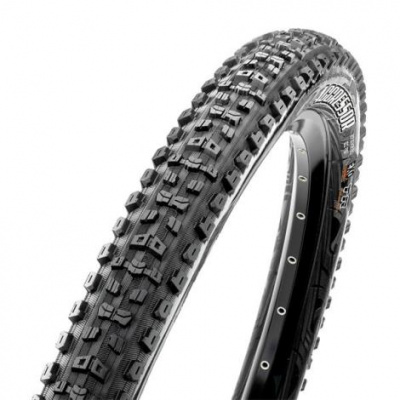
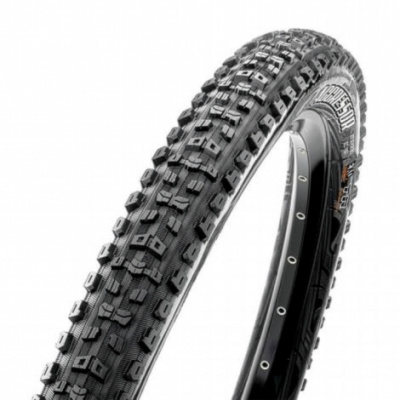
- Assegai - aggressive, widely-spaced knobs built for maximum front-end grip on loose and wet surfaces. Front tyre territory, full stop.
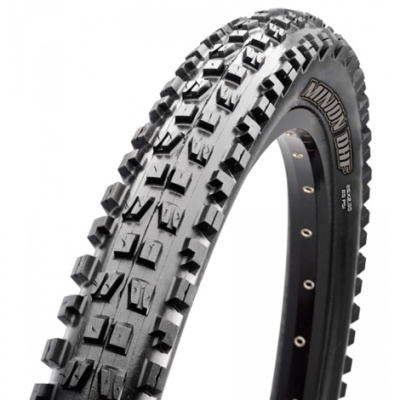
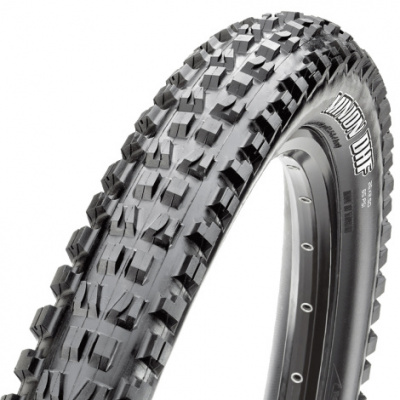
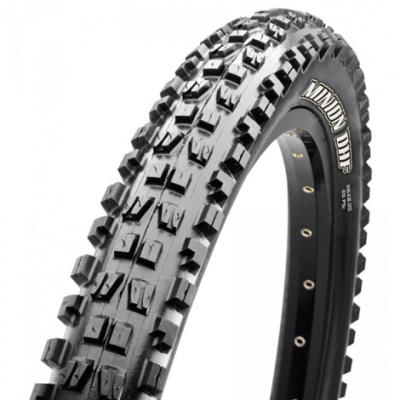
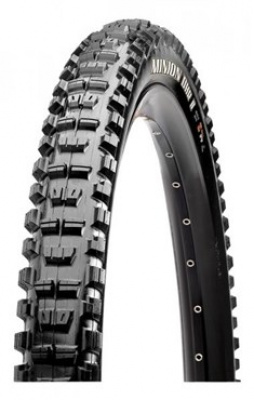
- Minion DHF - the gold standard front tyre for good reason. Ramps and side knobs work together for braking bite and confident cornering across a huge range of conditions.
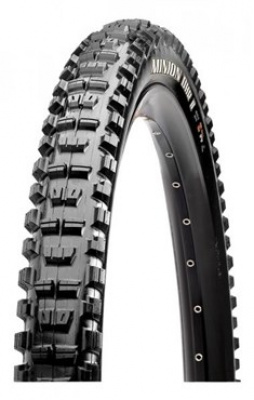
- Minion DHR II - the natural rear partner to the DHF. Tighter tread spacing than the front gives better braking traction and resists squirm under power. The Maxxis Minion DHF DHR combo remains the most widely trusted pairing in trail and enduro riding.
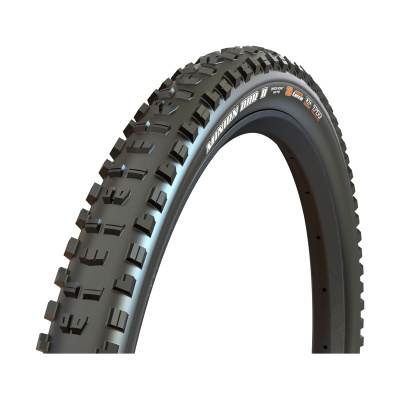
- High Roller II - designed for loose-over-hard conditions. Good on dry dusty trails; less convincing once things get greasy.
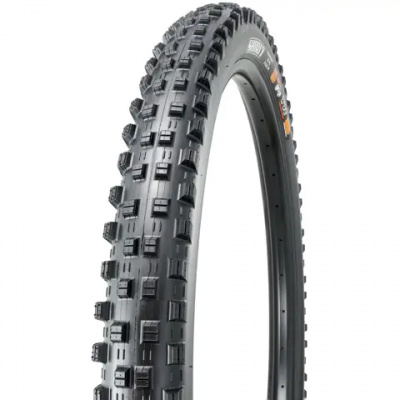
- Shorty - the dedicated mud tyre. Open, widely-spaced knobs clear clarts fast; not the tyre for dry days.
Casing construction:
- EXO - a lightweight puncture-resistant layer in the sidewall. Fine for general trail riding on a hardtail or light trail full-sus.
- EXO+ - adds a SilkShield layer running bead to bead, giving meaningfully better resistance to sidewall slashes and pinch flats. The practical choice for enduro riding or heavier riders on technical ground.
- DoubleDown (DD) - dual-ply construction that adds real mass but handles e-MTBs and gnarly enduro use without flinching. If you're regularly riding Gnar at Bike Park Wales or rocky descents in the Lake District, this is the casing that stops you binning sidewalls on every outing.
- Downhill (DH) - maximum protection, maximum weight. Park riding or racing only.
3C Triple Compound Technology runs through the upper end of the range and it's worth understanding before you spec:
- 3C MaxxSpeed - hard centre compound for low rolling resistance; softer edges for cornering. XC and marathon use.
- 3C MaxxTerra - the all-rounder. Centre compound rolls efficiently enough; edge compound grips well in mixed conditions. The sensible default for UK trail riding.
- 3C MaxxGrip - the stickiest compound Maxxis makes, and it shows in wet-root grip. Wears faster on anything abrasive, which matters on UK trail centres with their gritty aggregate surfaces.
While you're speccing tyres, it's worth sorting your entire tubeless setup in one go. Maxxis inner tubes are a sensible backup to carry, and Maxxis tyre levers make bead-breaking on tight-fitting TR tyres considerably less of an ordeal.
UK Durability and Maintenance: Mud, Flint, and Temperature Swings
Running MaxxGrip on the rear in UK conditions is a common mistake. The compound grips brilliantly but it degrades quickly on the hardpack and gritty aggregate you'll find on most trail centres - you'll be replacing a rear tyre every few months if you push it. The smarter setup is MaxxGrip on the front where traction is critical and wear is slower, paired with 3C MaxxTerra on the rear where the balance of grip and durability actually holds up across a full UK season.
Sidewall protection matters more here than in many places. Sharp flint in the North Downs, slate in Snowdonia, and angular gritstone across the Peak District will find weak sidewalls fast. For anything technical in those areas, EXO+ is the minimum sensible casing - DoubleDown if you're running a heavier e-MTB or you're the type who charges first and thinks second. If you're comparing options, Continental MTB tyres offer an alternative if you want a different sidewall protection philosophy, while Michelin MTB tyres are worth a look for riders who prioritise rolling efficiency alongside durability.
On tubeless maintenance: UK temperature swings - warm August descents to near-freezing February mornings - dry out sealant faster than riders expect. Top up every three to four months as a minimum, and inspect at the start and end of each season. A tyre that sealed beautifully in September can be running on a dried latex plug by January. If you're switching to tubeless for the first time, WTB MTB tyres and Vittoria MTB tyres are the two alternatives most commonly compared to Maxxis tubeless setups at a similar price point - useful context if you're weighing up the Maxxis Assegai vs Minion decision and wondering whether a different brand might suit your specific riding better.
For winter mud, the Shorty earns its place when trails turn to porridge, but match it carefully - a Shorty front and a DHR II rear covers most UK winter scenarios without going full mud-specific on both ends and losing the plot on anything remotely dry. Carrying a best Maxxis MTB tyres for UK winter shortlist of two or three tread options through the colder months is how most experienced riders manage the variable conditions.
Maxxis MTB Tyres FAQs
What is the difference between Maxxis EXO and EXO+?
EXO is a reinforced sidewall layer that handles general trail riding well - light, adequate protection for most cross-country and trail use. EXO+ adds a SilkShield layer running bead to bead, which gives you noticeably better resistance to pinch flats and sidewall slashes. If you ride aggressively, run an e-MTB, or spend time on rocky technical ground, EXO+ is the one to go for.
Which Maxxis tyre is best for front and rear?
The Minion DHF or Assegai up front paired with the Minion DHR II on the rear is the most widely trusted combination across trail and enduro riding. The front tyre prioritises cornering grip and braking traction; the rear needs to roll efficiently and handle braking forces without squirming. Different treads front and rear makes a bigger difference than most riders expect.
What does Maxxis Wide Trail (WT) mean?
Wide Trail means the casing and tread profile are optimised for rims with an internal width of 30 - 35mm. On a modern wide rim the tyre rounds out correctly and the cornering knobs load at the right angle. Put a WT tyre on an older 25mm internal-width rim and the profile squares off, which genuinely hurts cornering grip - worth checking your rim spec before you order.