
Continental MTB Tyres
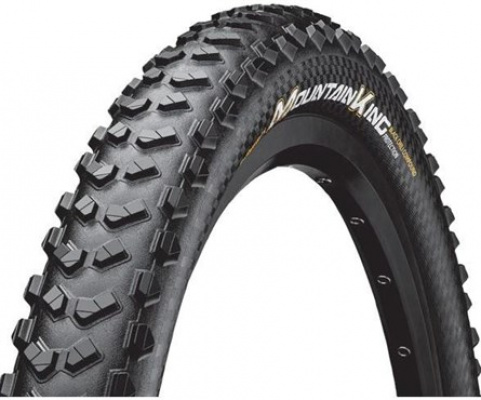
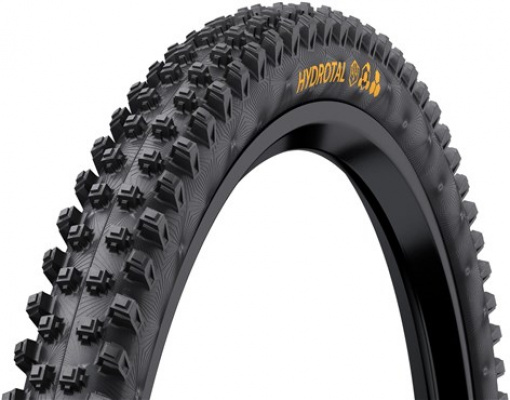
Continental MTB tyres have earned their place on UK bikes the hard way - wet chalk in the South Downs, slick slate in Snowdonia, and the kind of greasy root networks that make you reconsider your life choices mid-corner. The revamped gravity range - Argotal, Kryptotal, Xynotal - covers everything from winter slop to hardpack hero dirt, while the XC line-up with Race King and Cross King keeps fast-rolling riders honest. What ties it all together is BlackChili compound, Continental's proprietary rubber blend that gives you genuine grip without the sluggish, dead-rubber feeling you get from cheaper alternatives. You're not just buying a tyre; you're buying a predictable contact patch when the trail gets nasty.
The range is structured around casing tiers - Downhill, Enduro, Trail, and ProTection - and compound options from SuperSoft through to Endurance, so you can mix and match front and rear to suit your riding. Whether you want maximum bite up front and durability out back, or a faster-rolling setup for XC racing, there's a combination that fits. Browse UK retailer prices below and find the right casing, compound, and width for your wheels.
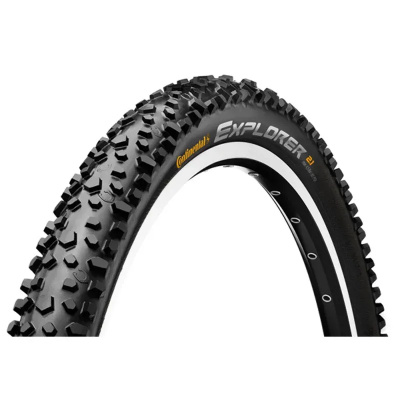
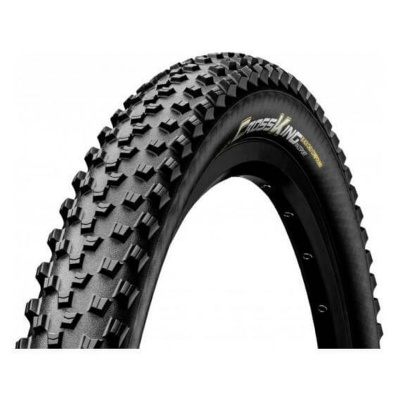
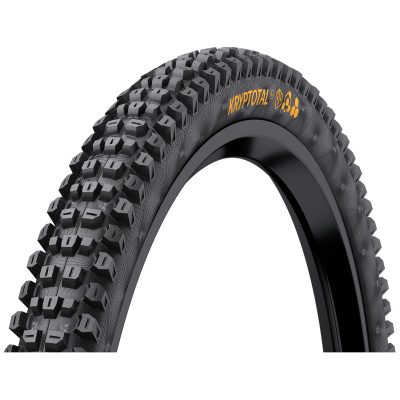
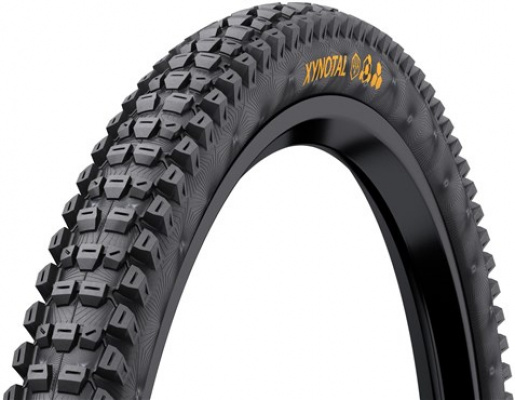
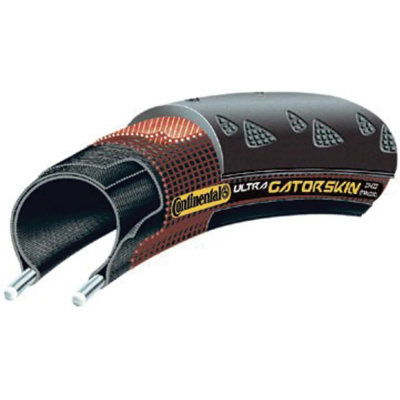
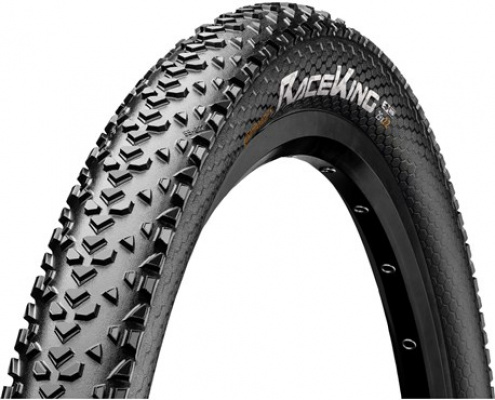
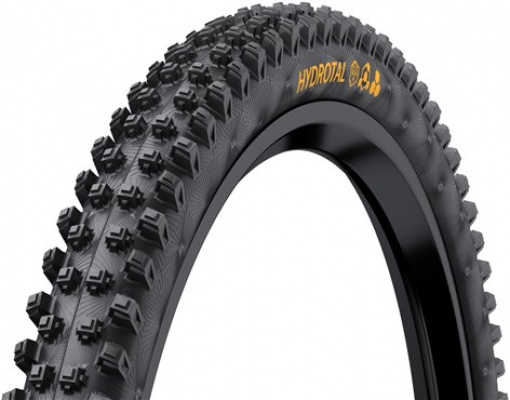
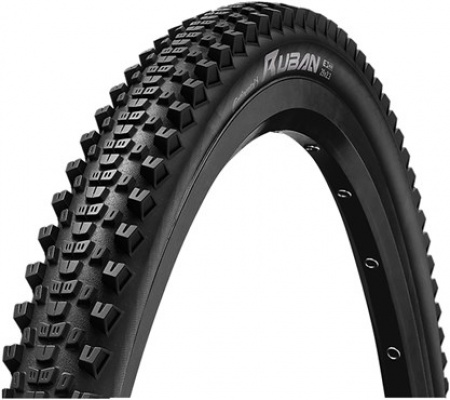
Prices and availability can change quickly. Delivery charges are not always included in listed prices.
Final price, stock status and delivery terms are set by retailer. We may receive a commission on purchases made.
Tubeless Compatibility and Getting the Setup Right
All modern premium Continental MTB tyres - anything running ProTection, Trail, Enduro, or Downhill casings - are Tubeless Ready (TR). The folding bead seats cleanly on a compatible rim, and the casing construction is tight enough to hold air and sealant without the fuss you sometimes get with budget rubber. That said, Downhill casing tyres are a different beast. The 6-ply build that makes them so resistant to slashes and pinch flats also makes them stiff and genuinely hard work to seat. Strong tyre levers, proper Continental tyre levers, and a floor pump with a boost chamber aren't optional - they're the difference between a successful setup and a sweary afternoon in the garage.
Width matters too. Modern Continental gravity tyres in 2.4" to 2.6" widths perform best on rims with 25mm to 30mm internal width. Run them on a narrower rim and you lose the rounded profile that makes the cornering so confidence-inspiring; go too wide and the sidewall can fold unpredictably. For a complete tubeless build, you'll also want airtight Continental rim tape and the right valve extenders if your rims are deep-section.
How the Range Breaks Down: From Mud Pit to XC Race
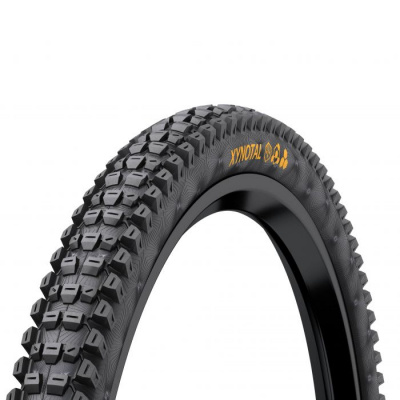
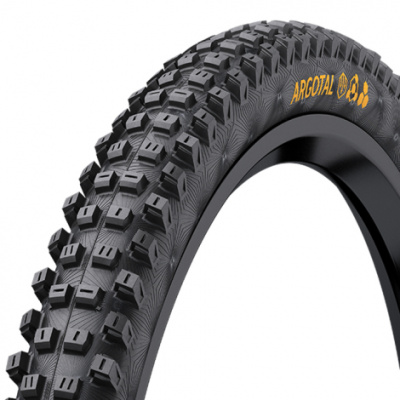
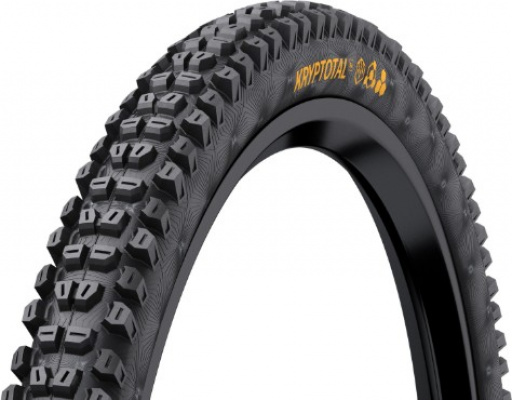
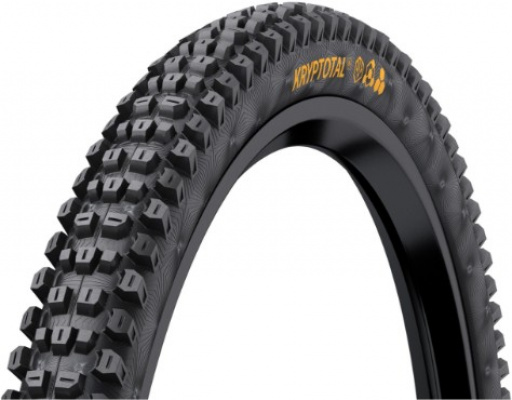
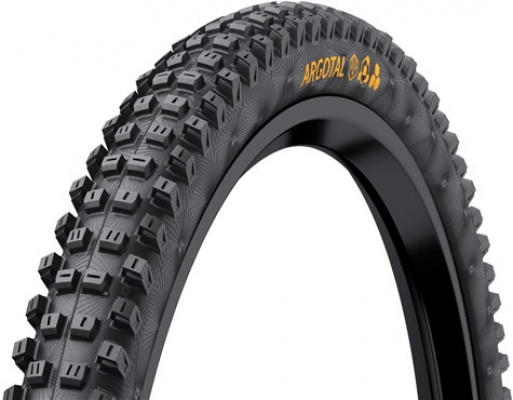
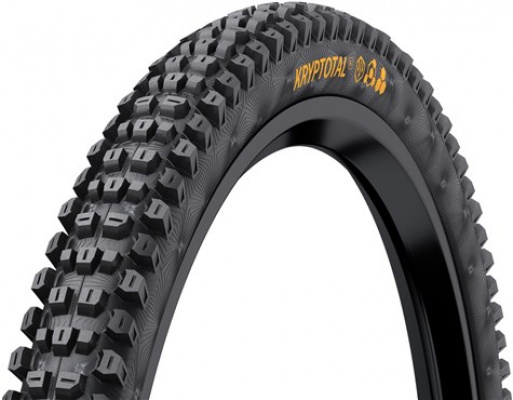
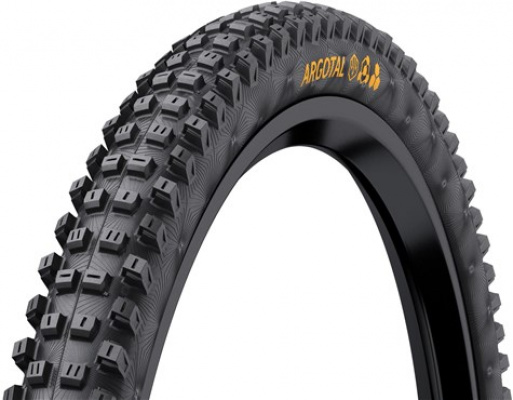
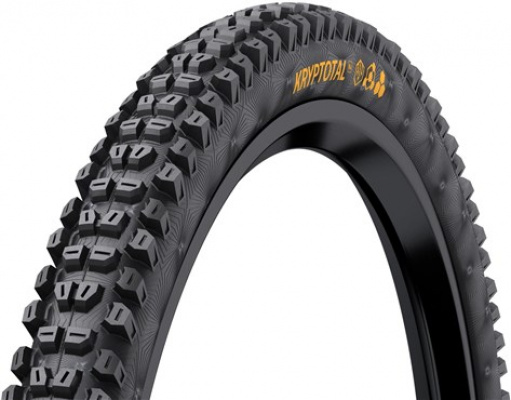
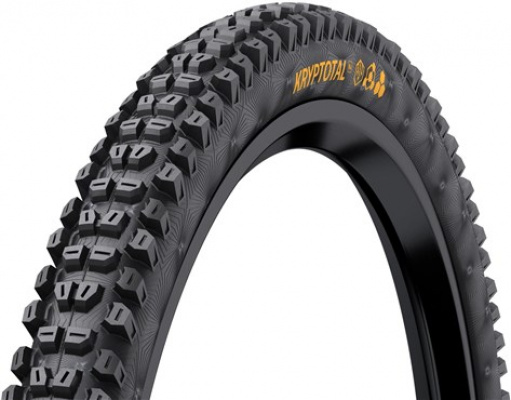
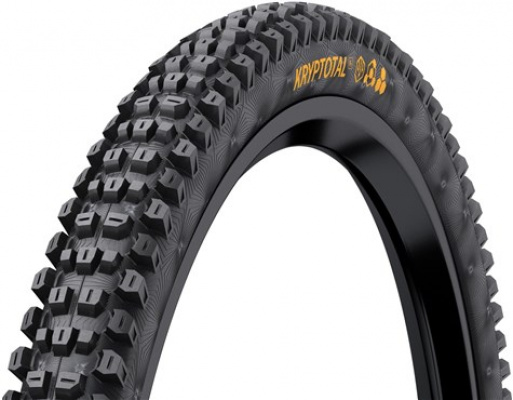
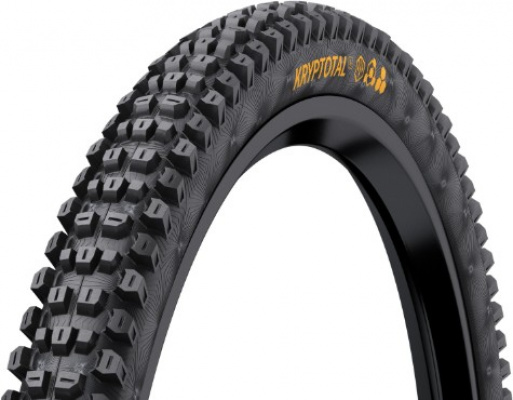
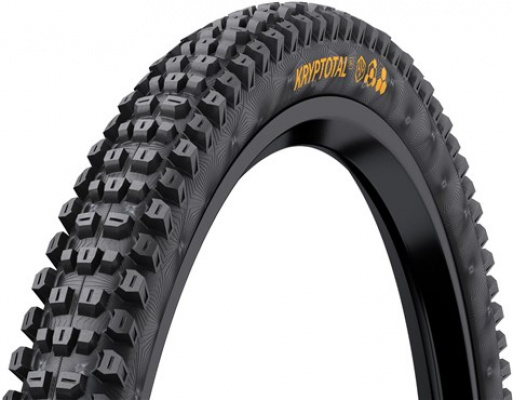
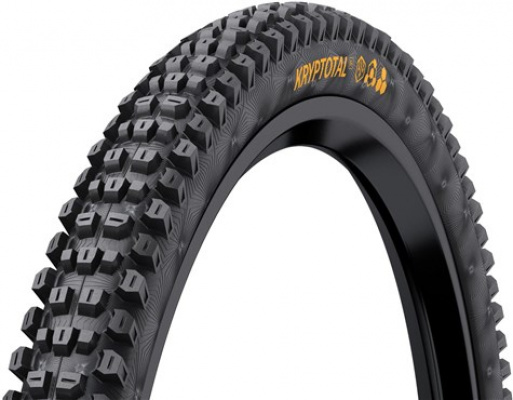
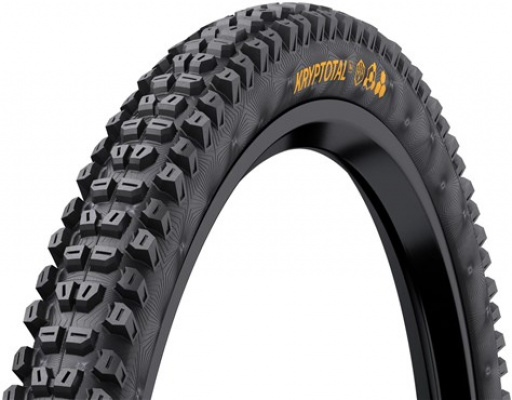
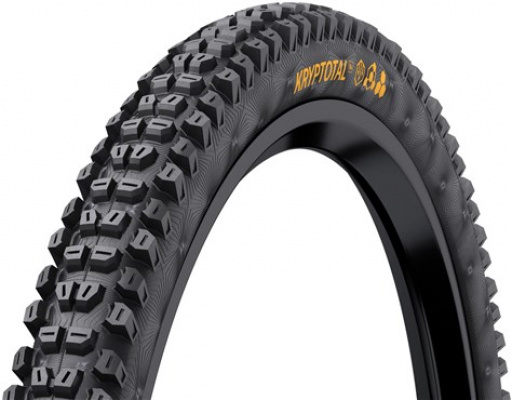
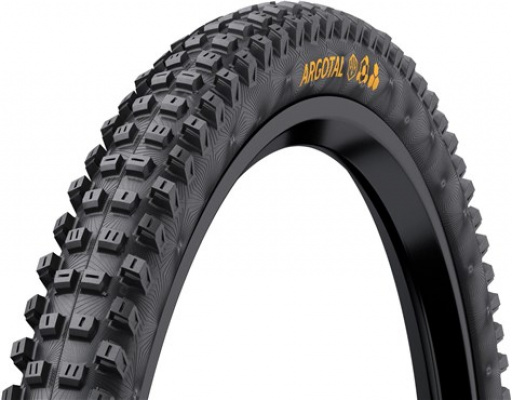
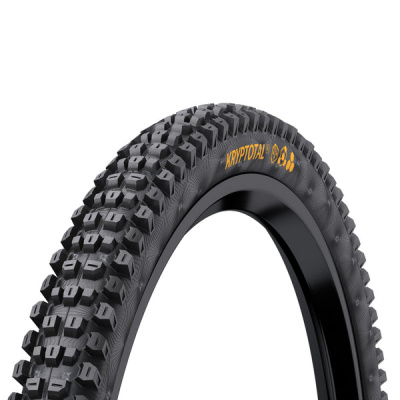
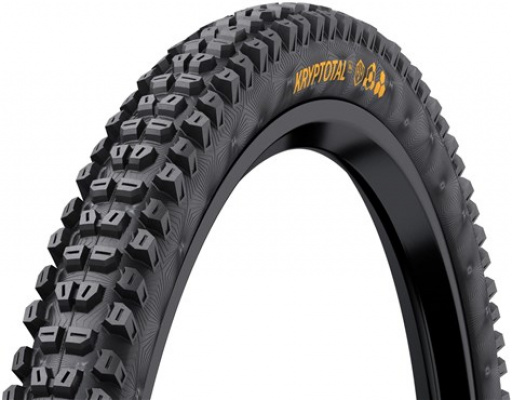
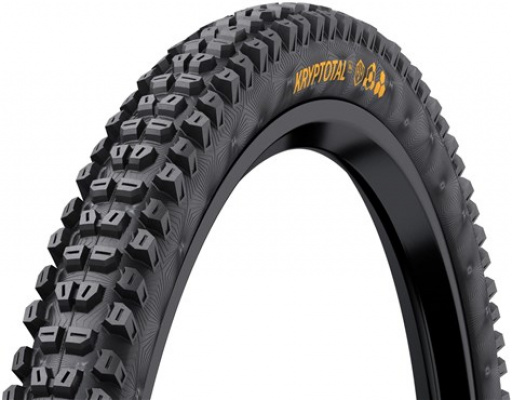
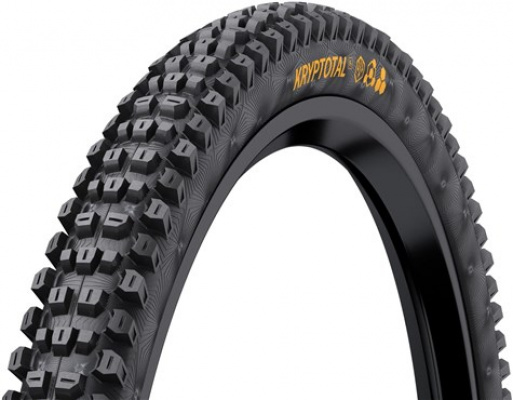
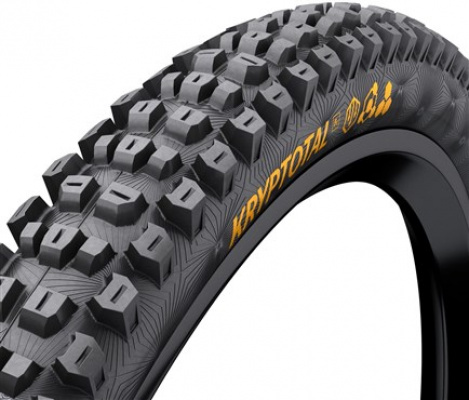
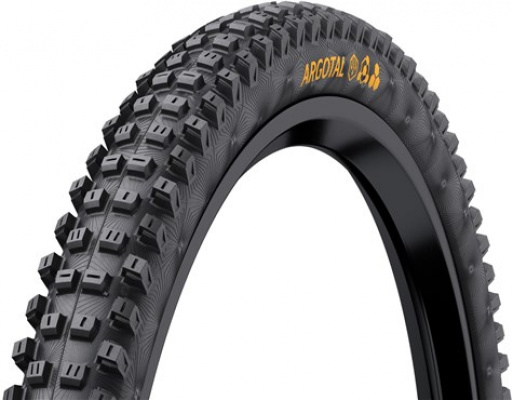
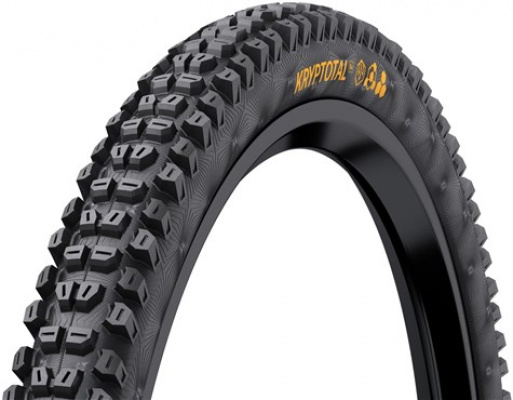
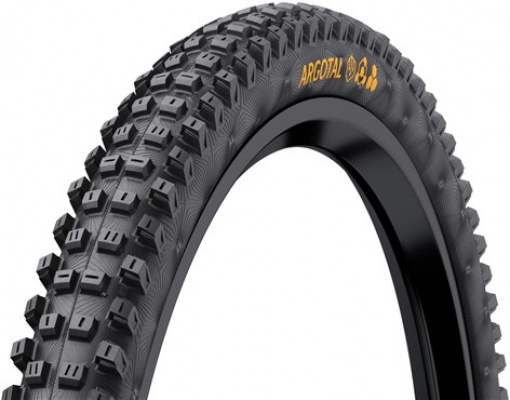
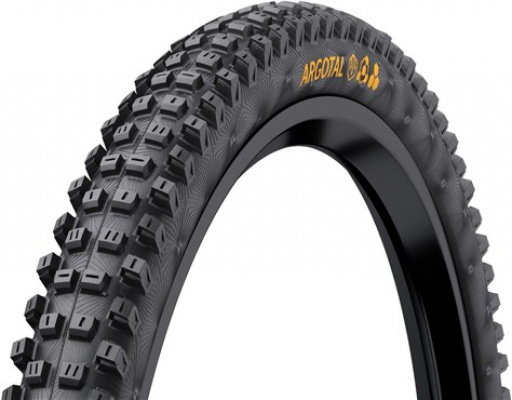
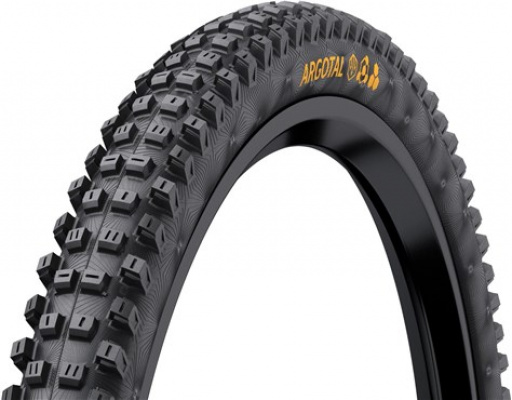
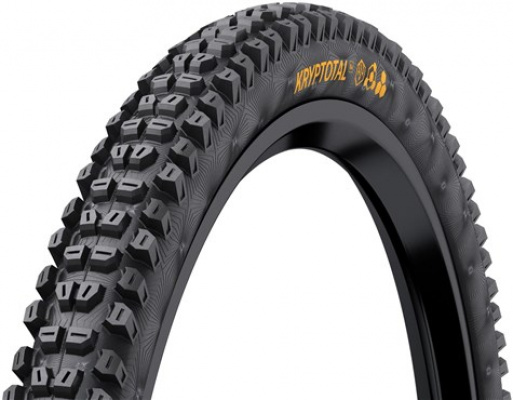
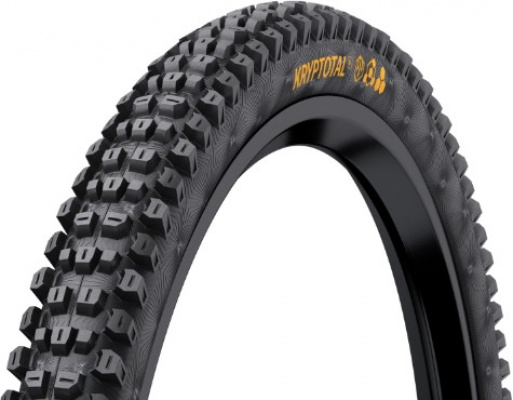
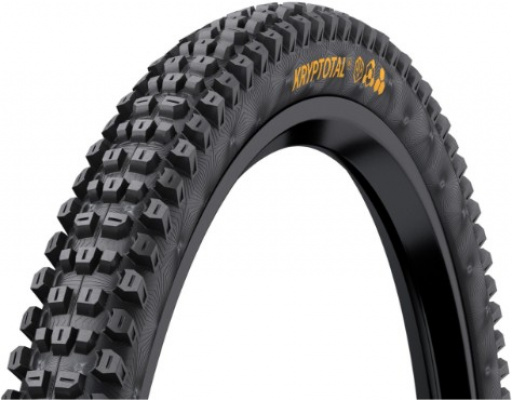
Continental's modern naming convention makes more sense once you see it laid out. In the gravity and enduro end of the range, the Argotal is your loose and muddy conditions tyre - widely spaced knobs that clear thick winter slop efficiently rather than packing up and turning into a slick. The Kryptotal sits in the mixed conditions bracket, and it's where most UK trail riders will spend their time. The Xynotal is the hardpack option, lower-profile and faster rolling when the ground firms up in summer.
The Kryptotal Fr and Kryptotal Re are not interchangeable. The Fr (front) runs taller, more aggressive side knobs built around cornering bite and braking grip. The Re (rear) uses a tighter tread layout to reduce rolling resistance and improve power transfer - put it on the front and you'll miss that cornering security immediately. Fit them the right way round and the pairing is coherent and well-matched.
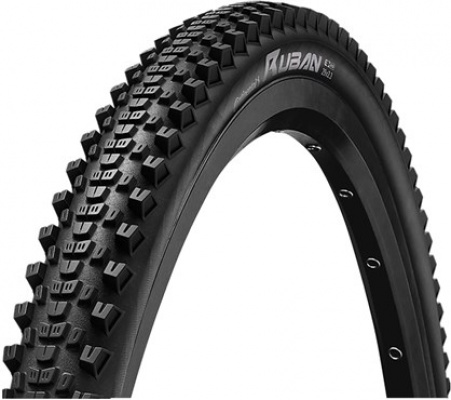
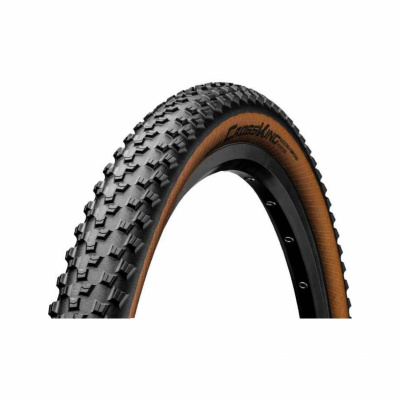
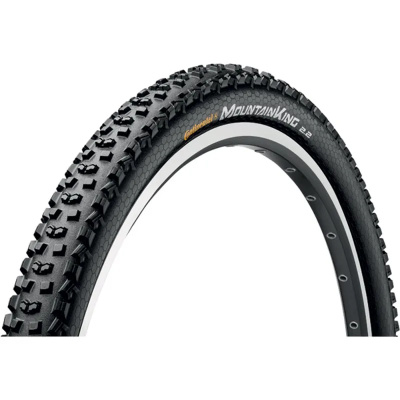
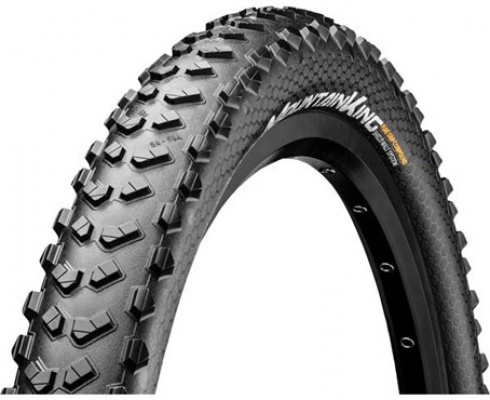
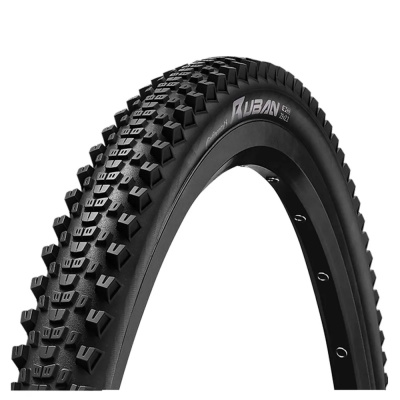
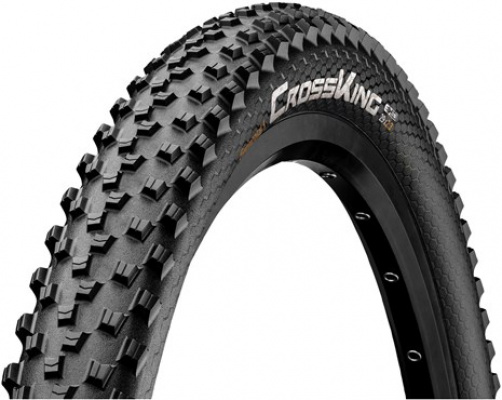
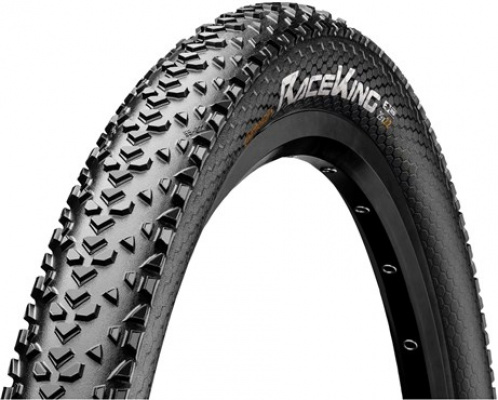
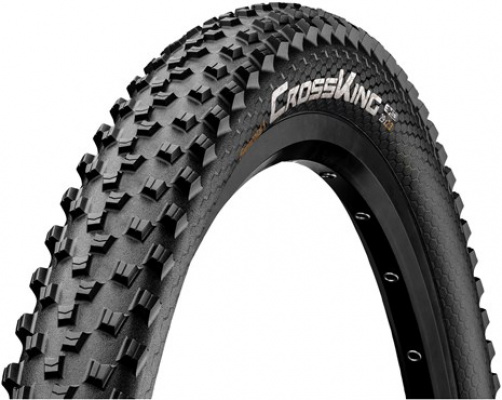
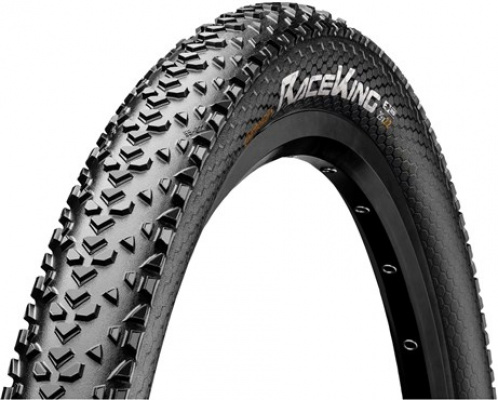
For XC and trail riding, the Race King is Continental's fast-rolling benchmark - light, low resistance, designed for riders chasing times on smoother singletrack. The Cross King adds a bit more tread for mixed days and rougher lines without adding much weight. Both are available in ProTection casing, which adds a puncture-resistant layer across the centre tread - worth the marginal weight penalty for anything other than pure race day use.
The compound tiers give you real flexibility. Run SuperSoft on the front for maximum deformation and grip in corners, particularly on wet roots and loose-over-hard ground where traction is at a premium. On the rear, Soft or Endurance compound makes more sense - the rear tyre takes more punishment from braking and pedalling forces, and the harder compounds hold up noticeably longer without giving away too much grip. If you're comparing options, Maxxis MTB tyres use a similar dual-compound logic with their 3C MaxTerra and MaxGrip blends, while Michelin MTB tyres take a slightly different approach with their Gum-X compound on the Wild range. Continental's BlackChili sits comfortably in that conversation - it's not a marketing label, it's a measurably different rubber formulation with genuine grip and lower rolling resistance than most budget compounds.
Upgrading from the entry-level ShieldWall casing to Enduro casing (single-ply with Apex sidewall reinforcement) is worth doing if you're riding anything technical in the UK. The Apex reinforcement runs around the lower sidewall where flint, slate, and sharp rock edges do the most damage - it won't make the tyre indestructible, but it significantly reduces the slash punctures that end rides in places like the Peak District gritstone or Welsh trail centres. The Downhill casing steps that up further to a 6-ply build for bike park riding and shuttled descents where weight is less of a concern than survival.
Making Continental Tyres Last Through a UK Winter
UK winters are hard on tyres. The combination of abrasive grit, standing water, and clay-heavy mud accelerates wear faster than dry summer riding. For winter slop, the Argotal in Soft BlackChili compound is a strong pick - the tread clears mud without packing, and the Soft compound stays pliable enough to grip when the temperature drops toward the kind of days where you're questioning your commitment to the sport.
Pressure is something worth dialling in carefully. Dropping 2 to 3 PSI below your usual setting when riding wet roots makes a noticeable difference to how the tyre conforms to the surface. It's a small adjustment with a real payoff in traction. Don't go too low without checking your rim diameter and casing rating - Enduro casing tyres can handle lower pressures than Trail casings before you risk rim strikes.
Sealant doesn't last forever, especially in the UK's damp climate. Top up every three to four months as a baseline - more often if you're riding frequently or the tyre has sealed a few punctures and used up the latex. In deep winter, some riders prefer to run inner tubes to avoid sealant freezing or clumping in the tyre, accepting the slightly higher puncture risk in exchange for a reliable setup that doesn't need babysitting. If that's your approach, Continental's own inner tubes are sized to match their tyre widths correctly, which removes one variable from an already unpredictable season. Brands like Vittoria and WTB offer similar tubeless-ready options if you're building a mixed quiver across different bikes.
Continental MTB Tyres FAQs
Are Continental MTB tyres tubeless ready?
Yes. All modern Continental MTB tyres with ProTection, Trail, Enduro, or Downhill casings are Tubeless Ready (TR). You'll need a compatible rim, tubeless rim tape, valves, and sealant to complete the setup. Downhill casing tyres are stiff to seat - a boost pump and proper tyre levers make the job considerably less painful.
What is the difference between Continental Kryptotal Fr and Re?
The Kryptotal Fr (front) has taller, more aggressive side knobs for cornering grip and braking traction. The Kryptotal Re (rear) runs a tighter tread pattern to reduce rolling resistance and improve pedalling efficiency. They're designed as a matched pair - fitting the Re on the front will cost you cornering confidence noticeably.
How long do Continental BlackChili tyres last?
It depends on the compound tier. Endurance compound will comfortably see you through a full season of heavy riding. SuperSoft wears faster - that's the trade-off for maximum grip on demanding trails. Don't swap a worn front tyre to the rear to extend its life; Continental's modern front and rear tread designs are direction and position-specific.