
Brooks Saddles
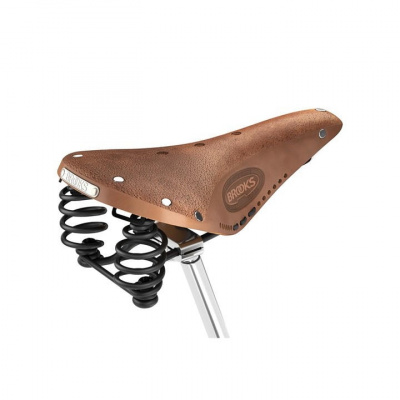
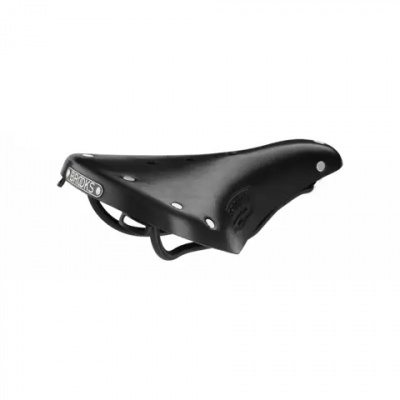
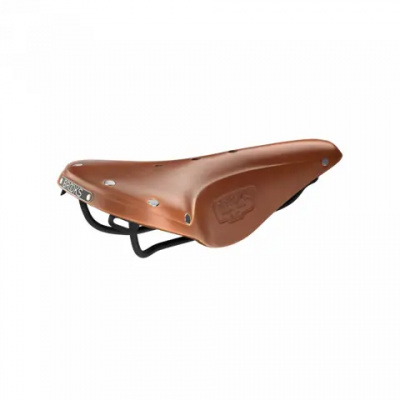
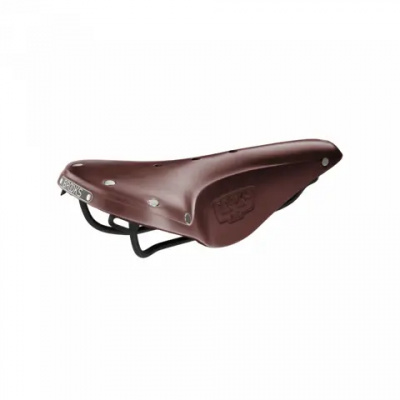
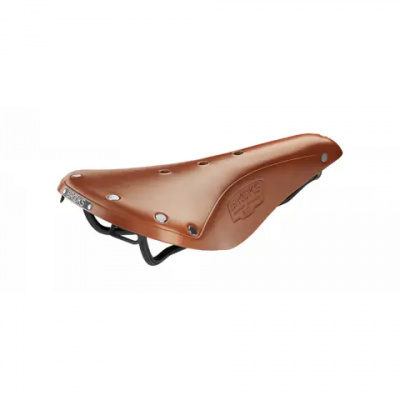
Brooks Saddles have been the go-to choice for long-distance tourers and daily commuters for well over a century - and the reason riders keep coming back is simple: no other saddle does what these do. The core design suspends you between the nose and tail in what Brooks calls the hammock effect, letting the saddle flex and absorb road chatter rather than transmitting it straight up your spine. Foam saddles dampen vibration; a Brooks works with your body weight, which is a fundamentally different sensation once you've felt it.
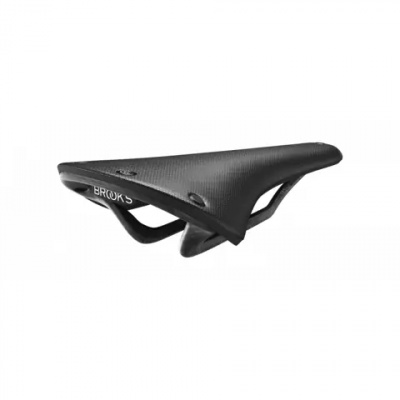
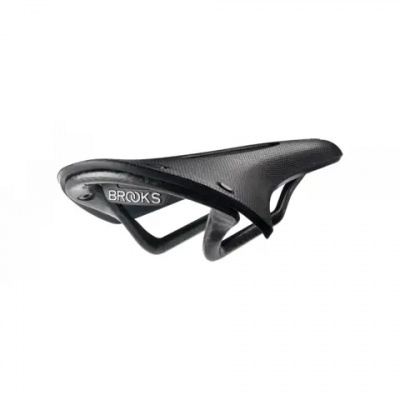
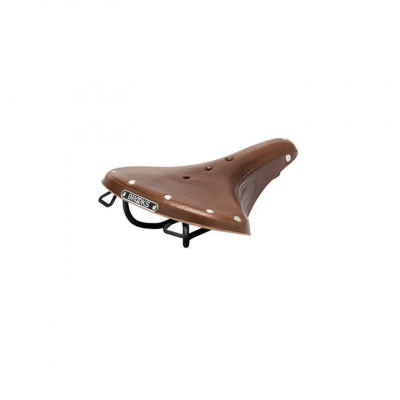
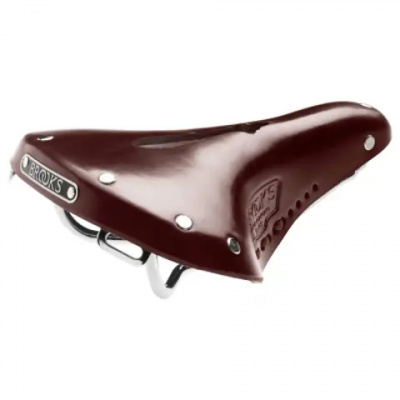
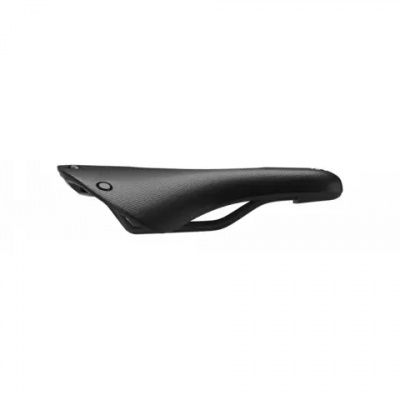
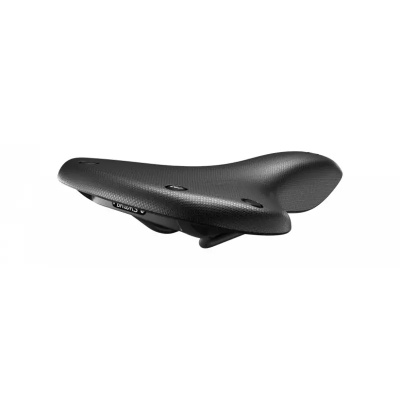
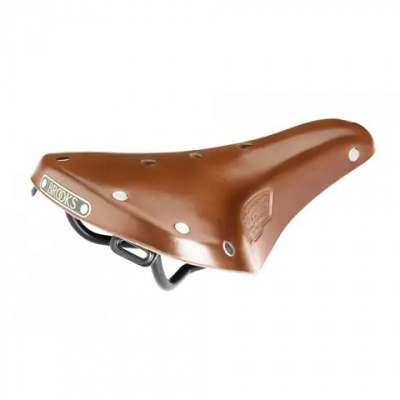
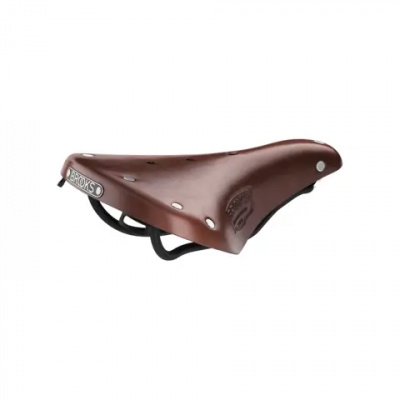
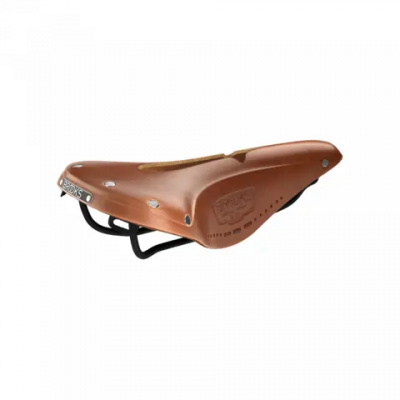
There are two distinct families to choose from. The leather range - including the iconic B17 - uses vegetable-tanned leather that gradually moulds to your specific sit bone width and riding position over hundreds of miles. It's an investment that pays back in personalised comfort you simply can't buy off the shelf. The Cambium range takes the opposite approach: vulcanised natural rubber tops, zero break-in, completely weatherproof, and ready to perform on your first ride. For UK commuters dealing with year-round rain and road grit, that distinction matters more than it might elsewhere. Use the comparison tool below to find the right Brooks saddle at the best UK price.
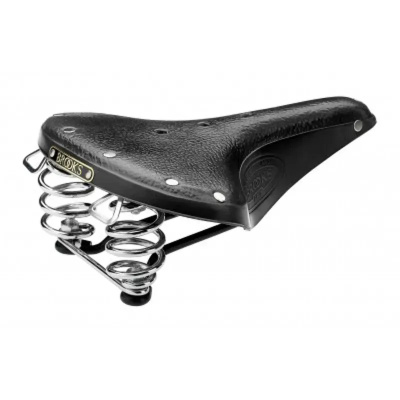
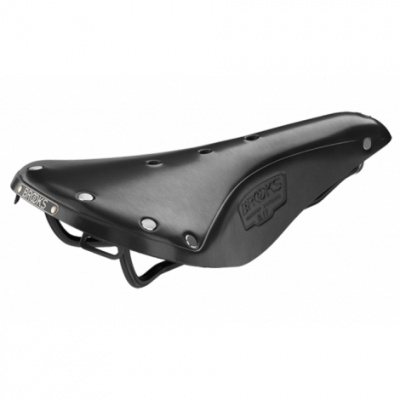
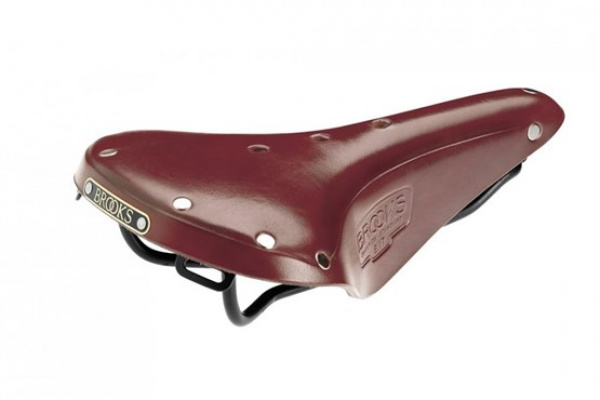


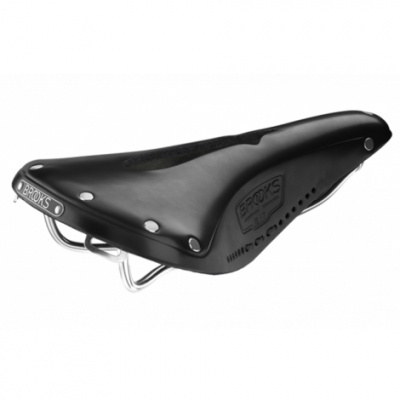
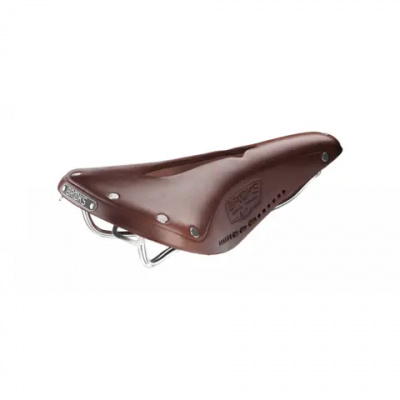
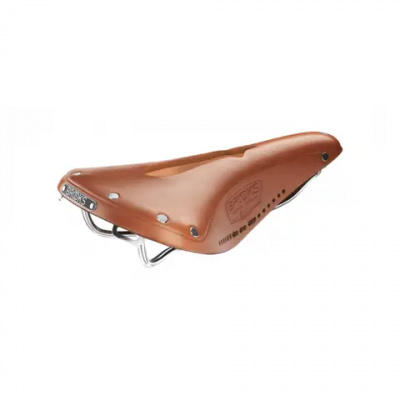
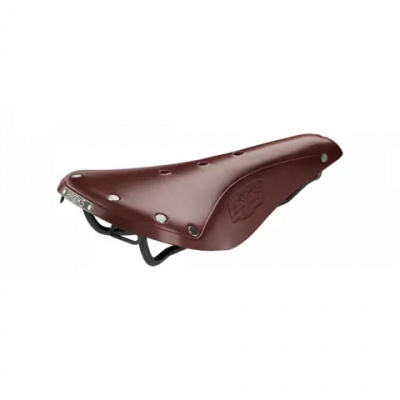
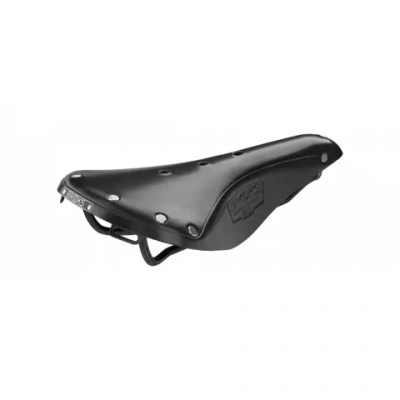
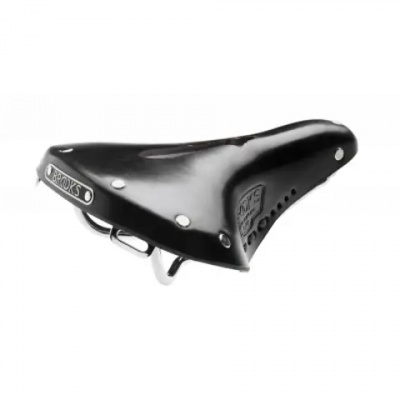
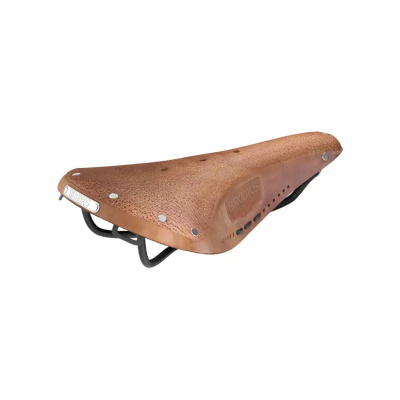
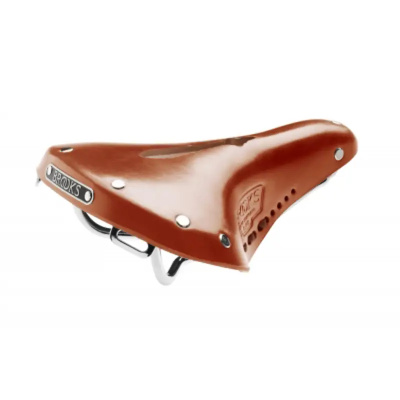
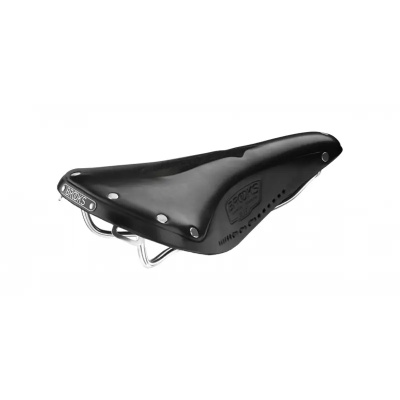
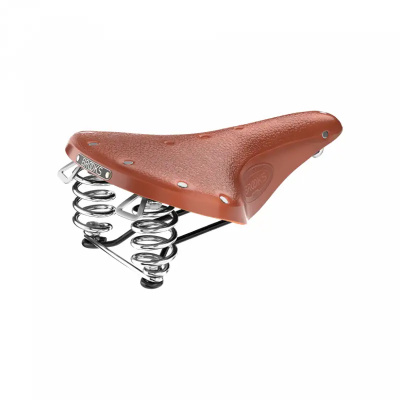
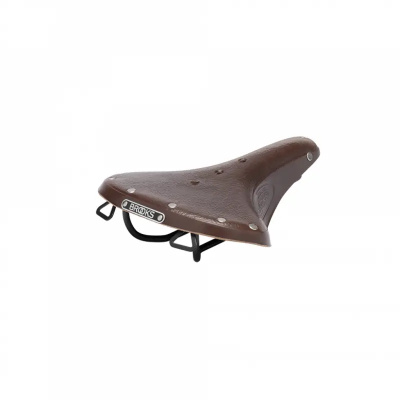
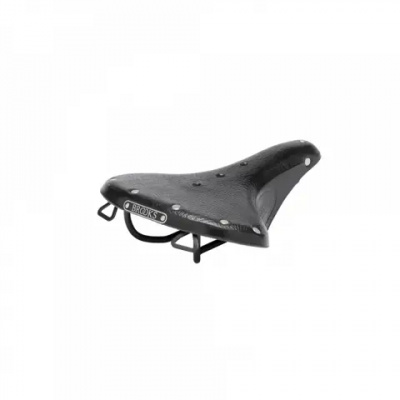
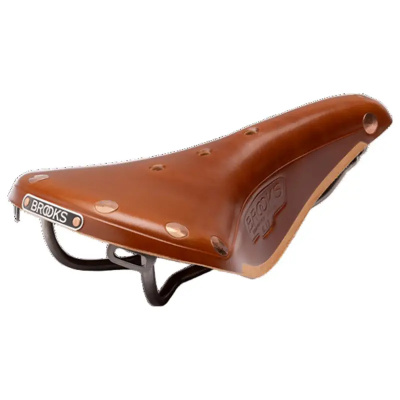
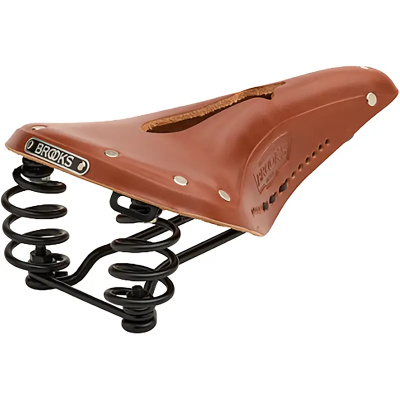
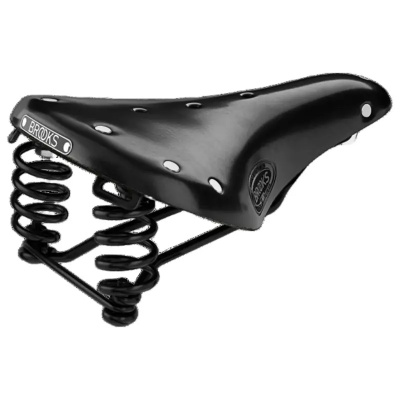
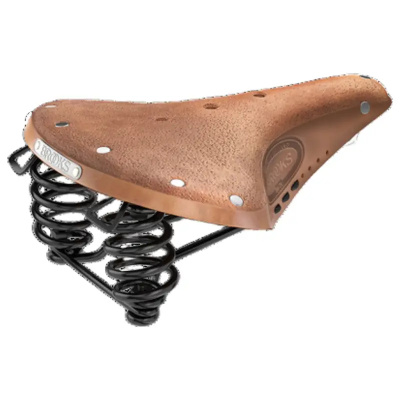
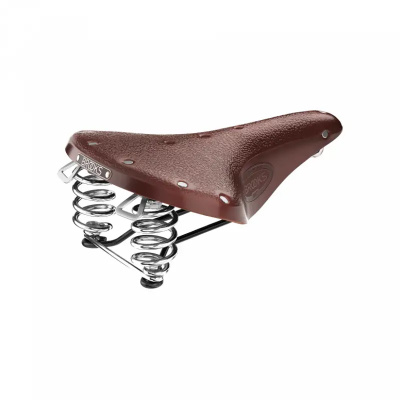
Prices and availability can change quickly. Delivery charges are not always included in listed prices.
Final price, stock status and delivery terms are set by retailer. We may receive a commission on purchases made.
Will a Brooks Fit Your Bike? Rail Standards Explained
The short answer for most riders is yes. Nearly all Brooks saddles - leather or Cambium - run standard 7x7mm round steel rails, which clip straight into the vast majority of modern seatpost clamps without any adapter faffing. Titanium-railed variants are available on premium models if you're shaving grams, and these fit the same clamps. One thing worth knowing: Brooks rails tend to sit on the shorter side for fore-and-aft adjustment compared with modern race saddles, so if you're running a zero-setback post and need to push the saddle right back, double-check your seatpost's range before ordering.
Carbon-specific clamps are where you need to pause. Some lightweight carbon-jaw clamps are designed exclusively for carbon oval rails, and clamping a round steel Brooks rail in one of those can cause uneven pressure and cracking. Stick to a standard alloy clamp or a quality two-bolt post rated for round metal rails and you won't have any grief. Steel rails are, frankly, bombproof for commuting and touring - a bit of extra weight, but they don't mind the odd knock.
Need replacement tension pins, nose bolts, or spanners? Check out our dedicated Brooks Tools and Spares page to keep your current saddle running.
Leather or Cambium - Breaking Down the Brooks Range
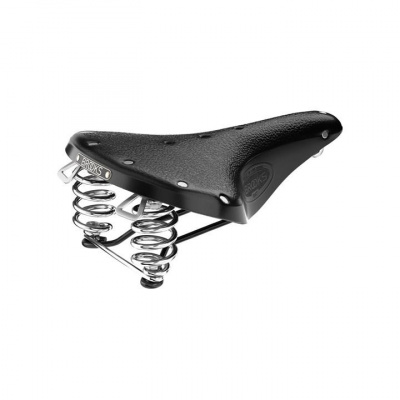
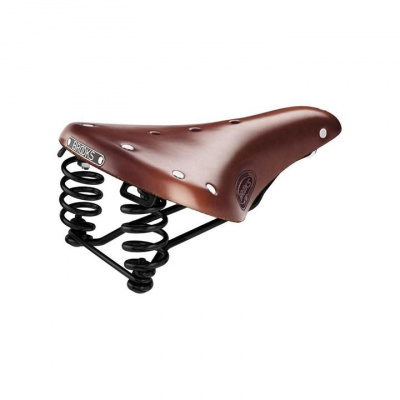
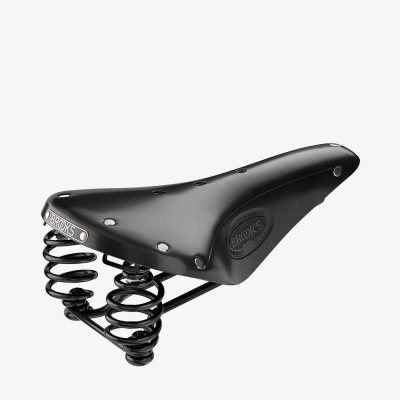
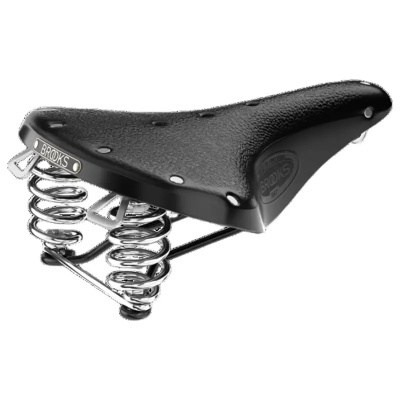
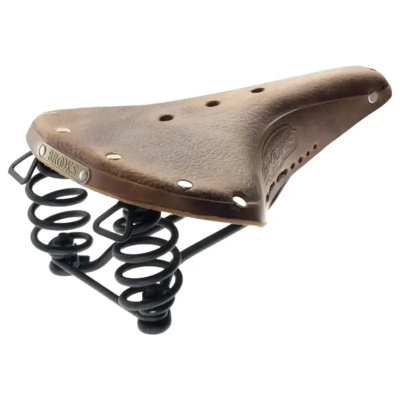
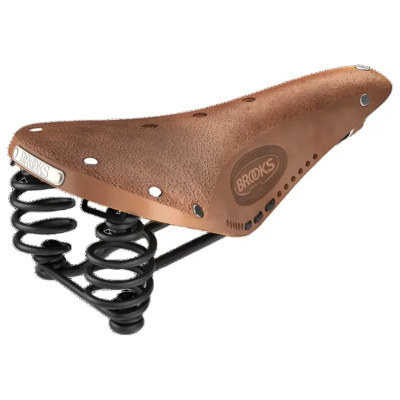
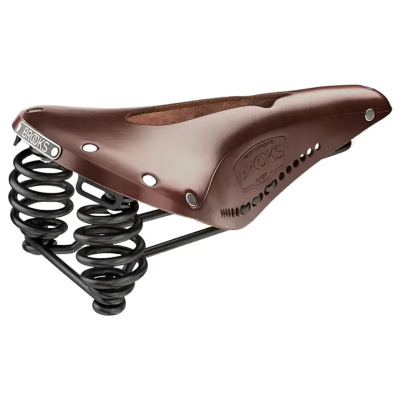
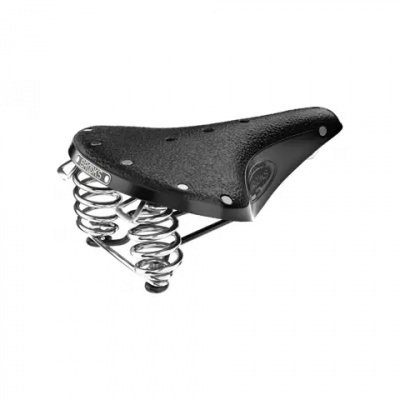
Brooks organises its saddles into two clear families, and understanding where each sits saves you from buying the wrong one. The leather range - centred on models like the B17, Swift, and Flyer - is built from vegetable-tanned leather stretched over a steel or alloy frame. That leather stiffens and shapes itself to your sit bones over a break-in period, creating a saddle that fits you and only you. The Flyer adds coil springs under the shell for extra vertical compliance, which suits upright commuter geometry well.
The numbering system is consistent and worth memorising. A 13 is a narrow-profiled road saddle; a 15 suits a slightly wider sit bone spread and a flatter back position; the C17 and B17 hit a medium width that works for touring, gravel, and relaxed road riding; the 19 is the widest, built for upright commuter bikes where your sit bones are further apart and carrying more of your weight. If you've never measured your sit bones, most decent bike shops will do it for free with a foam pad - it takes about thirty seconds and stops you guessing.
Within the leather range, Special models add hand-hammered copper rivets for extended durability and a tidy aesthetic. These aren't just cosmetic - the copper resists corrosion better than standard steel hardware, which matters when rear-tyre spray is a constant. Across both ranges, Carved versions feature a central cut-out for pressure relief, useful if you notice numbness on longer rides.
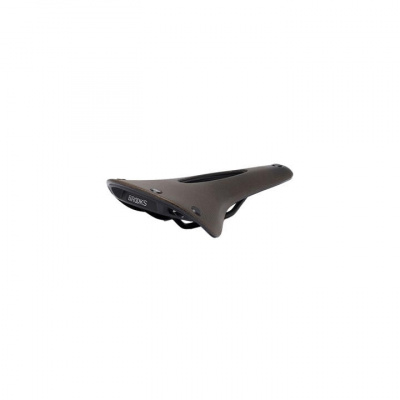
The Cambium line uses a vulcanised natural rubber top bonded to a nylon base, with die-cast aluminium backplates and a tensioning nose bolt shared with the leather models. There's no break-in, no conditioning routine, and no drama in a downpour. If you commute year-round or just don't want the maintenance conversation, Cambium is the practical call. If you're fitting one to a Brompton, the compact C13 or C15 works well with the folding bike's more upright position and shorter nose clearance.
Where does Brooks sit against the wider market? Fizik saddles offer more aggressive shapes with structured foam for performance road and race use - they're stiffer, lighter, and suit riders who want precision over long-term comfort. Ergon saddles take an anatomical foam approach with a wider rear platform, which appeals to mountain bikers and gravel riders who want immediate comfort without a break-in curve. Brooks occupies different ground: longer distances, slower pace, permanent ownership rather than a four-year replacement cycle.
Keeping a Brooks Saddle Alive in British Conditions
UK roads are not kind to untreated leather. Rear-tyre spray kicks up road grit, winter salt, and standing water directly onto the underside of your saddle - and that's the part most riders forget about. Apply Proofide to the underside of the leather first and most frequently. The top surface gets attention because you see it, but the underside is what rots first if left bare. Work Proofide in with your fingers, leave it overnight, and buff off the excess. Do this twice when the saddle is new, then every few months depending on how much wet riding you're doing.
The nose tension bolt is the other thing that catches people out. When leather stretches and the saddle starts to feel slack or cupped, you tighten the bolt at the nose of the saddle using a 10mm spanner. Turn it no more than 90 degrees at a time - a quarter turn, then ride it, then reassess. Over-tensioning in one go tears the leather from the inside, and that's not a recoverable situation. Patience here adds years to the saddle's life. Temperature swings between cold storage and warm riding also affect leather tension, so check it at the start of each season rather than waiting for visible sag.
Damp storage is a genuine problem in the UK. If your bike lives in an unheated garage or shed through winter, the leather can absorb ambient moisture and warp slightly. A breathable saddle cover when the bike's parked helps, but don't use a non-breathable plastic bag for long-term storage - that traps condensation and accelerates the very damage you're trying to prevent.
Riding in heavy UK downpours? Protect your leather investment by visiting our Brooks Saddle Bags page, or check our dedicated Brooks Saddle Covers page for waterproof protection options. The Cambium range sidesteps all of this, which is worth factoring in if maintenance feels like a chore rather than a ritual. You might also want to look at Brooks bar tape or Brooks grips to round out the contact points on a touring or commuter build - the materials complement the saddle well and hold up to the same conditions.
Brooks Saddles FAQs
How long does it take to break in a Brooks leather saddle?
Expect somewhere between 200 and 500 miles before a Brooks leather saddle truly moulds to your sit bones - and that range varies with riding style, your weight, and how often you condition the leather. Applying Proofide regularly softens the leather and can bring that figure down, while also stopping it cracking in dry spells. Don't rush it with aggressive over-tensioning.
What is the difference between Brooks B17 and Cambium C17?
The B17 is vegetable-tanned leather stretched over a steel frame - it needs a break-in period, regular Proofide conditioning, and rain protection, but rewards you with a saddle that moulds permanently to your shape. The C17 uses vulcanised natural rubber, needs zero maintenance, and is completely waterproof from day one. Same width category, fundamentally different approach to comfort and care.
How do I protect my Brooks saddle in the rain?
Treat the underside of the leather with Proofide - that's where tyre spray does the most damage, and it's the bit most riders miss. Use a waterproof saddle cover when the bike's parked in the wet. If you're commuting through a British winter every day without fail, the Cambium range is the lower-stress option; the vulcanised rubber top simply doesn't care about moisture.