
Fizik Saddles
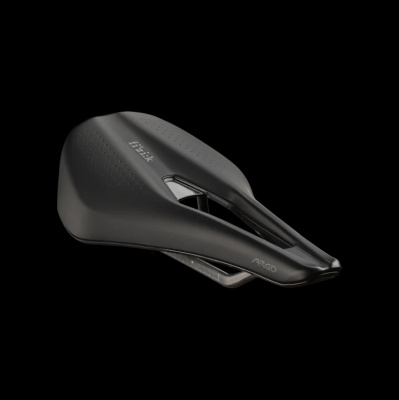
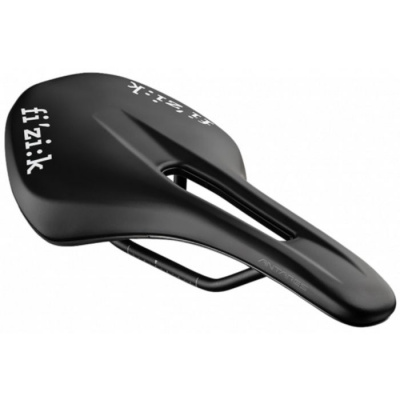
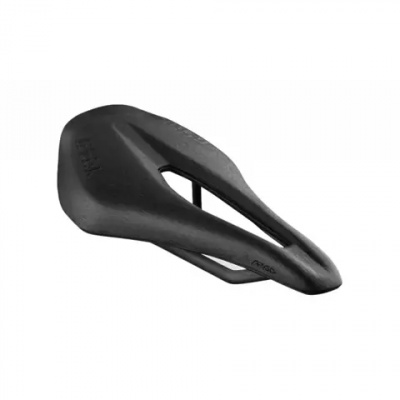
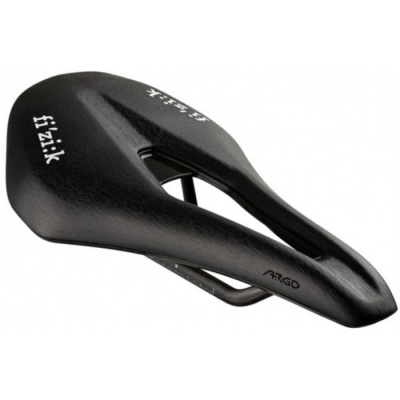
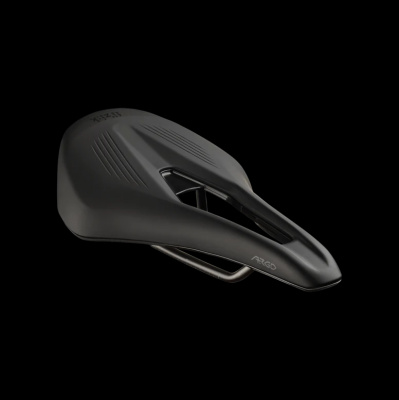
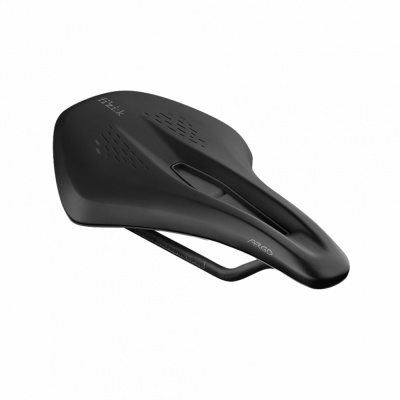
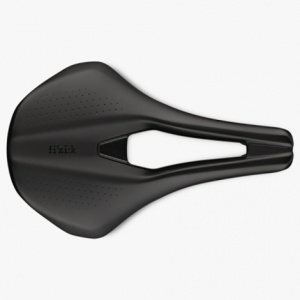
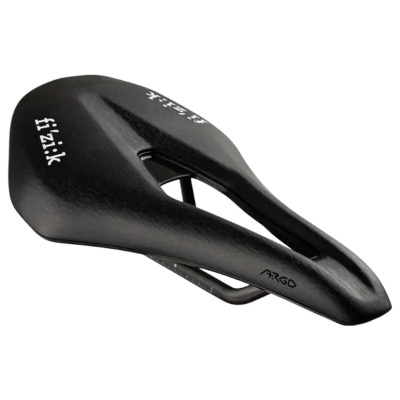
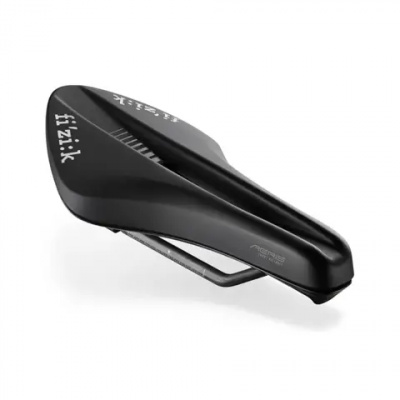
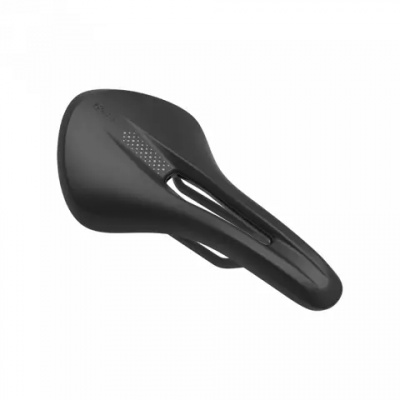
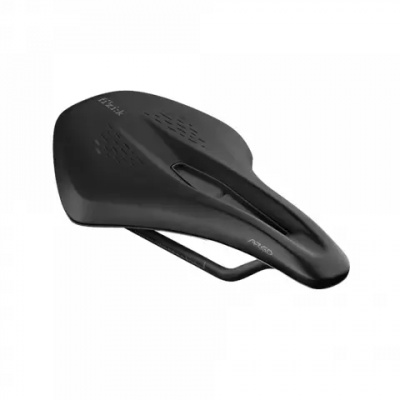
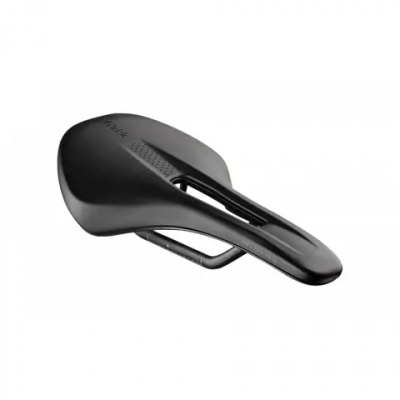
Fizik saddles sit at the sharper end of what Italian saddle design can do - biomechanically considered, material-obsessed, and genuinely worth the investment if soft-tissue pressure or power leakage is costing you on the bike. The range breaks into three clear disciplines: Vento for aggressive, aero road racing; Tempo for endurance and versatile road riding; and Terra for gravel and off-road work. Get the right one and the difference is immediate - no more shuffling around on the nose, no more numb patches halfway up a long climb.
What sets Fizik apart technically is the depth of the engineering underneath you. From Kium alloy rails that keep weight honest without the fragility risk, through to the brand's Adaptive 3D-printed liquid polymer padding - which zones cushioning exactly where your sit bones and soft tissue need it - there's a clear logic to why each model costs what it does. Wing Flex technology lets the shell edges move with your pedal stroke rather than fighting it, and the Mobius rail design on select models distributes load more evenly across the clamp zone.
Looking to repair your current setup or carry ride essentials? Head over to our Fizik Saddle Spares and Fizik Saddle Bags pages for everything you need alongside a new perch.
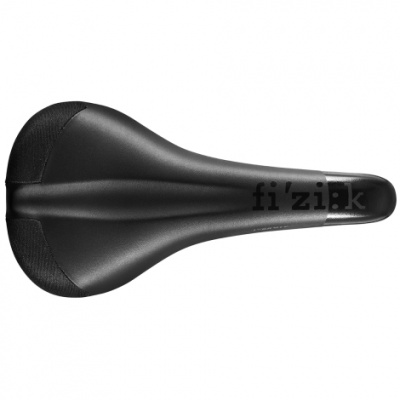
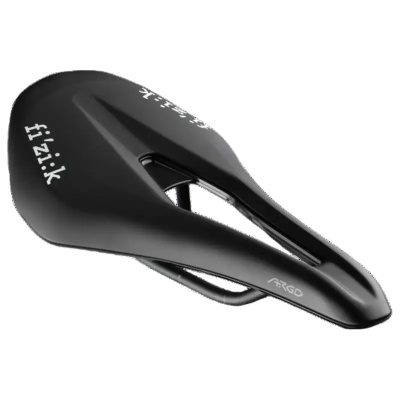
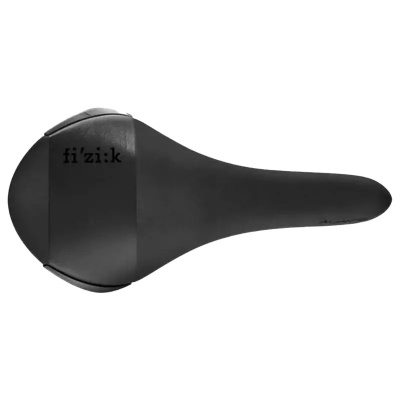
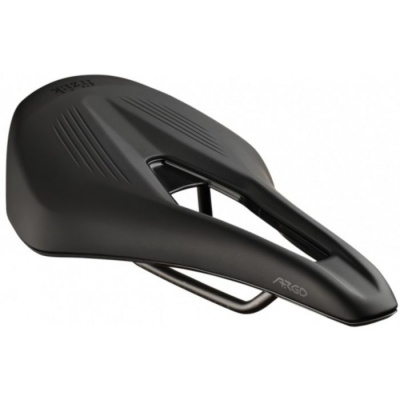
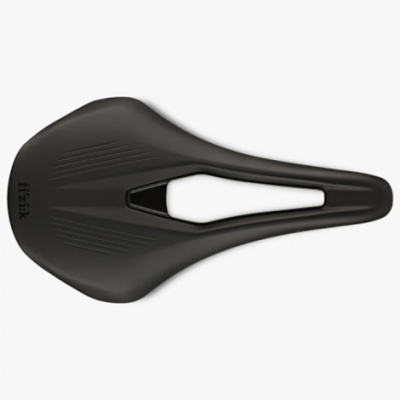
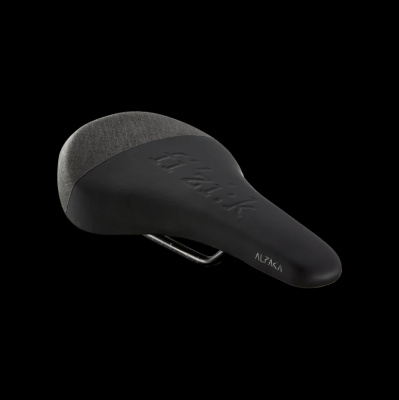
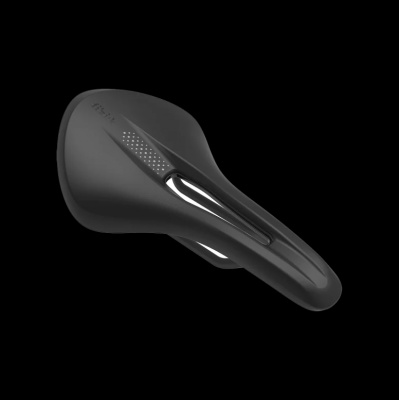
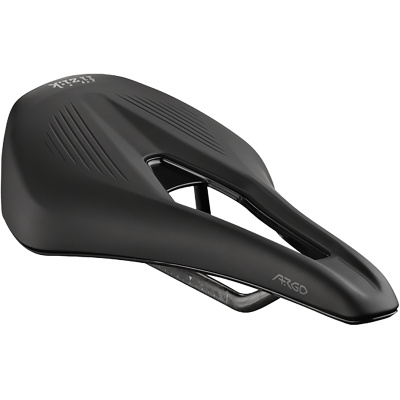
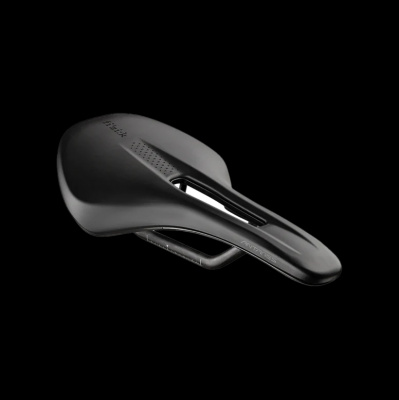
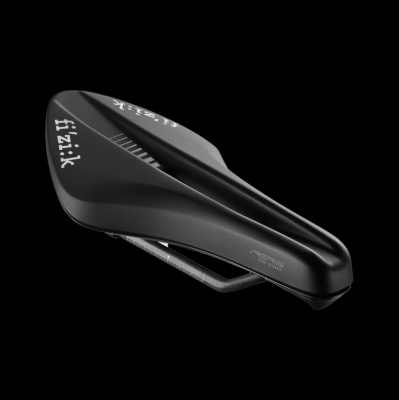
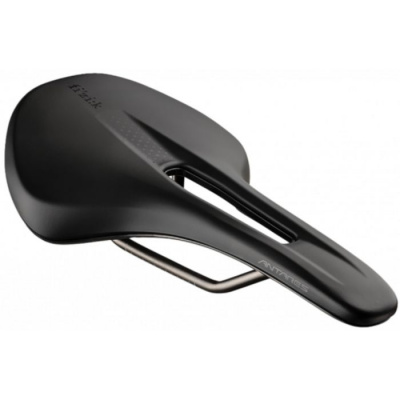
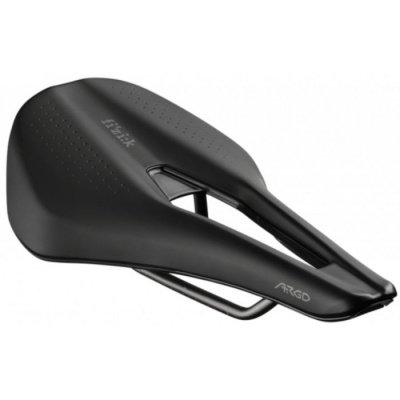
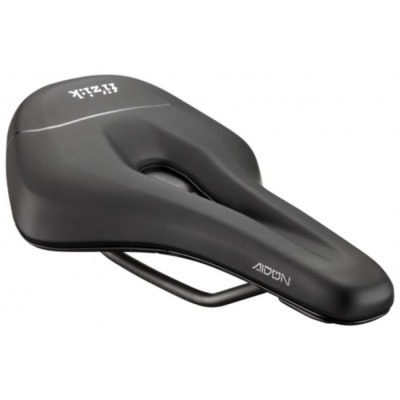
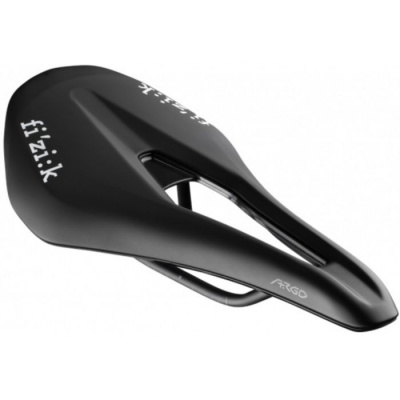
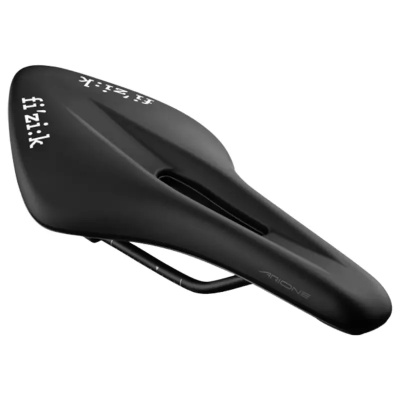
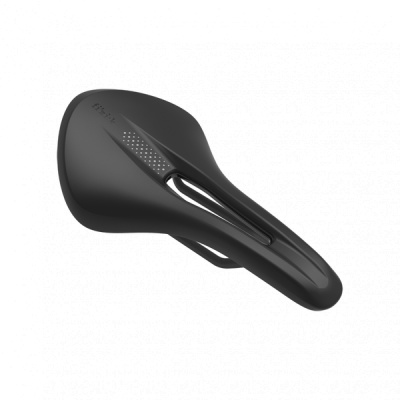
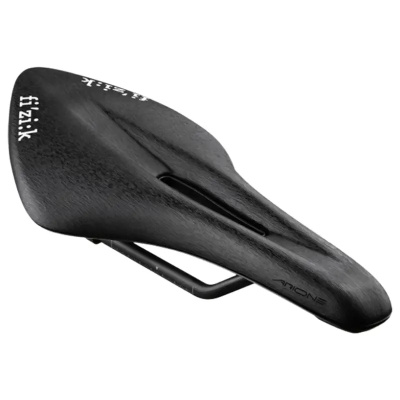
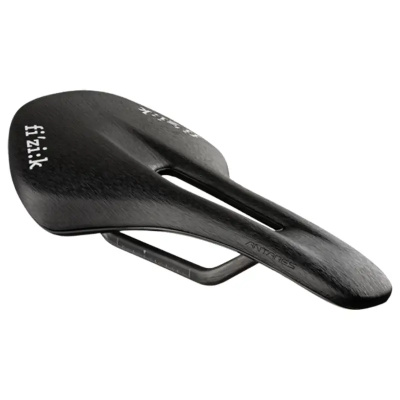
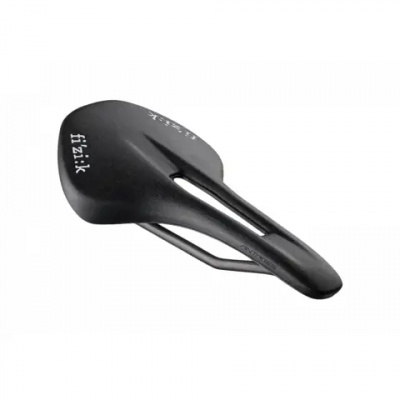
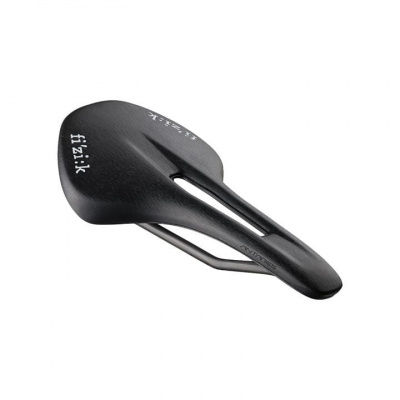
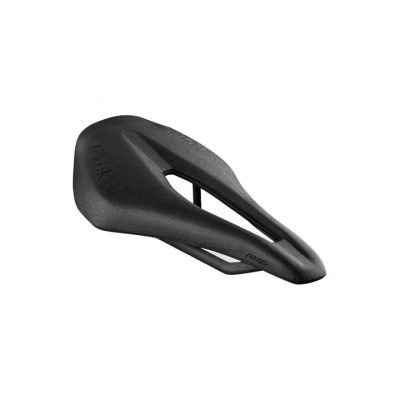
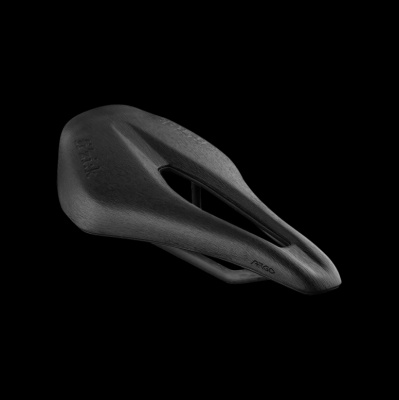
Prices and availability can change quickly. Delivery charges are not always included in listed prices.
Final price, stock status and delivery terms are set by retailer. We may receive a commission on purchases made.
Will a Fizik Saddle Fit Your Seatpost?
Before you commit to a saddle, check your seatpost clamp - this is where riders trip up more than anywhere else. Fizik's S-Alloy and Kium rails are standard round 7x7mm, so they'll drop straight into virtually any seatpost clamp on the market. No drama. The complication comes with carbon braided rails, which are ovalized at 7x9mm. That extra width is deliberate - it spreads load across the rail for better stiffness-to-weight - but it means a standard side-clamp seatpost designed for 7x7mm round rails will pinch the carbon unevenly, crack it, and void your warranty in one squeeze.
If you're running carbon rails, you need a seatpost with a top-down clamping system or one explicitly rated for 7x9mm ovalized rails. Most quality carbon seatposts from the likes of Bontrager are designed with this in mind, but always double-check the spec sheet before ordering. It's a five-second check that saves a very expensive mistake. The Mobius rail design, found on higher-tier models, uses a closed-loop configuration that also helps with load distribution at the clamp point - another reason to get the interface right.
Making Sense of the Vento, Tempo and Terra Range
Fizik's naming system is logical once you know the key. The first word tells you the discipline; the number after tells you the build tier.
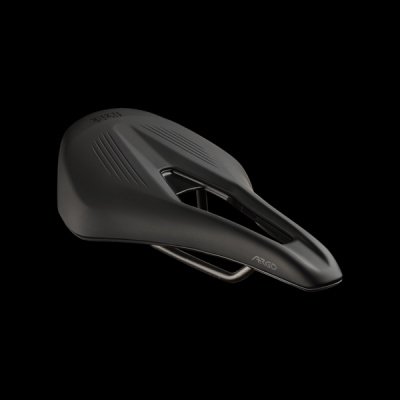
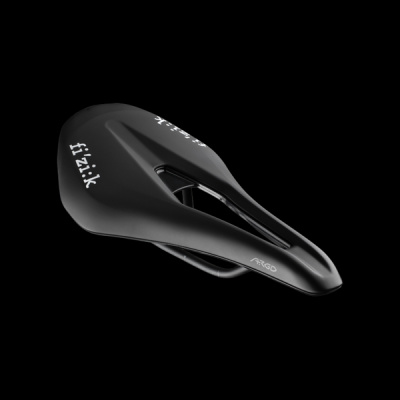
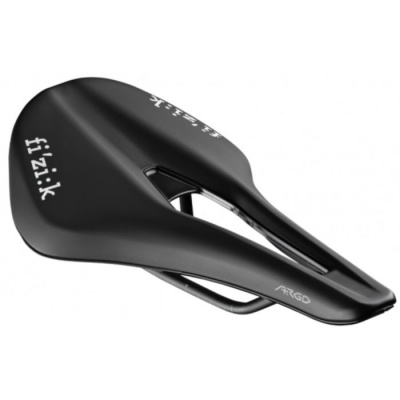
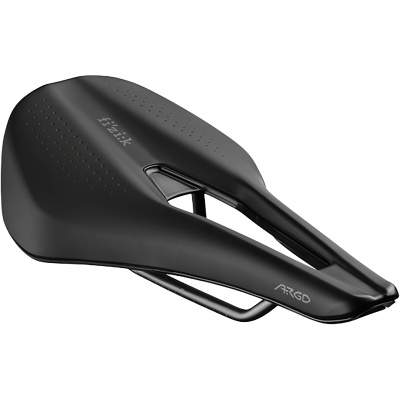
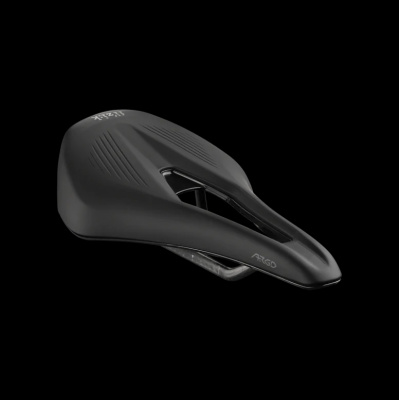
- Vento - short-nosed, cut for riders in a stretched, aero position. The Argo short-nose shape sits in this family. If you're spending long hours in the drops or racing crits, this is where to start.
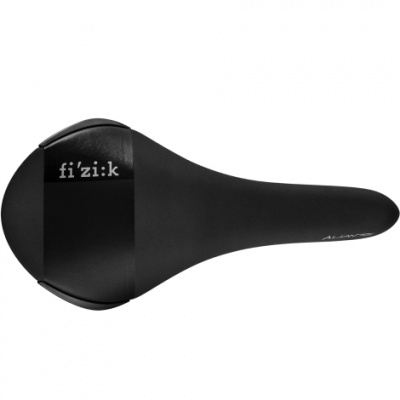
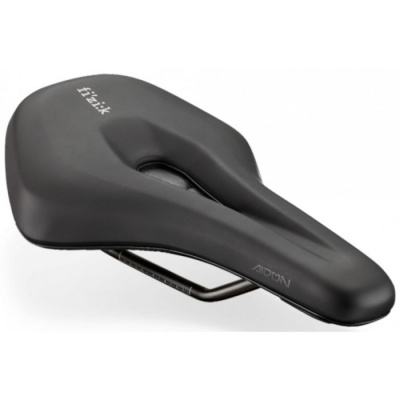
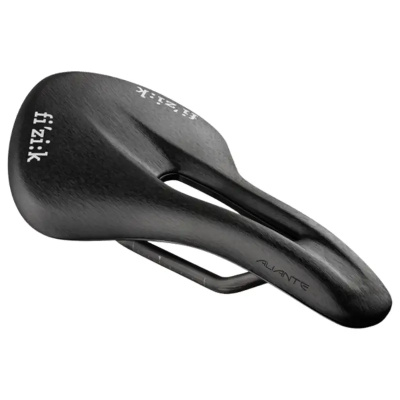
- Tempo - a more relaxed shape for endurance road riding, sportives, and riders who sit slightly more upright. The Aliante is the classic here - a long, flat profile with a gentle pressure relief channel down the centre.
- Antares - sits between Vento and Tempo; flat, versatile, popular with riders who can't decide (and that's fine - it works well across positions).
- Terra - wider, with more material confidence for gravel and MTB. Designed to handle movement in the saddle and the kind of rougher tracks you'd find crossing the South Downs or the Grizedale trails.
The tier numbers work like this: R1 means carbon rails and often a carbon-reinforced shell; R3 means Kium rails; R5 means S-Alloy rails. Higher number, more accessible price, a little more weight. The ride quality of the shell is largely the same - you're paying for rail material and grams, not a fundamentally worse saddle.
Then there's Adaptive. These are the 3D-printed models with a liquid polymer lattice in place of traditional foam padding. The honeycomb structure isn't uniform - Fizik zones it so firmer sections sit under the rails and sit bones, softer sections handle soft tissue. Compared to foam, it doesn't pack down over time, and the zonal precision is genuinely more targeted than anything a flat foam pad can offer. The trade-off? They cost more, and that open lattice does collect UK grime. More on that below.
Choosing between foam and Adaptive really comes down to how much you ride and whether pressure relief is a genuine issue for you. If you're putting in big miles and traditional foam saddles have never quite sorted a nagging hot spot, the Adaptive models are worth serious consideration. If you're happy with your current foam saddle and just want an upgrade in rails or weight, stick with a standard model. Comparing across brands, Fabric saddles and Ergon saddles approach padding and fit differently - Ergon especially leans into ergonomic shaping over material innovation - so it's worth a look if Fizik's more performance-focused geometry isn't quite right for your position.
Pair a new saddle with matching Fizik bar tape and you'll get a coherent contact-point setup - the feel underhand and underfoot tends to complement well when it comes from the same design philosophy. Likewise, if you're sorting out a full gravel or road contact-point overhaul, Fizik's road shoes and MTB and gravel shoes are worth browsing alongside.
Sizing: Getting Sit Bone Width Right
Fizik offers most models in two widths - regular (around 140mm) and large (around 150mm). The measurement that matters is your sit bone width, which you can get assessed at most decent bike shops with a pressure pad. Too narrow and your sit bones hang off the edges; too wide and the saddle wings dig into your inner thigh on the pedal stroke. Neither is comfortable 60 miles in.
As a rough guide: sit bone spacing under 100mm tends to suit regular width; over 100mm usually suits large. That said, riding position affects this - the more rotated your pelvis (i.e., the more aggressive your position), the narrower the saddle you typically need, because your pelvis tilts forward and your effective sit bone contact point shifts. A Fizik saddle width guide measurement combined with a basic position check gets you much closer than guessing from saddle width alone.
The pressure relief channel on models like the Aliante also plays into this - it's not a substitute for correct width, but it does give soft tissue more clearance, which matters on longer rides. Brooks saddles take a completely different approach to pressure distribution via leather flex, worth knowing about if you're looking at touring or commuting use cases.
Keeping Fizik Saddles Clean Through a UK Winter
Microtex covers - the synthetic material Fizik uses across most of the range - hold up well to wet and abrasive UK conditions. They don't absorb water, they don't crack with cold, and the surface stays grippy enough that you're not slipping around on a damp morning in the Peaks. Wipe them down after a muddy ride and they clean up quickly.
The Adaptive 3D saddles look like they'd be a maintenance nightmare with that open lattice structure, but they're actually straightforward. A low-pressure rinse after a ride flushes most grit and mud straight out of the honeycomb matrix. For more stubborn UK winter crud - the kind that sets like cement if you leave it - a soft bristle brush and a mild bike wash solution works through the structure without damaging anything. What you want to avoid is pointing a jet wash directly at the saddle shell from close range; the pressure can work into the lattice joints and, over time, stress the material. Keep it gentle and it'll last.
Rail care is worth a thought too. Kium rails are corrosion-resistant but not immune - a thin wipe of light grease or barrier protection where the rail meets the clamp slows any surface degradation, especially if you're riding through salt-treated roads in winter.
Fizik Saddles FAQs
How do I choose the right Fizik saddle?
Start with your riding discipline - Vento for racing and aero positions, Tempo or Antares for endurance road riding, Terra for gravel and off-road. Then factor in sit bone width: regular (around 140mm) suits most riders under 100mm sit bone spacing, large (around 150mm) suits wider spacing. Get both right and you've solved most saddle comfort problems before you've even turned a pedal.
Do I need a special seatpost for Fizik carbon rails?
Yes. Fizik's carbon braided rails are ovalized at 7x9mm, not the standard 7x7mm round profile. A side-clamp seatpost designed for 7x7mm rails will crush the carbon unevenly, crack it, and void the warranty. You need a seatpost with a top-down clamp or one explicitly compatible with 7x9mm ovalized rails - check your seatpost spec before ordering.
How do you clean a Fizik Adaptive 3D printed saddle?
A low-pressure hose-down after a ride is usually enough to flush mud and grit out of the honeycomb structure. For heavier UK winter grime, use a soft bristle brush with mild bike wash and work it through the lattice gently. Avoid jet washing directly onto the saddle shell at close range - the pressure can stress the material over time.