
Ergon Saddles
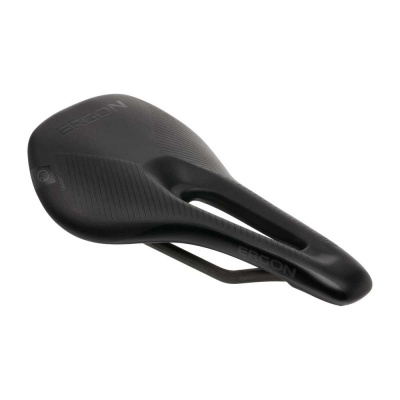
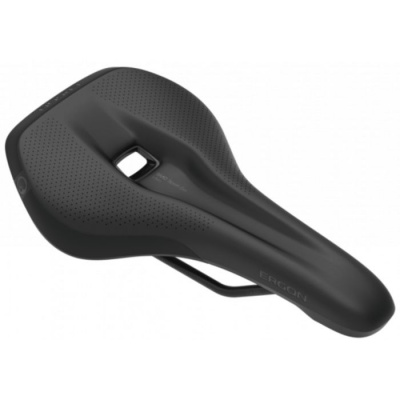
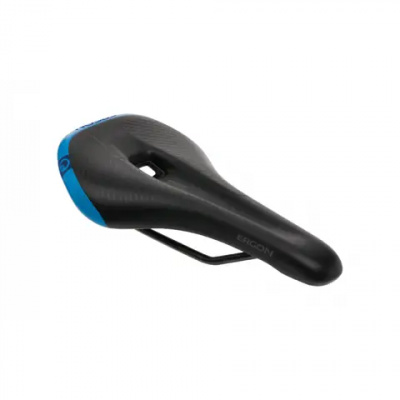
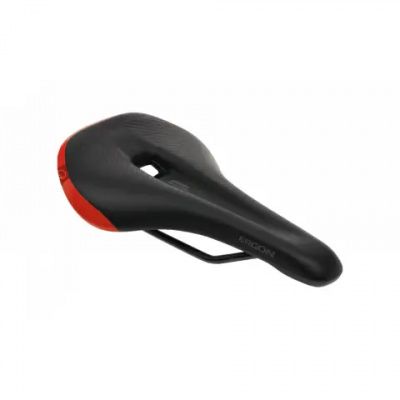
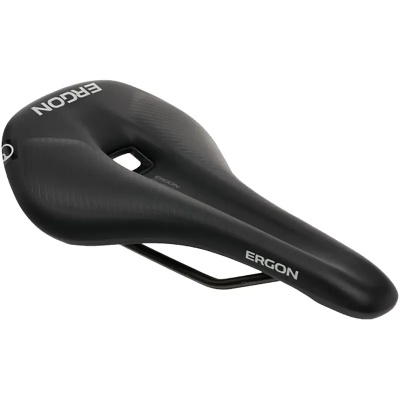
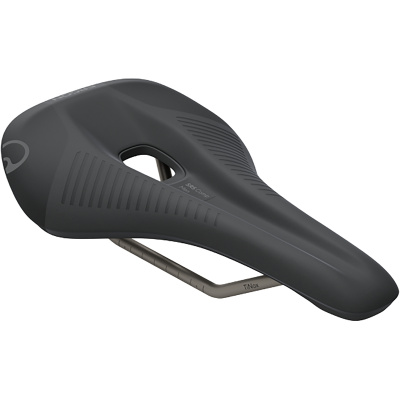
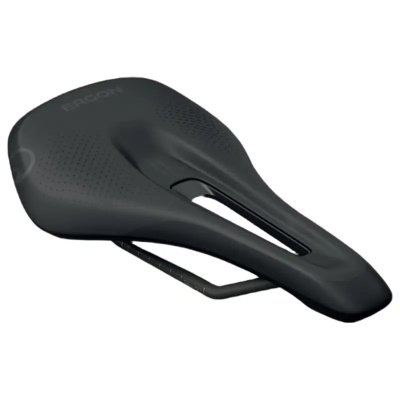
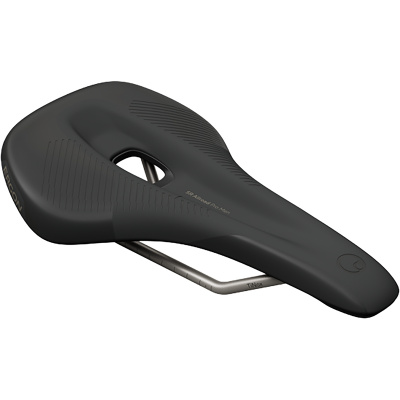
Ergon saddles are built around one idea: that a saddle should fit your anatomy, not the other way around. Where most brands start with aesthetics and work backwards, Ergon starts with sit bone width, pelvic tilt, and pressure mapping - then designs around the data. The result is a range that riders with chronic numbness or sit bone pain consistently turn to when everything else has failed them.
The technology doing the heavy lifting here is Core 3D, a twin-shell construction that creates an ergonomic core between two independent shells. It lets the saddle flex and respond without compromising support. Pair that with OrthoCell foam inlays - lighter and more resilient than gel, and far better at dispersing pressure over long hours - and you have a saddle that genuinely changes how a long day in the Peaks or a wet Welsh gravel loop feels on the body.
The range covers road, MTB, touring, and gravel disciplines, with multiple width options and three rail tiers. Whether you're trying to survive a 200km audax or stop dreading the commute home, there's a fit for you here.
Looking for replacement elastomers, rail clamps, or specific hardware for your current setup? Head over to our dedicated Ergon Saddle Spares page to find the exact small parts you need.
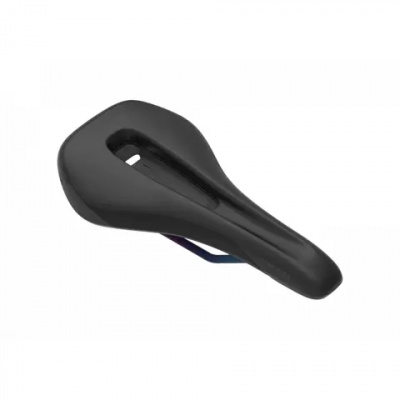
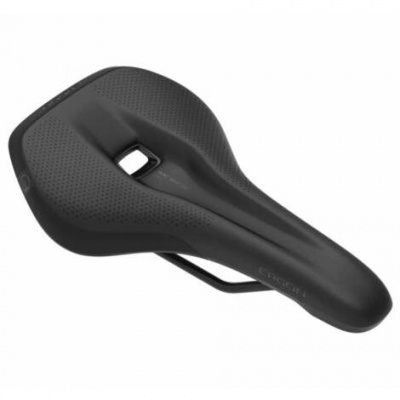
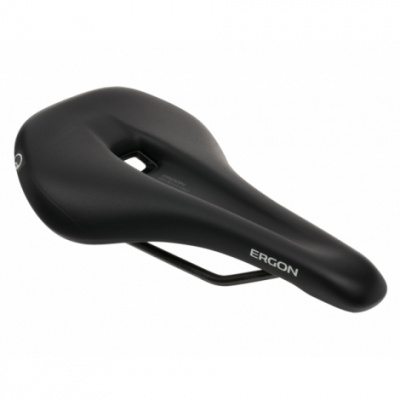
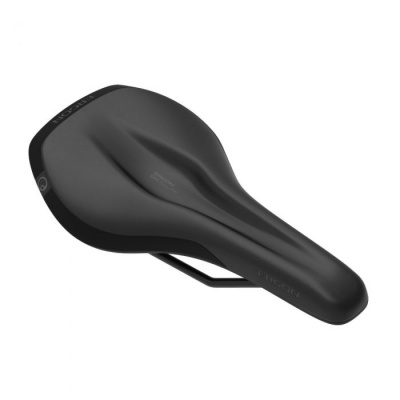
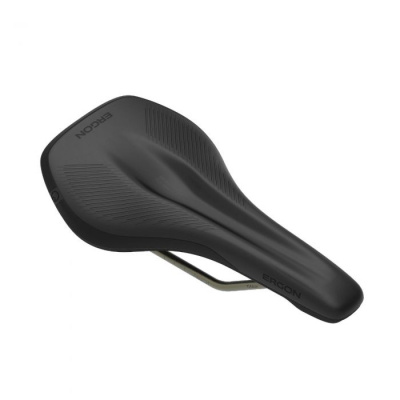
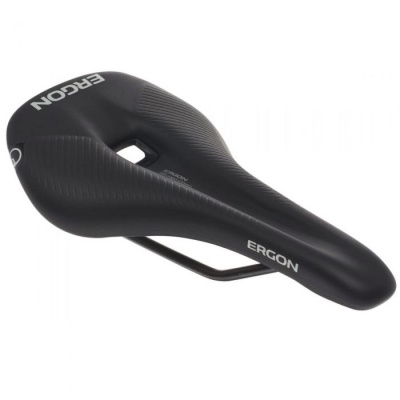
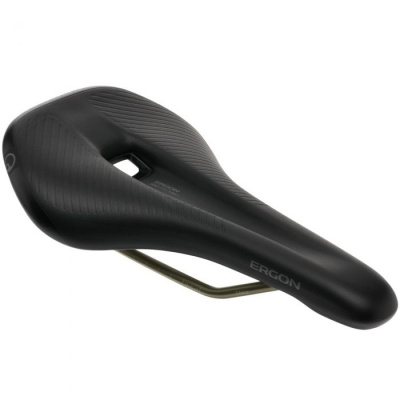
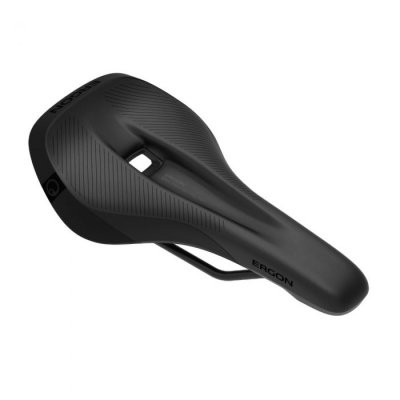
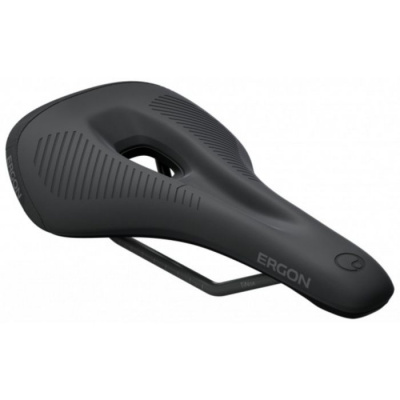
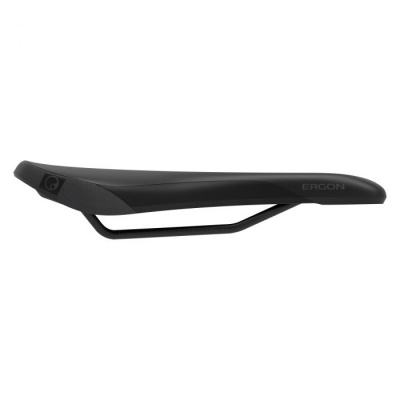
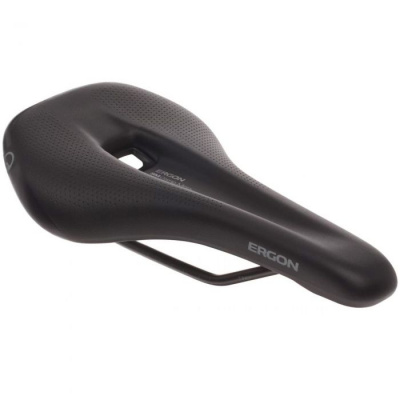
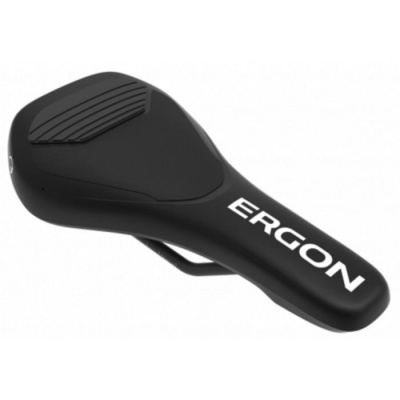
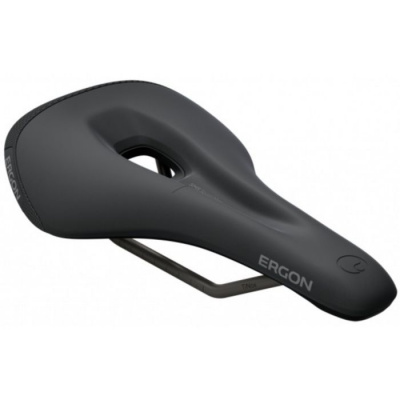
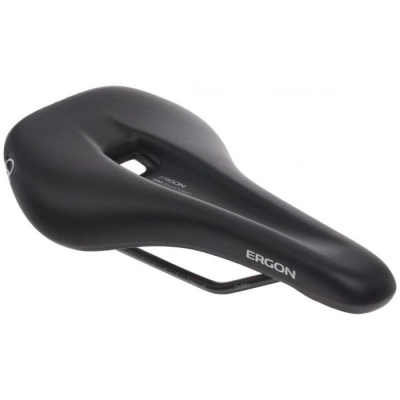
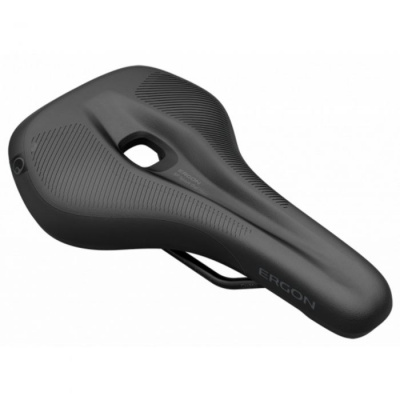
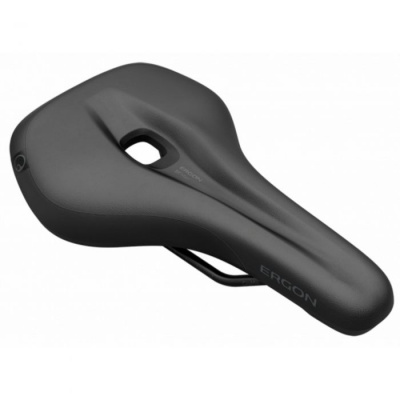
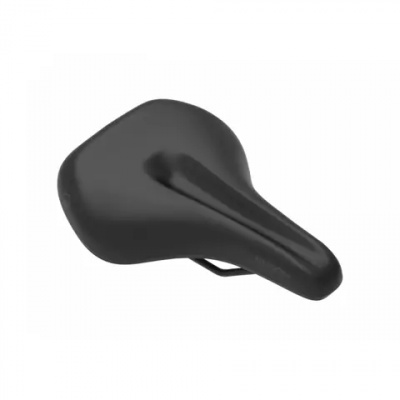
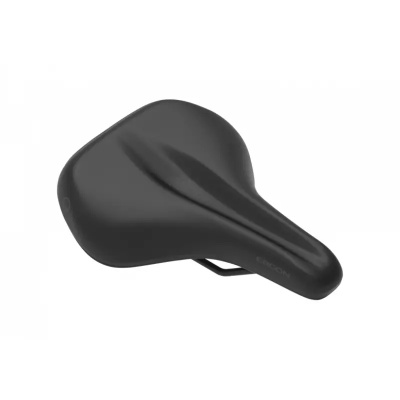
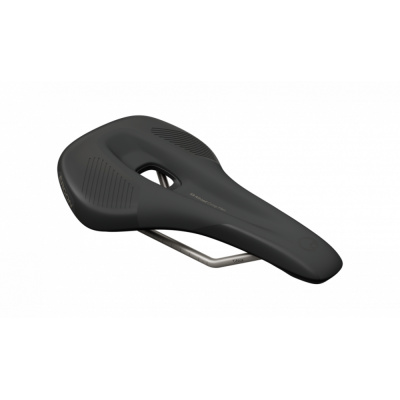
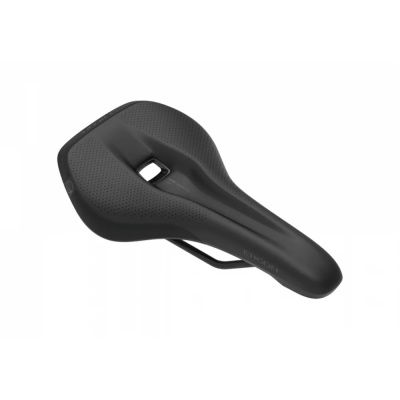
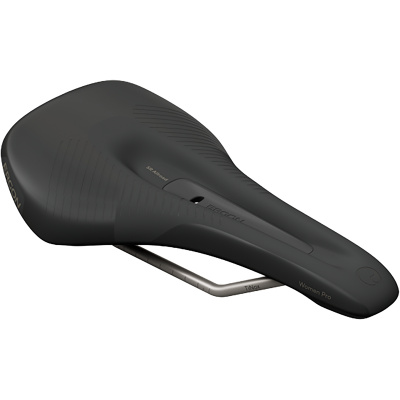
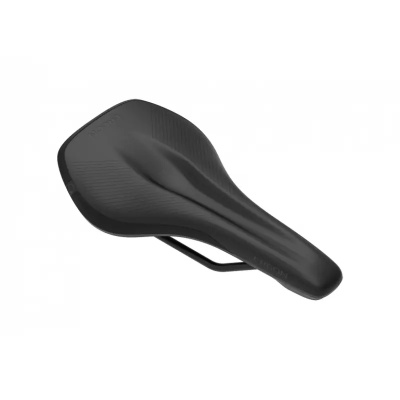
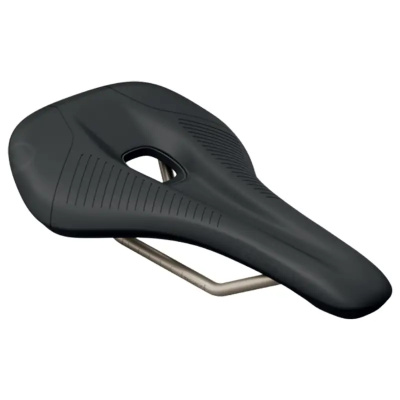
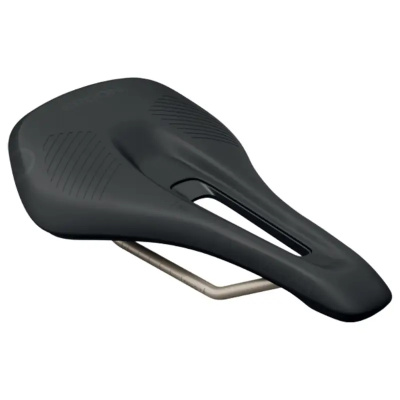
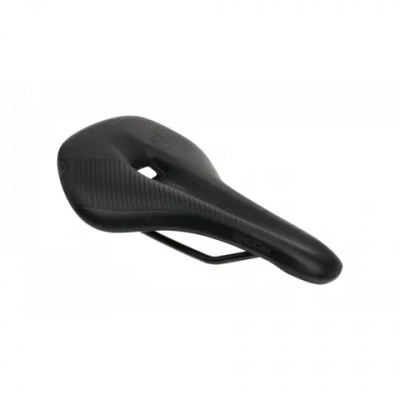
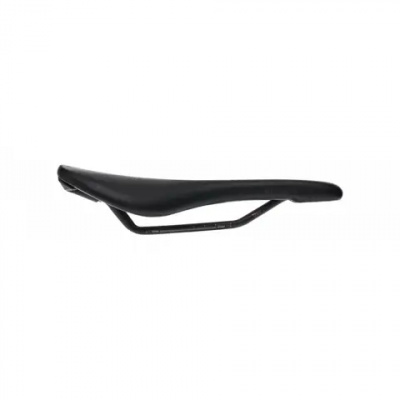
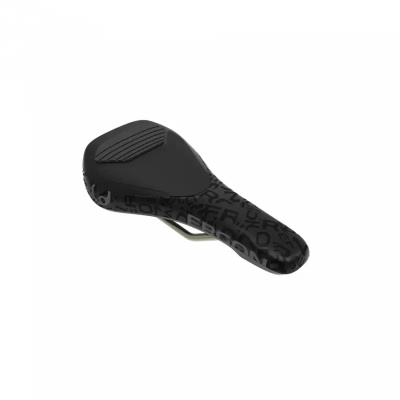
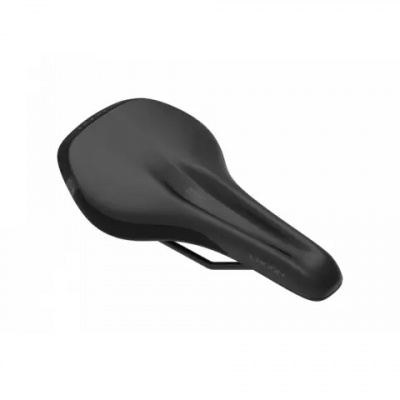
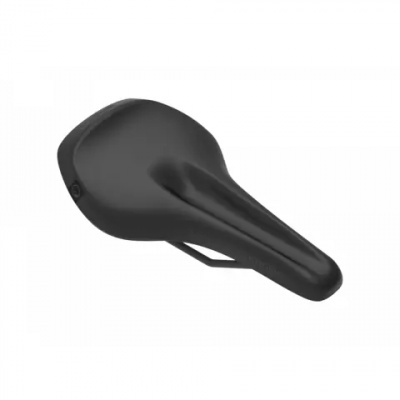
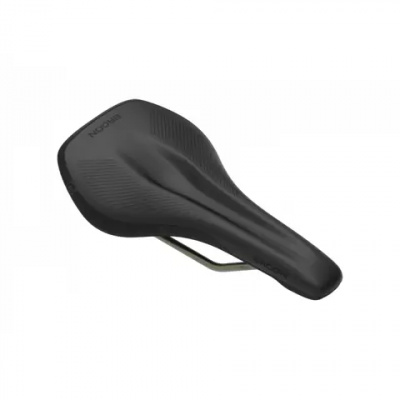
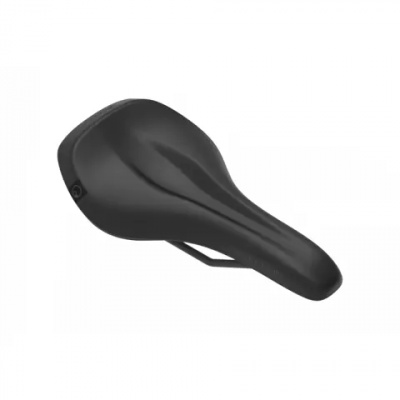
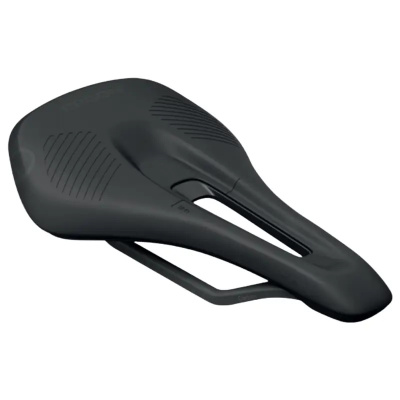
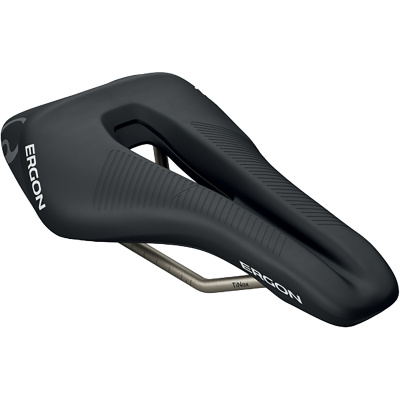
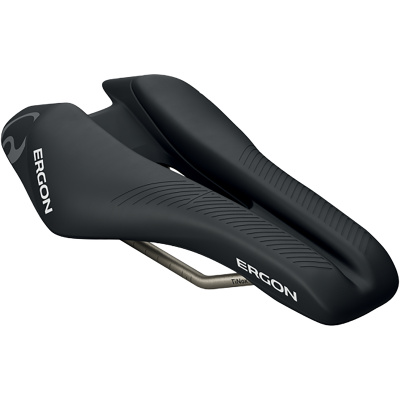
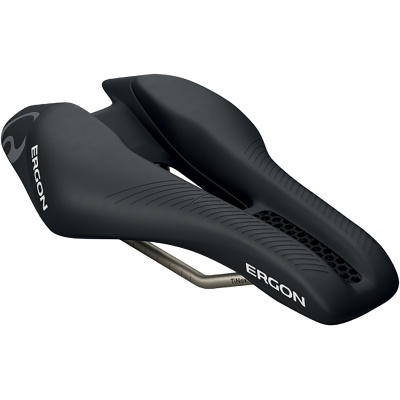
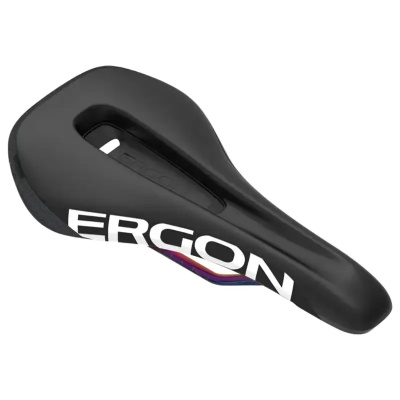
Prices and availability can change quickly. Delivery charges are not always included in listed prices.
Final price, stock status and delivery terms are set by retailer. We may receive a commission on purchases made.
Sizing, Rails, and Getting the Fit Right
Ergon's sizing system is refreshingly straightforward once you know the logic. Saddles come in two widths: S/M suits sit bone widths of 9 - 12cm, and M/L covers 12 - 16cm. If you've never measured your sit bones, the corrugated cardboard method works well - sit on a piece for a couple of minutes and measure the distance between the two indentations left behind. Get that number before you buy anything. Guessing the width is how you end up with a saddle that felt fine in the shop and punishes you after forty miles.
Rail compatibility is where it gets more technical, and it's worth getting right before you order. Ergon uses three rail standards across the range. CroMo rails are 7x7mm round and fit any standard seatpost clamp - no drama. TiNox rails are also 7x7mm, so they drop straight in with the same compatibility. Carbon rails, however, are 7x9mm oval, and this is critical: a standard round-bore clamp will crush an oval carbon rail. You need a seatpost with a side-clamp design or an oval-compatible top-down clamp to run them safely. Check your seatpost spec before going near a Pro Carbon saddle. It's an easy mistake that costs a lot. If you're pairing a new saddle with a new post, take a look at Ergon seatposts - their own posts are designed around these rail standards from the ground up.
Breaking Down the Ergon Range by Discipline and Budget
Ergon's naming prefixes tell you exactly where a saddle is designed to perform. SM (Saddle Mountain) models are built for MTB and gravel: flatter profile, wider tail, designed for a rider who's shifting weight constantly - out of the saddle on a technical descent, railing a berm, or grinding up a loose Peak District climb. SR (Saddle Road) saddles are narrower with a shape tuned for a static, forward-leaning pelvic position - the geometry you hold on a road bike or a fast gravel setup. ST (Saddle Touring) models are the roomiest of the lot, with extra padding and support for loaded riding or long days where you're not exactly in an aggressive position. SMC (Saddle Mountain Comfort) sits between SM and ST - good for trail riders who want a bit more cushioning without going full touring.
Within each prefix, the price tiers reflect a clear progression. Sport models use CroMo rails and standard foam - honest, durable, and the right call if you're not chasing grams. Comp models step up to TiNox rails, a titanium-alloy blend that saves noticeable weight over CroMo and adds a small amount of compliance - you feel it on rough B-roads. Comp saddles also gain OrthoCell inlays, which replace denser foam with a material that's both lighter and better at managing pressure over time. The difference between a Sport and a Comp on a five-hour ride is real. Pro and Pro Carbon models go further still: carbon shell construction, carbon rails, and the lightest overall package in the range. These are for riders where every gram matters and who are confident in dialling their fit precisely - the carbon shell is less forgiving of poor positioning than a twin-shell Core 3D design.
For gravel specifically, the SM Comp and SR Comp sit in a strong spot. If you're spending long days on rough surfaces, the TiNox rails and OrthoCell combination handles high-frequency vibration notably better than entry-level alternatives from Fabric or Fizik at a similar price point. For loaded touring, the ST range competes with Brooks on comfort, though it gets there through foam engineering rather than leather break-in - no waiting period, works from day one.
If perineal pressure is a persistent issue regardless of saddle brand, it's also worth looking at the ISM noseless saddle range as an alternative approach - a different solution to the same problem.
Complement your saddle fit with Ergon grips or Ergon bar tape if you're building out a contact-point setup - the ergonomic logic carries through their whole range.
Surviving UK Conditions: Mud, Grit, and Winter Strip-Downs
UK riding is hard on saddles. A few months of winter riding deposits a paste of road grit and wet into every gap, and cheaper covers degrade fast. Ergon's synthetic microfiber covers handle this better than porous or woven materials - they clean up with a damp cloth and don't absorb the kind of moisture that leads to cracking. The gender-specific relief channels deserve a mention here too: they're shaped to match male and female pelvic anatomy rather than using a one-size cut-out, but they do collect mud. Run a thin brush through the channel after muddy rides. It takes thirty seconds and prevents the grit from working its way into the foam.
The Core 3D twin-shell design is excellent engineering, but the gap between the shells is another place where wet grit accumulates over a winter. Flush it out periodically with clean water - don't leave it packed in. If you're doing a proper winter service and removing the saddle, torque matters more than most riders realise. Ergon saddle clamps should be set to 7 - 9Nm maximum depending on your seatpost spec - check the exact figure on your post. Over-torquing is how rails get damaged, and it happens most often when riders reassemble cold-weather kit with stiff hands and too much force. Use a torque wrench. It's that simple.
TiNox rails are more tolerant of minor over-torque than carbon, which is another practical reason the Comp tier suits most UK riders better than the Pro Carbon - the conditions here argue for a small weight penalty in exchange for durability margin.
Ergon Saddles FAQs
How do I choose the right size Ergon saddle?
Ergon saddles come in S/M (9 - 12cm sit bone width) and M/L (12 - 16cm). Measure your sit bones at home using a piece of corrugated cardboard - sit on it for a couple of minutes and measure the distance between the two indentations. Get that number right first; it matters more than any other spec on the saddle.
What is the difference between Ergon SM and SR saddles?
SM (Saddle Mountain) saddles have a flatter profile and a wider tail, shaped for riders who move around on the bike - MTB, trail, and technical gravel. SR (Saddle Road) saddles are narrower and contoured for a static, forward-leaning pelvic position, which suits road bikes and faster gravel setups where you're holding one position for long periods.
Do I need a special seatpost for Ergon carbon rail saddles?
Yes. Ergon's Pro Carbon saddles use 7x9mm oval carbon rails, not the standard 7x7mm round profile. A standard round-bore clamp will crush oval carbon rails and ruin them. You need a seatpost with a side-clamp design or an oval-compatible clamp head. Check your seatpost spec carefully before ordering - it's a costly mismatch to get wrong.