
Fabric Saddles
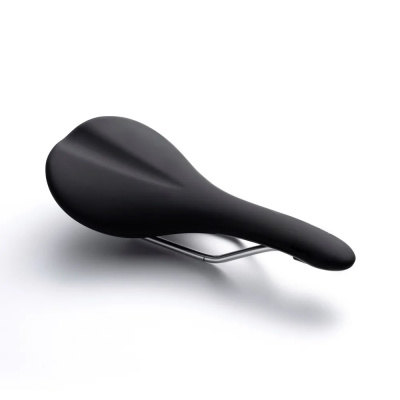
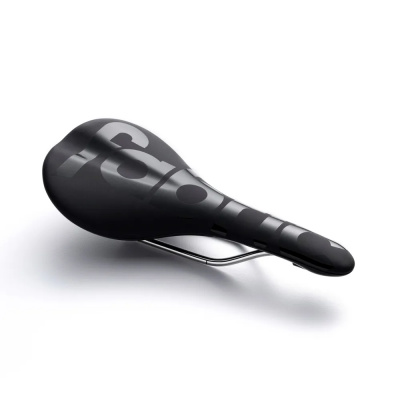
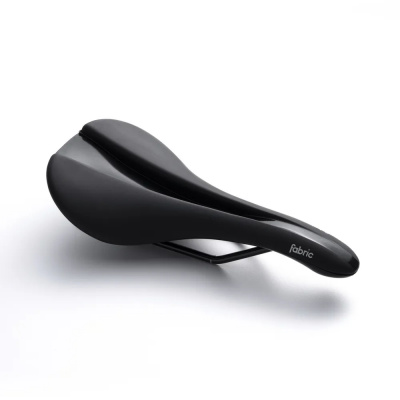
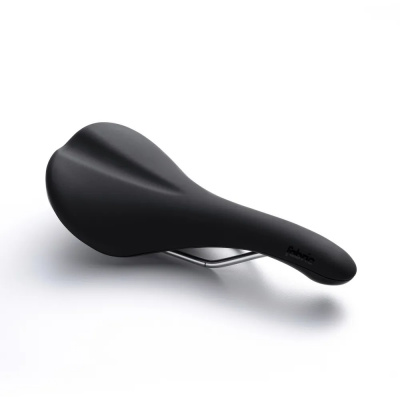
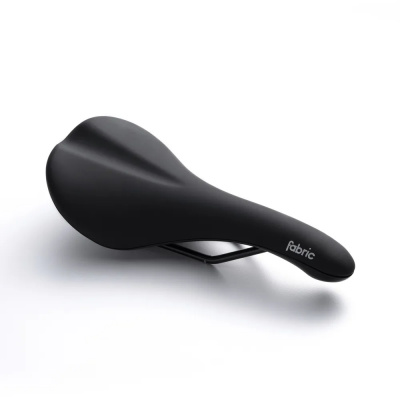
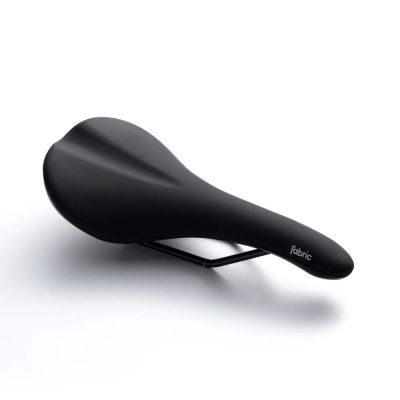
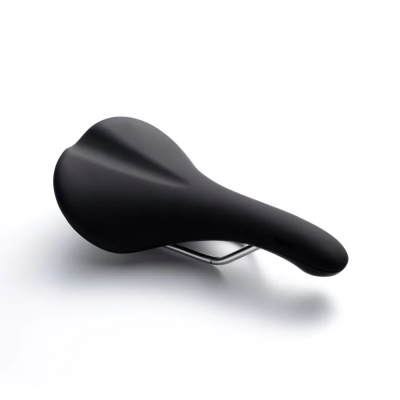
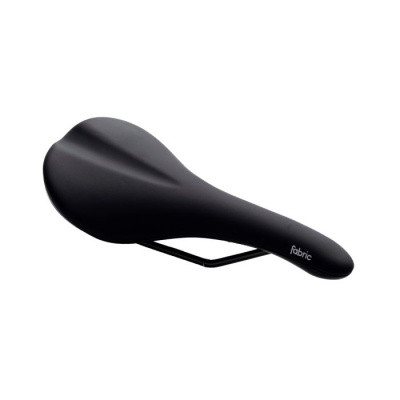
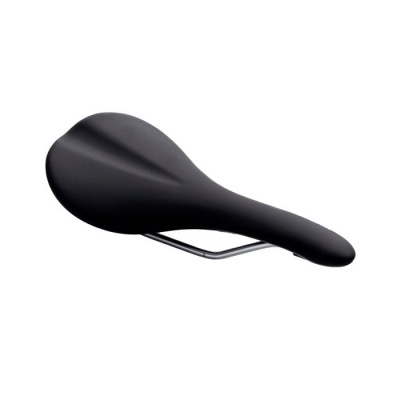
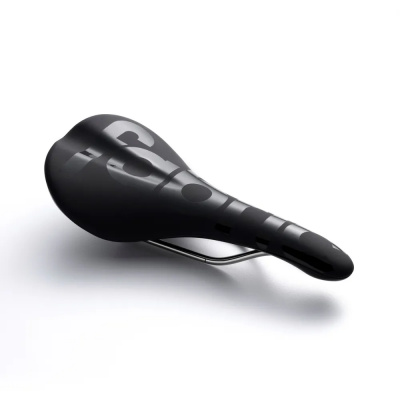
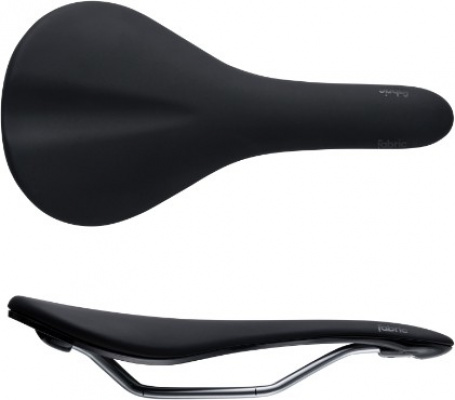
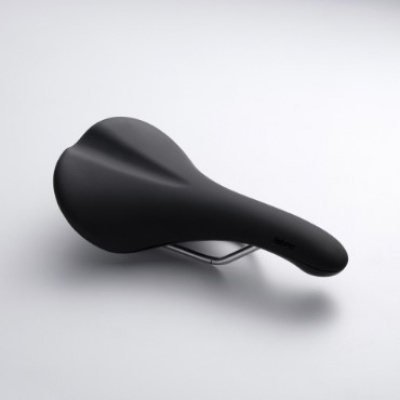
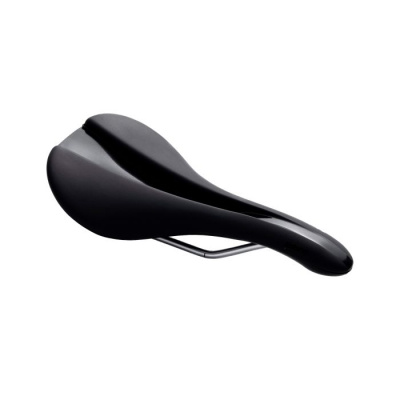
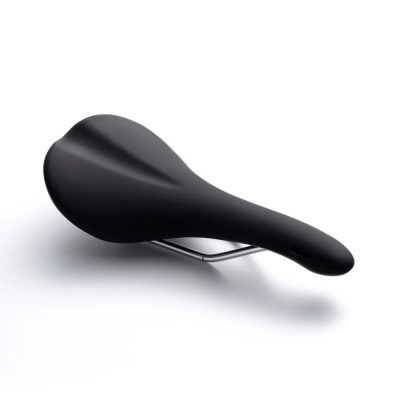
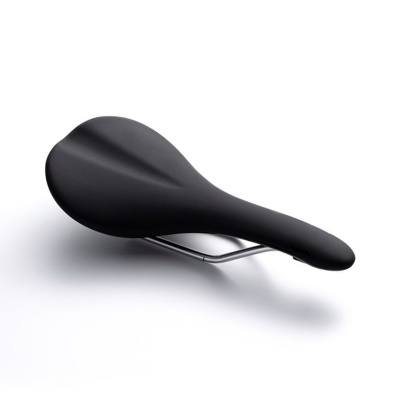
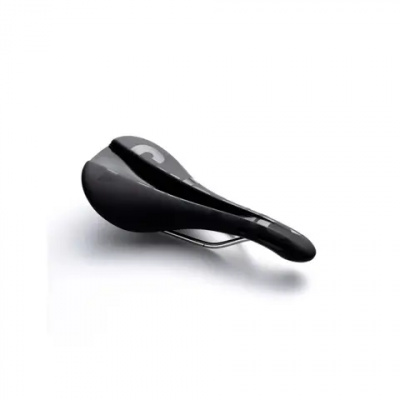
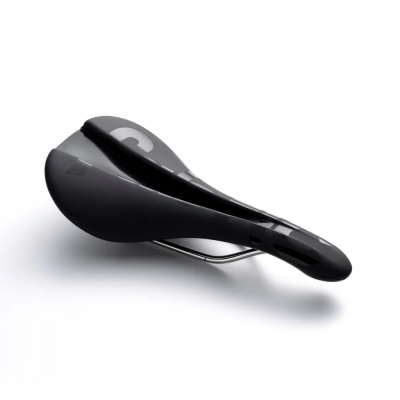
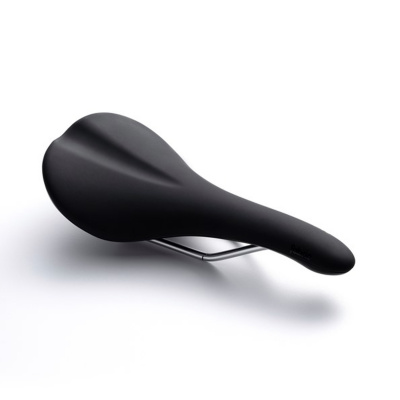
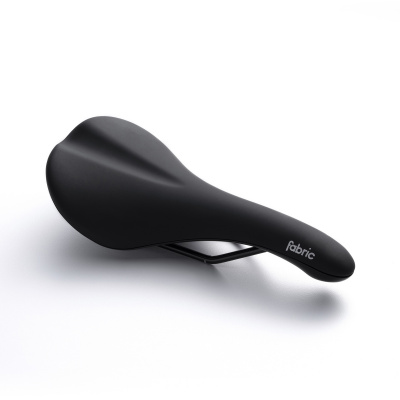
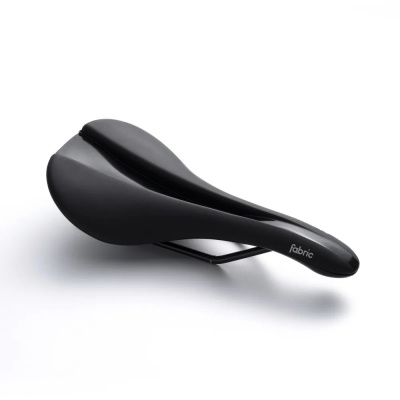
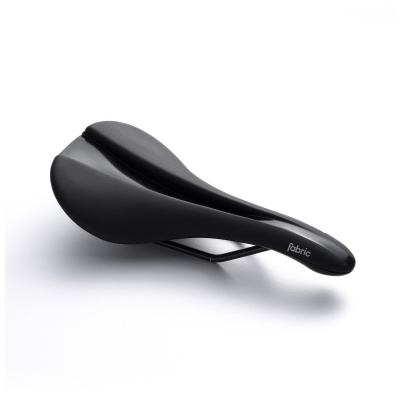
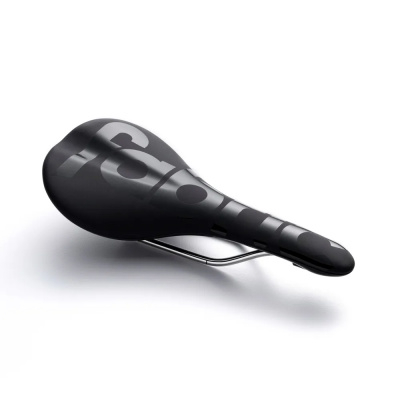
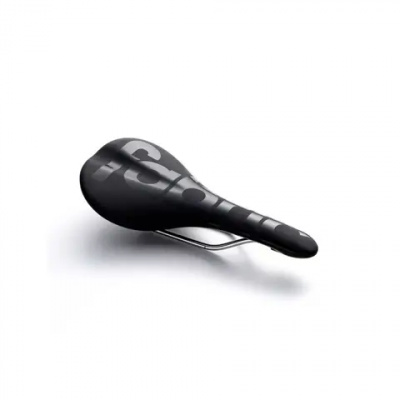
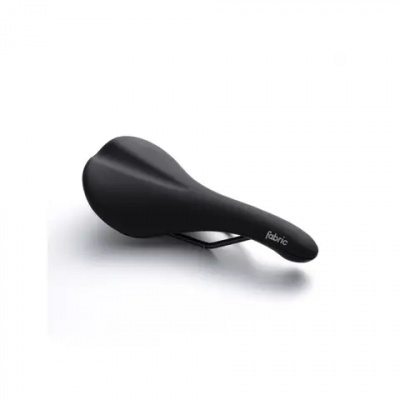
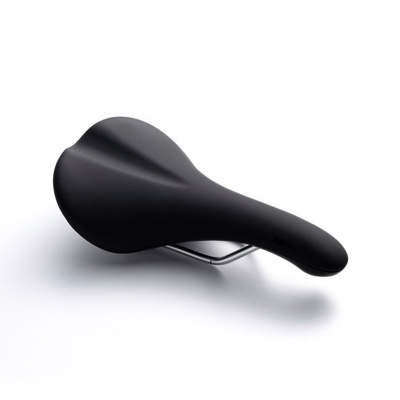
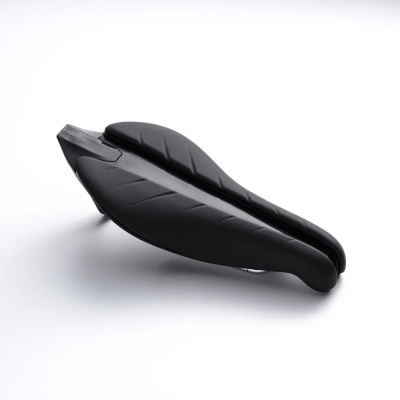
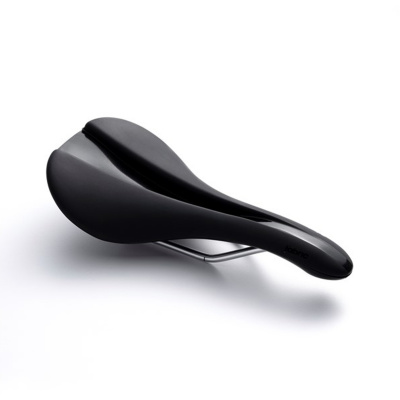
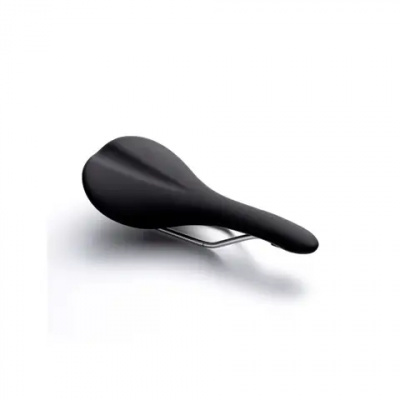
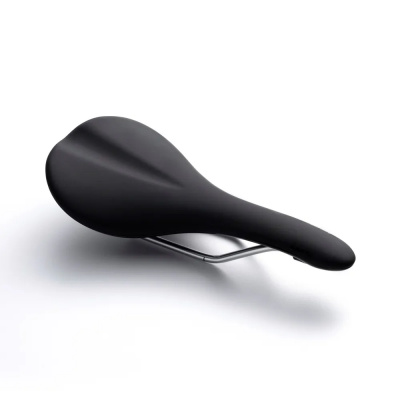
Fabric saddles take a genuinely different approach to a component most brands treat as an afterthought. Rather than stretching a cover over a base and stapling it down - a method that invites water ingress, rust, and eventual delamination - Fabric bonds all three parts together: cover, base, and rail as one clean unit. No staples, no stitching to trap grit, no seams to split on a filthy November ride. That matters more than you'd think when British roads are doing their worst.
The fit system is the other thing worth understanding before you browse. Fabric organises their saddles around three rider profiles: Flat for aggressive, low positions where you're rotating forward on the pelvis; Shallow for endurance riders splitting their time between the hoods and the drops; and Radius for more upright riding where the pelvis sits naturally level. Get this right and the saddle does the job quietly. Get it wrong and no amount of padding helps.
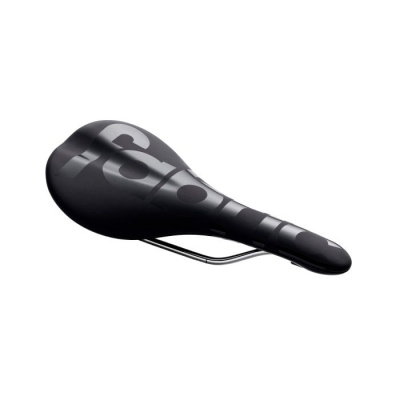
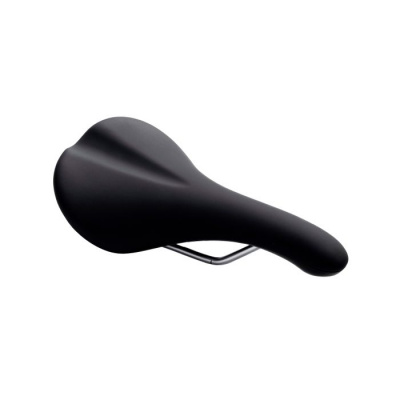
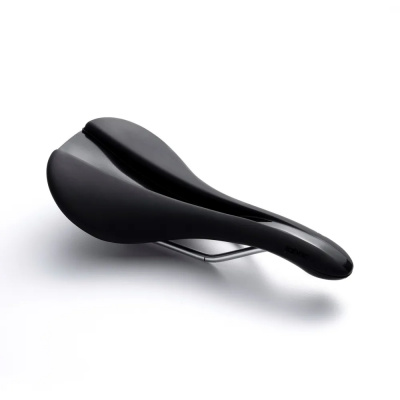
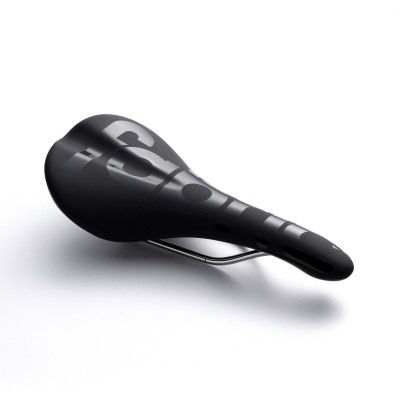
Across both the Scoop and Line families you'll find multiple rail materials and base constructions, from affordable steel-railed entry points up to full carbon. The waterproof microfiber covers wipe clean in seconds - genuinely useful when Peak District grit is caking everything below the downtube. Compare prices across the full range below.
Prices and availability can change quickly. Delivery charges are not always included in listed prices.
Final price, stock status and delivery terms are set by retailer. We may receive a commission on purchases made.
Will a Fabric Saddle Fit Your Seatpost?
Most riders won't have a compatibility issue. Fabric's Sport and Elite-tier saddles use standard 7x7mm round rails - the kind that slot into virtually every seatpost clamp on the market without a second thought. If you're running a mid-range alloy post or a standard carbon post with a conventional clamp, you're sorted.
The complication arrives with Pro and Ultimate-tier saddles, which feature carbon rails in a 7x9mm oval profile. That oval cross-section is structurally efficient - it resists flex in the vertical plane while keeping weight low - but it does need a compatible clamp. Side-loading seatpost clamps (common on most modern carbon posts) generally accept 7x9mm rails without modification. Top-down clamp designs, including some older Bontrager and Specialized posts, apply clamping force in a way that can crush or crack oval carbon rails. If your post uses that style, check the manufacturer's spec sheet before buying, or budget for replacement clamp ears. A cracked carbon rail is a warranty headache nobody wants on a Sunday morning.
One practical note: if you're pairing a Fabric Pro or Ultimate saddle with a dropper post, confirm the dropper's clamp compatibility too. Not all dropper heads are built to the same standard.
Scoop, Line, and the Tier System Explained
Two core shapes, several price points. Understanding the difference between them saves you buying the wrong saddle twice.
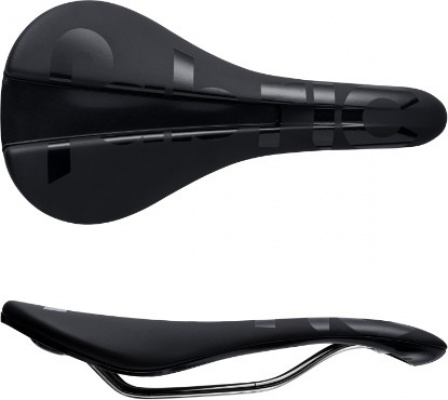
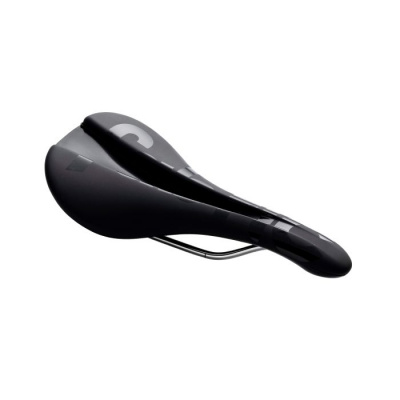
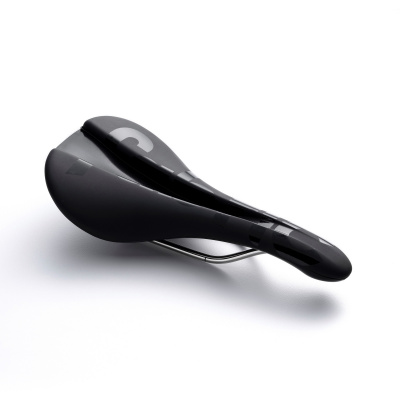
The Scoop is Fabric's traditional saddle - a continuous, solid base that supports the full sit-bone contact area. It suits riders who've never had significant perineal pressure issues and want a clean, firm platform. The Line adds a full-length central pressure relief channel running nose to tail, which takes load off soft tissue on longer efforts. If you regularly notice numbness after an hour or more in the saddle, the Line is the one to look at. It's not a fix for a fundamentally wrong fit, but for riders who are otherwise positioned well, it makes a meaningful difference on a four-hour sportive or a big gravel day.
Within each shape, the tier system works like this. Sport uses steel rails - heavier, but the most affordable entry point and perfectly durable for commuting or training miles. Elite steps up to cro-mo rails, which shave a little weight and add a touch of natural compliance without costing a fortune; this is where most riders get the best value. Race uses titanium rails, a genuinely good material for saddles - light, with a subtle flex that takes the edge off road buzz over a long day in the Cotswolds or on a loaded Scottish tour. Pro introduces carbon rails at 7x9mm, stiff and notably lighter, suited to riders who've already optimised everything else and need to trim grams. Ultimate goes further still with a carbon base as well as carbon rails, which is where you reach genuinely ultralight territory - and genuinely ultralight pricing to match.
Also worth knowing: the Cell saddle sits slightly outside this structure, using Fabric's hex-air cell technology - a honeycomb-like layer built into the base that manages pressure distribution differently to foam. It's an interesting option for riders who find conventional padding either too soft or inconsistently supportive across long rides.
If you're comparing Fabric against alternatives, Fizik saddles use a similar flexibility-based fit system (their Spine Concept), while Ergon saddles take a wider, more anatomically pronounced approach that suits many gravel and touring riders. Fabric sits between those two philosophies - less prescriptive than Ergon, more varied in shell shape than many Fizik options at the same price.
Completing your contact points? Fabric's bar tape and grips are worth pairing with a new saddle - consistent feel across the whole cockpit, and they use the same bonded construction philosophy.
Keeping a Fabric Saddle in Good Shape Through a UK Winter
The bonded, staple-free construction that makes Fabric saddles structurally clean is also what makes them easier to live with through the kind of riding conditions that destroy cheaper saddles. Traditional stapled saddles absorb water under the cover edge, the base rots from underneath, and the staples rust through - often within a couple of seasons of regular wet-weather use. Fabric's method seals all three layers together, so there's no gap for water to get into and nothing ferrous to corrode at the join.
That said, they still need a basic wipe-down after muddy rides. The waterproof microfiber covers don't absorb water or grit, but dried mud left sitting on the saddle surface acts like fine sandpaper against your bib shorts - you'll wear through the chamois panels prematurely, which is an expensive mistake. Thirty seconds with a damp cloth after each ride is enough. The smooth edges are also worth noting: unlike saddles with visible stitching or raised seams, Fabric's edges don't have anything to catch on kit, which reduces inner-thigh wear over a season of regular miles.
For those running Brooks leather saddles alongside a Fabric on a second bike, the contrast in maintenance is stark - Fabric needs almost nothing beyond that wipe-down. No proofide, no tensioning, no breaking-in period.
Fabric Saddles FAQs
How do I choose the right Fabric saddle profile?
It comes down to how you sit on the bike. The Flat profile suits aggressive, low riding positions where the pelvis tilts forward - think road race or TT geometry. Shallow works for endurance riders moving between hoods and drops across varied riding. Radius fits upright positions where the pelvis stays level. Your handlebar drop relative to the saddle is the clearest indicator of which profile you need.
What is the difference between Fabric Scoop and Line saddles?
The Scoop uses a solid, uninterrupted base - conventional support across the full saddle width, well-suited to riders without perineal pressure concerns. The Line runs a full-length central relief channel from nose to tail, reducing soft-tissue load on longer rides. If you regularly notice numbness after an hour in the saddle and your position is otherwise dialled, the Line is the more practical choice.
Are Fabric carbon saddle rails compatible with standard seatposts?
Fabric's carbon rails measure 7x9mm in an oval profile, which isn't universally compatible. Side-clamp seatposts typically accept them without issue. Top-down clamp designs - found on some older posts - can crack oval carbon rails under clamping force and will need specific replacement ears or a different post entirely. Always check your seatpost clamp style before purchasing a Pro or Ultimate-tier saddle.