
Ism Saddles
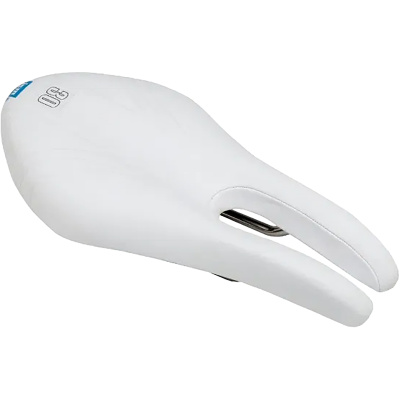
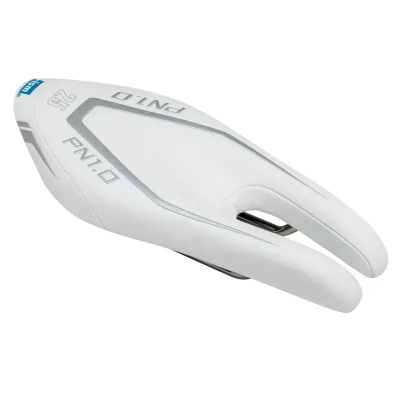
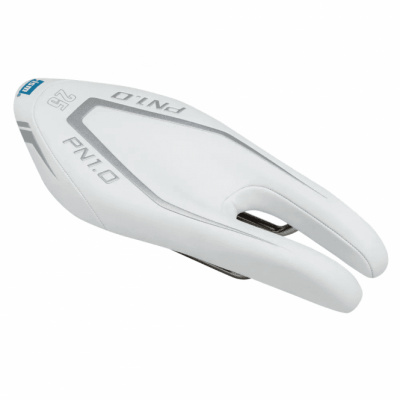
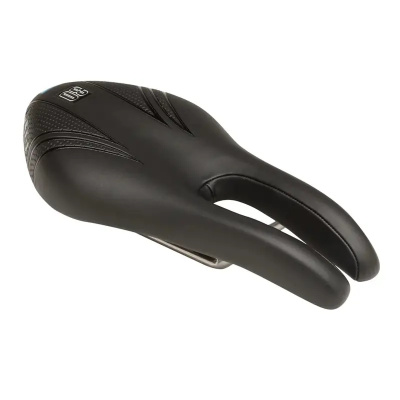
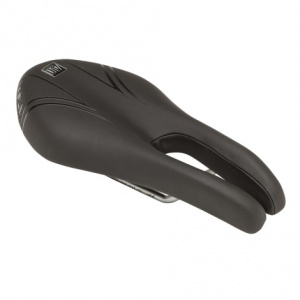
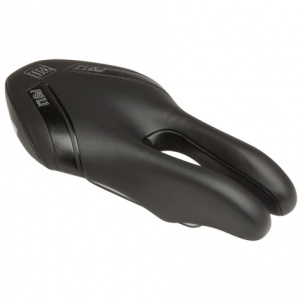
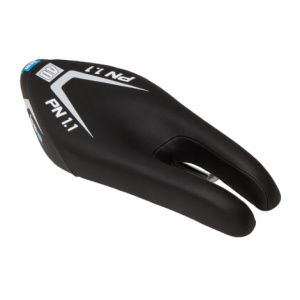
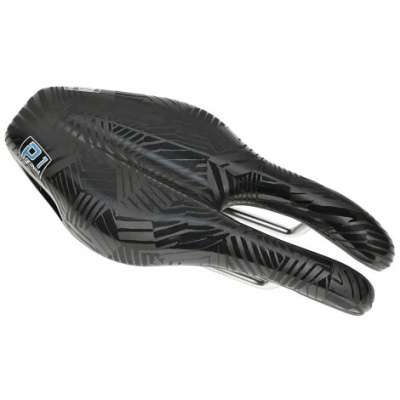
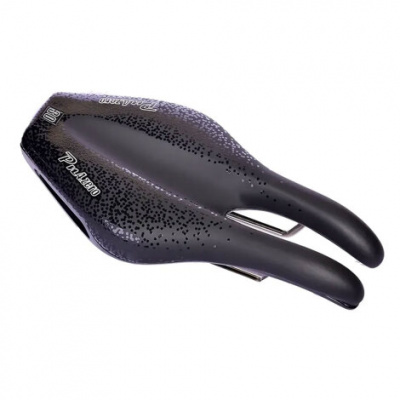
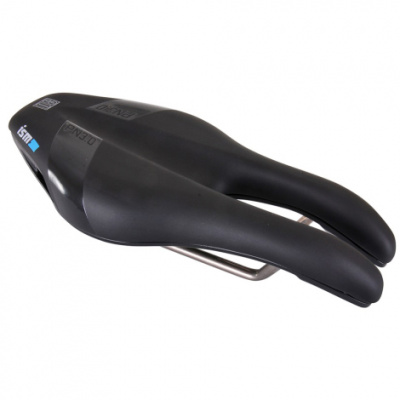
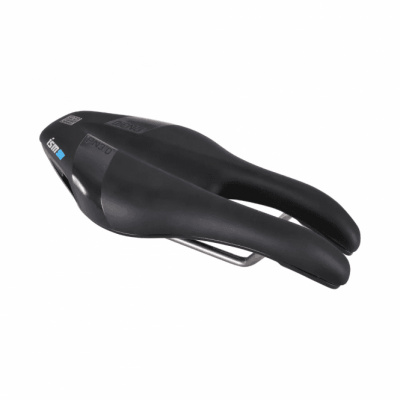
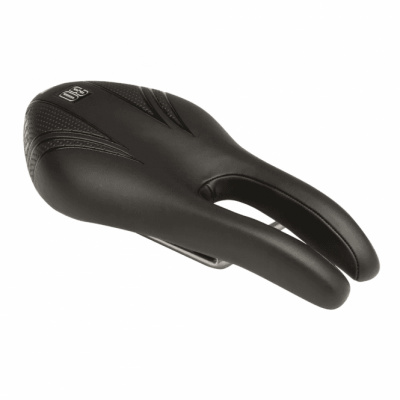
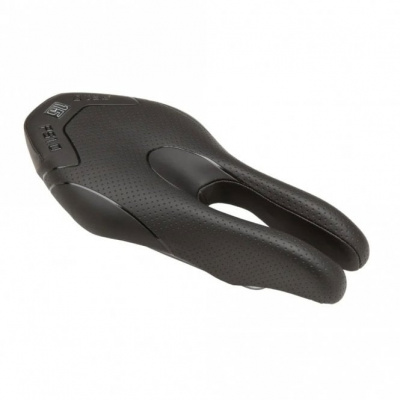
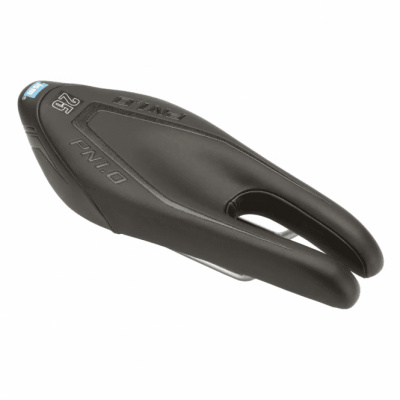
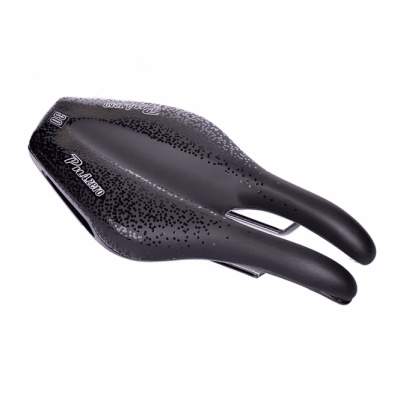
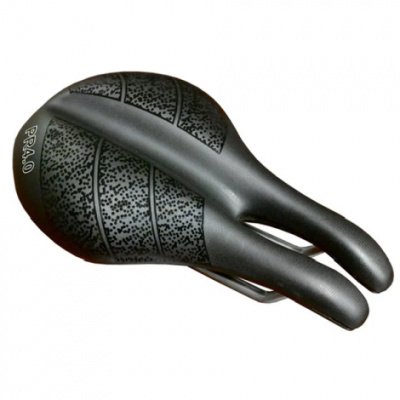
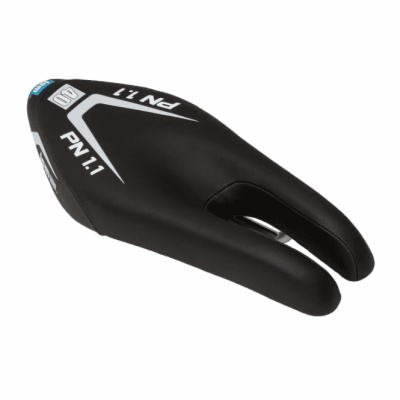
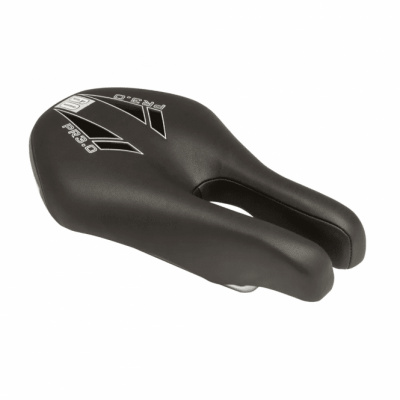
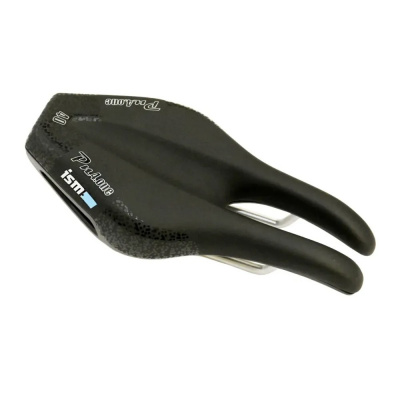
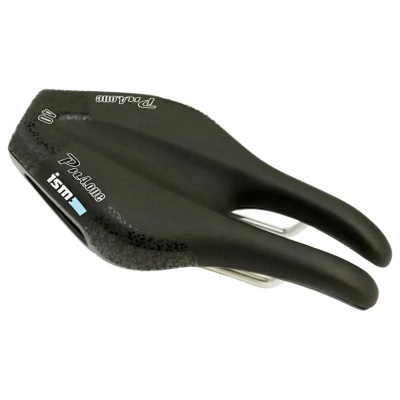
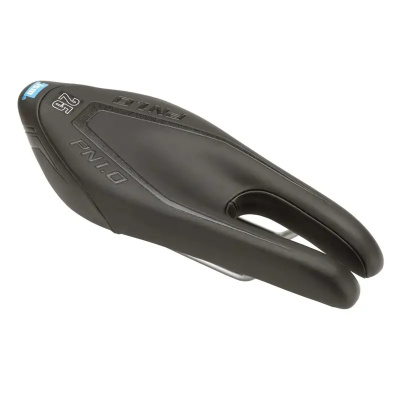
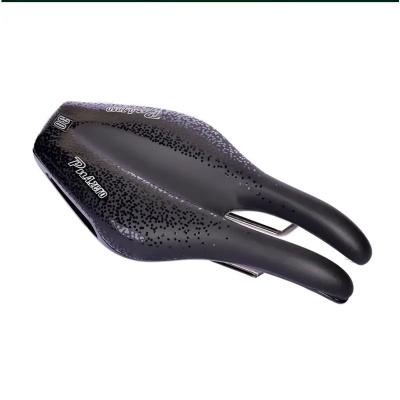
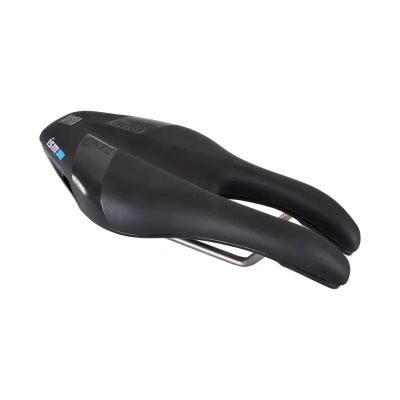
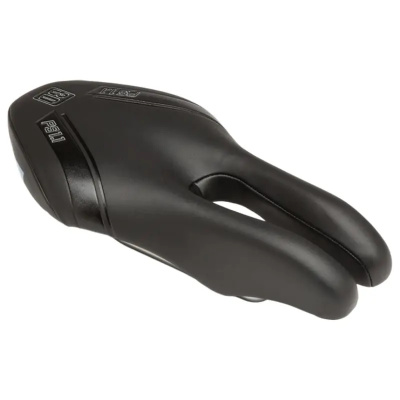
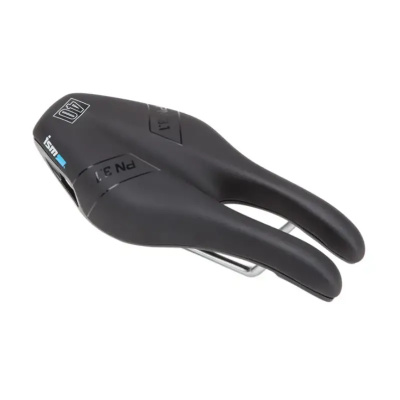
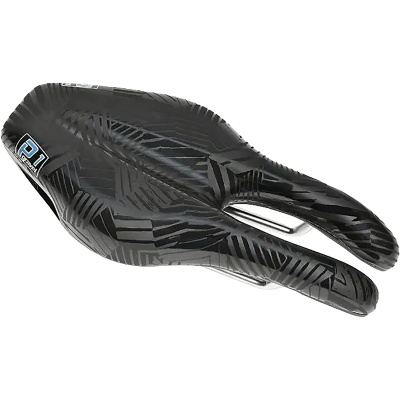
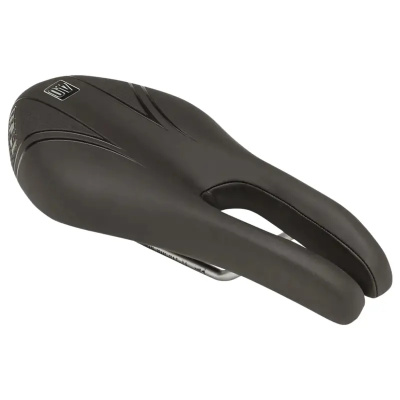
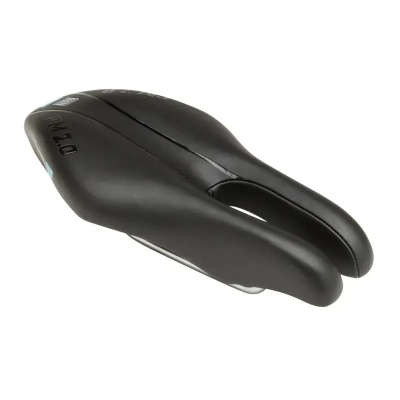
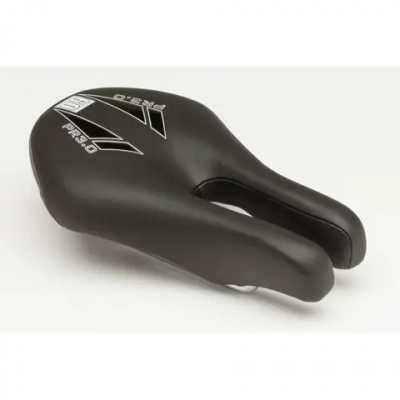
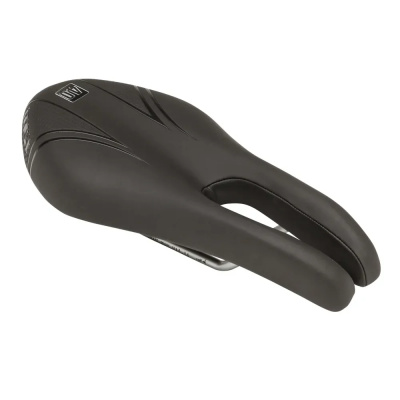
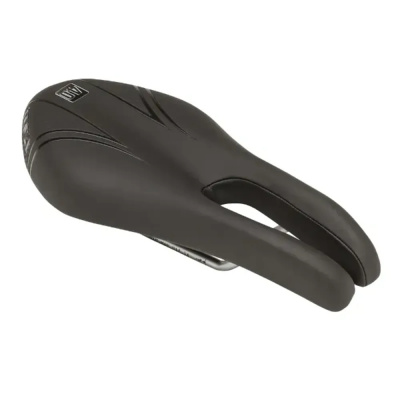
ISM Saddles take a blunt approach to a problem most cyclists just put up with: soft tissue numbness and pressure during long or aggressive rides. Where a conventional saddle has a nose that presses directly onto perineal soft tissue, ISM's split-nose design removes that contact entirely. You ride on your pubic rami - your sit bones - and blood flow stays unrestricted even when you're locked into a flat-back TT position for an hour.
That's why triathletes and time triallists adopted ISM first. But the same logic applies on a road bike during a long UK sportive, or grinding out winter base miles on the turbo when a static position turns ordinary saddles into instruments of discomfort. The split-nose isn't a gimmick; it's a structural solution to a biomechanical problem.
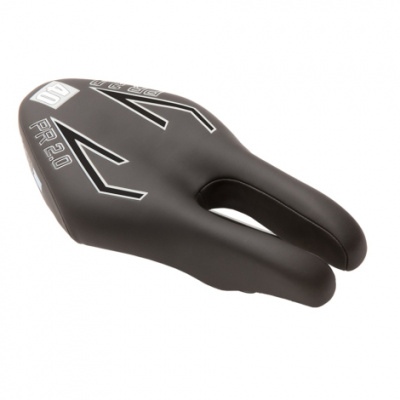
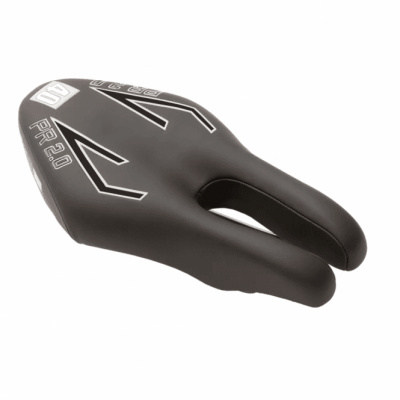
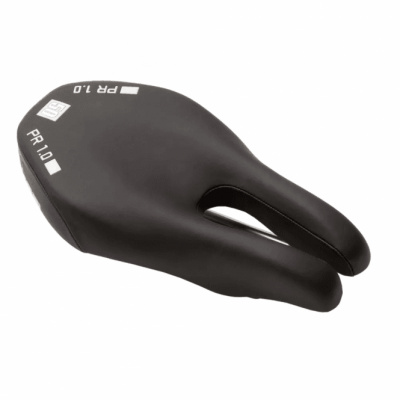
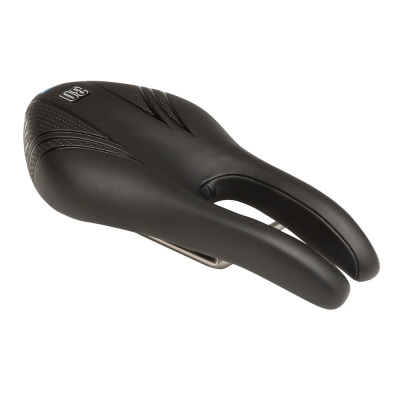
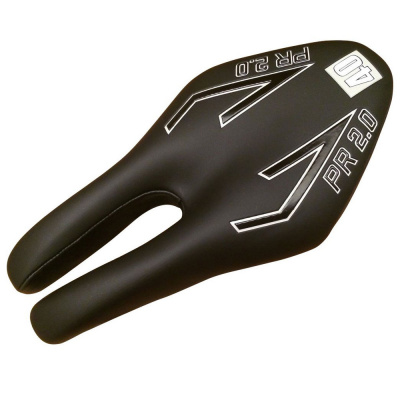
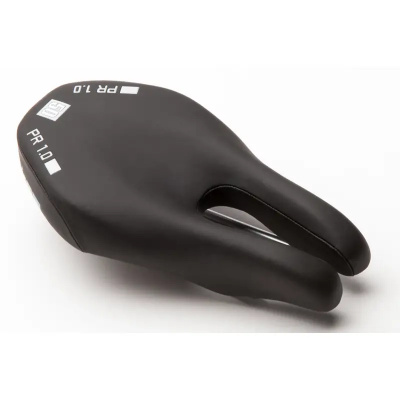
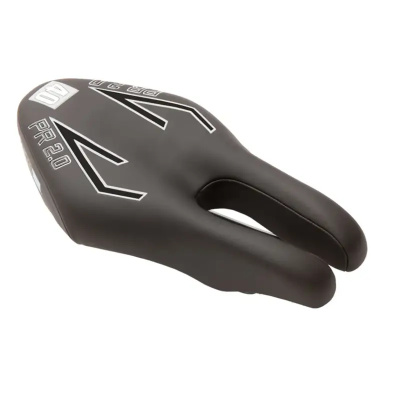
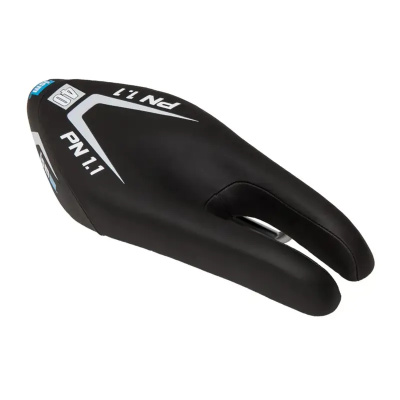
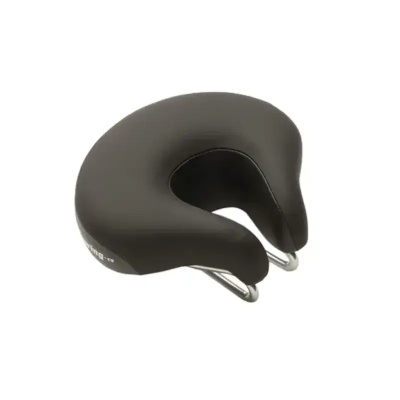
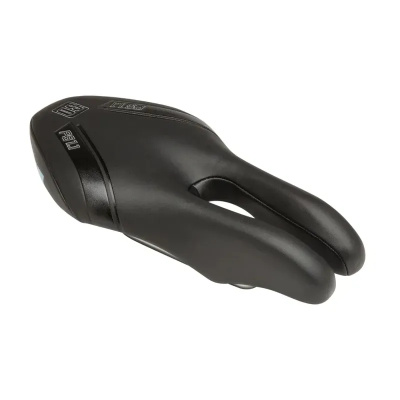
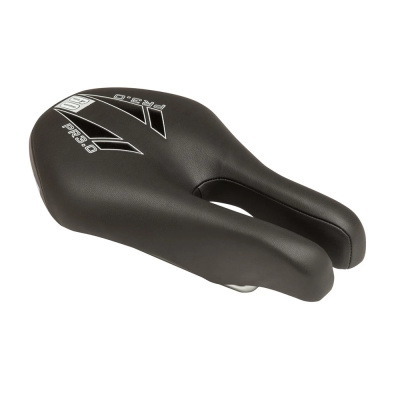
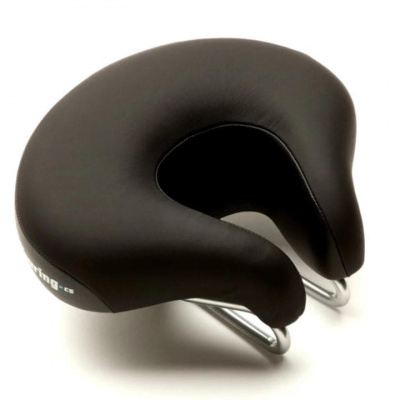
The range runs from the narrow, thigh-clearance-friendly PN series through to the short-nosed PS built around aggressive TT geometry, the fore-and-aft-flexible PL, and the wider, more cushioned PR for upright riding. Each shape is available across multiple padding levels and rail specs. Below, we break down which model fits which rider, what the rail standards mean for your seatpost, and how to set one up correctly - because getting that wrong undoes most of the benefit.
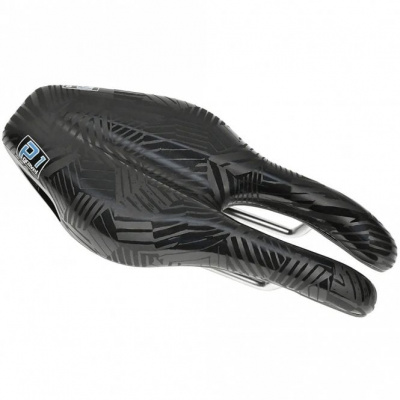
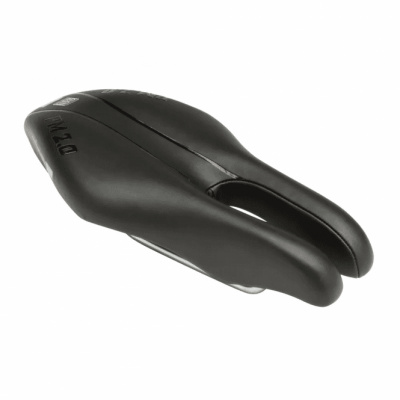
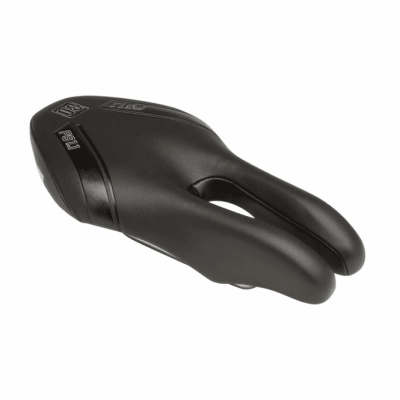
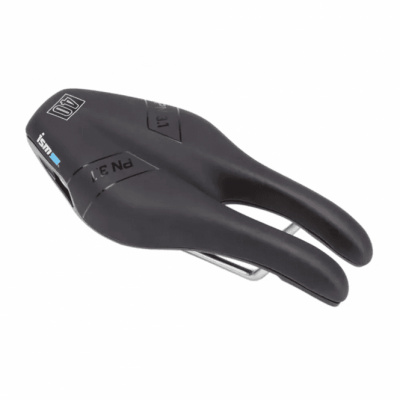
Prices and availability can change quickly. Delivery charges are not always included in listed prices.
Final price, stock status and delivery terms are set by retailer. We may receive a commission on purchases made.
Getting the Setup Right Before You Bolt It On
This is the bit most people miss. An ISM saddle set up like a conventional one will feel awful, and you'll send it back thinking it doesn't work. It does work - but you ride on the front arms of the saddle, not the rear platform, so the geometry has to shift accordingly.
Drop your saddle height by 5 - 8mm compared to your standard position. Move it 2 - 3cm further back on the rails. That combination puts your sit bones correctly onto the widest contact point of the front arms, which is where all the load-bearing happens. If you don't make both adjustments, you end up perched too far forward, which reintroduces soft tissue pressure and defeats the purpose entirely.
Rail compatibility matters here too. Entry-level ISM models use standard 7x7mm chromoly or steel rails, which fit the vast majority of seatposts without any fuss. Step up to the top-tier models and you're into 7x9mm oval carbon rails - noticeably stiffer and lighter, but they need a seatpost clamp that can handle that oval profile. Side-clamp designs in particular can struggle to grip oval carbon rails correctly, so check your seatpost spec before you buy. A mismatched clamp on a carbon rail is a credibility-destroying creak at best and a saddle slip at worst.
Breaking Down the ISM Model Range
The acronyms aren't arbitrary. Each letter tells you something specific about the shape and who it suits.
PN (Performance Narrow) sits at 110 - 120mm wide. That narrow platform keeps the saddle out of the way of your thighs during hard cornering and climbing, which is exactly what road and gravel riders need. The PN 3.0 and PN 4.0 are the most popular options in this family, and they're the ones that come up most often when riders are choosing an ISM saddle for road bike use. Thigh clearance is genuinely better than most alternatives at this width - brands like Fizik offer narrow road saddles, but none of them address perineal pressure the same way.
PS (Performance Short) is the tri and TT weapon. The shortened rear profile works with the forward-rotated pelvis you get in an aggressive aero position, keeping the contact point consistent whether you're on the aerobars or briefly sitting up. If you're building a dedicated time trial bike, start here. UCI compliance comes up a lot with TT saddles - we cover that in the FAQ below.
PL (Performance Long) suits riders who like to move around on the saddle - shifting back for climbs, forward for sprints. The longer platform gives you that range without running out of saddle. It's a less common choice but makes sense for endurance road riding where position varies across hours.
PR (Performance Recreation) is the wider, more cushioned end of the range. Padding runs into the 40 - 60 series foam, which is noticeably plush compared to the firmer 25 - 30 series foam used on performance models. If you're on a hybrid or touring bike and spending time in a more upright position, the PR's broader platform distributes load better. It's a different use case to the PN or PS - don't cross-shop them as if they're interchangeable.
One thing worth being clear about: moving up in price gets you lighter rails - titanium or carbon - and sometimes upgraded foam and gel composites. It doesn't change the fundamental shape of the model. A PN 4.0 and a top-spec PN with carbon rails are the same geometry. The upgrade is weight and feel, not fit. Ergon takes a similar tiered approach with their range, and the same logic applies there - shape first, spec second.
If you're comparing ISM PN vs PS saddles, the deciding factor is your riding position. Aggressive aero with forward hip rotation - PS. Road and gravel where you need thigh clearance and more movement - PN. Don't let the price difference steer you; pick the shape that matches how you actually sit on the bike.
How ISM Saddles Hold Up in UK Conditions
The synthetic microfibre covers ISM use are practical - they wipe down easily after a wet ride, and they don't soak up water the way some natural leather-look finishes do. That matters when you're rolling back from a damp ride in the Peaks or cleaning off after a muddy winter sportive.
The split channel, though, is a grit trap. Mud and road debris thrown up by your rear wheel collect in there, and over time that abrasive material works against your shorts on every pedal stroke. Clean it out regularly - a narrow brush or a folded cloth pulled through the channel sorts it quickly. It takes thirty seconds and it matters, especially if you're doing back-to-back winter miles.
Steel and chromoly rails are the other maintenance consideration. UK roads mean road salt from October through to March, and untreated chromoly rails will pit and surface-rust over a winter if you leave them to it. A light spray of anti-corrosion product on the rails every few weeks keeps that in check. Titanium and carbon rails don't have this problem, which is a practical argument for speccing up beyond the entry-level models if you ride year-round. Fabric and Bontrager both use similar rail-tier structures, and the same winter maintenance logic applies across the board.
ISM saddle setup also becomes more critical on a static turbo trainer, where you can't shift position to relieve pressure the way you naturally would outdoors. A traditional saddle in a fixed position for ninety minutes indoors is where most riders first notice numbness badly enough to do something about it. ISM's split-nose design directly removes the pressure source rather than redistributing it, which is why they're particularly effective for long indoor sessions - the kind that fill up a UK winter training block.
Ism Saddles FAQs
How do you set up an ISM saddle?
You need to drop the saddle 5 - 8mm lower and move it 2 - 3cm further back than your standard position. This puts your sit bones onto the front arms of the saddle correctly. Skip either adjustment and you'll be perched wrong, which reintroduces the soft tissue pressure you're trying to eliminate.
Which ISM saddle is best for road bikes?
The PN (Performance Narrow) series is the right starting point - the PN 3.0 and PN 4.0 are the most widely used. At 110 - 120mm wide, the narrow profile keeps the saddle clear of your thighs through corners and on climbs, while still giving you full perineal pressure relief.
Are ISM saddles UCI legal for time trials?
Most ISM saddles are UCI compliant, but the key rule is that the saddle nose must sit at least 5cm behind the bottom bracket. The PN series is designed with UCI dimensional rules in mind, but verify each model's compliance before racing - setback rules are enforced at elite level events.