
Giro Helmets
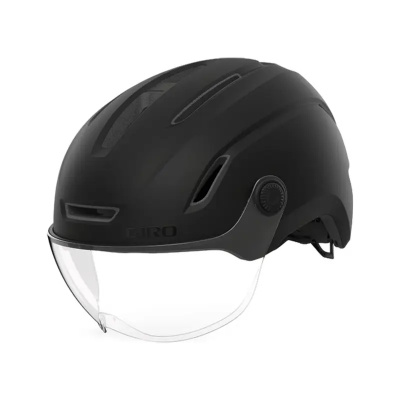
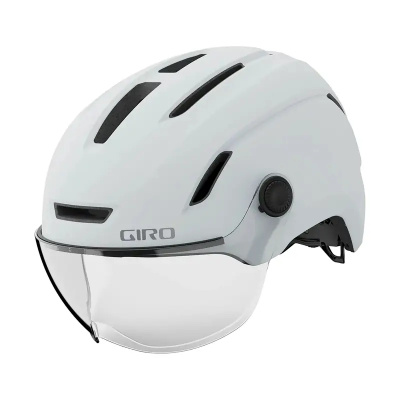
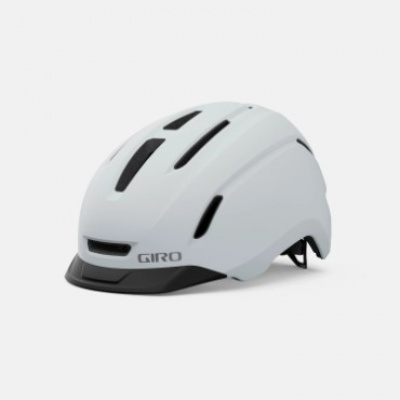
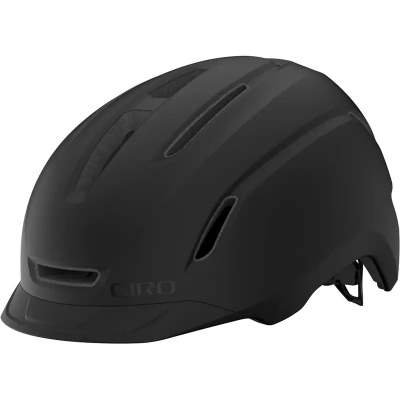
Giro helmets have shaped what head protection looks like in cycling since 1985, and the range today is as broad and technically accomplished as it's ever been. Whether you're grinding up a humid Welsh valley in July, threading through city traffic on a grey Tuesday morning, or picking lines at a trail centre in the Peaks, there's a Giro built with that ride in mind.
The technology underpinning the range is genuinely serious. MIPS technology and the brand's own Spherical Technology address rotational forces during an impact - the kind that a simple crush test doesn't account for. The Roc Loc fit system gives you precise, tool-free adjustment at the back of the helmet, with vertical tuning on many models so riders with ponytails aren't left fighting a poorly positioned cradle. In-Mold construction bonds the polycarbonate shell directly to the EPS foam liner, keeping weight down without sacrificing structural integrity.
Ventilation is another area where Giro consistently delivers. The Wind Tunnel ventilation design channels airflow efficiently over the head - useful when the summer humidity makes every climb feel twice as long. Add reflective detailing across key colourways for low-light commuting, and you've got a range that covers a lot of ground without cutting corners on the things that matter.
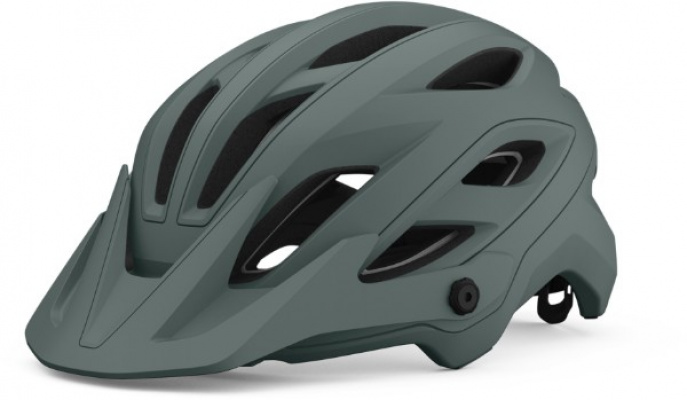
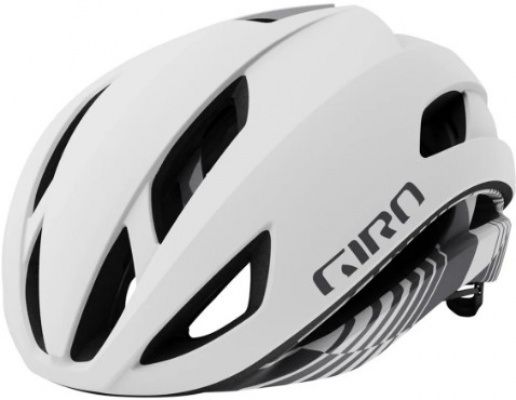
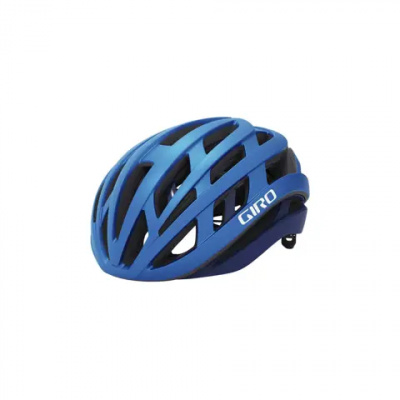
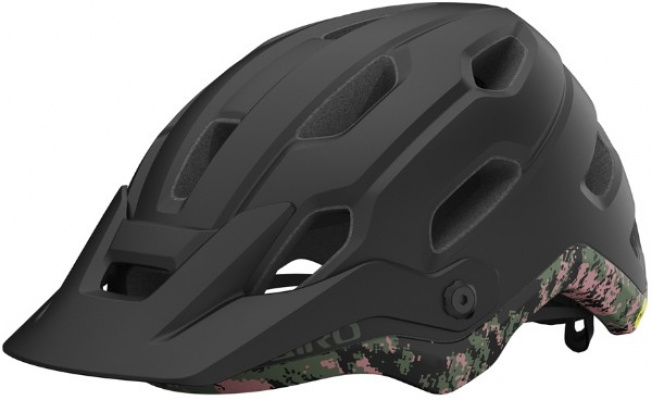
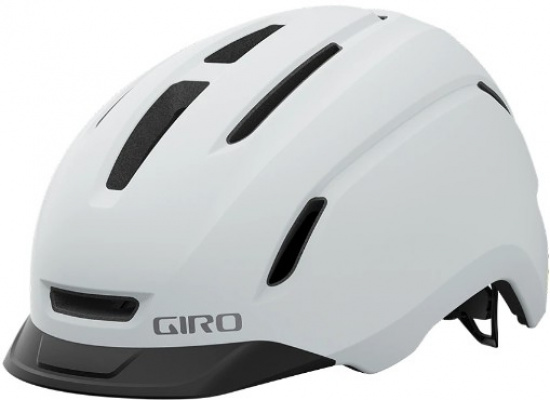
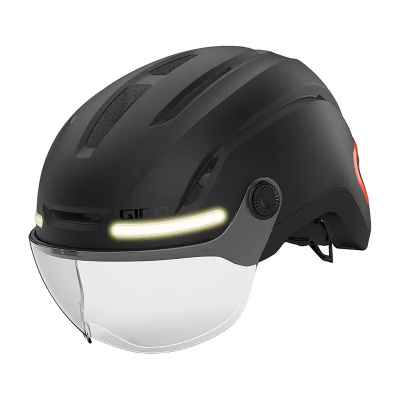
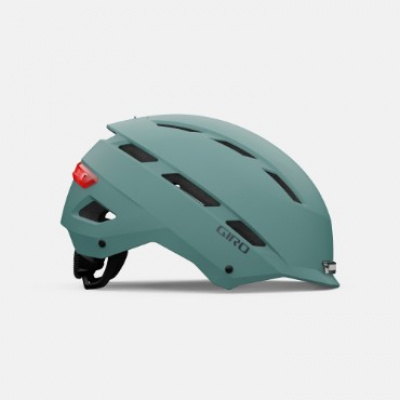
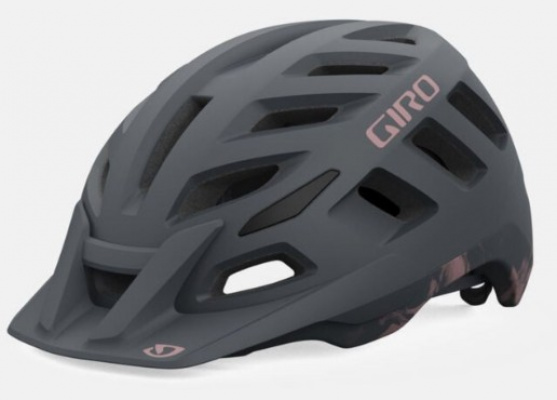
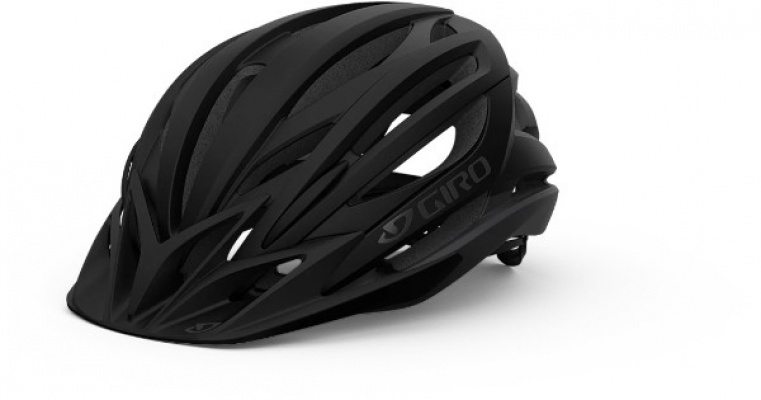
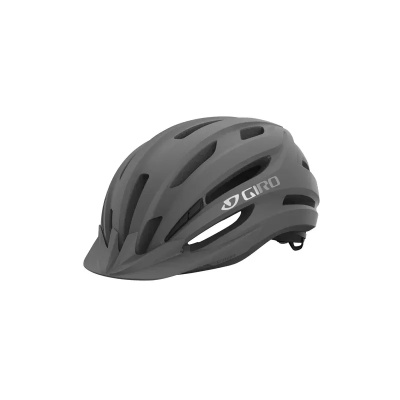
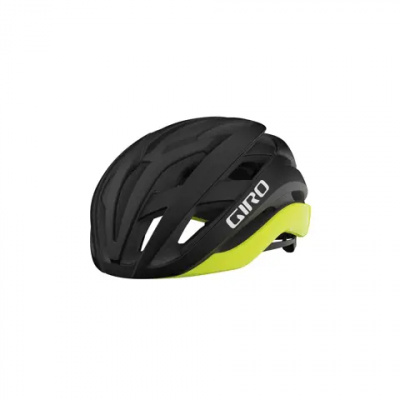
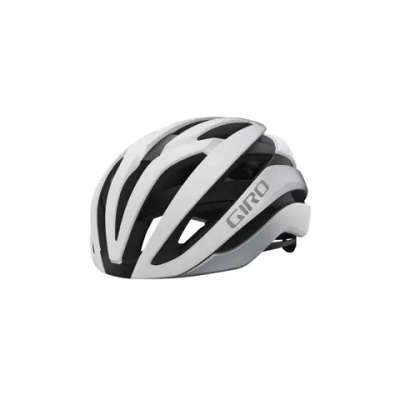
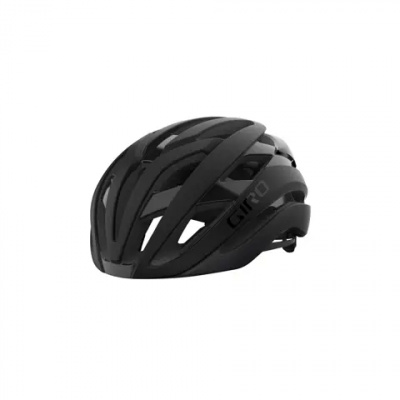
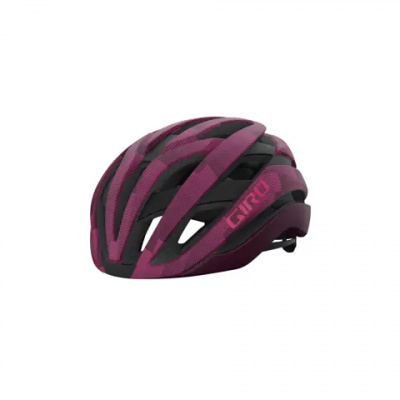
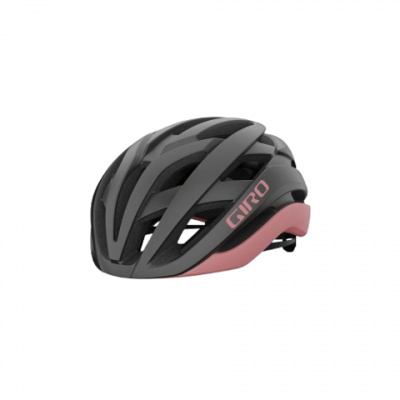
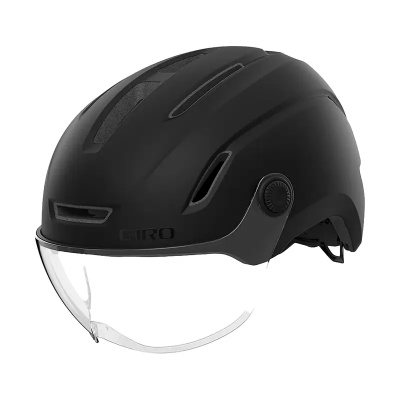
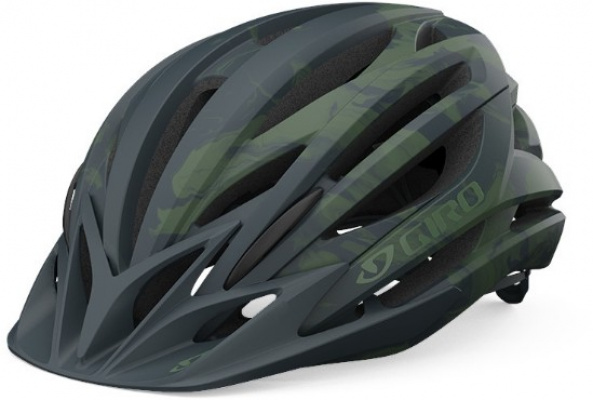
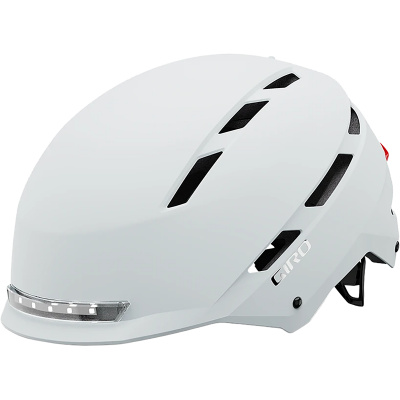
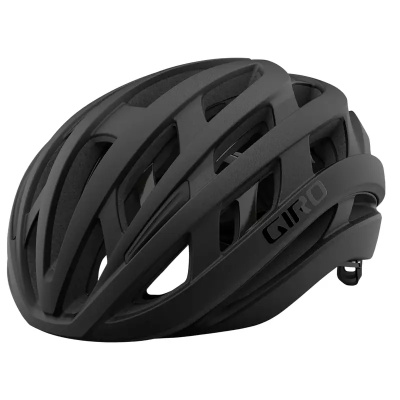
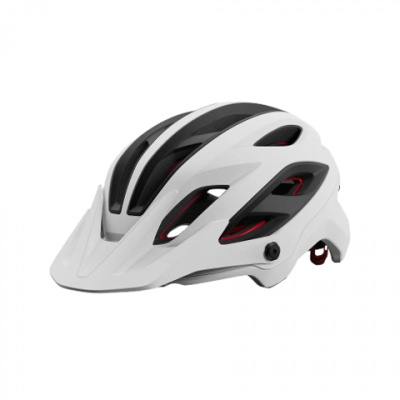
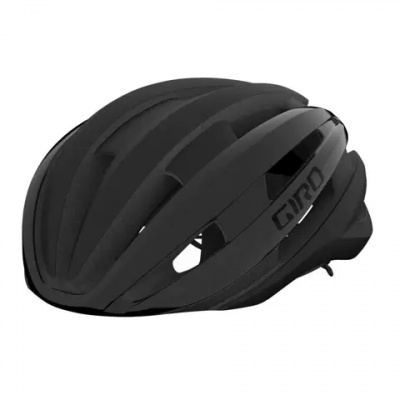
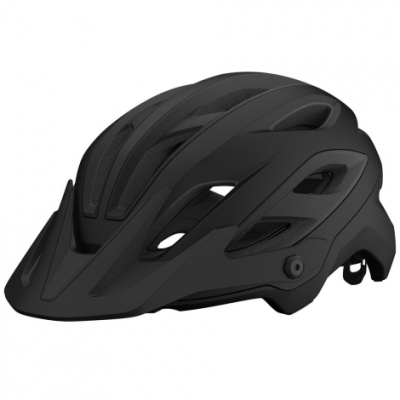
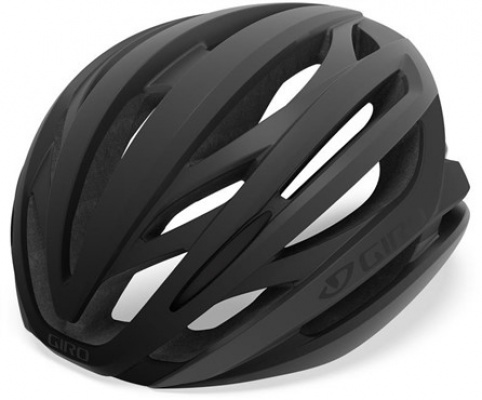
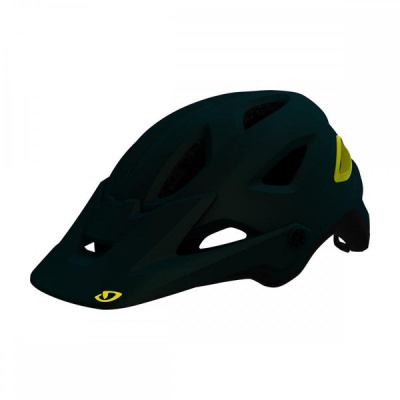
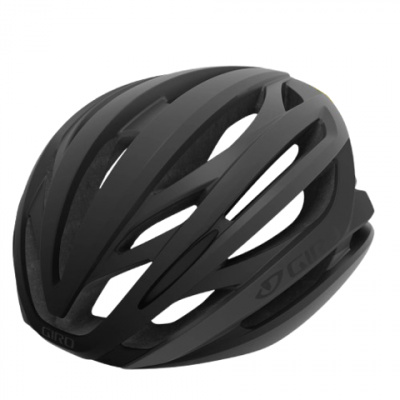
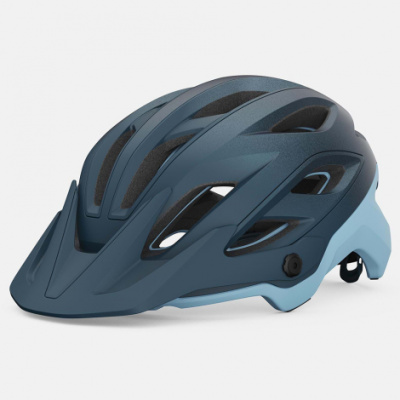
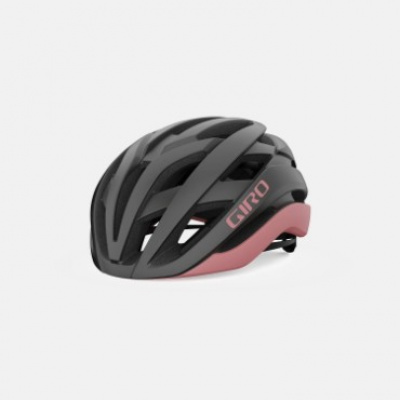
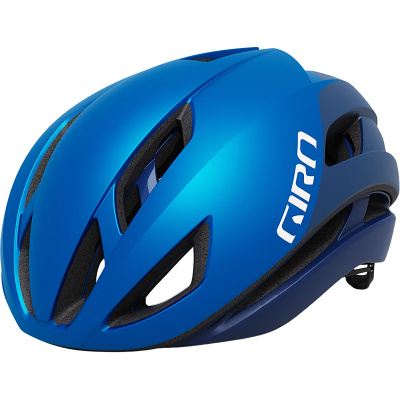
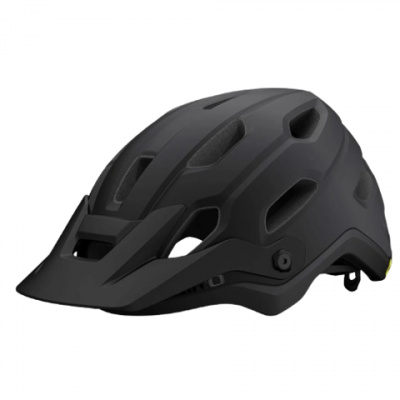
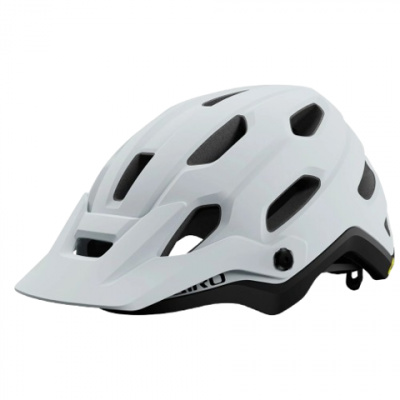
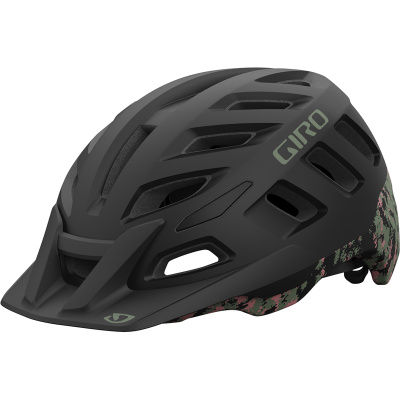
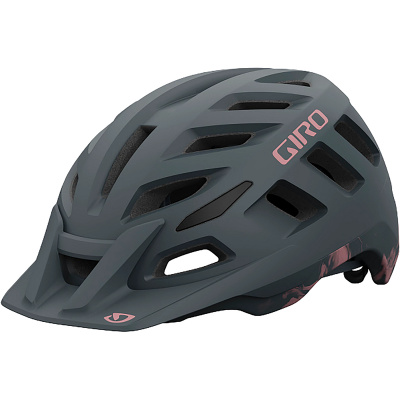
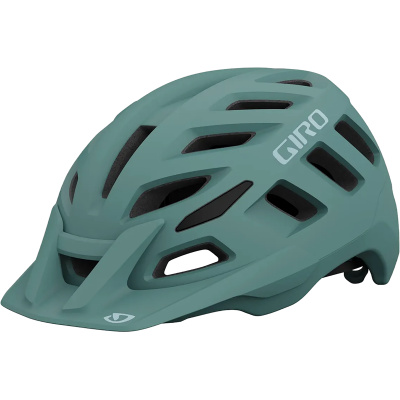
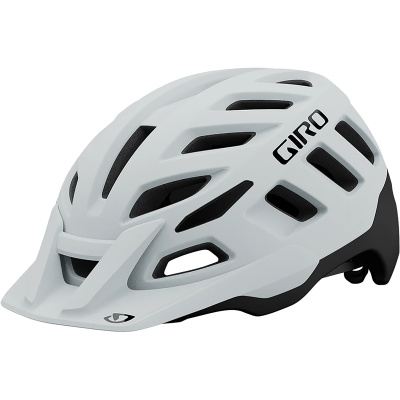
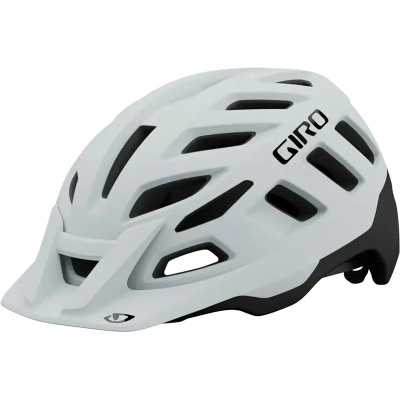
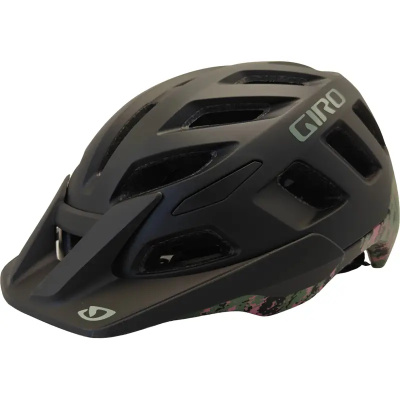
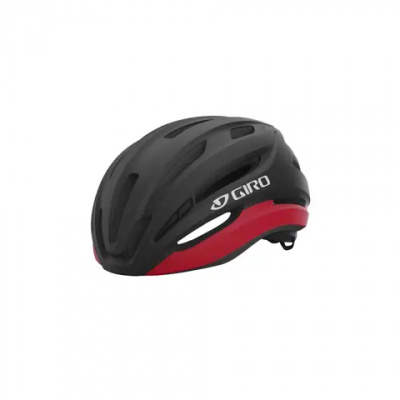
Prices and availability can change quickly. Delivery charges are not always included in listed prices.
Final price, stock status and delivery terms are set by retailer. We may receive a commission on purchases made.
Safety Tech and Ventilation: How the Protection Actually Works
Crash protection in cycling helmets has moved well beyond a single layer of EPS foam absorbing a direct hit. Giro's adoption of MIPS technology - the Multi-Directional Impact Protection System - adds a low-friction layer inside the helmet that allows a small amount of rotational movement on impact. That slip, measured in milliseconds, reduces the rotational forces transferred to the brain. It's a meaningful addition, not a marketing badge.
Spherical Technology, which Giro developed in partnership with MIPS, goes further. Rather than a separate liner layer, it uses two concentric helmet shells - one inside the other - that can rotate independently. Think of it like a ball-and-socket joint built into the helmet itself. The result is smoother, more controlled energy management during an oblique impact, and it also allows for deeper ventilation channels because the inner shell can be shaped more freely.
Speaking of ventilation - the Wind Tunnel ventilation system uses carefully positioned intake ports and internal channelling to pull cooler air over the head and push warm air out through exhaust vents at the rear. On a long road climb in humid conditions, that airflow does real work. Less heat means less sweat, and less sweat means you're not constantly wiping your glasses mid-effort. On MTB models, the port placement also considers goggle compatibility, so airflow isn't choked when you've got Giro goggles clipped in.
The Giro Range: Fit, Disciplines, and Finding Your Model
Giro's internal fit profile sits slightly oval rather than round, which suits a broad range of head shapes common across UK riders. If you've found rounder helmets uncomfortably tight at the temples, Giro is often a better match. That said, fit varies between sub-ranges, so it's worth knowing what the Roc Loc 5 Fit System actually gives you before you buy.
The Roc Loc dial at the rear isn't just a single-axis tightening knob. On most Giro road and gravel helmets it also adjusts vertically, so you can shift the cradle up or down to stop the helmet rocking forward or sitting too high. Riders who wear their hair in a bun or ponytail will find the vertical adjustment particularly useful - a small thing that makes a big difference to how the helmet sits day to day. Micro-adjustment means you can dial in fit precisely rather than choosing between two notches that are both slightly wrong.
Giro road cycling helmets span from well-ventilated lightweight designs aimed at long sportive days to more aerodynamic profiles for riders who want an aerodynamic profile without going full time-trial. The gravel models share much of the same construction but often add a more relaxed fit and additional coverage at the rear. MTB-specific lids bring deeper coverage around the temples and back of the head, with visors designed to work with goggles rather than fight them. Giro MTB helmets also tend to carry more robust EPS foam volume for the impact energies involved in trail riding.
Looking to shave seconds off your time trial? View our Giro Aero TT Helmets. Heading to the downhill park? Check out our Giro Full Face Helmets. Equipping the little ones? Browse our Giro Kids Helmets.
Compared to KASK helmets, Giro generally offers a wider range of price points and a broader fit profile. Bell helmets share similar design DNA - both brands sit under the same parent company - but the model lineups are distinct, and Giro tends to carry more road-focused options at the mid-market level.
UK Weather, Helmet Care, and Making It Last
A Giro road helmet pairs naturally with a Giro skull cap or cycling cap underneath during colder months. The fit system accommodates the extra layer without needing to loosen the helmet dramatically - you're adjusting a few clicks on the Roc Loc dial rather than re-fitting the whole thing. That matters when you're standing in a car park at 7am deciding whether to bother with the cap. Just put it on and adjust.
For MTB riders heading into the autumn and winter months, pairing the helmet with Giro goggles keeps mud and debris out of your eyes when a visor alone isn't cutting it. The goggle-to-helmet interface is designed in-house, so the fit between compatible models is noticeably cleaner than mixing brands.
Helmet care is something riders often overlook until the pads smell like a wet dog in a sauna. The Ionic+ anti-microbial padding in Giro helmets slows bacterial growth, but it's not a substitute for washing - hand-wash the pads in warm water with mild soap, then let them dry naturally. Don't put them in a machine and don't use any solvent-based cleaners near the shell or foam. EPS foam degrades faster than most people realise when exposed to harsh chemicals, and a structurally compromised liner offers compromised crash protection. Similarly, leaving a helmet on a car parcel shelf in summer heat isn't doing the foam any favours - keep it in a bag or the footwell.
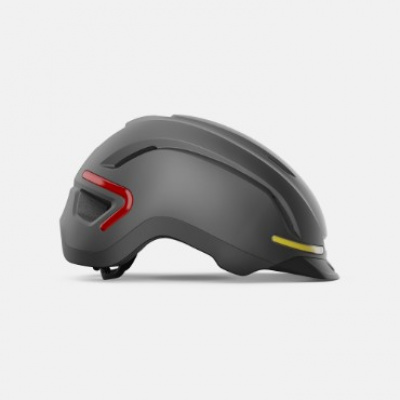
On the visibility front, several Giro colourways carry reflective decals that catch headlights on winter commutes and overcast evening rides. It's not a substitute for lights, but on an unlit B-road it adds something. If you're commuting regularly, it's worth factoring into your colour choice rather than picking purely on aesthetics. Giro gloves with reflective detailing can round out the visible package without much extra effort.
Finally, the replacement question. Helmets don't last forever even without a crash - UV exposure and sweat degrade the EPS foam over time, reducing its ability to absorb impact energy. If your helmet has taken a significant knock, replace it regardless of how it looks. A cracked polycarbonate shell is obvious; a compromised foam liner isn't. Giro's general guidance of three to five years between replacements is a reasonable benchmark for regular riders.
Related searches:
Giro Helmets FAQs
How do I know what size Giro helmet to buy?
Wrap a soft tape measure around your head just above your eyebrows and ears, then note the circumference in centimetres. Match that figure to Giro's sizing chart - Small typically covers 51 - 55cm, Medium 55 - 59cm, and Large 59 - 63cm - and use the Roc Loc dial to fine-tune the fit once it's on your head.
Do Giro helmets run small or large?
Giro helmets generally fit true to size, with a slightly oval internal shape that suits riders who find rounder helmets tight at the temples. The Roc Loc dial gives you enough adjustment range to dial in a precise fit within your size, so borderline cases can usually stay with their measured size rather than sizing up.
When should I replace my Giro bike helmet?
Replace it immediately after any crash or significant impact - the EPS foam is a single-use energy absorber and won't perform the same way twice, even if the shell looks fine. Beyond that, Giro recommends swapping it out every three to five years, as UV exposure and sweat gradually degrade the foam's ability to manage impact energy.