
Giro Aero TT Helmets
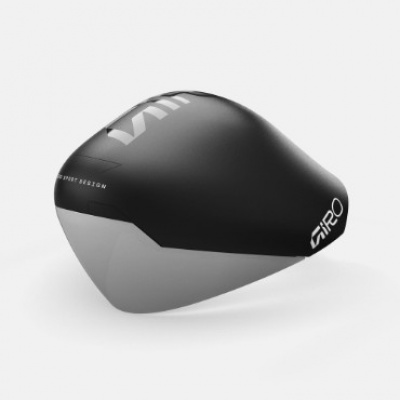
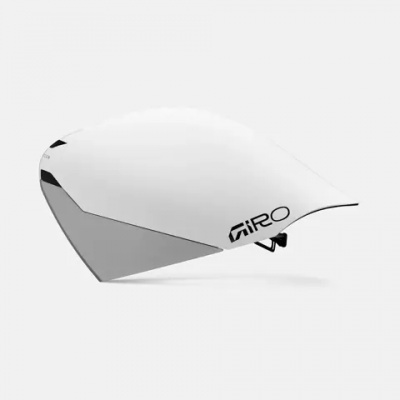
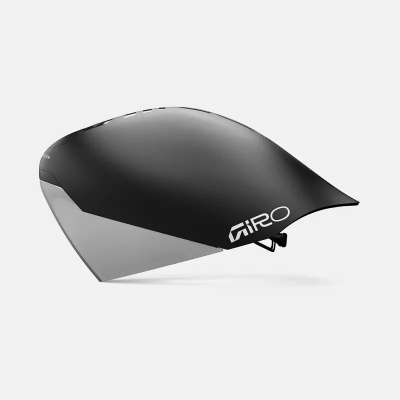
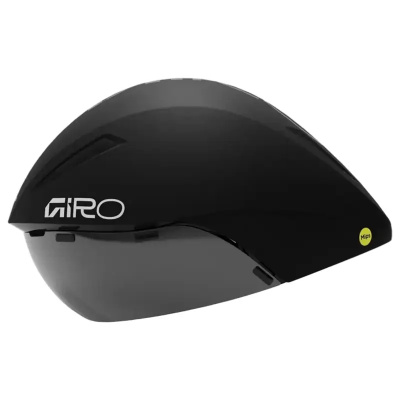
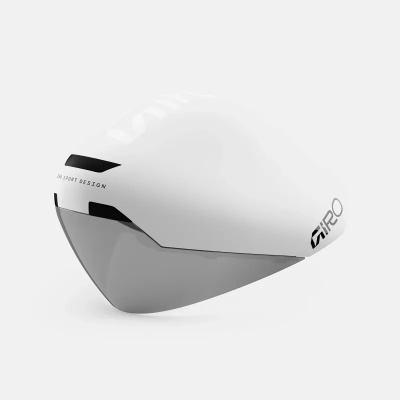
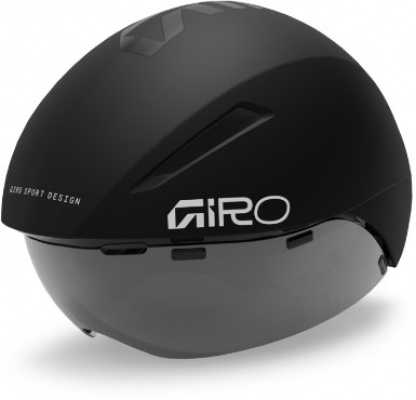
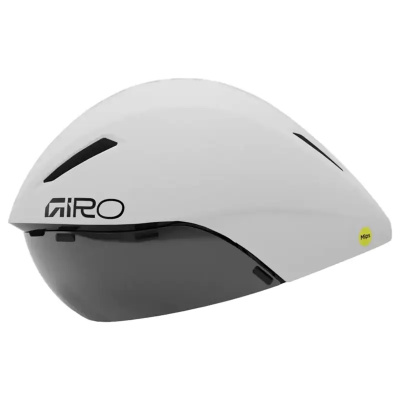
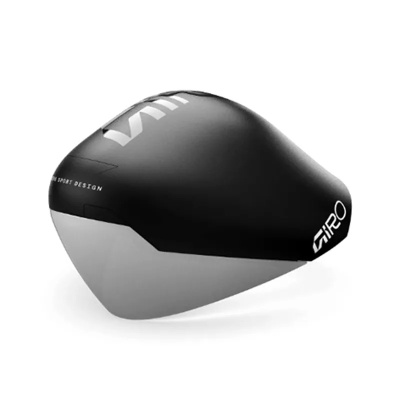
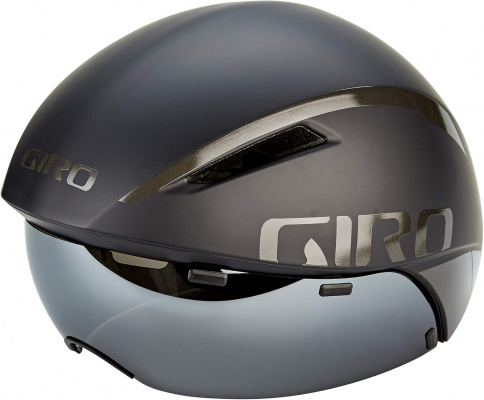
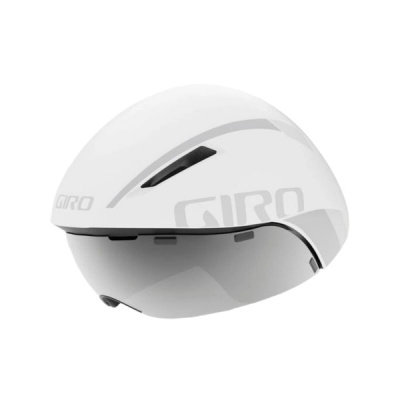
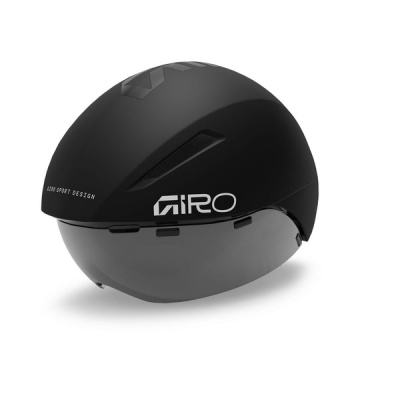
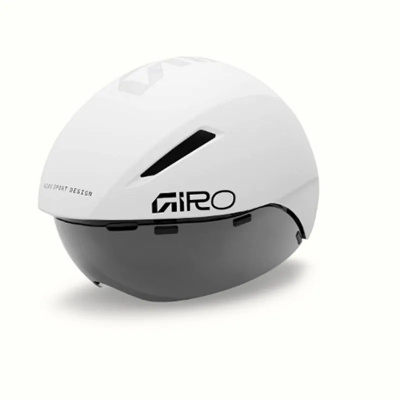
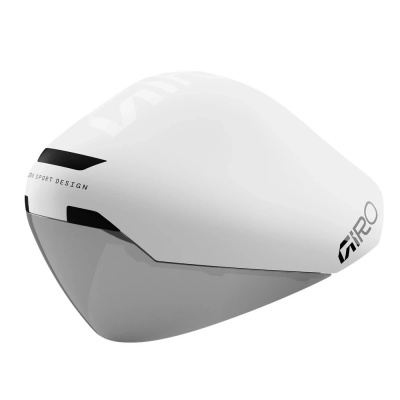
When seconds are the currency, aerodynamic drag is what you're spending against - and Giro Aero TT Helmets are built to stop that bleed. The Aerohead series sits at the sharp end of Giro's race range, shaped by wind tunnel testing into that distinctive teardrop profile that pulls your silhouette through the air with the least possible resistance. You'll find these lids at club 10s, national championships, and triathlon start lines across the UK, favoured by riders who've done the maths on marginal gains and gone all-in on head shape.
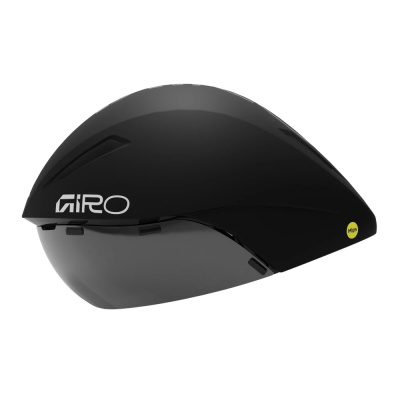
What makes the range credible beyond the profile is the detail in the execution. The integrated magnetic shield uses Zeiss optics glass - optically flat, mechanically slick to deploy, and part of an aero silhouette that doesn't leave gaps for drag to sneak through. MIPS (Multi-Directional Impact Protection System) adds rotational impact management without compromising the shell geometry. And the Roc Loc Air fit system does something useful: it suspends the helmet fractionally off your head, which matters more than you'd think when you're deep in a threshold effort on a muggy British morning. Speed and safety, dialled together.


Prices and availability can change quickly. Delivery charges are not always included in listed prices.
Final price, stock status and delivery terms are set by retailer. We may receive a commission on purchases made.
Aerodynamics, Visor Tech and Ventilation
The teardrop shape isn't just aesthetic - it's functional geometry. Giro's wind tunnel work on the Aerohead focused on reducing the drag coefficient across a range of yaw angles, not just in the clean airflow of a laboratory straight. That truncated tail profile is a considered call: a shorter tail is less sensitive to crosswinds, which matters when you're pushing a 25mph effort down an exposed A-road with gusts coming off open fields.
The visor system is where Giro separates itself from the field. The magnetic wrap-around eye shield clicks into place in one motion and locks flush with the shell, eliminating the stepped junction that cheaper integrated visors leave behind. Zeiss Optics grind the lens, so optical clarity is genuinely high - no peripheral distortion when you glance across at your Garmin, no colour cast messing with your depth perception on a wet road. Swapping between clear and tinted shields takes seconds, which is worth knowing if you're racing an early morning event and want to make the call at sign-on rather than the night before.
Ventilation in a TT helmet is always a trade-off. You're sealing the airflow around your head to reduce drag, but a 40-minute threshold effort generates serious heat. Giro's over-brow ventilation architecture channels air through the front of the helmet, and the Roc Loc Air fit system compounds this by holding the helmet slightly proud of your scalp - creating a narrow cooling channel between shell and head. It won't match an open-vented road lid, but it stops the Aerohead from feeling like a sauna on a mild British afternoon, which is a realistic ask given how hard TT efforts hit your core temperature.
Understanding the Giro TT Range and Fit
The Aerohead comes in two distinct builds. The standard Giro Aerohead MIPS uses a polycarbonate shell - robust, proven, and the sensible choice for most club and age-group racers. The Aerohead Ultimate MIPS steps up to a TeXtreme carbon fibre shell, which reduces both weight and the frontal area of the helmet. The carbon construction allows a tighter layup with less material bulk, so the shell sits closer to the head shape. If you're competing at a level where every frontal centimetre counts, that's a meaningful difference. If you're doing your local club 10, the standard Aerohead does the same aerodynamic job at a lower outlay.
Fit in a TT helmet works differently to a road lid. Because you're riding in an aggressive tuck - chin low, eyes up - the helmet sits further forward on your brow than you might expect. This shifts the weight distribution and changes how the retention system loads against your head. Giro's fit profile is slightly oval, which suits most British riders, but measuring your head circumference and cross-referencing the Giro size chart before buying is worth the two minutes it takes. Getting this wrong means the helmet rocks under hard breathing or drops over your eyes mid-effort, neither of which you want at mile 8 of a 10-mile TT.
The Roc Loc Air dial at the rear gives you micro-adjustments once the helmet is on your head - useful for dialling in that secure-but-not-clamped feeling that TT efforts demand. If you're after aerodynamic advantage for everyday road riding, gran fondos or sportives rather than dedicated race starts, our Giro Helmets range covers open-vented aero road options that balance airflow and speed for longer, more variable efforts without the committed TT geometry.
Maximising Performance in UK Time Trials
A long-tail TT helmet looks dramatic in a velodrome, but on an exposed dual carriageway with a crosswind coming off flat Fenland fields, it can feel like a weather vane attached to your skull. The Aerohead's truncated tail is a more stable choice for the kind of courses that dominate the UK TT calendar - out-and-back A-roads, exposed circuits, technical courses with corners that break your tuck. You're not sacrificing much measurable drag compared to the longest tails, and you're gaining predictability when the wind isn't playing along.
Visor fogging is a genuine issue at damp, early morning UK race starts - the kind of 7am sign-ons where the air is thick with moisture and your body heat is already rising on the warm-up. Keep the over-brow vents clear of tape or inserts, and if your event briefing is in a warm hall, keep the visor open until you're actually rolling. A cycling-specific anti-fog spray applied to the inside of the Zeiss lens the night before adds another layer of insurance. It's a small step that saves you from riding a seven-mile effort half-blind.
The helmet is one piece of the speed puzzle. Pairing it with a well-fitted skinsuit closes the gaps at your shoulders and neck that even the best TT lid can't seal. Giro base layers work with the brand's race apparel to maintain that continuous surface from chest to helmet - worth considering if you're already committed to the Giro system. Giro road shoes with a stiff carbon sole complete the power transfer picture at the other end of the bike. None of it replaces training, but when you've done the training, getting the kit right stops you leaving watts on the table.
If you're comparing Giro against the wider aero TT market, Kask Aero TT helmets and MET Aero TT helmets are the main alternatives worth shortlisting. Kask leans into a more rounded Italian fit profile; MET offers some compelling drag figures at competitive price points. Giro's edge is the Zeiss visor integration and the MIPS inclusion at multiple price points - rotational impact protection in a race lid used to be rare, and it's now a standard Giro offer across the Aerohead range.
Related searches:
Giro Aero TT Helmets FAQs
Are aero helmets worth it for time trials?
Yes - head position and helmet shape are among the highest-return aerodynamic changes you can make on a bike. A dedicated TT helmet like the Giro Aerohead demonstrably reduces drag compared to an open-vented road lid. For anyone racing against the clock, whether at club or national level, the watt savings are real and repeatable across every effort.
How do I stop my Giro TT visor from fogging up?
The Roc Loc Air system helps by keeping a narrow airflow channel between the shell and your head, which reduces moisture build-up. For damp UK mornings, make sure the over-brow vents aren't taped over, keep the shield open until you roll off the start ramp, and apply a cycling-specific anti-fog treatment to the inside of the Zeiss lens the night before your event.
Do Giro Aerohead helmets run true to size?
Generally, yes. Giro uses a consistent, slightly oval fit profile that suits most head shapes. That said, TT helmets sit lower on the brow than road lids due to the aggressive riding position, which changes how the sizing feels in practice. Always measure your head circumference and check the Giro size chart before ordering - don't assume your road helmet size carries straight across.