
Kask Helmets
Kask cycling helmets are made in Italy, tested in the WorldTour peloton, and built around a simple idea: protection and comfort shouldn't ask you to compromise on either. The range covers fast-road, everyday training, and gravel riding, with each lid engineered around Kask's proprietary WG11 rotational impact protocol - a safety standard that goes beyond the CE EN1078 baseline without bolting on extra weight or a secondary slip-plane liner.
What sets Kask apart in a crowded market is the detail. The Octo Fit retention system gives you precise micro-adjustment in multiple planes, so the helmet actually wraps your head rather than just sitting on top of it. Blue Tech and Merino wool padding pulls moisture away fast - useful when a British summer decides to be both warm and thoroughly damp. And the faux leather chinstrap is there for comfort and longevity, not aesthetics.
The fit profile runs rounder and deeper than some rivals, which makes a real difference if you've ever found a helmet that looks right but rocks forward on climbs. If you're comparing across brands, that shape difference alone is worth knowing before you buy.
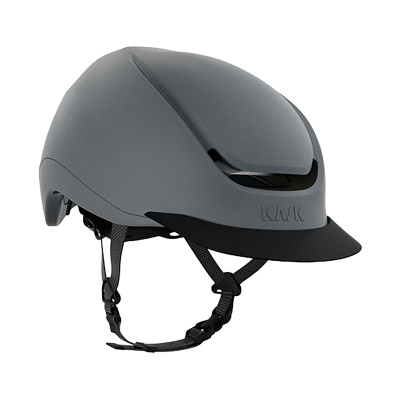
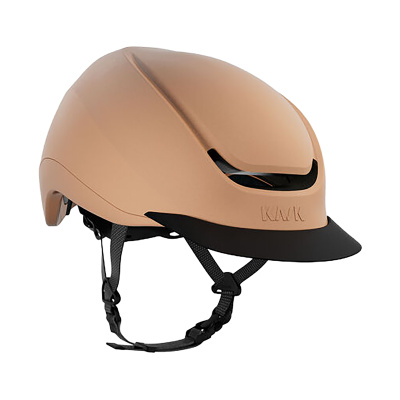
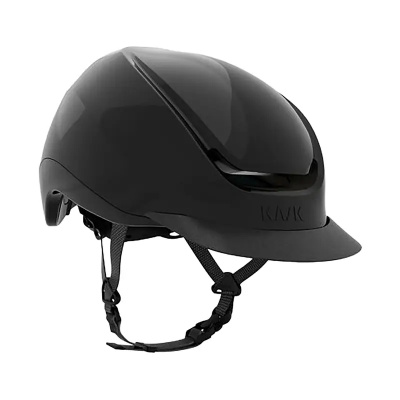
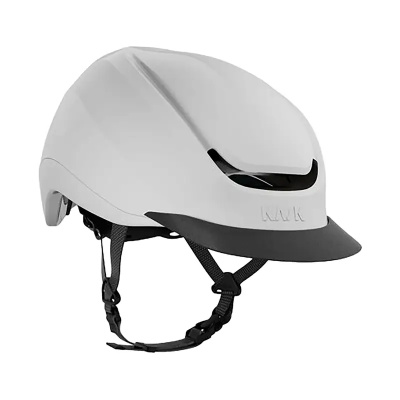
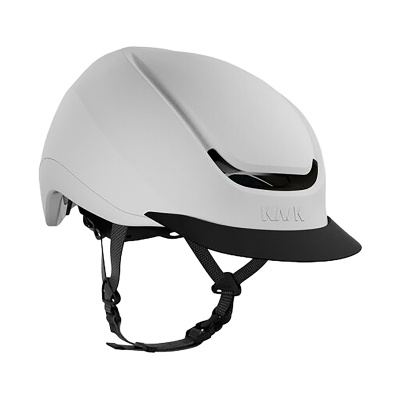
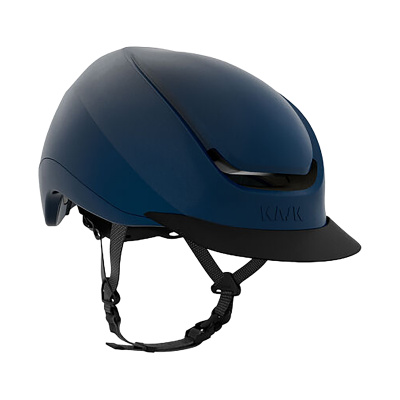
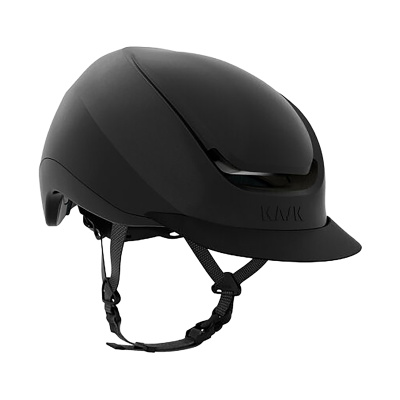
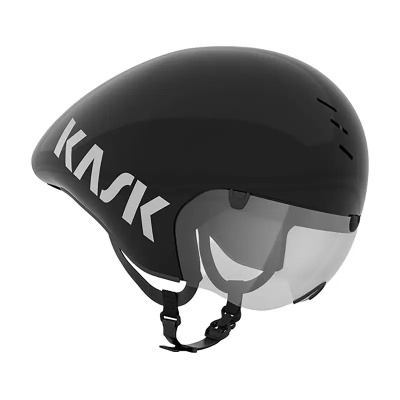
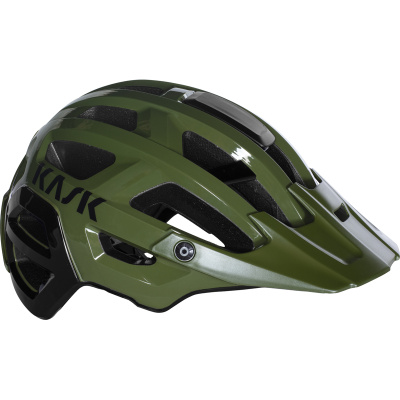
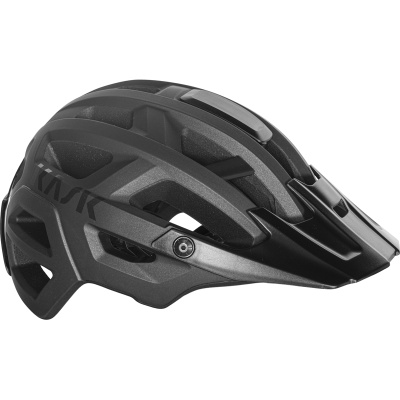
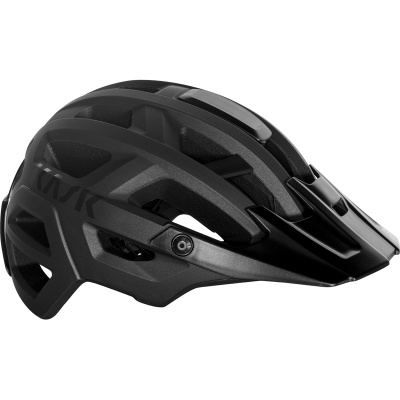
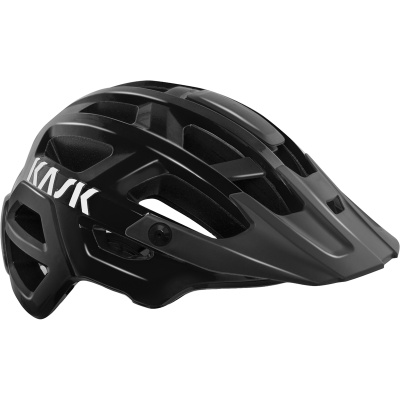
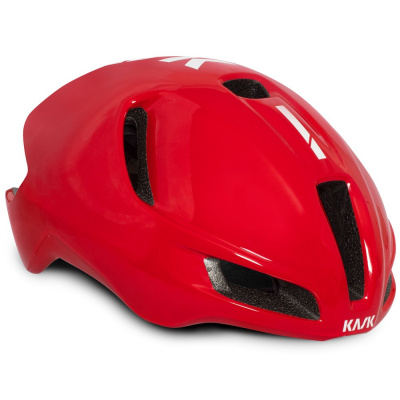
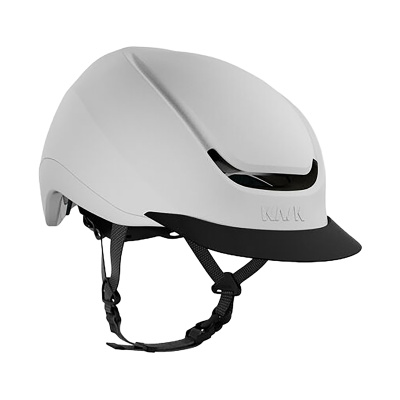
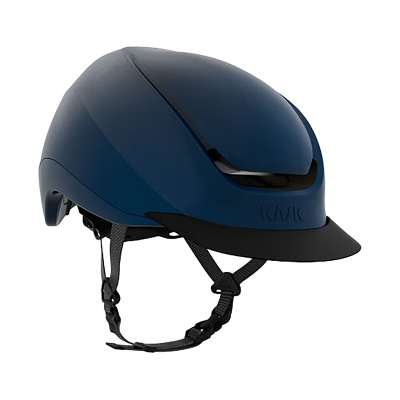
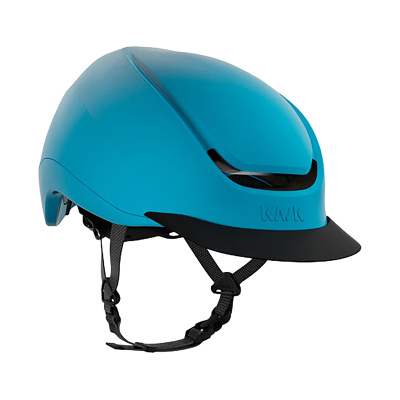
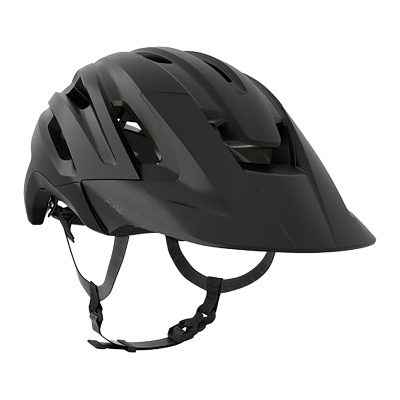
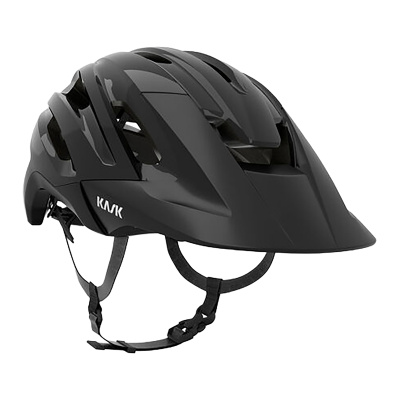
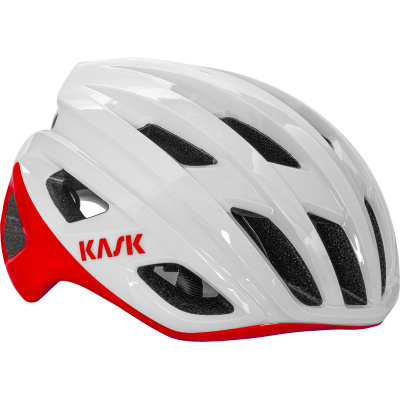
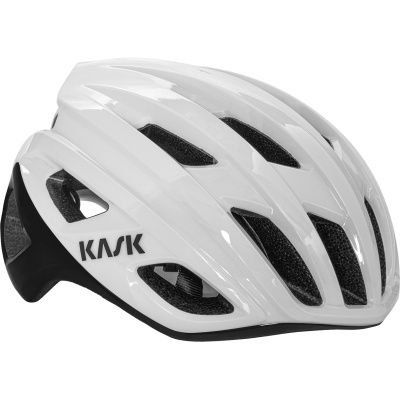
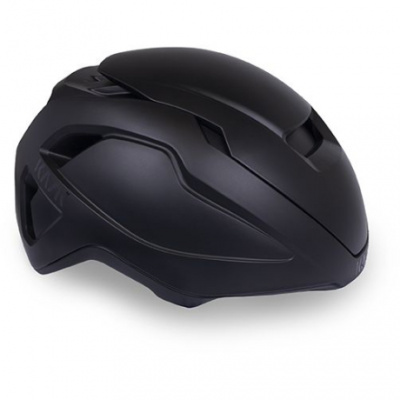
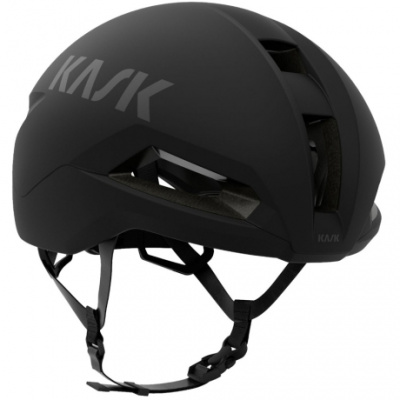
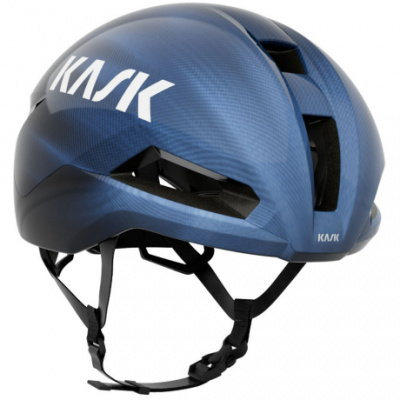
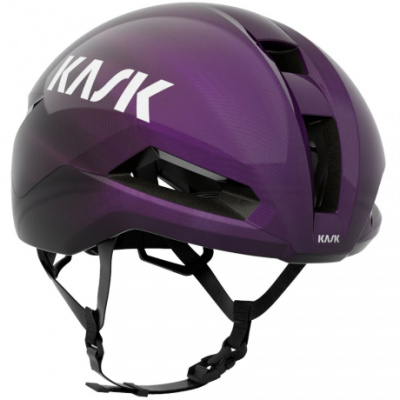
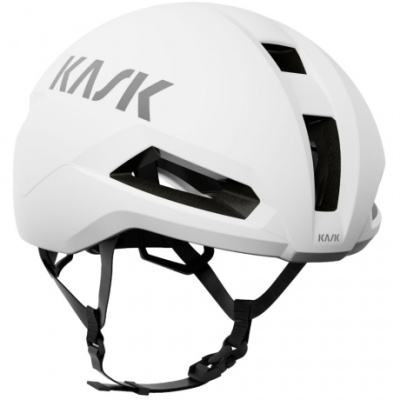
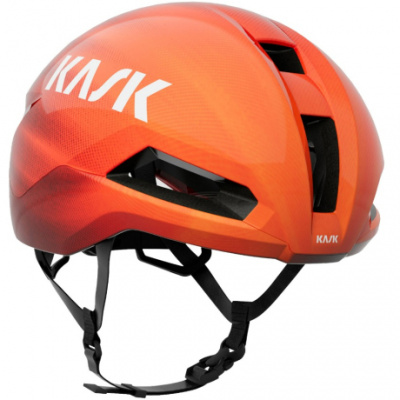
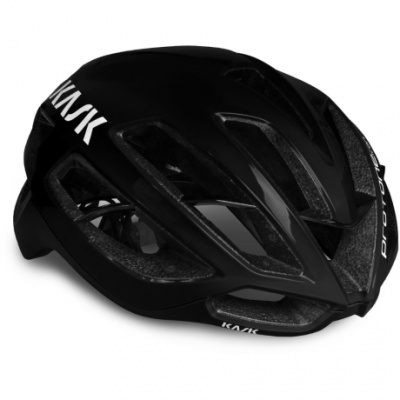
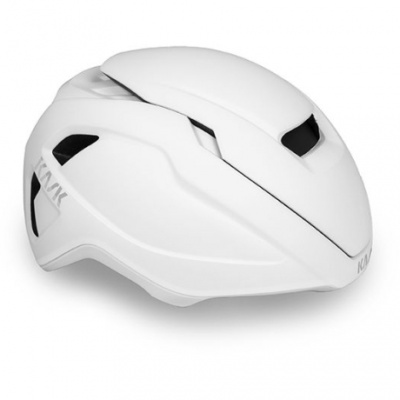
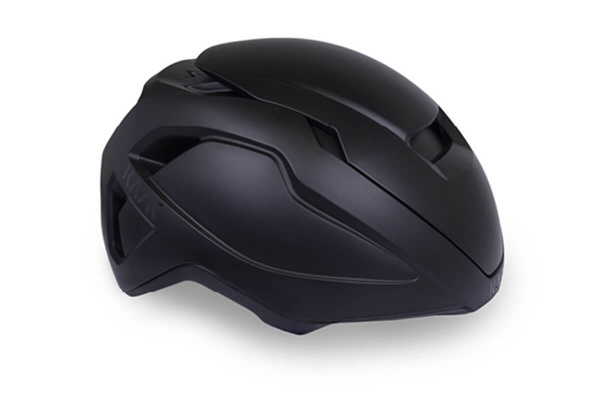
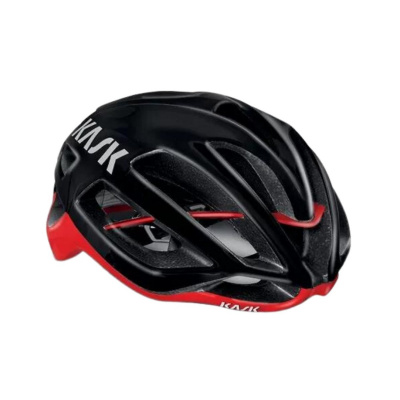
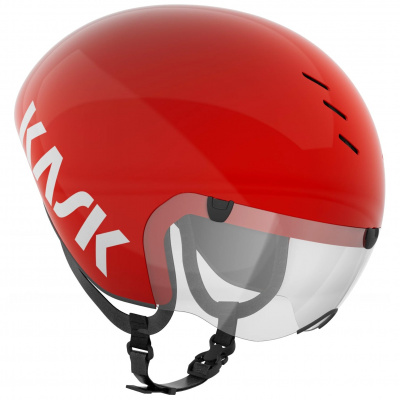
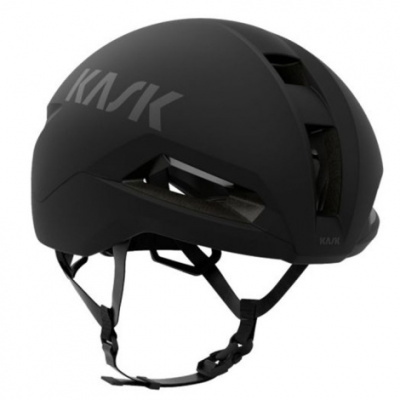
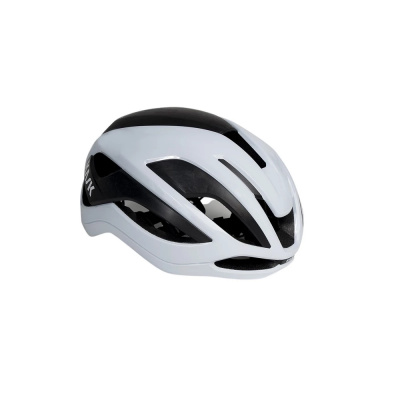
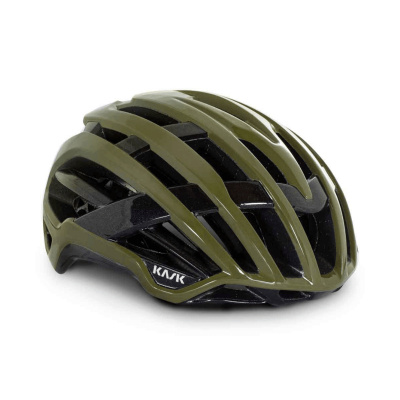
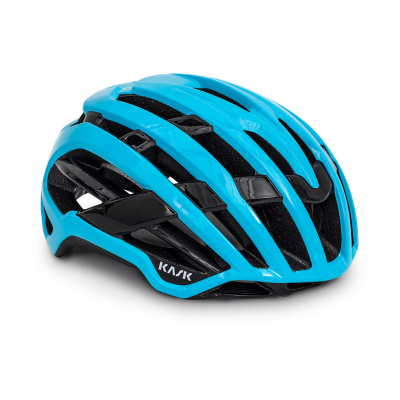
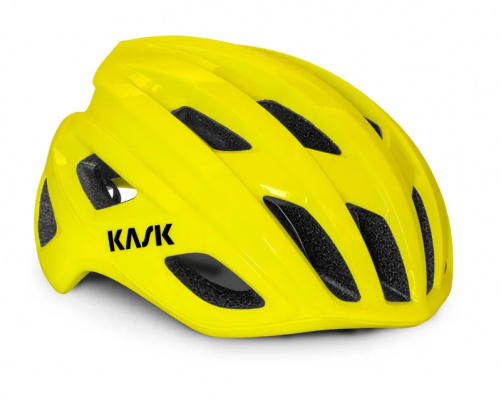
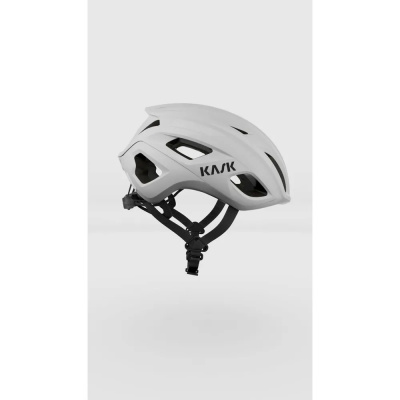
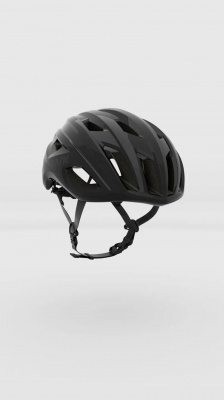
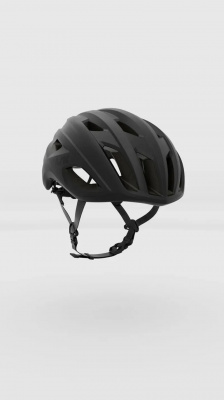
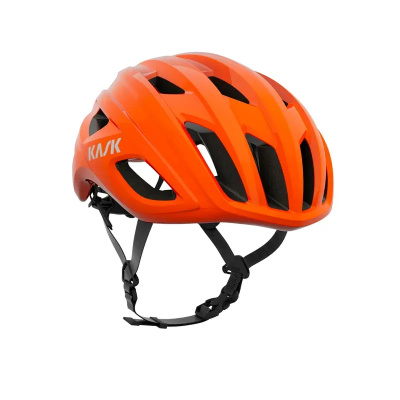
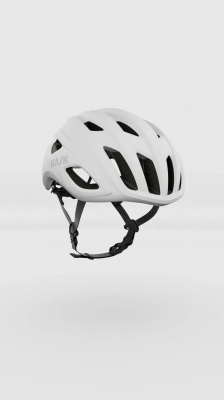
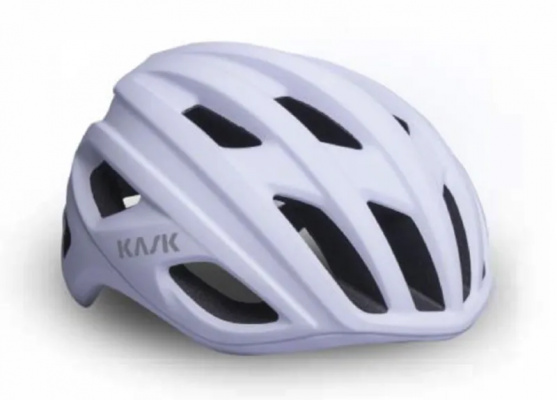
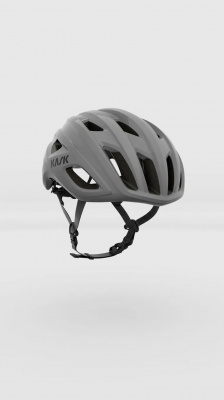
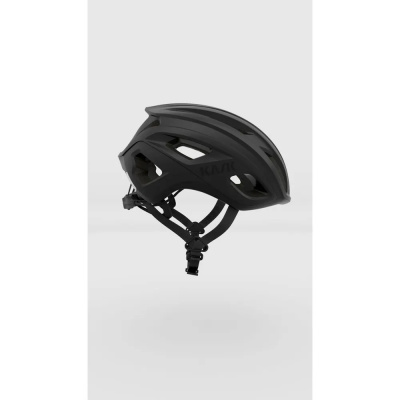
Prices and availability can change quickly. Delivery charges are not always included in listed prices.
Final price, stock status and delivery terms are set by retailer. We may receive a commission on purchases made.
How Kask Approaches Safety and Ventilation
Kask's WG11 rotational impact testing is the headline tech and it's worth understanding what it actually does. Standard helmet certifications test for direct linear impacts. WG11 goes further, simulating the angled, glancing hits that are statistically more common in real crashes - the kind where your head skims a road surface rather than hitting it square-on. The protocol measures how rotational forces transfer through the helmet and into your skull, and Kask engineers the EPS foam liner and MIT polycarbonate shell to absorb and redirect those forces without needing a separate MIPS slip-plane layer. That keeps the structure cleaner and the weight down.
The MIT shell deserves a mention too. It's a moulded polycarbonate construction that bonds directly to the EPS foam rather than sitting as a loose outer skin, which means the helmet holds its geometry better under impact and over time. No creaking, no flex you didn't want.
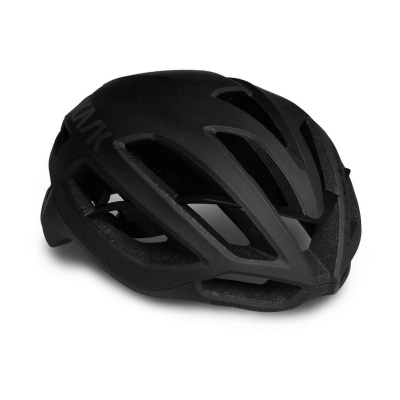
On ventilation, Kask's road helmets are designed with a clear hierarchy. Models like the Protone Icon run large, channelled vents that shift serious airflow on a summer climb - the kind of muggy, still day you get grinding up a Welsh valley in July when there's no wind to help you. The aero benefit is real but it doesn't come at the cost of cooking your head. Conversely, the vent geometry is shaped to limit wind chill on fast descents in colder months, so you're not reaching for a hat cover every time the temperature drops. That balance matters more in the UK than in drier, more predictable climates.
The Range, the Fit, and Who Each Lid Suits
Kask's fit profile is rounder and deeper than the narrower oval you get from something like a Giro. If you've got a rounder head shape, Kask will likely feel dialled from the first try-on. If you run narrower, don't assume - the Octo Fit system compensates well, but the base shell shape still matters.
The Octo Fit retention system is genuinely one of the better fit mechanisms on the market. The dial adjusts the cradle both horizontally and vertically, meaning you can tune the wrap rather than just the clamp pressure. The Octo Fit+ version, found on higher-end models, adds even finer increments of adjustment. In practice, this means the helmet stays put on climbs and descents rather than shifting as your head moves - and critically, it gives you enough range to fit a Kask thermal skull cap underneath without creating a pressure point across your forehead. Worth knowing before your first cold-weather ride.
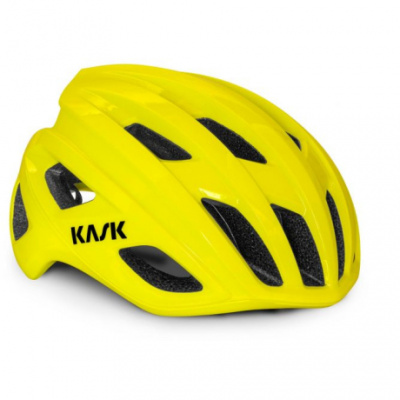
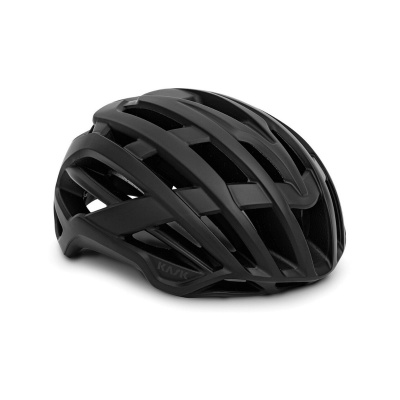
Breaking the road range down: the Protone Icon sits at the top for riders who want aero performance and ventilation in one lid - it's the choice if you're doing mixed-length rides where conditions change. The Valegro goes lighter and more open, prioritising airflow for climbing days or hot summer racing. The Mojito is the everyday workhorse - well-ventilated, comfortable over long hours, and more accessible in price. It's the one a lot of UK club riders reach for as their regular training lid.
Looking for specialised race-day or gravity protection? Explore our dedicated ranges of Kask Aero TT Helmets and Kask Full Face Helmets.
If you're weighing Kask against the broader market, MET helmets and Bell helmets both offer strong alternatives at similar price points - but neither quite matches Kask's fit granularity or the quality of the internal padding.
Keeping Your Kask in Good Shape Through a UK Riding Season
The Blue Tech and Merino wool padding is what makes a Kask feel noticeably better than average against your skin - but it does need looking after. Remove the pads after longer or wetter rides and hand-wash them in lukewarm water with a small amount of mild soap. Rinse thoroughly and let them air dry flat, away from radiators or direct sun. Heat degrades the foam backing faster than anything else. It's a five-minute job and it extends pad life significantly.
The faux leather chinstrap is where most people go wrong. It's hypoallergenic and comfortable, but sweat and salt will dry it out and crack it if you don't wipe it down regularly. A damp cloth after each ride is enough - don't use cleaning sprays or alcohol-based products, which strip the surface treatment. If you're riding through autumn and winter with the strap catching wet spray off the road, make it a habit after every session.
The EPS foam shell itself doesn't need much beyond a wipe with a damp cloth. Avoid resting your helmet on rough surfaces that can scuff the MIT polycarbonate outer, and check the fit retention system periodically - the Octo Fit dial mechanism can collect grit over time, which causes the ratchet to feel notchy. A rinse with clean water usually sorts it. For replacement pads or retention parts, Kask helmet spares are listed separately and most components are interchangeable within a generation.
One practical note: if you're commuting or doing early-morning rides in low light, Kask's helmets don't include integrated lighting mounts on most road models. Worth pairing with a dedicated cycling light that clips to your helmet strap or has a separate mount.
Kask Helmets FAQs
How do Kask helmets fit compared to other brands?
Kask helmets have a rounder, deeper fit than brands like Giro, which typically run narrower and more oval. The Octo Fit retention system adds fine vertical and horizontal adjustment on top of that, so they work well across a wide range of head shapes - but if you run a narrow head, it's worth trying one before buying.
What is Kask WG11 and does it replace MIPS?
WG11 is Kask's proprietary safety protocol for rotational impact testing - it goes beyond standard CE certification by simulating the angled impacts most common in real crashes. Because the protection is built into the EPS foam and MIT shell construction itself, there's no need for a separate MIPS slip-plane liner, which keeps weight lower and the structure cleaner.
How should I clean my Kask helmet and chinstrap?
Hand-wash the Blue Tech or Merino wool pads in lukewarm water with mild soap and air-dry them away from heat sources. The faux leather chinstrap should be wiped down with a damp cloth after sweaty or wet rides - avoid alcohol-based sprays, which dry the material out and can cause it to crack over time.