
Giro Full Face Helmets
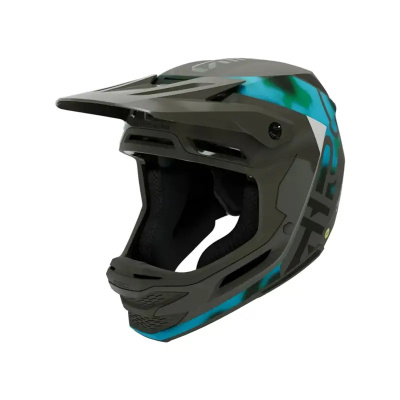
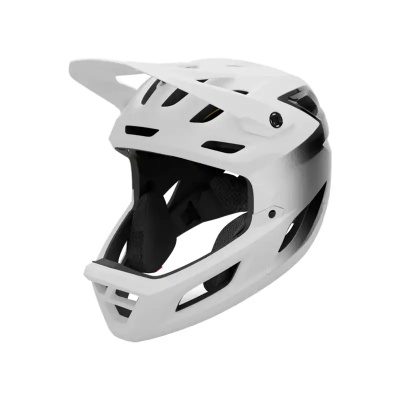
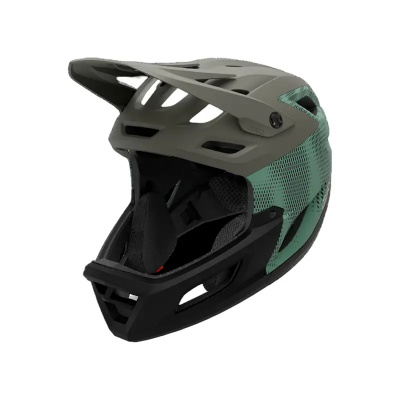
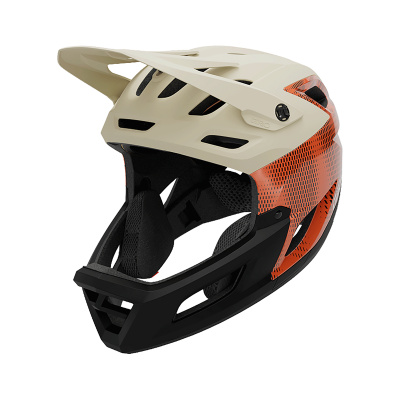
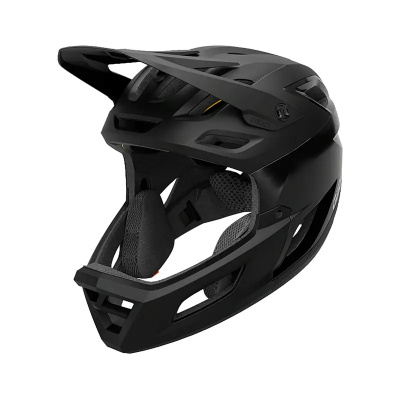
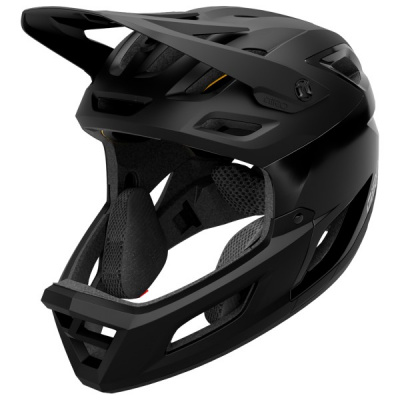
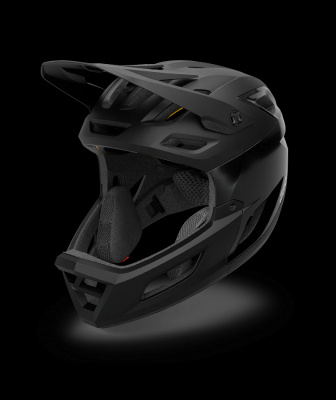
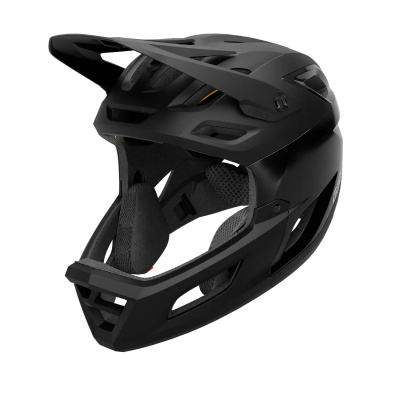
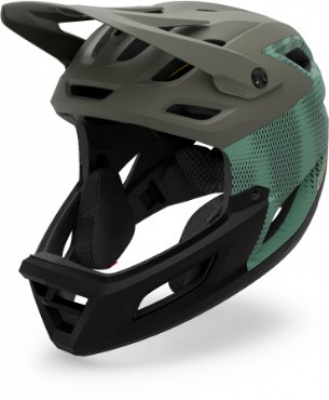
Giro full face helmets sit at the serious end of gravity riding - built for riders who want their head properly looked after on steep, technical descents without cooking alive on the way back up. Whether you're dropping into a bike park on a Saturday or grinding through a long enduro stage in the Tweed Valley, these lids balance meaningful protection with the kind of ventilation that actually matters when you're breathing hard in damp, close air.
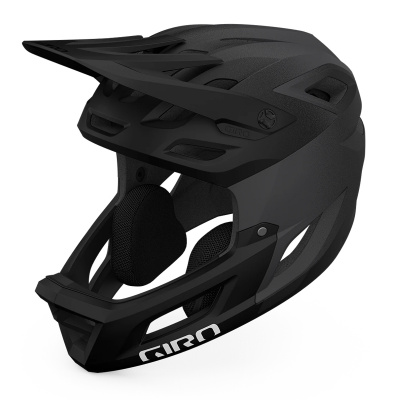
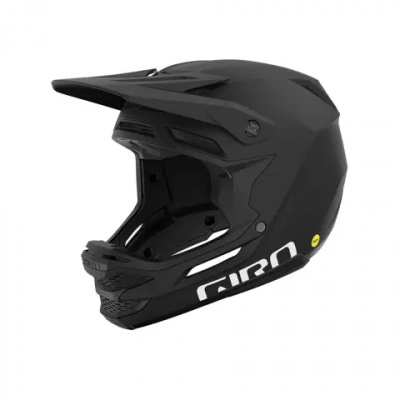
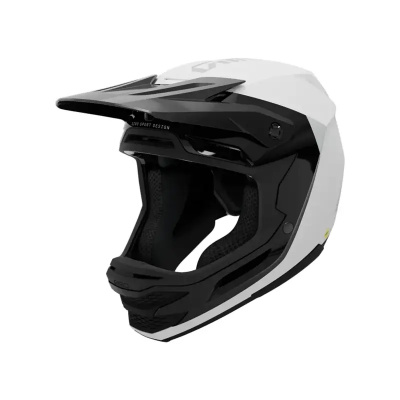
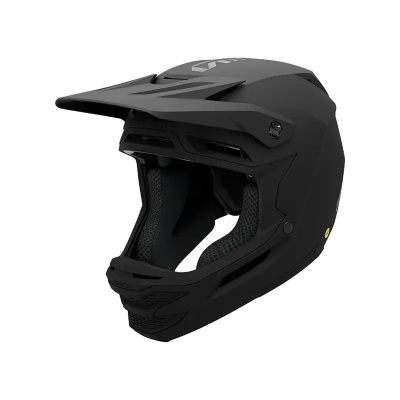
The range spans from the heftier Giro downhill helmets designed for pure bike-park abuse, through to featherweight Giro enduro full face options that stay on your head all day without complaint. Underpinning the lot is Giro's Spherical Technology powered by MIPS - a ball-and-socket construction that manages rotational forces in a crash rather than just absorbing direct impact. Dual-density foam (EPP and EPS working together), a Fidlock magnetic buckle, and Ionic+ antimicrobial padding round out the package in a way that goes beyond headline specs. ASTM F1952 downhill certification across the key models means the safety credentials are verifiable, not just claimed. Sizing runs true for most riders, goggle integration is considered, and the pads come out for washing - small things that matter after a muddy winter ride in Wales or the Borders.
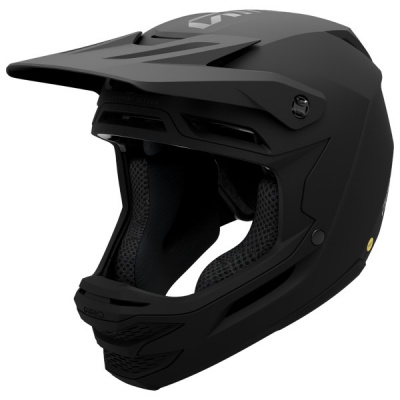
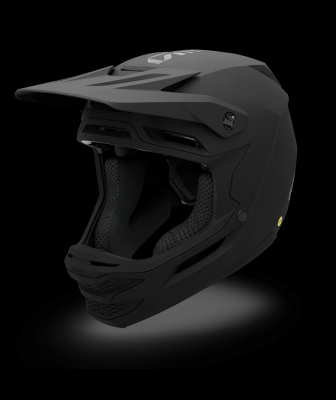
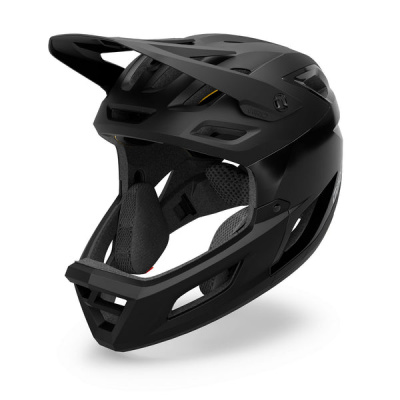
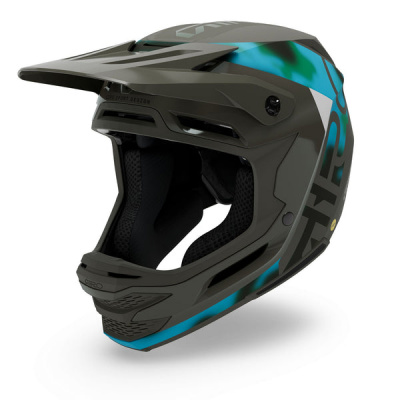
Prices and availability can change quickly. Delivery charges are not always included in listed prices.
Final price, stock status and delivery terms are set by retailer. We may receive a commission on purchases made.
Protection Tech and Ventilation: What's Actually Inside
The headline feature across Giro's full face range is Spherical Technology powered by MIPS. Rather than a simple liner slip-plane, Giro uses a genuine ball-and-socket construction between the outer shell and inner foam - the two layers can rotate independently on impact, redirecting rotational energy away from the brain. It's a more mechanically involved solution than a standard MIPS liner, and the result is a helmet that handles oblique impacts (the most common kind in a real crash) with more precision.
Beneath that sits a dual-density foam structure combining EPP and EPS. EPP - the softer, more resilient foam - manages the lower-speed tumbles: the slow-mo over-the-bars at the bottom of a slippery root section, the awkward low-side on a greasy berm. EPS takes the high-speed hits. Having both in the same helmet means you're covered across the full range of what UK riding actually throws at you, not just the worst-case scenario the certification tests are designed for. ASTM F1952 downhill certification is the benchmark here, and Giro's key models meet it.
Ventilation is where a lot of full face helmets fail in practice. Large intake ports at the chin bar and forehead feed air through internal channelling that runs front to back - on a long fire-road transition at Dyfi or a steep push-up at a Scottish enduro, you'll notice the difference compared to a lid that just has slots cut into it as an afterthought. The breakaway visor bolts are a practical detail too: in a crash, the visor releases rather than torquing your neck. Worth knowing before you buy.
How the Range Breaks Down and Getting the Fit Right
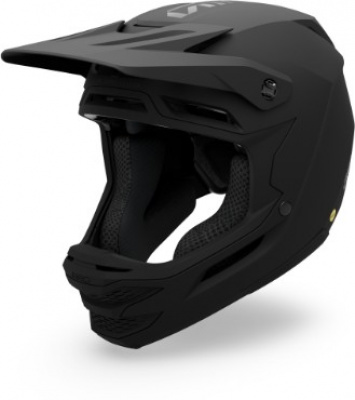
Giro splits its full face offering broadly between two disciplines. The Coalition Spherical is the enduro-focused option - light enough to wear for a full-day stage race, properly ventilated, and carrying full ASTM downhill certification despite its weight. It's the lid for riders who pedal as much as they descend. The Insurgent, by contrast, is the burlier Giro downhill helmet: more coverage, more foam, less focus on being light, built for bike-park laps where you're on the chair lift between runs rather than grinding your way back up.
Fit-wise, Giro runs an intermediate oval profile - neither as round as some Asian-fit helmets nor as long-oval as certain European brands. Most riders find it sits naturally without pressure points, but if you're on the edge of a size, go half a size up rather than jamming a too-small shell onto your head. Cheek pads are interchangeable and usually included in the box in more than one thickness, so you can dial in jaw stability without the chin bar rattling around. Snug cheek contact is what stops the helmet moving in a crash - don't skip this step. If you're after a standard trail or XC lid rather than a full face, our Giro Helmets page covers the open-face range in full.
The Fidlock magnetic buckle is worth calling out here. One-handed, gloved operation on a cold morning at a car park in the Brecon Beacons is genuinely easier than fiddling with a standard clip. It's a small thing until it's not.
Compared to alternatives like Fox full face helmets or Bell full face helmets, Giro's Spherical construction is among the more refined MIPS implementations in the category. Troy Lee Designs full face helmets compete closely on weight and fit, but Giro's dual-density foam approach gives it a different character in lower-speed impacts. None of these are wrong choices - it comes down to head shape and which trade-offs suit your riding.
Goggle Pairing and Keeping Things Clean After a UK Ride
Giro designs its full face helmets with goggle integration built in rather than bolted on. There's a dedicated gripper track along the top of the eye port that holds goggle straps in place when you push them up onto the helmet - useful at the top of a run when you want them out of your eyeline. The visor geometry and mud clearance beneath it are set up to minimise spray deflecting straight into your lens, which matters on the kind of blown-out, leaf-covered lines you get across UK trail centres in October and November. For the best optical pairing, Giro goggles are designed around the same fit geometry, so the interface between visor and frame is tighter than a mix-and-match combination.
After a wet ride, the Ionic+ antimicrobial padding does a reasonable job of managing helmet odour, but it's not a substitute for actually cleaning the thing. The pads pull out without tools - unclip, remove, done. Hand wash them in mild soapy water, rinse well, and let them air dry flat away from direct heat. Forcing them onto a radiator or into a tumble dryer will break down the foam backing faster than any number of muddy rides. Once fully dry, they clip back in as they came. Do this regularly and the padding stays fresher for longer; leave it and no amount of antimicrobial treatment will save you from helmet stink by February.
Pair the lid with Giro gloves if you want a consistent fit system across your kit - the same ergonomic thinking runs through the range. And if you're building out a full gravity setup, Giro MTB baggy shorts are worth a look alongside.
Related searches:
Giro Full Face Helmets FAQs
Are Giro full face helmets true to size?
Generally, yes. Giro helmets follow their sizing chart closely and use an intermediate oval fit profile that works for a wide range of head shapes. Most models include interchangeable cheek pads so you can fine-tune the fit around your jaw - if you're between sizes, size up and use the thicker pads rather than forcing a smaller shell.
What is the lightest Giro full face helmet?
The Giro Coalition Spherical is Giro's lightest full face option, coming in around 800 grams in a size medium. It carries full ASTM F1952 downhill certification and uses the Spherical Technology MIPS construction, so you're not trading safety for weight - it's built for riders doing long enduro stages who need airflow and a lid they can wear all day.
Can you wash the pads in a Giro full face helmet?
Yes. The Ionic+ antimicrobial pads are fully removable - unclip them, hand wash in mild soapy water, rinse thoroughly, and let them air dry naturally. Keep them away from direct heat sources, which can damage the foam backing. Washing them after every few muddy rides keeps them fresh and extends their lifespan considerably.