
Giro Headwear
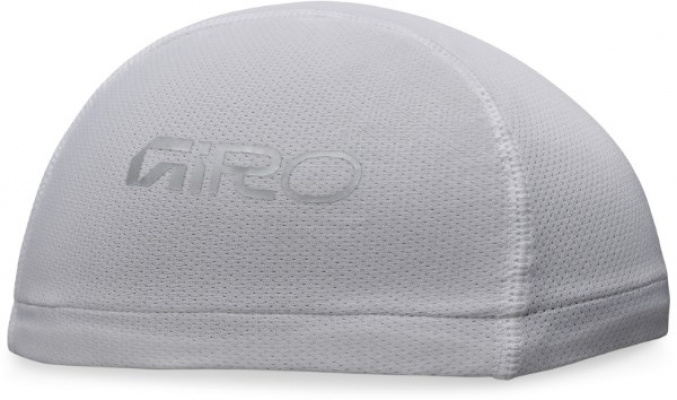
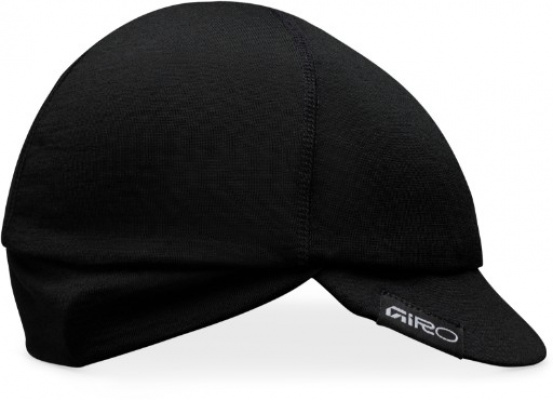
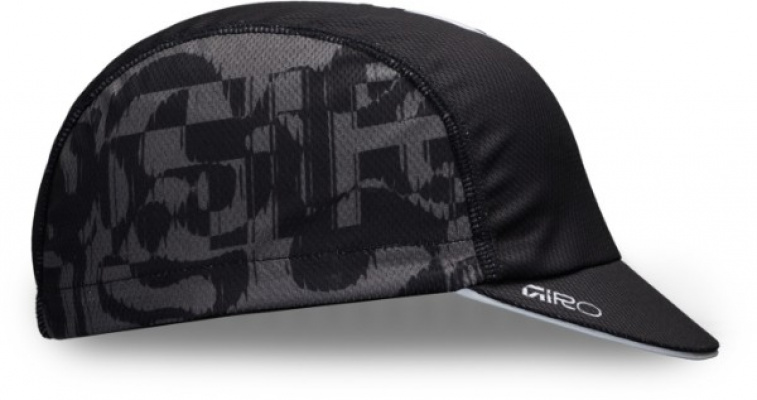
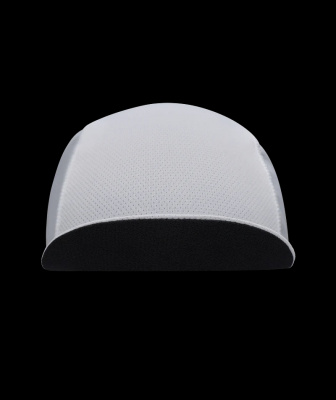
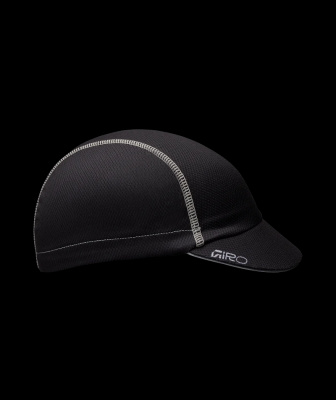
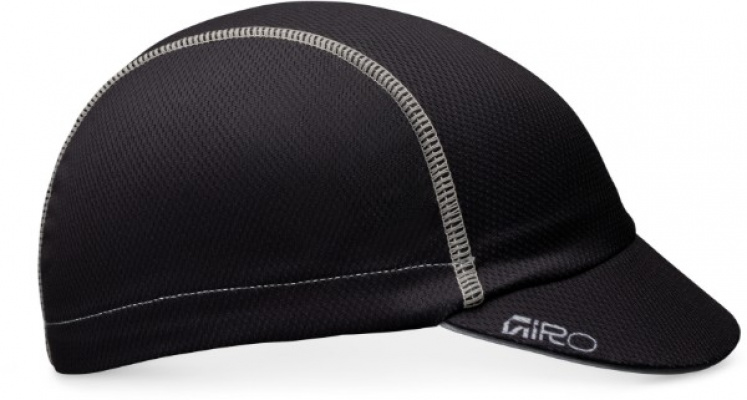
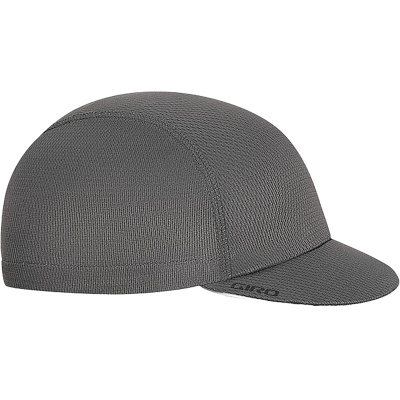
Giro cycling headwear does a job that's easy to underestimate until you're squinting into driving rain on a Welsh descent or fighting brain-freeze on a January commute. From lightweight moisture-wicking caps that keep sweat out of your glasses on a sweaty summer sportive, to thermal Merino skull caps engineered to block windchill on exposed winter rides, this is a range built around the same precision Giro applies to their helmets and shoes. The fabrics are chosen for specific conditions, the seams are positioned to sit flush under a helmet without creating hot spots, and the brim does real work deflecting both glare and rain. Whether you're after a classic peloton-style cap for spring and autumn miles, a windproof skull cap for the cold months, or a thermal headband for those crisp mornings where you want your crown free but your ears covered, there's a logical answer in the range for UK conditions. One thing worth flagging: this page covers soft headwear only - caps, skull caps, and headbands. If it's actual crash protection you need, head over to our Giro Helmets page.
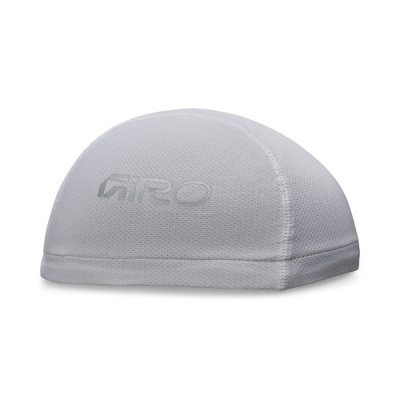
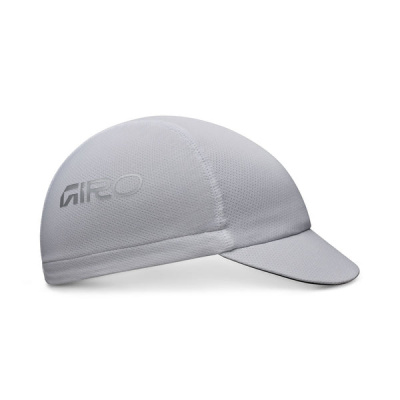
Prices and availability can change quickly. Delivery charges are not always included in listed prices.
Final price, stock status and delivery terms are set by retailer. We may receive a commission on purchases made.
Fabric Tech and Weather Performance: Managing Sweat and Chill
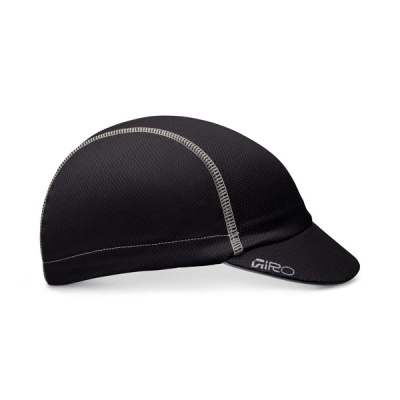
The difference between a cap that works and one that doesn't often comes down to fabric choice - and that matters more in the UK than almost anywhere, given how quickly a dry morning can turn damp by the first café stop. Giro's summer caps lean on lightweight polyester and cotton blends that pull moisture away from the scalp before it gets the chance to pool behind your sunglasses. That sounds straightforward, but the balance matters: too much synthetic and the cap feels clammy; too much cotton and it holds water. The blend keeps things manageable on humid days without the sweaty helmet smell that builds up over a season.
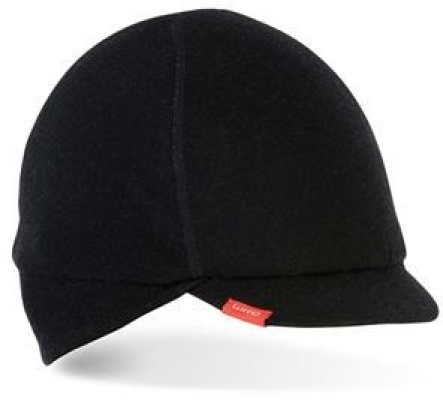
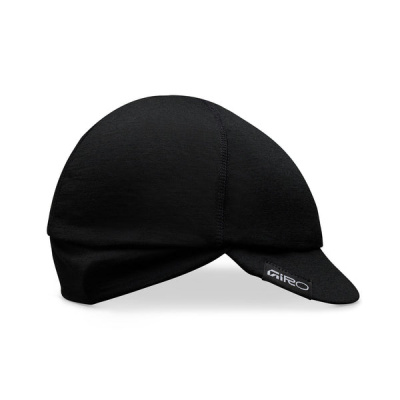
For winter, Giro uses Merino wool blends - fabric that genuinely thermoregulates rather than just insulating. Merino keeps you warmer when you're cold and actively manages heat when you're working hard on a climb, so you're not boiling from the ears down the moment the gradient kicks up. The real game-changer on skull caps, though, is the windproof front panel. On an exposed moorland descent or a fast dual-carriageway commute in February, that front section stops windchill penetrating while the back panel stays breathable enough to vent the heat you're generating. It's the difference between arriving comfortable and arriving with a headache. X-Static anti-microbial lining is worth mentioning too - it's a silver-based treatment that resists odour build-up, which is quietly useful when you're wearing the same skull cap four mornings a week and not washing it after every outing.
If Castelli headwear is your benchmark for Italian racing-focused fabrics, Giro sits in comparable territory - both prioritise performance materials over basic fleece construction - though Giro's Merino integration tends to lean slightly more towards all-day comfort than pure race-day minimalism.
Caps, Skull Caps, and Where Each One Fits
Giro's headwear range isn't large, but it's well-structured. The classic peloton-style cycling cap is the starting point - a low-profile, peak-forward design that's been standard kit in the bunch for decades. It's at its best in mild to warm weather: the peak deflects rain during a passing shower and cuts low sun glare when you're riding into the light, and the construction keeps it thin enough to sit comfortably under a helmet without any bulk. You flip the peak up when you want to look like you know what you're doing, and down when it's actually raining. That's the whole logic of it.
Step up to cooler conditions and the thermal skull caps earn their place. These extend down to cover the ears fully, which is where the peloton cap falls short on a genuinely cold day. The smart-seam construction Giro uses across the range is what makes this practically important: the seams are flattened and repositioned so that when you dial your helmet retention system down tight, there's no ridge pressing into your skull. It sounds like a small thing. After two hours on a November sportive, it isn't. The fit is designed to be close and draft-free at the neckline without pulling the cap down over your ears mid-ride.
For under-helmet fit, Giro cycling caps work across their own helmet range - pair them with something from the Giro Helmets collection and the sizing logic is consistent. They'll also work fine under most competitor lids, but if you're sizing up for a skull cap specifically, check whether it's graded sizing or elasticated - more on that below.
GripGrab headwear is a solid alternative if you want more graded sizing options or Scandinavian-influenced cold-weather construction, and Rapha headwear leans into the lifestyle-meets-performance space for those who want something that looks as good off the bike as on it. Giro sits squarely in the performance camp - the focus is function first.
Layering Giro Headwear Into a UK Kit System
Getting headwear right is mostly about matching it to a narrow temperature window. The headband is the most underused option in most riders' kit bags - it's the call on a crisp October or early April morning when the air is cold enough to sting your ears but you know you'll be generating enough heat to want your crown free once you're warmed up. Pair one with a Giro base layer on those transition-season rides and you've covered a wide temperature range without overcommitting.
The full skull cap is for the serious cold - sub-five degrees, early morning January rides, or anything involving extended exposed sections at speed. If you're still debating whether you need the skull cap or just a headband, a decent rule: if you're pulling on Giro winter gloves rather than lightweight ones, the skull cap is probably the right call too. Your ears will thank you by the halfway point.
Care is simpler than people make it. Wash caps on a cool, gentle machine cycle and let them air dry - don't tumble dry them. Heat warps the peak and degrades the elastic at the back faster than regular use does. The Merino blend skull caps in particular benefit from being turned inside out before washing; it protects the outer fabric and keeps the anti-microbial lining effective for longer. Keep them away from fabric softener, which blocks the moisture-wicking properties that make the technical fabrics worth having in the first place.
On the summer vs winter cycling headwear question, the simplest framing is this: if the ride is under about ten degrees and over an hour, you want thermal fleece or Merino with ear coverage. Above that, a moisture-wicking cap with a brim covers most UK riding. The grey zone in between - ten to fifteen degrees - is where the headband earns its money.
Giro Headwear FAQs
Do you wear a cycling cap under a helmet?
Yes - and Giro caps are specifically built for it. The smart-seam construction keeps the profile flat so there's no pressure point when you tighten your helmet's retention system. In summer, a cap manages sweat and keeps rain off your glasses; in winter, a skull cap adds meaningful insulation without adding bulk.
How do I choose a winter cycling skull cap?
Look for a windproof front panel - that's the feature that prevents windchill cutting through on descents. A thermal fleece or Merino wool lining handles the insulation side, while a breathable crown stops you overheating mid-climb. Full ear coverage is non-negotiable below about five degrees. Check the fit is snug at the neckline so cold air can't get under the hem.
Are Giro cycling caps one size fits all?
Most of Giro's classic peloton-style caps use an elasticated rear panel, making them genuinely one-size-fits-most. Some of the thermal winter skull caps come in graded sizes - typically S/M and L/XL - for a more precise, draft-free under-helmet fit. If you're buying a skull cap specifically for winter use, check the sizing before ordering.