
Castelli Headwear
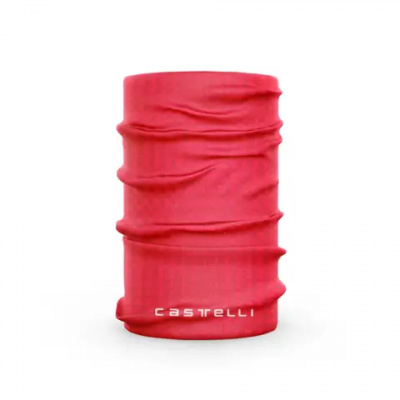
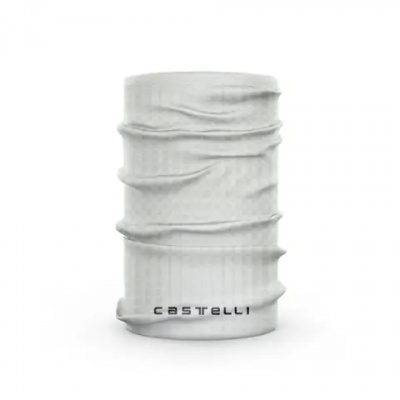
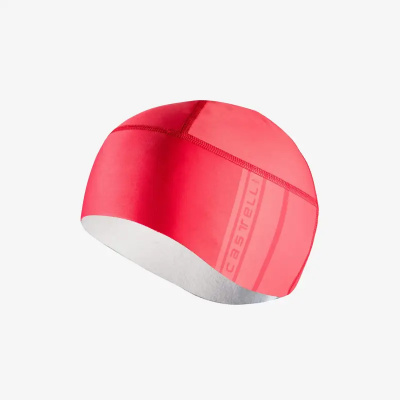
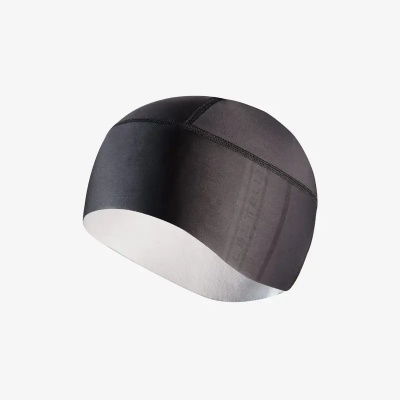
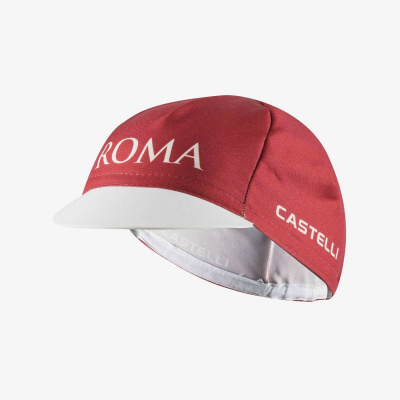
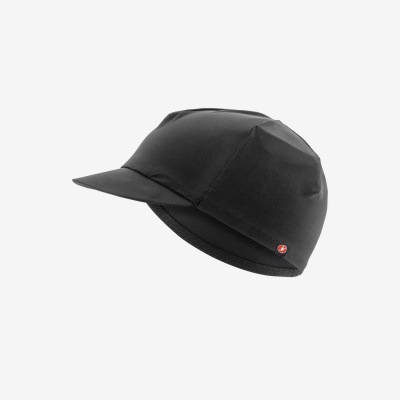
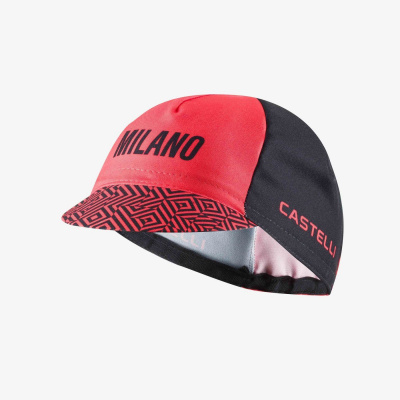
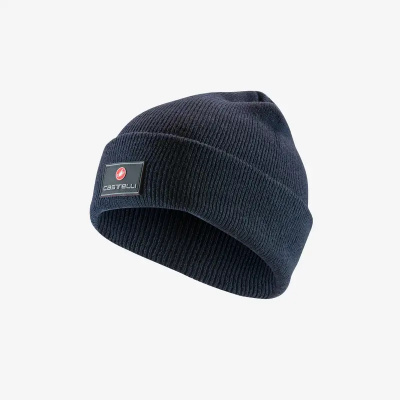
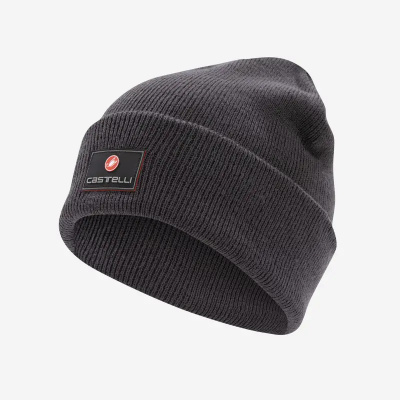
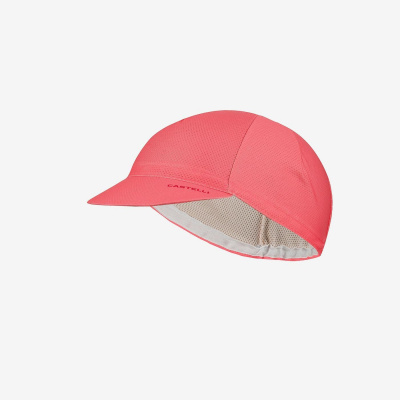
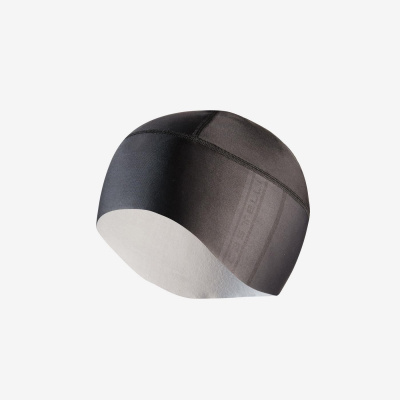
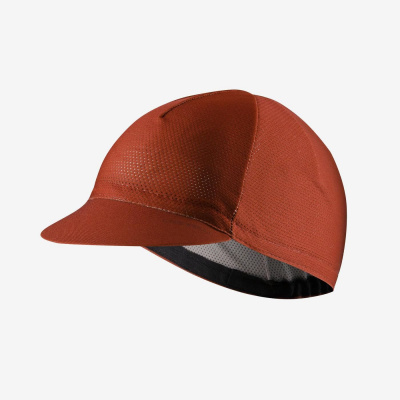
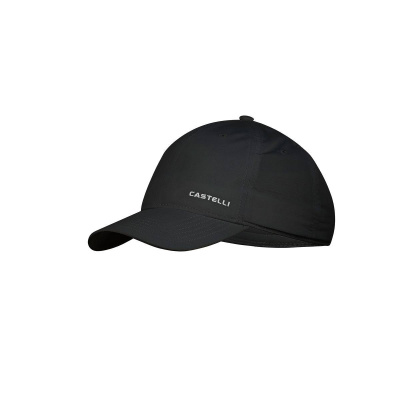
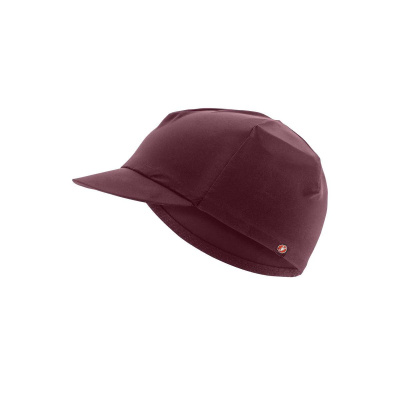
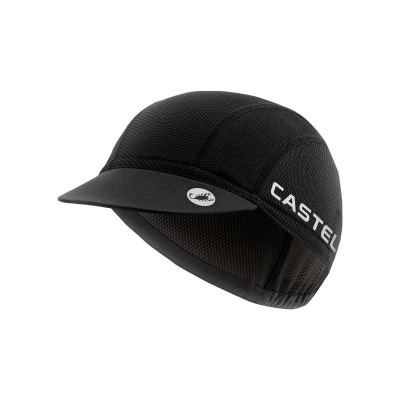
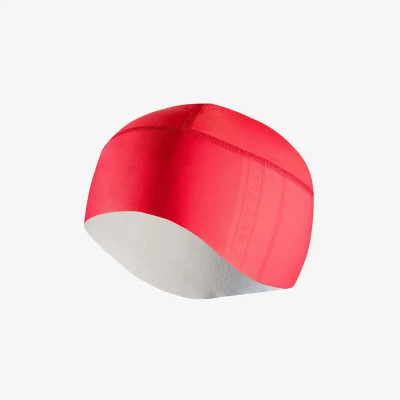
Castelli cycling headwear covers the full spectrum from a breezy summer casquette to a deep-winter Gore-Tex Infinium skull cap that laughs in the face of a January headwind. That range matters more than you might think. A poorly chosen hat means sweat in your eyes on a muggy climb in the Dales, or a numb head by the time you've ground through a frozen January base ride. Castelli's Rosso Corsa race roots run through every piece here - this isn't headwear designed as an afterthought. The fit is engineered specifically for under-helmet use, with low-profile seams and raw-cut edges that remove the pressure points that cheaper caps force onto your skull through your helmet padding. Moisture-wicking fabrics manage humidity on harder efforts, windproof membranes handle exposure on open roads, and the range is broad enough that you'll find something useful whether you're pinning a number or just getting the miles in before work. If you're trying to work out which piece suits your riding and the kind of weather you actually ride in, this page will walk you through it.
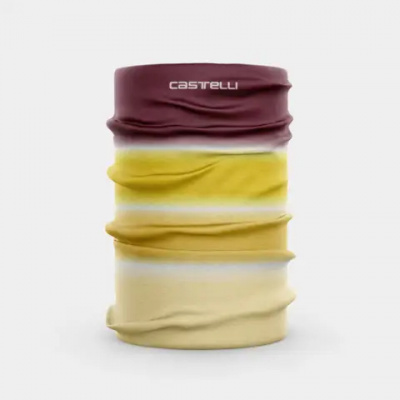
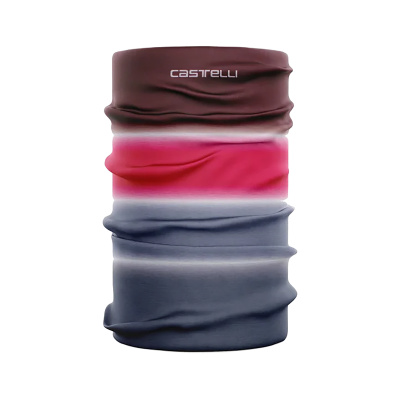
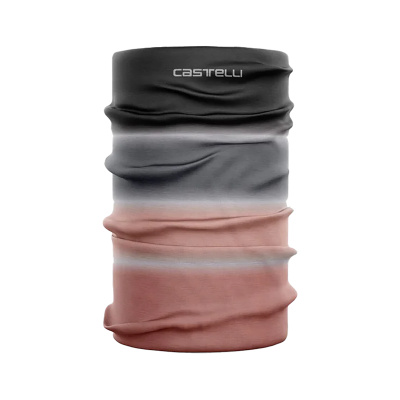
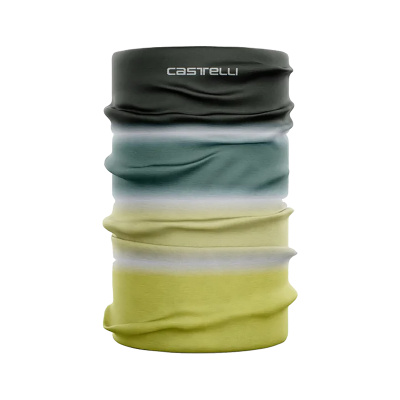
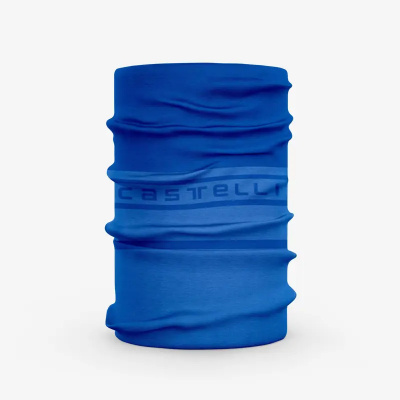
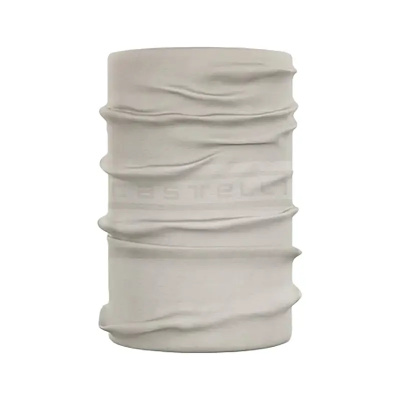
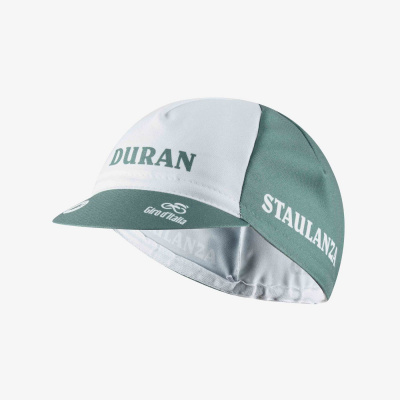
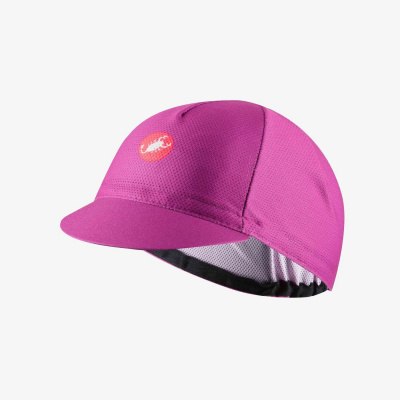
Prices and availability can change quickly. Delivery charges are not always included in listed prices.
Final price, stock status and delivery terms are set by retailer. We may receive a commission on purchases made.
Fabric Tech and Weather Performance
Castelli uses a small number of fabrics across their headwear range, but each one is chosen with a specific job in mind. Get the right one for the conditions and you barely notice you're wearing it. Get it wrong and you'll know about it by the first big climb.
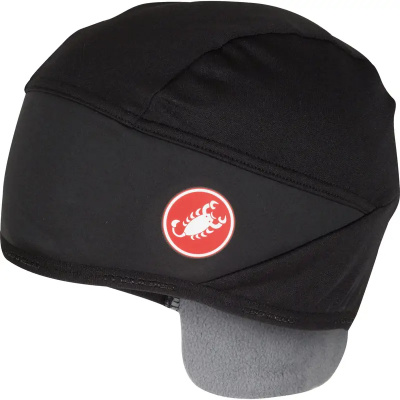
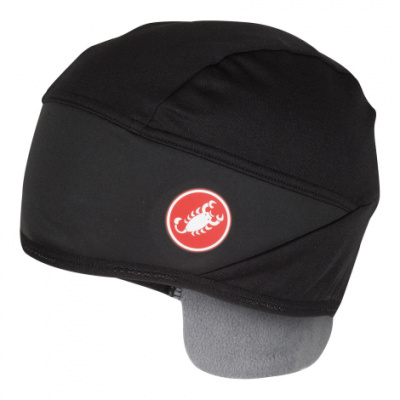
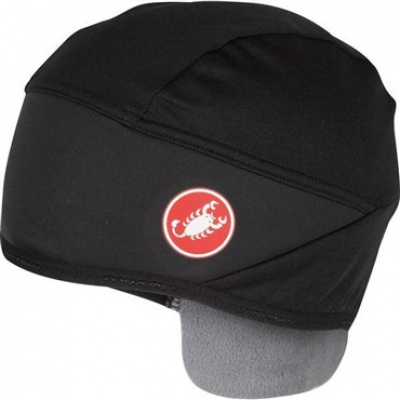
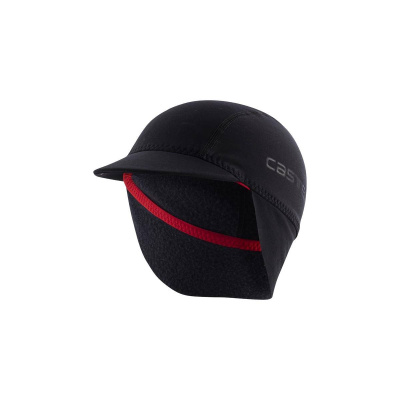
The most serious cold-weather option is Gore-Tex Infinium Windstopper, used on the front and sides of their deep-winter skull caps. It blocks icy headwinds on exposed stretches - think the A-roads across the North Yorkshire Moors or the open ridge roads above the Brecon Beacons - while still allowing heat to escape from the back. It's not waterproof in the way a jacket is, but it handles wind chill and light moisture well enough for most UK winter riding. The key detail is directional placement: the windproof membrane sits where the blast hits you, and the breathable panels are positioned where you generate the most heat. That balance stops the cap turning into a sauna on the climbs.
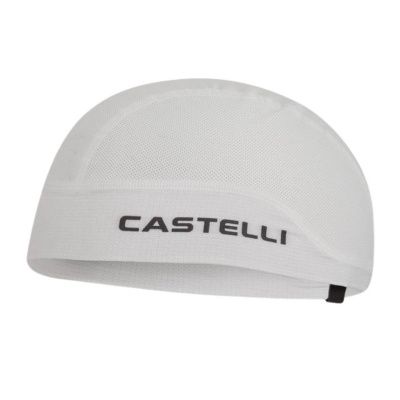
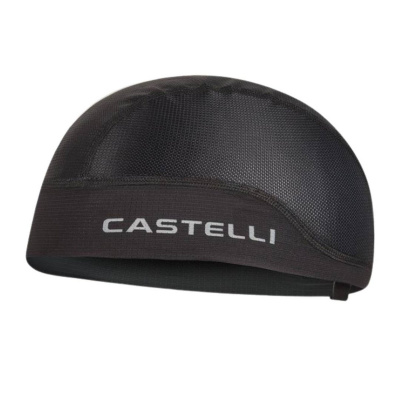
For summer, Castelli uses ProSecco fabric in their lighter caps and headbands. It's a fine-knit, moisture-wicking material that pulls sweat away from your skin quickly - useful when you're grinding up a humid climb in the Peaks and the sweat is threatening your vision before the summit. It dries fast too, which matters on variable days when effort levels change sharply. You won't find this fabric in anything claiming to be a thermal product; it's a warm-weather tool and it does that job cleanly.
The mid-range sits with Thermoflex fleece - a stretchy, soft material used in transitional-season pieces. It adds meaningful warmth without the bulk of a full winter cap, and the stretch means it accommodates a range of head shapes without creating odd pressure points under your helmet. Breathability isn't its headline feature, but for steady-pace autumn riding in the 6 - 10°C range, it does exactly what you need.
Understanding the Castelli Fit and Range
The under-helmet fit is where Castelli headwear earns its keep. Most of the range uses raw-cut edges rather than folded hems, which removes a layer of material and the ridge that comes with it. Pair that with flatlock stitching - seams that lie flat rather than standing proud - and you've got a cap that doesn't create hot spots through your helmet padding. It sounds like a minor detail until you've done four hours with a cheap cap bunching under your retention system.
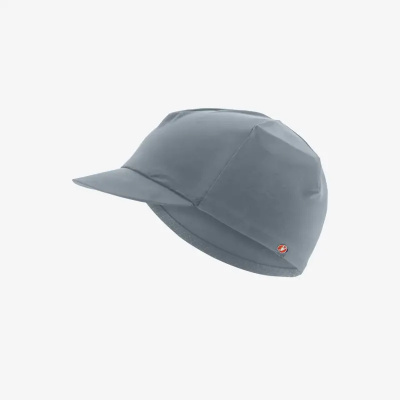
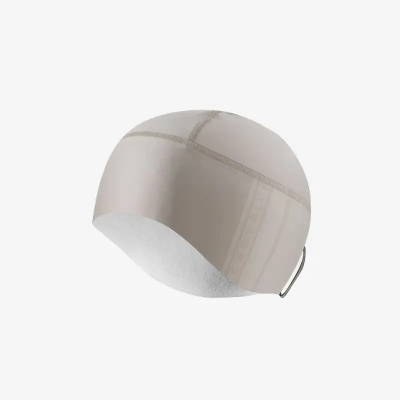
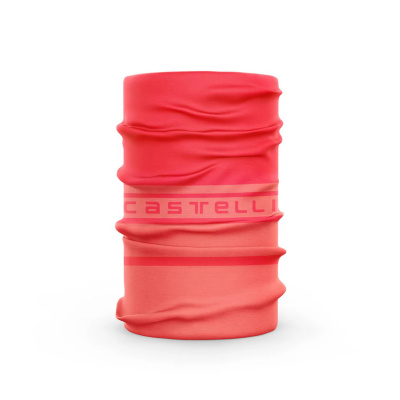
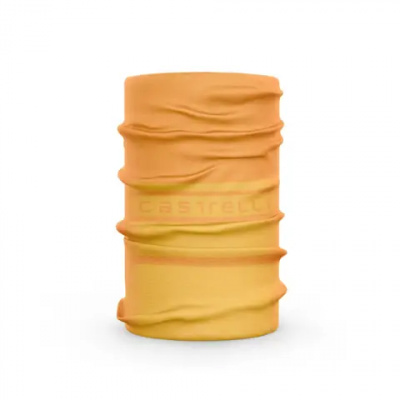
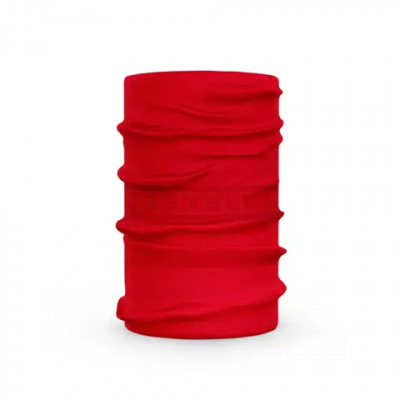
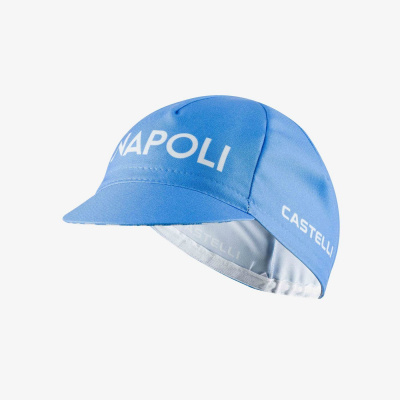
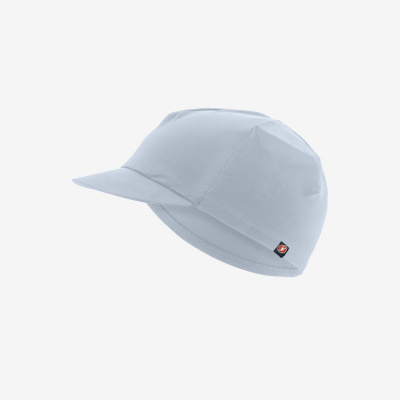
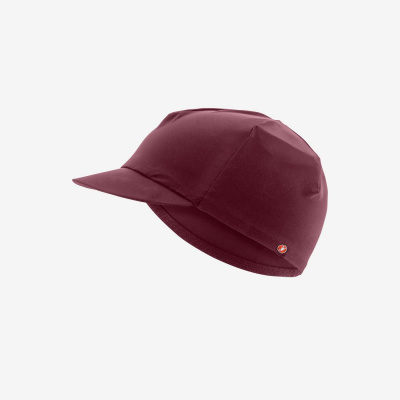
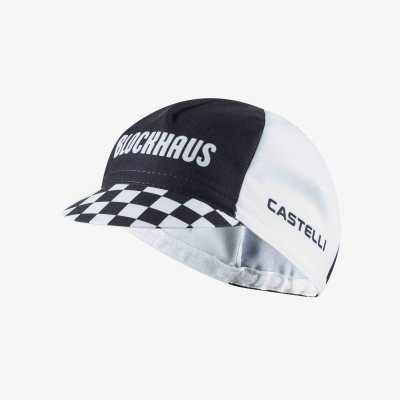
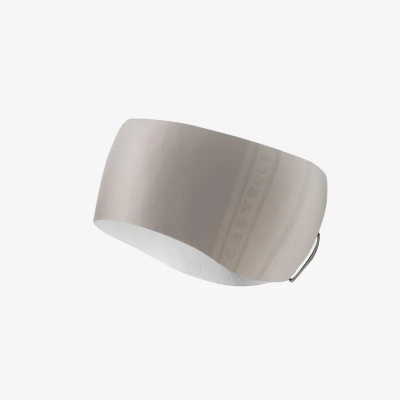
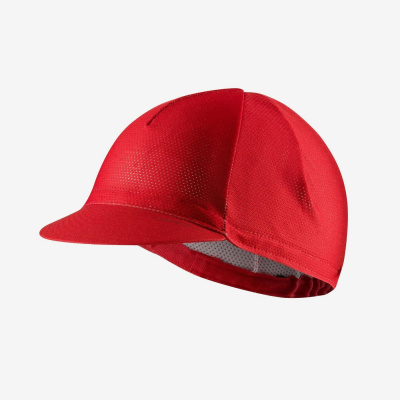
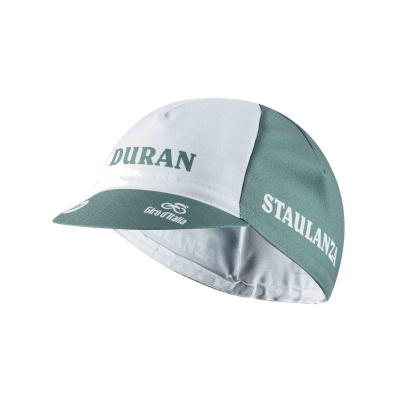
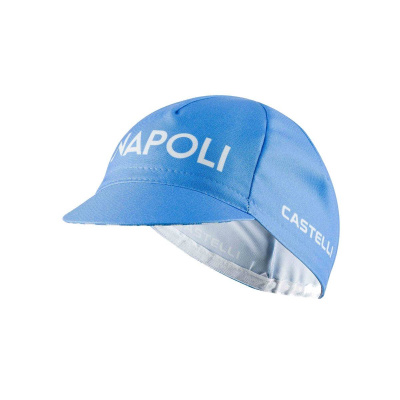
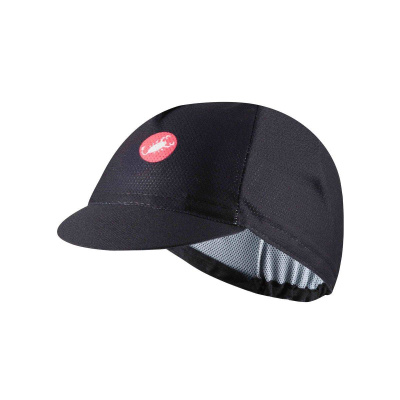
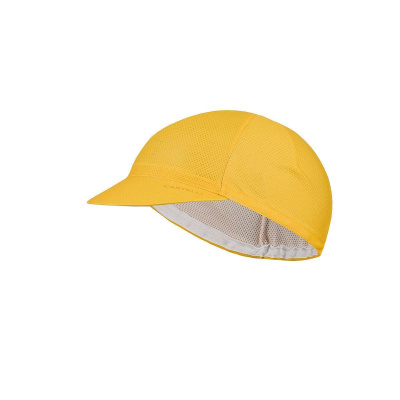
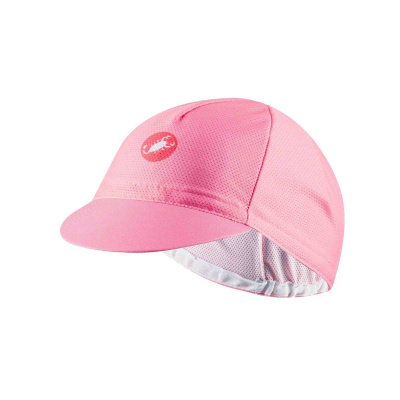
The range broadly splits into three categories. Summer casquettes are the classic cycling cap shape - a short peak, lightweight fabric, and a fit that works under a vented road helmet without adding noticeable bulk. They're as useful for keeping sun off your face at a sportive as they are for managing sweat on a warm commute. Thermal headbands cover your ears and forehead but leave the top of your head open to the helmet's ventilation - the right call when it's cool enough that your ears ache but warm enough that a full skull cap would have you sweating within ten minutes. And deep-winter skull caps with full ear coverage are built for the days when you genuinely need to keep heat in everywhere. The Castelli Estremo WS Skully sits at the top of this category, using Gore-Tex Infinium Windstopper fabric across the exposed panels with a thermal lining behind it.
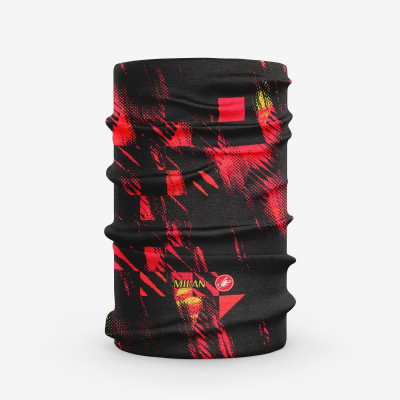
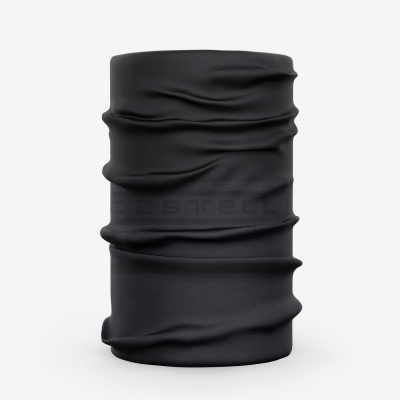
One thing worth flagging: skull caps and standard cycling caps don't extend far enough down the face or neck to cover you in truly extreme cold. For that kind of coverage, Castelli masks and Castelli neck warmers are worth a separate look - they're designed to layer with headwear rather than replace it.
Layering and Care for UK Riding
The question most riders get wrong is when to go headband versus full skull cap. A decent working rule: if it's between 8°C and 12°C with low wind, a thermal headband is usually enough - your helmet is doing more insulating work than you realise, and a full cap at that temperature will have you overheating before you've warmed up properly. Drop below 5°C, add wind, or head onto an exposed route and a full skull cap with ear coverage becomes the sensible call. You can always stuff a headband in your back pocket if the temperature swings; a skull cap is harder to manage mid-ride when you've warmed up.
Layering with a skull cap under a Castelli jacket and a set of Castelli gloves gives you a coherent cold-weather system where the fabrics are designed to work together. Adding a Castelli base layer underneath completes that stack for genuinely cold days. These aren't upsells for the sake of it - mismatched fabrics can create moisture management problems that no single piece can solve on its own.
Care is straightforward but important, especially if you've spent money on a Gore-Tex Infinium cap. Wash everything on a cool, gentle cycle at 30°C using a technical sports detergent. Biological detergents break down the fibres over time, and fabric softener is particularly damaging - it coats the fibres and kills both the windproof membrane's performance and the moisture-wicking properties of summer fabrics. Never tumble dry. Reshape while damp and leave it to air. Done properly, these pieces will last several seasons without performance degrading noticeably.
One practical note: Castelli Cycling caps with a peak should be stored flat or hung rather than stuffed into kit bags. The peak on a casquette will crease and deform if it's crushed repeatedly, and while it doesn't affect warmth, a bent peak is annoying and usually permanent.
Related searches:
Castelli Headwear FAQs
Do Castelli cycling caps fit under a helmet?
Yes - Castelli designs their skull caps and cycling caps with raw-cut edges and thin, low-profile fabrics specifically to avoid creating pressure points under a helmet. They sit flat enough to work with modern aero and vented road helmets without pushing the retention system out of its safe adjusted position.
What is the warmest Castelli winter hat?
The Castelli Estremo WS Skully is their most serious cold-weather option. It uses Gore-Tex Infinium Windstopper fabric across the front and sides to block freezing wind, backed by a thermal fleece lining - designed for the kind of base miles where you simply can't afford a cold head.
How do I wash a Castelli cycling cap?
Use a cool 30°C gentle cycle with a technical sports detergent. Avoid biological detergents, fabric softeners, and tumble drying - all three degrade the moisture-wicking fibres and will strip the DWR or windproof coating from winter caps over time. Air dry, reshaping while still damp.