
Giro Gloves
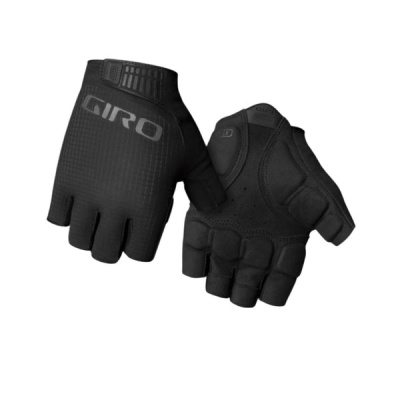
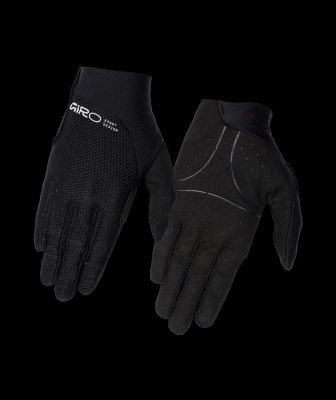
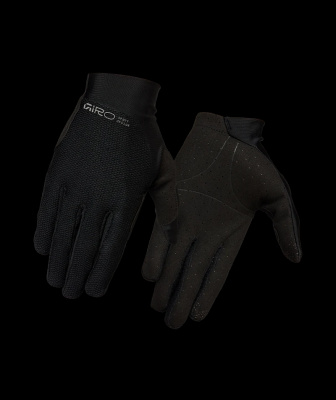
Giro cycling gloves sit at the sharper end of hand protection - engineered for riders who notice the difference between a glove that fits and one that merely covers. That difference comes down to Giro's Super Fit engineering: a tailored three-piece palm construction that maps to the natural curve of your hand, cutting out the bunching and wrinkling that kills bar feel on a long ride or a technical descent.
Across the range you'll find materials chosen for real conditions rather than catalogue photos. AX Suede and Clarino synthetic leather palms hold their grip when they're damp - useful when a Welsh bridleway turns to mud by the second climb. Technogel padding distributes pressure rather than just stacking it, which matters on longer road miles. For winter and wet-weather models, Polartec Windbloc and DWR coatings keep wind chill honest and shed rain without cooking your hands. Touchscreen-compatible fingertips mean you're not pulling a glove off every time you need your phone.
From full-finger Giro MTB gloves built for trail abuse to thermal road options for bleak January mornings, the range covers serious ground. We've pulled the full collection together here so you can cut straight to what works for your riding.
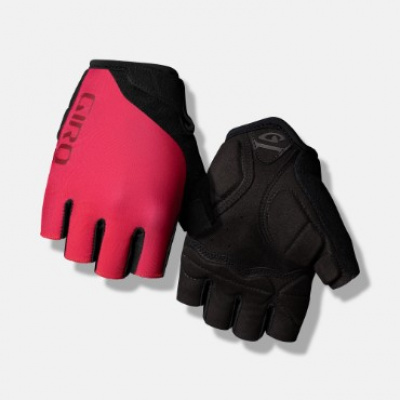
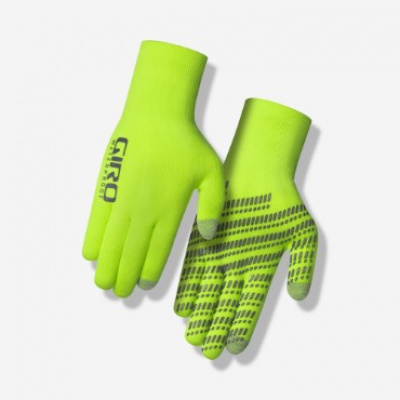
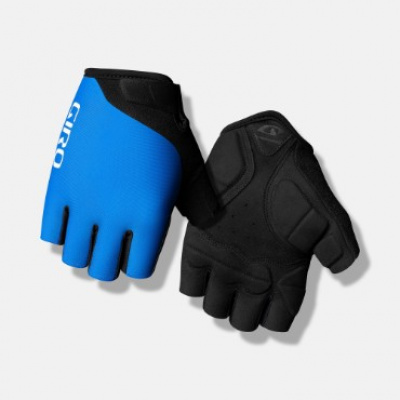
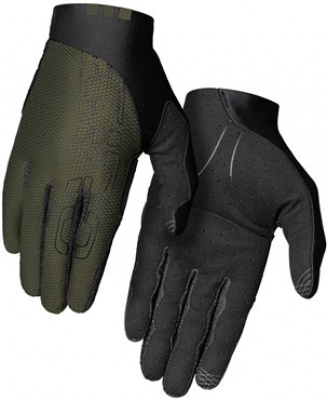
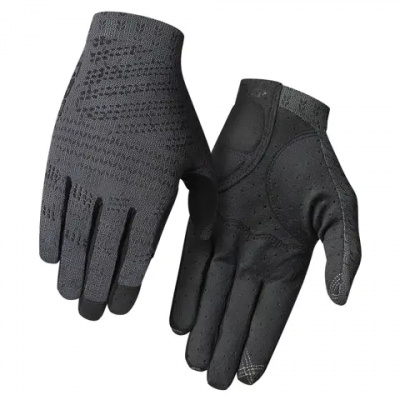
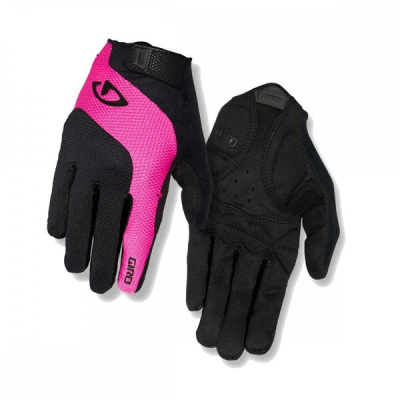
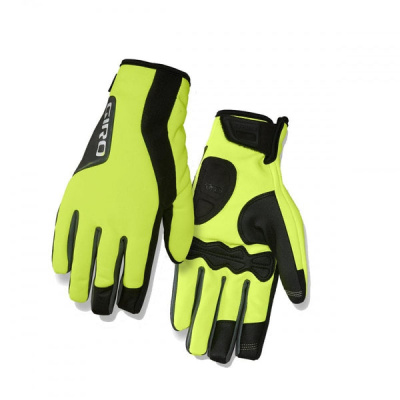
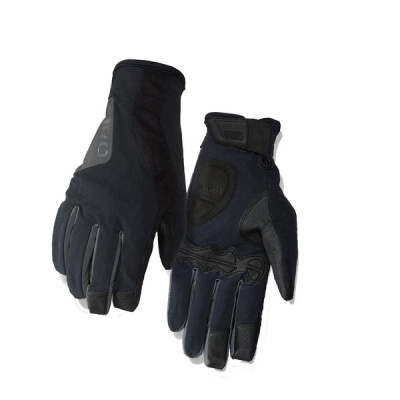
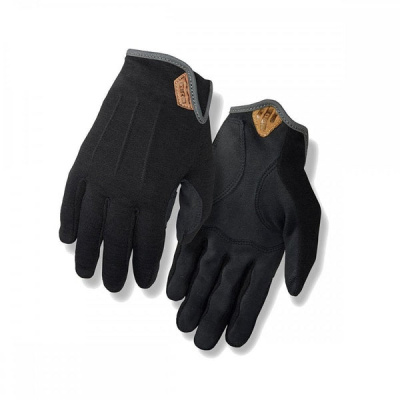
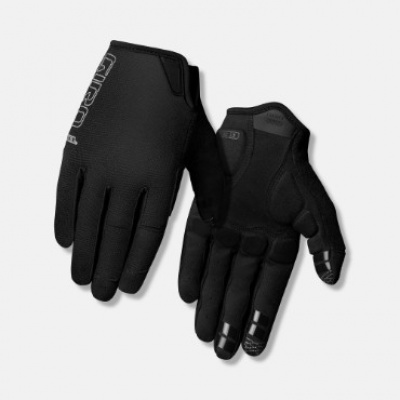
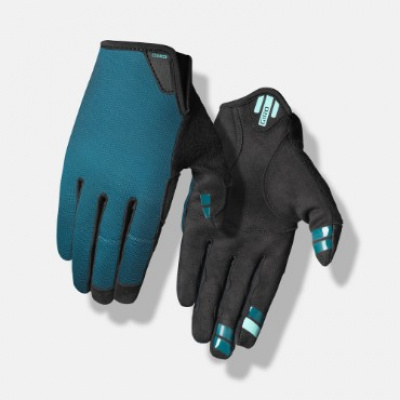
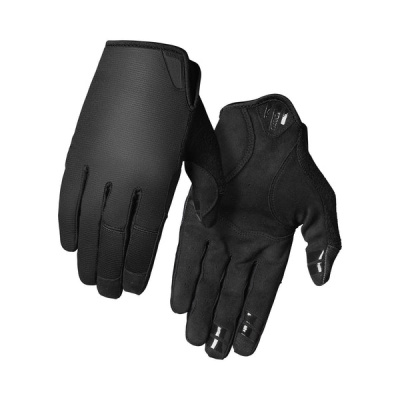
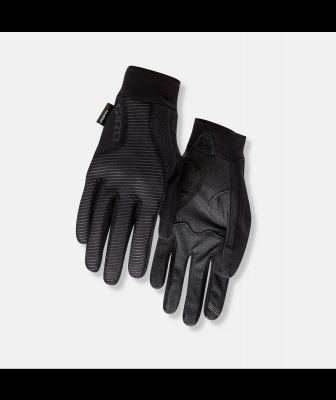
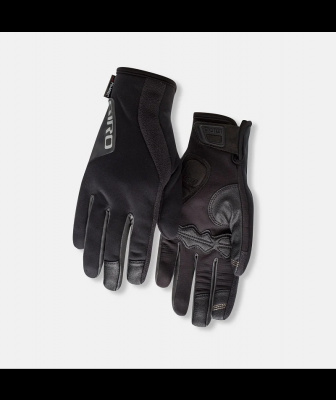
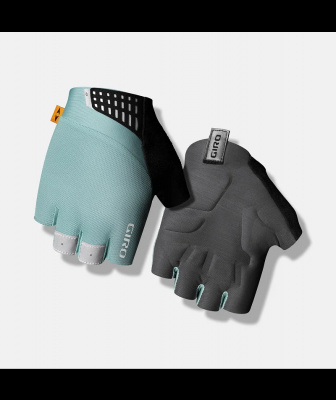
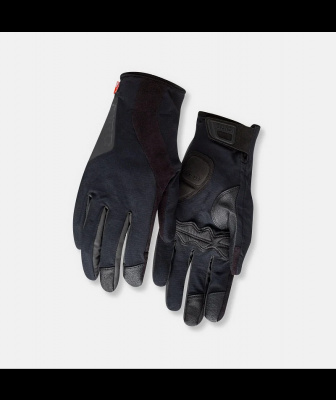
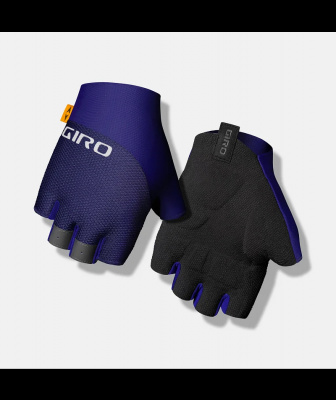
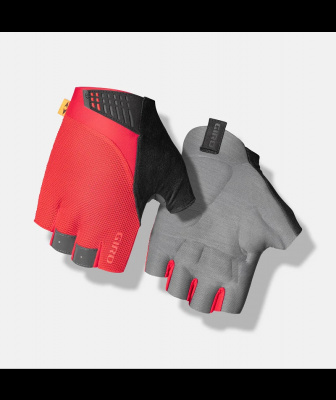
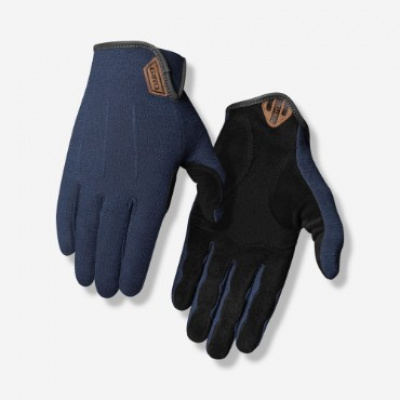
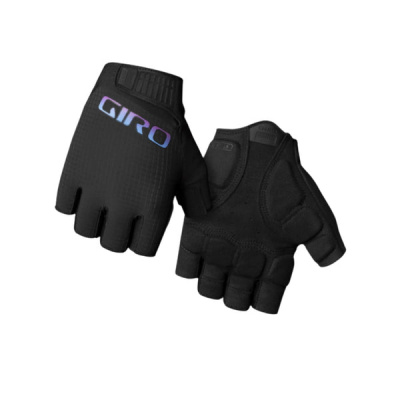
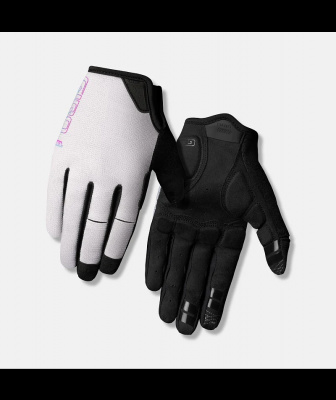
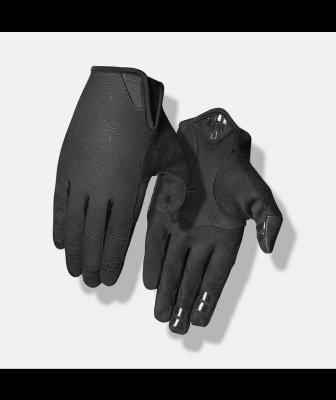
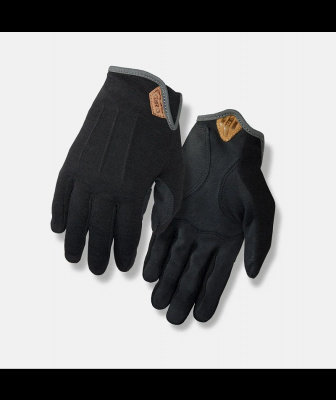
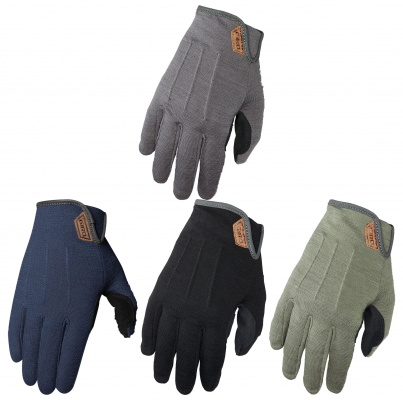
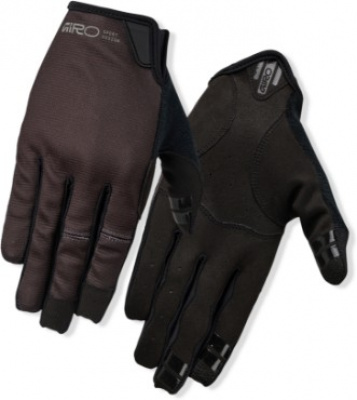
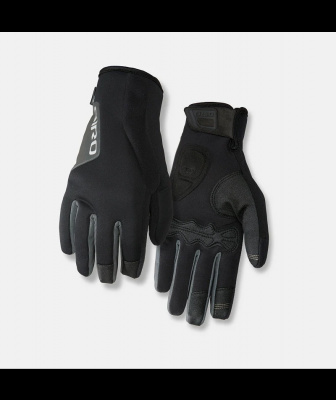
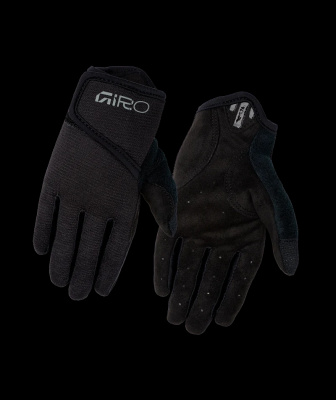
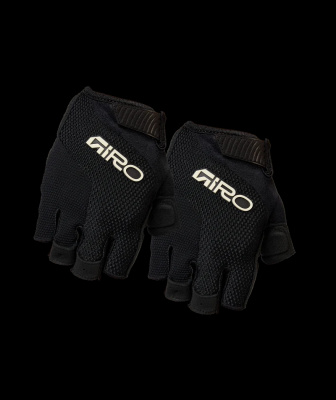
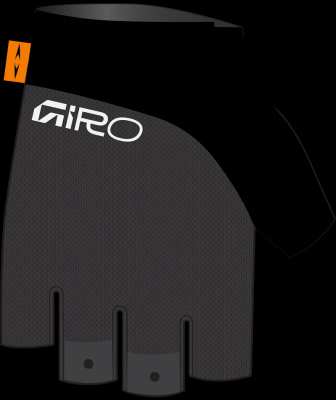
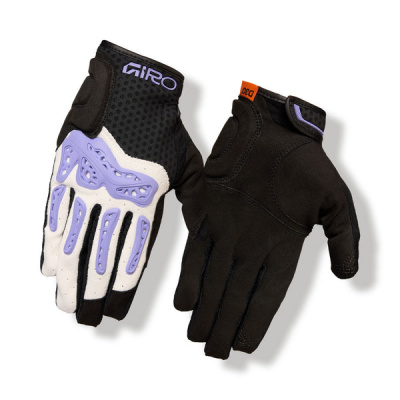
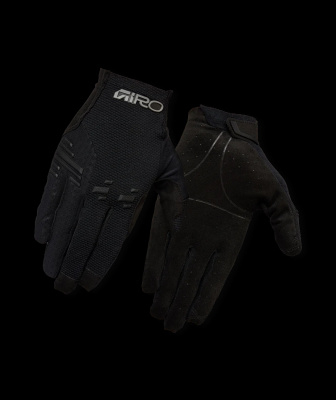
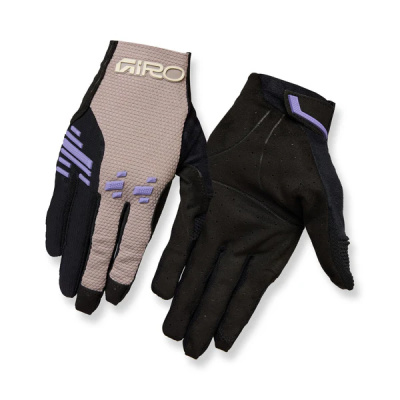
Prices and availability can change quickly. Delivery charges are not always included in listed prices.
Final price, stock status and delivery terms are set by retailer. We may receive a commission on purchases made.
Fabric Tech and What It Does in Wet Conditions
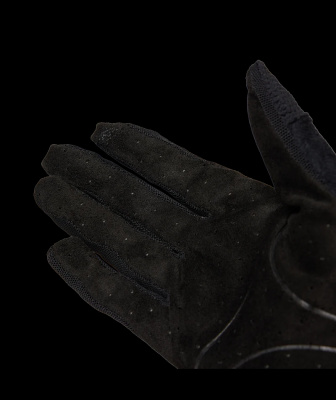
The palm is where a glove earns its keep, and Giro use two materials depending on the application. AX Suede - a tough synthetic - handles the abrasion of repeated grip shifts and the odd unscheduled meeting with a trail. Clarino, used across several road and gravel models, is lighter and breaks in quickly, giving a more immediate tactile connection to the bar. Both hold grip when wet rather than turning glassy, which is a non-negotiable for UK riding where a dry morning rarely stays that way.
Technogel padding works differently to standard EVA foam. Rather than a fixed layer, it moves with pressure, spreading load across the palm rather than concentrating it on the ulnar nerve - the spot that goes numb on a long road ride. On rough gravel or chunk-heavy singletrack it takes the edge off repeated small impacts without making the glove feel cushioned to the point of vague.
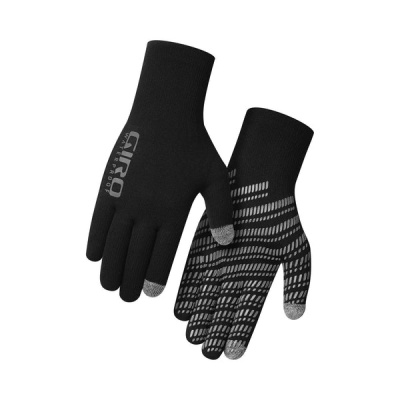
For the colder months, Giro winter cycling gloves built around Polartec Windbloc use a laminated membrane that stops wind penetration without adding bulk. DWR coatings on the outer face bead water off rather than letting it soak through - though like any DWR treatment, performance drops if the coating gets clogged with grime, so keeping gloves clean matters. These fabrics are calibrated to retain warmth without trapping heat to the point where your hands are sweating at the top of a climb on a five-degree day.
How the Range Breaks Down
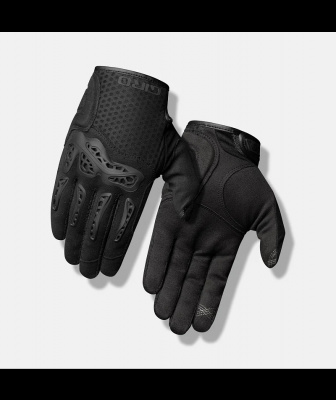
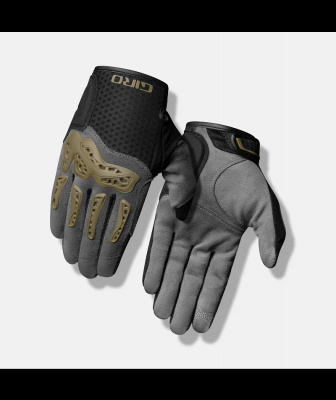
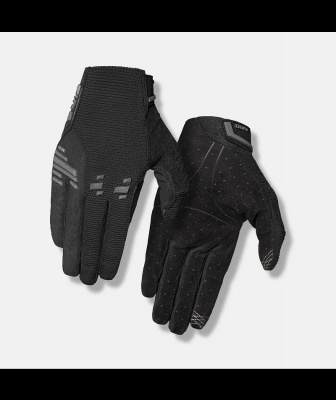
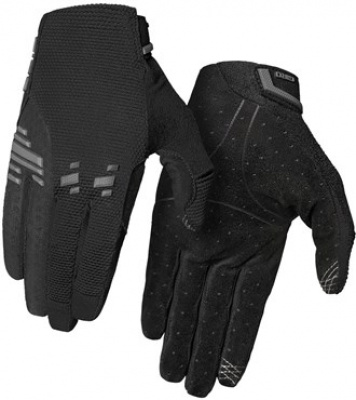
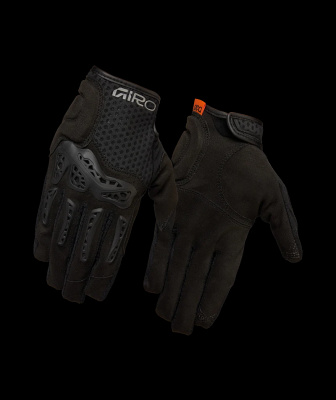
Giro's Super Fit engineering runs across the line, but the gloves themselves split clearly by use. The Giro DND gloves - the Down and Dirty - are a long-standing trail staple: durable, easy to wash, with a no-fuss construction that suits riders who put in big days on rocky UK singletrack and want a glove that survives the season. The DND's construction prioritises grip and durability over thermal performance, so they're a three-season option rather than a winter solution. If you're eyeing them for peak District rides in November, look elsewhere in the range.
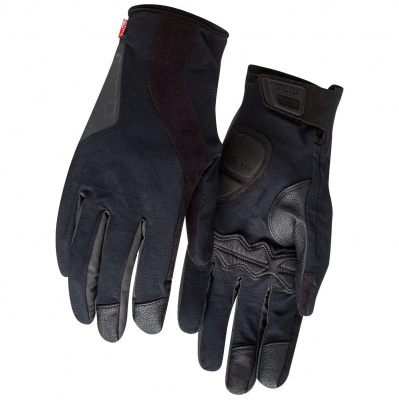
For winter road and gravel riding, the Giro Blaze and Giro Ambient are the ones to consider. Both use windproof and water-resistant fabrics suited to the kind of mornings where the temperature is hovering around four degrees and the road surface is still wet from overnight rain. The Ambient sits at the more packable, lighter end; the Blaze adds more thermal insulation for the deeper cold. Neither is a heavy expedition glove - they're built for riding, not standing still - so dexterity at the brake lever is maintained throughout.
Across all full-finger models, touchscreen compatibility in the fingertips means Strava, maps, and messages don't require glove removal. Sounds minor until you've tried peeling off a damp glove at a junction in January.
If you ride across disciplines, it's worth comparing Giro's approach against Endura gloves, which lean heavily into waterproof construction, or Fox gloves for trail-specific durability. Castelli gloves are worth a look if your priority is road-specific aero fit and thin thermal layering.
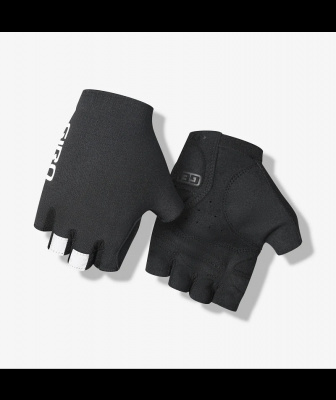
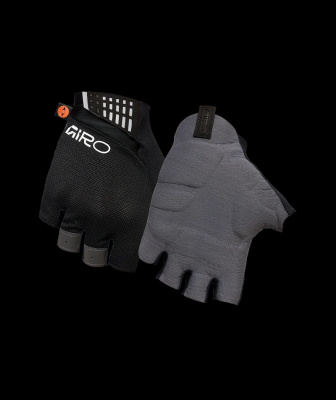
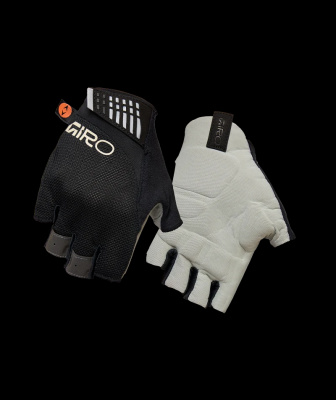
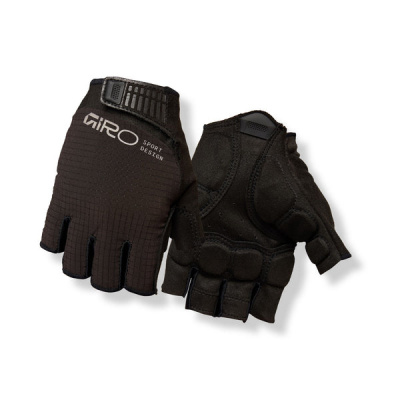
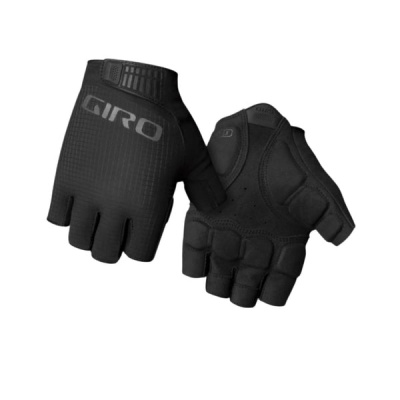
Looking for warm-weather fingerless options? Head over to our dedicated Giro Mitts page for warm-weather road and gravel riding.
Layering, Sizing, and Keeping Them Going
Gloves don't work in isolation. Blood flow to the hands is partly governed by core temperature, so if you're cold through the torso you'll feel it in your fingers regardless of what's on your hands. Pairing thermal gloves with a proper base layer and a windproof jacket - have a look at Giro jerseys for compatible layering options - closes that gap. It's the kind of thing that's obvious once someone mentions it and easy to overlook when you're just grabbing kit on the way out the door.
Sizing across Giro's range runs true in most cases. The three-piece Super Fit palm design gives enough structure that the fit doesn't vary wildly between models, but if you're on the border between two sizes and you're buying a thermal or winter model, go up. A slightly larger glove traps a thin layer of warm air; a glove that's too snug restricts circulation and accelerates cold hands on long descents.
Washing is straightforward. Most Giro gloves - including the Giro DND gloves after a muddy Peak District session - handle a cool, gentle machine wash with mild detergent without issue. The important part is drying: always air dry, away from radiators and direct heat. Synthetic leather palms like AX Suede and Clarino will crack and stiffen if dried aggressively, and heat degrades DWR coatings faster than anything else. Turn them inside out if the palm is particularly damp after riding. A glove that's looked after properly lasts noticeably longer than one that's been baked dry on a boiler.
Pairing gloves with the right shoes matters for full-finger protection on cold days - Giro road shoes and Giro MTB and gravel shoes are designed with the same fit philosophy, so the system works together if you're building a cold-weather kit from scratch.
Related searches:
Giro Gloves FAQs
How do Giro cycling gloves fit?
Giro gloves generally run true to size, with Super Fit engineering - a three-piece palm construction - preventing the bunching that throws off bar feel. If you're between sizes and buying a winter or thermal model, size up: you want enough room for warm air to circulate rather than a glove that cuts into circulation on long descents.
Are Giro DND gloves good for winter?
The standard DND is a three-season trail glove - durable and washable, but without thermal insulation or windproofing. For UK winters, the Giro Blaze or Giro Ambient are the right calls, with Polartec Windbloc and water-resistant fabrics built for cold, damp mornings rather than mild trail days.
Can you wash Giro cycling gloves?
Yes - a cool, gentle machine wash with mild detergent works fine for most models. Air dry only, away from radiators and direct heat: synthetic leather palms like AX Suede will crack if dried aggressively, and heat breaks down DWR coatings faster than mileage does.