
Giro Jerseys
Giro cycling jerseys sit at a precise crossroads: Californian design thinking meets the kind of fabric engineering that actually holds up when a British summer decides to do three seasons before lunch. Whether you're threading Surrey Hills switchbacks in a close-cut road jersey or dropping into Welsh singletrack in something with a bit more room to move, Giro builds tops that are shaped around specific riding demands rather than just slapping a logo on spandex.
The range splits cleanly between road-focused and trail-focused lines, and the distinction matters. Giro's Renew Series fabrics - spun from recycled nylon and polyester - run through a good chunk of the range, delivering moisture-wicking performance without the environmental overhead of virgin synthetics. You also get UPF 50+ main body fabric in key models, which earns its keep on long summer rides even under a British sun that's more persistent than people give it credit for.
This page breaks down which jersey suits your discipline, how the fits differ, what the tech actually does in the real world, and how to keep everything performing wash after wash. Get the fit right and a Giro jersey will feel invisible after the first five miles. Get it wrong and you'll be thinking about it for the next fifty.
Prices and availability can change quickly. Delivery charges are not always included in listed prices.
Final price, stock status and delivery terms are set by retailer. We may receive a commission on purchases made.
What the Fabrics Actually Do Out on the Road
Giro's material choices aren't just a sustainability talking point - they change how a jersey behaves when you're grinding up a long drag in damp autumn air. The Renew Series uses recycled nylon and polyester blends that retain the stretch and wicking properties of conventional synthetics while cutting the environmental footprint. In practice, that means sweat moves off your skin quickly, the fabric dries fast, and you're not left in a clammy mess on the descent.
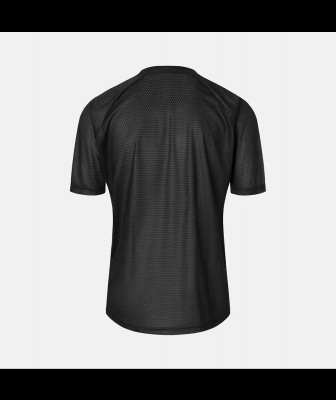
Moisture-wicking construction is standard across the performance tiers, but the better models add targeted mesh ventilation at the sides - panels engineered to pull heat out when you're putting down power on a humid Welsh climb where the air barely moves. It's a small detail that makes a noticeable difference when you're twenty minutes into an effort and the sweat has nowhere to go.
The UPF 50+ main body fabric is worth flagging for anyone doing longer road or gravel days. UV exposure accumulates on multi-hour rides even when the sky looks overcast, and having that protection built into the jersey removes one variable from your kit decisions. Quick-drying synthetic blends also mean an unexpected drizzle patch doesn't leave you soaked through for the remainder of the ride - the fabric sheds light moisture and recovers quickly. Pair a Giro jersey with a packable waterproof shell and you've got a layering system that handles most of what a UK forecast throws at you.
Chrono vs Roust: Picking the Right Cut for Your Riding
The two names you'll encounter most are Chrono and Roust, and they're genuinely different products built around different use cases - not just marketing tiers.
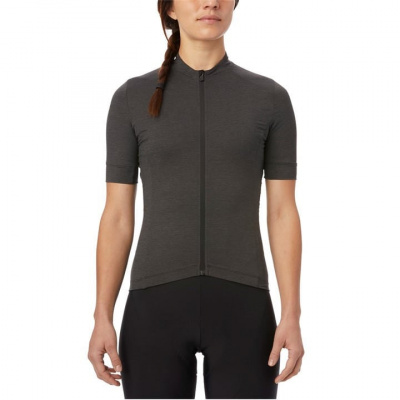
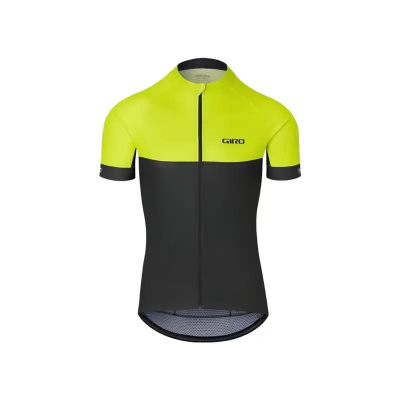
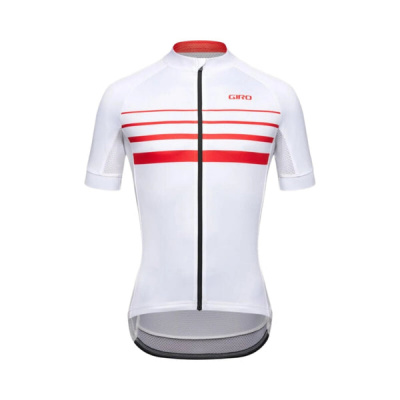
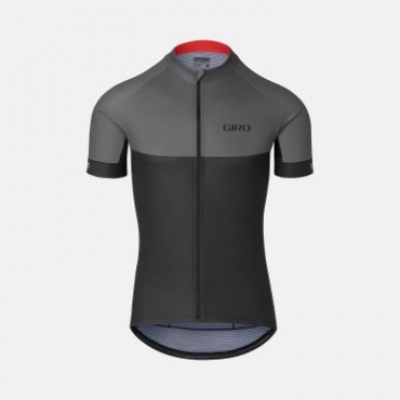
The Chrono series is a race fit road and gravel jersey. Formfitting is the word Giro uses, and they mean it. The cut sits flush against your body, reduces fabric flutter at speed, and positions the rear pockets - with Expandable Storage Pockets (ESP) - so they sit flat and accessible without bouncing around on rough surfaces. The ESP design uses a structured pocket mouth that holds its shape whether you've got two gels stuffed in it or nothing at all. That sounds minor until you're fumbling for a bar at the top of a climb with cold hands.
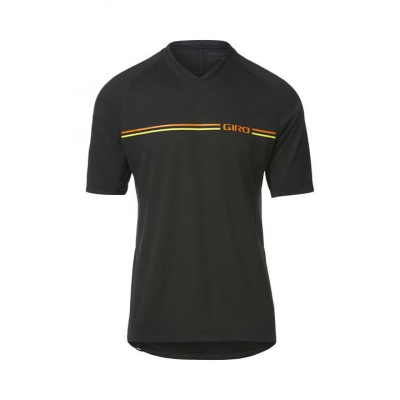
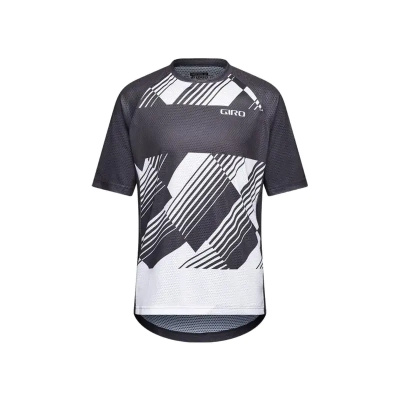
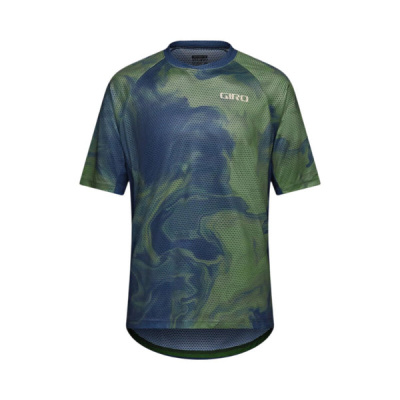
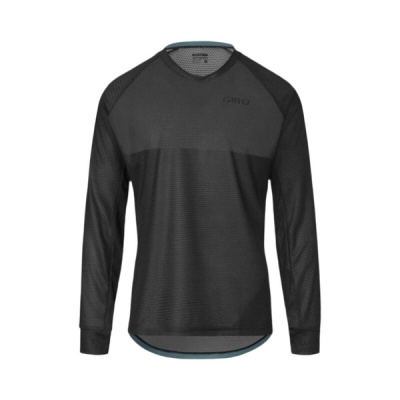
The Roust series takes a relaxed fit approach built for trail and MTB riding. More room through the shoulders and torso means you can move freely over the bars, and the cut is compatible with body armour and hydration packs without pulling or bunching. It's a different discipline, and the jersey reflects that - longer, more durable, less concerned with aerodynamics and more focused on freedom of movement. If you're comparing it to the road side of things, think less about speed and more about not having your jersey rucked up under a backpack strap for three hours.
A Giro MTB jersey vs road comparison really does come down to this fit gap. On the road, that snug Chrono cut helps - sloppier fabric creates drag and doesn't manage sweat as efficiently. On the trail, the same fit would restrict your movement and likely pull out of your shorts the moment you weight your outside pedal through a corner. Choosing between a Giro short sleeve jersey and a Giro long sleeve cycling jersey follows similar logic: short sleeves suit the bulk of UK summer riding, while long sleeves earn their place on early spring mornings in the Peak District or late-season gravel days when the temperature drops mid-ride.
On sizing: Giro jerseys are generally true to size within their respective fit profiles, but the Chrono line in particular runs close. If you're between sizes or you just prefer a club fit over a race fit, go one up. The Roust is more forgiving and most riders find their standard size works. If you want a point of comparison, Castelli jerseys run similarly snug in their race cuts, so if you already know your Castelli size you'll have a decent reference point. Altura jerseys tend to cut slightly roomier by default, which is worth knowing if you're used to that fit.
Layering Smart for UK Conditions
British riding means dealing with temperature swings that can catch you out in any month. A Giro jersey works hardest when it's part of a thought-through layering system rather than a standalone piece.
On crisp spring mornings - the kind where you're sweating on the climb and freezing on the descent - a thermal base layer under your jersey gives you warmth without bulk. The moisture-wicking properties of the jersey still function with a base layer underneath; the base layer moves sweat away from your skin, the jersey moves it outward. What you don't want is a cotton base layer trapping moisture between the two. Keep the whole system synthetic or merino and it works properly.
For changeable days, a packable waterproof shell stuffed into your back pocket is the sensible play. The drop tail on several Giro models helps here - it stays tucked when you're in the riding position and gives better coverage than a shorter cut. A shell that weighs nothing sitting in your pocket can make the difference between a good ride and a miserable one when a Scottish moor decides to open up above you.
Wash care matters more than most riders acknowledge. Technical fabrics lose their wicking properties if fabric softener coats the fibres - it fills the microscopic gaps that allow moisture transfer. Wash at 30 degrees, skip the softener, and avoid tumble drying. A jersey washed correctly a hundred times will still wick as well as it did on day one. One washed wrong twenty times probably won't. It's the kind of thing that's easy to get right once you know it, but expensive to discover after the fact.
To build a complete kit around your jersey, Giro's own cycling shorts are worth pairing up - the chamois and waistband work with the jersey's drop tail rather than against it. Road riders will find their road shoes complete the system, while trail riders should look at MTB and gravel shoes for a consistent fit philosophy across the kit. For an alternative jersey perspective at a similar price point, Assos jerseys are worth a look if you want to compare cut and fabric weight before committing.
Giro Jerseys FAQs
How do Giro cycling jerseys fit?
Giro splits the range into two distinct fits. The Chrono line is formfitting - close to the skin, built for aerodynamics on road and gravel. The Roust line runs relaxed, giving you the movement and layering room you need for trail riding. If you're after a club fit rather than a race fit in the Chrono, go one size up.
What is the difference between Giro Chrono and Roust jerseys?
The Chrono is a road and gravel jersey with a snug, aerodynamic cut and structured rear pockets using Giro's Expandable Storage Pocket system. The Roust is built for MTB - looser through the shoulders and torso, more durable, and shaped to work with body armour and hydration packs. Different tools for different jobs.
Are Giro jerseys true to size?
Generally, yes - within their fit profile. The Chrono cuts close by design, so riders between sizes or those who prefer a bit more room should size up. The Roust is more accommodating and tends to work well at standard sizing. If you already know your size in a similarly race-cut brand, use that as your guide.