
Giro MTB & Gravel Shoes
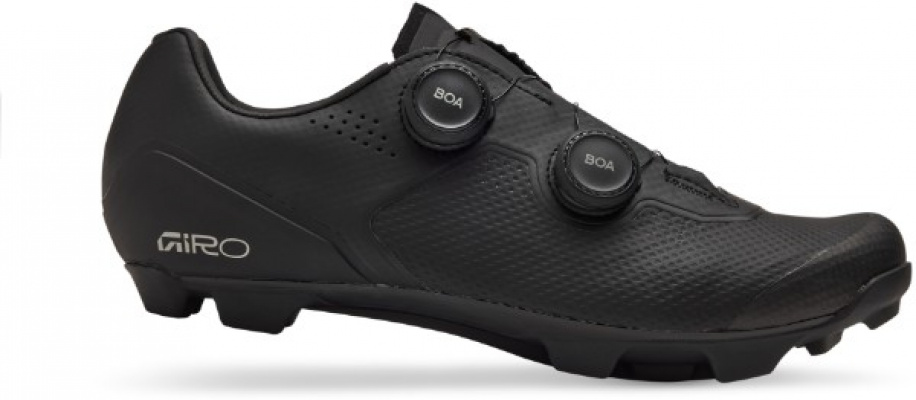
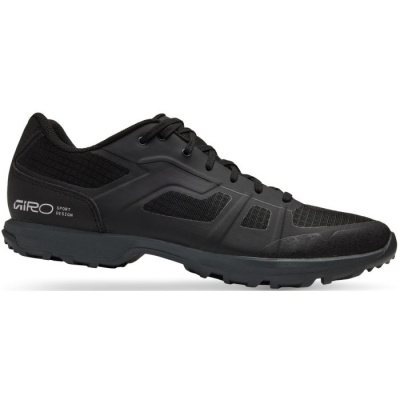
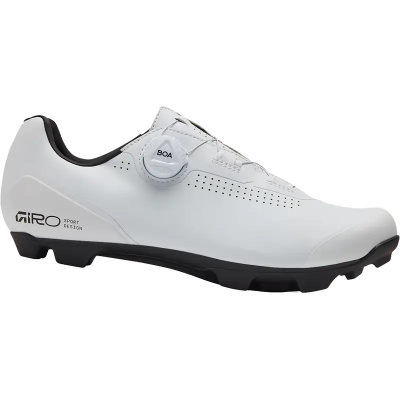
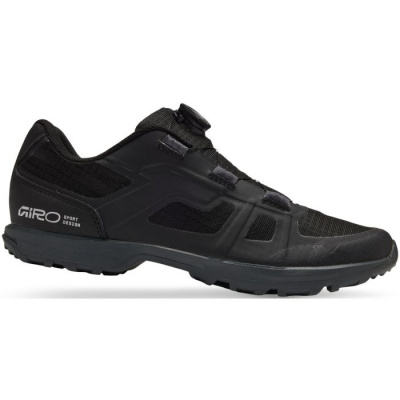
Giro MTB and gravel shoes cover the full spectrum of off-road riding - from stiff, race-focused XC kicks to relaxed flat pedal options that work just as well for a sloppy winter blast as a dry summer shred. What ties the range together is a genuine commitment to walkability without sacrificing pedalling efficiency. That matters when you're pushing your bike up a greasy chalk climb in the South Downs or picking your way across loose shale in the Peak District.
The Synchwire upper construction gives the clipless models a close, abrasion-resistant fit that doesn't feel like you're wearing a plastic shell, while Vibram Megagrip and Sensor rubber outsoles give you real confidence when you unclip and put a foot down on slick rock or wet roots. For flat pedal riders, the rubber compounds are tuned specifically for grip rather than durability alone - a meaningful distinction.
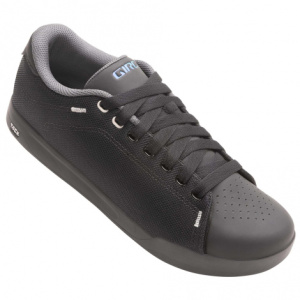
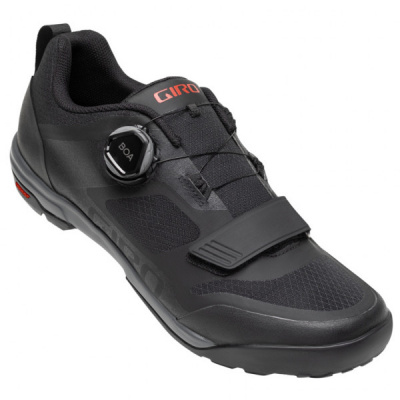
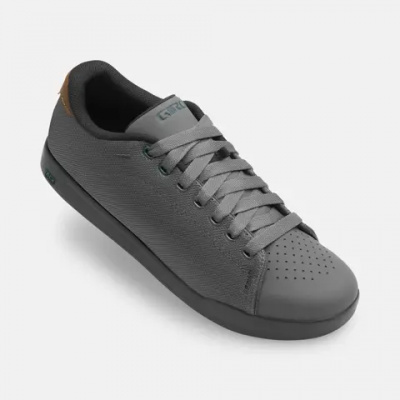
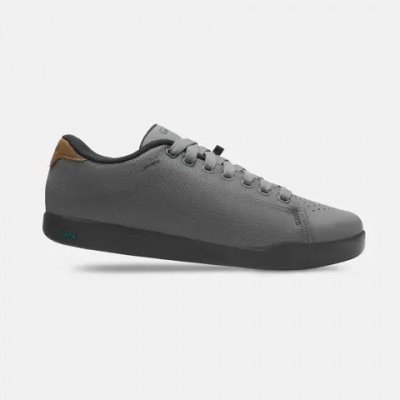
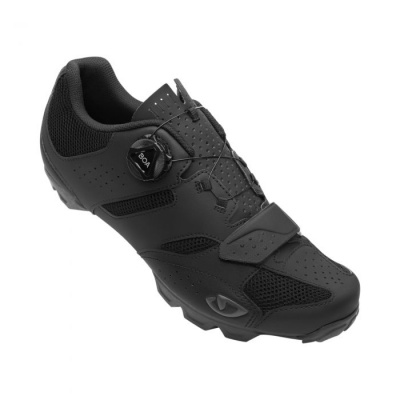
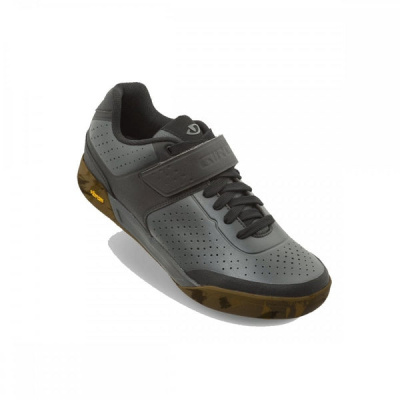
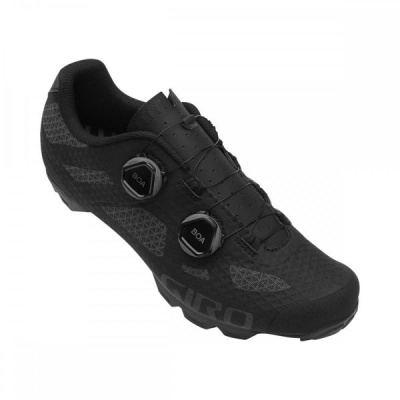
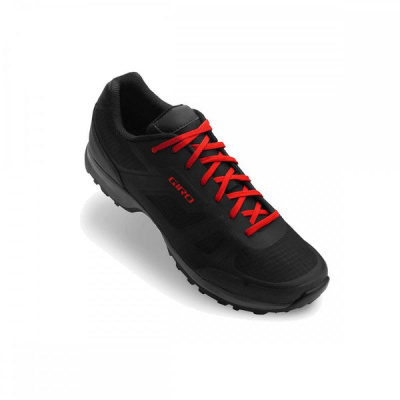
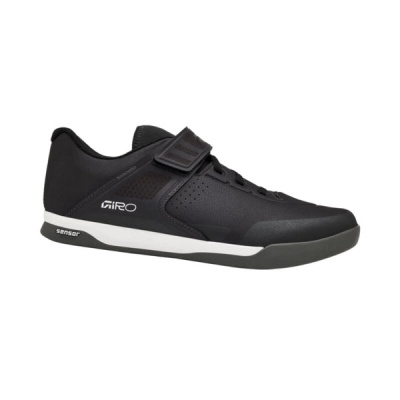
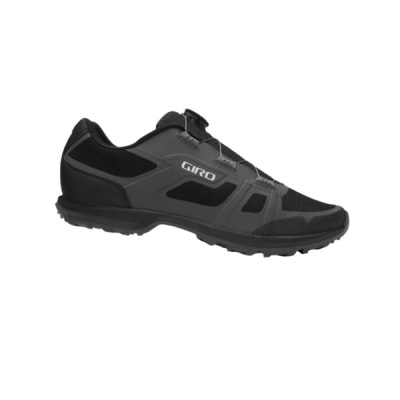
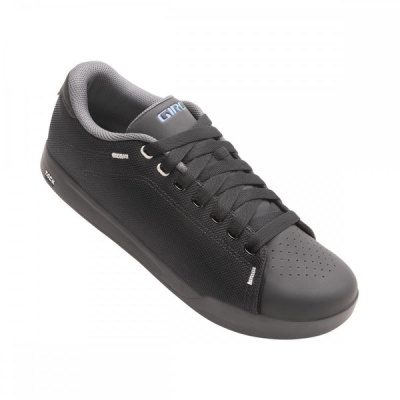
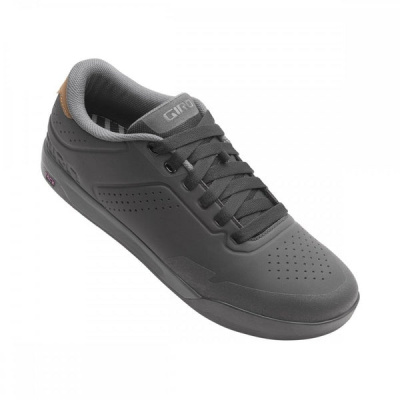
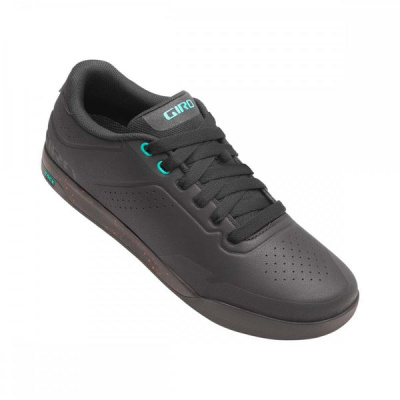
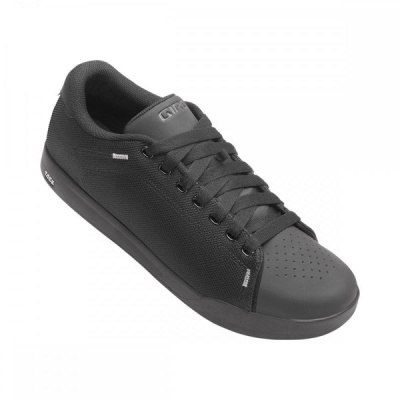
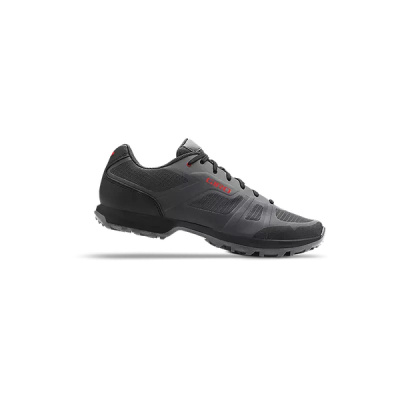
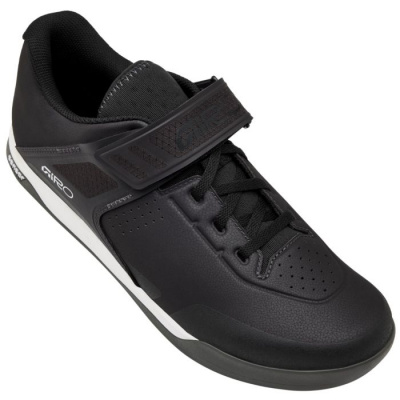
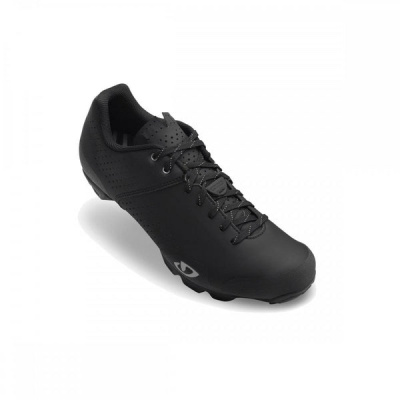
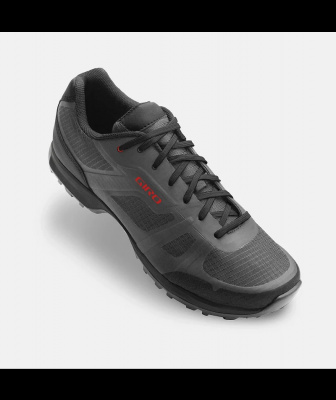
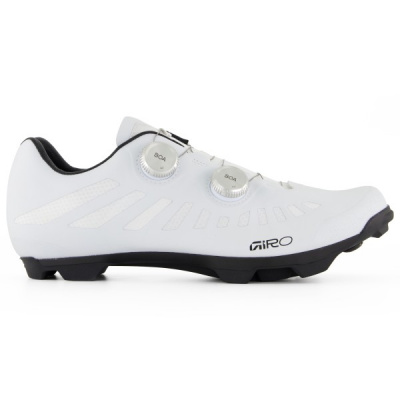
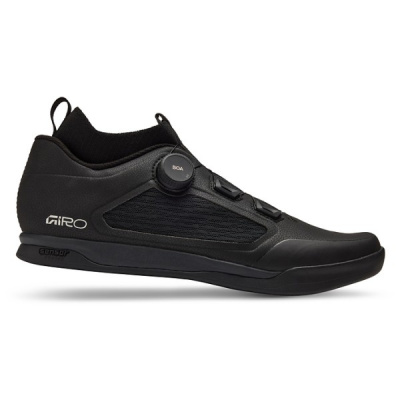
The range runs from the race-sharp Sector and Recon at the top, through the do-everything Privateer and Ranger, down to the Latch and Tracker for riders who prefer platforms. There's also an HV (High Volume) fit option for wider feet - useful to know before you buy. Whatever your riding, Giro off-road cycling shoes offer a well-considered fit hierarchy that rewards a bit of research upfront.
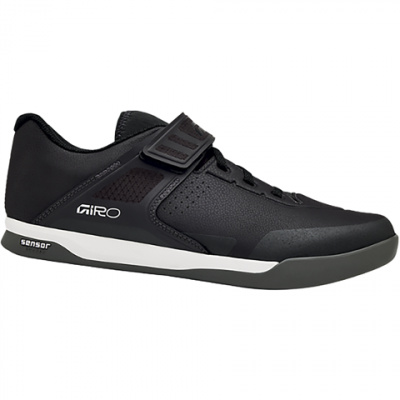
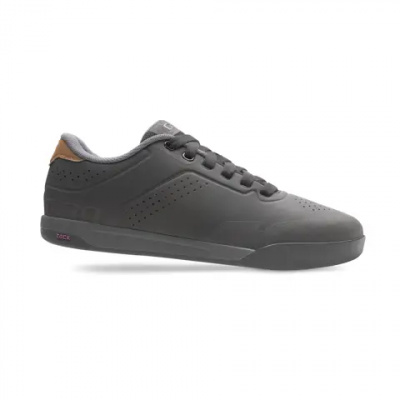
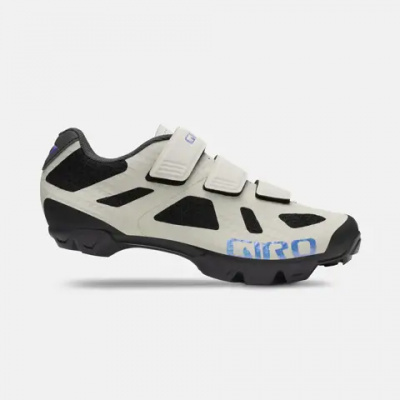
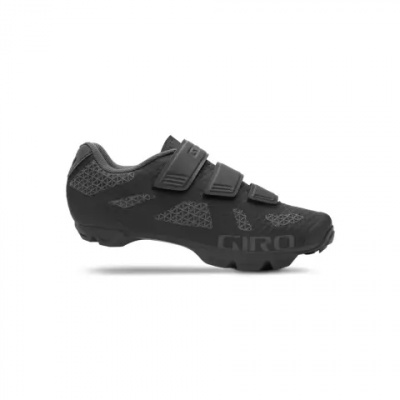
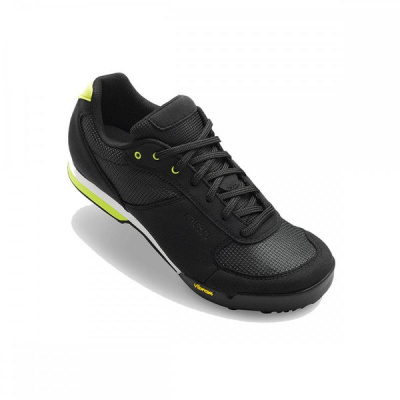
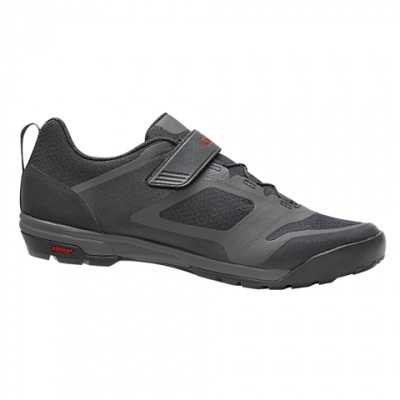
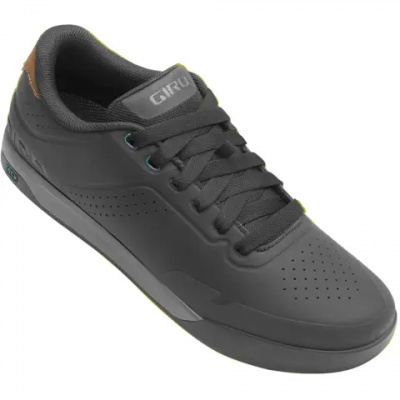
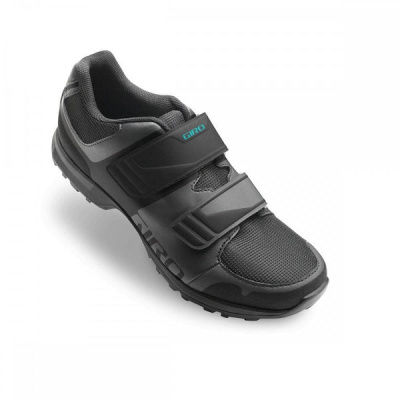
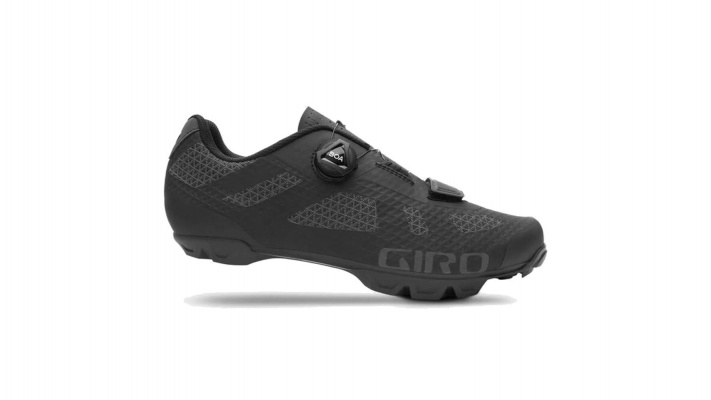
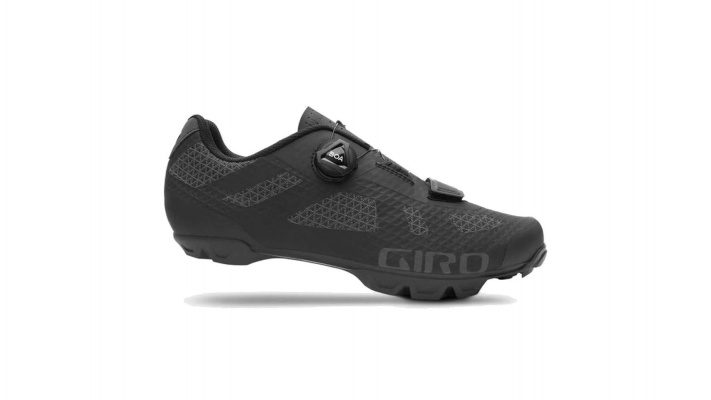
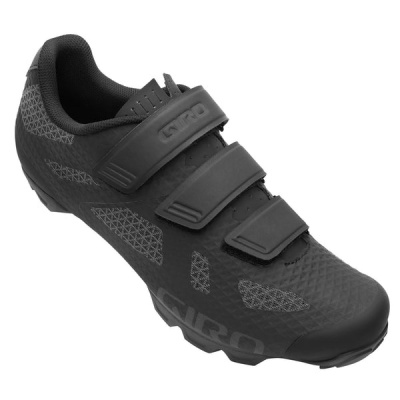
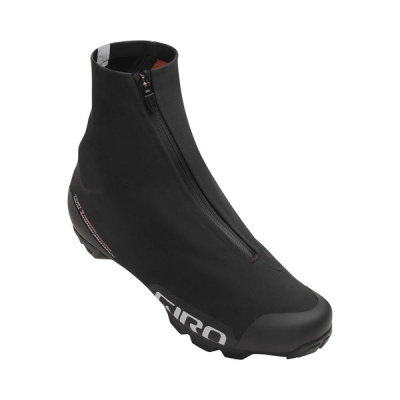
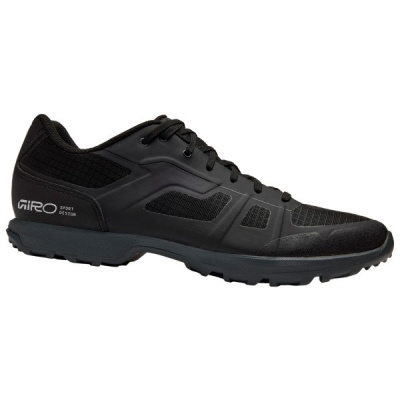
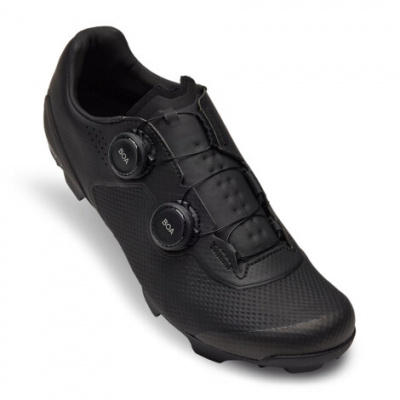
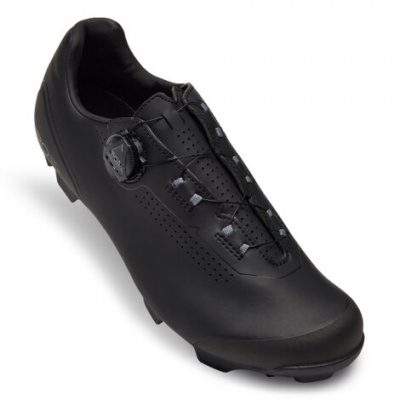
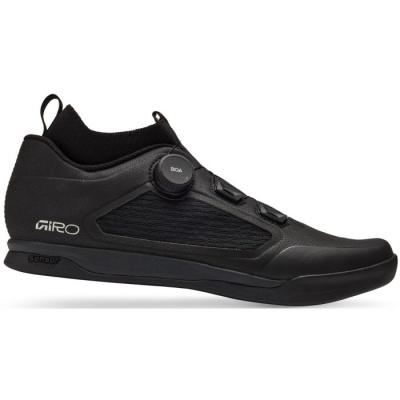
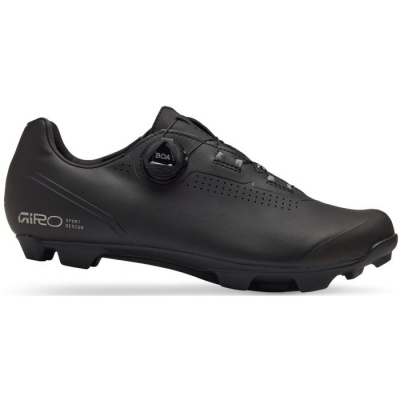
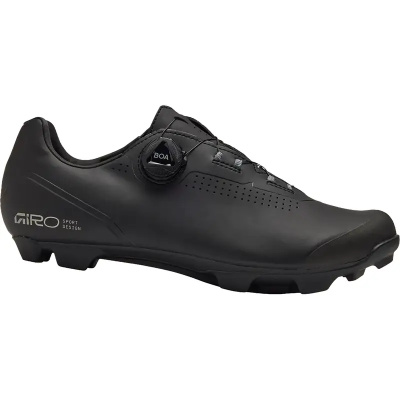
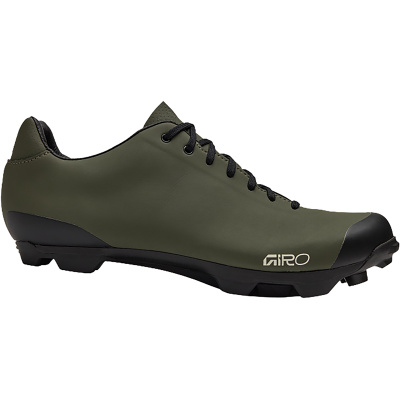
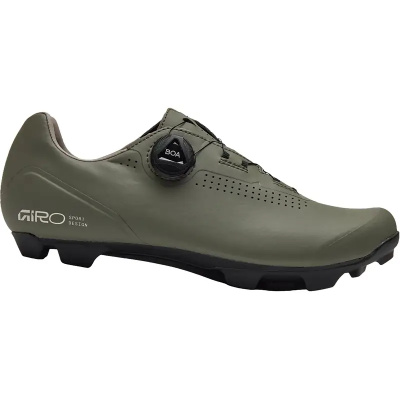
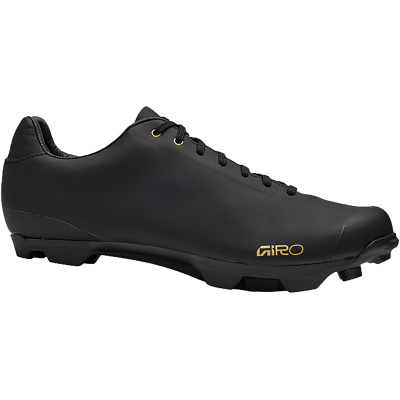
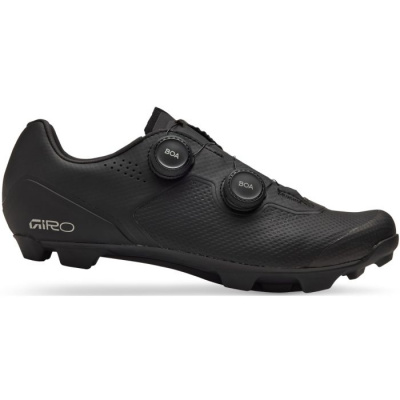
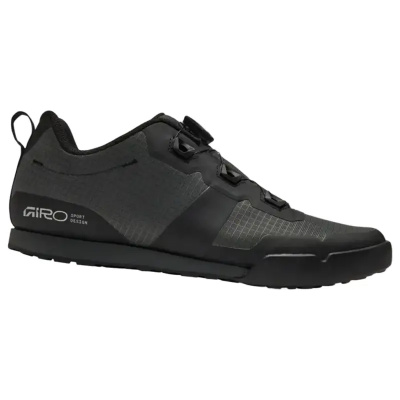
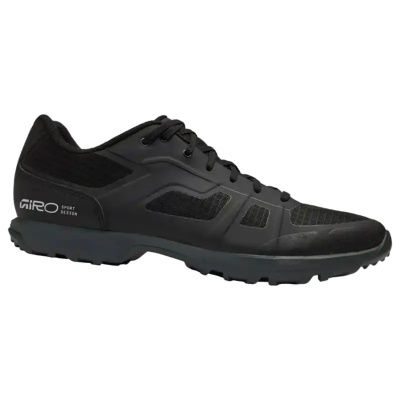
Prices and availability can change quickly. Delivery charges are not always included in listed prices.
Final price, stock status and delivery terms are set by retailer. We may receive a commission on purchases made.
Materials and Outsole Tech Worth Knowing About
The Synchwire upper is one of the more practical innovations in Giro's off-road range. It's a one-piece composite construction - meaning fewer seams to abrade your foot or let water track inward - that moulds closely without needing a break-in period. It breathes well enough for summer gravel rides, and the material resists scuffs from rocks and pedal cages better than most woven fabrics at this price level.
Outsole choice is where Giro really differentiates across the range. The premium XC and gravel race models use an Easton EC90 carbon composite sole. Carbon here means very little energy loss between your foot and the pedal - useful when you're pushing hard for distance or chasing a fast gravel time. The trade-off, as ever with stiff soles, is that longer hike-a-bike sections become more of an effort. If you're regularly hiking more than you're riding - say, on a bikepacking route through the Scottish Highlands - you'll want to look lower in the range.
The Sensor rubber outsoles used on mid-range and flat pedal models are a different proposition. They flex naturally with your foot, and the compound is soft enough to deform slightly around pedal pins for real mechanical grip. Lug spacing on the MTB models is wide enough to clear thick mud rather than balling up - you can actually clip back in after a muddy push, rather than spending two minutes scraping your cleat. Vibram Megagrip, used on select models, adds another layer of wet-surface traction for those moments when you're hopping off on a greasy log crossing.
If you're weighing Giro against alternatives, Fizik MTB and gravel shoes tend to run stiffer across the range, while Lake MTB and gravel shoes are worth a look if you're prioritising wide-fit comfort or specific sizing options.
How the Range Fits Together - and How to Pick Your Size
Giro's fit profile across the clipless range is snug at the heel with a medium-width toe box - it's a performance shape, so if you've got a genuinely wide forefoot, standard sizing may feel compressed after an hour. That's where the HV models come in. HV stands for High Volume, and it's not just marketing: the last is measurably wider across the ball of the foot. Worth filtering for if your current shoes leave marks on your little toe.
The hierarchy breaks down pretty cleanly by use. The Sector and Recon sit at the top for XC racing and long-distance gravel - stiff soles, low stack, precise fit, not built for walking. The Privateer and Ranger are the versatile middle ground: enough stiffness for efficient pedalling, enough flex and tread for confident movement off the bike. These are the ones most UK trail riders end up on. Below that, the Latch and Tracker are flat pedal shoes - no cleat compatibility, just grip-focused rubber and a sole that works with pins.
The 2-bolt cleat pattern on all clipless models means SPD compatibility as standard - Shimano SPD, Crankbrothers Eggbeater and Candy, Time ATAC, and most other two-bolt systems will all mount without adapters. Straightforward, and worth confirming if you're switching from road shoes with a 3-bolt setup.
If tarmac is more your thing, have a look at the Giro road shoes collection instead - the off-road lasts and outsoles here aren't designed for road riding efficiency. And if you need replacement BOA dials or cleat hardware, head to our shoe spares section to find compatible parts before ordering a full replacement shoe.
Pair the shoes with Giro helmets or Giro gloves if you're building out a kit set - the sizing and fit philosophy carries across the brand, which makes getting the right size easier if you already know your Giro number.
Keeping Them Functional Through a UK Winter
British riding doesn't do seasons neatly. You can hit deep mud in October and dry hardpack in February, sometimes on the same ride. A few practical points help you get more out of these shoes year-round.
If you're riding through winter on gravel and planning to wear thick merino or waterproof socks, size up half a size. The Synchwire upper doesn't stretch much, and a shoe that fits perfectly with a summer sock will feel tight with a 3mm merino one. Getting the fit right at purchase saves a lot of frustration in January.
BOA dial systems - Giro uses the L6 and IP1 variants depending on the model - are genuinely excellent for micro-adjusting fit mid-ride. The L6 is the larger, glove-friendly dial you'll find on most MTB models; the IP1 is lower-profile and sits closer to the upper. Both are reliable, but they don't like being blasted with a pressure washer. The internal ratchet mechanism is precise but not sealed against fine grit forced in under pressure. Let the mud dry after a ride, work it loose with a stiff bristle brush, then wipe down with a damp cloth. The Synchwire upper responds well to this approach and the dials stay smooth far longer.
The Aegis antimicrobial footbed helps with odour over a season of wet riding - it's not magic, but it does slow the process. Pulling the footbed out to dry separately after a soaking ride makes a bigger difference than most riders expect. A dry shoe lasts longer and fits better.
Rounding out your kit, Giro shorts are worth a look if you're already in the range - the chamois sizing and fit references carry across consistently.
Related searches:
Giro MTB & Gravel Shoes FAQs
Do Giro MTB and gravel shoes run true to size?
Generally yes - Giro's off-road shoes fit true to size with a snug heel and medium-width toe box. If you have wider feet or you're planning to wear thick waterproof socks through winter, go half a size up or filter for an HV (High Volume) model, which uses a genuinely wider last across the forefoot.
Are Giro gravel shoes compatible with SPD cleats?
All Giro clipless MTB and gravel shoes use a standard 2-bolt sole pattern, so they're fully compatible with Shimano SPD, Crankbrothers, Time ATAC, and any other two-bolt system. No adapters needed. If you're coming from a road shoe with a 3-bolt cleat, your existing cleats won't transfer across.
How do I clean mud out of my Giro BOA dials?
Skip the jet wash - forcing water at pressure through a BOA dial pushes fine grit into the ratchet mechanism and shortens its life considerably. Instead, let the mud dry slightly after your ride, brush off the bulk with a stiff bristle brush, then wipe the dial and surrounding upper down with a damp cloth. The mechanism stays smooth and the Synchwire upper handles this approach well.