
Endura Gloves
Endura cycling gloves are designed by a brand that has been soaked, frozen, and wind-blasted on Scottish roads long enough to take hand protection seriously. Whether you're picking your way down a greasy, rooted descent on the MT500 or grinding through a January commute into a headwind that means business, Endura builds gloves that keep your hands warm, your grip solid, and your fingers moving when it counts.
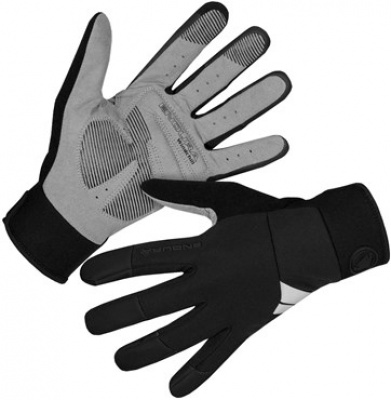
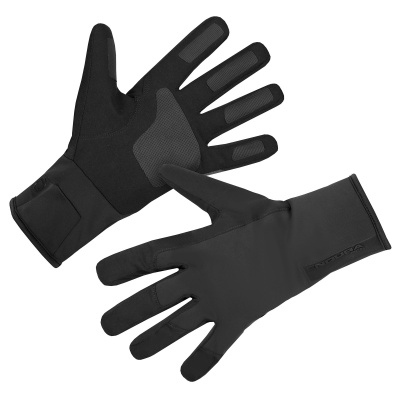
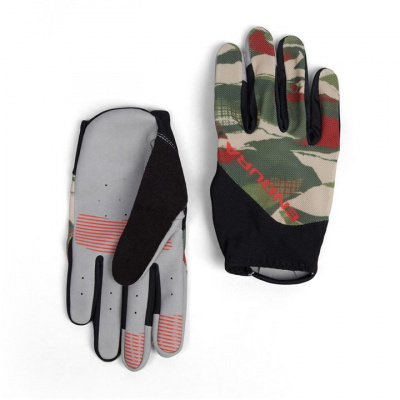
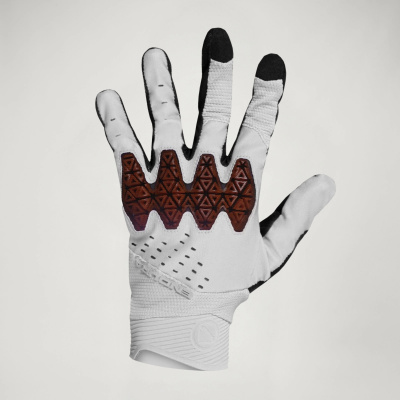
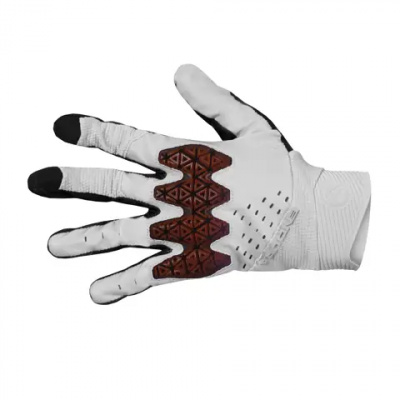
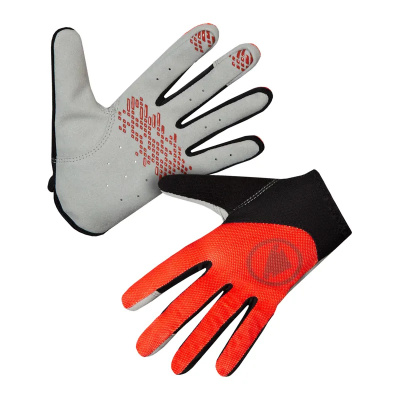
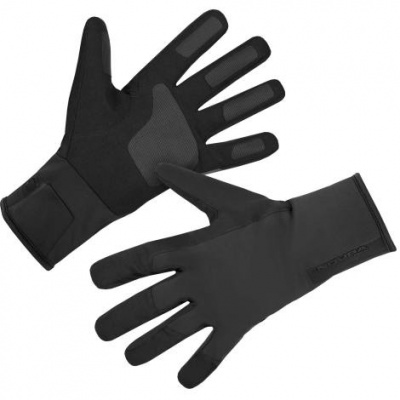
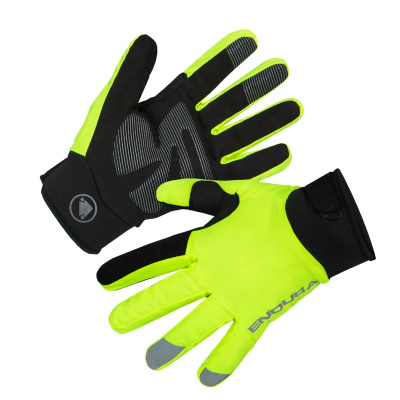
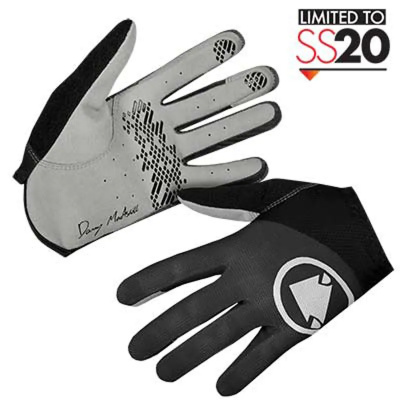
The full-finger range spans everything from lightly insulated windproof options for shoulder-season road rides to heavily protected MTB models with D3O® knuckle guards for when you'd rather not find out what that rock feels like at speed. Primaloft® Gold insulation keeps weight down without sacrificing warmth, while PFC-free DWR coatings and sealed waterproof membranes deal with the kind of relentless drizzle that the UK does so well. E-Swipe touchscreen-compatible fingertips mean you're not pulling a glove off every time you need to check the route.
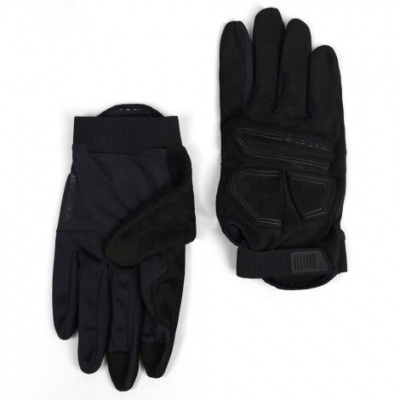
The range runs from trail-ready MTB gloves through to streamlined road and commuting options. If you're after warm-weather fingerless riding, head over to our Endura Mitts page instead - that's a separate conversation.
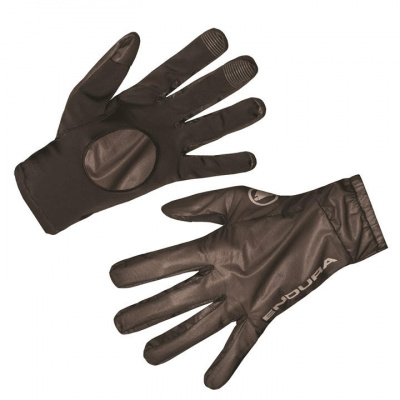
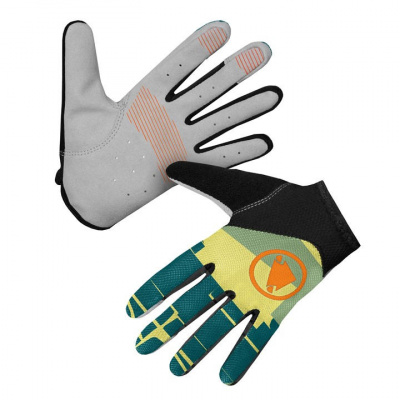
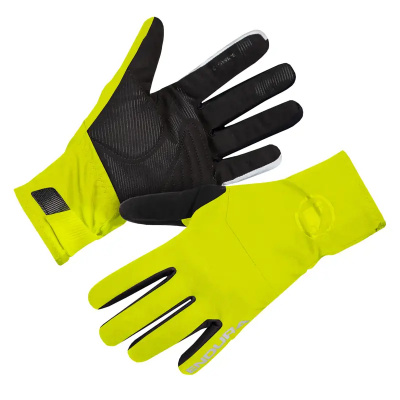
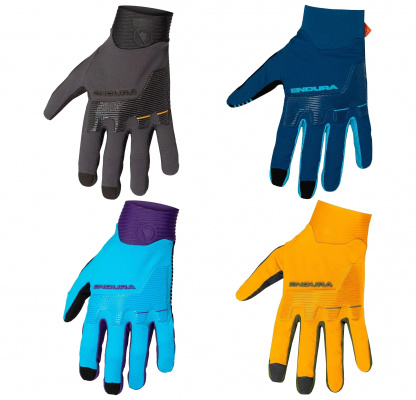
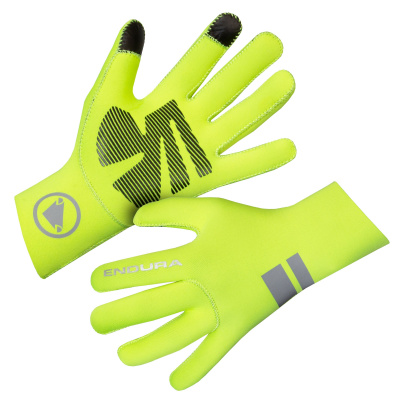
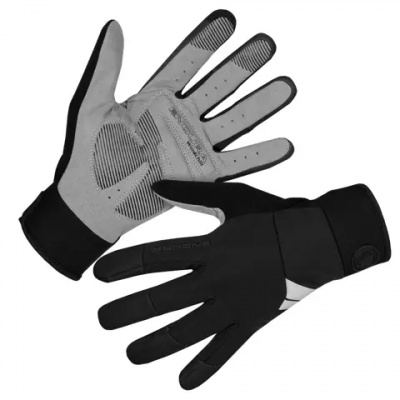
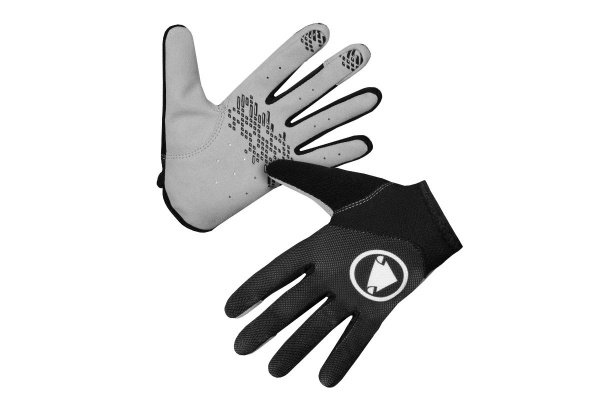
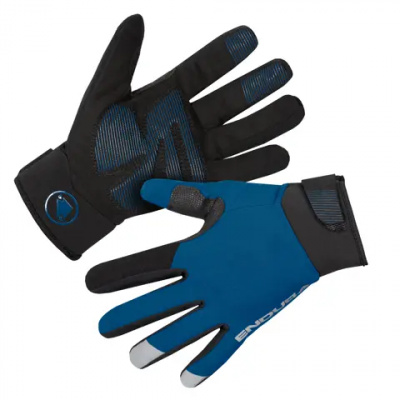
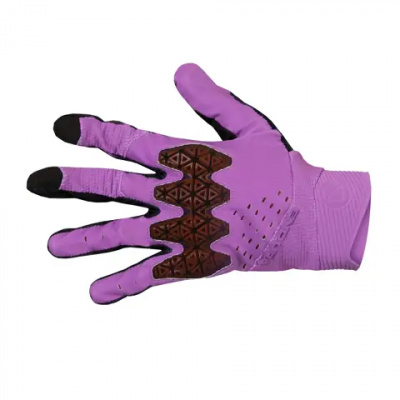
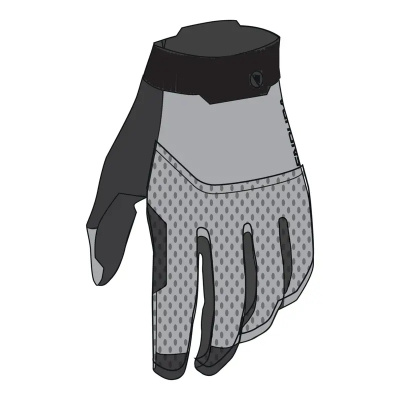
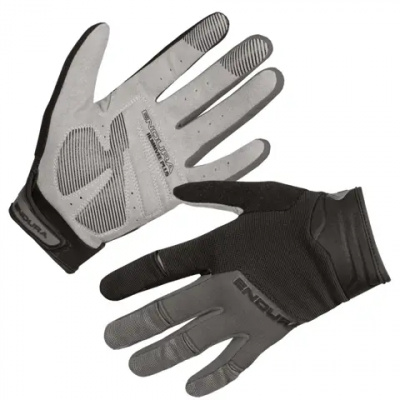
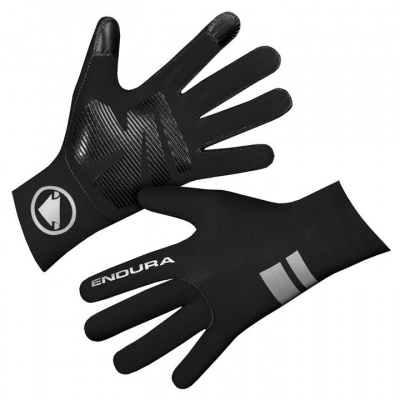
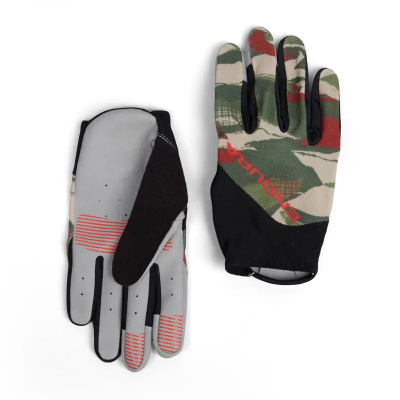
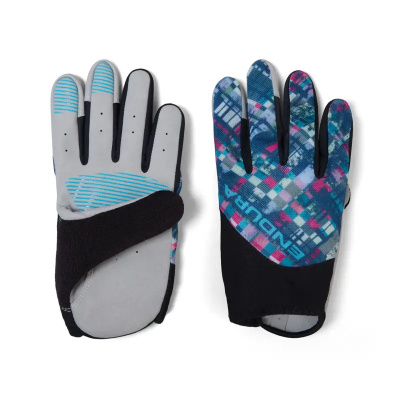
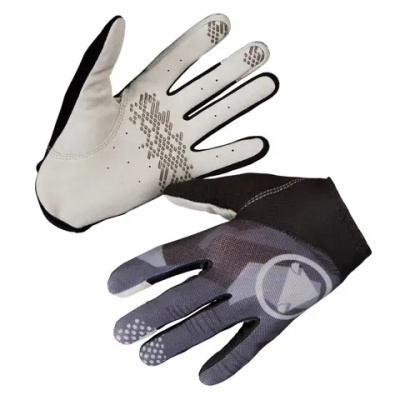
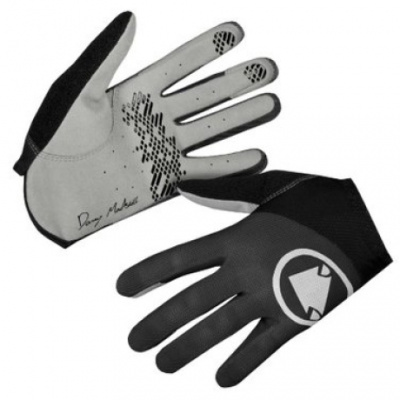
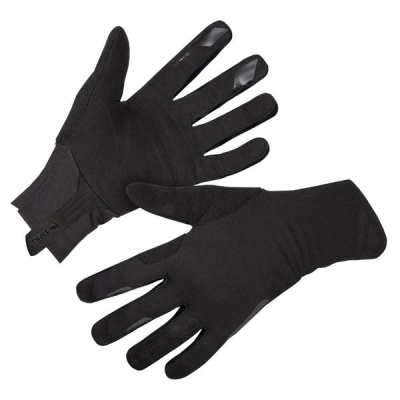
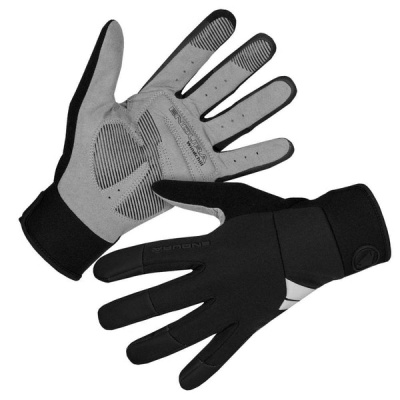
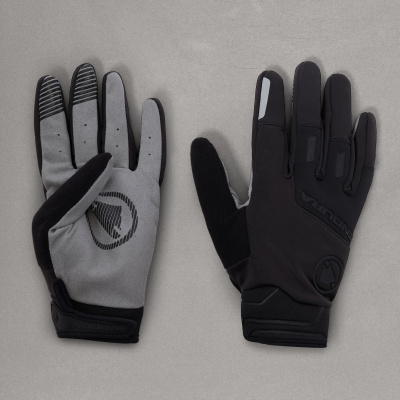
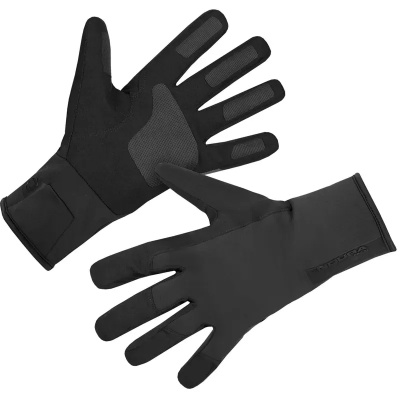
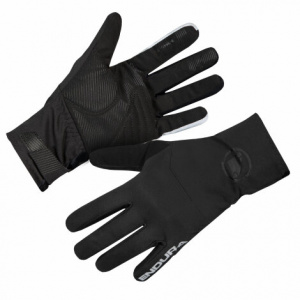
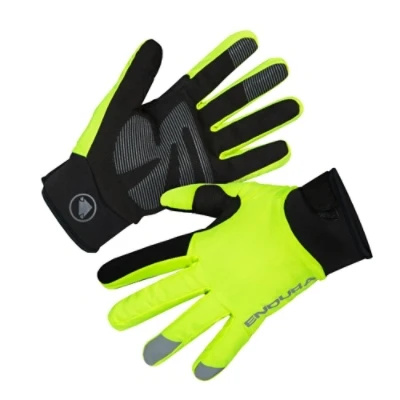
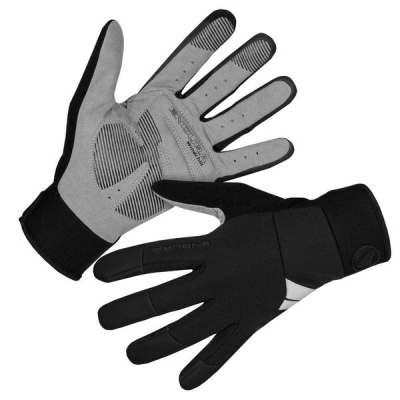
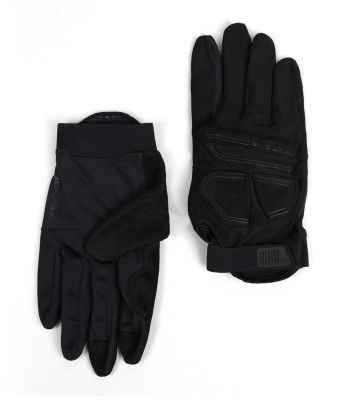
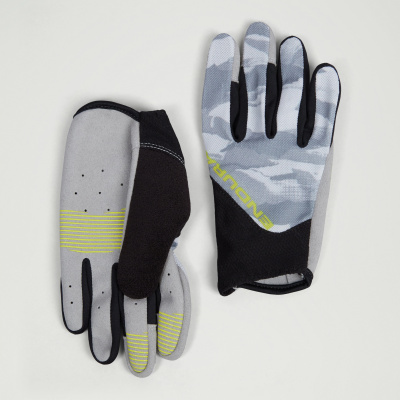
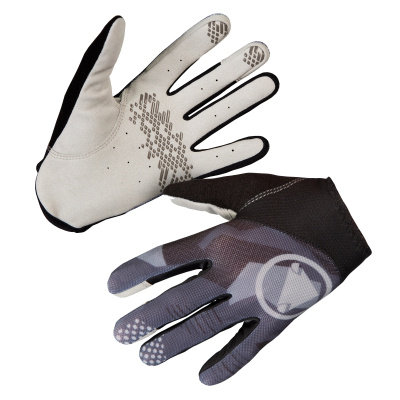
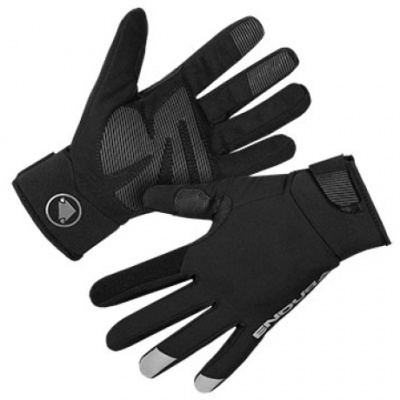
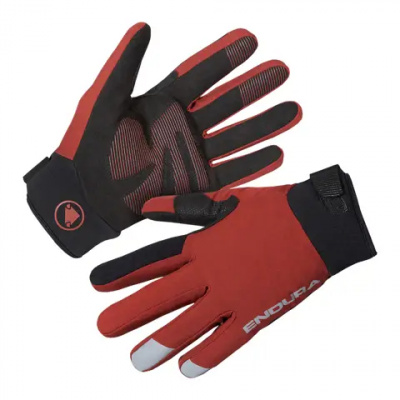
Prices and availability can change quickly. Delivery charges are not always included in listed prices.
Final price, stock status and delivery terms are set by retailer. We may receive a commission on purchases made.
Fabric Tech and Weather Performance
Cold hands aren't just uncomfortable - they slow your reactions, wreck your brake feel, and generally make the whole ride miserable. Endura's answer starts with Primaloft® Gold insulation, which delivers a high warmth-to-weight ratio without packing so much bulk into the palm that you lose sensitivity at the bars. That matters more than you'd think. A glove that insulates well but turns your hands into padded shovels is useless when you're trying to modulate a disc brake on a steep, wet descent.
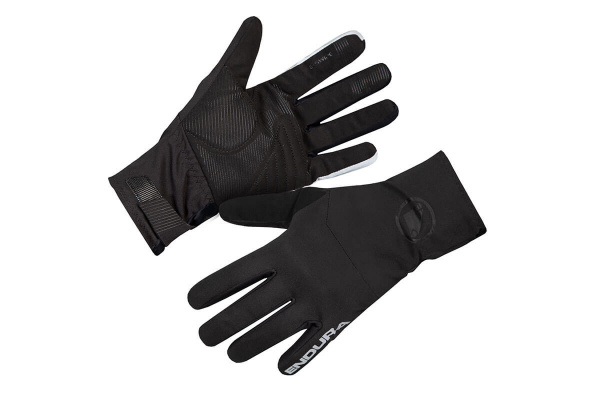
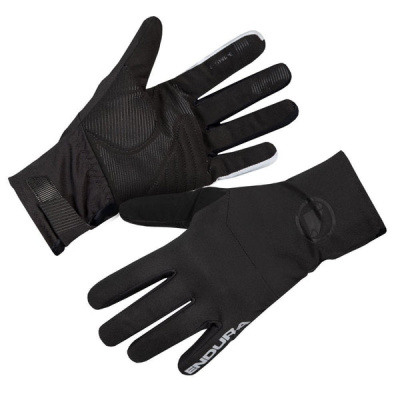
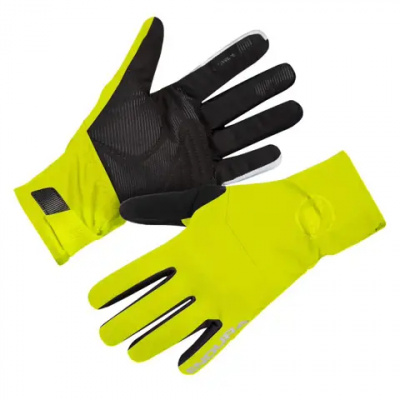
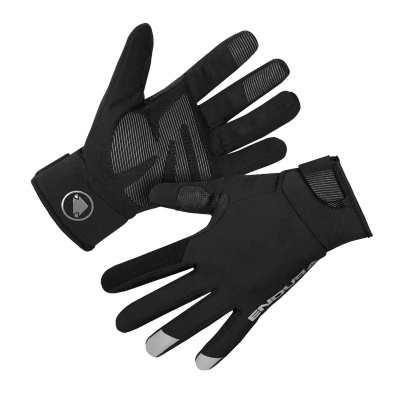
The waterproofing story is equally considered. Models like the Deluge and Strike use breathable internal membranes that block freezing rain from soaking through while still allowing sweat to escape during harder efforts. Add a PFC-free DWR finish on the outer fabric and water beads off rather than saturating the shell - which matters because a waterlogged glove loses its insulating properties fast. The DWR is also free of the perfluorocarbon chemistry that older coatings relied on, so the environmental trade-off is a better one.
For exposed situations - long moorland climbs, coastal rides where the wind has a proper edge to it - windproof softshell panels on the back of the hand block convective heat loss without adding unnecessary bulk to the palm side. It's a sensible split: protection where the wind hits, dexterity where you need it.
Making Sense of the Range
Endura's glove lineup isn't one-size-fits-all, and it's worth understanding where each line sits before you buy.
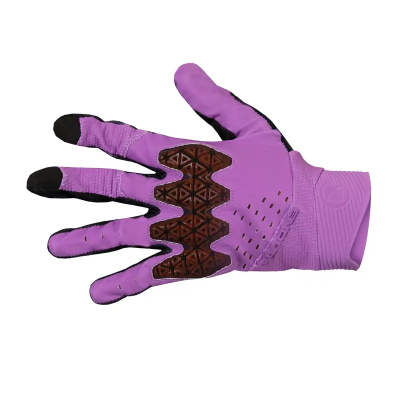
The MT500 range is the most aggressive. These are built for muddy, technical MTB riding - think gritty Peak District trails or Scottish uplift days - and they feature D3O® impact protection inserts on the knuckles. D3O is a rate-dependent material: soft and flexible during normal use, stiffening on impact to absorb energy. Combined with silicone grip on the palm for positive bar contact in the wet, MT500 gloves prioritise protection and control over slimline fit. Bar feel is still good, but these are unambiguously trail tools.
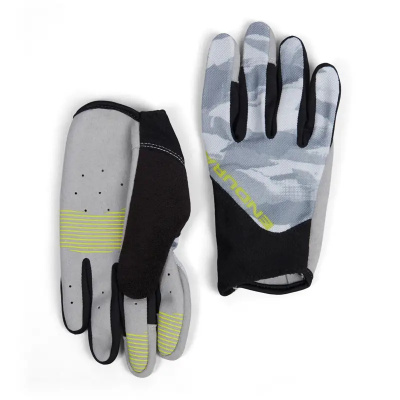
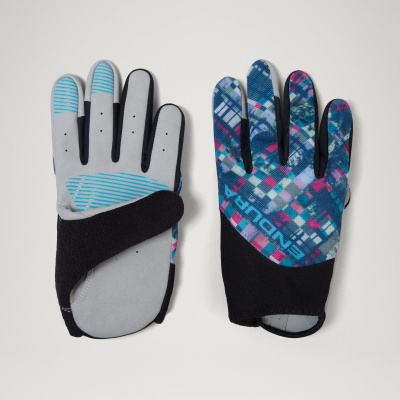
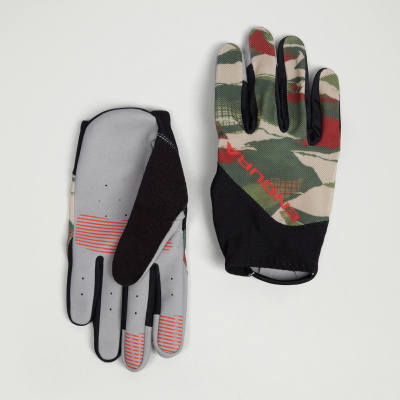
The Hummvee line sits in the middle ground. Durable, versatile, and comfortable for longer days, they work well for commuters, gravel riders, and trail riders who want something that can handle mud without being a dedicated race glove. The construction is robust enough for regular washing, which matters when you're pulling them off caked in winter trail muck twice a week.
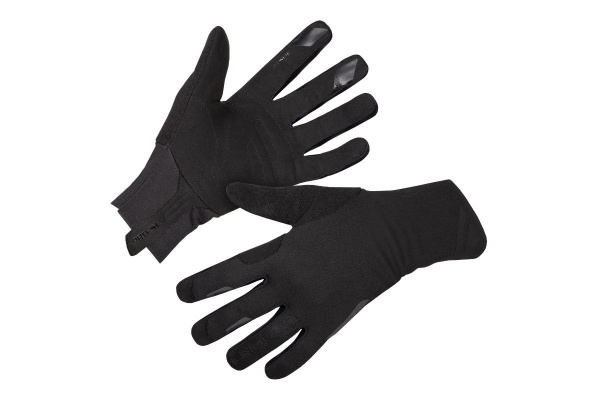
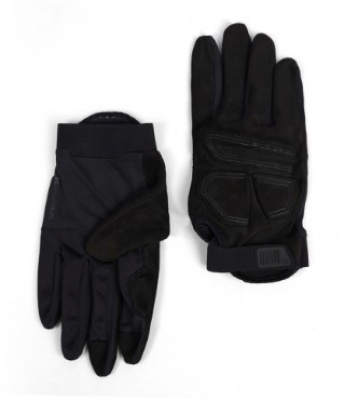
At the road end, the Pro SL and FS260 lines are streamlined and windproof, with gel palm padding to take the edge off road vibration on longer rides. These aren't insulated heavily - they're designed for efficiency and fit, sitting close to the hand without excess material that could cause pressure points over a three-hour ride.
On sizing: Endura gloves generally run true, but the heavily insulated winter models can feel snug when you first try them. If you're on the borderline between two sizes, or if you plan to wear a thin liner underneath for deep winter days, go a size up. It's a straightforward call that saves frustration later.
For warm-weather road riding, fingerless gloves are a different category - take a look at the Endura Mitts collection for those.
Layering, Washing, and Keeping Things Working
Warm hands don't start at the glove - they start at your core. If your torso is cold, your body prioritises warming your vital organs and your extremities suffer for it. Pairing your gloves with Endura base layers and Endura bib tights keeps your core temperature stable, which means your hands stay warmer without needing to go up a glove weight class. On particularly savage days, Endura leg warmers added under bibs can make a noticeable difference to overall thermal comfort too.
Looking after waterproof gloves properly is worth the small amount of effort involved. Machine wash them on a gentle cycle at 30°C using a technical detergent - a standard one is fine, but never use fabric softener. Softener coats the fibres and destroys both the DWR treatment and the breathable membrane, and once those are gone, the gloves are functionally waterproof in name only. Rinse them thoroughly to remove any detergent residue.
Drying is where most people go wrong. A hot radiator seems logical - it's winter, you want them dry for tomorrow - but the heat degrades the synthetic palm materials and can crack or delaminate the internal waterproof taping. Hang them somewhere with good airflow at room temperature instead. If you're in a hurry, a low-heat tumble dry is acceptable for non-membrane models, but check the care label first.
Refreshing the DWR coating is straightforward. After several washes the finish will start to wet out rather than bead - a light application of a wash-in or spray DWR treatment, followed by a low heat cycle (or a quick blast with a hairdryer on a low setting, keeping it moving), re-activates the coating. It's a five-minute job that extends the useful life of the glove significantly.
Related searches:
Endura Gloves FAQs
Are Endura gloves true to size?
Generally yes, but winter models with heavier insulation can fit snug straight out of the packet. If you're sitting between sizes on the chart, or you plan to layer a thin liner glove underneath for really cold days, size up. It's a small call that makes a noticeable difference to comfort and dexterity.
Which Endura gloves are best for winter riding?
The Endura Deluge and Freezing Point gloves are the go-to choices for deep UK winters. Both use Primaloft insulation and fully sealed waterproof membranes to handle sustained freezing rain and serious wind chill - the kind of conditions that make a lesser glove feel like a damp sponge within half an hour.
Can I wash my waterproof Endura gloves in the machine?
Yes - gentle cycle, 30°C, technical or mild detergent. No fabric softener under any circumstances; it destroys the DWR coating and the waterproof membrane. Dry them at room temperature with good airflow rather than on a hot radiator, which can crack the synthetic palm and ruin the internal taping.