
Endura Base Layers
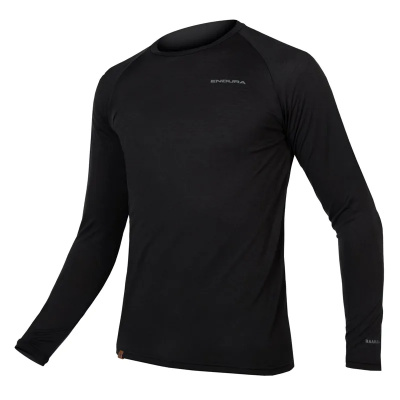
Endura base layers are the foundation your cycling kit is built around - and for UK riders dealing with four seasons in a single ride, that foundation matters more than most people realise. Born in Scotland, Endura has spent decades engineering next-to-skin performance for exactly the kind of weather that laughs at optimism: a bright start, a sweaty climb, a cold descent, and then rain by the café.
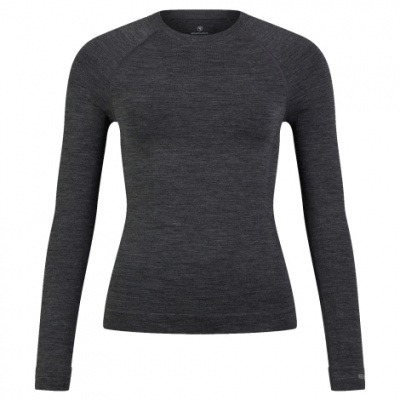
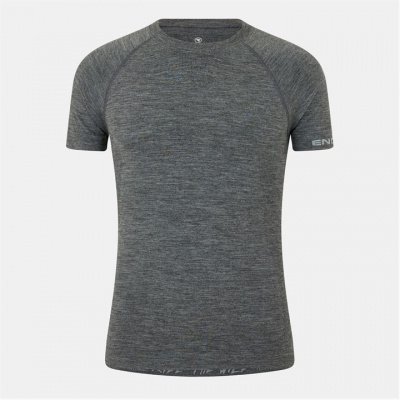
The range splits cleanly into two camps. Their Transmit synthetic fabrics are built for high-intensity efforts where moisture-wicking speed is everything - pulling sweat off your skin before it turns cold. Then there's the BaaBaa Merino blend, an itch-free wool mix that regulates core body temperature across a far wider range than a pure synthetic can manage, with natural odour resistance that your café stop companions will appreciate.
Both families use flatlock seams throughout, placed specifically to sit flush under bib straps without rubbing. The fit is close - properly next-to-skin - because a base layer that bags or bunches simply cannot wick sweat efficiently. Whether you're heading out for a winter chain-gang in January or a long summer sportive, there's an Endura base layer built for the job.
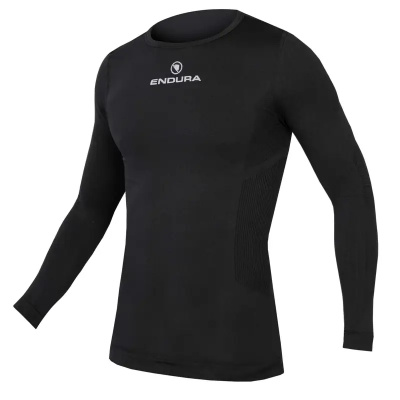
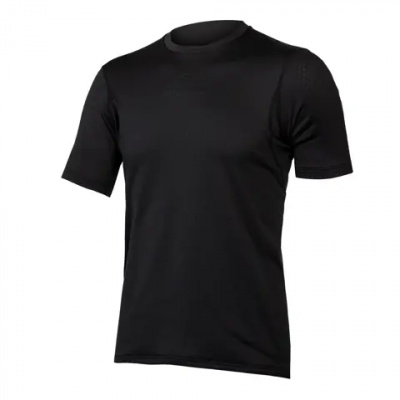
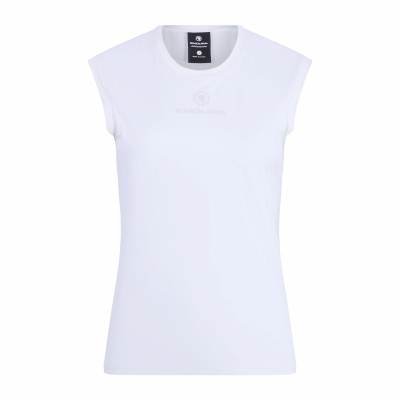
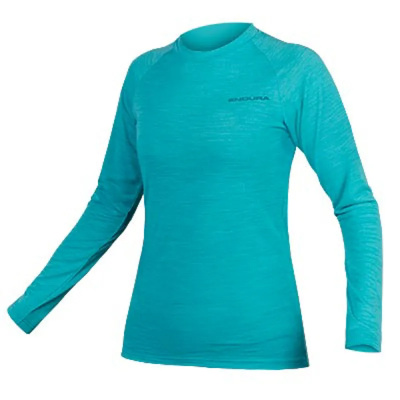
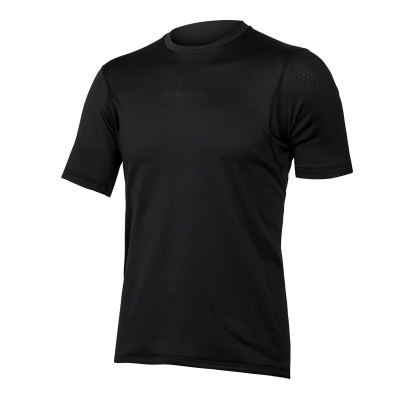
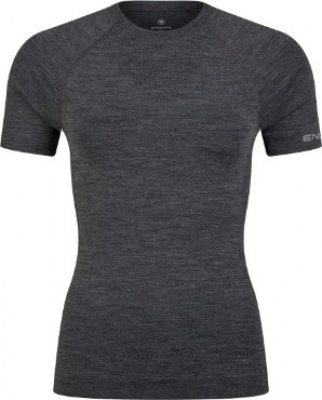
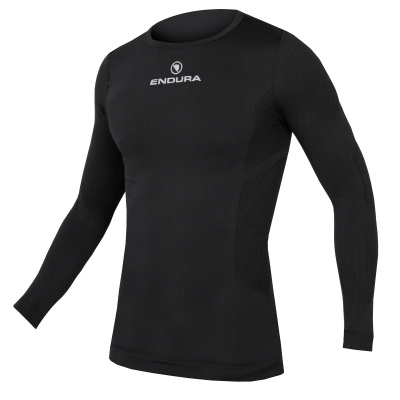
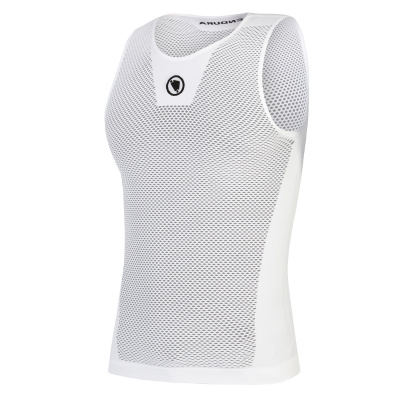
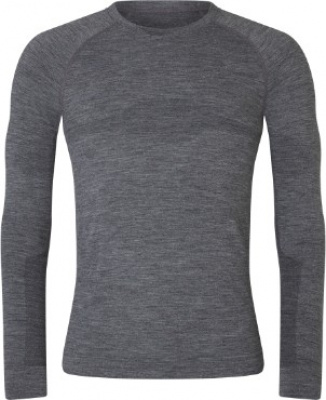
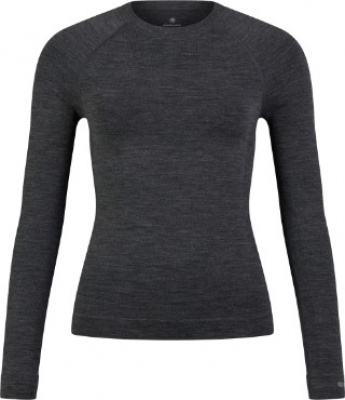
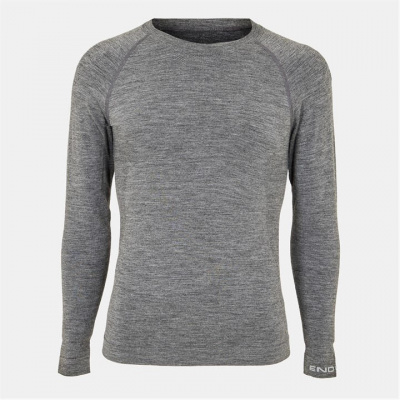
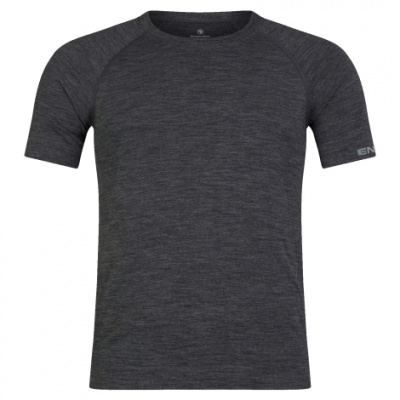
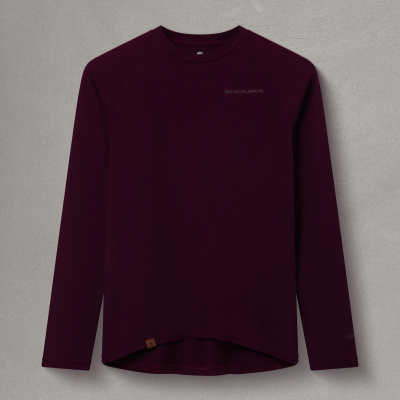
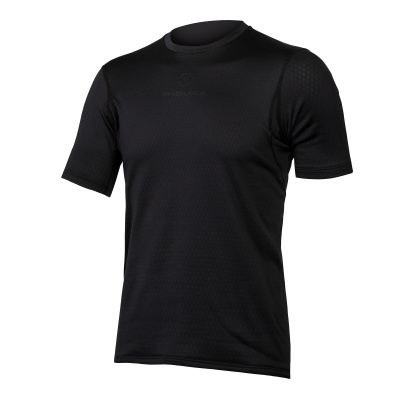
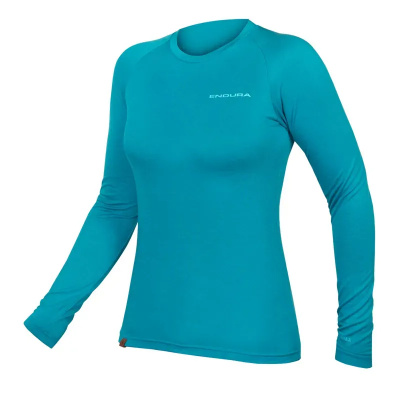
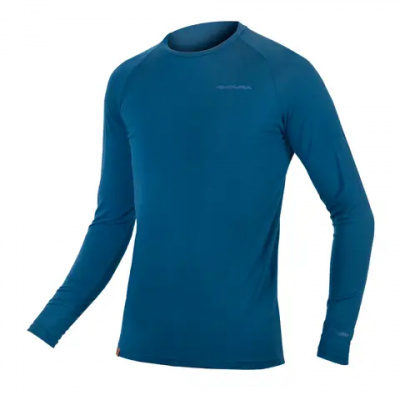
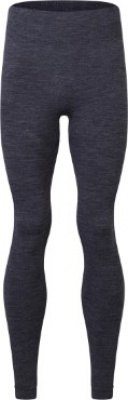
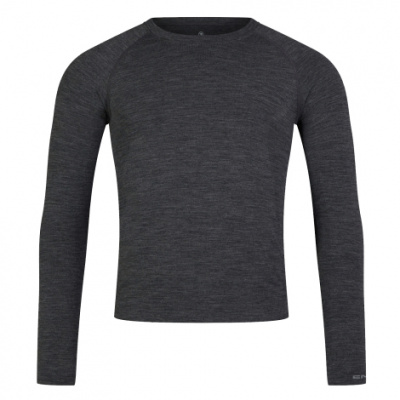
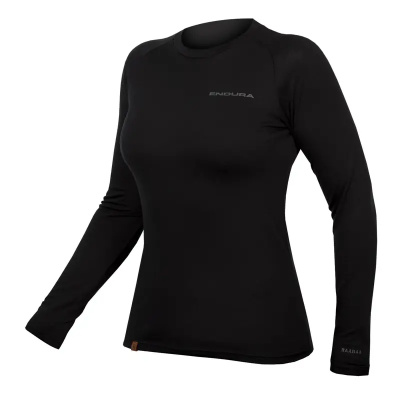
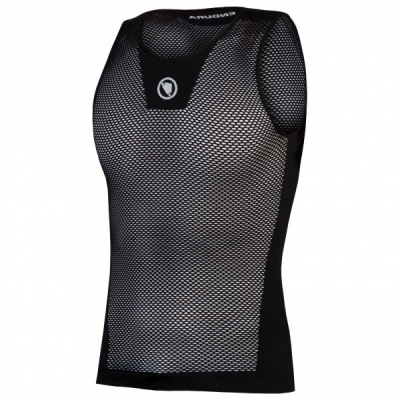
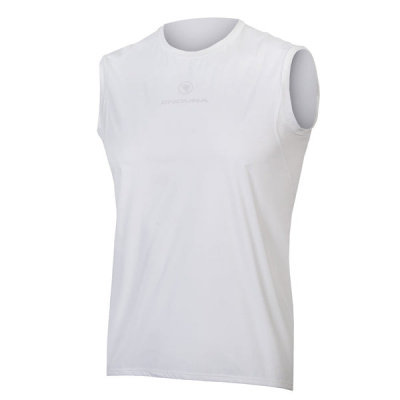
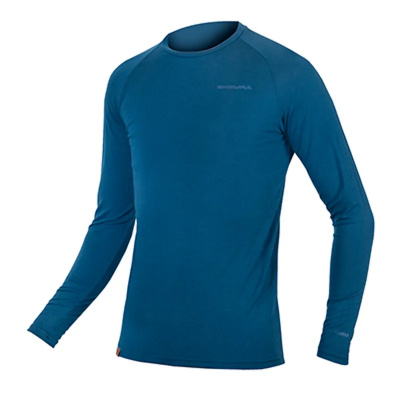
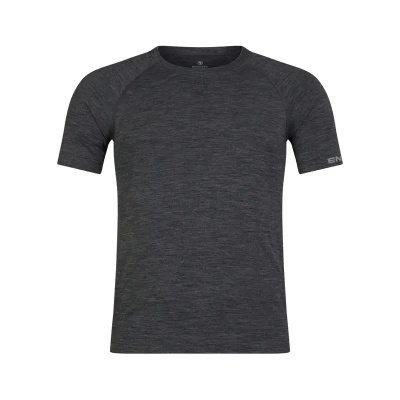
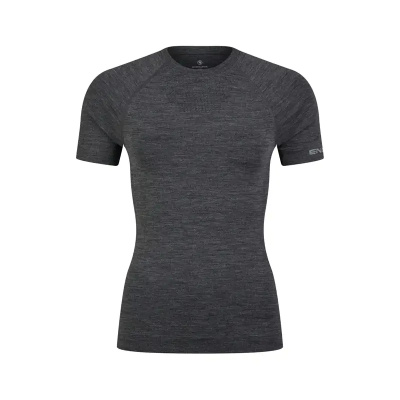
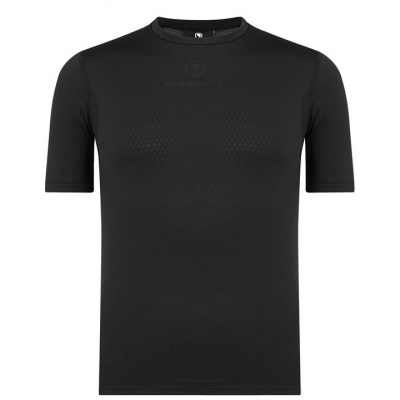
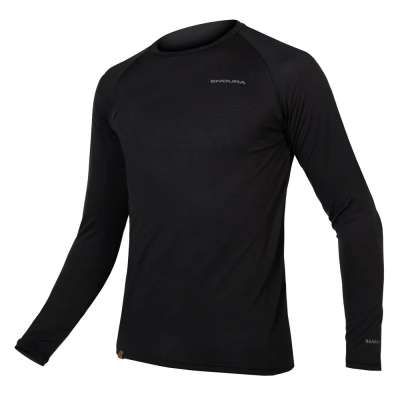
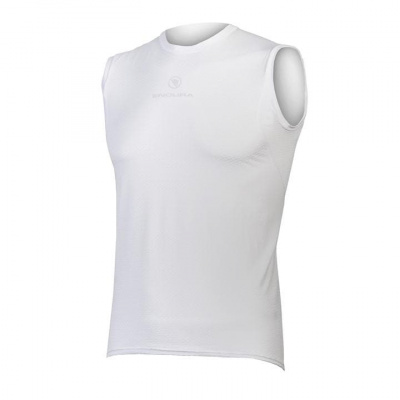
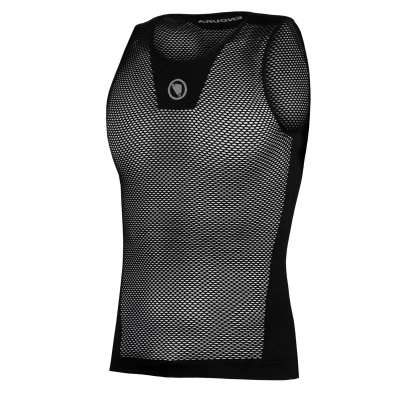
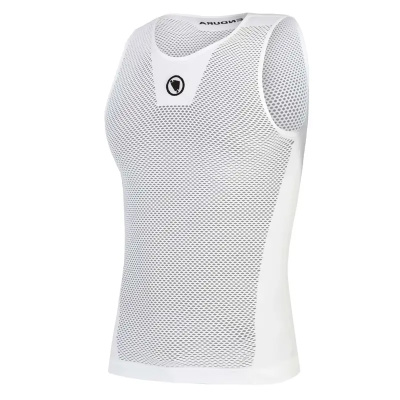
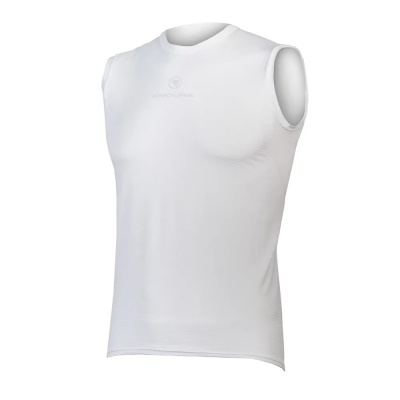
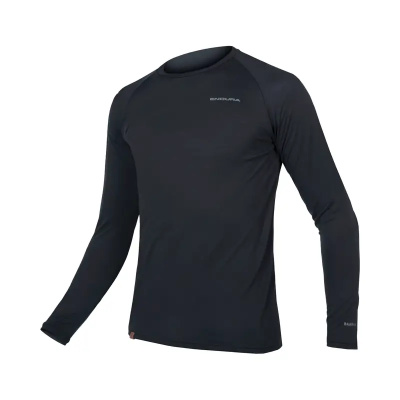
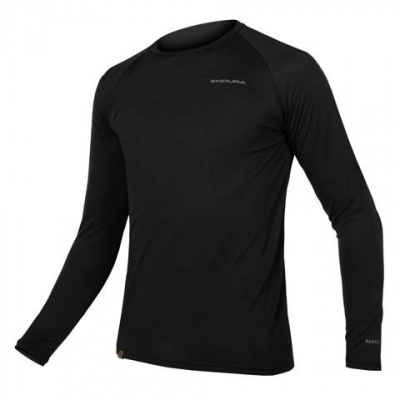
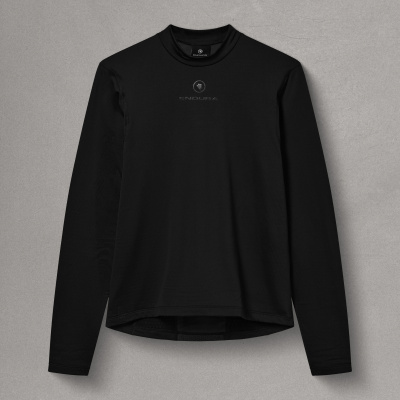
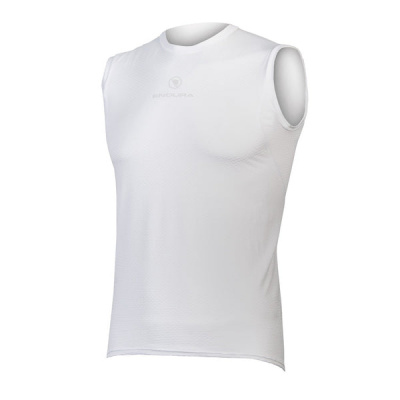
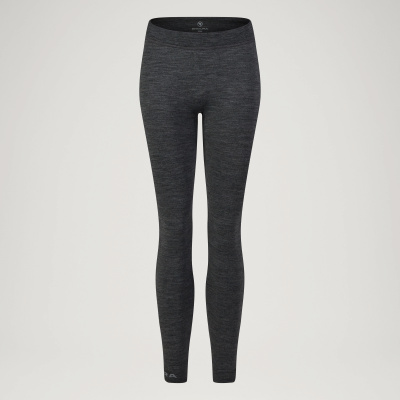
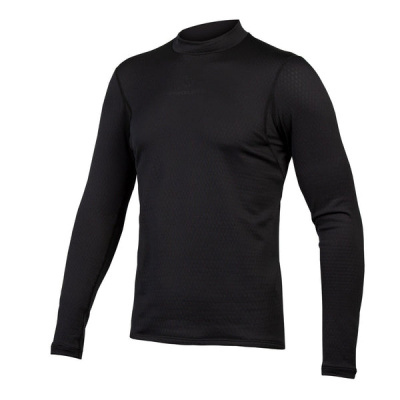
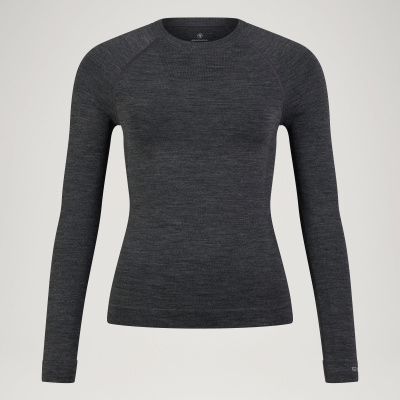
Prices and availability can change quickly. Delivery charges are not always included in listed prices.
Final price, stock status and delivery terms are set by retailer. We may receive a commission on purchases made.
Merino vs Synthetic: What the Fabric Actually Does
The choice between Endura's two fabric technologies isn't about one being better - it's about which one suits your riding intensity and the time of year. The Transmit range uses engineered synthetic fibres to shift moisture away from your skin rapidly. On a hard climb in August, that speed of moisture-wicking is exactly what you need; sweat moves through the fabric before it can cool against your body. Hit a descent and you stay dry rather than sitting in a cold, damp layer.
The BaaBaa Merino blend works differently. Merino wool - even in a synthetic blend - holds a small amount of moisture while continuing to insulate, which means it keeps you warmer when wet than any pure synthetic can. That's a meaningful difference on a wet November ride in the Peaks, where staying warm on a twenty-minute descent matters. It also naturally resists odour, so a back-to-back weekend of riding doesn't require a wash between days. The BaaBaa blend is itch-free too, which older Merino wearers will know isn't always a given.
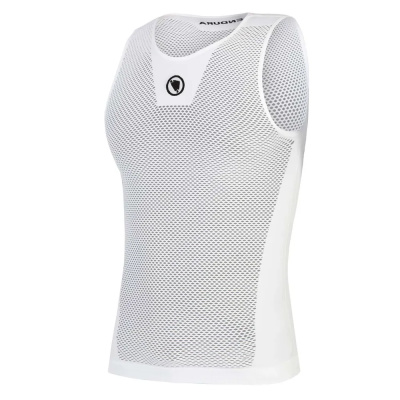
Engineered mesh panels appear across several models, adding targeted breathability in the highest heat zones - typically across the chest and under the arms - without compromising warmth elsewhere. The result is a base layer that manages breathability precisely rather than just ventilating everywhere at once.
Fit, Range, and Which Version You Actually Need
A cycling base layer only works if it's sitting flush against your skin. Too loose and the wicking mechanism breaks down - the fabric can't draw sweat away if there's an air gap. Endura's cut is athletic and close-fitting, but generally runs true to size. If you're between sizes or you prefer slightly more room for commuting rather than performance riding, size up - you'll still get function, just with a touch more comfort.
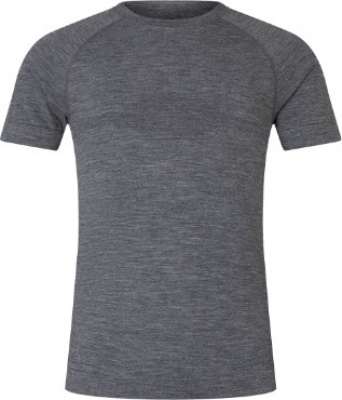
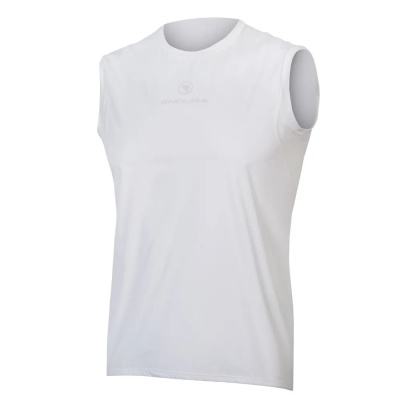
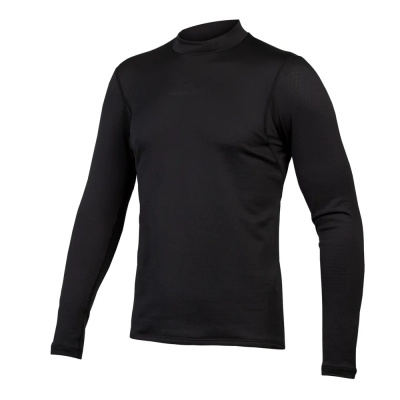
The range covers three sleeve lengths, and the choice is straightforward once you know the logic. Sleeveless works well in peak summer when you want core coverage without adding warmth to your arms - useful under a jersey when temperatures are genuinely high. Short sleeve is the most versatile option across the range, handling spring, autumn, and milder winter days with a thermal mid-layer on top. Long sleeve Merino is the deep winter choice: it adds meaningful warmth under a jacket, traps heat around your core, and sits flat enough that a fitted winter jersey sits cleanly over the top.
Flatlock stitching runs throughout the range, and Endura positions those seams carefully - away from the shoulder where bib straps sit, and off the spine where a rucksack back panel would press. It's a small detail that makes a long day significantly more comfortable. Endura Bib Tights pair naturally with a long-sleeve base layer for winter rides, and if you're not quite at tights weather, a base layer plus Endura Leg Warmers gives you the flexibility to adapt mid-ride.
Building a Layering System for UK Conditions
Most UK riders underestimate how much a base layer changes the performance of everything worn over it. A good Merino base layer under a mid-weight jacket effectively creates a system that handles a wider temperature range than either piece manages alone. The base layer handles moisture and maintains core body temperature; the jacket manages wind and rain. Neither piece is trying to do both jobs at once.
For freezing January rides - the kind where you're checking the temperature at 6am and questioning your life choices - a long-sleeve BaaBaa Merino base layer, Endura Bib Tights, and a waterproof outer shell covers most of what UK winter throws at you. In spring and autumn, when temperatures swing unpredictably between the car park and the top of a climb, a short-sleeve synthetic base layer gives you moisture management without locking in too much heat. You can always add Endura Leg Warmers and strip them off mid-ride.
Care matters here, particularly with the Merino blends. Wash BaaBaa base layers on a cool, gentle cycle - 30°C is plenty - and avoid tumble drying. For the Transmit synthetic range, skip fabric softener entirely; it coats the fibres and gradually kills the moisture-wicking performance. A sports-specific detergent keeps synthetics working properly over time. It's the kind of thing that's easy to overlook and annoying to discover after the fact.
Pairing your base layer with the right bib shorts matters too. Endura Bib Shorts are cut to work alongside the brand's base layer sizing, so the proportions stack well without bunching at the waist. Staying within the Endura system isn't essential, but it does simplify the fit puzzle.
Related searches:
Endura Base Layers FAQs
Are Endura base layers true to size?
Generally, yes. Endura base layers are cut close and athletic, but they run true to size for most riders. If you're between sizes or want a touch more comfort for commuting rather than racing, go one size up - you'll retain the moisture-wicking function without the performance fit.
Should a cycling base layer be tight?
It needs to sit flush against your skin - that contact is what allows the fabric to pull sweat away from your body. Snug but not restrictive is the target. If it's tight enough to limit your breathing or movement on the bike, it's too small. A baggy base layer simply won't wick effectively.
Is Merino wool or synthetic better for cycling base layers?
Depends on the ride. Endura's Transmit synthetic range wicks moisture faster, making it the better choice for high-intensity summer efforts. The BaaBaa Merino blend insulates even when damp and resists odour naturally, which makes it the stronger option for UK autumn and winter riding where conditions change quickly.