
Endura Bib Tights
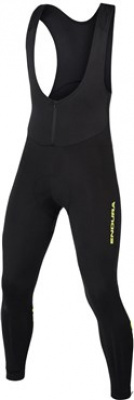
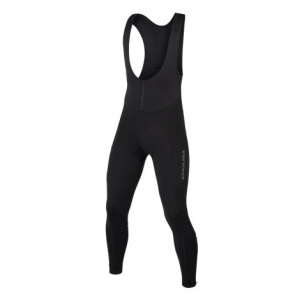
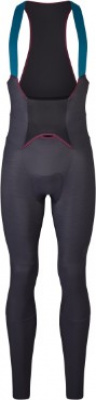
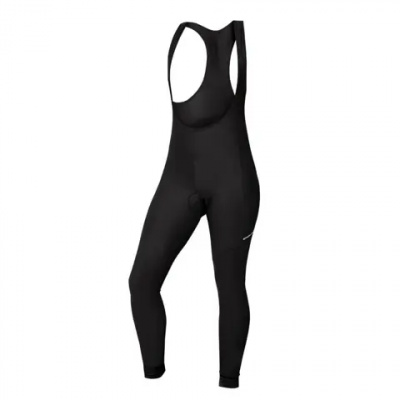
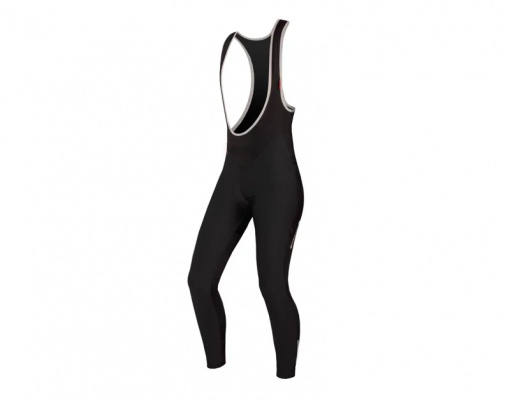
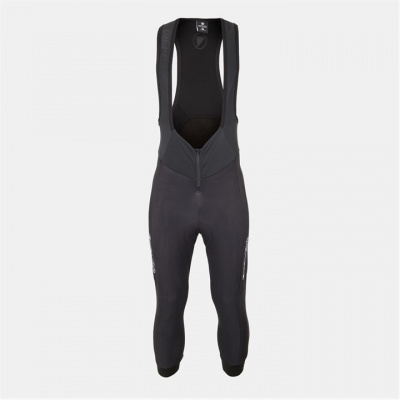
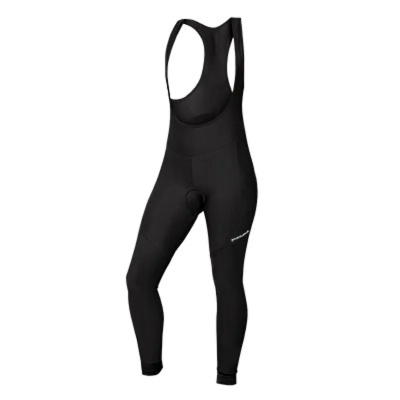
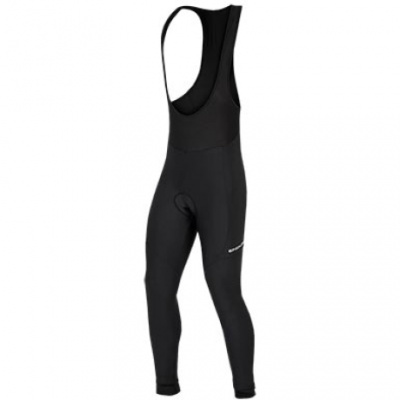
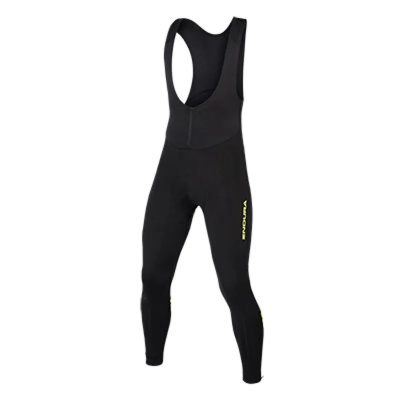
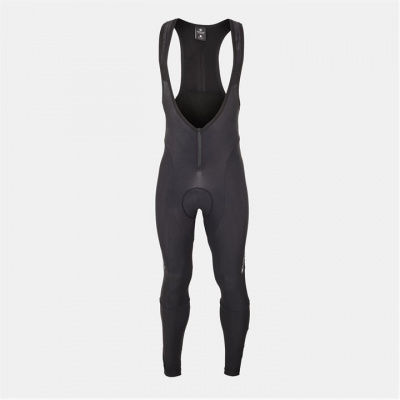
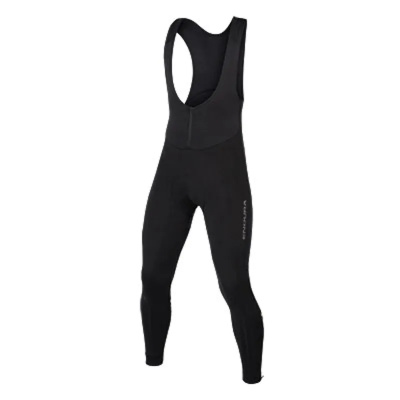
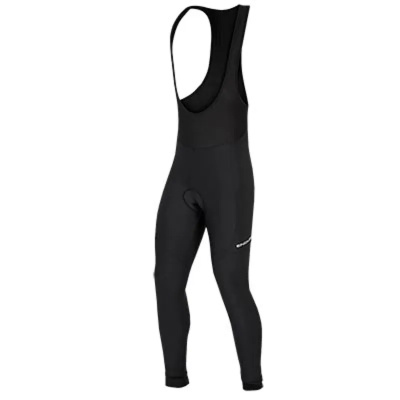
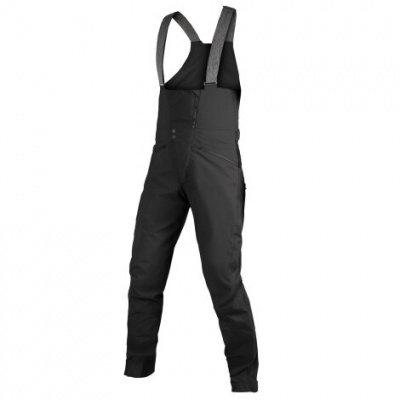
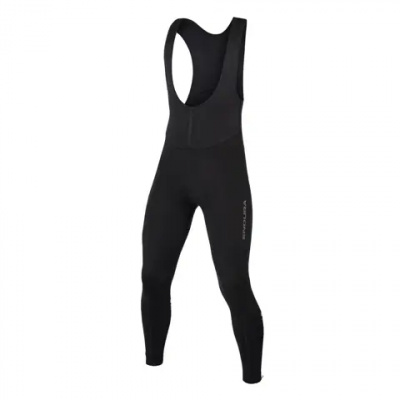
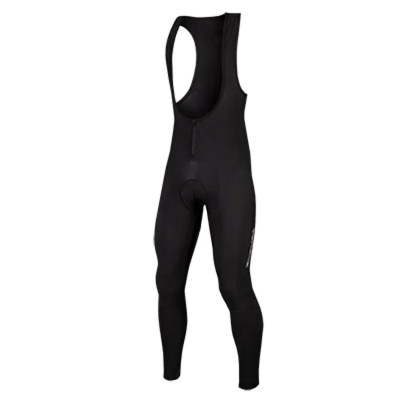
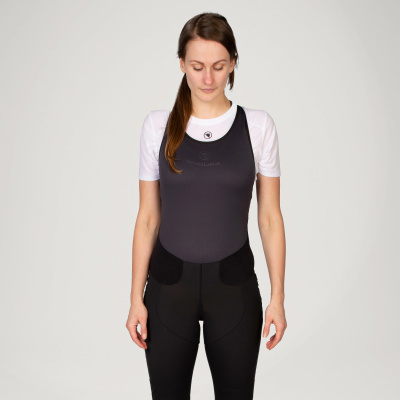
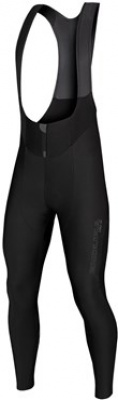
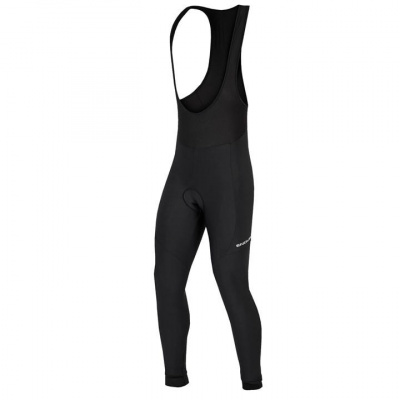
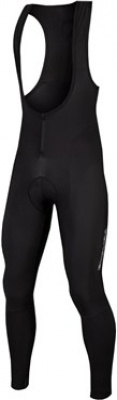
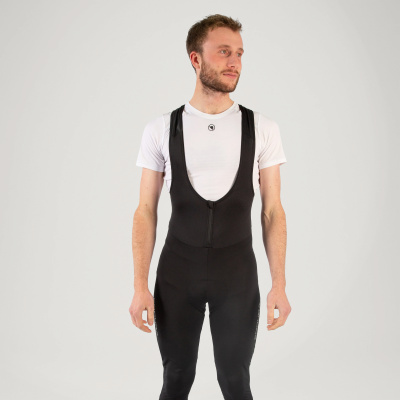
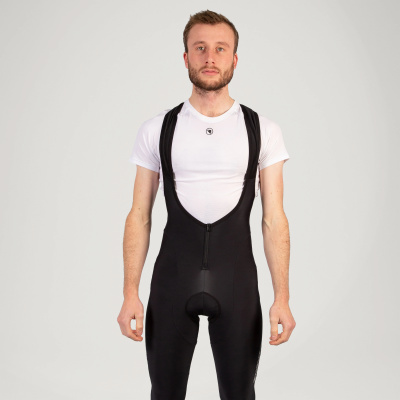
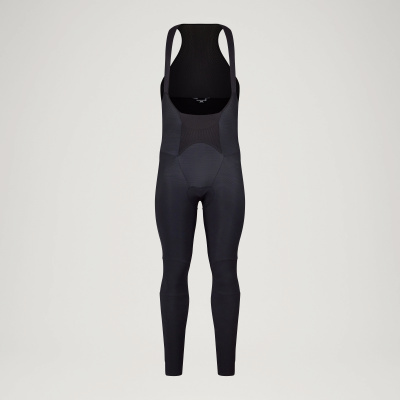
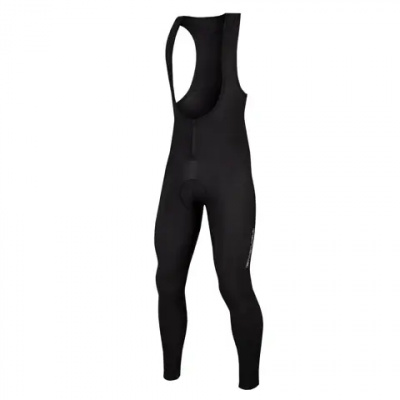
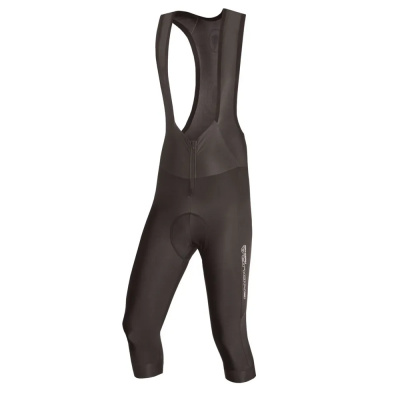
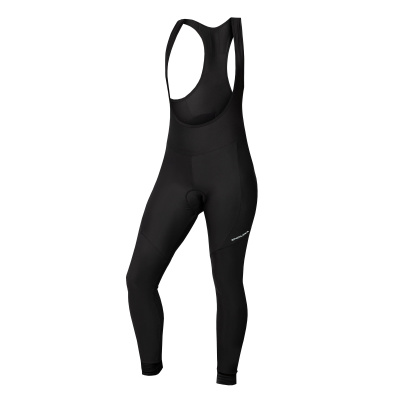
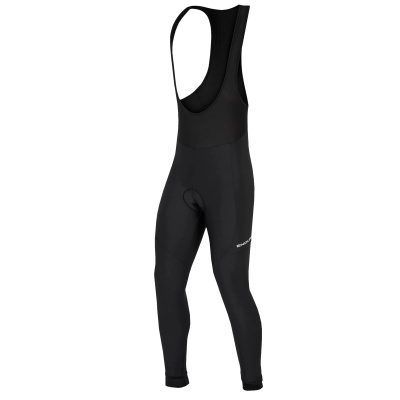
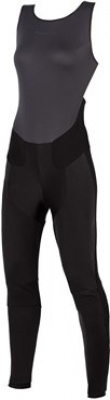
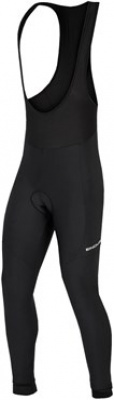
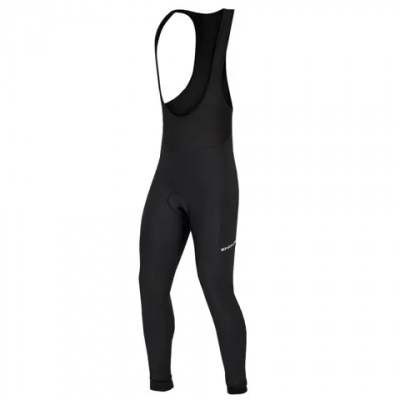
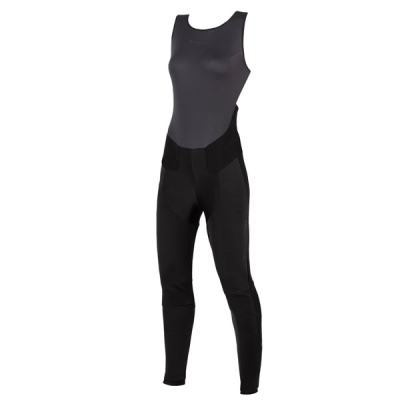
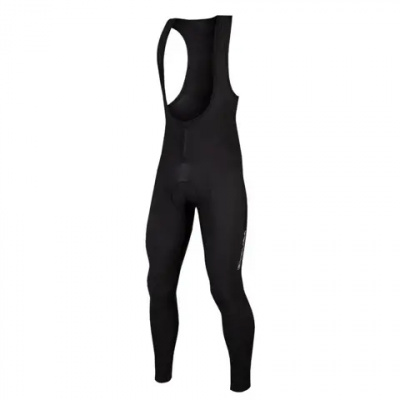
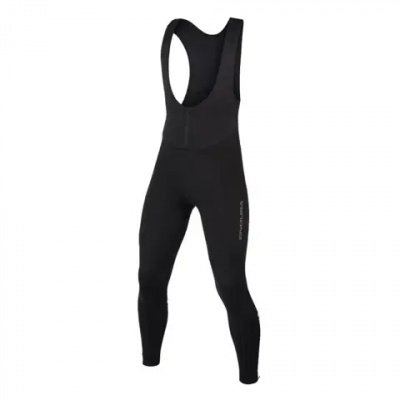
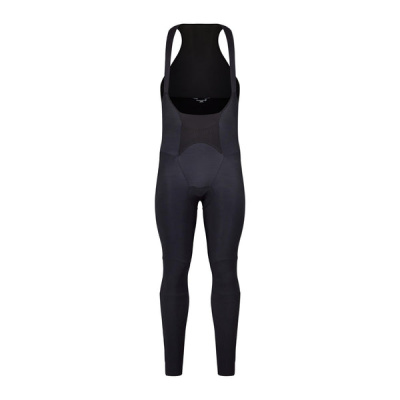
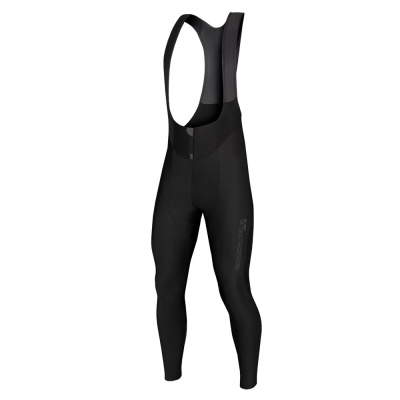
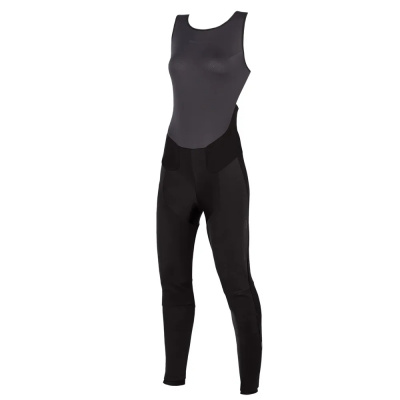
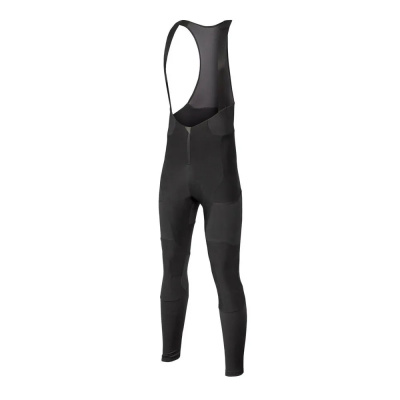
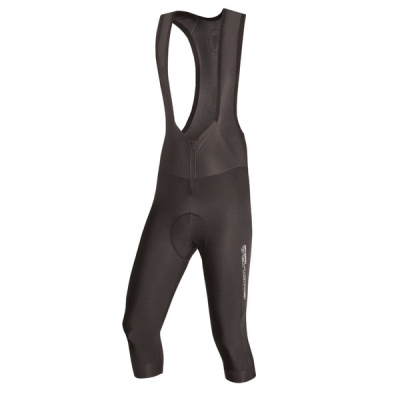
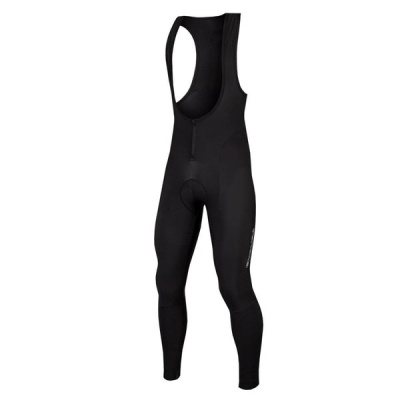
When the temperature drops and the roads turn grey, a well-chosen pair of Endura bib tights is the difference between a solid winter base and a miserable one. Born in Scotland - where the weather doesn't do half-measures - Endura has spent years working out exactly what British riders need when the cold bites and the spray starts flying. This collection draws on that knowledge, pairing insulating Thermoroubaix fleece with a PFC-free DWR finish to keep heat in and road grime where it belongs. Whether you're chasing miles on a club run through the Dales, grinding out a commute in December drizzle, or putting in structured work when everyone else has gone indoors, there's a tight here that fits. The Endura FS260-Pro bib tights suit high-mileage athletes who want comfort across long days; the Endura Pro SL bib tights take a sharper, more compressive approach for riders who train hard through winter. All the way through the range, Endura's Continuously Variable Profile chamois pads back up the outer fabric - because staying warm means nothing if you're off the bike by mile thirty.
Prices and availability can change quickly. Delivery charges are not always included in listed prices.
Final price, stock status and delivery terms are set by retailer. We may receive a commission on purchases made.
Fabric Tech and Weather Performance
The headline material across Endura's winter legwear range is Thermoroubaix - a brushed, four-way stretch fleece that traps a layer of warm air against your skin without turning your legs into a sauna on the climbs. It wicks moisture away as your effort rises, so you're not sitting in a clammy pocket of sweat when you crest a hill and hit a cold descent. That balance matters on longer rides, where conditions shift and your output drops for twenty minutes at a time.
The PFC-free DWR coating handles the drizzle and road spray that defines a typical British winter. It's not waterproofing - these aren't overshoes - but the treatment causes water to bead and roll off rather than soak straight through. You'll feel damp before you feel cold, and Thermoroubaix retains most of its insulating properties even when the outer is wet. Worth knowing on a long ride: by mid-season the DWR will have taken a knock from repeated washing and road use, but it's reproofable with a dedicated technical wash, which we'll cover further down.
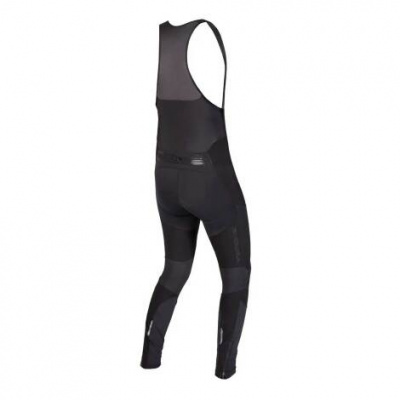
On premium models, Windchill windproof panels are laminated into the leading edges - across the knees and outer thighs - where cold headwinds do the most damage on exposed roads. If you've ever hammered across moorland in January and felt your quads go numb while your core stays warm, you'll know exactly why this placement makes sense. It adds a touch of weight, but the protection on exposed climbs is worth it. Reflective detailing on the calves and ankles catches light on moving parts, which is where visibility matters most in low winter light.
Range Breakdown and Fit
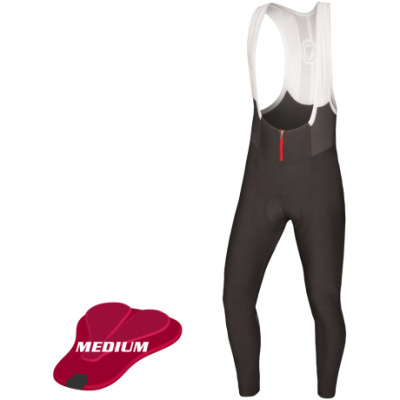
Endura runs a clear hierarchy across its bib tight range, and knowing where you sit in it saves a frustrating return. At the top, the Endura Pro SL bib tights are built for riders who train seriously through winter. The cut is compressive and close, developed for an aggressive position on the bike, and the chamois steps up to the 700 or 800 series Continuously Variable Profile (CVP) pad - a design that maps different densities across distinct zones so the pad works with your pedal stroke rather than against it. Windchill panels are standard here. If you're spending four or five hours in the saddle and your position is fairly locked in, this is the tier to look at.
The Endura FS260-Pro bib tights sit one rung down and are arguably the better fit for most club riders. The cut is still athletic, but there's a touch more room through the thigh and a less severe drop to the shoulder straps. The 600 series CVP pad gives you a full day's comfort without the firmer, more sculpted feel of the race-focused tiers. It's a more forgiving ride that still performs when you're pushing hard. For riders who haven't yet committed to a rigid winter training plan - or who just want something that works equally well for a two-hour blast and a four-hour club run - start here.
Further down the range, the Core and Xtract lines offer a relaxed fit and simpler construction. Less compressive, lighter on tech, and better suited to leisure riding or shorter efforts. If you're new to bib tights altogether, these are a low-stakes entry point.
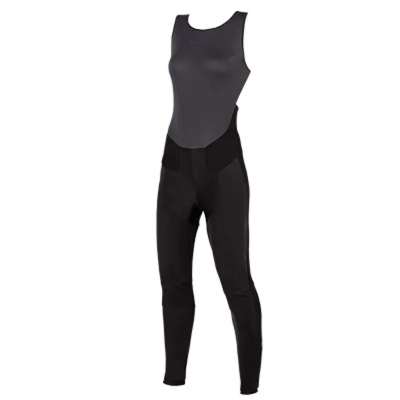
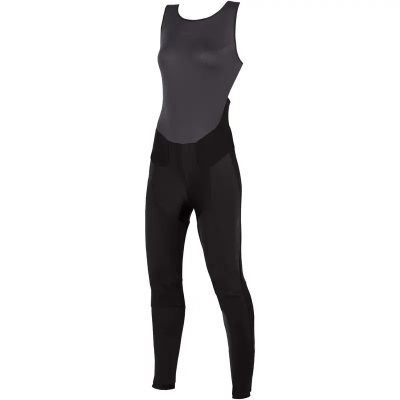
Women's-specific models include the DropSeat™ zipperless function - a practical solution for nature breaks in the cold when fiddling with multiple layers is the last thing you want. The seat panel opens without a zip mechanism, which means no cold metal against skin and no faff mid-ride.
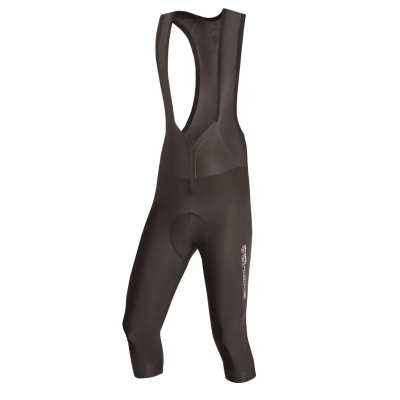
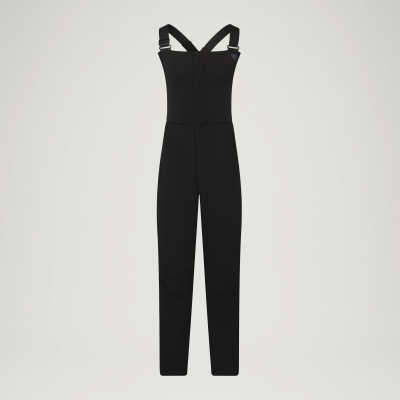
If you'd rather ride without bib straps, our Endura Regular Tights cover that ground. For a modular autumn approach - where you want flexibility as the temperature swings - pairing Endura Bib Shorts with Endura Leg Warmers lets you adapt quickly between sessions without committing to a full winter tight.
Building a Winter Kit Around Your Tights
Bib tights are the anchor, but they only do part of the work. A thermal tight holds heat at the legs - what you do above and below determines whether the whole system actually functions. Start underneath with a proper Endura base layer: a merino or technical synthetic that moves sweat away from your skin and keeps the core temperature stable. Skip this and even the best outer layer starts to feel clammy inside an hour.
At the other end, hands are usually the first thing to go numb. A pair of deep-winter Endura gloves - windproof, ideally with a longer cuff that tucks under your jacket - makes a significant difference to how long you can actually hold power on the bars. Cold hands affect your grip, your braking confidence, and eventually your whole rhythm.
Washing is where a lot of riders quietly wreck expensive kit. Endura's DWR finish and Thermoroubaix fleece are both sensitive to heat and detergent chemistry. Wash at 30°C, always on a gentle cycle, and use a non-biological liquid or a dedicated Endura cleaning kit formulated for technical fabrics. Fabric softener is the enemy here - it coats the fibres, blocks the DWR treatment, and kills breathability. You won't see the damage immediately, but after a few washes you'll notice the fabric wetting out rather than beading, and the insulation losing its loft. If the DWR has degraded mid-season, a tech wash with a reproofing agent will largely restore it without needing to replace the tights.
Related searches:
Endura Bib Tights FAQs
Are Endura bib tights true to size?
Generally, yes - Endura's sizing runs consistently across the range. The exception is the Pro SL, which has a tighter, race-oriented cut. If you're between sizes or you want a bit more room for winter layers underneath, go a size up. The FS260-Pro and Core lines sit truer to standard sizing.
What is the difference between Endura Pro SL and FS260-Pro bib tights?
The Pro SL is the race-fit option: compressive, shaped for an aggressive position, and fitted with the 700 or 800 series CVP pad plus Windchill windproof panels as standard. The FS260-Pro is a step back towards a forgiving athletic cut with a 600 series pad - still high-performance, but better suited to long club runs and mixed-duration training.
How do you wash Endura water-repellent bib tights?
Wash at 30°C on a gentle cycle using a non-biological liquid or a dedicated tech wash. No fabric softener - it degrades the DWR coating and clogs the fleece, reducing both water resistance and breathability. If the DWR starts wetting out mid-season, a reproofing tech wash will restore most of its performance.