
Gripgrab Headwear
GripGrab cycling headwear comes out of Denmark, which tells you something useful straight away - these aren't a brand that designed kit for Mediterranean afternoons and hoped for the best. The range covers everything from lightweight summer headbands that pull sweat away from your eyes on a grinding July climb, to thermal skull caps that stop your ears going numb on a January morning in the Peaks. What holds the range together is how seriously GripGrab takes the fit problem. Getting headwear to sit flush under a helmet - no bunching, no pressure points, no shifting on fast descents - is harder than it sounds, and they've built their construction around flatlock seams and low-profile fabrics to crack it. There are windproof front panels for when the wind chill bites on exposed winter roads, breathable crowns that vent excess heat on hard efforts, and Merino wool blends for deep cold. Packable skull caps for shoulder-season days when you genuinely don't know what the weather's doing round the next bend. Whether you're commuting, road riding, or heading out on the gravel, there's a GripGrab piece that fits the forecast - and the ones that don't exist yet are probably in development.
Prices and availability can change quickly. Delivery charges are not always included in listed prices.
Final price, stock status and delivery terms are set by retailer. We may receive a commission on purchases made.
Fabric Tech & Weather Performance
GripGrab splits its headwear fabrics cleanly by season, and it's worth understanding the logic before you buy. The winter pieces lean on windproof front panels - a denser, tightly woven Windshield fabric that blocks the icy airflow that causes real discomfort on fast exposed descents - while the crown stays breathable so you're not baking on the climbs. It's a straightforward trade-off: block the cold where it hits you first, vent where the heat builds. On harder efforts you'll notice the difference immediately.
For deep winter, the thermal skull caps use Merino wool blends. Merino is genuinely useful here rather than just fashionable - it regulates temperature naturally, resists odour better than pure synthetics, and stays comfortable against skin even when damp. That matters on longer winter rides where you're going from effort to coast repeatedly. The flatlock stitching throughout means those seams sit flat against your scalp rather than creating raised ridges that press into the EPS foam of your helmet - a small detail that becomes a significant comfort issue on anything over an hour.
The summer range shifts entirely to moisture-wicking synthetic blends. These are engineered for one job: moving sweat away from your skin fast enough that it doesn't sting your eyes or fog your glasses on a humid August climb. Several pieces in the summer line also carry UPF50+ protection, relevant if you're spending long days out on exposed routes. Lightweight, packable, and low-profile enough to forget you're wearing them - which is exactly the point.
Understanding the GripGrab Headwear Range
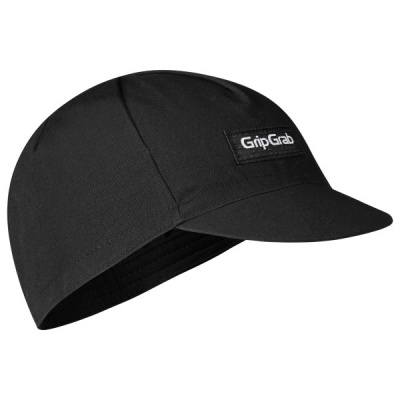
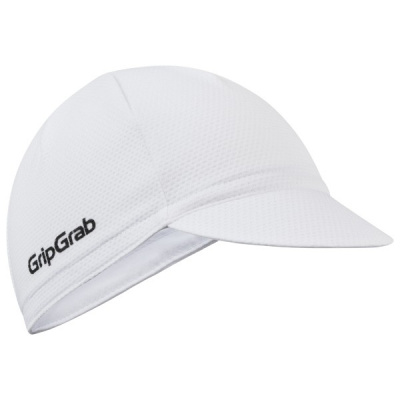
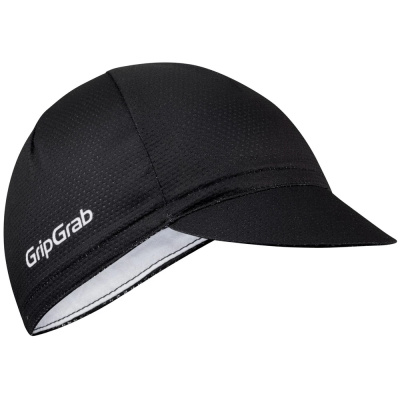
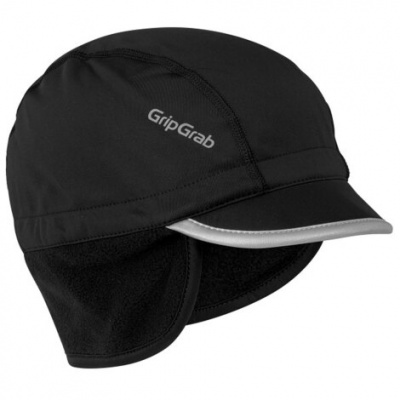
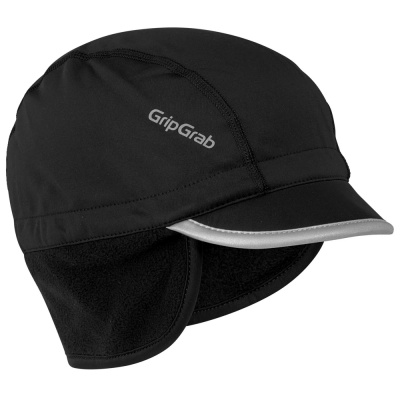
The range breaks down into four broad categories, each with a clear use case. Summer caps and cycling caps sit at the lighter end - thin, packable, often with a short peak to shade your eyes. These are the pieces you stuff in a jersey pocket on an unpredictable spring morning or wear under a helmet for UV cover on longer road rides. The GripGrab cycling cap options here tend to run slim and low-profile, which keeps them compatible with modern helmet retention systems without fiddling.
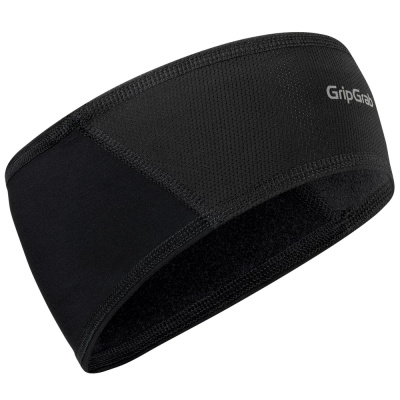
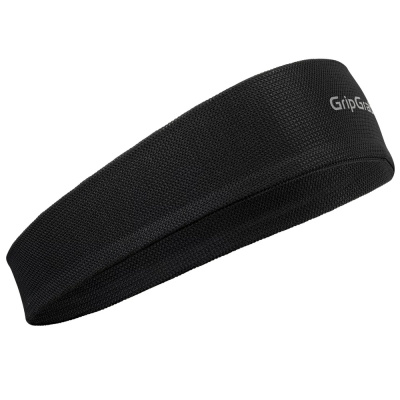
Sweatbands and headbands are the minimalist option for warm weather - no ear coverage, maximum airflow, purely there to manage sweat on hard summer efforts. If your main concern is keeping moisture off your glasses during a fast group ride or a sportive in July, this is the category to look at.
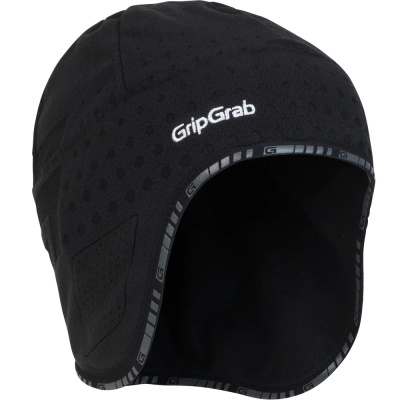
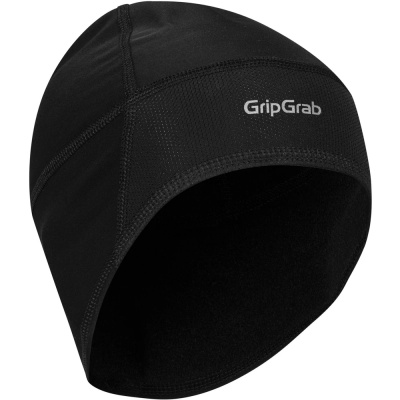
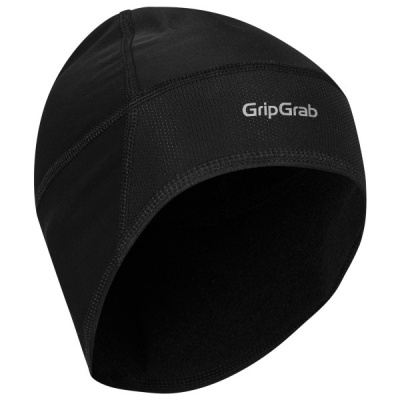
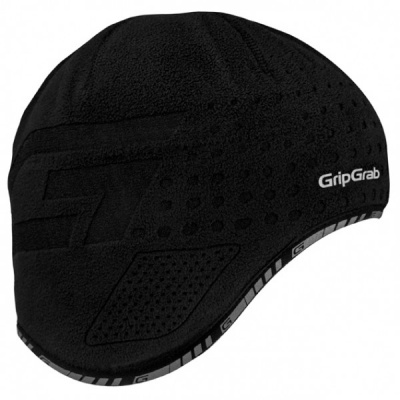
Thermal skull caps are the workhorse of the range. A good GripGrab skull cap covers your ears, fits under a helmet without adding noticeable bulk, and handles conditions from a crisp autumn morning to a proper cold snap. The windproof helmet liner versions add that Windshield panel at the front for days when the temperature drops and the wind picks up - the kind of conditions you get regularly on exposed Welsh or Scottish riding in October through March.
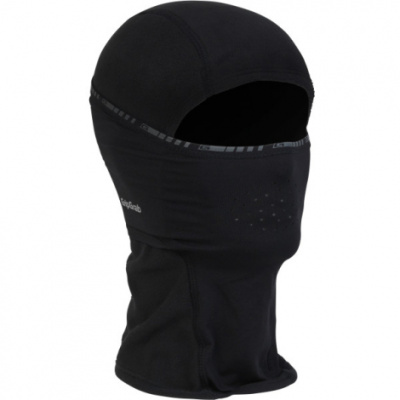
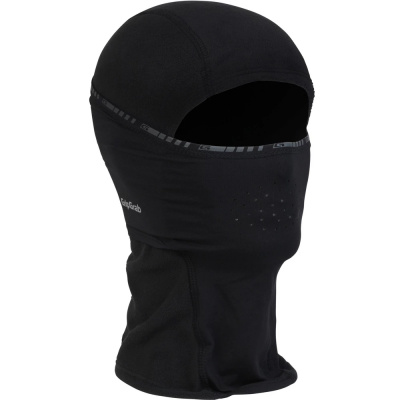
At the far end sits the balaclava range, for genuinely cold days when you need coverage from collar to helmet with no gaps. If you're riding when other people are scraping car windscreens, a balaclava stops that cold air from finding its way in around your neck. For versatile neck and lower-face coverage that bridges the gap between skull cap and full balaclava, it's worth looking at the dedicated GripGrab Neck Warmers range - a snood or neck warmer paired with a skull cap is often more adaptable than a balaclava when temperatures are fluctuating through a ride.
If you're weighing GripGrab against other options, Castelli headwear sits at the premium end with a strong road racing focus, while SealSkinz headwear pushes harder into waterproof construction - useful if you're commuting in heavy rain rather than managing wind chill on rides. Endura headwear is another solid comparison point for UK-focused performance at a range of price points.
Layering & Care for UK Riding
The most common mistake with winter skull caps is forgetting to re-adjust your helmet after putting one on. A skull cap adds a few millimetres of material across your head - enough that your helmet's retention dial needs a turn or two to bring the cradle back into firm contact. Don't skip this. A helmet that was dialled in for a bare head will sit slightly loose with a skull cap underneath, which matters on any impact. Spin the dial until the fit is snug again before you roll out.
Layering order also matters in the cold. A skull cap works best as a base layer under your helmet - not over a buff or neck warmer, which creates bulk that disrupts helmet fit. If you need neck coverage too, pair your skull cap with a GripGrab neck warmer worn under your jacket collar rather than bunched up around your jaw. Combine that with GripGrab gloves and you've got the extremities covered without overcomplicating the layering system.
On washing: keep it simple. Thirty degrees, gentle cycle, no fabric softener. Softener clogs the fibres in moisture-wicking synthetics and degrades the membrane performance in windproof pieces - it'll make your summer cap feel clammy and blunt the wind-blocking of your winter liner within a few washes. Air dry flat rather than tumble drying, especially with Merino pieces. It takes longer but the shape holds better and the fabric lasts significantly longer. A well-cared-for skull cap should go several seasons without losing its stretch or thermal properties. For the full cold-weather system, GripGrab base layers and GripGrab overshoes follow the same washing principles - treat them the same way and everything stays performing as it should.
Gripgrab Headwear FAQs
Do I need a windproof skull cap for cycling?
On exposed winter rides - think fast descents, open moorland, or any day with a hard crosswind - a windproof front panel makes a genuine difference. It blocks the icy blast at your forehead while the breathable crown vents heat during efforts, so you're not choosing between frozen ears and overheating. If your rides are mostly sheltered or short, a standard thermal cap may be enough.
How should a cycling cap fit under a helmet?
Flush against your scalp with no bunching or raised seams. After fitting your skull cap, always re-adjust your helmet's retention dial - the extra material means the cradle will sit looser than normal. GripGrab uses flatlock seams throughout to eliminate the pressure ridges that standard stitching creates against your helmet's EPS foam lining.
What is the best cycling headwear for winter?
A thermal skull cap with ear coverage handles most UK winter riding comfortably. For genuinely freezing conditions - sub-zero mornings, or long exposed rides where wind chill is serious - a full balaclava closes the gap between your collar and your helmet with no cold air getting in. Pair either with a neck warmer for extra flexibility as temperatures change through a ride.