
Giro Goggles
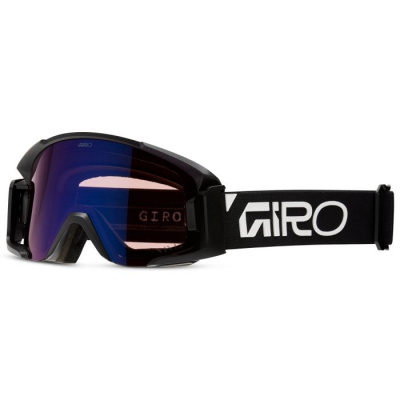
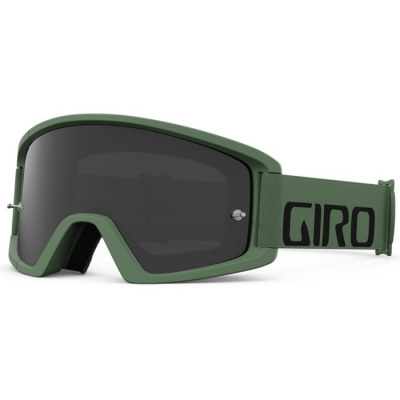
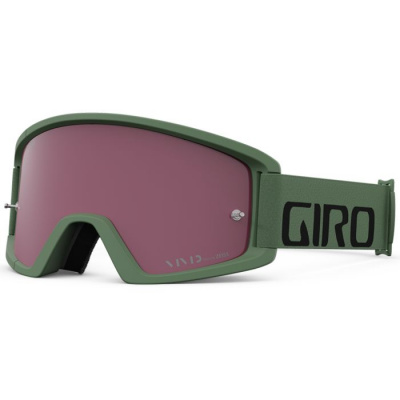
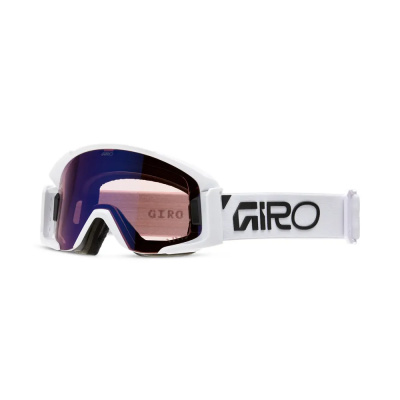
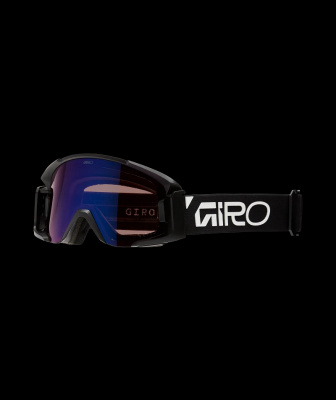
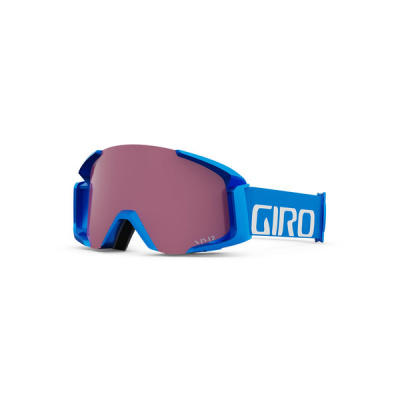
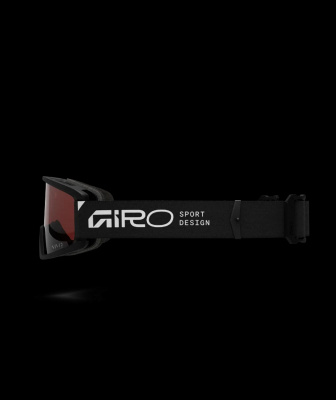
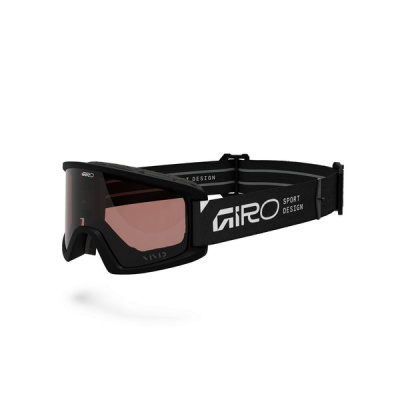
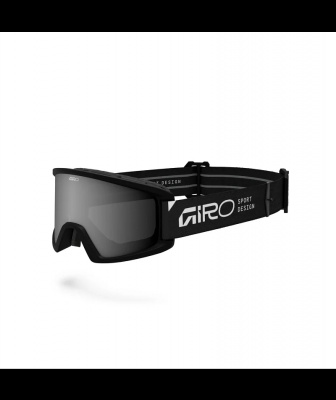
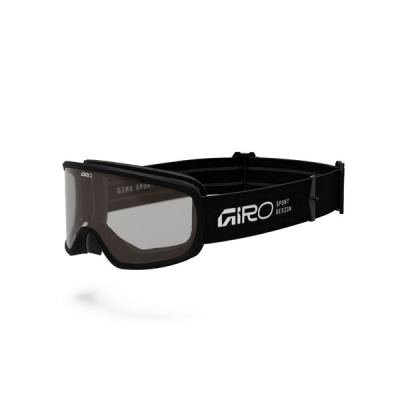
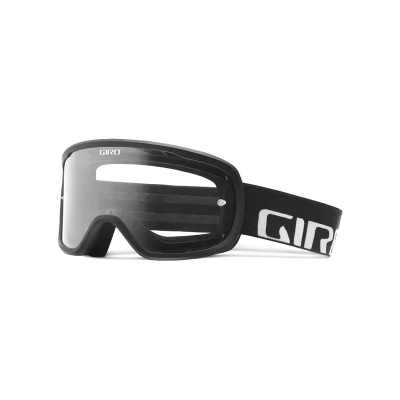
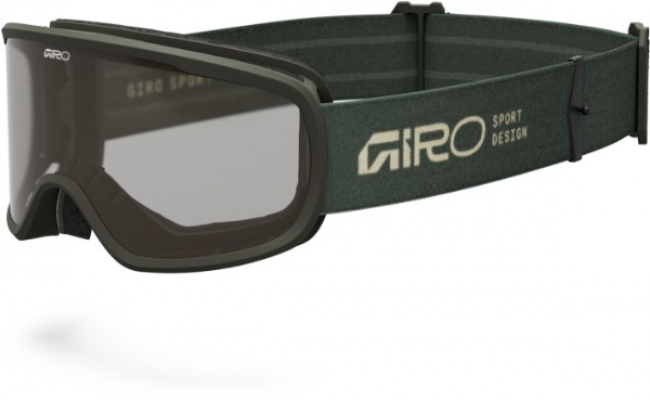
Giro goggles have built a serious reputation among mountain bikers who won't compromise on what they can see - or when they can see it. Whether you're threading tight, rooty lines through a damp Scottish pine forest or sending it down a bike park blue in fading afternoon light, clarity matters more than most riders realise until they've lost it. Giro's Expansion View Technology (EXV) tackles that directly, stretching the lens frame outward to give you a wider, more open field of vision with far fewer blind spots at the edges. Pair that with VIVID lenses, developed in collaboration with Zeiss optics, and you've got high-contrast performance that makes flat, grey UK light feel workable rather than threatening - roots and ruts snap into focus rather than blending into the murk. The face foam is triple-layer construction with a microfleece facing that sits comfortably against skin even on a sweaty push-up, and the anti-fog coating keeps things clear when your breathing ramps up. Helmet compatibility is taken seriously too, with Giro's own seamless integration designed to eliminate gaper gap with their full-face helmets and trail helmets alike. A capable, well-thought-out range.
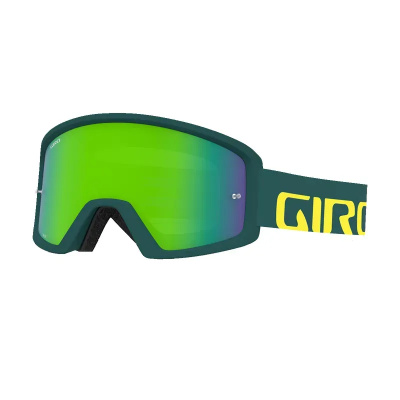
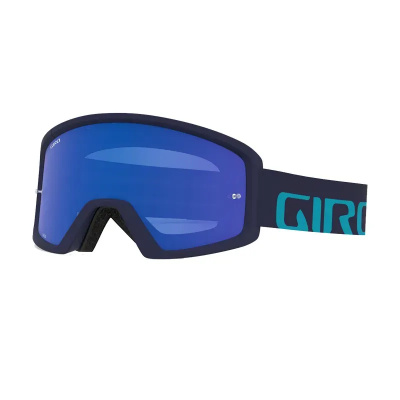
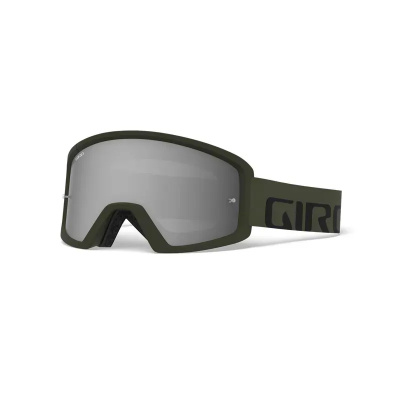
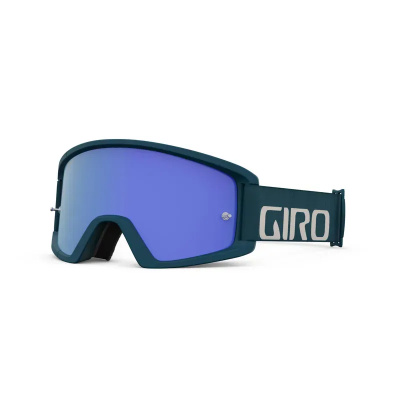
Prices and availability can change quickly. Delivery charges are not always included in listed prices.
Final price, stock status and delivery terms are set by retailer. We may receive a commission on purchases made.
Lens Tech and Vision Clarity: VIVID and EXV Explained
The two technologies doing the heavy lifting in Giro's goggle range are Expansion View Technology and VIVID lenses, and they solve different problems. EXV is about the frame geometry itself - the lens wraps further around your face than a conventional goggle, so your peripheral vision isn't cropped by a thick plastic border. On fast, technical descents where you're reading the trail two or three moves ahead, that extra edge awareness is genuinely useful. It's the difference between spotting a rogue root at the last moment and rolling over it smoothly.
VIVID lenses are where Zeiss optics comes in. Giro worked with Zeiss to develop a tint system that boosts contrast across specific wavelengths, making depth and texture far more readable in low-contrast conditions. That's not marketing padding - it's directly relevant to Giro MTB goggles being used in the UK, where overcast skies and dense canopy can flatten the trail completely. A well-tuned VIVID lens in amber or rose makes a muddy, shadow-heavy trail in the Afan Forest feel like a different place compared to a basic smoke-tinted polycarbonate lens. Different VIVID tint options suit different conditions: high-contrast tints for low light and overcast days, darker tints for bright alpine or bike park sessions.
The anti-fog coating deserves mention too. High-exertion riding - long climbs before a descent, or stop-start trail centre laps - generates a lot of face heat. A weak anti-fog treatment gives up quickly. Giro's coating is applied to the inner lens surface and works alongside vented frames to draw warm air away before it condenses. It's not infallible in driving rain, but in typical UK damp-cold conditions it holds up well. If you're comparing options, 100% goggles and Smith Optics goggles offer similarly strong anti-fog systems at comparable price points - worth a look if you're weighing up the range.
Understanding the Giro Goggle Range and Fit
Giro's goggle lineup covers a decent spread of face shapes and riding disciplines. The Tazz sits at the trail and enduro end - medium frame size, relaxed fit, works well with open-face helmets and integrates neatly with Giro's trail lid range. The Blok is a chunkier, more protective frame suited to downhill and bike park use, with a larger lens area and slightly more structured frame for riders in full-face setups. The Tempo is a slimmer, lighter option that suits cross-country and shorter-travel enduro riding where weight and packability matter more than maximum coverage.
OTG (Over The Glasses) compatibility is available across select models in the range. If you ride in prescription specs, this is worth prioritising - the frame is shaped internally to accommodate standard glasses arms without pinching or distorting the fit. It's a practical feature that Fox goggles and Oakley goggles also offer in parts of their ranges, but Giro's OTG execution tends to be particularly well-considered in terms of internal clearance.
Helmet compatibility is handled through what Giro calls seamless integration - the strap width, outrigger shape, and foam profile are matched to their own helmet vents and brow geometry to sit flush without a gap. That said, flexible frames and silicone-banded straps mean most Giro goggles sit securely on non-Giro helmets too, provided the helmet has a standard goggle-compatible brow. Worth checking fit in person if you're running a particularly deep-visor helmet.
If you want to swap lenses or replace worn foam, head over to our Giro sunglasses and goggle spares page - that's where you'll find compatible replacement lenses and spare parts to keep your goggles running long-term.
UK Riding Conditions: Mud, Moisture, and Goggle Care
British winters are hard on goggles. Sloppy descents at Bike Park Wales or a muddy enduro in the Peak District will coat your lens in minutes, and that's where tear-off compatibility becomes practical rather than optional. Several Giro Downhill goggles models accept tear-off films - thin, pre-stacked layers you rip away one at a time to reveal a clean lens underneath. They're fiddly to fit in the car park beforehand, but mid-descent they're a game-changer. Roll-off systems are a cleaner alternative if you prefer not to deal with loose film layers.
Post-ride goggle care is where a lot of riders go wrong. If your lens fogs during a ride and you wipe the inside surface while it's still wet, you're physically abrading the anti-fog coating - it won't grow back. The right move is to let the goggle air-dry naturally, foam side down on a clean surface, then use a dry microfibre cloth on the outside only. For the microfleece face foam, a gentle hand wash with mild soap and cold water every few sessions prevents sweat and skin oils from breaking down the foam and causing irritation. Don't wring it - press dry with a towel and leave it to air.
For Giro enduro goggles and trail models used in high-humidity conditions, maximising the frame venting by keeping the vent mesh clear of mud is worth the thirty seconds it takes. Blocked vents are usually the first reason anti-fog performance drops off in cold, wet weather. Pair your goggles with decent Giro gloves and you've got a matched set that handles British weather without drama.
Related searches:
Giro Goggles FAQs
Are Giro goggles good for mountain biking?
They're a strong choice across trail, enduro, and downhill riding. Expansion View Technology (EXV) gives you a wider field of vision than most standard frames, and the VIVID lens system by Zeiss is genuinely effective in the flat, low-contrast light that UK riders deal with regularly. Anti-fog performance and build quality are consistently solid across the range.
Do Giro goggles fit with other helmet brands?
Yes, generally well. Giro's flexible frames and silicone-backed straps work with most major full-face and open-face MTB helmets. The fit is optimised for Giro's own helmets - you get the cleanest integration there - but gaper gap is rarely an issue with other brands provided the helmet has a standard goggle brow.
How do I clean my Giro goggle lenses?
Clean the outside of the lens with a damp microfibre cloth and mild soap if needed. Never wipe the inside of the lens when it's wet - doing so damages the factory anti-fog coating permanently. Let the goggle air-dry naturally after wet rides, foam side down, and use a dry cloth on the outer surface only once it's fully dry.