
Bell Helmets
Bell bike helmets sit at the sharper end of the safety and performance conversation, drawing on decades of motorsport-derived impact engineering to produce lids that serious cyclists actually want to wear. Whether you're grinding through a wet Welsh valley, clipping out on a Surrey Hills climb, or threading through rush-hour traffic in Manchester, the range has a helmet shaped around your riding.
The big differentiator is Bell's Spherical Technology powered by MIPS - a dual-layer construction that allows the helmet's inner and outer shells to move independently on impact, reducing rotational forces on the brain. It's a meaningful step beyond standard MIPS liner integration, and it's now sitting across much of the road and trail range. Pair that with the Float Fit retention system - a micro-adjustable dial that locks the helmet precisely to your head without pressure points - and you've got protection that stays put whether you're tucked on a descent or bouncing through rooted singletrack.
Ventilation is handled through Overbrow Ventilation channels that shift air from forehead to crown without the kind of gaping vent ports that turn a winter descent into an ice bath. The Sweat Guide padding keeps moisture away from your brow and eyewear, which matters more than it sounds on a humid summer sportive. This is a range that covers road, MTB, and commuting - and does each one properly.
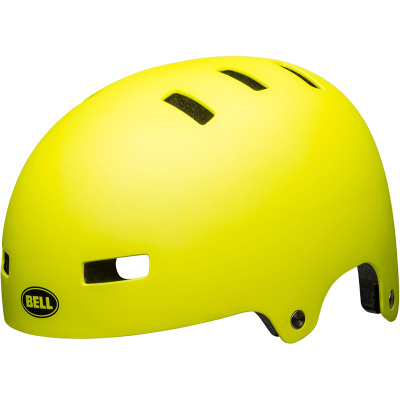
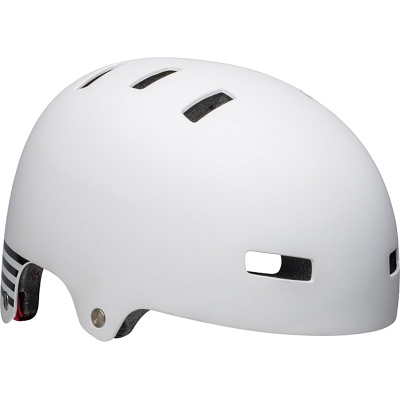
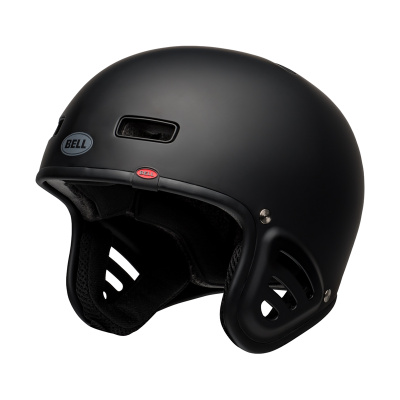
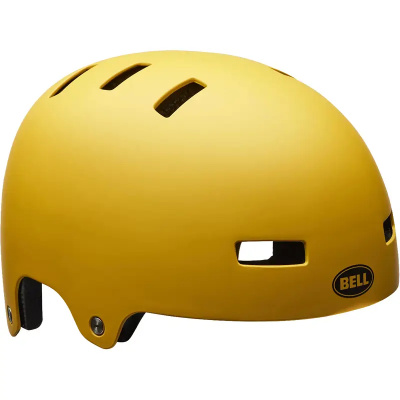
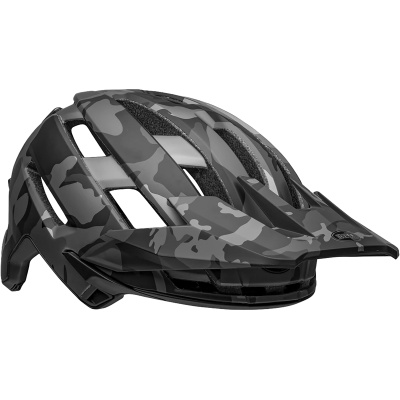
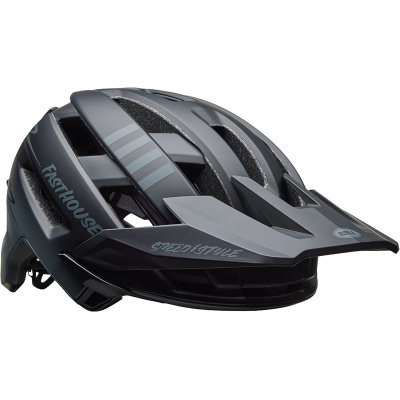
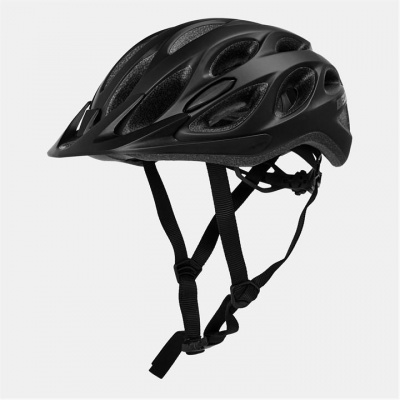
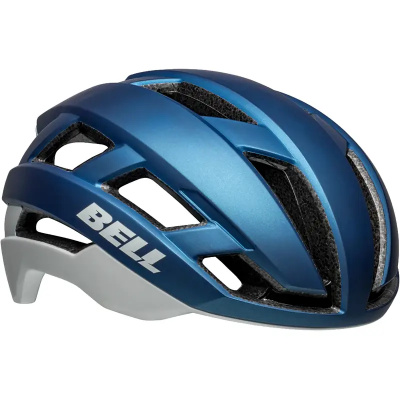
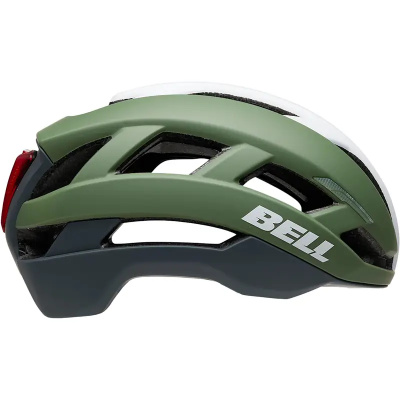
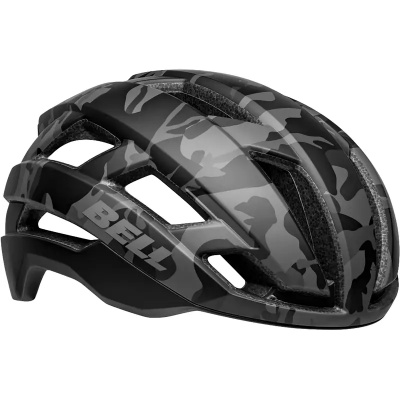
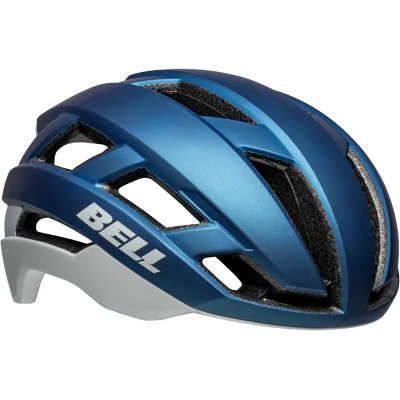
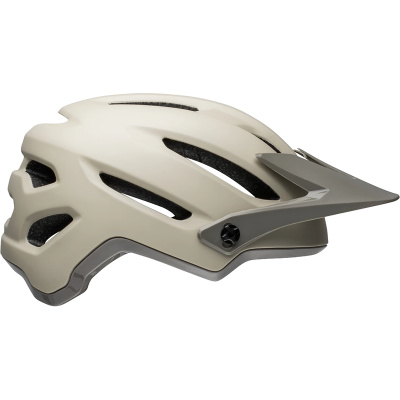
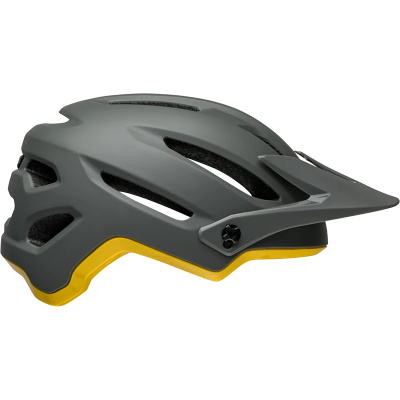
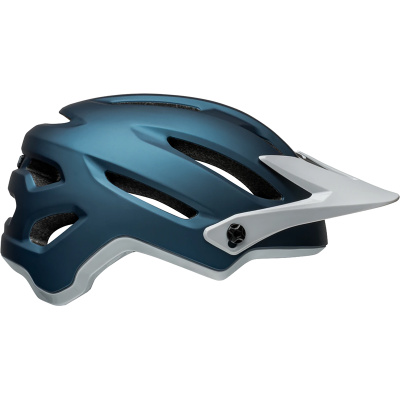
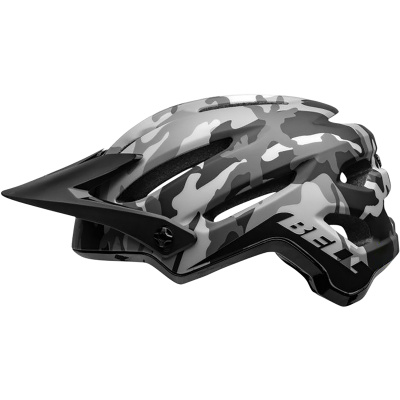
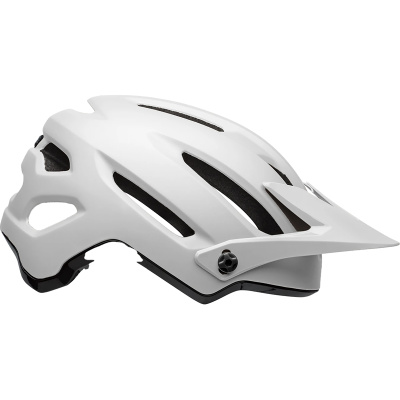
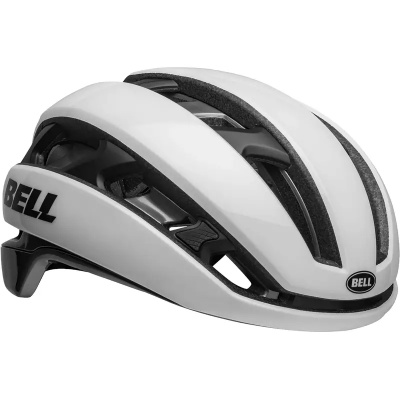
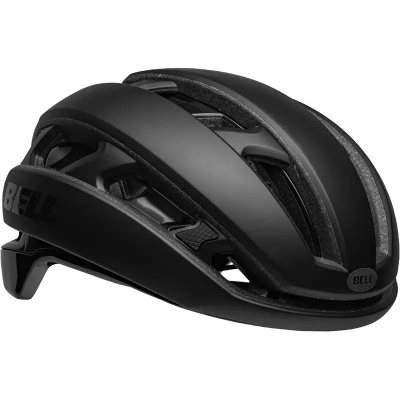
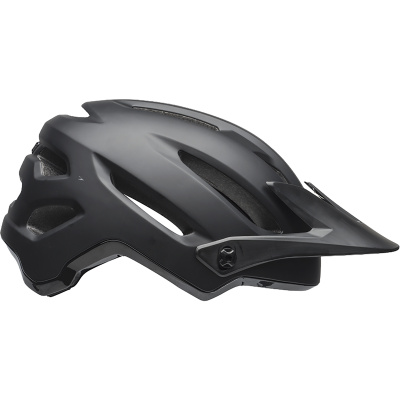
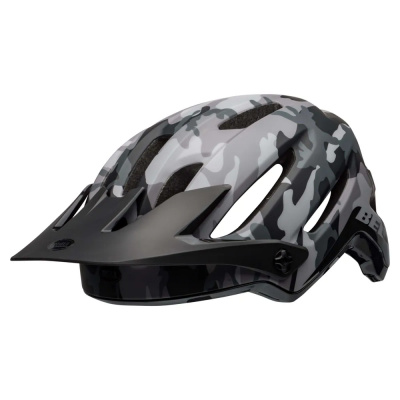
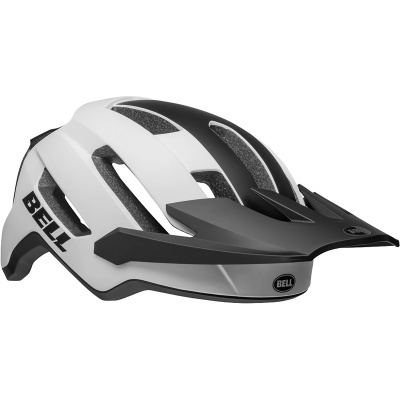
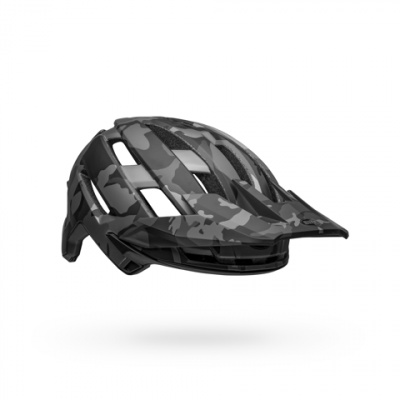
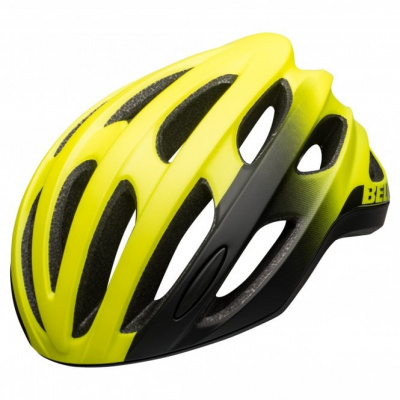
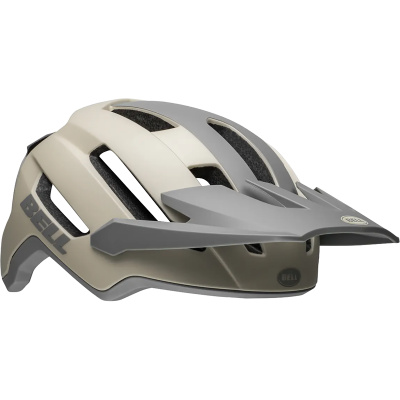
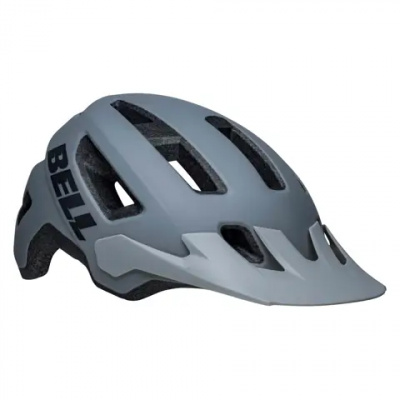
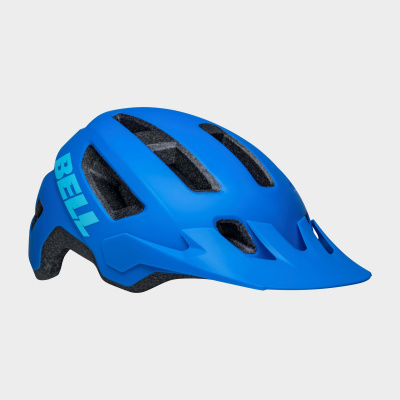
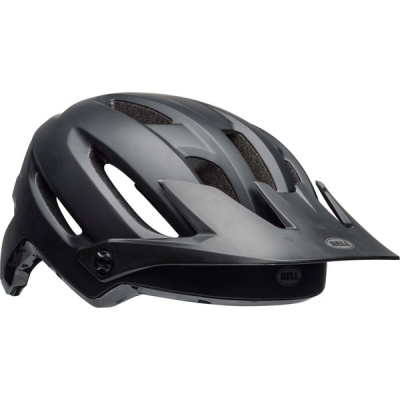
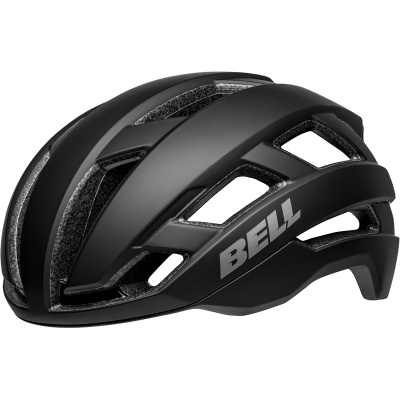
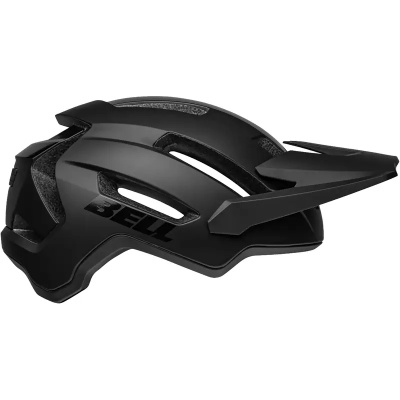
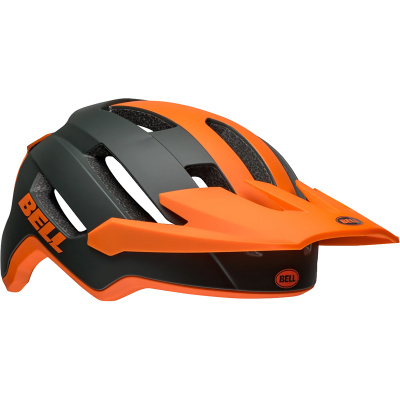
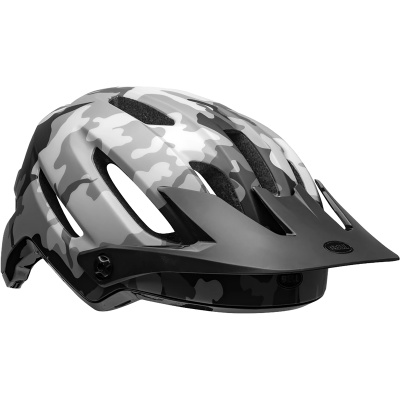
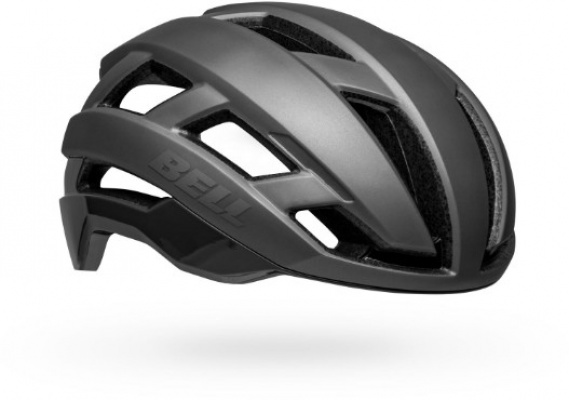
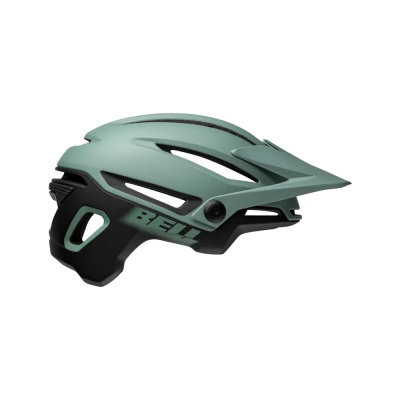
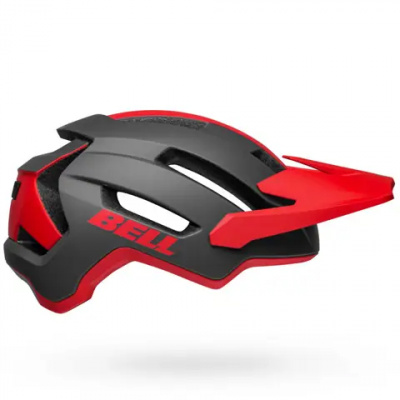
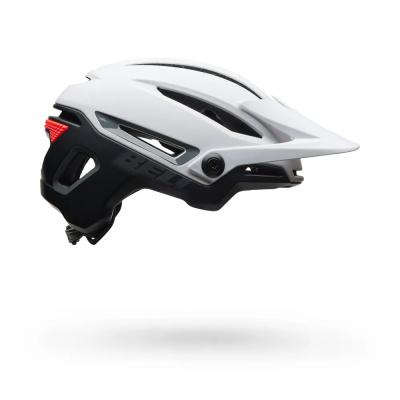
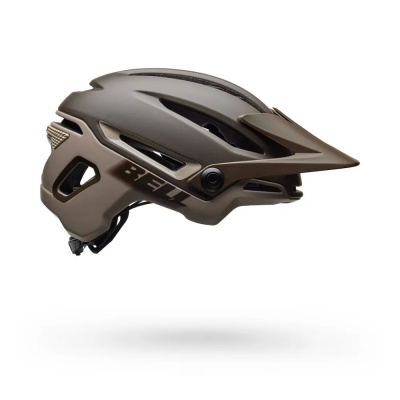
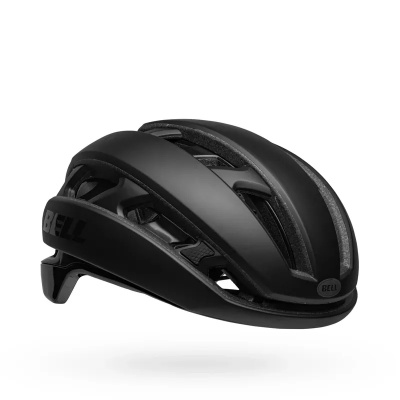
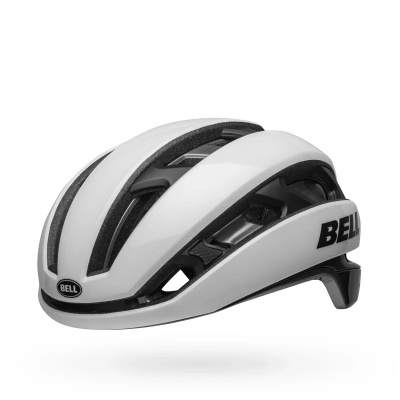
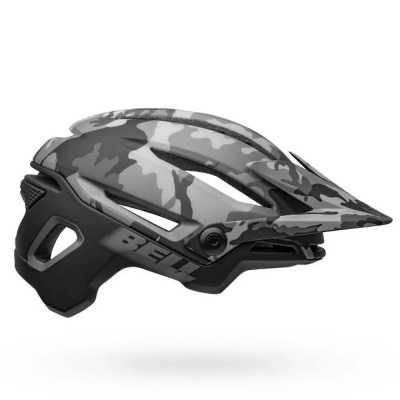
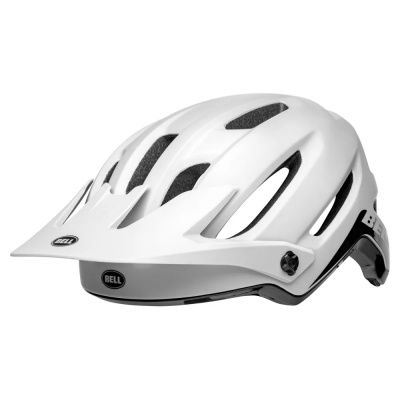
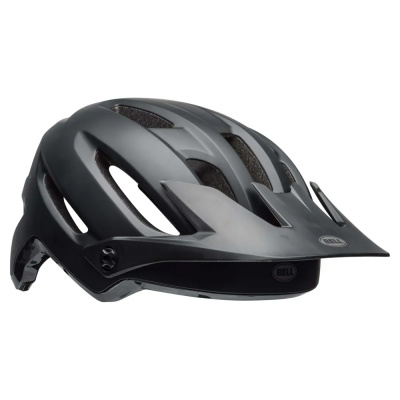
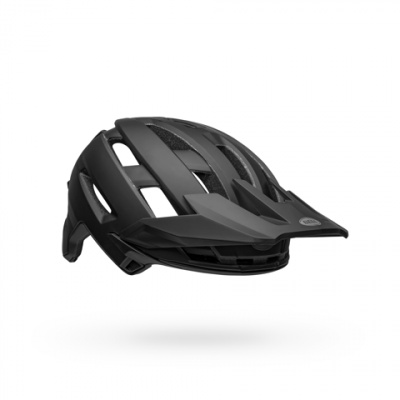
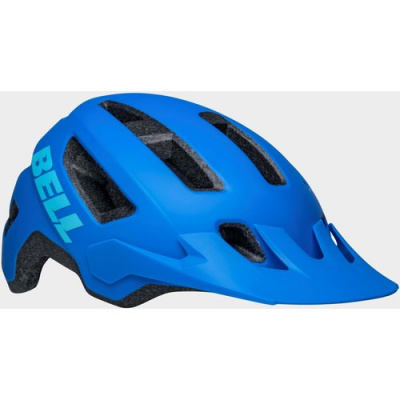
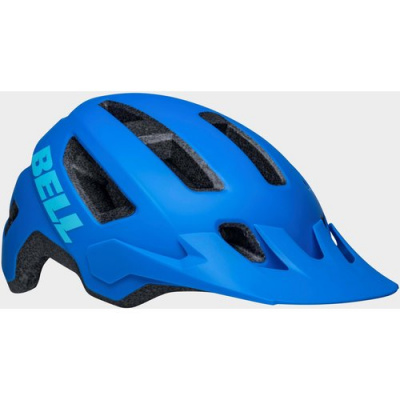
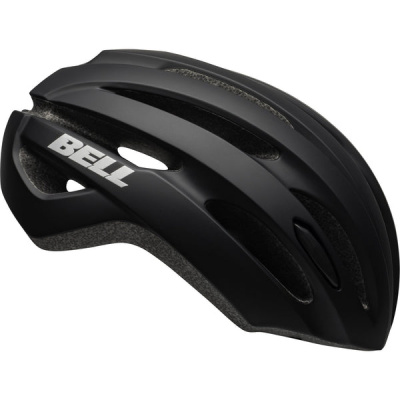
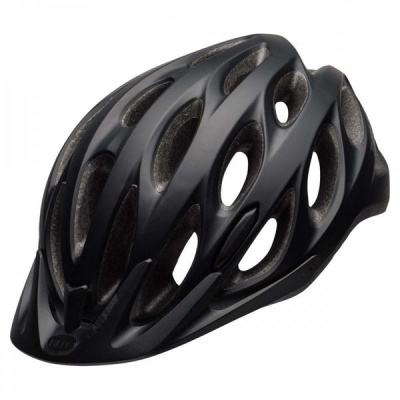
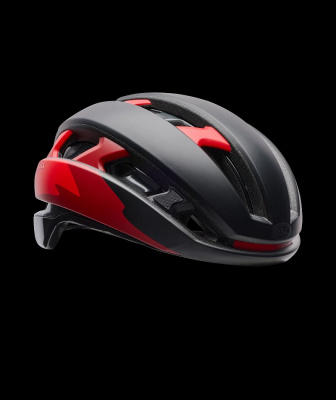
Prices and availability can change quickly. Delivery charges are not always included in listed prices.
Final price, stock status and delivery terms are set by retailer. We may receive a commission on purchases made.
Shell Tech, Padding and Weather Performance
Bell's Fusion In-Mold Polycarbonate Shell bonds the outer shell directly to the EPS foam liner during manufacture, rather than gluing a separate shell over the top. The result is a structure that's stiffer for its weight and distributes impact energy more evenly across the foam. Different models use varying EPS densities - denser foam in the road lids where sharp, concentrated impacts are the risk; slightly softer configurations in trail helmets where oblique hits across rough ground are more typical.
The Sweat Guide padding deserves more attention than it usually gets. The fabric is engineered to wick moisture away from your brow and channel it clear of your eyewear - a genuine quality-of-life improvement on long summer rides or humid autumn climbs in the Peak District where your glasses are forever fogging. The pads are antimicrobial too, which counts for something after a muddy Welsh trail session when the helmet's been in the back of the car for a week.
Overbrow Ventilation is Bell's answer to the ventilation-versus-warmth tightrope that most UK riders know well. Rather than large open ports that blast cold air in winter, the system uses directed channels positioned above the brow to draw air efficiently through the helmet. You get meaningful airflow on a hard effort without the head-freeze that larger vents can produce on a fast descent in October. It won't replace a thermal skull cap when temperatures properly drop, but it extends the usable range of each helmet meaningfully compared to rivals with cruder vent designs. On that note, if you're comparing options, Giro helmets and Fox helmets offer solid alternatives worth looking at alongside Bell.
Understanding the Bell Fit and Range
Bell builds to an intermediate oval internal shape - not as round as some Asian-fit lids, not as elongated as older European road helmets. It suits the majority of UK riders without drama. The Float Fit system is the retention dial at the rear, and it does more than just tighten - it allows genuine micro-adjustment so you can dial in the exact hold without creating pressure at the back of the skull. Worth taking thirty seconds to set it properly before you ride rather than just spinning it tight and hoping for the best.
Sizing runs true across the range. Measure around your head just above the eyebrows with a soft tape, check Bell's sizing chart, and you're most of the way there. If you land exactly between sizes, go up and use the Float Fit dial to close the gap - going down and fighting the fit rarely ends well.
The core range splits cleanly. Bell road bike helmets prioritise aerodynamics and ventilation management, with integrated eyewear channels and sleeker profiles suited to sportive riders and club cyclists. Bell MTB helmets push the coverage further down the sides and back of the head, add visor mounts, and lean on Spherical Technology for the oblique impacts that trail riding produces. Bell commuter helmets balance visibility - several feature high-vis colourways and reflective detailing, which matters in the grey light of a UK January commute - with practicality and value. If you're hitting the bike park or downhill tracks, explore our dedicated Bell Full Face Helmets range. For younger riders, ensure maximum safety with our specific Bell Kids Helmets collection.
It's also worth knowing that Bell MIPS helmets now account for the majority of the range rather than a premium subset - you don't have to spend top dollar to get meaningful rotational protection. That shifts the buying decision more towards fit, ventilation, and weight, which is where it should be. If you want to see how the range stacks up against another strong contender, KASK helmets sit in a similar bracket for road-focused riders.
Layering, Maintenance and Getting More Life From Your Lid
Winter riding in the UK means layering, and helmet fit is part of that equation. A thin thermal skull cap under a Bell lid usually works without needing to resize - the Float Fit dial compensates for the extra volume. Go thicker than a standard Merino skull cap, though, and it's worth loosening the dial a notch rather than running the retention system at its limit, which can create hot spots over longer rides.
Waterproof helmet covers are a different matter. Most clip or stretch over the outside of the shell and don't affect internal fit, but check the cover's compatibility with your specific helmet's vent pattern - covers designed for road lids sometimes sit oddly on trail helmets with larger vent ports or visor mounts.
For maintenance, the antimicrobial pads in Bell's trail and commuter helmets are removable and machine-washable on a cool, gentle cycle. Don't use biological detergents or fabric softeners on them - both degrade the antimicrobial treatment faster than normal use would. Air dry only; a tumble dryer will compress the foam backing.
The polycarbonate shell should be cleaned with warm water and mild soap - nothing solvent-based, nothing abrasive. Solvent cleaners cloud the shell finish and, more importantly, can compromise the bond between the polycarbonate and the EPS foam beneath it. After any crash, run your fingers across the EPS foam through the vent ports and around the edges. Micro-dents or soft spots mean the foam has done its job and the helmet needs replacing, even if the shell looks intact. Bell offers a crash replacement programme worth checking if yours takes a knock - and you can pick up replacement pads and parts through Bell helmet spares to keep an older lid in good condition between replacements.
The general guidance is to replace any cycling helmet every three to five years regardless of visible condition. UV exposure and heat cycles - like a summer in a hot car - degrade both the EPS foam and the shell bonding over time. It's one of those things that's easy to put off until it isn't.
Bell Helmets FAQs
How do I know what size Bell helmet to buy?
Wrap a soft tape measure around your head just above your eyebrows and ears - that's the widest point. Take the measurement in centimetres and cross-reference it with Bell's official sizing chart. The Float Fit dial handles fine-tuning once you've got the right shell size on your head.
Do Bell helmets run small or large?
Bell helmets generally run true to size, built around an intermediate oval shape that fits most riders without issue. If you're sitting right on the boundary between two sizes, go up rather than down - the Float Fit retention system will close the gap without creating pressure points.
How long do Bell bike helmets last?
Bell recommends replacing any helmet every three to five years, depending on how much use it sees, heat exposure, and general wear. UV and heat cycles degrade the EPS foam and shell bonding even without visible damage. Replace immediately after any impact - if it's absorbed a crash, it's done its job and needs to go.