
Giro Kids Helmets
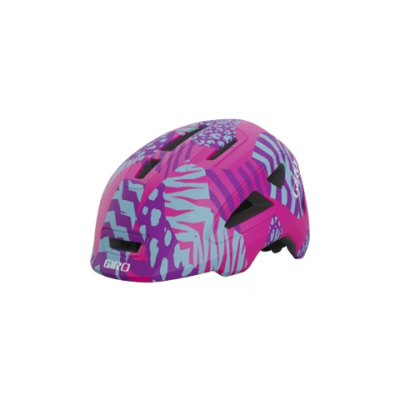
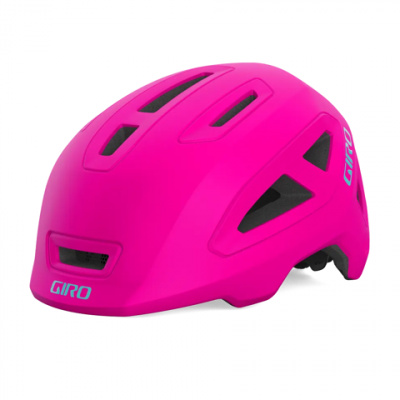
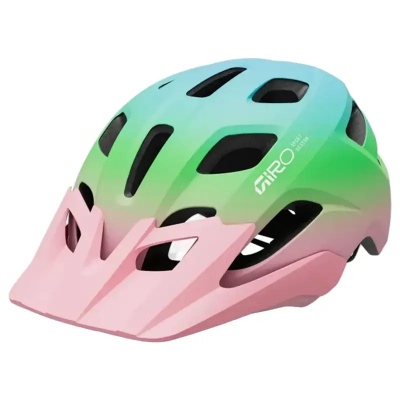
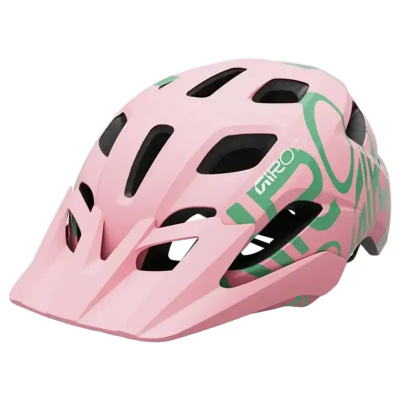
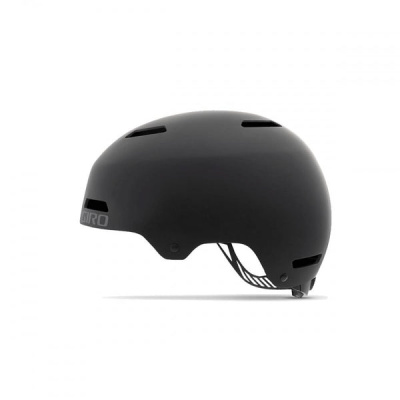
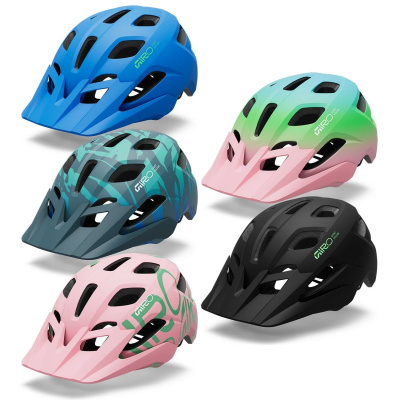
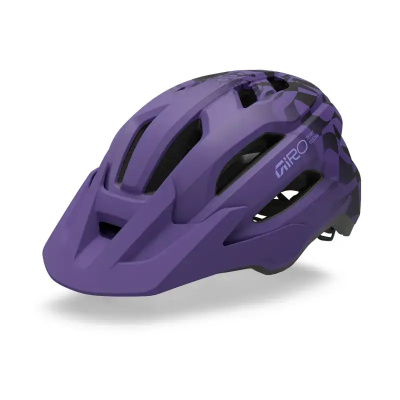
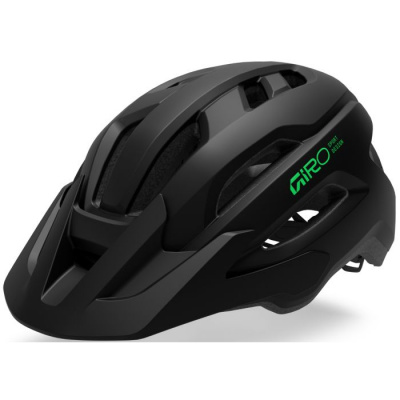
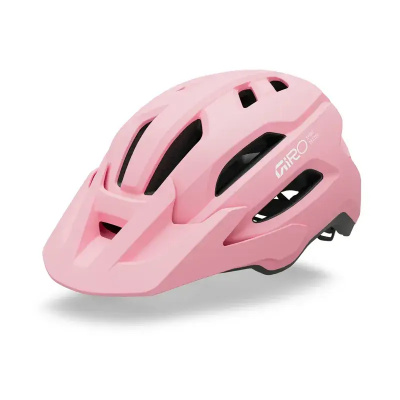
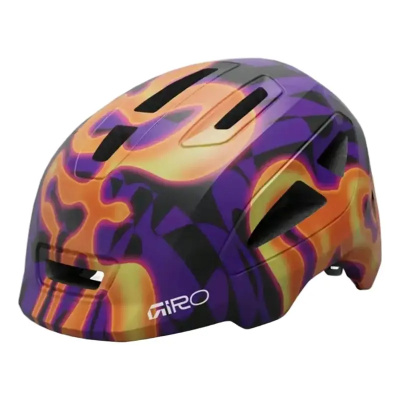
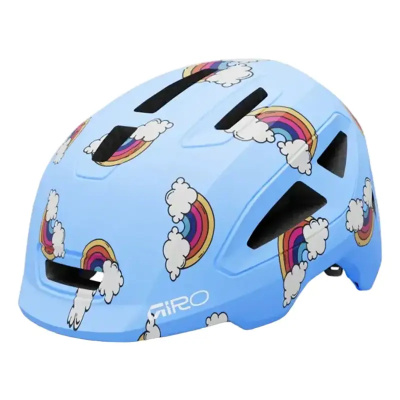
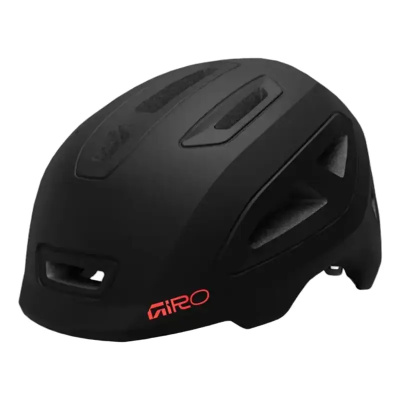
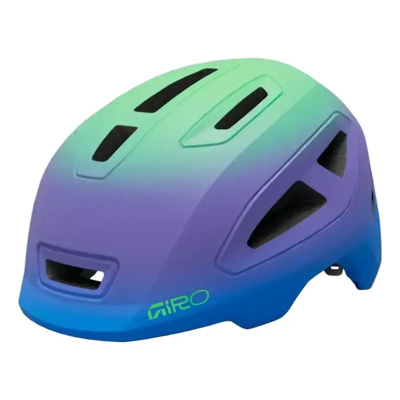
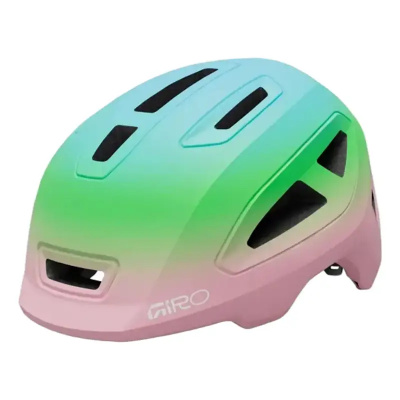
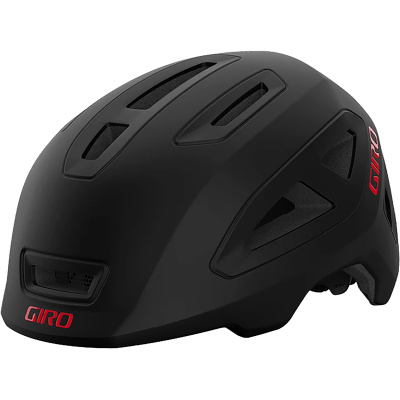
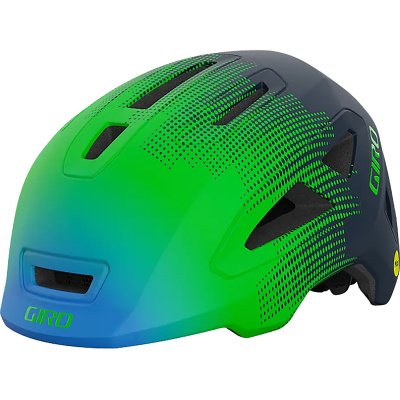
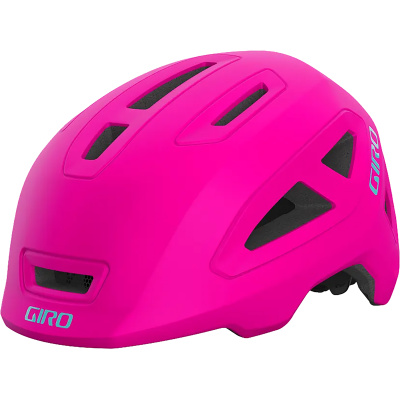
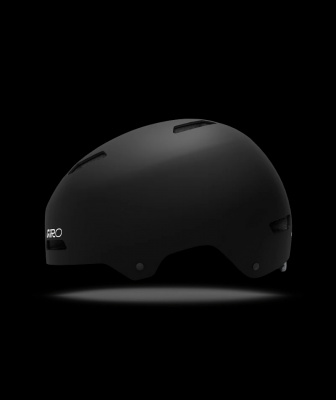
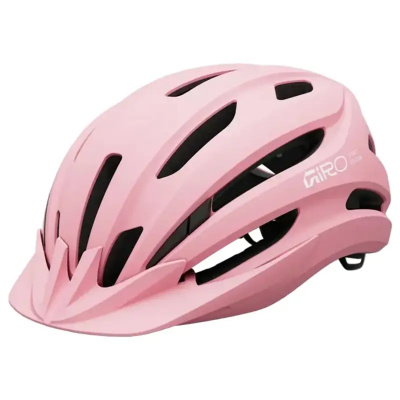
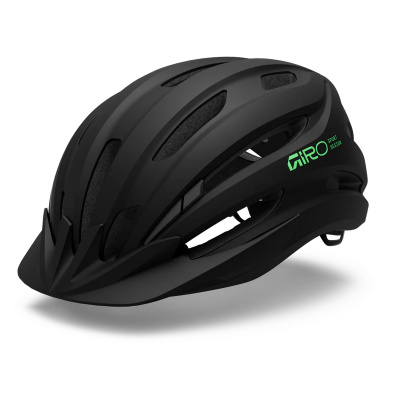
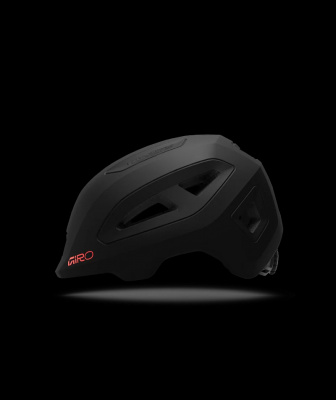
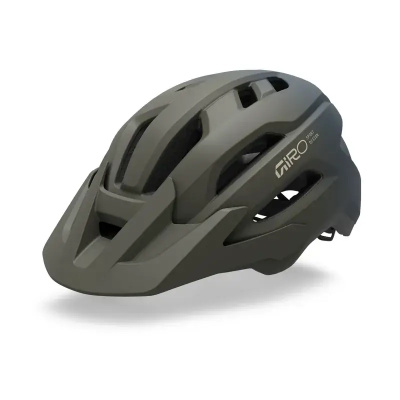
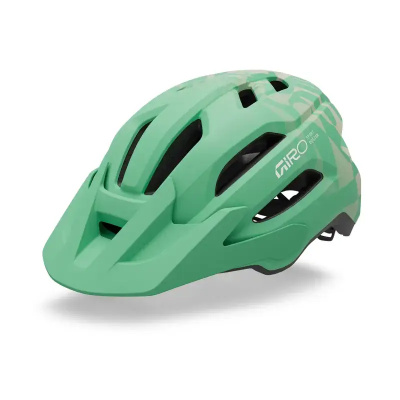
Giro kids bike helmets bring the same safety thinking found in race-level lids down to the sizes that actually fit small heads - without the weight, the faff, or the pre-ride meltdown over a pinched chin. At the core of the range you'll find In-Mold construction, where a polycarbonate shell is fused directly onto an EPS foam liner during manufacture. That process keeps the helmet light enough that younger riders aren't fighting neck strain before they've even pedalled away from the car park. Add MIPS technology - a low-friction slip-plane inside the shell that redirects rotational forces during angled impacts - and you've got a meaningful step up from basic EPS-only lids. The Roc Loc Jr. dial fit system lets you dial in a secure fit with one hand while holding a squirming toddler with the other, and the pinch-guard buckle keeps the strap hardware away from soft skin under the chin. Whether your child is wobbling along a towpath on a balance bike or hammering their first proper trail centre lap, Giro's youth range covers toddler through junior sizes, with reflective decals and high-vis colourways for year-round UK visibility. Practical, well-made, and genuinely easy to use.
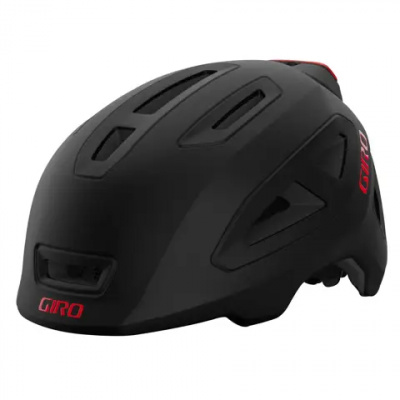
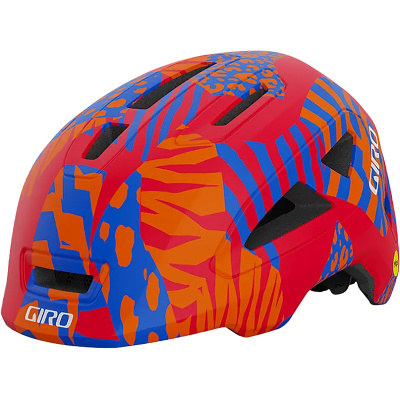
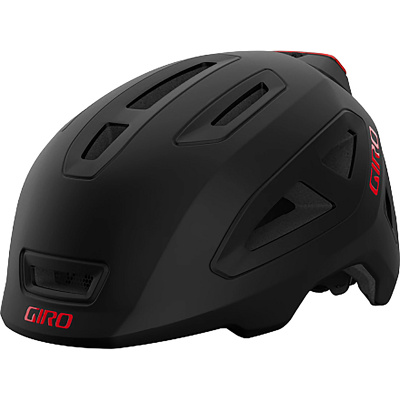
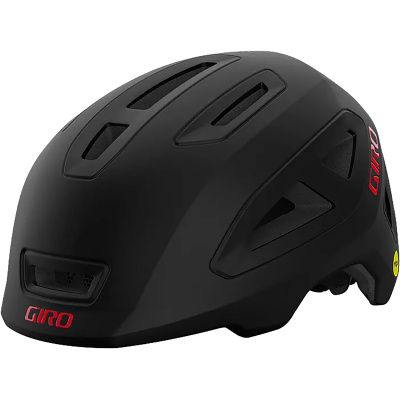
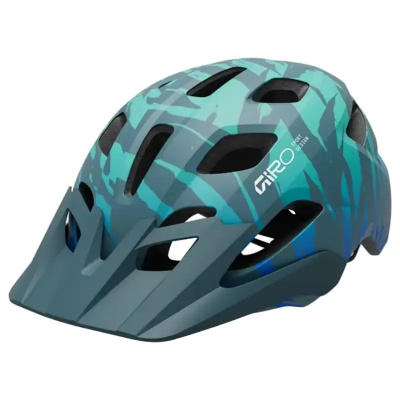
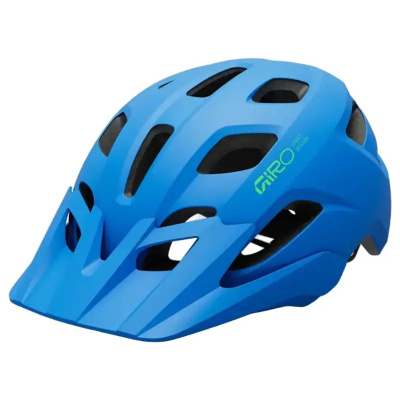
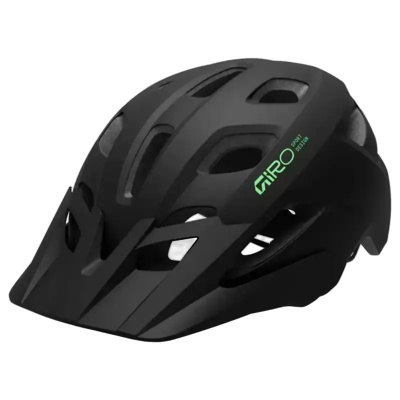
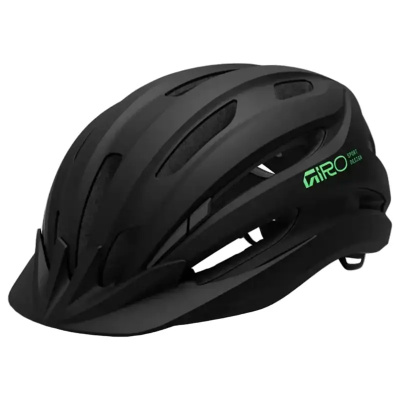
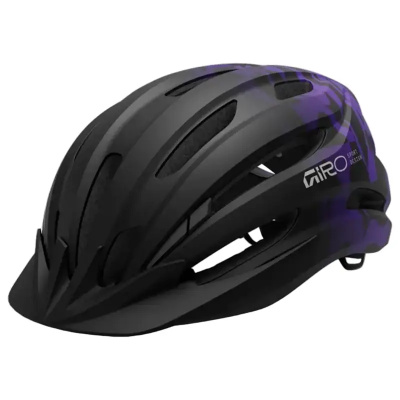
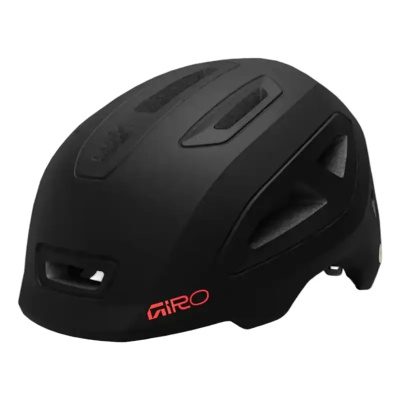
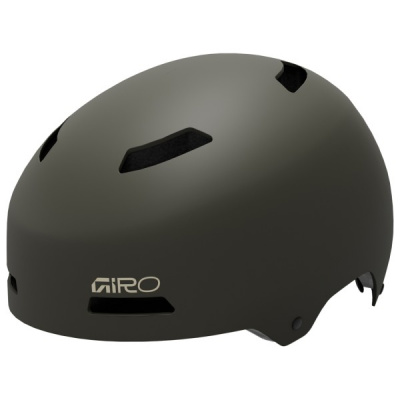
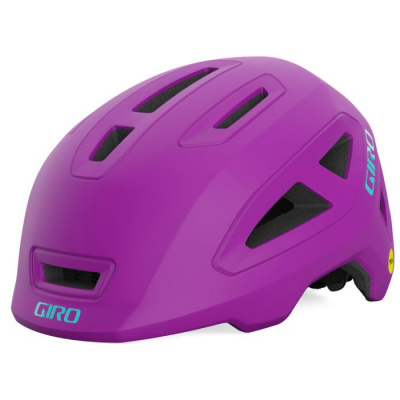
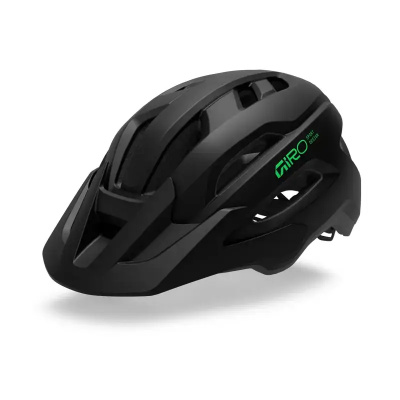
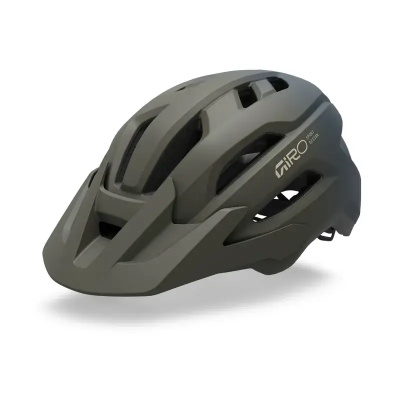
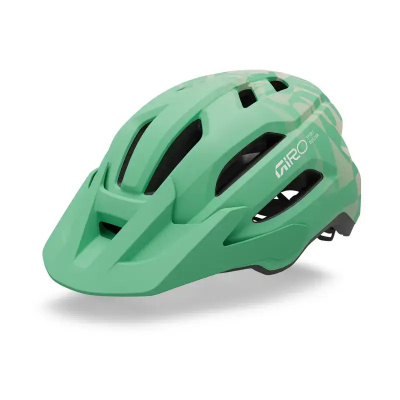
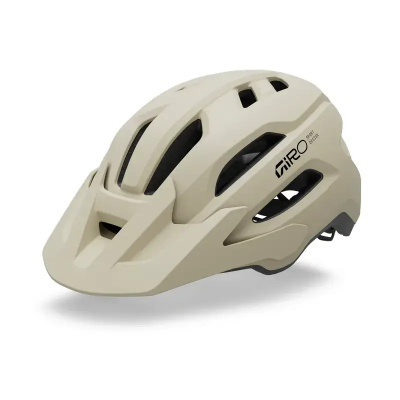
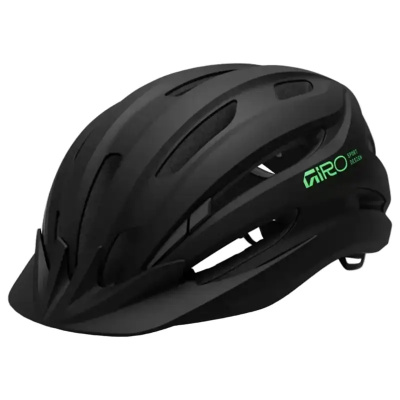
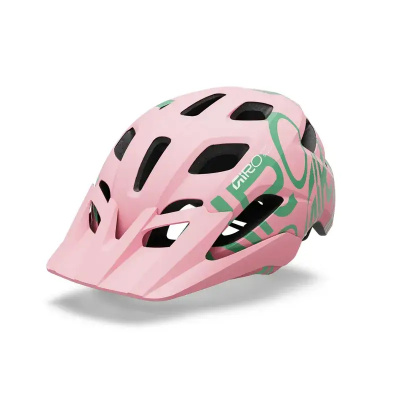
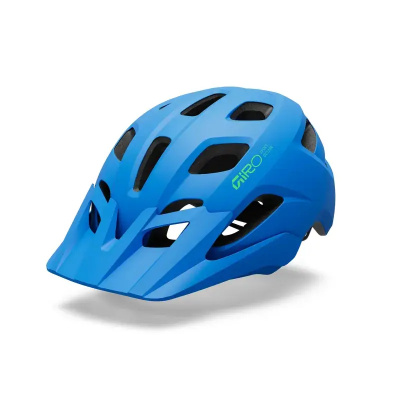
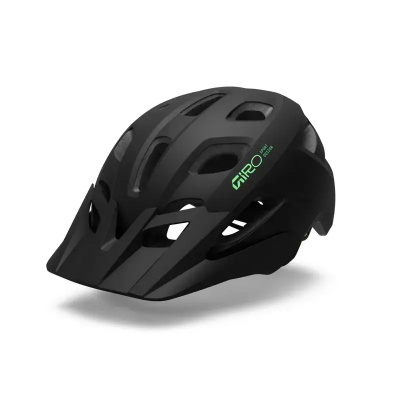
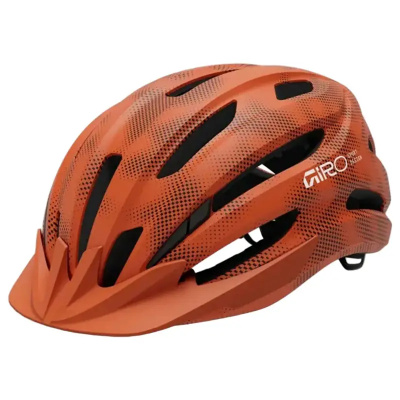
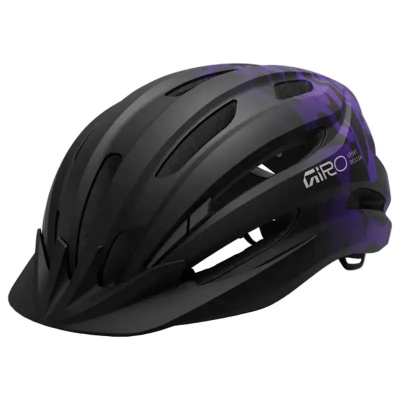
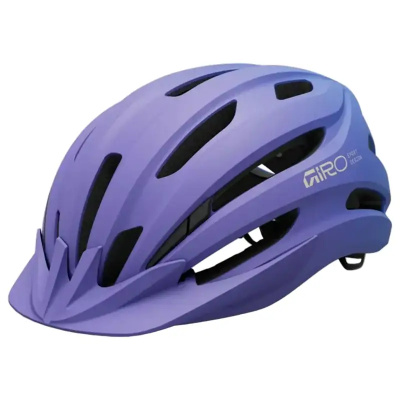
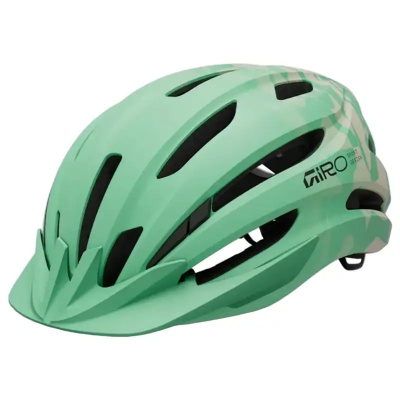
Prices and availability can change quickly. Delivery charges are not always included in listed prices.
Final price, stock status and delivery terms are set by retailer. We may receive a commission on purchases made.
Safety Tech and Construction: MIPS and In-Mold EPS
Start with the shell. Giro uses in-mold construction - bonding the polycarbonate outer shell to the EPS foam liner in a single process rather than gluing a separate shell on top. The result is a stiffer, lighter helmet than injection-moulded alternatives, which matters more than you might think on smaller heads. A heavy lid on a young child translates to neck fatigue, reluctance to wear it, and eventually the thing getting left on the back seat. Lighter is genuinely safer here.
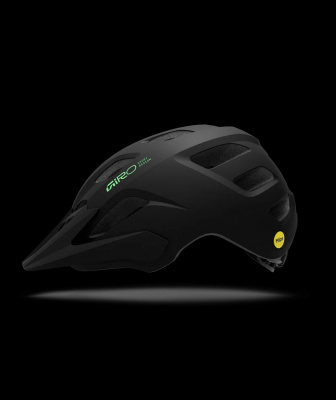
The MIPS layer sits between the EPS liner and the helmet's internal padding. In a straight drop, it does very little - conventional EPS foam handles that well enough. Where it earns its place is in the angled impacts that make up most real-world crashes: a tumble off a bike rarely hits square-on. MIPS allows roughly 10 - 15mm of relative movement between head and helmet at the moment of impact, which testing suggests can meaningfully reduce rotational force transfer to the brain. Models like the Giro Scamp MIPS and Giro Tremor MIPS include this system; it's worth prioritising if your budget allows. Not every Giro kids lid carries MIPS, so check the spec listing carefully.
Worth noting for trail and woodland riding: most Giro youth helmets include a built-in bug net across the larger vents. It's a small thing, but on a muggy summer evening in the forest - think North Yorkshire bridleways or the dusty tracks around the Surrey Hills - it keeps the moths and midges out without blocking airflow. Ventilation on these helmets is well thought through: enough channels to stop small heads overheating on a climb, but not so open that they're useless on a breezy autumn school run.
Understanding the Giro Kids Fit and Range
Giro structures its children's range roughly by age and riding intensity, though head circumference matters far more than age as a sizing guide. At the younger end, the Giro Scamp is designed for toddlers and balance bike riders - small circumference, lighter construction, and a fit that works with rounder, younger head shapes. Step up to the Giro Tremor and you're into junior trail territory: more ventilation, a slightly more grown-up profile, and available in MIPS spec for riders ready to push further. The Hale sits in a similar bracket and suits riders transitioning toward longer road and gravel rides.
Getting the fit right matters more than picking the right model. Wrap a soft tape measure around your child's head, roughly a centimetre above the eyebrows - that's the widest point. Match the result to Giro's sizing chart. As a rough guide, XS covers around 45 - 49cm (typical toddler range), while Universal Youth runs approximately 50 - 57cm. Don't guess; a loose helmet is worse than no helmet in a crash because it can shift on impact.
The Roc Loc Jr. dial fit system is what makes day-to-day use manageable. A single thumbwheel at the rear tightens or loosens the retention cradle around the back of the head. You can adjust it one-handed, which is genuinely useful when a child is already helmeted up and insisting the fit feels wrong three minutes after you've fastened the chin strap. The pinch-guard buckle uses a magnetic or shielded mechanism depending on the model, keeping the metal and plastic hardware away from the skin under the chin - a small detail that removes a consistent source of pre-ride grief.
If you're shopping for an older rider, a more advanced trail rider, or yourself, our full Giro Helmets collection covers the adult range. For riders stepping into bike park and enduro riding, Giro Full Face Helmets are worth a look.
If Giro's sizing or colourways don't land quite right, it's worth comparing against Bell kids helmets - Bell and Giro share parent-company engineering, so the safety standards are comparable, but Bell's fit systems and internal shapes differ enough to suit some head profiles better. MET kids helmets are another strong alternative, particularly if you're after Italian-made construction with a slightly narrower fit.
Keeping Your Giro Kids Helmet in Good Shape for UK Conditions
High-vis colourways aren't just marketing - in the UK, where October school runs happen in near-darkness by 4pm, the reflective decals on Giro's youth lids do useful work. If you're choosing between two colourways and one of them is brighter, that's the one for winter visibility. Simple logic.
Cleaning after a muddy trail session is straightforward: remove the pads where possible, wash straps and pads with mild soap and warm water, and leave everything to air dry naturally. Don't use solvents or abrasive cleaners near the shell - they can compromise the polycarbonate. Once clean, store the helmet somewhere with stable temperature and low humidity. An unheated garage or garden shed in a UK winter is genuinely a problem: the repeated freeze-thaw cycle and damp air can degrade EPS foam faster than normal use would. A shelf indoors, or at worst a breathable bag in a dry boot room, is better than a damp shelf above the lawnmower.
Keep straps dry where possible and check them periodically for fraying or stiffening - cold UK winters can make nylon straps brittle over time, which affects how well the buckle seats. It takes thirty seconds to check and could matter.
To round out the kit, Giro's kids mitts pair well with the helmet range for trail riding, and Giro jerseys share the same sizing philosophy. If your child is getting properly kitted out, Giro kids shoes are worth adding to the comparison list.
Related searches:
Giro Kids Helmets FAQs
How do I know what size Giro helmet my child needs?
Use a soft tape measure and wrap it around your child's head about a centimetre above the eyebrows - that's where the circumference is widest. Check that measurement against Giro's sizing chart. As a rough guide, XS fits roughly 45 - 49cm and Universal Youth covers 50 - 57cm. Always use the measurement rather than guessing by age - head sizes vary a lot.
Are Giro kids helmets MIPS equipped?
Some are, some aren't - it depends on the model and spec level. The Giro Scamp MIPS and Giro Tremor MIPS both include MIPS slip-plane technology, which is designed to reduce rotational forces during angled impacts. It's worth checking the specific listing before you buy, as base models in the same line may omit it.
When should I replace my child's Giro helmet?
Replace it immediately after any significant crash, even if the helmet looks fine - EPS foam compresses on impact and doesn't fully recover, so visible damage isn't a reliable indicator. Beyond crashes, replace it when your child outgrows the maximum dial adjustment on the Roc Loc Jr. system, or every three to five years regardless, as EPS foam degrades with age and exposure.