
MET Kids Helmets
MET kids helmets don't just shrink adult designs down and hope for the best - they're built from the ground up with children's developing heads specifically in mind. That means proper fontanel protection, rotational impact management, and retention systems that actually grow with your child, not just sit on them. Whether they're strapped into a child seat for the school run, wobbling confidently on a balance bike, or starting to find their feet on woodland trails, there's a MET helmet that fits the job.
The range leans on two pieces of proprietary tech that make a genuine difference. Bimbi Secure geometry keeps the shell clear of the fontanel - the soft, vulnerable area at the top of a toddler's skull - which is something you simply won't find on cheaper lids. Pair that with the Safe-T JR fit system, a dial-adjust retention cradle that lets you fine-tune the fit as your child grows, and you've got a helmet that stays useful for longer than a single season.
Lightweight in-mould polycarbonate shell construction keeps weight down so it doesn't feel like they're wearing a plant pot, and integrated features like rear LEDs and bug nets make these helmets genuinely practical for UK riding year-round. If you're comparing across brands, Giro kids helmets and Bell kids helmets sit in the same space, but MET's Italian-engineered safety geometry gives it a clear point of difference at the younger end of the range.
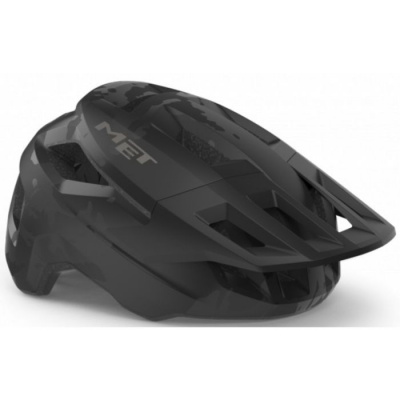
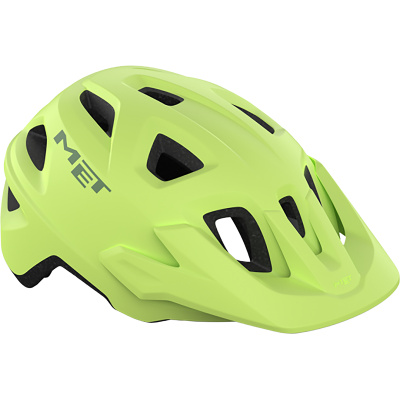
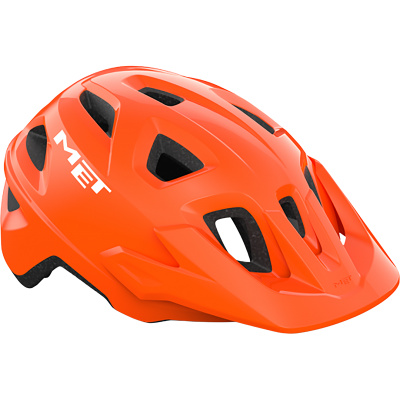
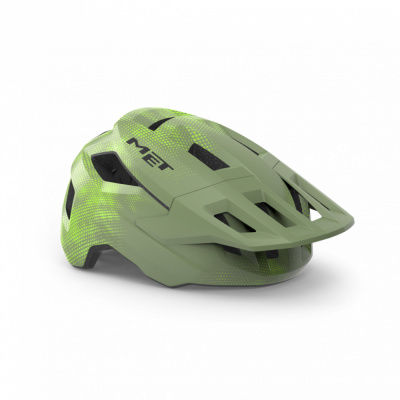
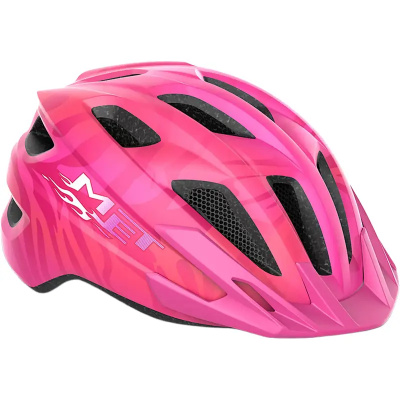
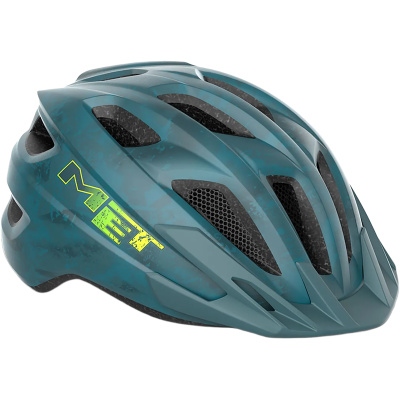
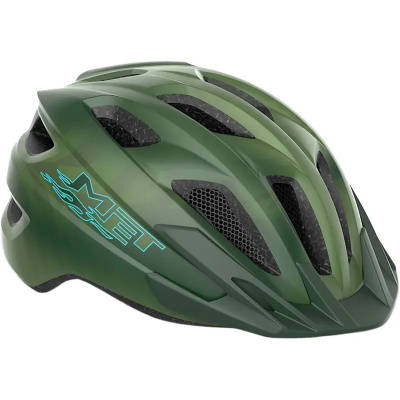
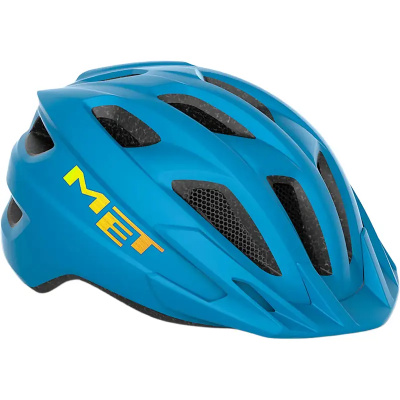
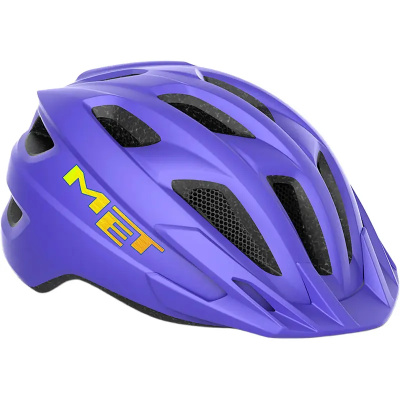
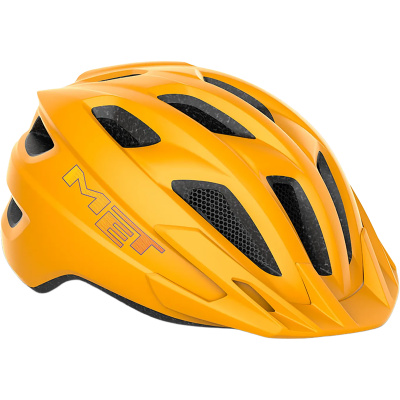
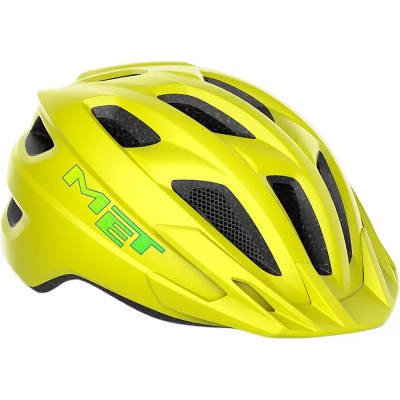
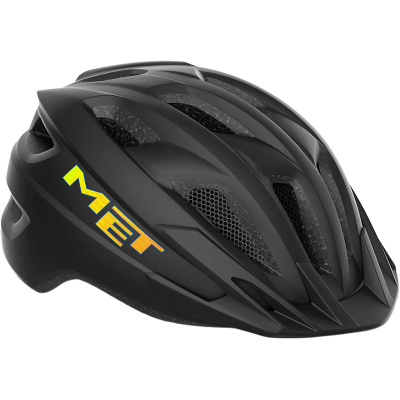
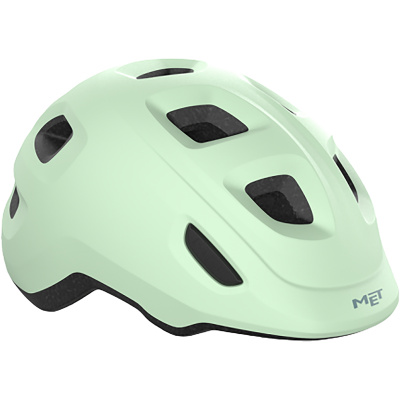
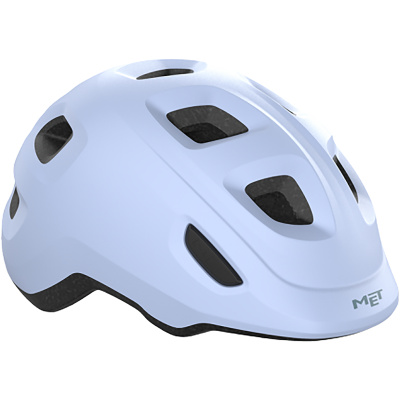
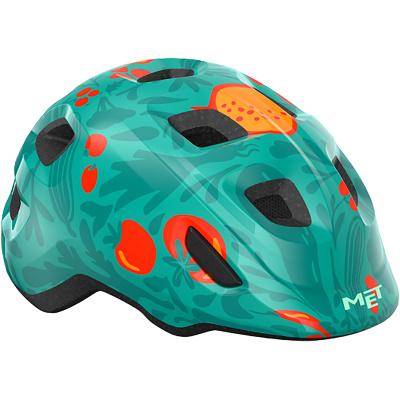
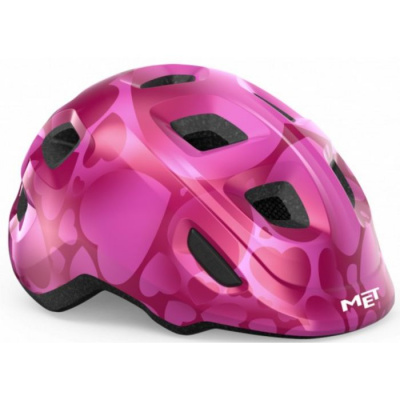
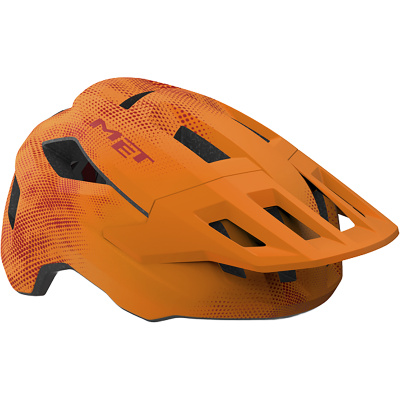
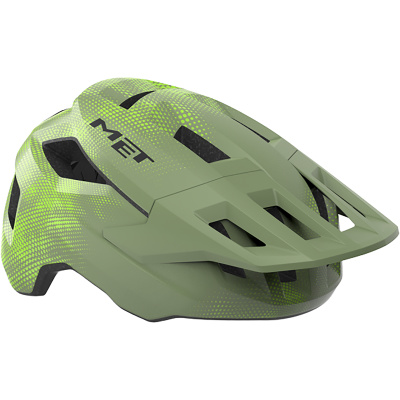
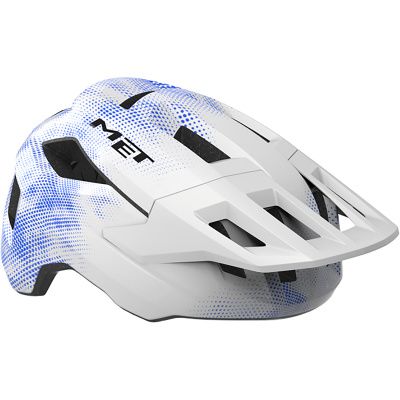
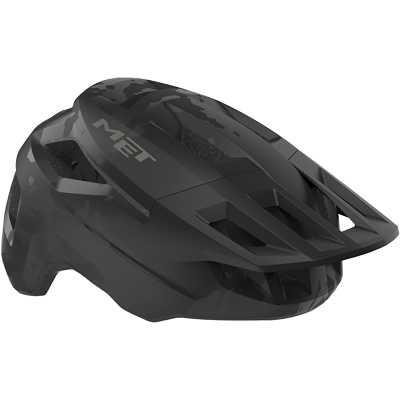
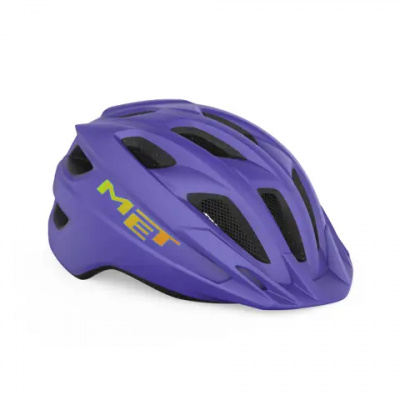
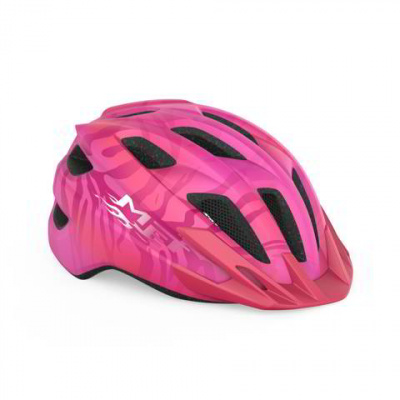
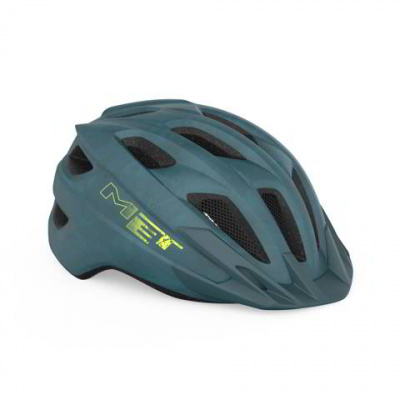
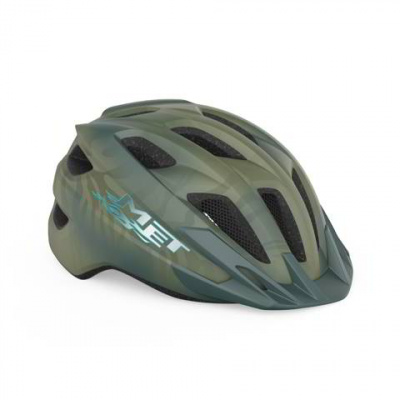
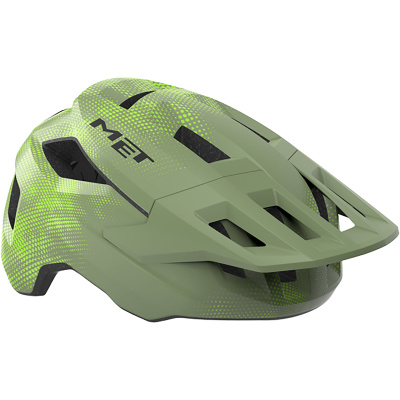
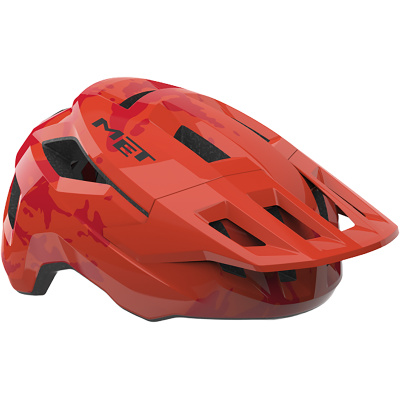
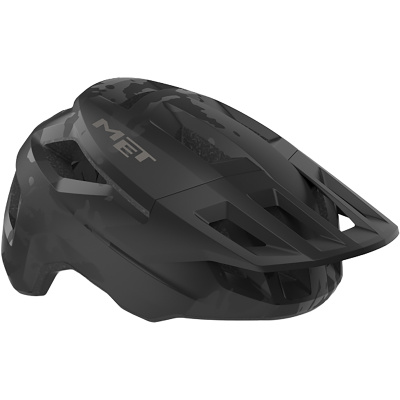
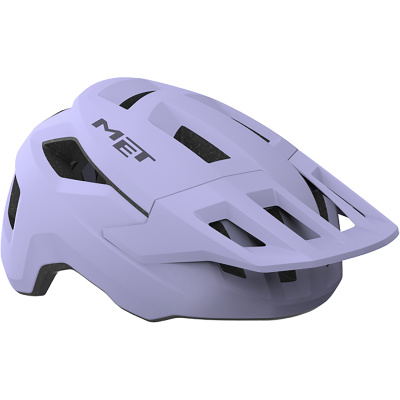
Prices and availability can change quickly. Delivery charges are not always included in listed prices.
Final price, stock status and delivery terms are set by retailer. We may receive a commission on purchases made.
Safety Tech That Goes Beyond the Shell
The headline feature for toddler-age helmets is Bimbi Secure geometry, and it's worth understanding what it actually does. A young child's skull isn't fully fused - the fontanel, the soft spot at the crown of the head, remains vulnerable well into the toddler years. Standard helmet geometry can press directly onto this area, which isn't ideal even in everyday use. MET's Bimbi Secure internal shaping creates a clear zone above that point, so the shell never makes contact with it. It's a detail that costs nothing in comfort but matters enormously for peace of mind.
Beyond that, the EPS liner bonded directly to the in-mould polycarbonate shell handles primary impact absorption - the structure compresses on impact to manage force before it reaches the head. On models like the Hooray MIPS, you also get the MIPS-C2® brain protection system, which adds a low-friction layer between the EPS and the liner. When a fall happens at an angle - which most real-world falls do - MIPS allows the helmet to rotate slightly relative to the head, reducing the rotational forces that can cause concussion. Angled impacts are exactly the kind of fall a child takes when they go down sideways off a bike or trip wearing a helmet, so this isn't a marginal upgrade. It's worth it.
Anti-pinch ratchet buckles are a small but genuinely appreciated detail. Anyone who's ever caught a child's chin in a standard clip buckle knows why. The ratchet mechanism on MET's youth range makes fastening quick without the nip, which also means kids are less resistant to putting the helmet on in the first place. Practical, that.
Understanding the MET Kids Range & Sizing
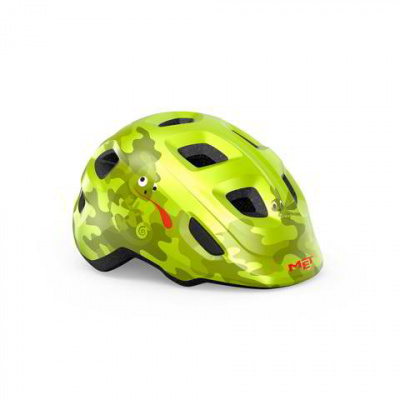
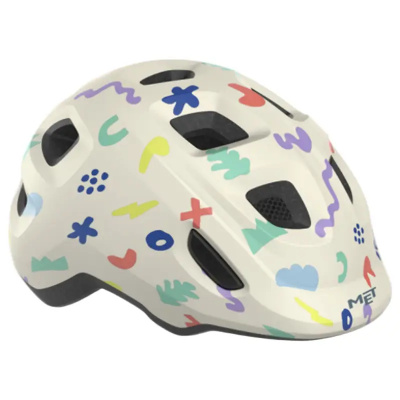
MET structures its youth range by age and riding style, and it's worth knowing which model you're actually shopping for before you start comparing prices. The MET Hooray is the starting point - designed for babies and toddlers, typically from around age one to three. Its most distinctive feature is a flattened rear profile, which means it sits comfortably when a child is reclined in a child seat rather than tipping their head forward. The Bimbi Secure geometry is standard here, and the Hooray MIPS variant adds rotational protection for those who want the full safety package at this age.
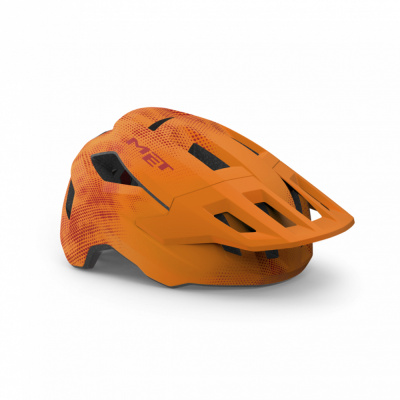
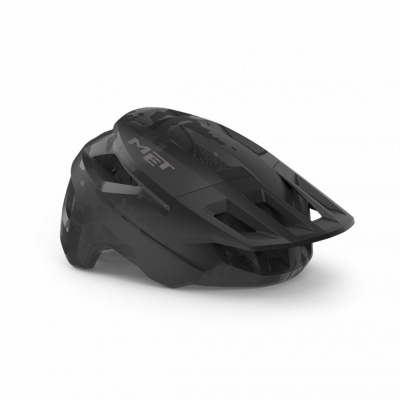
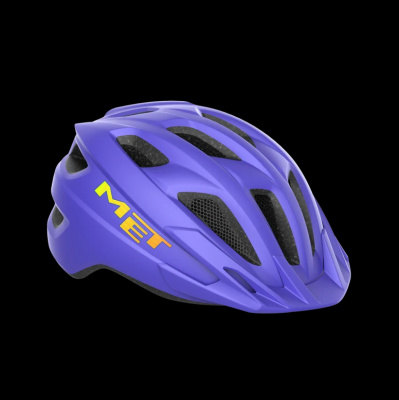
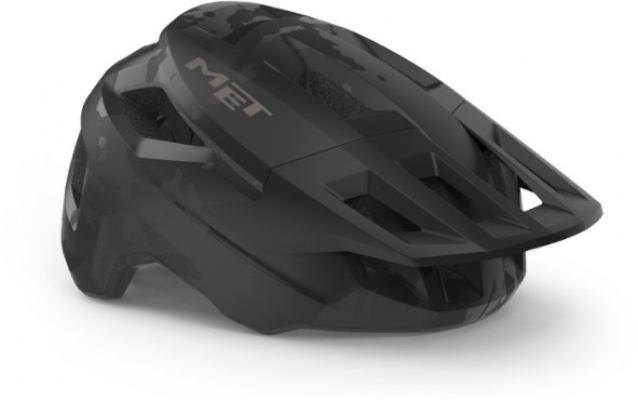
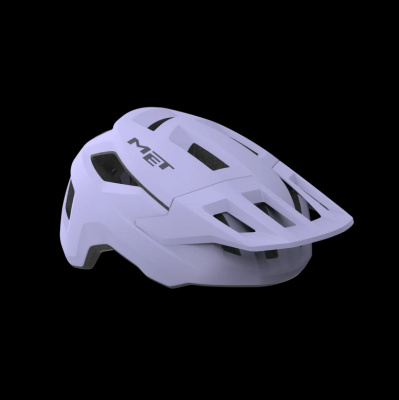
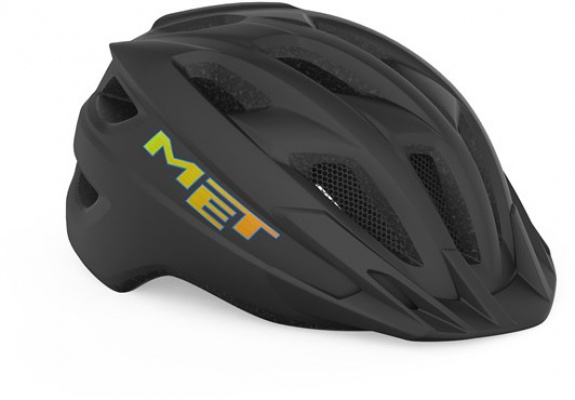
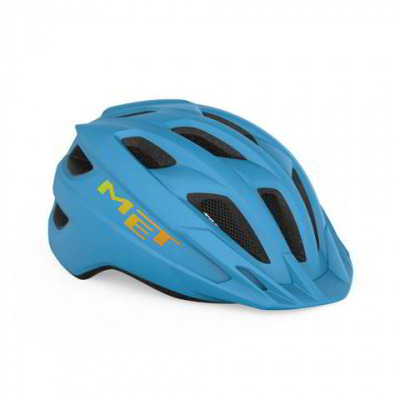
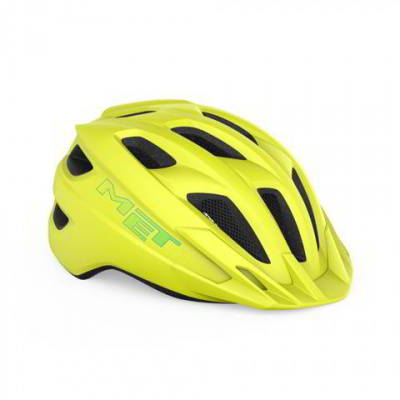
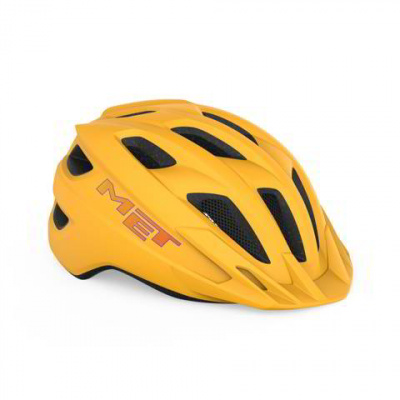
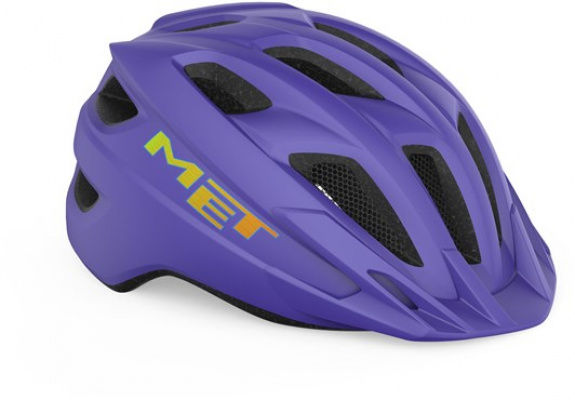
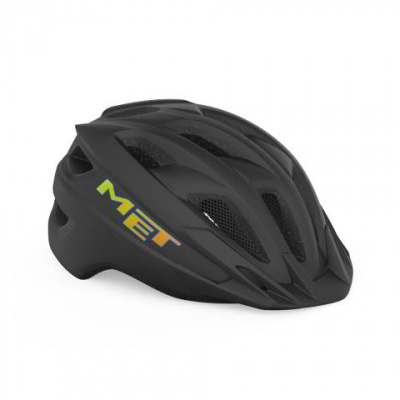
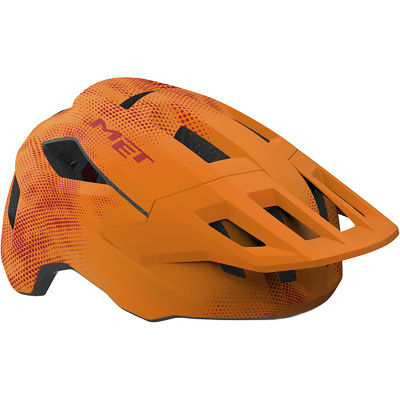
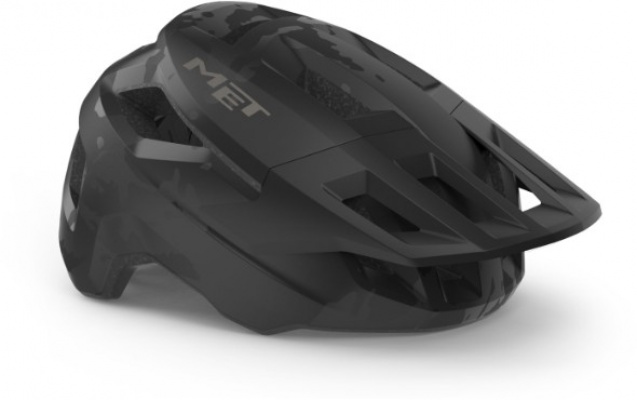
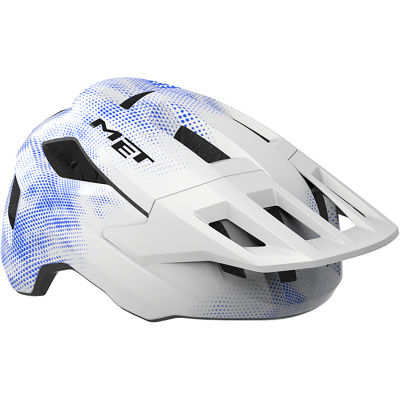
Step up to the MET Crackerjack and you're into everyday youth riding territory - school run, park laps, first two-wheelers. It's a rounder, more conventional shape without the flattened back, fitting children who are spending more time upright and active. The MET Eldar moves things toward junior trail riding, with a more aggressive profile and better ventilation suited to kids who are actually working up a sweat on their bikes. The Eldar MIPS is the one to look at if your child is starting to push harder on trails.
Across the range, the Safe-T JR fit system is the key to getting a secure fit as heads grow. The dial at the rear of the helmet tightens or loosens the retention cradle in small increments, so you're not guessing between sizes. To measure correctly, wrap a soft tape measure around your child's head roughly a centimetre above the eyebrows and ears - that circumference in centimetres is your starting point for MET's sizing chart. Buy to the lower end of a size band and the dial gives you room to grow.
If your junior rider is progressing toward more serious downhill or bike park riding and you're thinking about full-face protection, that's a different conversation. MET makes strong full-face options too - take a look at MET full face helmets for that end of the spectrum, rather than trying to stretch a trail helmet into a job it isn't built for.
Worth knowing: the dial adjustability also means there's enough room to fit a thin thermal skull cap underneath during colder months without the helmet sitting too high or rocking side to side. Useful for winter school runs or frosty weekend rides where you'd rather not swap the helmet out entirely.
UK Riding Conditions - What Actually Matters Here
A lot of helmet features read well on a spec sheet but make more sense once you put them in context. In the UK, visibility is the one that stands out immediately. Dull mornings, grey afternoons, drivers who aren't looking - integrated rear LED lights and reflective decals on MET's youth helmets do real work on school run commutes. It's not about ticking a box; it's about making sure a child on a bike is seen from behind when the light is poor. Lazer kids helmets also carry visibility features, but MET's integrated LED placement is clean and stays put.
The front-vent bug nets are one of those details that sounds minor until you're riding a canal towpath in July or threading through woodland on a humid afternoon. Insects into the face is a fast way to lose a child's enthusiasm for cycling. The nets clip into the front vents and keep the airflow without the uninvited wildlife. Easy to remove if you don't need them, simple to refit.
For year-round use, the dial adjustability earns its place again in winter. A thin merino or fleece skull cap underneath a properly fitted helmet is a common fix for cold rides, and the Safe-T JR system gives you enough range to accommodate that without the helmet becoming loose or wobbly. Tighten it back down once the cap comes off in spring. Simple. Fox kids helmets are another option worth comparing at the trail-focused end of the market, though MET's toddler-specific geometry keeps it ahead for the youngest riders.
For a broader look at what MET offers across age groups and riding styles, the full MET helmets range is worth browsing - there's more depth to the lineup than just the youth models.
MET Kids Helmets FAQs
How do I measure my child's head for a MET helmet?
Use a soft tape measure and wrap it around your child's head roughly a centimetre above the eyebrows and ears. Note the circumference in centimetres and match it to MET's sizing chart. Buy toward the lower end of a size band - the Safe-T JR dial gives you room to expand as they grow.
What age is the MET Hooray helmet for?
The MET Hooray is designed for babies and toddlers, broadly covering ages one to three. Its flattened rear shell keeps it comfortable in child seats, and the Bimbi Secure geometry protects the fontanel - the soft area at the crown of a young child's skull that standard helmets can press against.
Do MET kids helmets have MIPS?
Several models do, yes. The Hooray MIPS and Eldar MIPS both feature the MIPS-C2® rotational management system. It adds a low-friction layer inside the helmet that allows slight movement on angled impacts, reducing rotational forces to the brain. Worth the step up, particularly for active riders taking real tumbles.