
Bell Kids Helmets
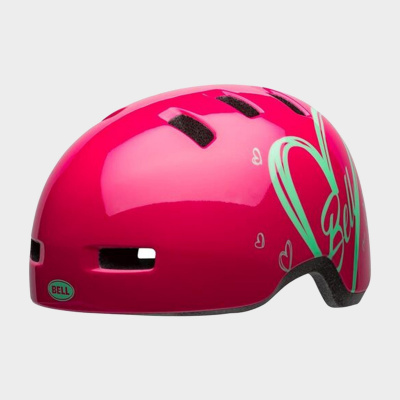
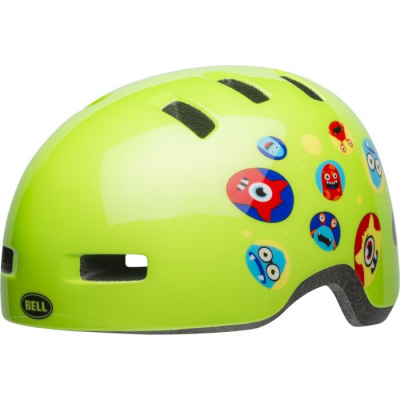
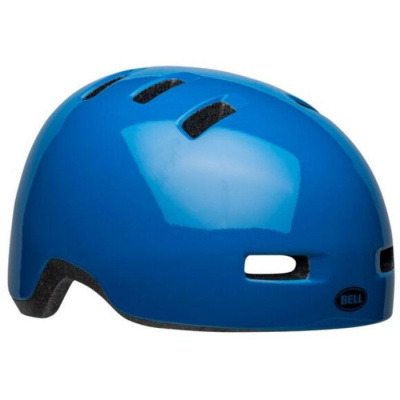
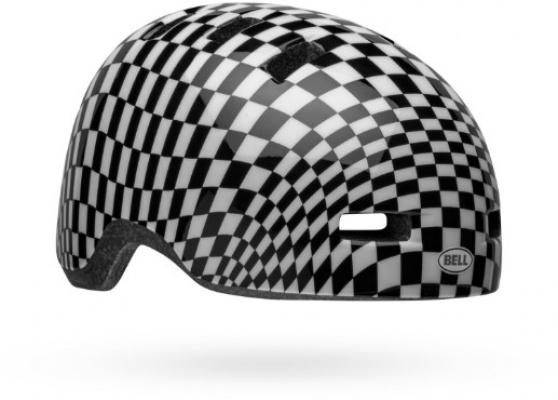
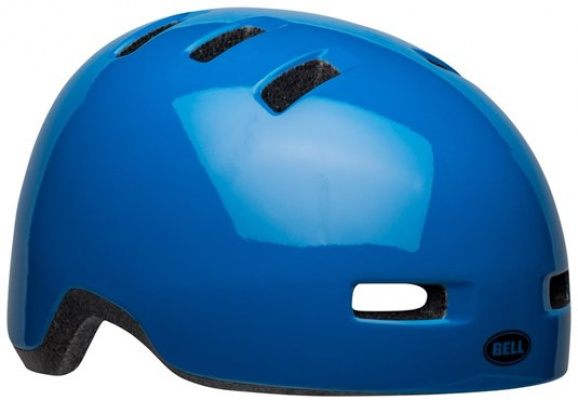
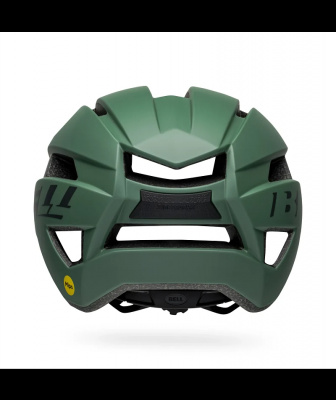
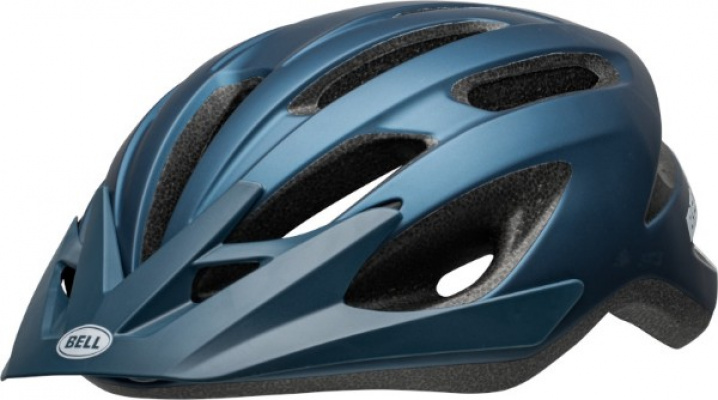
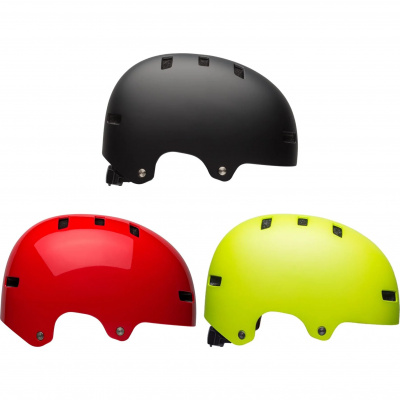
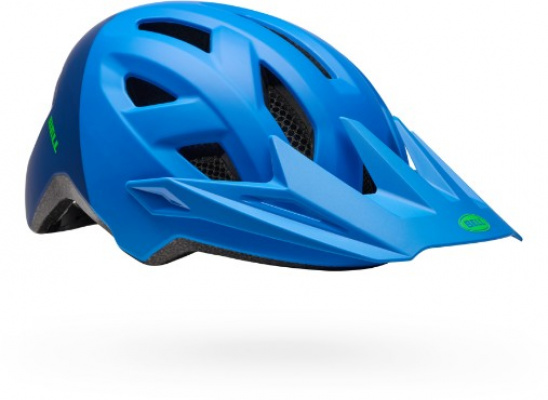
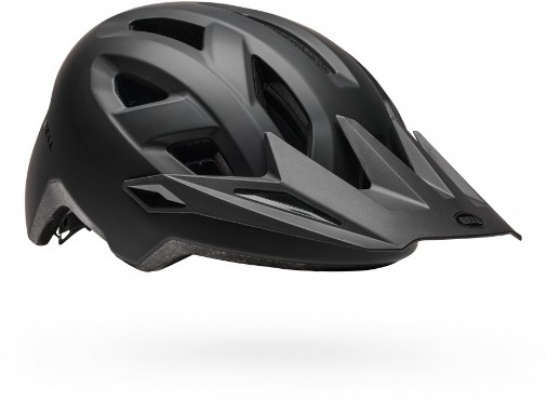
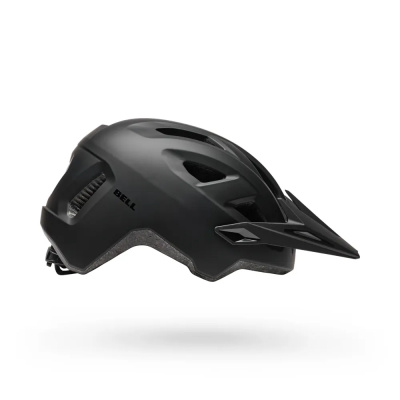
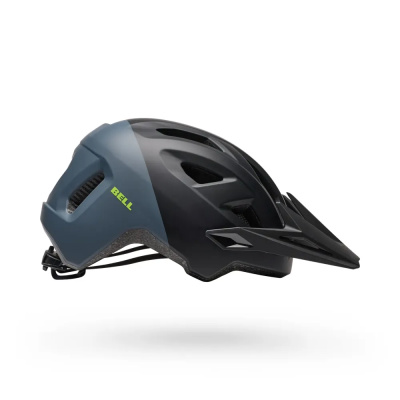
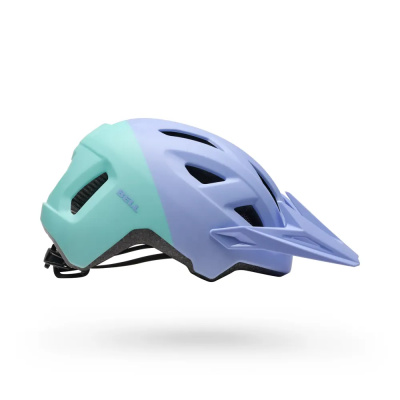
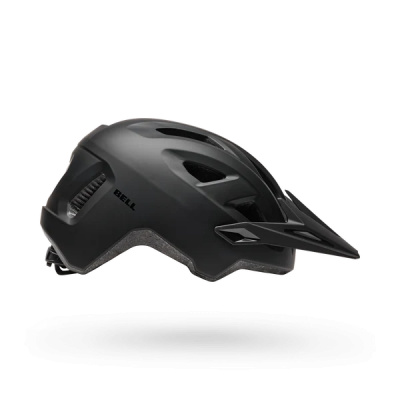
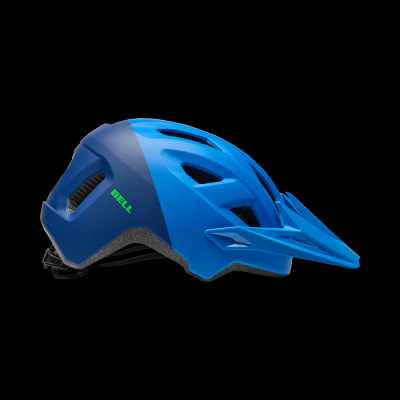
Getting a Bell kids helmet onto a reluctant four-year-old at the school gate is hard enough - fighting a fiddly buckle shouldn't be part of it. Bell kids helmets take that friction away, pairing proper safety credentials with features that actually work in the chaos of family life. The PinchGuard buckle stops the classic chin-pinch drama, the ErgoDial fit system lets you dial in the fit with one thumb while the other hand holds the bike steady, and the In-Mold polycarbonate shell with EPS foam liner keeps the weight low without compromising on impact absorption.
Bell has been at the front of helmet development for decades, and that depth shows in the details here - things like extended rear coverage that actually protects the back of a small head, and ventilation channels that stop hot ears on a muggy August family ride. Brighter colourways and reflective detailing also make a real difference on grey British afternoons when visibility is poor. Whether your child is wobbling along on a balance bike or picking up speed on a proper first ride, Bell has a size and spec to match. This is where to start.
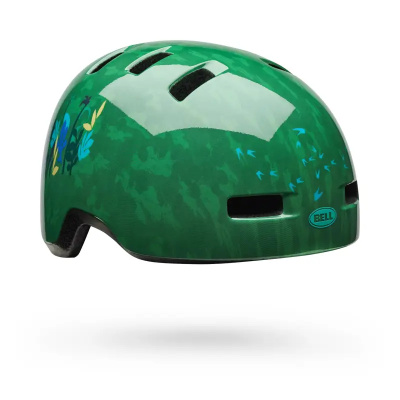
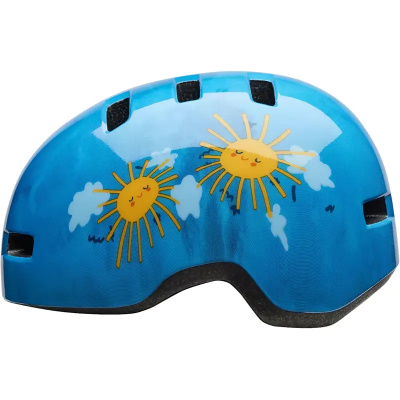
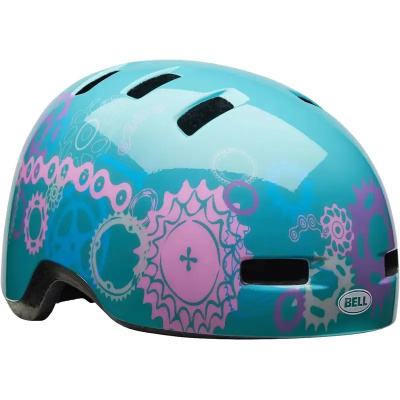
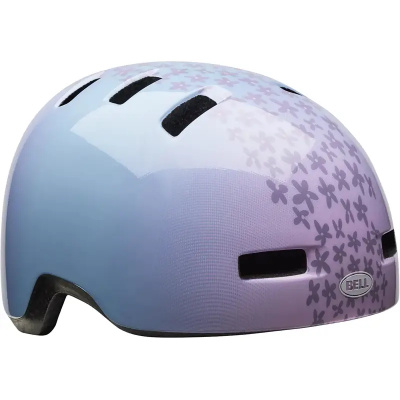
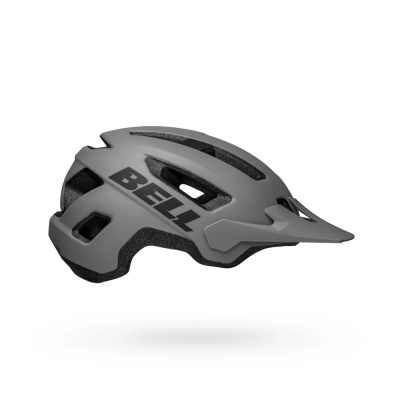
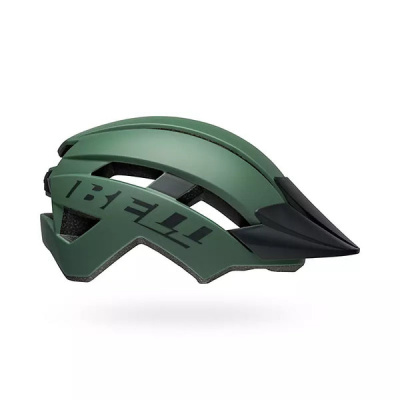
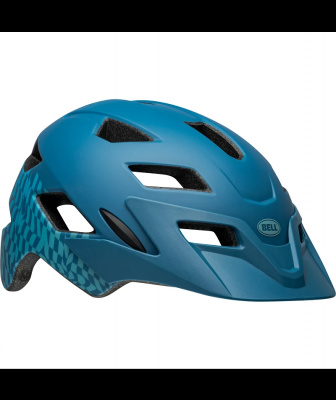
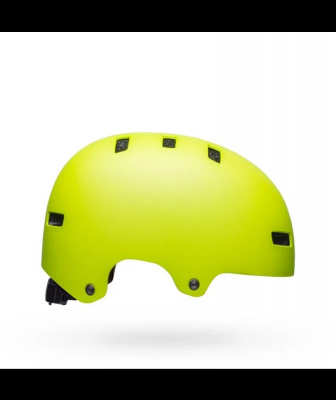
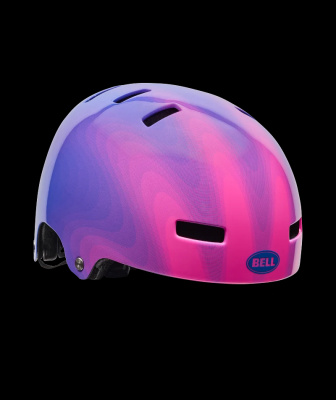
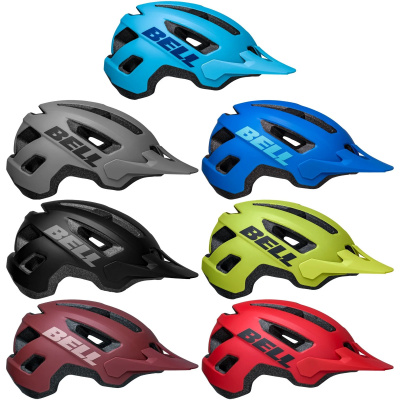
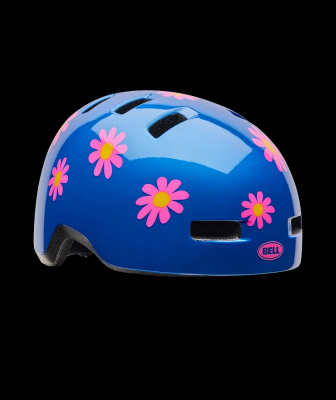
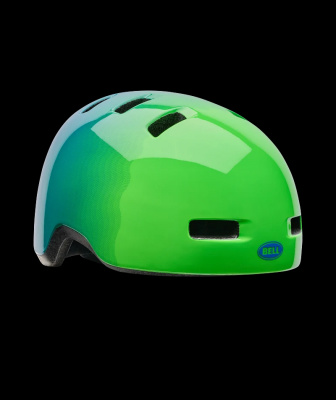
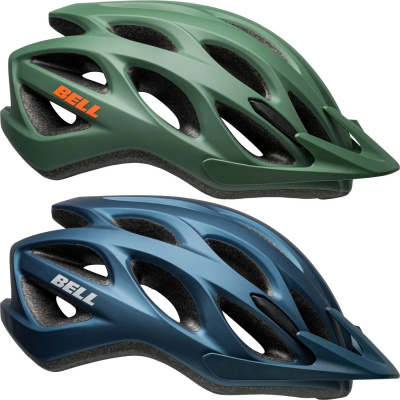
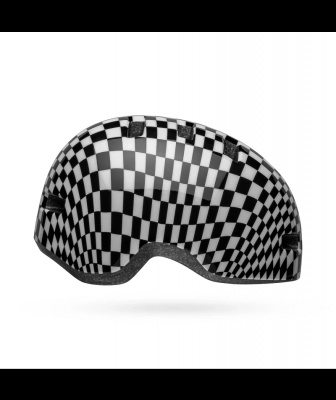
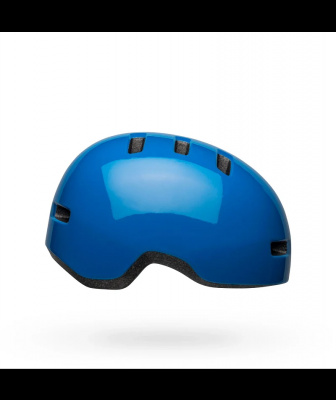
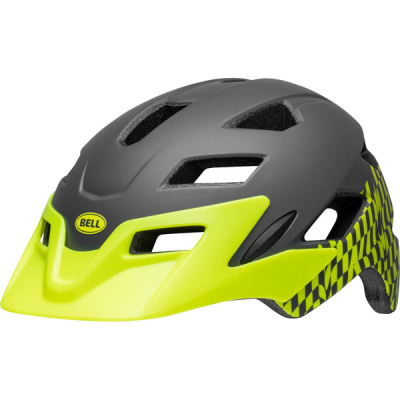
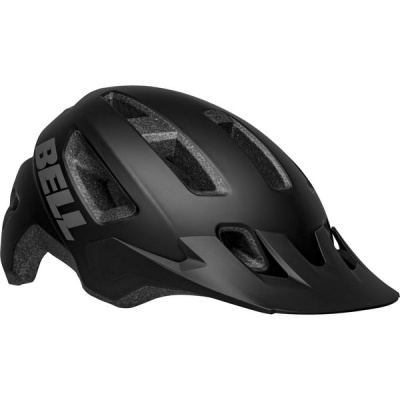
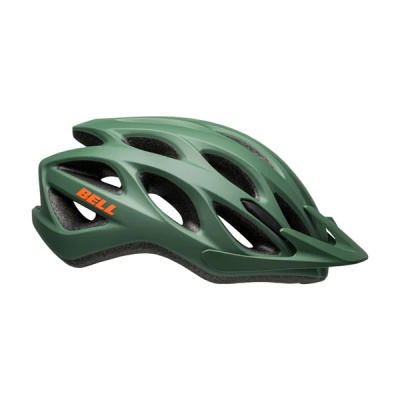
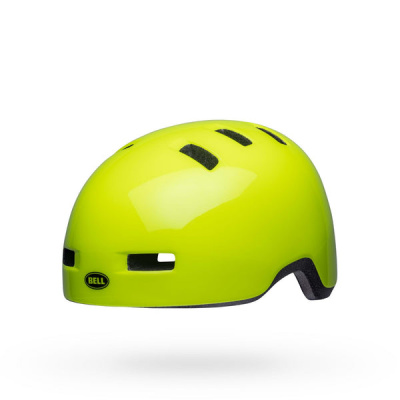
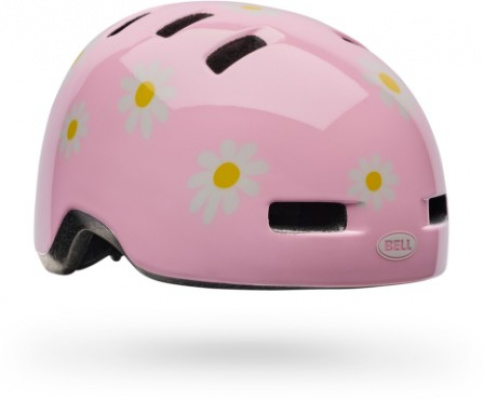
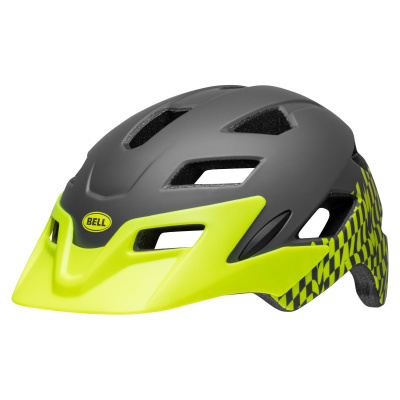
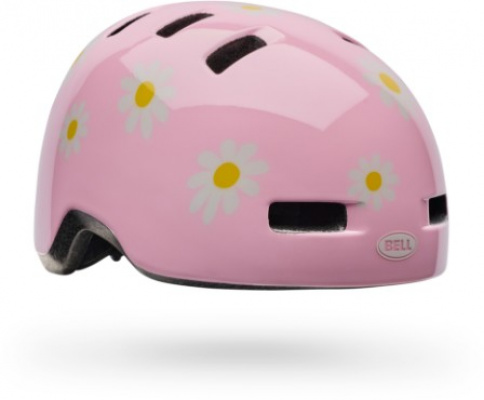
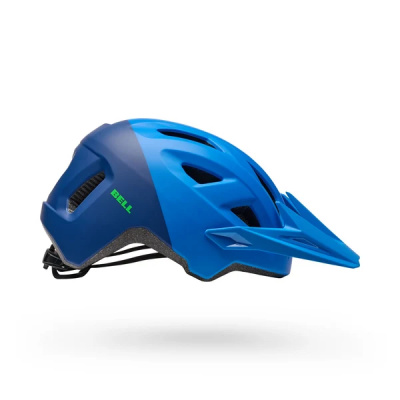
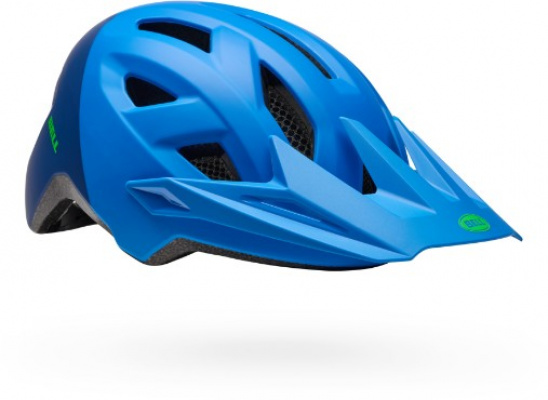
Prices and availability can change quickly. Delivery charges are not always included in listed prices.
Final price, stock status and delivery terms are set by retailer. We may receive a commission on purchases made.
How Bell Builds These Helmets - and Why It Matters
The foundation of every Bell kids helmet is an In-Mold polycarbonate shell fused directly to an EPS foam liner during manufacture. That process bonds the two layers into a single structure, which is lighter and more rigid than a helmet where the shell just clips over loose foam. Less weight on a small head means less neck fatigue - genuinely useful when your kid is riding for an hour at a time.
The EPS liner does the real impact work. It crushes in a controlled way during a strike, absorbing and dispersing energy before it reaches the skull. On Bell's premium youth models, MIPS technology adds a second layer of defence. MIPS sits a low-friction slip-plane between the shell and the rider's head, allowing a few millimetres of independent movement during an angled impact. Angled hits are the most common type in a real fall, and rotational forces are particularly harmful to developing brains - so MIPS isn't marketing fluff here, it's genuinely worth having if the budget allows.
Ventilation channels run front-to-back across the shell, pulling air over the head as the child moves. On a humid July afternoon on the South Downs family trail, that airflow keeps things bearable. The channels are sized for kids' riding speeds - not deep racing cuts, but enough to prevent the sweaty, uncomfortable lid that gets left hanging on the handlebars.
If your child is moving beyond gentle trails and into bike park jump lines or aggressive riding, open-face protection isn't enough. For that step up, take a look at the Bell full-face helmets range, where the protection brief is completely different.
Sizing the Bell Range - Toddler Through to Youth
Bell splits its kids' range into three broad profiles: toddler, child, and youth. Toddler helmets typically cover heads from around 44cm upwards, with a flatter rear profile so the head isn't pushed forward uncomfortably in a child seat. Child sizes bridge the gap through the primary school years, and youth sizes take riders up to head circumferences that begin to overlap with smaller adult fits.
The ErgoDial fit system is the feature that ties all three tiers together. It's a dial at the rear of the helmet that tightens or loosens the retention cradle in small increments. The practical upside is that a helmet bought in September doesn't necessarily become too tight by March - you can track the fit as a child grows. One-handed adjustment also means you can sort the fit while holding the bike or keeping a hand on a wobbly toddler. It sounds minor until you're doing it in a car park in the rain.
The PinchGuard buckle is the other big quality-of-life feature. The magnetic or sliding guard covers the buckle mechanism as it clicks together, preventing the under-chin skin pinch that causes genuine distress for young children and makes helmet time a battle. Once kids associate the buckle with comfort rather than pain, getting them to wear the lid stops being a negotiation.
Strap adjustment is worth checking at purchase - the straps should form a V-shape below each ear, with the buckle sitting flat under the chin. A couple of minutes sorting this when the helmet is new saves a lot of trouble later. If you're comparing options from other brands, Giro kids helmets and Lazer kids helmets offer similar fit systems and are worth a look for sizing comparisons. MET kids helmets are another strong alternative if you want a broader shortlist.
Once your child has outgrown the youth sizes, the logical next step is the Bell adult helmets range, where the fit systems and construction carry over into full adult sizing.
Winter Riding, Beanies, and Keeping It Clean
One underrated benefit of the ErgoDial system in the UK context is how it handles layering. On a cold January school run or a damp half-term ride in the Peak District, a thin thermal skull cap under the helmet makes a real difference for small ears. A fixed-fit helmet becomes too tight the moment a beanie goes on. The dial fixes that - loosen two or three clicks, fit the cap, snug it back up, and the helmet still sits correctly without sitting proud at the back.
The key is using a thin, close-fitting cap rather than a thick beanie. Anything too bulky pushes the helmet up off the forehead, which compromises the protection zone. A proper cycling-specific thermal cap or a light merino skullcap keeps warmth without bulk. Worth keeping one in the bag through October to March.
Cleaning is straightforward but easy to neglect. After a muddy puddle-splashing session - and there will be many - wipe down the shell with a damp cloth and mild soap. Don't soak the EPS foam liner or use solvents, as both can degrade the foam's structure over time. The straps can be cleaned gently with soapy water and left to air dry. If the internal pads are looking tired or smelling ripe, replacement pad kits are available through helmet spares, and fitting them takes about two minutes.
One firm rule: if the helmet takes a significant impact - a proper fall where the head contacts the ground - replace it, even if the shell looks fine. EPS foam is a single-use material. The crush that absorbed the impact has used up that protection. It won't perform the same way a second time.
Bell Kids Helmets FAQs
How do I measure my child's head for a Bell helmet?
Wrap a soft tape measure around your child's head about 2.5cm above the eyebrows - that's the widest part of the skull. Note the circumference in centimetres, then match it to Bell's sizing chart. The helmet should sit level, not tilted back, with about two fingers' width above the eyebrows.
Are Bell toddler helmets suitable for balance bikes?
Yes. Bell toddler helmets are designed with a flatter rear profile specifically so they don't push a small head forward - useful both on a balance bike and in a child seat. The extended rear coverage protects the back of the skull, and the low weight keeps it comfortable for long sessions at low speed.
Do Bell kids helmets feature MIPS technology?
Several Bell youth and kids models include MIPS - it's more common in the mid-range and premium tiers than entry-level options. MIPS adds a slip-plane layer that reduces rotational forces during angled impacts, which are the most typical in a real fall. It's worth looking for if your child is riding regularly or on anything beyond flat paths.