
Bontrager Mini Pumps
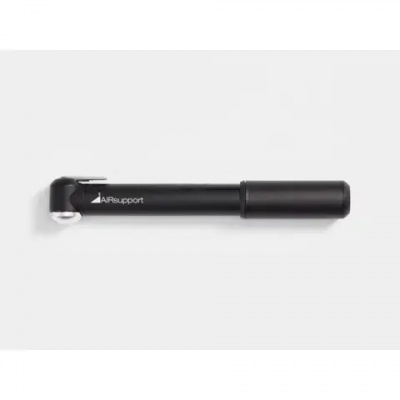
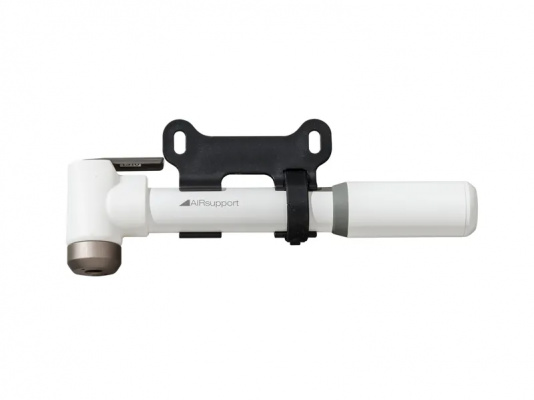
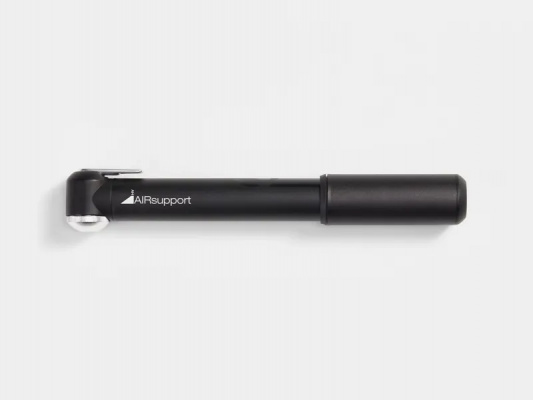
Bontrager mini pumps are the kind of kit you only appreciate when everything else has gone wrong - flat tyre, ten miles from the van, drizzle setting in. Bontrager's portable pump range is built around durable alloy barrel construction and their proprietary Auto-Select valve head, which switches cleanly between Presta and Schrader without you fumbling with internal grommets at the roadside. That matters more than it sounds when your hands are cold.
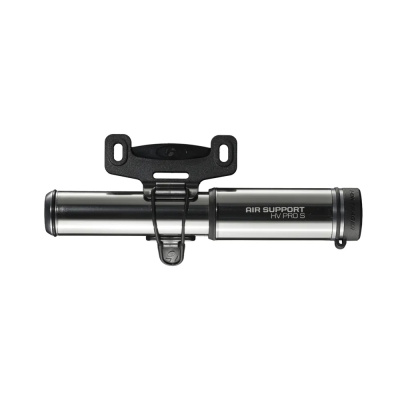
The range splits clearly by purpose. High Pressure (HP) models are tuned for road bikes, where narrow barrels make it physically manageable to hit 90 PSI or above. High Volume (HV) models push more air per stroke, getting wider MTB and gravel tyres back to a rideable pressure without your arms giving out. Whether you're patching a tube on a Welsh lane or sorting a flat mid-loop in the Peaks, there's a Bontrager pump sized and specced for the job.
This page covers portable hand pumps only. For suspension setup, head to our Bontrager shock pumps. For home workshop inflation, see our Bontrager track pumps. For rapid roadside top-ups, check our Bontrager CO2 inflators and canisters.
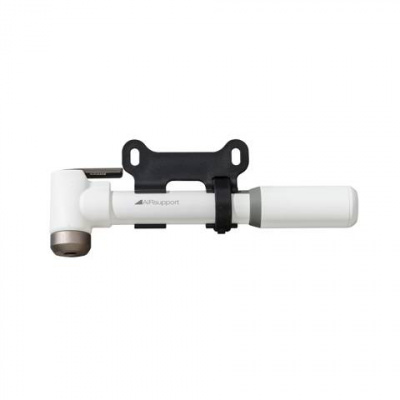
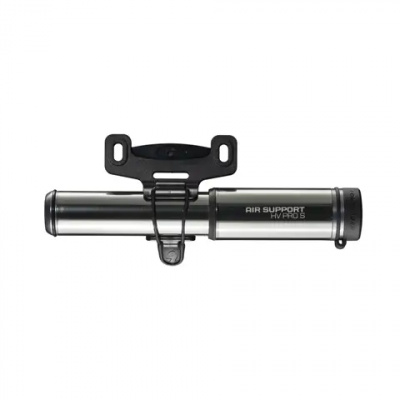
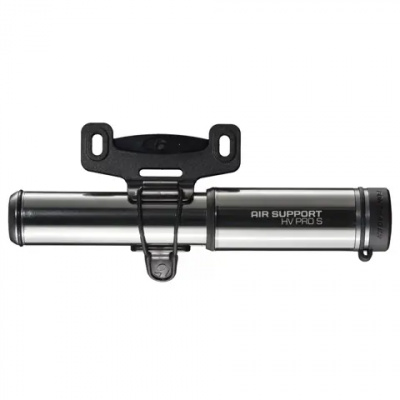
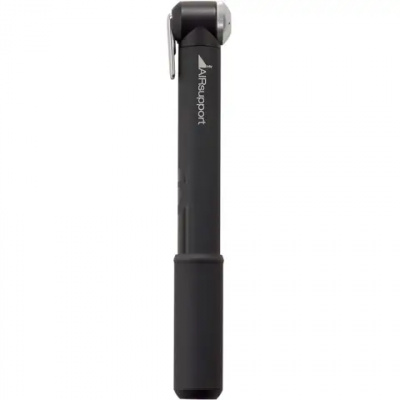
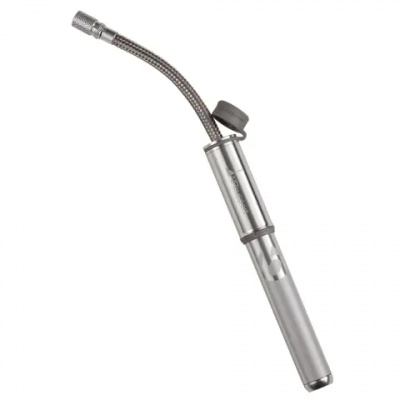
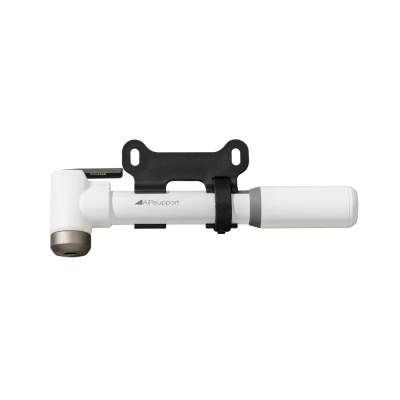
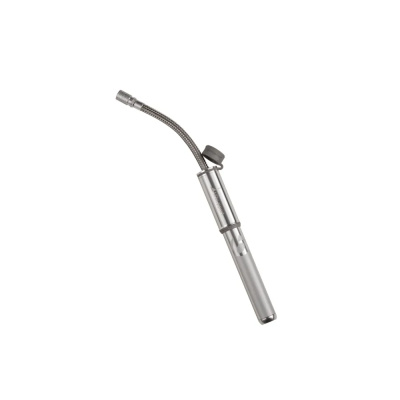
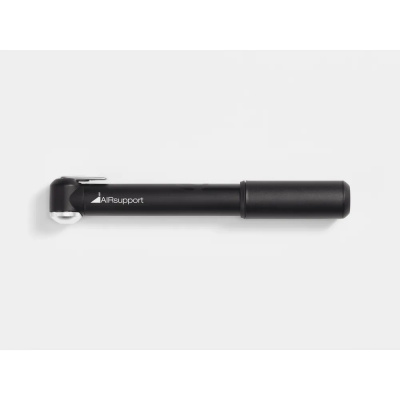
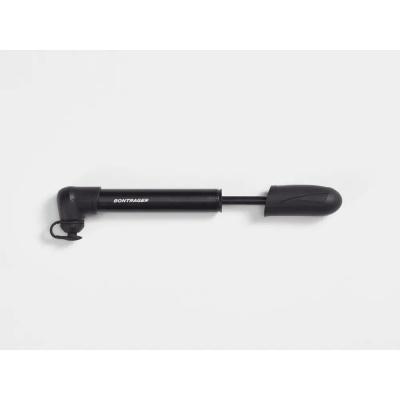
Prices and availability can change quickly. Delivery charges are not always included in listed prices.
Final price, stock status and delivery terms are set by retailer. We may receive a commission on purchases made.
Valve Compatibility and How the Auto-Select Head Works
Most mini pumps still rely on a reversible rubber grommet inside the chuck - flip it one way for Presta, flip it the other for Schrader. Fiddly at the best of times, genuinely infuriating in the wet. Bontrager's Auto-Select valve head skips all of that. Push it onto a Presta valve and it seals automatically; do the same on a Schrader and it adjusts without you touching a thing. No loose parts to drop in a puddle, no second-guessing which way the grommet goes.
Mounting is handled by a standard bracket that sits neatly under a bottle cage bolt - no tools needed, and it works with most road and MTB frames without modification. Worth checking clearance on full-suspension bikes with tight down-tube routing, but for the vast majority of frames it's a straightforward fit.
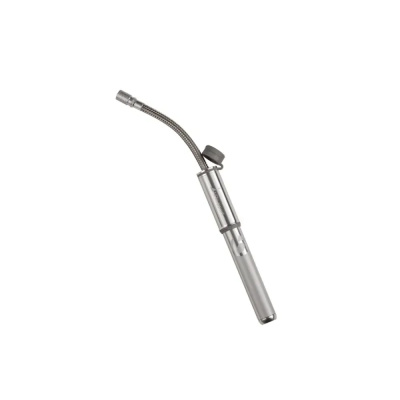
One thing worth knowing before you buy: if you're using a pump with a rigid, direct-fit head on a Presta valve, there's a real risk of snapping the valve core - especially if the pump twists sideways under load. Bontrager's premium models solve this with a hidden extendable hose that keeps the pump body stable while you stroke, so the valve isn't taking any sideways stress. If you run lightweight tubes with fragile Presta cores, or you find roadside pumping awkward, spend the extra and get a model with the hose. It's the difference between a clean fix and a walk home.
HP vs HV: Choosing the Right Barrel for Your Bike
The barrel diameter is what actually determines whether a mini pump suits your bike. It's straightforward physics. A narrow High Pressure (HP) barrel moves less air per stroke, but that smaller volume means each push builds pressure more efficiently - which is exactly what you need when you're trying to get a 25mm road tyre back to 90 PSI or above. Try doing that with a wide-bore pump and your arms will be done long before the tyre's rideable.
Flip the scenario to a 2.4-inch MTB tyre and the maths reverses. A High Volume (HV) barrel pushes significantly more air per stroke, so you're not standing there doing 200 pumps to get to 30 PSI. The trade-off is that HV pumps plateau earlier - they'll get you to a safe pressure on a chunky tyre quickly, but they won't reach the upper ranges that road bikes need. Pick the pump that matches your tyre width, not the one that looks nicest on the shelf.
Bontrager's entry-level Core models cover the basics well - composite bodies keep weight down, the Auto-Select head is present across the range, and they clip onto a frame without drama. The Pro tier steps up to CNC-machined alloy construction, which gives a noticeably more solid stroke feel and better longevity if the pump is rattling around under a bottle cage week after week. Pro models also get the hidden extendable hose as standard. If you're a regular rider who patches tubes often - commuting through winter, doing long gravel days - the Pro build quality justifies the gap. Occasional riders or those who prefer a Lezyne mini pump or a Topeak mini pump as a benchmark will find the Core range more than adequate for comparison.
Gravel riders sit in an interesting middle ground. If you're running tyres between 38mm and 50mm, an HV pump gets you moving faster, but check the maximum rated PSI on the model you're looking at - some HV pumps top out lower than you'd want for a harder gravel setup. Pair whichever pump you choose with a spare Bontrager inner tube in your Bontrager saddle bag and you've got a complete roadside repair kit that weighs almost nothing.
Keeping Your Pump Working Through a UK Winter
A mini pump that seizes up in February is worse than no pump at all - at least then you'd have packed a CO2. UK riding means road spray, grit, and mud finding their way into places they shouldn't, and mini pumps are not immune. The locking lever on the valve head is the first thing to suffer: road salt and fine grit work into the pivot and it stops closing cleanly, which means you're losing air every stroke. Give it a quick rinse after mucky rides and dry it off before it goes back on the frame.
The O-ring seal on the main shaft is the other component to watch. In cold, damp conditions, rubber dries and contracts faster than you'd expect, and a degraded O-ring means a pump that loses pressure with every stroke rather than building it. A small drop of silicone lubricant on the shaft every couple of months - more often through winter - keeps the seal supple and the stroke smooth. Don't use petroleum-based products; they swell rubber over time and you'll end up with a worse seal than you started with.
If your pump lives clipped to a frame rather than in a bag, the Auto-Select head is also exposed to whatever the road throws at it. A bit of dried mud packed into the head can stop it seating cleanly on a valve, which is a frustration you really don't need mid-ride. A quick blast with a water bottle to clear the head before you use it costs nothing. Brands like SKS and Specialized take broadly similar approaches to sealed heads, so this isn't a Bontrager-specific gripe - it's just the reality of frame-mounted pumps in British conditions.
One final thing: if you run tubeless on either your road tyres or MTB tyres, carry a CO2 inflator as your primary tool for bead seating. A mini pump simply can't deliver the sudden volume of air needed to pop a tubeless bead onto a rim - it's not a Bontrager limitation, it's a physical one. The mini pump is then your backup for topping up pressure once the bead is seated and the sealant has done its job.
Bontrager Mini Pumps FAQs
How do you use a Bontrager mini pump on a Presta valve?
Open the Presta valve by unscrewing the brass tip a few turns, then push the Auto-Select head firmly straight onto the valve stem. Flip the locking lever to lock it in place - you'll feel the seal engage - then pump. The Auto-Select head adjusts to Presta automatically, so there's nothing to swap or reconfigure inside the chuck.
What is the difference between high volume and high pressure mini pumps?
High Volume (HV) pumps have a wider barrel that moves more air per stroke, making them far more practical for MTB and gravel tyres where you need volume quickly at lower PSI. High Pressure (HP) pumps use a narrower barrel, which makes it physically manageable to push air into a road tyre at 80 - 100 PSI without the stroke becoming impossible to complete.
Can a mini pump inflate a tubeless tyre?
Not for initial bead seating. That requires a rapid, large burst of air that a mini pump can't generate - the bead simply won't pop onto the rim. A CO2 inflator is the right tool for trailside tubeless setup. Once the bead is seated, a mini pump works fine for adjusting running pressure.