
Bontrager MTB Tyres
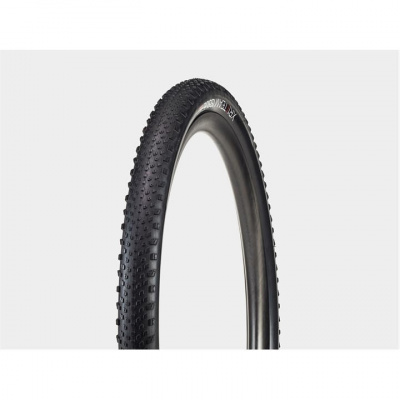
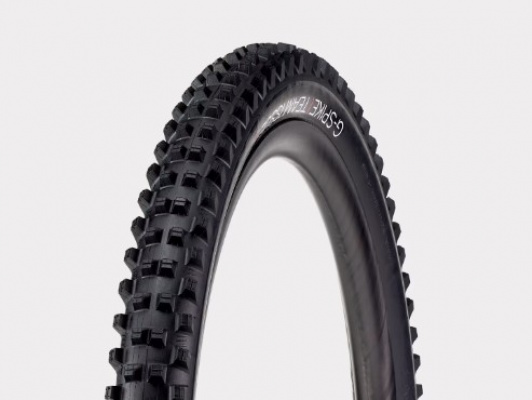
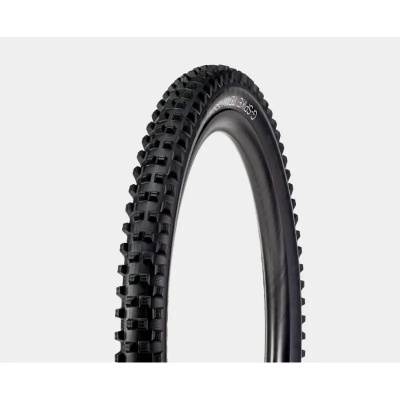
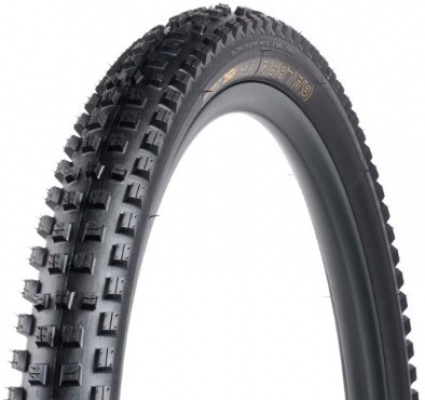
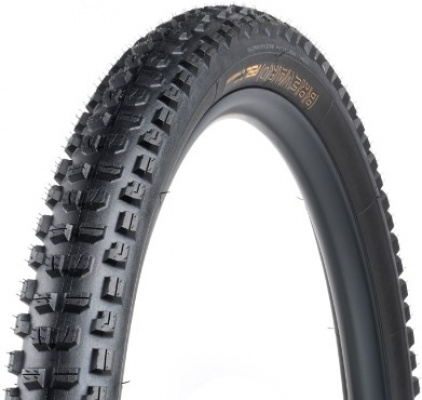
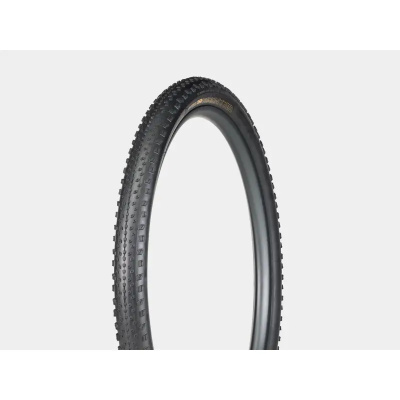
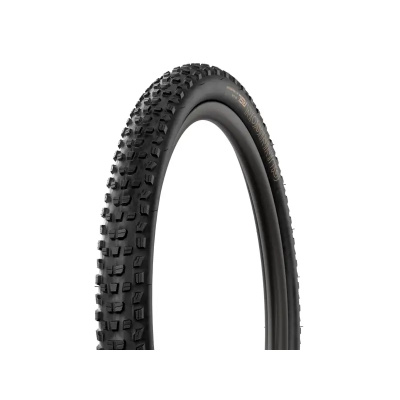
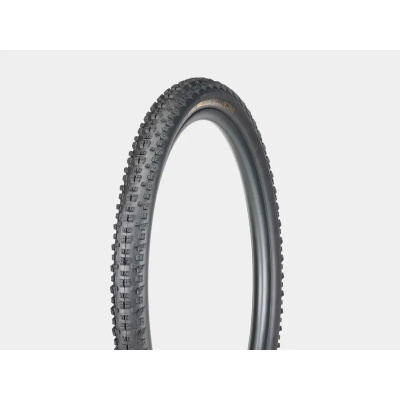
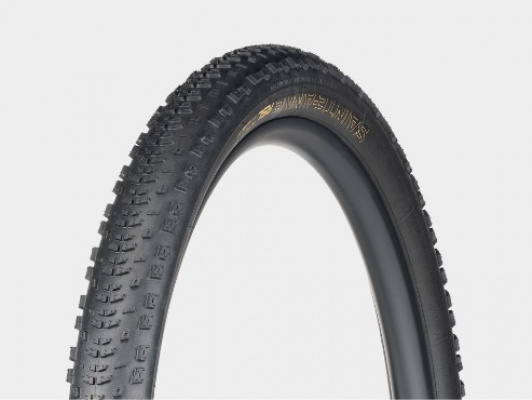
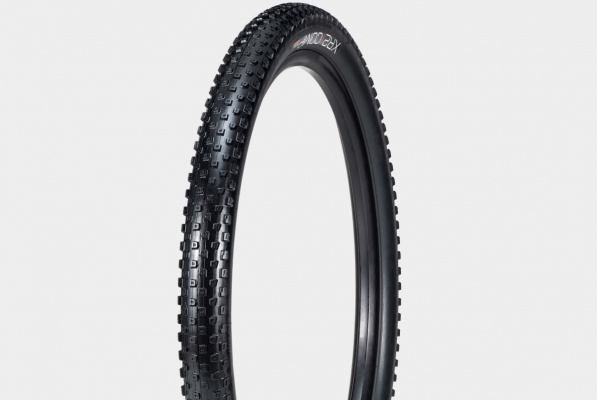
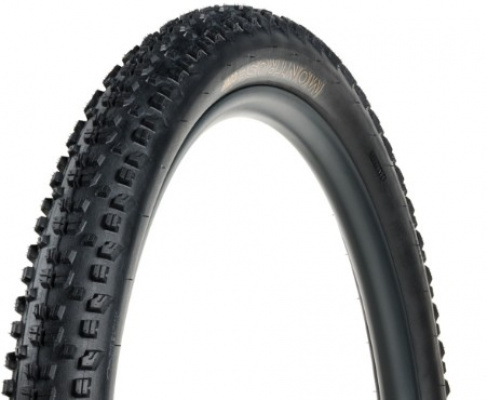
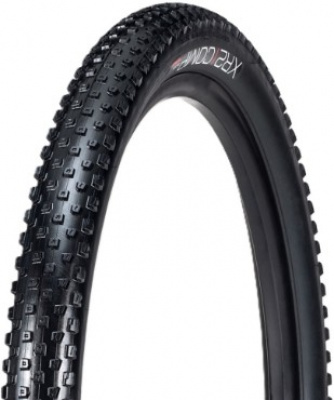
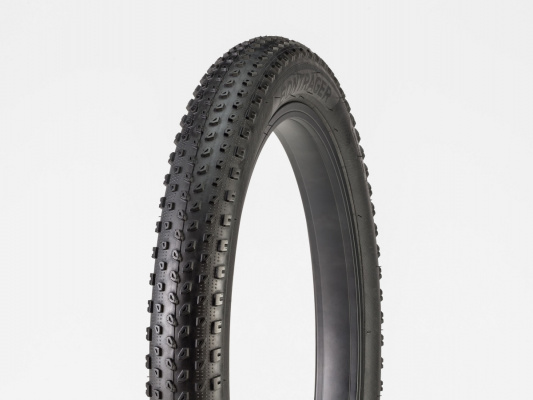
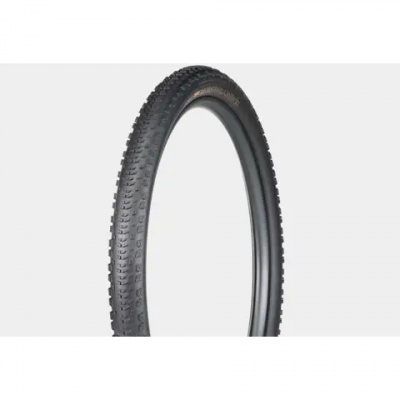
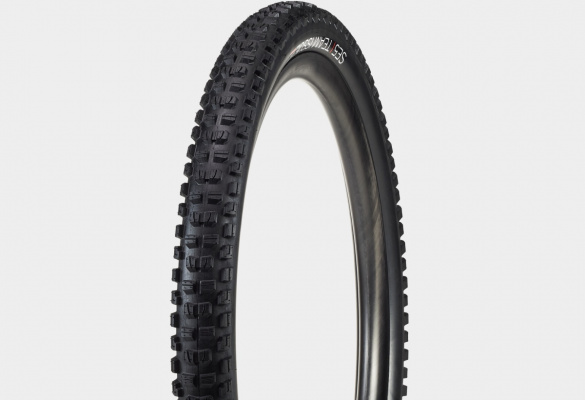
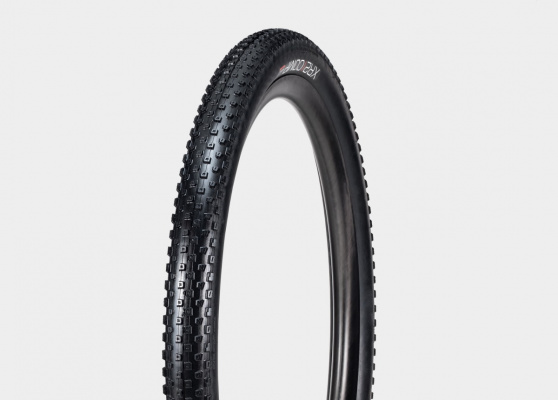
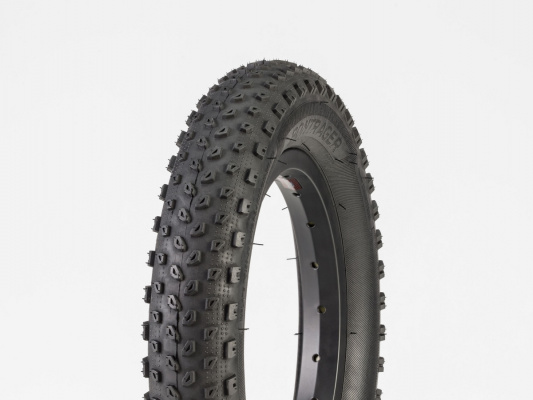
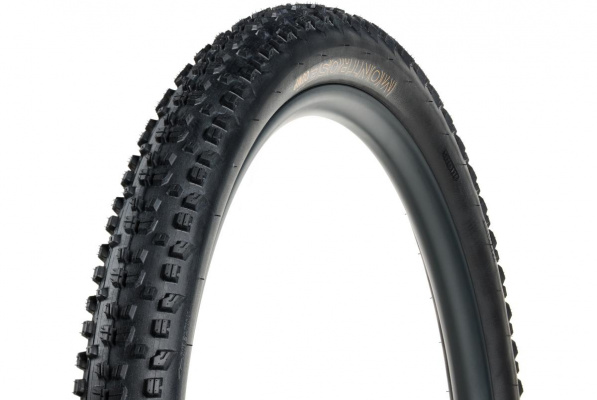
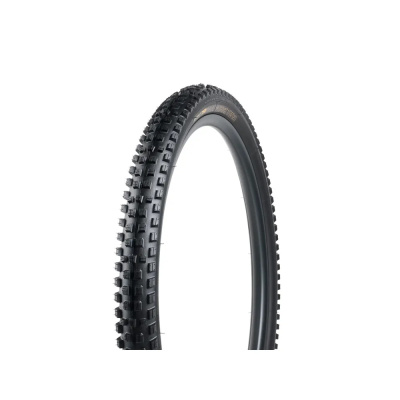
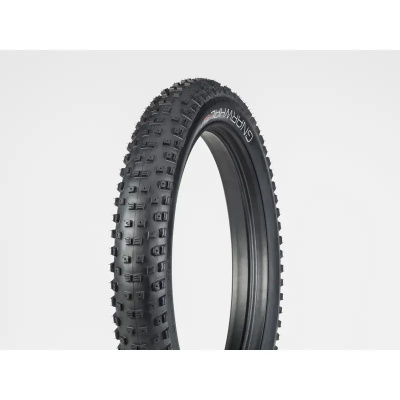
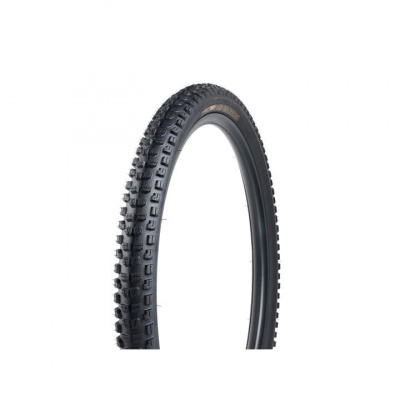
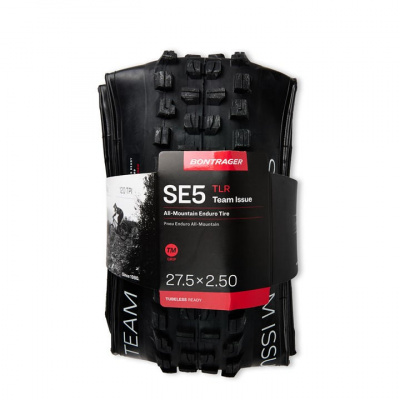
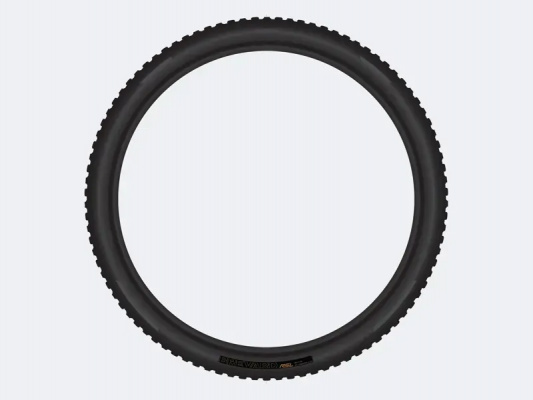
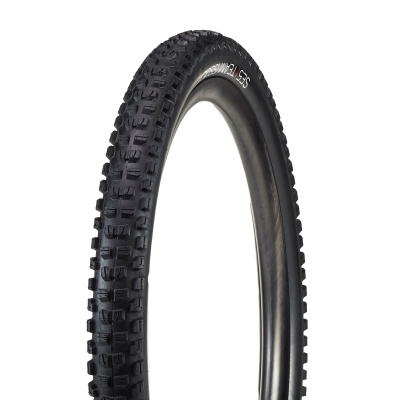
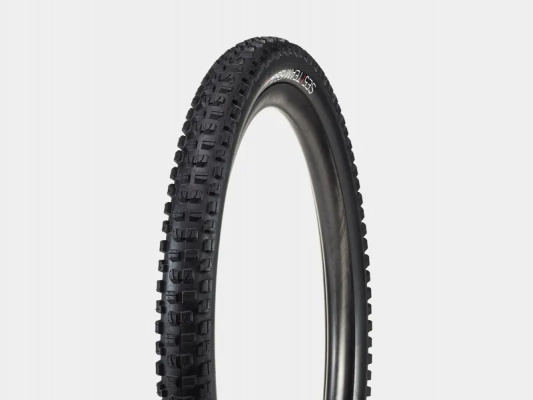
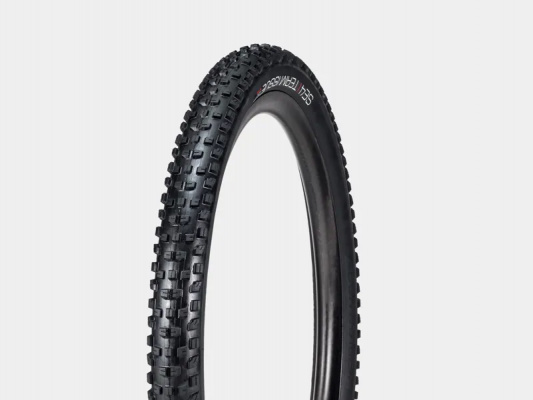
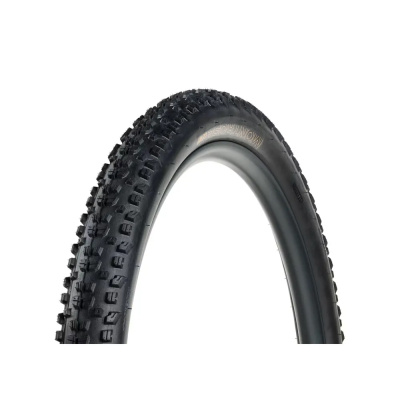
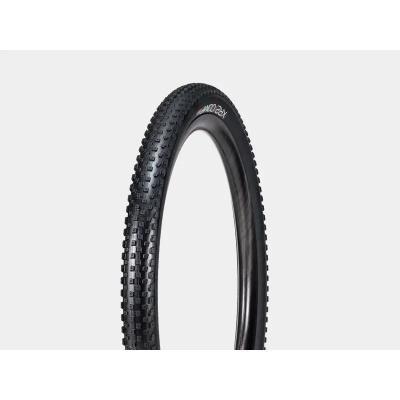
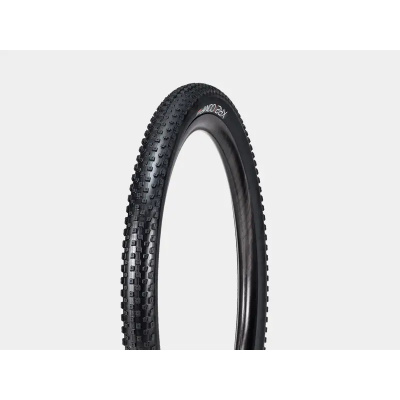
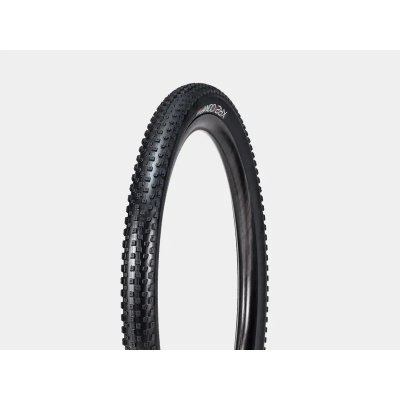
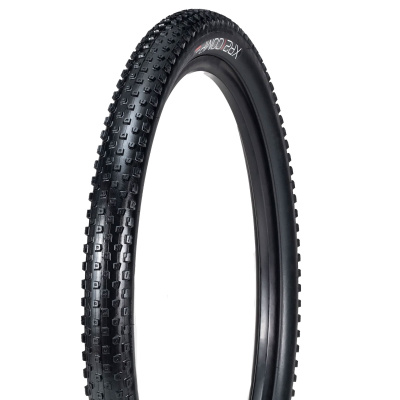
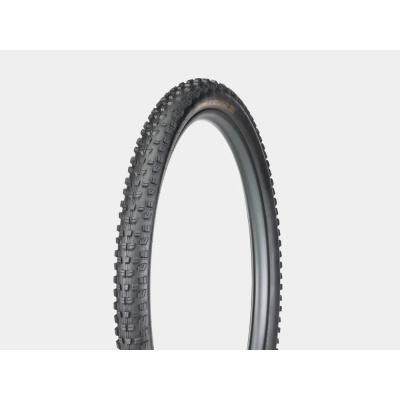
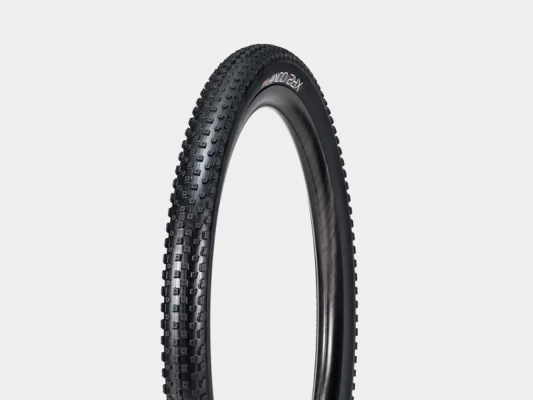
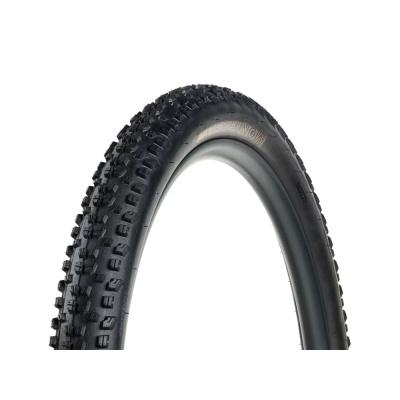
Bontrager MTB tyres sit at the sharper end of the market - developed alongside Trek Factory Racing, they're tuned to real race feedback rather than marketing schedules. The lineup splits cleanly between the cross-country-leaning XR series and the burlier SE (Super Enduro) range, with every meaningful variant available in a TLR (Tubeless Ready) format that makes tubeless setup far less of a faff than it used to be. At the heart of the better models is Bontrager's TM-Grip compound, a dual-compound rubber that keeps braking bite honest when you hit wet roots or greasy chalk - conditions that expose budget rubber almost immediately. Whether you're threading your way through the tight singletrack of the South Downs or grinding out a winter loop in the Peaks, there's a Bontrager tread pattern built for it. Choose Comp spec if the budget's tight; step up to Team Issue for the 120 TPI folding casing and the compound that actually makes a difference in the wet. Compare current UK prices across retailers below and we'll help you work out which model fits your riding.
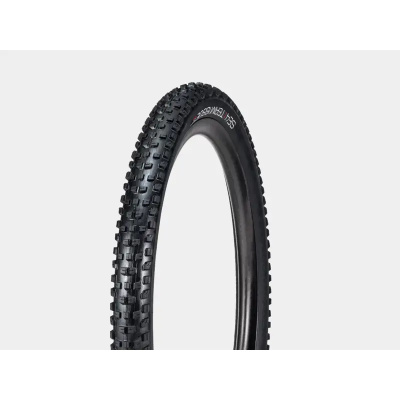
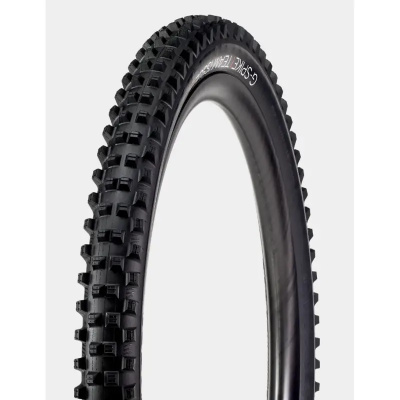
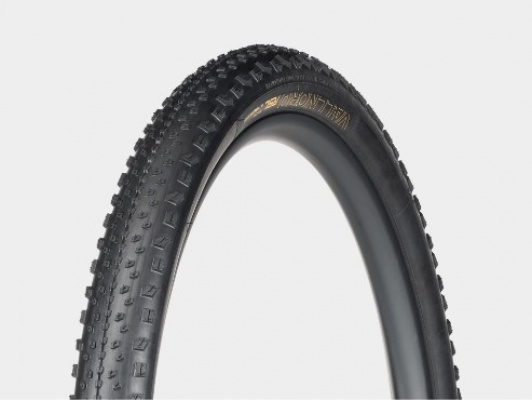
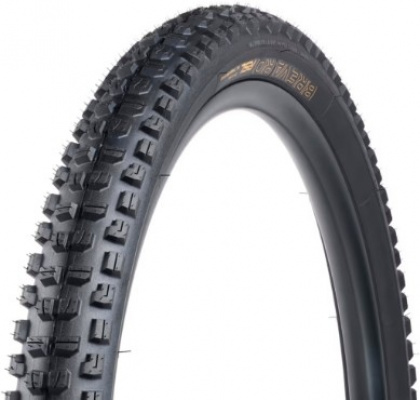
Prices and availability can change quickly. Delivery charges are not always included in listed prices.
Final price, stock status and delivery terms are set by retailer. We may receive a commission on purchases made.
Sizing, Rim Compatibility and Frame Clearance
Bontrager's TLR (Tubeless Ready) system is engineered to seat cleanly on both standard hooked rims and modern hookless rims - useful given how many trail and enduro wheels have gone hookless over the last few years. The pairing that works best is a 2.4" to 2.6" tyre on a rim with 29 - 30mm internal width. Go narrower on the rim and you lose the tread's intended profile; go wider and the sidewalls fold unpredictably under hard cornering loads. Worth checking before you buy.
The 2.6" high-volume options - particularly in the SE line - are worth a clearance check on older full-suspension frames. Many bikes from five or six years ago weren't designed with that volume in mind, and a tyre that rubs the chainstay at full suspension compression is nobody's idea of a good time. If you're running a modern trail or enduro frame from the last three seasons, you'll almost certainly be fine. If it's older, pull out the tape measure before you commit. Bontrager tyres are also compatible with standard clincher rims if you're running tubes, though you'd be leaving measurable performance on the table compared to a tubeless setup.
XR vs SE: What the Letters Actually Mean
Bontrager's naming convention is more logical than most once you know the key: XR stands for Cross-Country/Trail, SE for Super Enduro. Both families share tread patterns - the number suffix (XR4, SE4, and so on) indicates the aggression level of the knobs - but the casings are fundamentally different animals.
XR tyres use Bontrager's Inner Strength casing, a lightweight sidewall construction aimed at keeping the rotational weight down for riders who spend more time climbing than descending. SE tyres get the Core Strength casing, which adds protection both beneath the tread and along the sidewalls. That extra material adds grams, but it's the difference between a slashed sidewall on sharp Peak District grit and a tyre that shrugs the same rock off and keeps going. If you're regularly riding rowdy Enduro-style lines or shuttling in North Wales, the SE casing pays for itself quickly.
Within each family, spec level matters too. Comp variants use a wire bead and 60 TPI casing - functional, heavier, and fine for riders who aren't chasing every gram. Team Issue models switch to a folding bead and 120 TPI construction, which gives a noticeably more supple feel and better contouring over rough ground. Team Issue also gets the TM-Grip dual compound: a harder centre strip for rolling efficiency, softer shoulder knobs for grip when the tyre leans into a corner. That's the version worth spending up for. For comparison, Maxxis MTB tyres use a similar tier system with their EXO and Double Down casings, and Continental MTB tyres split along equivalent lines with their Protection and Endurance casings - so the logic translates if you're switching brands.
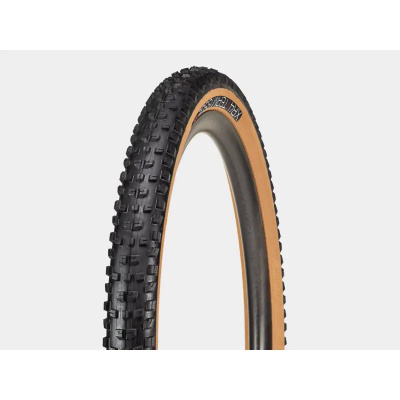
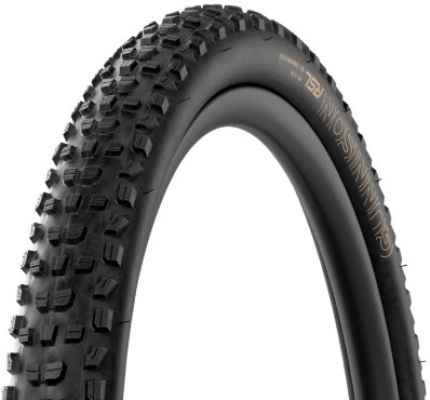
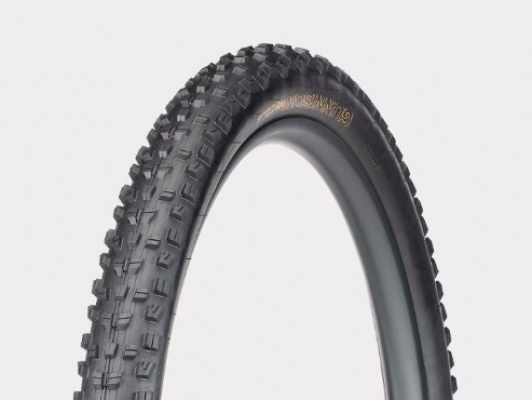
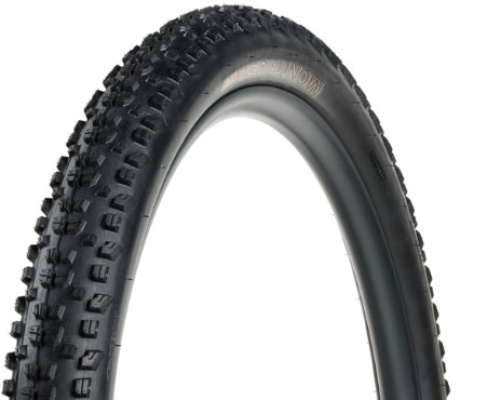
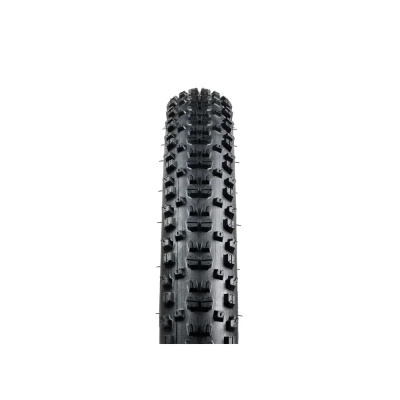
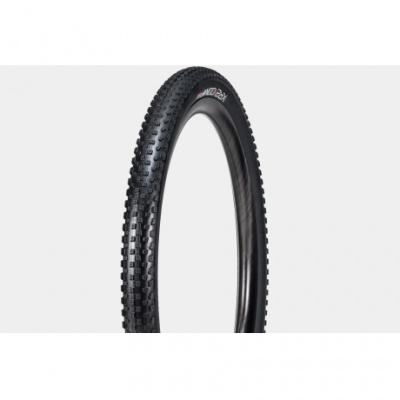
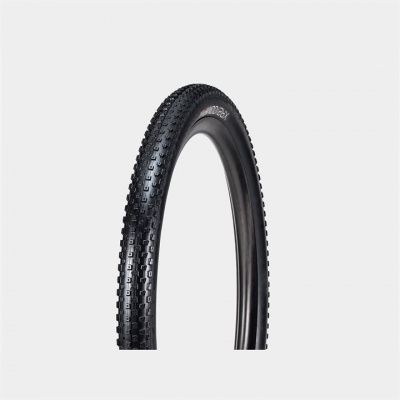
Two newer tread names worth knowing: Sainte-Anne sits in the XC-oriented end of the range with fast-rolling, low-profile knobs built for hardpack and dry loam. Gunnison occupies the trail middle ground - more shoulder knob height than Sainte-Anne, enough tread spacing to deal with loose-over-hard without going full mud spec. If you're unsure which tread to pick, the Gunnison is probably the more sensible starting point for mixed UK conditions.
If Bontrager's range doesn't quite match your riding style, WTB MTB tyres and Specialized MTB tyres both offer comparable tread-aggression tiers worth comparing side by side.
Running Bontrager Tyres in UK Conditions
British trails don't make life easy for tyres. Wet roots in autumn can be almost frictionless; chalk on the North and South Downs goes greasy in minutes after rain; and the flint scattered across southern England's bridleways is genuinely vicious on sidewalls. That last point matters more than most riders expect - a slash through an XR sidewall mid-descent is a walk-out situation. On any route where flint or sharp shale is in play, the SE casing with its Core Strength sidewall reinforcement is worth the weight penalty. Think of it as cheap insurance.
For deep winter slop - the kind of riding you get on Lancashire lanes or in the Brecon Beacons after a week of rain - you want wide-spaced tread blocks to clear mud between knobs. The XR5 and SE5 tread patterns are the ones to look at here; tighter tread patterns clog and turn into smooth rollers within a few pedal strokes. The softer TM-Grip compound on Team Issue models also stays pliable in cold temperatures, whereas harder rubber compounds can feel wooden below five degrees.
For tubeless setup, Bontrager's own TLR sealant is designed to work with the TLR bead, and in our experience from expo demonstrations and workshop floor time, the combination seats reliably with a track pump - no compressor needed in most cases. You'll want proper Bontrager rim tape laid without air pockets, and a quality tubeless valve with the lockring snugged down before you add sealant. Standard third-party tape and valves work too, but getting the tape tension right takes more care on hookless rims.
One maintenance point that catches riders out: TM-Grip's softer shoulder compound wears faster on abrasive hardpack trail centres than it does on natural surfaces. If most of your riding is on machine-built aggregate tracks, check shoulder knob height every few months rather than waiting until the tyre feels obviously worn. Rotating front to rear can extend overall life, though given that front and rear tyre demands differ significantly, most experienced riders prefer to replace them independently. Keep a track pump handy for pre-ride pressure checks - tubeless tyres that sit unused for a week can drop a few PSI, and even small pressure drops change how the tread loads up in corners.
Bontrager MTB Tyres FAQs
Are Bontrager MTB tyres tubeless ready?
Any Bontrager MTB tyre carrying the TLR label is designed to run without an inner tube. You'll need a tubeless-compatible rim, rim tape without gaps, a tubeless valve, and enough sealant to coat the inside of the tyre. Bontrager's own TLR sealant pairs neatly with the bead design, but quality third-party sealants work fine too.
What is the difference between Bontrager XR and SE tyres?
XR tyres use the lighter Inner Strength casing - suited to cross-country and trail riding where you want to keep weight down. SE tyres run the same tread patterns but with the heavier Core Strength casing, which adds meaningful sidewall and sub-tread protection for aggressive descending or anywhere sharp rocks are a regular hazard.
How much sealant do I need for Bontrager 29er tyres?
For a 29x2.4" Bontrager tyre, aim for 80 - 90ml of tubeless sealant. Step up to a 2.6" volume tyre and you'll want closer to 120ml to get full coverage inside the casing. Err on the generous side initially - you can always drain excess, but too little sealant and small punctures won't seal reliably.