
Bontrager Road Tyres
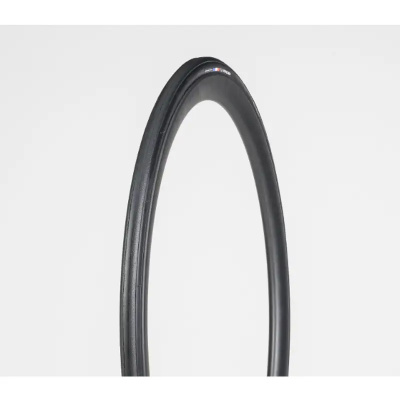
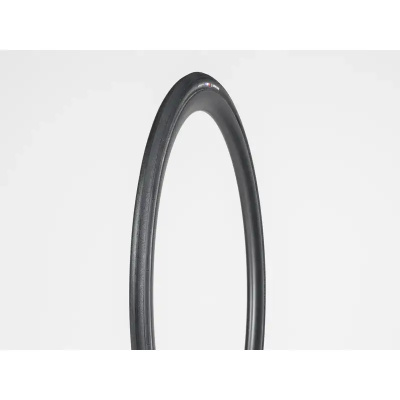
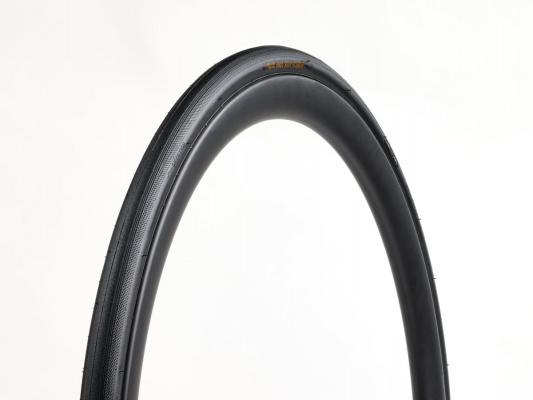
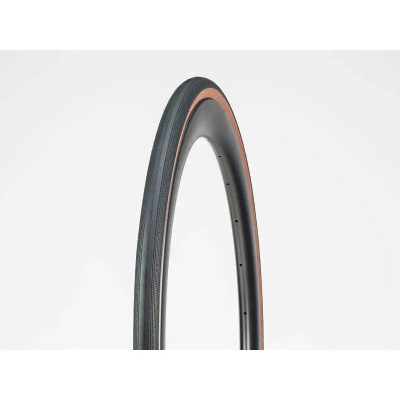
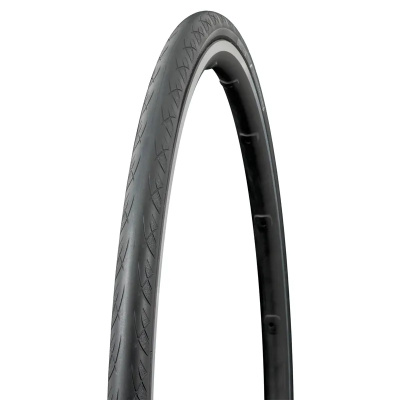
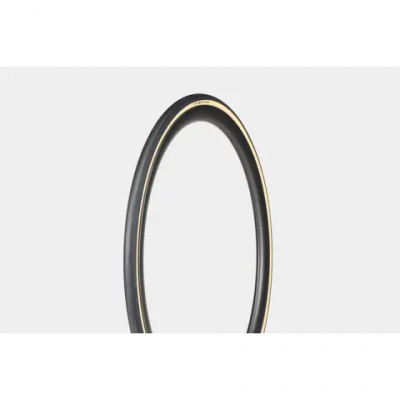
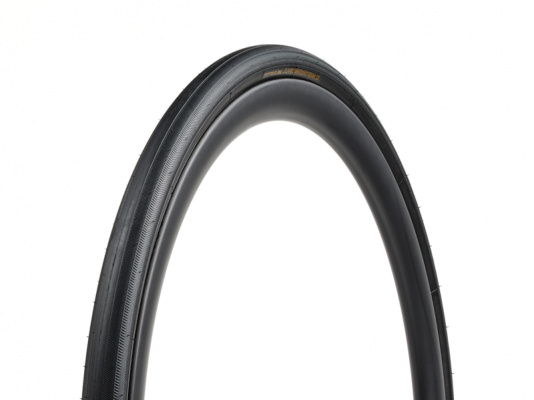
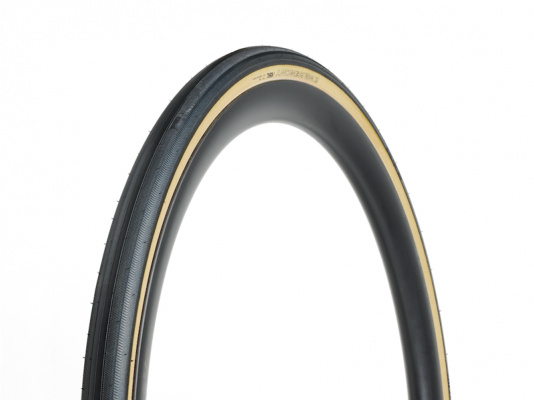
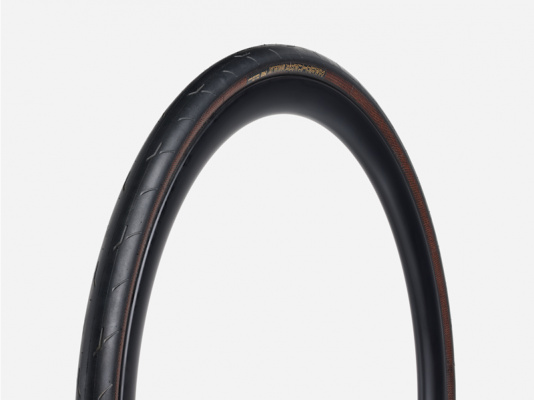
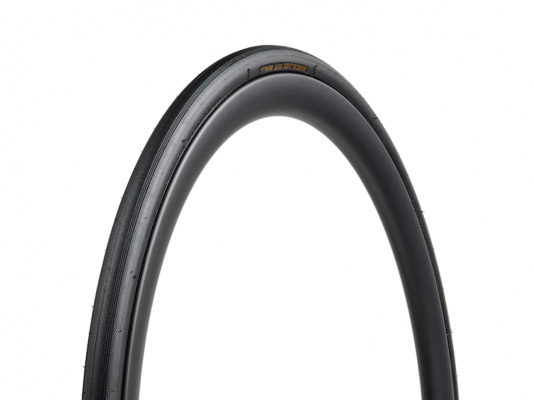
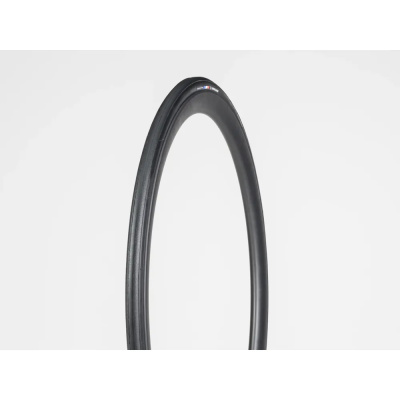
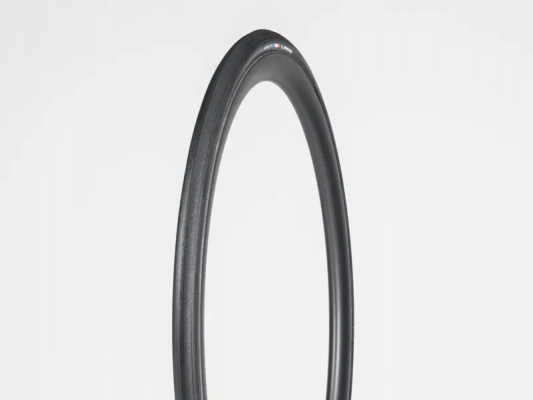
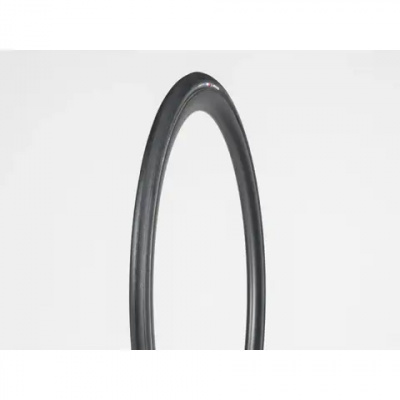
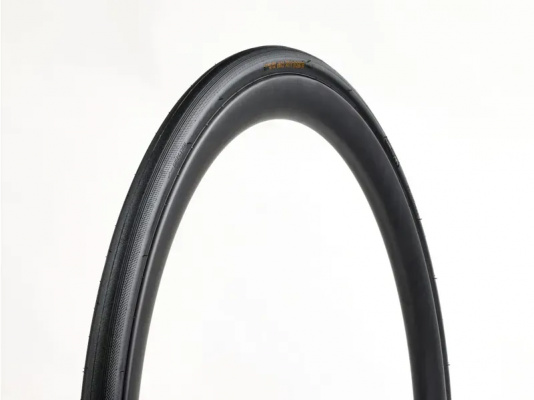
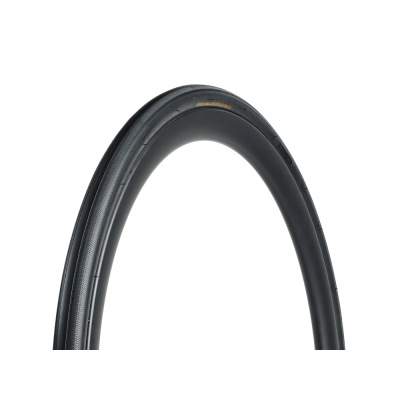
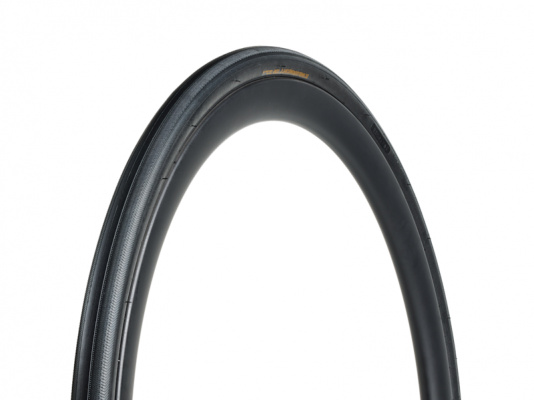
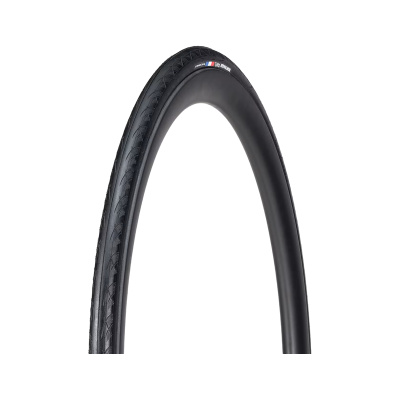
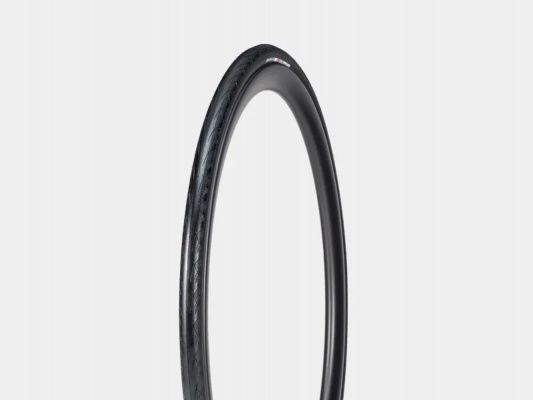
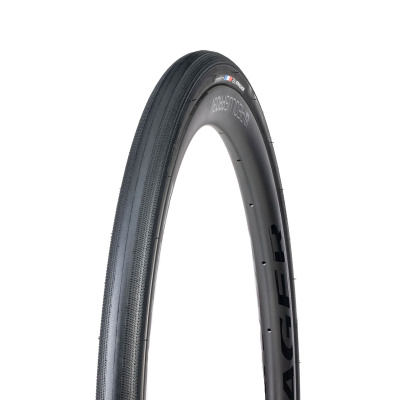
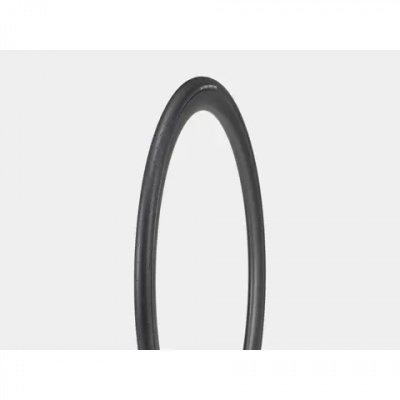
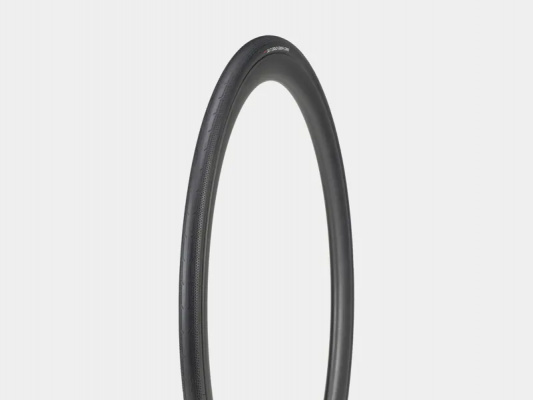
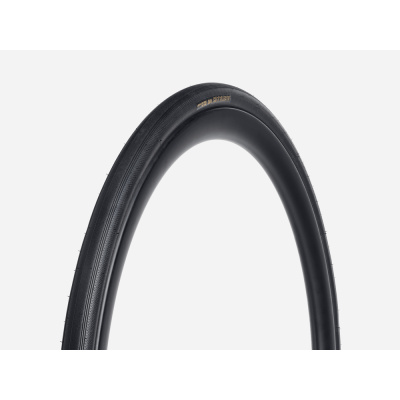
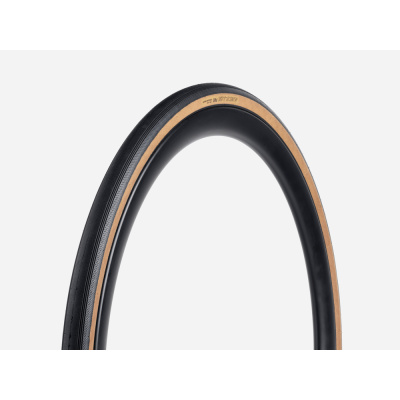
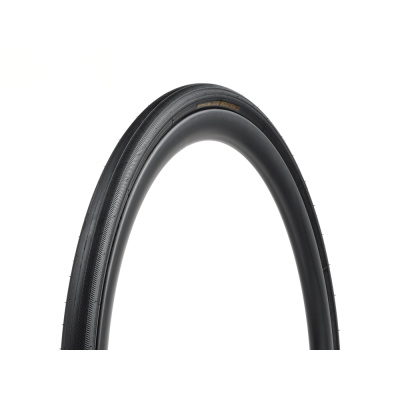
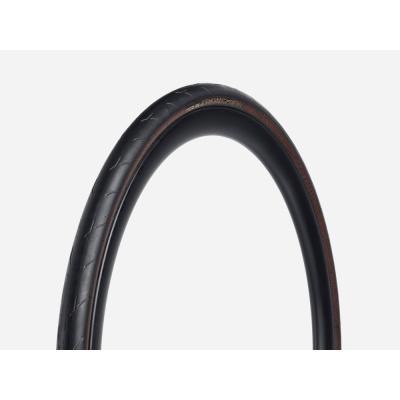
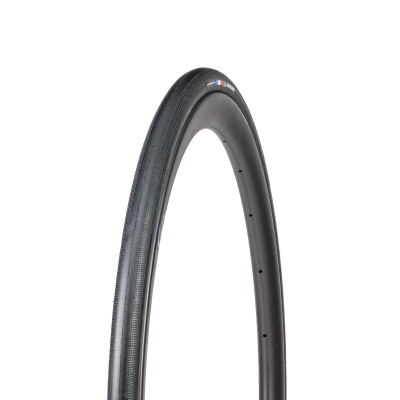
Bontrager road tyres cover a wider spread of riding needs than most people realise - from featherlight race rubber to armour-plated winter hoops that laugh off the flint-strewn lanes of rural Kent or the chip-seal grot of a Yorkshire B-road. Whatever you're chasing, there's a Bontrager in the range for it. The R-Series runs from the approachable R1 wire-bead right up to the R3, a proper 120 TPI race tyre built around the TR-Speed compound for genuinely low rolling resistance. On the other side of the catalogue sits the AW-Series - specifically the AW3, which uses Hard-Case protection to get you through the dark months with fewer roadside stops and more rubber left at the end of it. Most of the premium options are available in TLR (Tubeless Ready) spec, so if you're running a tubeless-compatible wheelset you can drop the pressures, improve comfort on rough roads, and make a puncture far less of a disaster. Worth knowing before you buy: fit and rim compatibility matter more with Bontrager's road range than you might expect, so check the sections below before you add to basket. After something beyond tarmac? Our Bontrager inner tubes page covers the tube side of the equation if you're staying clincher.
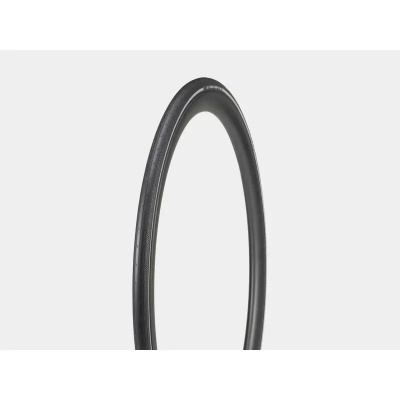
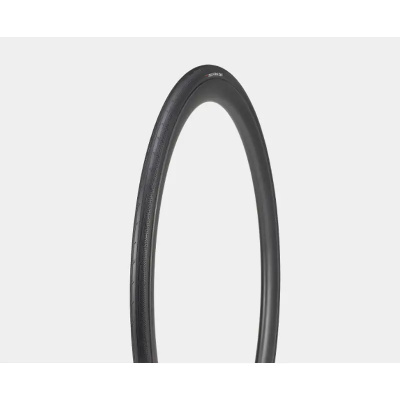
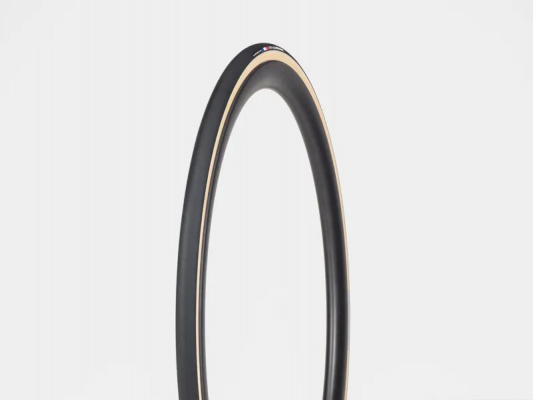
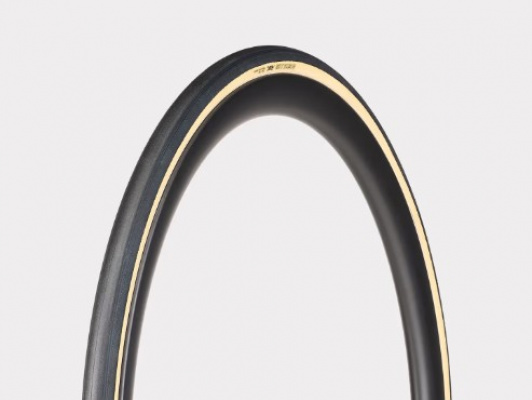
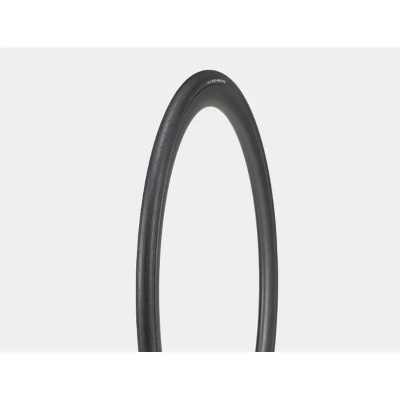
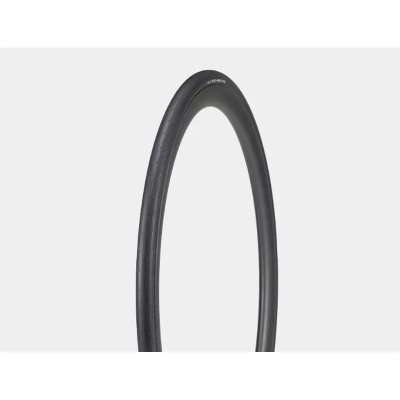
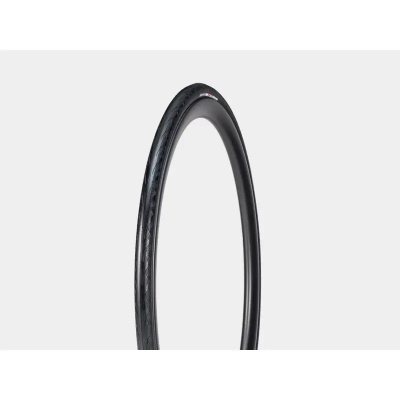
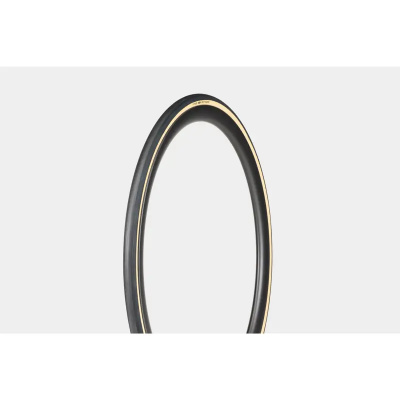
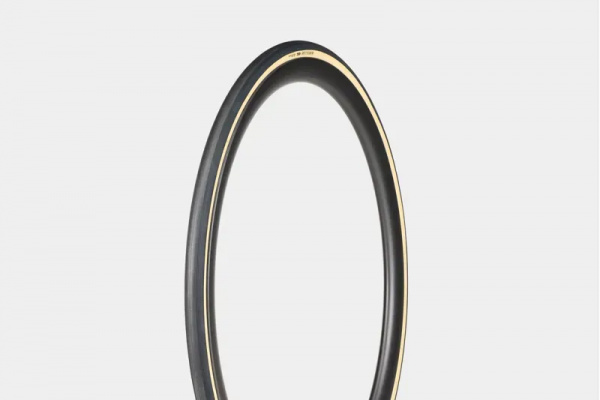
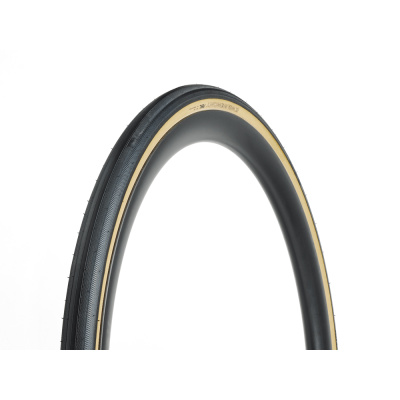
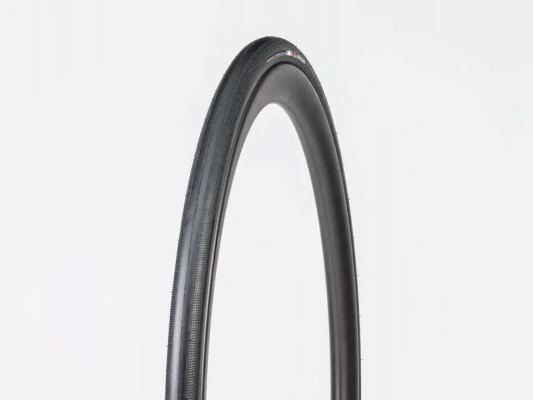
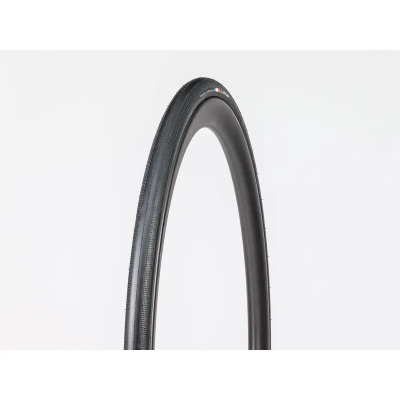
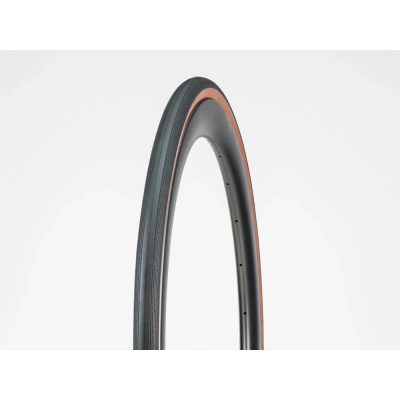
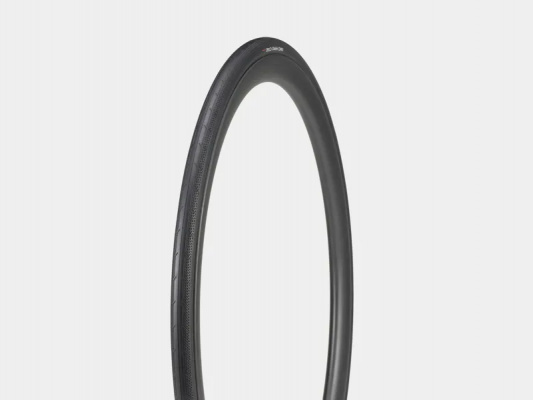
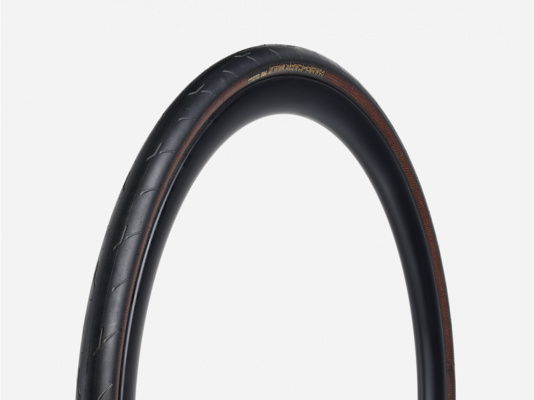
Prices and availability can change quickly. Delivery charges are not always included in listed prices.
Final price, stock status and delivery terms are set by retailer. We may receive a commission on purchases made.
Fitting Bontrager Road Tyres: Clincher, TLR, and Hookless Rims Explained
Get the compatibility question wrong and you'll either be pulling a tyre off a rim at the roadside or, worse, suffering a sudden blow-off. Standard Bontrager clinchers use a conventional hooked bead and work with any standard 700c hooked rim - straightforward. The TLR (Tubeless Ready) tyres use Bontrager's specific bead geometry, engineered for an airtight seal and, crucially, for floor-pump seating in most cases. You don't always need a compressor, which matters if you're setting up at home. Pair them with Bontrager rim tape and Bontrager tubeless valves for the most predictable fit, though quality aftermarket tubeless tape works too.
Hookless rims are where you need to slow down and read carefully. Only specific Bontrager TLR road tyres - generally 28c and wider - carry hookless approval. If your wheels are hookless (common on many carbon aero rims), the maximum inflation pressure is typically 72.5 psi / 5 bar, and you must not exceed it. Check the tyre sidewall markings and cross-reference with your wheel manufacturer's chart. Running a hookless-unapproved tyre on a hookless rim, or over-inflating, risks a catastrophic bead failure. Not a trade-off - a hard limit.
One more thing worth checking before you upgrade to a modern 28c or 32c: frame and calliper clearance. Many older road frames are tight at 25c and won't accept a wider tyre without rub, particularly at the fork crown or chainstay bridge. Measure the gap with a tyre lever before you order. The move to wider rubber is absolutely worth it on UK roads - more air volume means you can run lower pressures and let the tyre absorb the surface rather than your hands - but only if your frame plays along.
R-Series vs AW-Series: What the Naming Convention Actually Means
Bontrager's road tyre range follows a logical hierarchy once you know the code. The R-Series is performance-oriented. The R1 is the entry point - wire bead, solid everyday durability, no frills. Step up to the R2 and you get a folding bead and a more supple casing, making it a sensible training tyre that won't exhaust your wallet. The R3 is where things get serious: 120 TPI casing, the TR-Speed compound for reduced rolling resistance, and a weight that makes it genuinely race-usable. It's the tyre you'd reach for on a sportive or a fast club run when conditions are decent. The R4 sits above that - cotton casing construction aimed at pure competition, where every gram and every watt matters more than longevity.
The AW-Series takes a different path entirely. AW stands for All-Weather, and the AW3 is the standout model. It uses Bontrager's Hard-Case protection - an aramid belt running sub-tread, combined with a bead-to-bead anti-cut casing - to resist the kind of debris that destroys summer rubber inside a month of winter riding. Hedge clippings, flint shards, broken glass at bus stops: the AW3 is built to shrug that stuff off without ceremony. The trade-off is honest: rolling resistance is higher than the R3, and the tyre is heavier. But across a winter of base miles in the Peak District or along the Somerset Levels, the mileage you'll get from a set of AW3s - and the number of punctures you won't have - makes that trade-off straightforward. Think of it less as a slow tyre and more as a reliable one.
The Hard-Case Lite variant sits in between - lighter than the full Hard-Case, still offering meaningful cut protection, and better suited to shoulder-season riding where you want some defence without the full weight penalty. Compared to the equivalent protection levels from Continental road tyres like the Gatorskin or from Specialized road tyres in the Armadillo range, the AW3 is competitive on outright durability and marginally better on wet-weather traction in near-freezing temperatures, where some harder compounds lose their edge.
Keeping Bontrager Tubeless Road Tyres Running Through a UK Winter
Tubeless road tyres need a bit more attention than a tube-and-tyre setup, but the maintenance is genuinely simple once you're in the rhythm of it. The biggest thing most riders miss: sealant dries out faster in the UK than the bottle suggests. The temperature swings between a cold November night and a mild afternoon accelerate latex evaporation. Top up your Bontrager sealant every three to four months rather than waiting for a slow puncture to tell you it's gone. Shake the wheel before each ride - if you can hear liquid sloshing, you're fine; if it's silent, add more.
Seating a tubeless road tyre for the first time can try your patience. A track pump with a high-volume chamber will seat most Bontrager TLR tyres on compatible rims without needing a compressor, but only if the rim tape is sealed perfectly and the valve core is removed during initial inflation. Once the bead seats, refit the core, add sealant through the valve, and spin the wheel. Job done.
For winter riding specifically, the AW3 in tubeless spec is arguably the most practical setup available in the Bontrager range. You get the Hard-Case cut resistance for the lane debris and the tubeless benefit of self-sealing small punctures before they become a problem. Run the tyre at the lower end of the recommended pressure range - for a 28c, something around 60 - 65 psi rather than the maximum - and the compliance on broken chip-seal makes a noticeable difference to how your hands and lower back feel after three hours. Vittoria road tyres offer a comparable all-weather tubeless option in the Rubino Pro range, but the AW3's bead-to-bead casing protection is a step ahead for genuinely rough UK roads.
If you're keeping things simple and staying with inner tubes, keep a couple of Bontrager inner tubes in your jersey pocket regardless - even the best puncture-resistant tyre has its limits when a pothole is involved.
Bontrager Road Tyres FAQs
Are Bontrager road tyres tubeless ready?
The premium models in the range - those carrying the TLR designation - are tubeless ready. To set them up properly you'll need a TLR-compatible rim, airtight rim tape, tubeless valves, and liquid sealant. Not every Bontrager road tyre is TLR-spec, so check the product listing before you buy.
What is the difference between Bontrager R3 and AW3 tyres?
The R3 is a performance road tyre - 120 TPI casing, TR-Speed compound, low rolling resistance, light weight. It's built for speed in decent conditions. The AW3 is the all-weather alternative, prioritising Hard-Case puncture protection and a tread compound that stays grippy in cold, wet conditions. It's heavier and rolls slightly slower, but it'll last through a UK winter where the R3 won't.
Can I use Bontrager road tyres on hookless rims?
Only specific Bontrager TLR road tyres in 28c and wider are approved for hookless rims. If you're running hookless wheels, the maximum inflation pressure is 72.5 psi / 5 bar - exceed that and you risk a bead failure. Always cross-check the tyre's sidewall markings against your wheel manufacturer's compatibility list before fitting.