
Trek Frame Bags
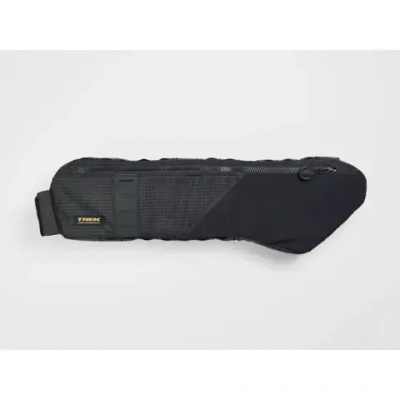
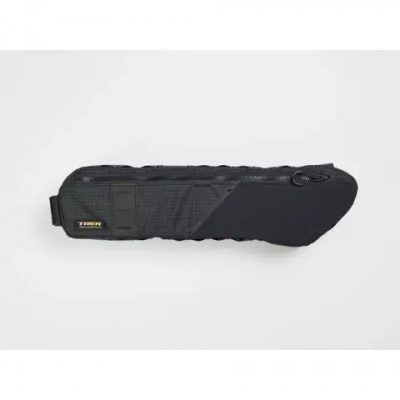
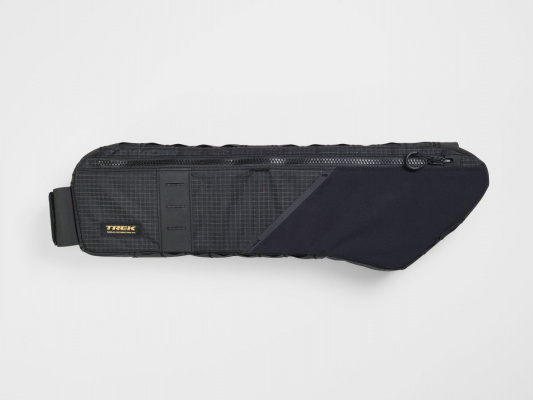
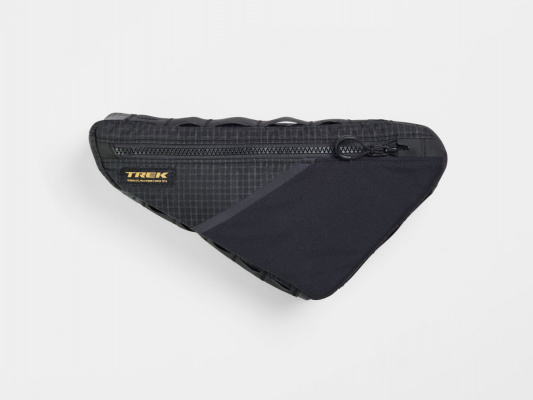
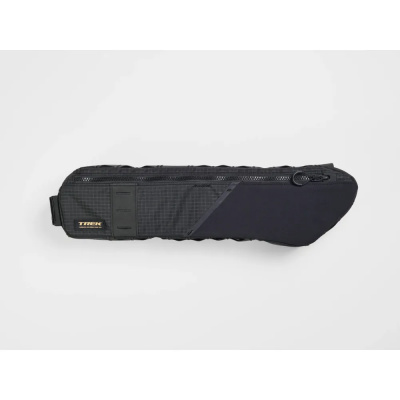
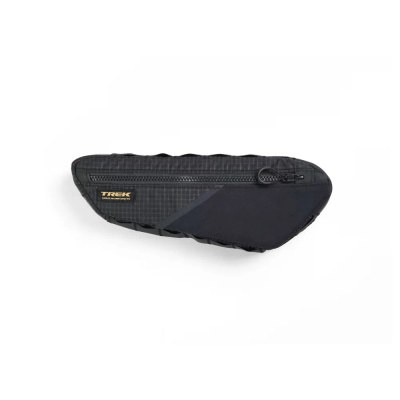
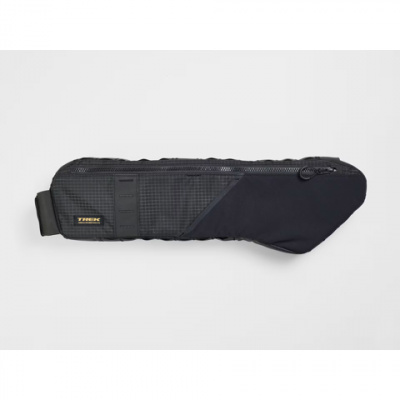
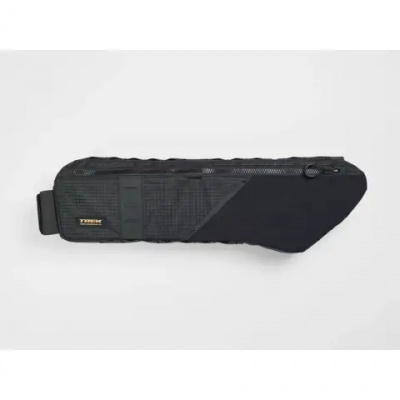
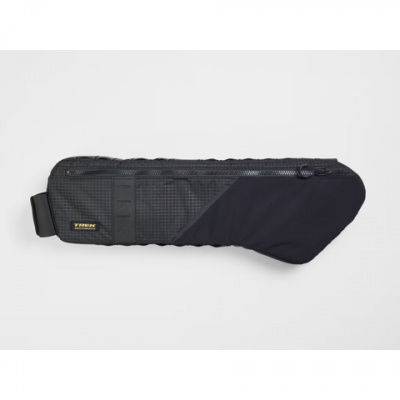
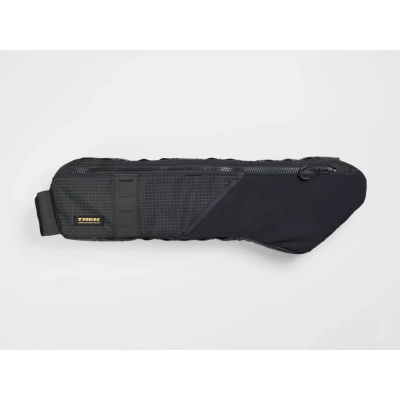
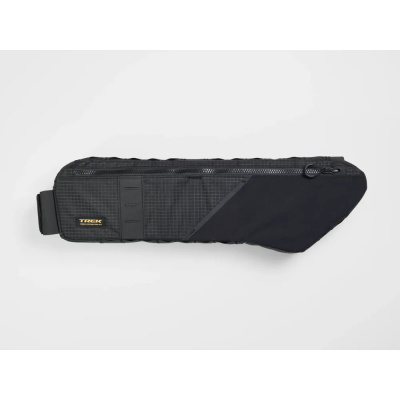
Trek frame bags sit at the practical heart of any bikepacking or touring build, keeping weight central, low, and tucked tightly where it has the least impact on how your bike handles. Designed and sold under Trek's Bontrager component line, these bags are built with direct compatibility in mind - particularly for the Trek Checkpoint and Farley, where proprietary thumb-screw mounts bolt the bag cleanly to the frame without a velcro strap in sight.
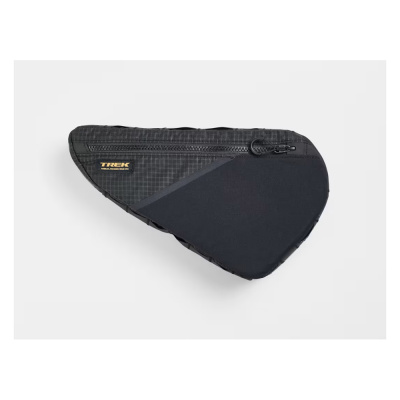
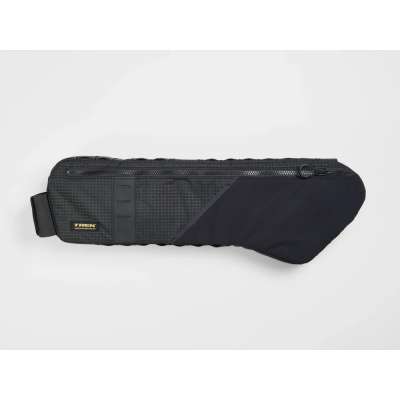
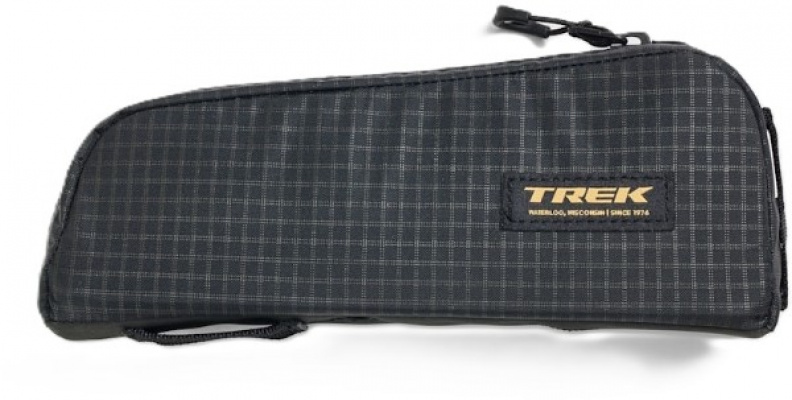
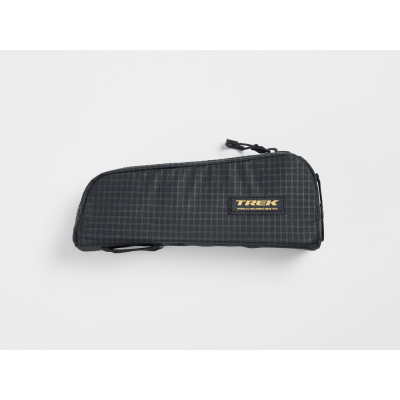
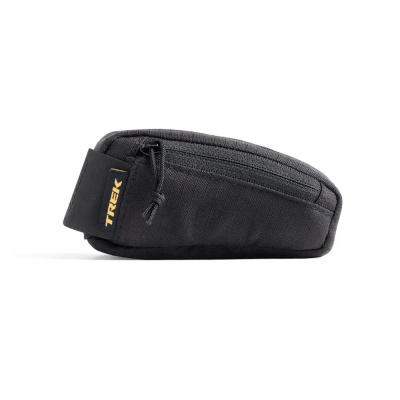
The Adventure Boss series covers the core of what most riders actually need: half-frame bags and top tube bags sized to match Trek's own frame sizing, with water-resistant materials and waterproof zippers that take UK riding seriously. That matters when you're three hours into a Scottish gravel loop and the drizzle has turned to something more committed.
Whether you're loading up for a multi-day tour or just packing a spare tube, a gel, and your phone for a long day out, the right Trek frame bag keeps your kit accessible and your frame protected. This guide walks you through sizing, mounting options, what you're actually getting for your money, and how to fit one without wrecking your paint in the process.
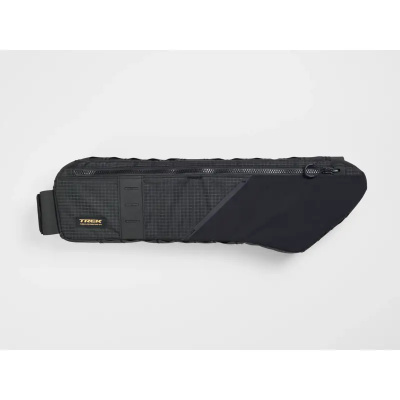
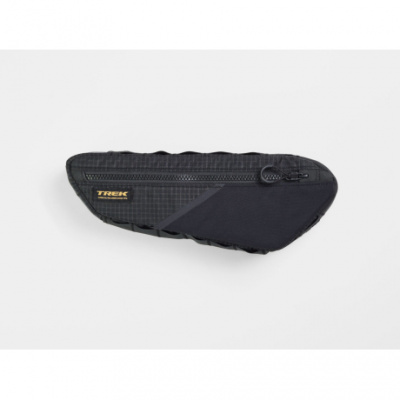
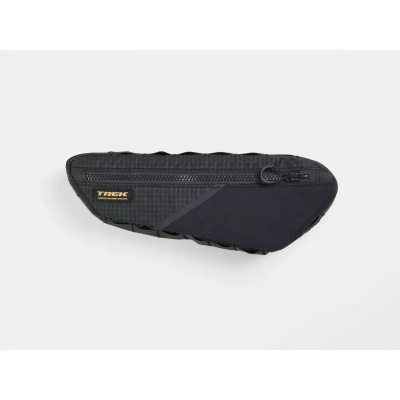
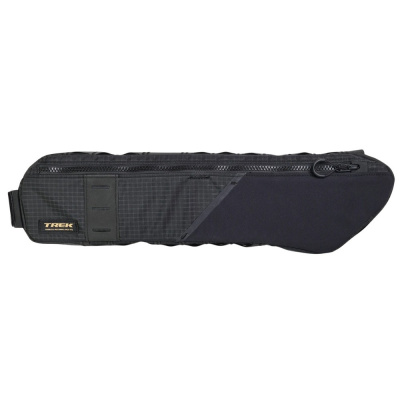
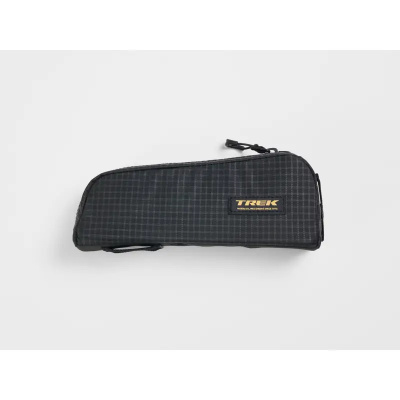
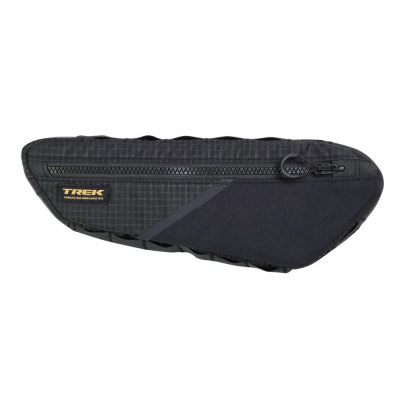
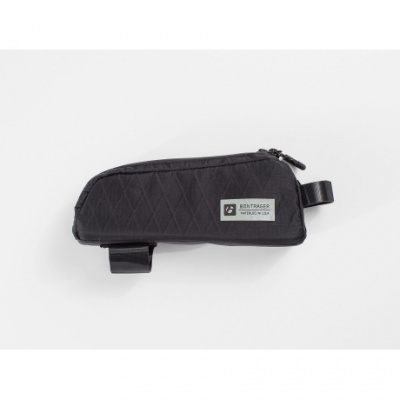
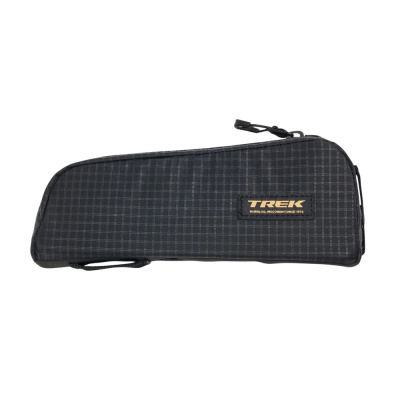
Prices and availability can change quickly. Delivery charges are not always included in listed prices.
Final price, stock status and delivery terms are set by retailer. We may receive a commission on purchases made.
Getting the Size and Mounting Right
Sizing a Trek frame bag is more straightforward than it is with universal bags. Bontrager sizes their frame bags to correspond directly with Trek's own frame sizes - so a 54cm frame typically takes a Medium bag, a 56cm a Large, and so on. It removes most of the guesswork, but you should still cross-reference Trek's sizing chart for your specific model, because geometry varies across the range and a bag cut for a Checkpoint's front triangle won't necessarily drop into a Marlin's.
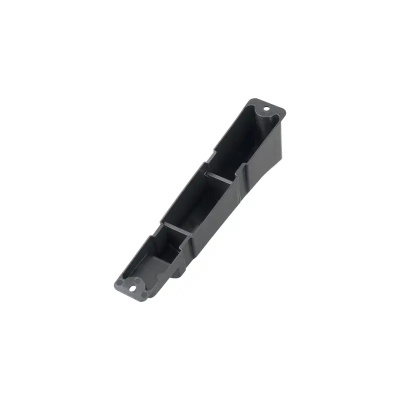
Knowing how your bag attaches matters as much as knowing which size to buy. On newer Checkpoint and Farley models, you'll find dedicated mounting bosses that accept Bontrager's proprietary thumb-screw system. This is a genuinely useful feature - the bag bolts directly to the frame with no straps involved, which means no contact points creeping around, no pressure marks, and a noticeably cleaner installation. If your Trek doesn't have those bosses, or you're running a different brand of bag, you're working with strap mounting instead, which is fine but needs more attention to set-up.
Bottle clearance is the other thing worth thinking through before you buy. A half frame bag occupies the upper portion of the front triangle, which typically leaves room for one bottle cage in the lower section. The catch is that the bag's lower edge can sit close to the cage, making a standard top-pull cage awkward to use on the move. Switching to a side-entry cage solves this almost entirely and costs very little. If you want two bottles on the frame, a half bag is likely your ceiling - a full frame bag will block both positions.
What You're Actually Paying For Across the Range
The Bontrager Adventure Boss bags represent Trek's most developed frame storage option, and the jump in quality over a budget strap-on bag is tangible. The internal lining is high-visibility - a bright colour that sounds like a small detail until you're fishing for a tubeless plug or a gel at the bottom of the bag in poor light. It makes a real difference. Segmented internal pockets add organisation without bulk, keeping your tools separate from your food and your phone separate from both.
Water-resistant zippers are standard across the Adventure Boss range. These aren't fully waterproof in the submersion sense, but they handle prolonged rain and spray without letting water track in - which is what you actually need for UK riding. Protecting your phone, spares, and snacks from a Welsh autumn is a realistic use case; keeping them dry while fording a stream is not what this bag is designed for. The distinction is worth understanding before you buy.
Top tube bags in the range are simpler in construction - typically one main compartment with a zip, designed for easy access while riding. They suit riders who want a snack and a phone at hand without committing to a full frame bag. If your riding is mostly day trips rather than multi-day adventures, a top tube bag paired with a saddle bag often covers everything you need without adding significant weight or complexity to the bike.
Looking to complete your bikepacking setup? Explore our dedicated ranges of Trek Bar Bags, Trek Saddle Bags, and Trek Pannier Bags for front and rear storage solutions.
If you're weighing Trek's options against the broader market, Apidura frame bags offer a strong alternative for riders prioritising minimal weight and a snug fit across a wide range of frame sizes, while Ortlieb frame bags are worth considering if maximum waterproofing is the priority. Altura frame bags tend to offer good value for riders who want solid UK-weather performance without spending at the top of the market.
UK Conditions, Frame Protection, and Keeping Zippers Moving
UK roads and trails have a specific problem that doesn't get enough airtime: grit. Fine stone dust, road salt, and mud combine with rain to form an abrasive paste that sits exactly where your bag's mounting straps press against the frame. Left unchecked, it grinds through paint and clear-coat methodically - on an alloy frame you'll have bare metal exposed within a season; on carbon the damage is less visible but no less real.
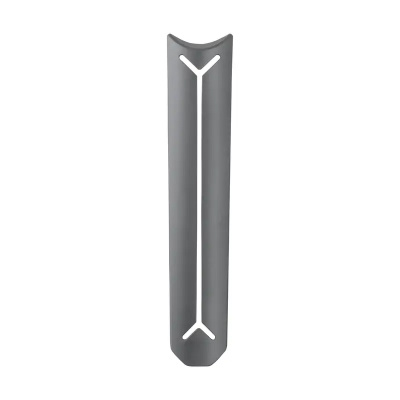
The fix is simple and non-negotiable. Before you fit any strap-mounted frame bag, apply clear frame protection tape - helicopter tape - to every tube the bag contacts: down tube, top tube, and seat tube. Cut it to size, smooth out the bubbles, and fit the bag on top. It's a fifteen-minute job that saves your frame. Trek sells frame protection specifically for this, and it's worth doing properly rather than bodging with electrical tape. Thumb-screw-mounted bags on compatible Trek frames avoid most of this risk since there are no straps dragging grit across the paint, but the bolt contact points still benefit from a small patch of protection.
Zipper maintenance is the other thing most riders ignore until a zip jams mid-ride in the rain. Mud and grit work into the zip teeth and the slider mechanism, and once they're in there, forcing the zip makes it worse. After muddy rides, rinse the zips with clean water and let them dry before applying a small amount of dry wax lubricant to the teeth. This keeps everything running smoothly and extends the life of water-resistant coatings that degrade with repeated abrasion. It takes two minutes and means your bag still functions properly a few seasons in.
Trek Frame Bags FAQs
How do I know what size frame bag fits my Trek bike?
Bontrager sizes its frame bags to match Trek's own frame sizes directly - a 54cm frame typically takes a Medium bag, for example. That said, always check Trek's sizing chart for your specific model, particularly on bikes like the Checkpoint that use direct-mount bosses, as geometry differences can affect fit.
Do frame bags scratch your bike frame?
They can, yes. Grit and mud trapped under mounting straps acts like sandpaper against your paint or clear-coat, and the damage builds up quickly. Apply clear frame protection tape to every contact point on the frame before fitting the bag. Thumb-screw-mounted bags on compatible Trek models reduce this risk significantly, but tape is still good practice.
Can you still use water bottles with a half frame bag?
Yes - a half frame bag sits in the upper portion of the front triangle and leaves the lower section free for a bottle cage. Clearance can be tight though, so a side-entry cage makes access much easier on the move. If you need two bottles on the frame, a half bag is about as far as you can go without losing cage positions.