
Trek Pannier Bags
Trek pannier bags cover everything from the daily grind to loaded touring weekends, and the range has grown sharper since Trek folded the Bontrager accessory lineup under its own name. You get the same engineering, just a cleaner brand story. What that means practically: robust waterproof materials, reflective detailing stitched in rather than stuck on, and rack integration that doesn't rattle loose on potholed city roads.
The headline feature across much of the range is MIK (Mounting is Key) compatibility - a click-on, click-off baseplate system that lets you pull your bag off the bike in seconds and carry it into the office without fumbling with hooks. For riders who aren't on MIK-compatible racks, Trek also offers traditional hook-and-rail panniers with adjustable quick-release hooks that span the standard rack tubing diameters most riders run.
Waterproofing is split honestly across the range: the city shopper styles handle a light shower, while the commuter and adventure bags use roll-top closures and waterproof materials that won't let a week of British autumn down. Capacity litres vary widely, so whether you need a compact grocery run bag or enough volume for a full touring load, there's a fit here. Browse the price-compared selection below.
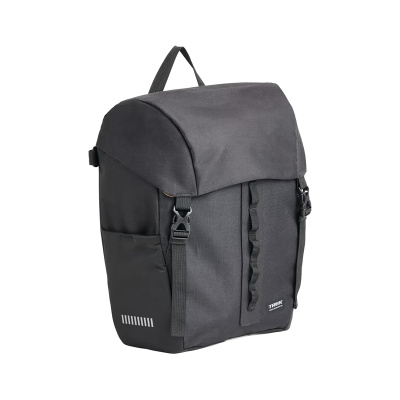
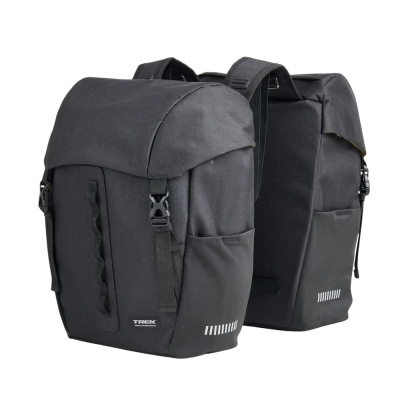
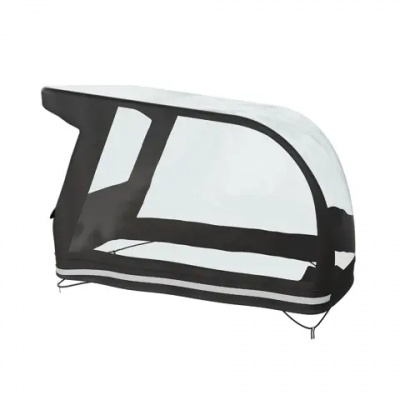
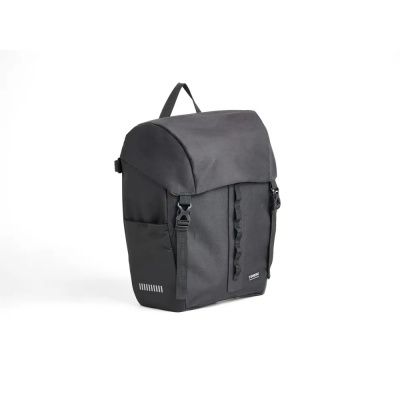
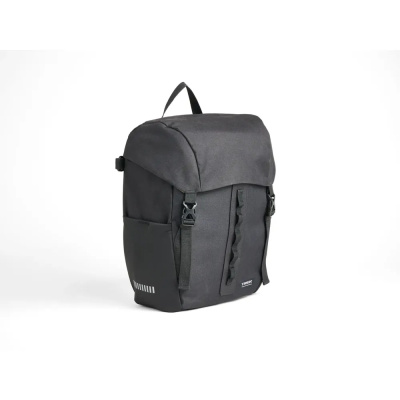
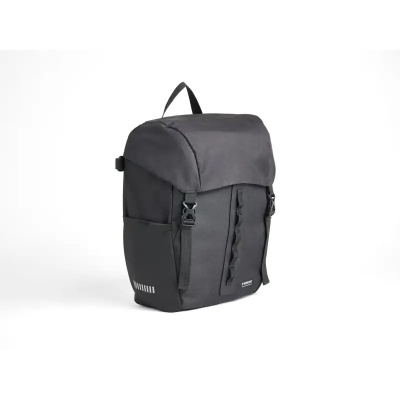
Prices and availability can change quickly. Delivery charges are not always included in listed prices.
Final price, stock status and delivery terms are set by retailer. We may receive a commission on purchases made.
MIK Integration vs. Standard Hook-and-Rail: Which Do You Need?
The split in Trek's pannier range starts here, so it's worth getting straight before you buy. MIK-specific bags use a rigid baseplate that clicks into a receiver mounted on your rack. The security is genuinely impressive - there's no lateral wobble and the bag releases with a single lever press. The catch is that you need either a Trek MIK-compatible pannier rack or an MIK adapter plate fitted to a third-party rack. Without one, the click-in base has nothing to engage with.
Standard Trek panniers use adjustable hook systems that clamp onto rack tubing - typically anything from 8mm to 16mm diameter, which covers the vast majority of racks on the market. These are the bags to go for if you're running a non-Trek rack or mixing bags across multiple bikes. Hook tension is usually adjustable with a simple dial or clip, and a lower stabiliser hook or anti-sway strap keeps things from swinging on rougher roads.
If you're after luggage that doesn't touch a rack at all, Trek's range extends further. A Trek frame bag or a Trek saddle bag might suit you better for bikepacking setups or bikes where a rear rack simply isn't fitted.
Commuter vs. Adventure: Picking the Right Bag for Your Ride
Trek's pannier lineup sits across two broad purposes, and the differences matter. City shopper-style bags prioritise easy off-bike use - structured shapes, top-carry handles, sometimes a shoulder strap. Waterproofing here is typically water-resistant rather than waterproof outright, which is fine for the quick dash from bike to door in a drizzle. Fine, that is, until it isn't.
The commuter and adventure tiers step up meaningfully. Roll-top closures replace zips as the primary seal - fold the top down three times, clip it, and you've got a genuinely waterproof enclosure rather than a zip that weeps under sustained rain. Fabric weights increase too, with heavier denier materials resisting the scuffs and scrapes that come with daily use. Capacity litres tend to run larger in these tiers, giving you room for a change of clothes, a laptop sleeve, and lunch without forcing the bag to balloon awkwardly on the rack.
The ongoing transition from the Bontrager name to Trek branding is worth a quick note. You'll still find Bontrager-labelled stock at some retailers - the products are identical in specification, just under the older name. Don't let that create any confusion when comparing; check the model name and specs rather than the badge.
Some bags in the range also carry Blendr light mount integration - a tidy socket built into the bag's shoulder that accepts Trek's Blendr-compatible rear lights without a separate bracket cluttering your rack. Useful if you're already running Trek lighting and want everything to sit cleanly. If you're shopping for lights at the same time, the Trek lights range is worth a look alongside.
For commuters comparing across brands, Ortlieb panniers set the benchmark for roll-top waterproofing and are worth considering if waterproofing is your absolute priority. Altura panniers offer strong value in the mid-range, while Basil panniers cover the urban and Dutch-influenced end of the market well. Trek sits competitively in the mid-to-upper tier, with the MIK ecosystem being a genuine differentiator for Trek bike owners.
Keeping Trek Panniers Working Through a UK Winter
British roads do specific things to pannier hardware. Road grit and salt spray work into the MIK baseplate receiver and the plastic mounting hooks over autumn and winter, grinding quietly against rack rails and eating paint off aluminium tubing. It's slow damage, but it adds up.
The fix is straightforward: rinse the baseplate receiver and hook mechanisms with clean water after wet, gritty rides. A soft brush gets salt crystals out of the MIK dock's edges before they start abrading. Do this once a week through winter and your rack rails stay intact far longer. It takes two minutes.
On the bag itself, a wipe-down with warm soapy water and a soft cloth handles most exterior grime without stressing the waterproof coating. Avoid pressure washing directly onto seams or the roll-top fold - the waterproof laminate on these areas is durable but not indestructible under sustained high-pressure spray. Leave the bag to air dry rather than forcing it near a radiator, which can degrade the coating and warp hard plastic components.
Roll-top closures are worth inspecting every few months too. The fold-and-clip mechanism relies on the fabric keeping its flexibility - if the top lip starts to stiffen or crack in cold weather, a light application of a silicone-based protectant keeps it supple. Small habit, long bag life.
If you're building out a full commuting or touring setup, pairing Trek panniers with Trek mudguards reduces the grit thrown up onto the bag's mounting hardware in the first place - worth considering if you're setting up a Trek hybrid bike for year-round use.
Trek Pannier Bags FAQs
Do Trek pannier bags fit non-Trek racks?
Most Trek panniers use adjustable hooks that clamp onto standard rack tubing, typically covering 8 - 16mm diameters, so they'll work on the majority of racks out there. The exception is MIK-specific bags - these need an MIK-compatible rack or an MIK adapter plate fitted to your existing rack to engage the click-in baseplate properly.
Are Trek pannier bags fully waterproof?
It depends on the model tier. The commuter and adventure bags use waterproof materials and roll-top closures that handle sustained heavy rain reliably. The lighter city shopper styles are typically water-resistant, which covers light showers but not a full soaking. Always check whether the spec says waterproof or water-resistant before buying - they're not the same thing on a wet November commute.
How do you clean a Trek pannier bag?
Wipe the outside down with warm soapy water and a soft brush to clear road grit, particularly around the mounting hardware and MIK baseplate. Don't machine wash - it degrades waterproof coatings and can crack hard plastic components. Air dry away from direct heat sources.