
Trek Saddle Bags
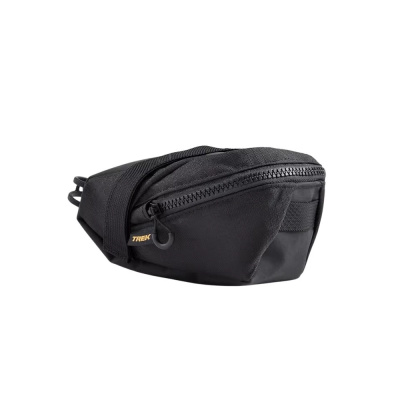
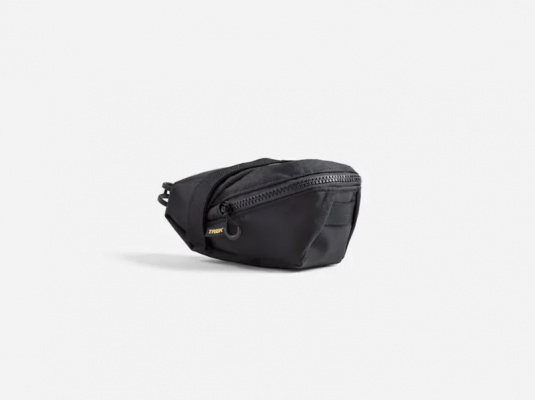
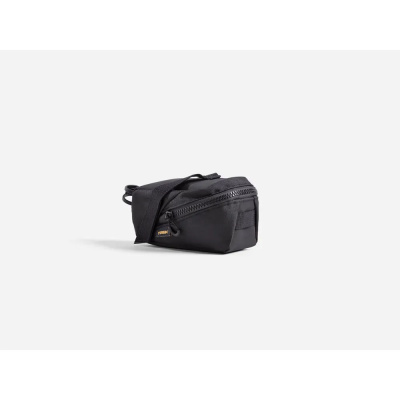
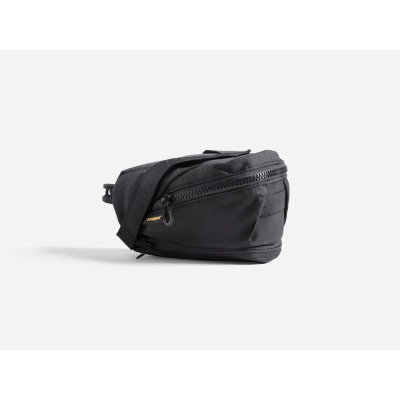
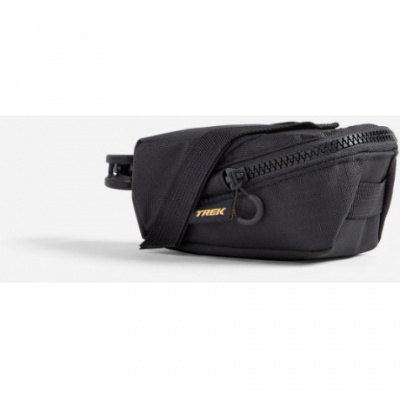
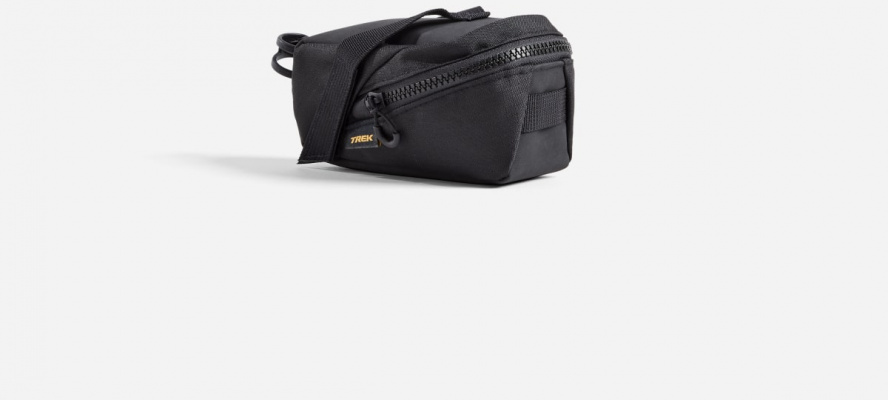
Trek saddle bags cover the full spectrum from a barely-there road pod to a properly capable waterproof seat pack for gravel days that stretch past dark. Whatever you're running - a Domane on the Surrey lanes or a Checkpoint on a Scottish mixed-surface slog - there's a bag here that won't fight your bike's lines or your thighs on the pedal stroke.
The range splits neatly between bags that use standard seatpost straps and saddle rails for universal fit, and those built around Trek's Blendr accessory mount system - a direct-to-saddle integration that does away with straps entirely. Blendr-compatible bags bolt straight onto supported Bontrager saddles, which means zero tail wag and nothing flapping against your shorts on a fast descent. If you've ever had a loose strap-mount bag oscillate like a metronome on a bumpy road, you'll know exactly why that matters.
UK riding adds its own demands. Rear wheel spray is relentless from October through April, and a bag without a proper waterproof zip will soak your inner tube and leave your CO2 cartridge rattling in a puddle of grit. Trek's higher-spec bags address this with taped seams and water-resistant materials, while reflective accents keep you visible when the light drops early. Pick the right bag, sort your Trek tools to go inside it, and you're ready for whatever the road or trail throws at you.
Prices and availability can change quickly. Delivery charges are not always included in listed prices.
Final price, stock status and delivery terms are set by retailer. We may receive a commission on purchases made.
Mounting Systems and What Fits What
Most Trek saddle bags attach via hook-and-loop straps that loop around the saddle rails and the seatpost - a design that fits the overwhelming majority of standard road and gravel setups without any faff. Tighten them properly and they're solid. The thing people get wrong is leaving them slightly loose, which lets the bag pivot under load and eventually chews into the back of their bib shorts. Snug is the word.
The more interesting option is Blendr compatibility. Trek's Blendr system uses a direct-mount interface built into the underside of compatible Bontrager saddles, so the bag bolts on without any straps at all. It's a cleaner installation, aerodynamically tidier, and it eliminates the strap-abrasion problem entirely. The Pro Key Block quick-release bracket is part of this system - it lets you detach the bag in seconds without tools, which is genuinely useful if you're swapping bags between bikes or locking up in town. Check your saddle's spec sheet before buying: Blendr is a Trek/Bontrager-specific standard and won't work with third-party saddles. Worth pairing with a Trek saddle if you want the full integration.
MTB riders using a dropper post need to think carefully about bag size. When the post is slammed, a large saddle bag can sit uncomfortably close to the rear tyre - or make contact with it outright on rough ground. As a rule, check the clearance between the bag's base and your tyre with the post fully dropped before committing to a larger option. On hardtails this is less of an issue, but on a full-suspension bike with a long-travel dropper, keep bag volume modest or mount storage elsewhere.
How the Range Breaks Down
Trek's saddle bag lineup works in tiers, and understanding which one you actually need stops you over-buying or under-speccing.
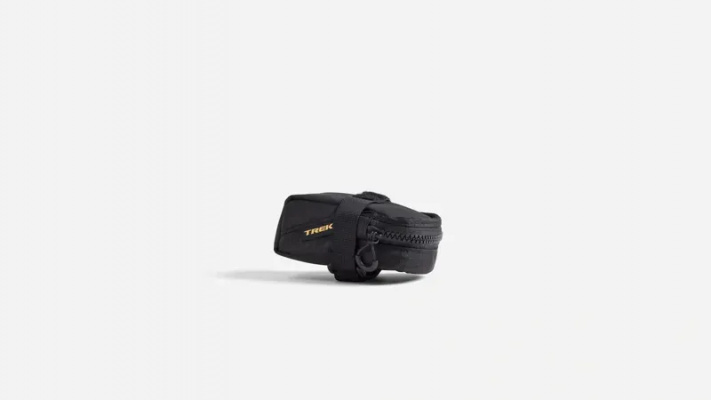
At the compact end, the Trek Micro and Trek Pro bags are road-focused and deliberately minimal. Capacity sits in the 0.25 - 0.5 litre range - enough for one inner tube, a couple of tyre levers, and a CO2 inflator. That's the kit list for most road and sportive riders, and keeping the bag small means it stays clear of your legs even on a wide-hipped fit. The Aerolight low-profile designs in this tier keep the silhouette tight to the saddle, which matters if you're racing or just care about how the bike looks.
Step up to the Trek Elite range and you're into waterproof territory - taped seams, proper waterproof zips, and enough capacity for a multi-tool, patches, a tube, and a mini pump. This is the commuter and gravel rider's bracket. If you're doing the Peak District on a wet Tuesday or a 200km audax with bag-drop anxiety, this is where to look. The construction holds up to sustained rear wheel spray in a way that the entry-level bags simply don't.
Beyond the saddle bag, if you need meaningful storage for bikepacking or longer touring days, that's a different conversation. Explore our dedicated Trek bar bags, Trek frame bags, and Trek pannier bags for complete setups that won't compromise your saddle bag's job of keeping the essentials dry and accessible.
If Trek's fit or price point isn't quite right, Apidura saddle bags are a strong alternative at the gravel and bikepacking end, while Carradice saddle bags remain the go-to for British touring riders who want canvas durability. For road-specific minimalism, Lezyne saddle bags are worth a look alongside Trek's micro options.
Keeping It Working Through a UK Winter
Rear wheel spray is the enemy. On a wet road, your back wheel fires a continuous jet of grit-laden water at the underside of your saddle bag - and it doesn't stop. Trek's Elite and Adventure bags handle this well with taped seams, but even the best bag benefits from a rinse after muddy rides. Let grit dry inside a zip and it acts like sandpaper on the seal every time you open it.
The Velcro strap issue is one that catches people out. After a winter's riding, hook-and-loop straps accumulate grit and road debris in the fibres. That contaminated Velcro then sits against the back of your bib shorts and gradually abrades the fabric - expensive bib shorts in particular. Get in the habit of checking the straps every few weeks and cleaning them with a stiff brush. It takes two minutes and saves a lot of grief.
Waterproof zips need lubrication. After repeated use in cold, wet conditions, the zip teeth can stiffen and eventually crack if they're forced. A small amount of silicone lubricant worked along the zip teeth every couple of months keeps them moving freely. Don't use WD-40 - it can degrade the zip's waterproof membrane over time. Silicone spray or a dedicated zip wax is the right call. While you're at it, pick up a Trek pump that fits neatly alongside your toolkit - it's one less thing to forget on the way out the door.
The reflective accents on Trek's bags are worth mentioning here too. On short winter days in the UK, you're likely to finish a ride in near-darkness even if you started in daylight. The reflective detailing catches headlights effectively and adds a meaningful margin of visibility without any extra weight or bulk. It's not a substitute for a rear light, but it's a useful layer of passive safety.
Trek Saddle Bags FAQs
How do I know if a Trek saddle bag fits my bike?
The majority of Trek bags use hook-and-loop straps that fit standard saddle rails and seatposts - if your bike is a conventional road, gravel, or MTB setup, you're fine. For a cleaner, strap-free attachment, check whether your Trek or Bontrager saddle supports Blendr compatibility, which allows direct bolt-on mounting without any straps at all.
What size saddle bag do I need for a road bike?
A micro or small bag in the 0.25 - 0.5 litre range is the right call for most road riding. That gets you one inner tube, two tyre levers, and a CO2 inflator - the essentials for a puncture fix - without the bag sitting wide enough to catch your thighs on the upstroke. Go bigger only if you're also carrying cash, a phone, or a mini pump.
Are Trek saddle bags fully waterproof?
Trek's Elite and Adventure-tier bags use waterproof materials and taped seams that handle UK rear wheel spray reliably. The entry-level and micro bags are water-resistant rather than fully waterproof - fine for light rain, less convincing in a sustained downpour. For anything electronic going in the bag, a small zip-lock bag adds worthwhile insurance regardless of the bag's rating.